

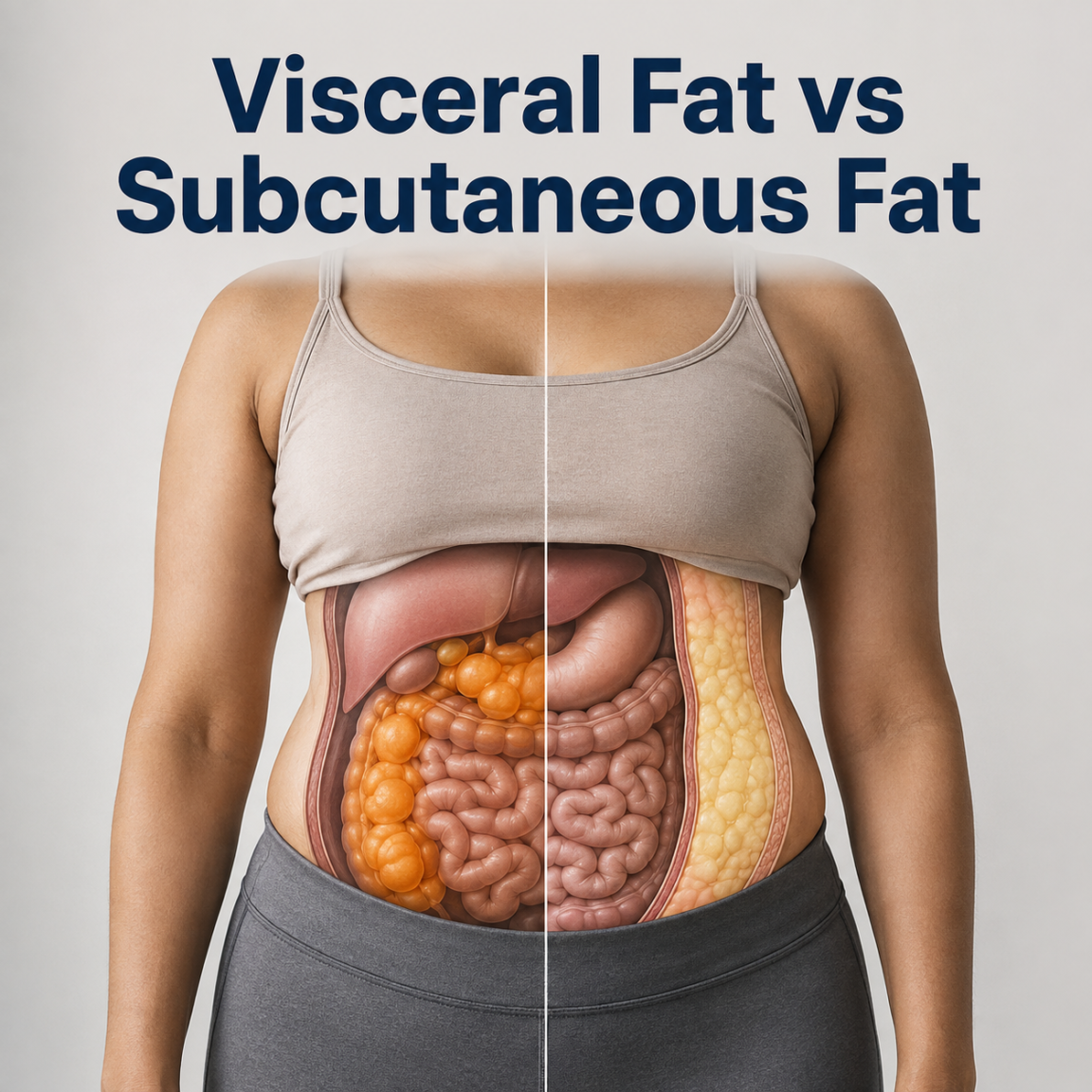
Visceral Fat vs Subcutaneous Fat: Which Type Is More Harmful?
Two people can have the same body weight, the same BMI, and even a similar-looking abdomen—yet have very different metabolic health.
One reason is where body fat is stored.
Some fat sits directly beneath the skin. You may be able to pinch it around your abdomen, thighs, hips, or arms. This is called subcutaneous fat.
Another type of fat is stored deeper inside the abdominal cavity, surrounding internal organs. This is called visceral fat.
Understanding visceral fat vs subcutaneous fat matters because these two fat depots do not behave identically.
Excess visceral fat is generally more strongly associated with insulin resistance, type 2 diabetes, fatty liver, abnormal blood lipids, and cardiovascular disease than subcutaneous fat. But this does not mean that every gram of subcutaneous fat is harmless or that visceral fat alone determines metabolic health.
Body-fat distribution is influenced by genetics, age, sex hormones, physical activity, energy balance, sleep, alcohol intake, and other metabolic factors.
This also explains why the weighing scale cannot tell the whole story.
A person can have a relatively normal body weight while carrying metabolically unfavourable abdominal and ectopic fat. Another person may have more visible subcutaneous fat but a different metabolic risk profile.
So when comparing visceral fat vs subcutaneous fat, the important question is not simply, “Which one makes my abdomen look bigger?”
The better question is:
“Where is the excess energy being stored, and what does that mean for my metabolic health?”
Visceral Fat vs Subcutaneous Fat: What Is the Difference?
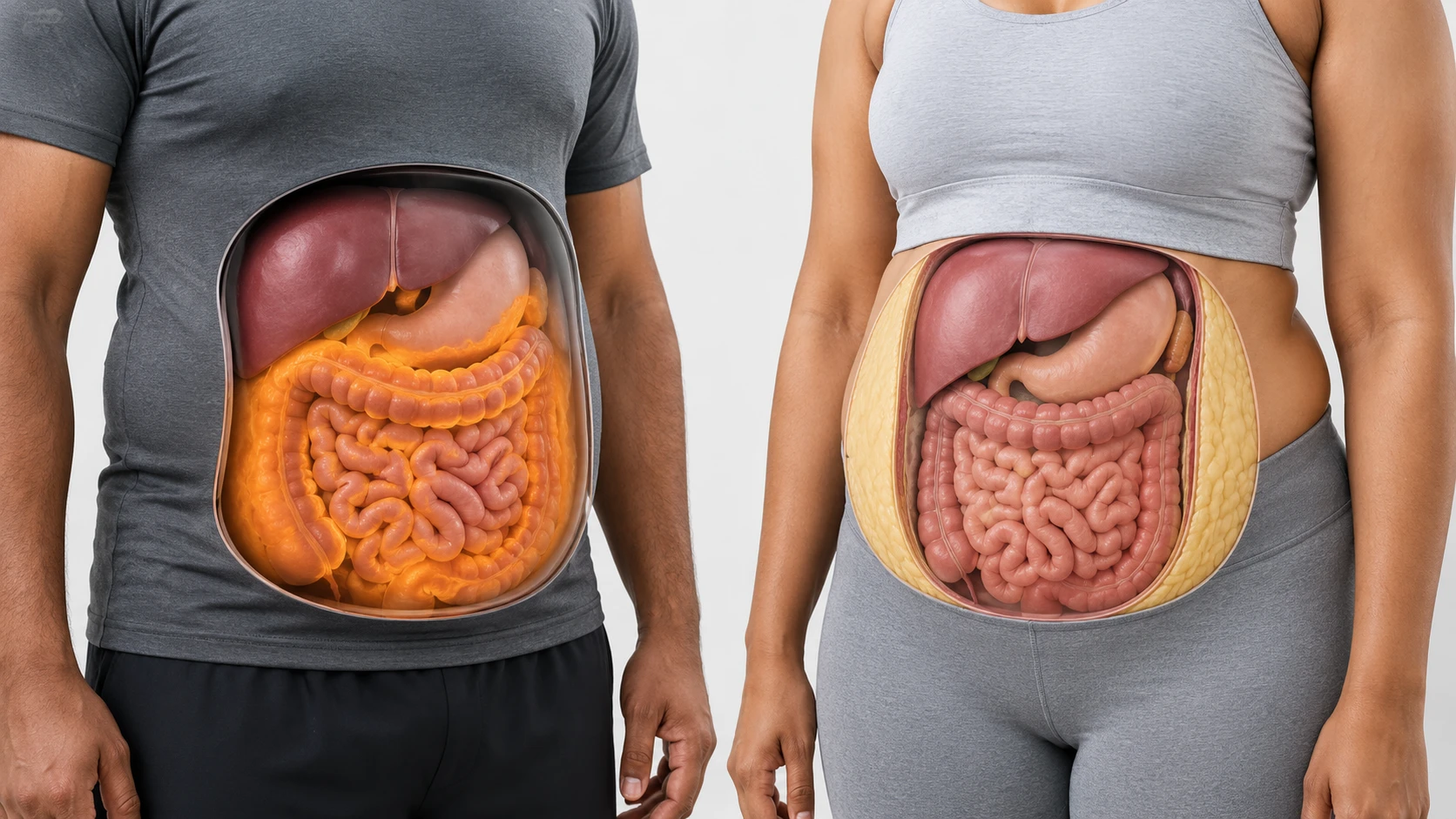
Both visceral and subcutaneous fat are forms of adipose tissue, but they are located in different parts of the body.
Subcutaneous fat is stored beneath the skin. It makes up a substantial proportion of total body fat and is commonly found around the abdomen, hips, thighs, buttocks, and arms.
Visceral fat is located deeper inside the abdominal cavity around organs such as the intestines and other abdominal structures.
This anatomical difference is important because the metabolic behaviour of these fat depots differs.
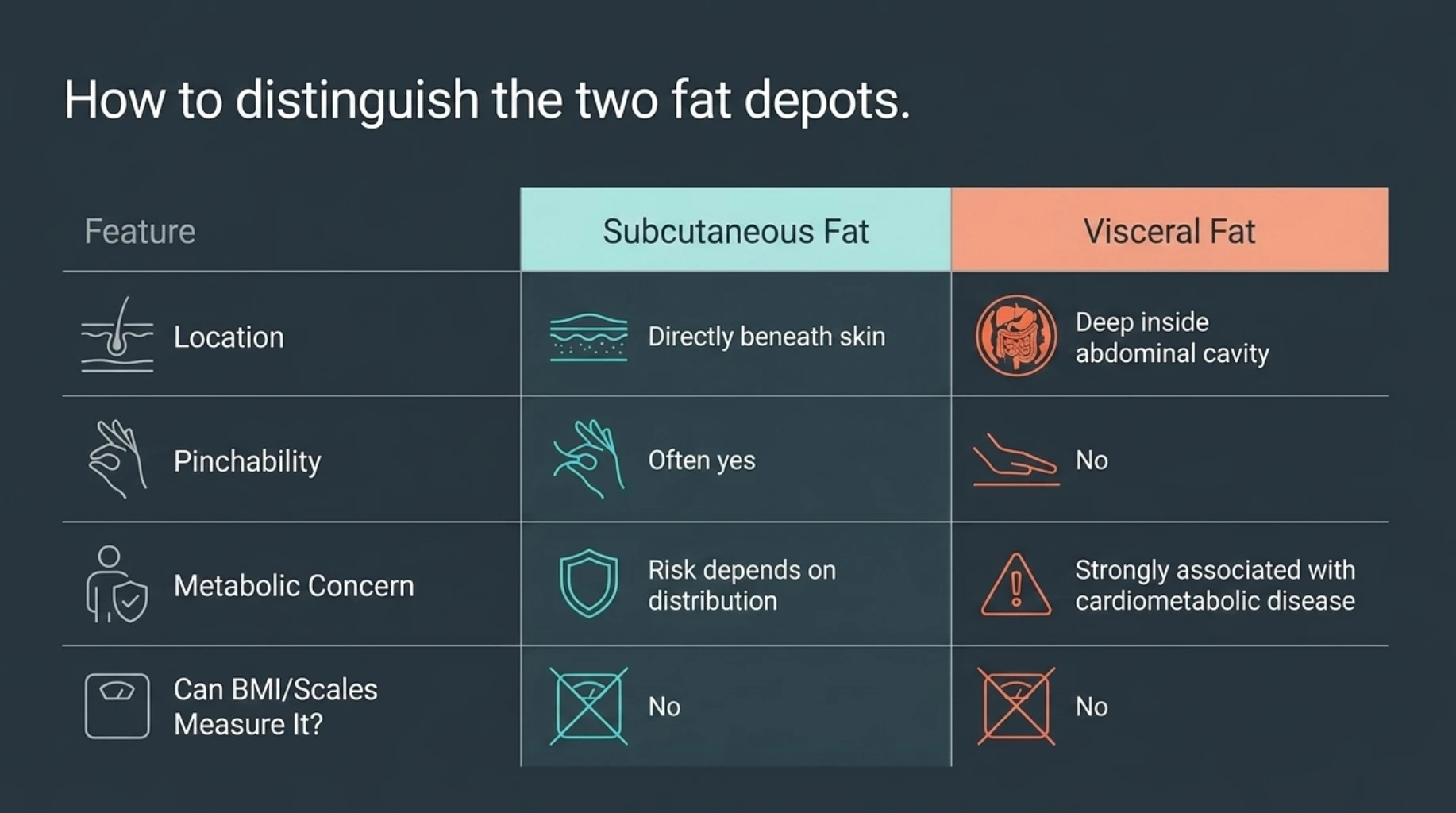
| Feature | Visceral Fat | Subcutaneous Fat |
|---|---|---|
| Location | Deep inside the abdominal cavity | Directly beneath the skin |
| Can you usually pinch it? | No | Often yes |
| Common location | Around abdominal organs | Abdomen, hips, thighs, buttocks and arms |
| Metabolic concern | More strongly associated with cardiometabolic disease when excessive | Risk depends on amount, distribution and adipose-tissue function |
| Can body weight measure it? | No | No |
| Can BMI distinguish it? | No | No |
The difference between visceral fat vs subcutaneous fat is therefore not simply cosmetic. It has important implications for metabolic health.
8 Important Differences Between Visceral Fat and Subcutaneous Fat
1. Visceral Fat and Subcutaneous Fat Are Stored in Different Places
The easiest difference to understand is anatomical.
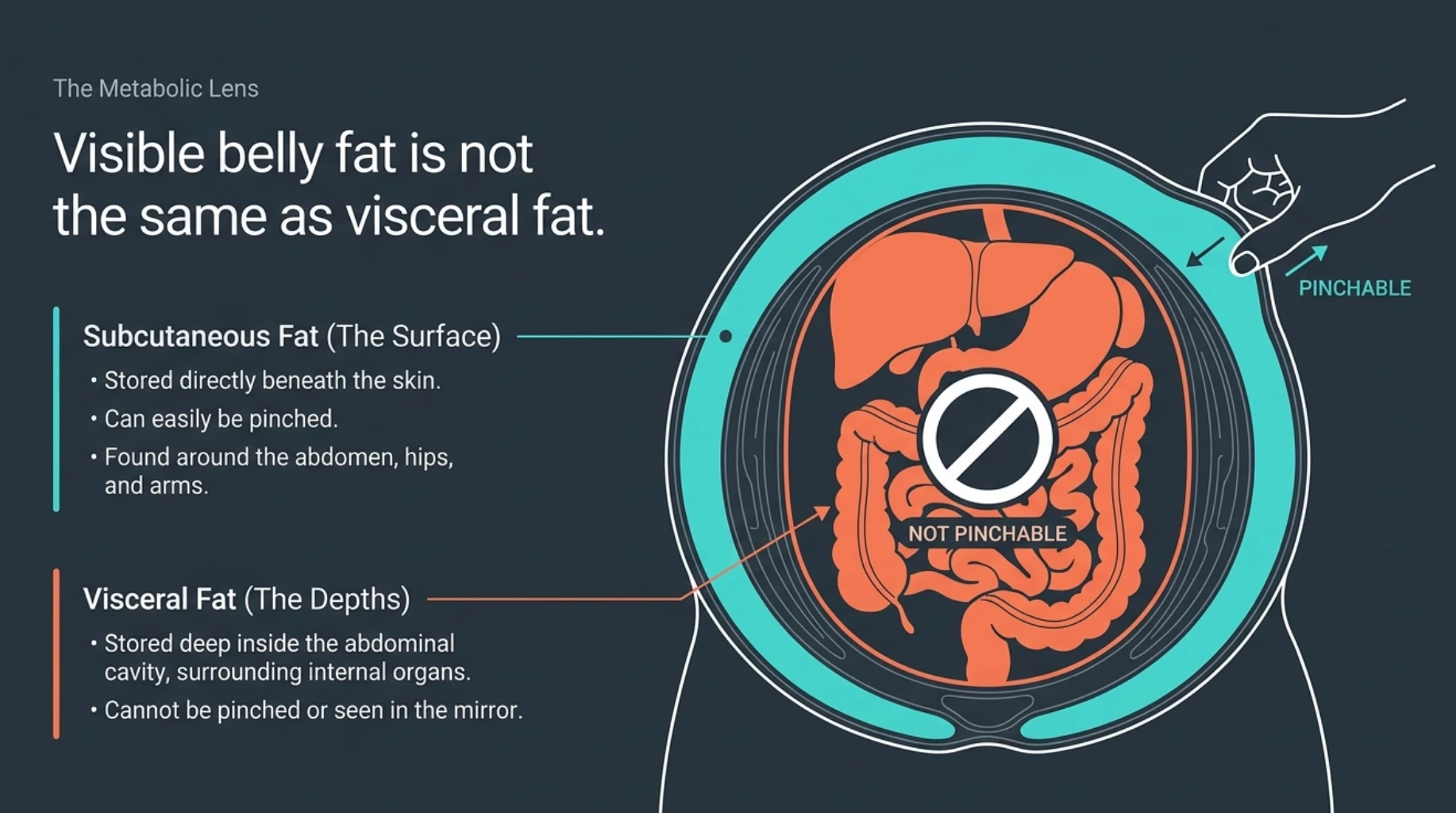
Subcutaneous fat lies between the skin and the deeper tissues. When you pinch the soft tissue around your abdomen, much of what you are holding is subcutaneous tissue.
Visceral fat cannot usually be pinched because it lies deeper inside the abdominal cavity.
This means that looking at or touching your abdomen cannot accurately tell you how much visceral fat you have.
A person with a large abdomen may have substantial amounts of both types of fat.
Another person may not look markedly obese but may still carry a relatively unfavourable amount of visceral or ectopic fat.
2. Visceral Fat Is More Closely Associated With Insulin Resistance
One of the most important differences in visceral fat vs subcutaneous fat is their relationship with insulin resistance.
Adipose tissue is not simply an inactive storage bag for excess calories.
It is a metabolically active tissue involved in the release of fatty acids, hormones, signalling molecules, and inflammatory mediators.
When adipose tissue expands and becomes dysfunctional, normal metabolic regulation can deteriorate.
Excess visceral adiposity is particularly associated with insulin resistance and an unfavourable cardiometabolic profile.
Insulin resistance means that tissues such as skeletal muscle, liver, and adipose tissue become less responsive to the effects of insulin.
The pancreas may initially compensate by producing more insulin.
Over time, susceptible individuals may progress towards:
- Prediabetes.
- Type 2 diabetes.
- High triglycerides.
- Low HDL cholesterol.
- Fatty liver.
- Other features of metabolic syndrome.
Visceral fat is not the only cause of insulin resistance, but its presence is an important marker of an unfavourable metabolic environment.
3. Visceral Fat Is More Strongly Associated With Type 2 Diabetes
Obesity increases the risk of type 2 diabetes, but BMI alone does not fully explain who develops the disease.
Fat distribution matters.
Someone who preferentially stores excess energy in visceral and ectopic depots may have greater metabolic risk than another person with the same BMI but a different pattern of fat storage.
This helps explain why two people with apparently similar body size can have very different glucose and insulin profiles.
It also explains why diabetes risk should not be assessed from body weight alone.
Visceral Fat vs Subcutaneous Fat: Why BMI Can Miss the Difference
BMI is calculated using height and body weight.
It does not directly measure:
- Body-fat percentage.
- Muscle mass.
- Visceral fat.
- Subcutaneous fat.
- Fatty liver.
- Fat stored around other organs.
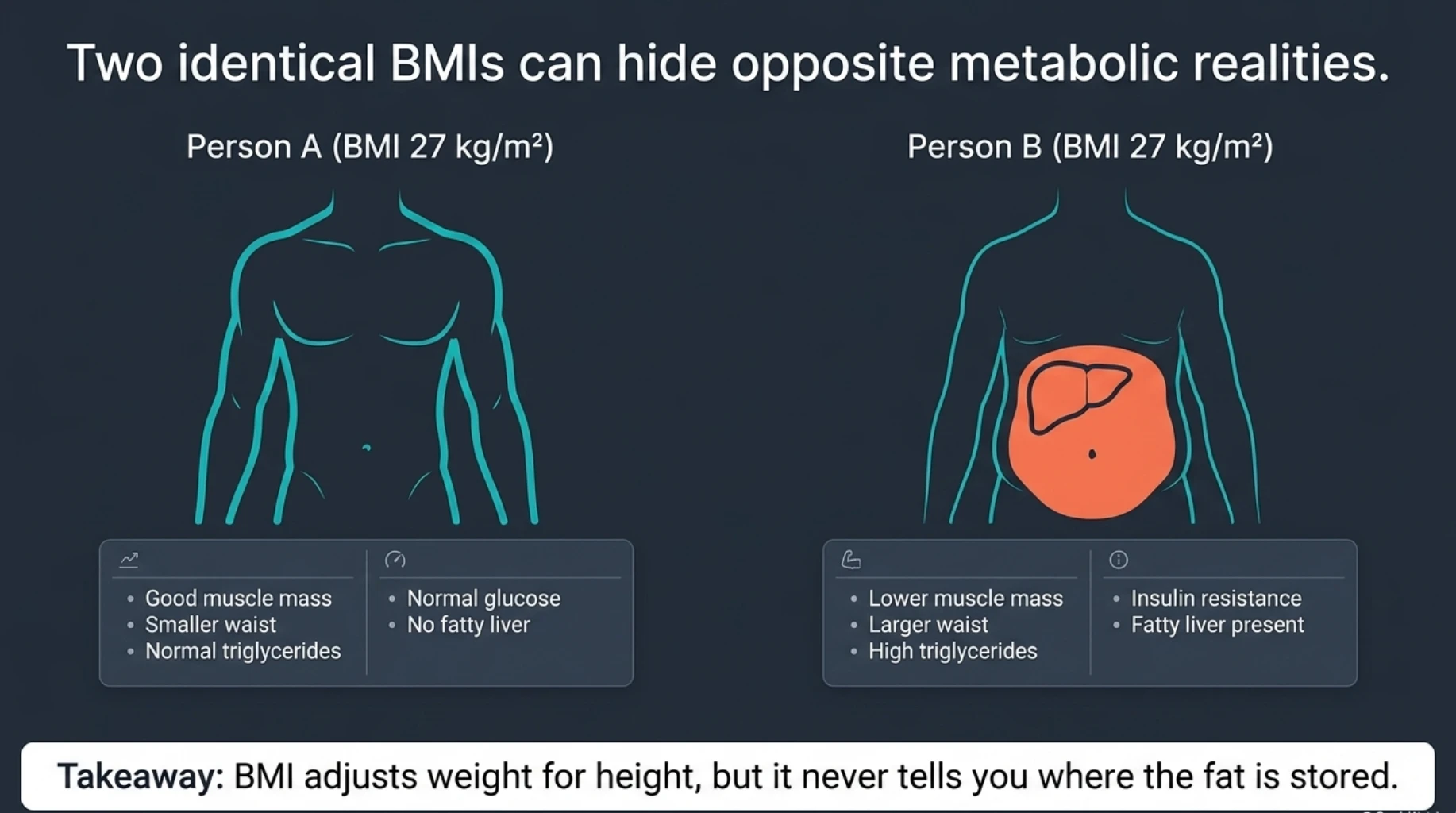
Consider two people who both have a BMI of 27 kg/m².
The first has relatively good muscle mass, a smaller waist, and favourable metabolic markers.
The second has a larger waist, more visceral adiposity, fatty liver, high triglycerides, and insulin resistance.
Their BMI is identical.
Their metabolic risk is not.
BMI remains useful at the population level and as part of clinical assessment, but it should not be expected to provide information it was never designed to measure.
4. Visceral Fat Is Closely Connected With Fatty Liver and Ectopic Fat
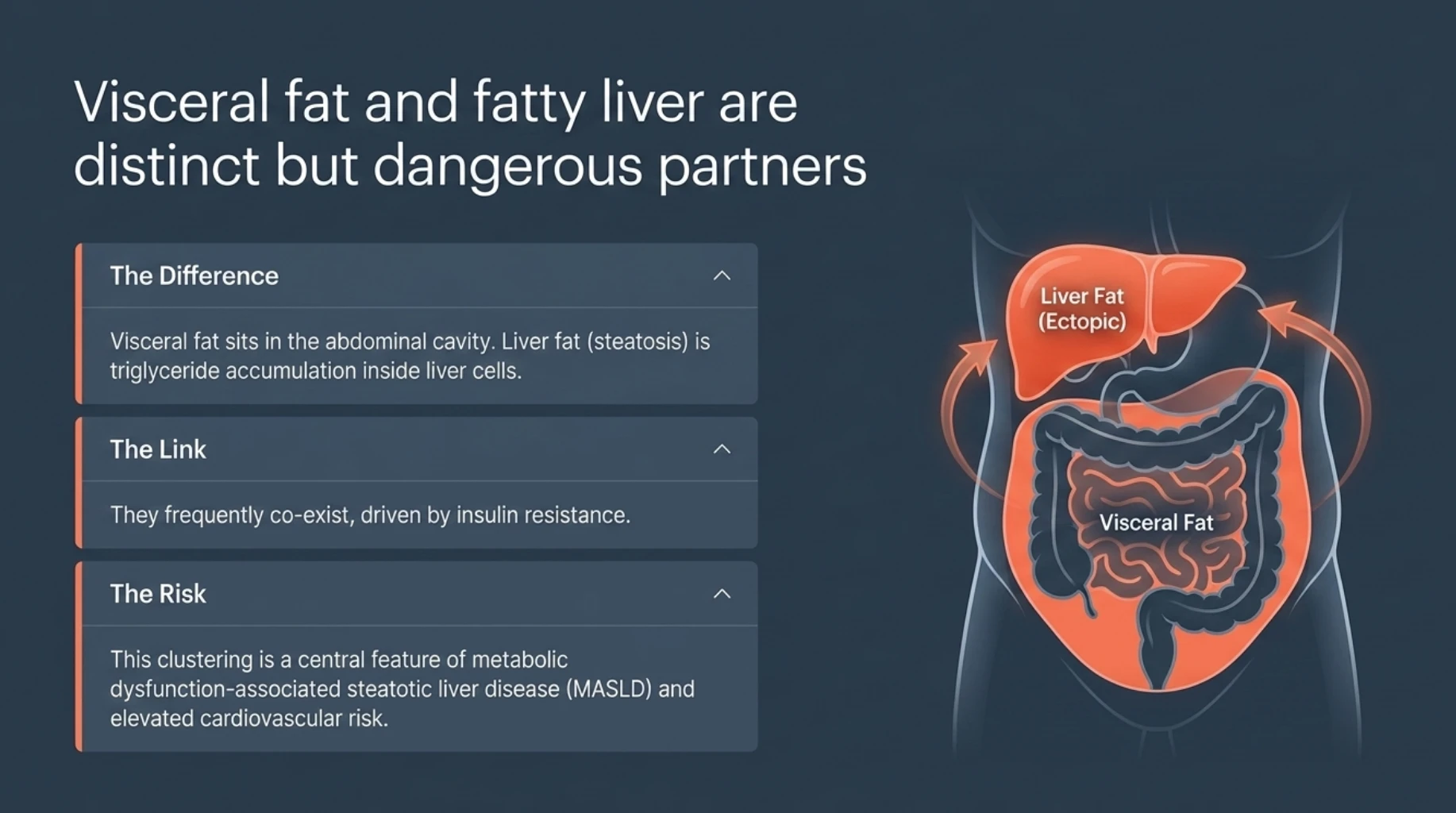
Visceral adiposity and fatty liver frequently occur together because both are closely related to metabolic dysfunction and insulin resistance.
However, it is inaccurate to imagine that abdominal visceral fat simply “moves” directly into the liver.
The biology is more complicated.
When adipose tissue cannot safely accommodate continued energy surplus, circulating fatty-acid flux can increase and fat may accumulate in tissues that are not primarily designed for large-scale fat storage.
This is called ectopic fat.
The liver is one important site.
Excess liver fat is a central feature of metabolic dysfunction-associated steatotic liver disease (MASLD).
Visceral obesity, insulin resistance, high triglycerides, and MASLD therefore commonly cluster together.
Is Fatty Liver the Same as Visceral Fat?
No.
This distinction is important.
Visceral fat refers to adipose tissue within the abdominal cavity.
Liver fat refers to triglyceride accumulation inside liver cells.
They are different fat depots, although they frequently coexist and share common metabolic drivers.
A person can therefore have both high visceral fat and fatty liver, but the terms should not be used interchangeably.
5. Visceral Fat Is More Closely Associated With Cardiovascular Risk
Cardiovascular risk is influenced by many factors, including blood pressure, smoking, blood glucose, cholesterol, kidney function, age, family history, physical activity, and body composition.
Within the body-composition picture, excess visceral adiposity is associated with a less favourable cardiovascular risk profile.
People with greater visceral fat are more likely to have metabolic abnormalities such as:
- Insulin resistance.
- Elevated triglycerides.
- Low HDL cholesterol.
- Hypertension.
- Chronic low-grade inflammation.
- Abnormal glucose metabolism.
This does not mean visceral fat independently causes every heart attack or stroke.
Rather, it is part of a broader metabolic phenotype associated with greater cardiovascular risk.6. Subcutaneous Fat Can Function as a Safer Energy-Storage Depot
This is where the comparison between visceral fat vs subcutaneous fat becomes more interesting.
Subcutaneous fat is often discussed as though it is simply unwanted tissue that should be removed.
But adipose tissue has an important physiological purpose.
When functioning normally, subcutaneous adipose tissue provides a place to store excess energy as triglycerides rather than allowing that energy to accumulate in organs such as the liver and skeletal muscle.
In that sense, an ability to expand healthy subcutaneous fat can provide a relatively safer storage compartment.
However, this does not mean unlimited subcutaneous fat is healthy.
As adipose tissue expands, it can eventually become dysfunctional. Severe overall obesity still carries important health risks regardless of where every kilogram of fat is stored.
Subcutaneous Fat Is Not Completely Harmless
It would be misleading to divide body fat into:
Visceral fat = bad
and
Subcutaneous fat = good.
The reality is more nuanced.
Large amounts of abdominal subcutaneous fat can coexist with obesity, insulin resistance, mobility limitations, sleep apnoea, osteoarthritis, and other health problems.
Subcutaneous fat also differs according to its anatomical location and biological characteristics.
The important point is that, for a given amount of fat, visceral adiposity is generally more strongly associated with metabolic risk than subcutaneous adiposity.
7. Two People With the Same BMI Can Have Very Different Metabolic Risk
This deserves repeating because it has practical clinical importance.
Body weight tells you how heavy someone is.
BMI adjusts that weight for height.
Neither measurement tells you where fat is stored.
For example:
| Person A | Person B |
|---|---|
| BMI 27 | BMI 27 |
| Smaller waist | Larger waist |
| More favourable fat distribution | Greater central adiposity |
| Good muscle mass | Lower muscle mass |
| Normal triglycerides | High triglycerides |
| No evidence of fatty liver | Fatty liver present |
| Good glucose regulation | Insulin resistance or prediabetes |
This is not meant to imply that everyone with a large waist has these abnormalities.
It illustrates why metabolic health cannot be judged from BMI alone.
8. Visceral Fat Often Responds Well to Weight-Loss Interventions
The fact that visceral fat is metabolically important does not mean it is permanent.
When people with excess body fat lose weight through appropriate lifestyle interventions, visceral fat generally decreases as well.
Research suggests that visceral adipose tissue can show substantial relative reductions during weight loss.
This is encouraging because even moderate weight reduction can improve several metabolic risk factors.
However, you cannot instruct the body to remove only visceral fat while leaving every other fat depot unchanged.
Fat loss occurs according to complex biological patterns influenced by genetics, hormones, sex, age, and overall energy balance.
Why Visceral Fat Matters Even If Your BMI Is Normal
One of the most clinically important misconceptions is:
“My BMI is normal, so I cannot have harmful abdominal fat.”
That is not always true.
Some people have a relatively normal BMI but carry greater central or visceral adiposity and less muscle than their body weight suggests.
They may also develop metabolic abnormalities such as:
- Insulin resistance.
- Prediabetes.
- Type 2 diabetes.
- High triglycerides.
- Fatty liver.
- Hypertension.
This is particularly relevant in South Asian populations, where cardiometabolic risk can occur at lower BMI levels than in some other populations.
For Indian adults, therefore, relying only on the weighing scale can provide false reassurance.
Normal Weight Does Not Always Mean Low Metabolic Risk
A person may weigh 65 kg and assume that abdominal fat is irrelevant because the BMI falls within a conventional normal range.
But if waist circumference is increasing, physical activity is low, muscle mass is poor, triglycerides are elevated, and fatty liver is present, the metabolic picture deserves attention regardless of total weight.
This does not mean everyone with normal weight needs a CT scan to look for visceral fat.
It means clinicians and patients should look beyond kilograms when other signs of metabolic dysfunction are present.
Can Waist Circumference Tell You How Much Visceral Fat You Have?
Waist circumference cannot precisely measure visceral fat.
But it is a practical and clinically useful marker of abdominal adiposity.
A larger waist generally suggests greater central fat accumulation, although the exact proportion of visceral and subcutaneous fat differs between individuals.
This is why waist measurements can provide information that BMI alone misses.
Waist-to-height ratio is another simple anthropometric measure that can help identify central adiposity.
Waist Circumference Is a Screening Tool, Not an Imaging Test
Waist circumference should not be described as a direct measurement of visceral fat.
It reflects the combined size of abdominal tissues, including both subcutaneous and visceral fat.
For more direct assessment of visceral adipose tissue, imaging methods such as CT and MRI are substantially more informative.
However, these methods are not required for routine assessment in most people simply to decide whether lifestyle improvement is needed.
Clinical context, waist measurement, body weight, metabolic markers, and associated conditions often provide sufficient practical information.
Why You Cannot Identify Visceral Fat by Looking in the Mirror
Visible belly fat and visceral fat are not the same thing.
A soft abdominal fold that you can hold between your fingers is predominantly subcutaneous tissue.
Visceral fat sits deeper.
This means a person with a visibly large abdomen may have substantial subcutaneous fat, visceral fat, or both.
Another person may appear relatively slim but still have an unfavourable amount of visceral or ectopic fat.
You cannot accurately measure visceral fat by looking at your abdomen or pinching your belly.
What About Smart Scales That Show a Visceral Fat Score?
Many bioelectrical impedance scales display a number labelled “visceral fat.”
This should not be confused with a direct measurement obtained from CT or MRI.
Consumer devices estimate body composition using electrical impedance combined with prediction equations.
Results can be influenced by:
- Hydration.
- Food intake.
- Recent exercise.
- Device algorithms.
- Body shape.
- Testing conditions.
Such measurements may sometimes help track trends when performed under consistent conditions, but small changes should not be interpreted as precise changes in actual visceral-fat volume.
Visceral Fat, Menopause and Changing Body Composition
Fat distribution can change during the menopausal transition.
Women may notice greater abdominal fat accumulation even when the increase in total body weight is relatively modest.
Hormonal changes are one contributor, but ageing, declining physical activity, sleep disruption, dietary intake, and changes in muscle mass also matter.
This creates an important situation where the scale may remain relatively stable while body composition becomes less favourable.
A woman may lose some lean tissue while accumulating more central fat.
Her body weight may barely change.
Her waist and metabolic risk may.
This is another example of why the distinction between visceral fat vs subcutaneous fat matters more than simply asking whether body weight has increased.
How to Reduce Visceral Fat Safely
The good news is that excess visceral fat is modifiable.
You do not need a special detox, abdominal belt, or “visceral fat supplement.” The most effective strategy is to improve the overall metabolic environment through sustainable changes in nutrition, physical activity, sleep, and weight management when appropriate.
When comparing visceral fat vs subcutaneous fat, remember that the goal is not to selectively target one fat depot with a specific exercise. The body reduces fat according to complex biological patterns.
1. Reduce Excess Body Fat When Appropriate
If excess body fat is present, even modest weight loss can reduce visceral adiposity and improve insulin sensitivity, triglycerides, blood pressure, and fatty liver risk.
There is no need for crash dieting.
A moderate, sustainable calorie deficit is usually more useful than severe restriction that leads to hunger, muscle loss, and rapid weight regain.
The quality of weight loss matters.
The aim should be to reduce excess fat while preserving as much muscle as possible.
2. Combine Aerobic Exercise With Resistance Training
Aerobic exercise such as brisk walking, cycling, swimming, or other sustained activity can help reduce visceral adiposity when performed consistently.
Resistance training should also be included because maintaining or building muscle supports physical function, glucose disposal, and long-term metabolic health.
For most adults, the best approach is not choosing between cardio and strength training.
It is combining both.
3. Preserve and Build Muscle
Muscle is metabolically active tissue and an important site for glucose uptake.
During weight loss, inadequate protein and lack of resistance training can increase lean-mass loss.
This is particularly relevant for adults over 40, women during menopause, older adults, and people losing weight rapidly.
A better body-composition strategy is therefore:
Less excess fat + preserved or improved muscle.
4. Improve Overall Diet Quality
No single food specifically burns visceral fat.
A useful dietary pattern generally includes:
- Adequate protein.
- Vegetables.
- Whole fruits.
- Pulses and legumes.
- Whole grains where appropriate.
- Nuts and seeds in reasonable portions.
- Minimally processed foods.
- Fewer ultra-processed, calorie-dense foods.
For people with overweight or obesity, overall calorie balance still matters.
Eating “healthy foods” in excessive quantities can still make weight loss difficult.
5. Limit Excess Alcohol
Alcohol can contribute additional calories and may worsen triglycerides and fatty liver risk in susceptible individuals.
Frequent or heavy alcohol intake can also interfere with sleep, appetite regulation, and weight-management efforts.
Reducing excess alcohol is therefore relevant when trying to improve visceral adiposity and metabolic health.
6. Prioritise Sleep
Poor sleep can influence appetite, food choices, insulin sensitivity, energy levels, and physical activity.
Sleep deprivation does not directly “create visceral fat” overnight, but chronic poor sleep can contribute to a metabolic environment that makes weight management more difficult.
Addressing sleep quality therefore supports, rather than replaces, nutrition and exercise strategies.
7. Treat Obesity Medically When Indicated
Some individuals may benefit from medical treatment for obesity in addition to lifestyle intervention.
Depending on the person’s BMI, metabolic complications, previous treatment attempts, and overall health, options may include evidence-based anti-obesity medications or metabolic surgery.
These decisions require individual clinical assessment.
The objective is not cosmetic weight loss alone but improvement in obesity-related health risk, including visceral and ectopic fat burden.
Can You Specifically Burn Visceral Fat With Exercise?
No.
You cannot choose where the body removes fat by exercising the muscles underneath that area.
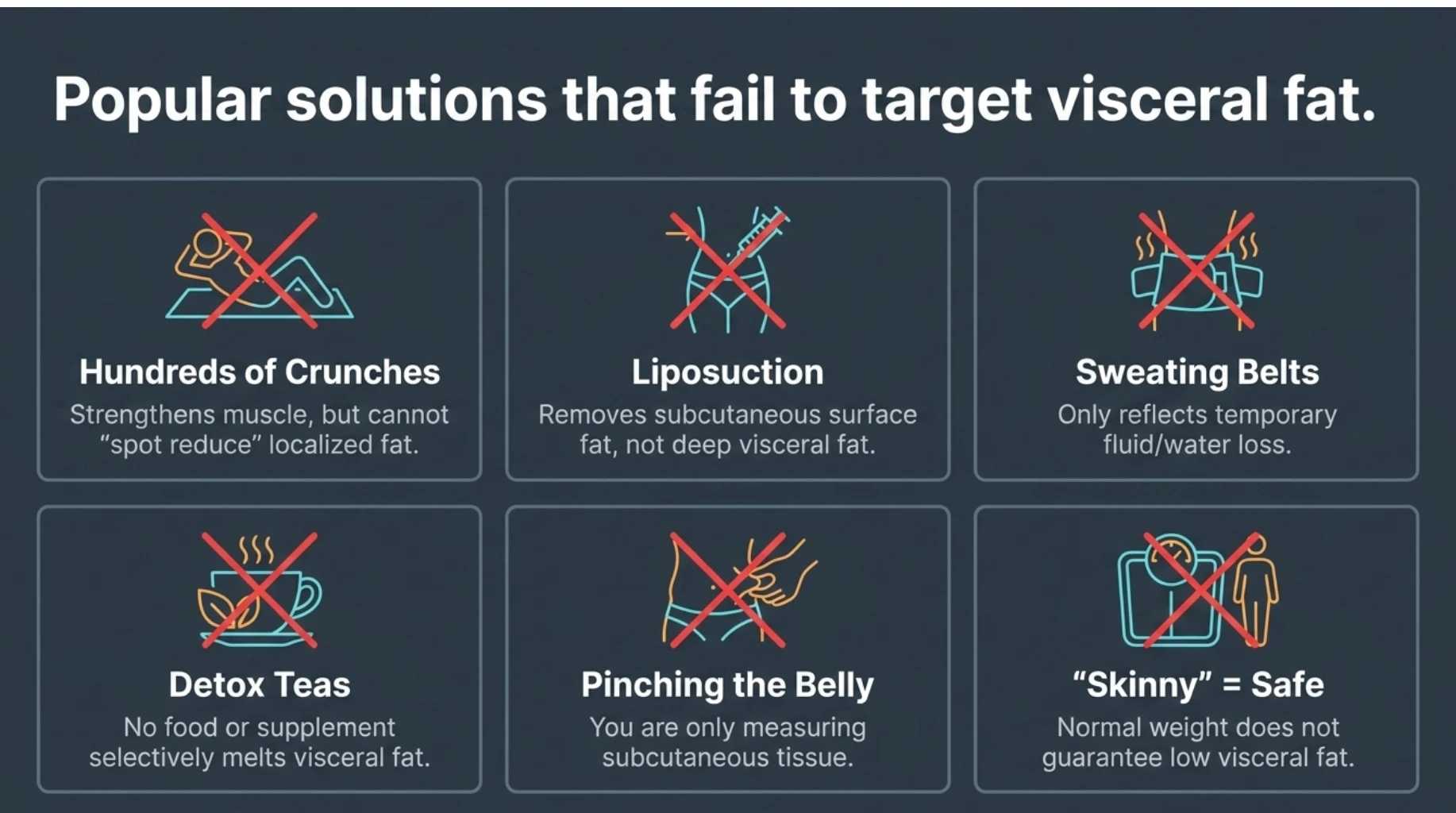
Doing hundreds of crunches may strengthen abdominal muscles, but it does not selectively remove visceral fat from around abdominal organs.
The same is true for:
- Abdominal vibration belts.
- Sweating belts.
- “Belly-fat” workouts.
- Fat-burning teas.
- Detox drinks.
- Unregulated supplements.
These products and routines are often marketed as though abdominal fat can be targeted locally.
That is not how fat loss works.
Exercise can help reduce overall and visceral adiposity over time, but the effect comes through whole-body energy balance and metabolic adaptation rather than spot reduction.
Crunches Strengthen Muscle, Not Visceral Fat Loss
Abdominal exercises are useful for core strength and trunk function.
But core training and fat loss are separate processes.
You can strengthen the abdominal wall while still carrying substantial subcutaneous and visceral fat.
This is why a stronger core is valuable, but it should not be confused with targeted fat loss.
Visceral Fat vs Subcutaneous Fat During Weight Loss
Both fat depots can decrease during weight loss.
Research suggests that visceral fat often shows a substantial proportional reduction when body weight decreases.
This is encouraging because even moderate weight loss can improve metabolic health before someone reaches a “perfect” body weight.
However, the amount of visceral-fat reduction varies between individuals.
Age, sex, genetics, baseline fat distribution, total weight loss, exercise pattern, and metabolic health all influence the response.
Why Rapid Weight Loss Is Not Always the Best Strategy
Fast weight loss may look impressive on the scale, but it can involve loss of both fat and lean tissue.
For someone concerned about visceral fat vs subcutaneous fat, the real goal should not be maximum speed of weight loss.
A better goal is improved body composition and metabolic health.
This usually means:
- Reducing excess body fat.
- Preserving muscle.
- Improving waist circumference.
- Improving glucose regulation.
- Reducing triglycerides.
- Improving fatty liver where present.
Visceral Fat and Fatty Liver: Why the Combination Matters
Visceral fat and fatty liver often coexist because both are closely linked to insulin resistance and energy imbalance.
When both are present, cardiometabolic risk can be greater than suggested by body weight alone.
This is one reason people with fatty liver should pay attention to waist circumference, body composition, physical activity, and metabolic markers rather than focusing only on liver enzymes.
Normal liver enzymes do not rule out fatty liver, and a normal BMI does not rule out visceral adiposity.
Visceral Fat vs Subcutaneous Fat in People With Diabetes
People with type 2 diabetes frequently have increased visceral and ectopic fat, although the pattern varies greatly between individuals.
Improving insulin sensitivity through weight management, physical activity, resistance training, sleep, and appropriate medical treatment can reduce metabolic risk even when total body weight changes only modestly.
The goal is not to “treat visceral fat” in isolation.
The goal is to improve the underlying metabolic condition.
Common Myths About Visceral Fat vs Subcutaneous Fat
Myth 1: If I Can Pinch My Belly, That Is Visceral Fat
No.
The fat you can pinch beneath the skin is predominantly subcutaneous fat.
Visceral fat sits deeper inside the abdominal cavity and cannot be directly assessed by pinching the abdomen.
Myth 2: Thin People Cannot Have Visceral Fat
Incorrect.
People with normal BMI can still have central adiposity, fatty liver, or metabolically unfavourable fat distribution.
This is one reason waist circumference and metabolic markers can provide information that body weight alone misses.
Myth 3: All Body Fat Is Equally Harmful
Different fat depots have different metabolic characteristics.
Excess visceral and ectopic fat is generally more strongly associated with cardiometabolic risk than subcutaneous fat.
However, severe overall adiposity still carries health consequences regardless of exact fat distribution.
Myth 4: Subcutaneous Fat Is Completely Harmless
No.
Subcutaneous fat can serve as a relatively safer storage depot, but very large amounts can coexist with obesity-related disease and functional limitations.
The phrase “safer” does not mean “risk-free.”
Myth 5: Crunches Burn Visceral Fat
Abdominal exercises strengthen abdominal muscles.
They do not selectively burn visceral fat.
Fat loss occurs through whole-body metabolic processes, not local muscle contraction.
Myth 6: Sweating More Means You Are Losing More Visceral Fat
Sweating primarily reflects thermoregulation and fluid loss.
A temporary drop in body weight after heavy sweating is mostly water, not equivalent body-fat loss.
Myth 7: A Normal BMI Means Low Visceral Fat
No.
BMI cannot distinguish between muscle, visceral fat, subcutaneous fat, or ectopic fat.
A normal BMI is reassuring in some respects, but it does not guarantee low metabolic risk.
Myth 8: A Smart Scale Precisely Measures Visceral Fat
Consumer bioimpedance devices estimate body composition using prediction algorithms.
They do not directly image visceral fat.
The numbers may be useful for rough trend monitoring under consistent conditions, but they should not be treated as exact measurements.
Myth 9: Liposuction Removes the Most Dangerous Fat
Liposuction primarily removes subcutaneous fat.
It does not directly remove visceral fat from around internal organs.
Therefore, cosmetic fat removal should not be confused with treatment of visceral adiposity, insulin resistance, or metabolic disease.
Myth 10: A Specific Food or Supplement Can Melt Visceral Fat
No food, tea, supplement, spice, or detox drink selectively removes visceral fat.
Any product promising targeted visceral-fat loss should be viewed cautiously.
Sustainable improvement comes from overall energy balance, diet quality, physical activity, sleep, muscle preservation, and appropriate medical treatment when needed.
How to Know Whether Visceral Fat Is Improving
Most people do not need repeated CT or MRI scans simply to track visceral-fat reduction.
In everyday practice, progress is usually assessed indirectly through a combination of body measurements, metabolic markers, physical activity, and changes in overall health.
Useful indicators may include:
- Reduced waist circumference.
- Improved waist-to-height ratio.
- Gradual reduction in excess body weight when appropriate.
- Improved triglycerides.
- Better fasting glucose or HbA1c.
- Improved blood pressure.
- Improvement in fatty liver where present.
- Greater physical fitness and muscle strength.
No single marker proves that visceral fat has decreased, but several improvements occurring together provide a useful picture of metabolic progress.
Waist Reduction Can Matter Even When Weight Loss Is Modest
This is particularly important when comparing visceral fat vs subcutaneous fat.
Someone may lose only a modest amount of total body weight but experience a meaningful reduction in waist circumference and metabolic risk.
This is one reason weight-loss success should not be judged exclusively by kilograms.
Changes in fat distribution, muscle preservation, waist circumference, and metabolic markers may provide equally important information.
Can Visceral Fat Return After Weight Loss?
Yes.
Like other forms of body fat, visceral fat can increase again if the lifestyle or metabolic factors that produced excess adiposity return.
Weight regain after restrictive dieting is common, particularly when the original programme is difficult to sustain.
This is why long-term maintenance matters.
A successful strategy should ideally include habits that can continue after the initial weight-loss phase:
- Regular physical activity.
- Resistance training.
- Appropriate portion sizes.
- Adequate protein and fibre.
- Reasonable sleep habits.
- Reduced sedentary time.
- Monitoring of metabolic risk factors where appropriate.
The objective is not simply to reduce visceral fat once. It is to create a metabolic environment in which unhealthy fat accumulation is less likely to recur.
Visceral Fat vs Subcutaneous Fat After 40
Body composition becomes increasingly important during middle age.
Adults may gradually lose muscle while gaining fat, sometimes with surprisingly little change in total body weight.
At the same time, fat distribution may become more central.
This means a person can weigh almost the same at 50 as they did at 40 while having:
- More abdominal fat.
- Less muscle.
- A larger waist.
- Lower strength.
- Greater insulin resistance.
This is another reason the distinction between visceral fat vs subcutaneous fat becomes more clinically relevant with age.
Muscle Loss Can Make the Metabolic Picture Worse
Skeletal muscle is an important site for glucose disposal and contributes to physical function and daily energy expenditure.
If muscle gradually declines while abdominal fat increases, the overall body-composition change may become metabolically unfavourable even when body weight remains stable.
This combination can occur in both men and women and may be particularly relevant during periods of reduced physical activity, repeated dieting, illness, or ageing.
Maintaining muscle through resistance training and adequate protein intake therefore complements efforts to reduce excess abdominal fat.
Visceral Fat vs Subcutaneous Fat in Men and Women
Men and women often differ in where they preferentially store body fat.
Before menopause, women tend to store proportionally more subcutaneous fat around the hips and thighs, while men are generally more prone to central abdominal and visceral fat accumulation.
These patterns vary considerably between individuals and are influenced by genetics, age, hormones, ethnicity, and lifestyle.
After menopause, women often experience a shift towards greater central adiposity.
This does not mean that every postmenopausal woman develops excessive visceral fat, but body-fat distribution may become less favourable even when overall weight changes only modestly.
Can Stress Increase Visceral Fat?
Chronic psychological stress is often blamed directly for belly fat.
The real relationship is more complicated.
Stress can influence:
- Sleep quality.
- Food choices.
- Emotional eating.
- Alcohol intake.
- Physical activity.
- Hormonal and autonomic responses.
Over time, these behaviours and physiological responses can contribute to weight gain and central adiposity in susceptible individuals.
However, it would be inaccurate to say that stress alone inevitably causes visceral fat.
Stress management should therefore be part of a broader metabolic-health strategy rather than marketed as a standalone belly-fat treatment.
Does Poor Sleep Increase Visceral Fat?
Poor sleep is associated with several factors that can make weight management more difficult.
Chronic sleep restriction may influence appetite, food preference, glucose regulation, daytime energy, and spontaneous physical activity.
Sleep disorders such as obstructive sleep apnoea also commonly coexist with obesity and metabolic disease.
Improving sleep does not selectively burn visceral fat, but adequate sleep supports the behaviours and metabolic regulation required for long-term weight management.
Does Alcohol Increase Visceral Fat?
Alcohol contributes calories and can influence triglycerides, liver fat, appetite, and food choices.
Frequent heavy alcohol intake may therefore contribute to an unfavourable metabolic profile and central fat accumulation.
However, the effect depends on total intake, drinking pattern, overall calorie balance, genetics, sex, and other lifestyle factors.
The popular idea of a single “beer belly mechanism” is too simplistic, but excess alcohol deserves attention when abdominal obesity, high triglycerides, or fatty liver is present.
Frequently Asked Questions About Visceral Fat vs Subcutaneous Fat
Which Is More Harmful: Visceral Fat or Subcutaneous Fat?
Excess visceral fat is generally more strongly associated with insulin resistance, type 2 diabetes, fatty liver, abnormal lipids, and cardiovascular risk than subcutaneous fat.
However, very high levels of overall body fat still carry health risks regardless of where every fat cell is located.
Can You Feel Visceral Fat?
No. Visceral fat lies deep inside the abdominal cavity and cannot usually be directly pinched or felt through the skin.
The soft fat you can pinch around your abdomen is predominantly subcutaneous fat.
Can Someone Be Thin and Still Have Visceral Fat?
Yes. A person can have a normal BMI while still carrying an unfavourable amount of central or visceral fat and developing conditions such as fatty liver or insulin resistance.
Does Losing Weight Reduce Visceral Fat?
Usually, yes. When people with excess adiposity lose weight, visceral fat generally decreases as well.
The amount of reduction varies according to baseline fat distribution, total weight loss, genetics, sex, age, and lifestyle factors.
Can Walking Reduce Visceral Fat?
Regular walking can contribute to energy expenditure, cardiovascular fitness, insulin sensitivity, and weight management.
When combined with appropriate nutrition and overall physical activity, it can contribute to reduction in abdominal and visceral fat over time.
More comprehensive programmes usually also include resistance training.
Does Strength Training Reduce Visceral Fat?
Resistance training can support fat loss, improve insulin sensitivity, and preserve or build muscle. It can contribute to improved body composition and metabolic health, especially when combined with aerobic activity and appropriate nutrition.
Can I Reduce Visceral Fat Without Losing Much Weight?
Sometimes. Improvements in body composition and metabolic health can occur even when total body weight changes only modestly.
Waist circumference, strength, metabolic markers, and overall body composition can therefore be useful alongside body weight.
.webp)
Is Belly Fat Always Visceral Fat?
No. Abdominal fat includes both subcutaneous fat beneath the skin and visceral fat deeper inside the abdomen.
A visibly large belly does not tell you exactly how much of each type is present.
Can Liposuction Remove Visceral Fat?
No. Liposuction primarily removes subcutaneous fat.
It does not directly remove visceral fat surrounding internal organs and should not be viewed as a treatment for metabolic disease.
Can a Smart Scale Measure Visceral Fat Accurately?
Consumer smart scales estimate visceral fat indirectly using bioelectrical impedance and prediction algorithms.
They do not directly measure visceral fat in the way CT or MRI can.
Trend information may sometimes be useful, but the exact number should be interpreted cautiously.
When Should You Discuss Abdominal Fat With a Doctor?
Medical assessment may be useful when increasing abdominal fat occurs alongside metabolic abnormalities or other concerning symptoms.
Examples include:
- Prediabetes or diabetes.
- High triglycerides.
- Low HDL cholesterol.
- Fatty liver.
- High blood pressure.
- Rapid unexplained weight gain.
- Symptoms suggestive of sleep apnoea.
- A strong family history of early cardiovascular disease or diabetes.
Evaluation should focus on the overall metabolic picture rather than attempting to treat a “visceral fat number” in isolation.
Final Thought
When it comes to body fat, location matters. But the most useful response is not to become obsessed with measuring every fat depot. Pay attention to your waist, strength, activity, blood sugar, triglycerides, liver health, and overall metabolic profile. These tell a much more meaningful story than the weighing scale alone.
If you want a personalized metabolic assessment and lifestyle strategy, you can book a consultation here:
Book an Appointment