
“Slightly Elevated” Does Not Mean Safe
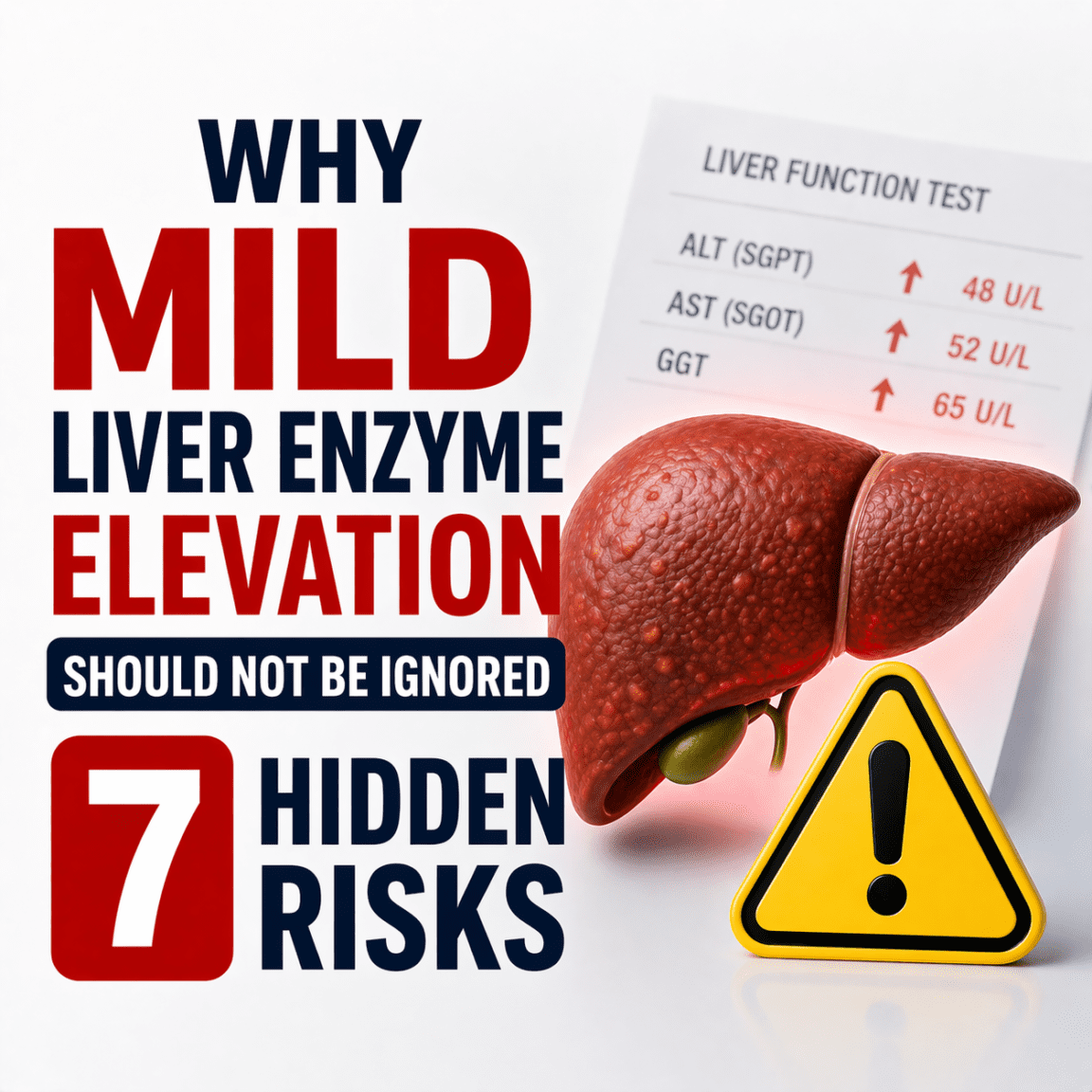
One of the most common statements I hear in clinical practice is: “Doctor, my liver enzymes are just slightly high. It’s nothing serious, right?”
This assumption is where the real problem begins.
In many cases, mild liver enzyme elevation is not an isolated finding. It is often the earliest measurable sign of underlying metabolic stress. The body may not yet show severe symptoms, but the process has already started.
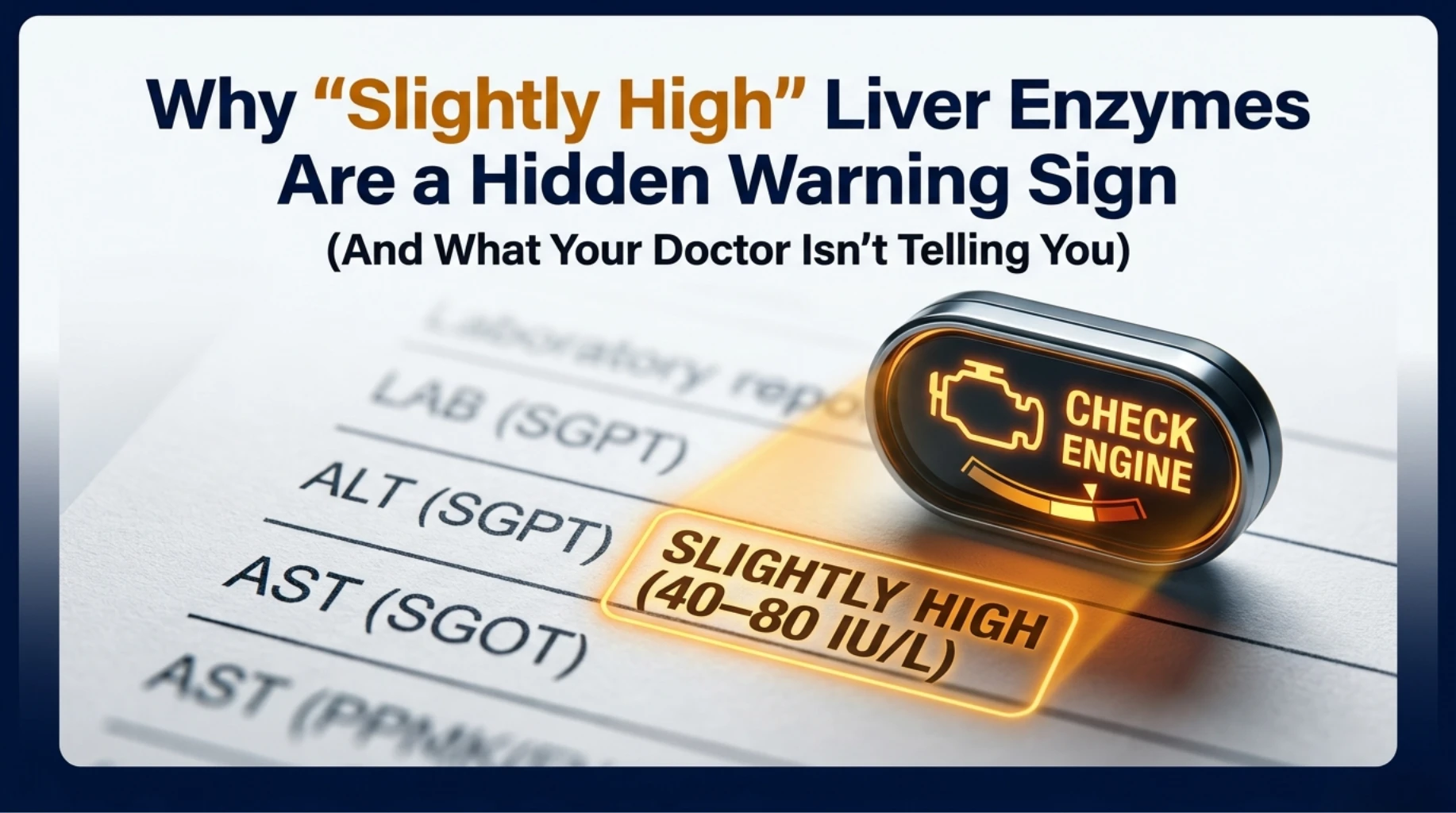
This is why ignoring mild abnormalities in liver enzymes like ALT (SGPT) and AST (SGOT) can delay early intervention and allow progression toward more serious conditions.
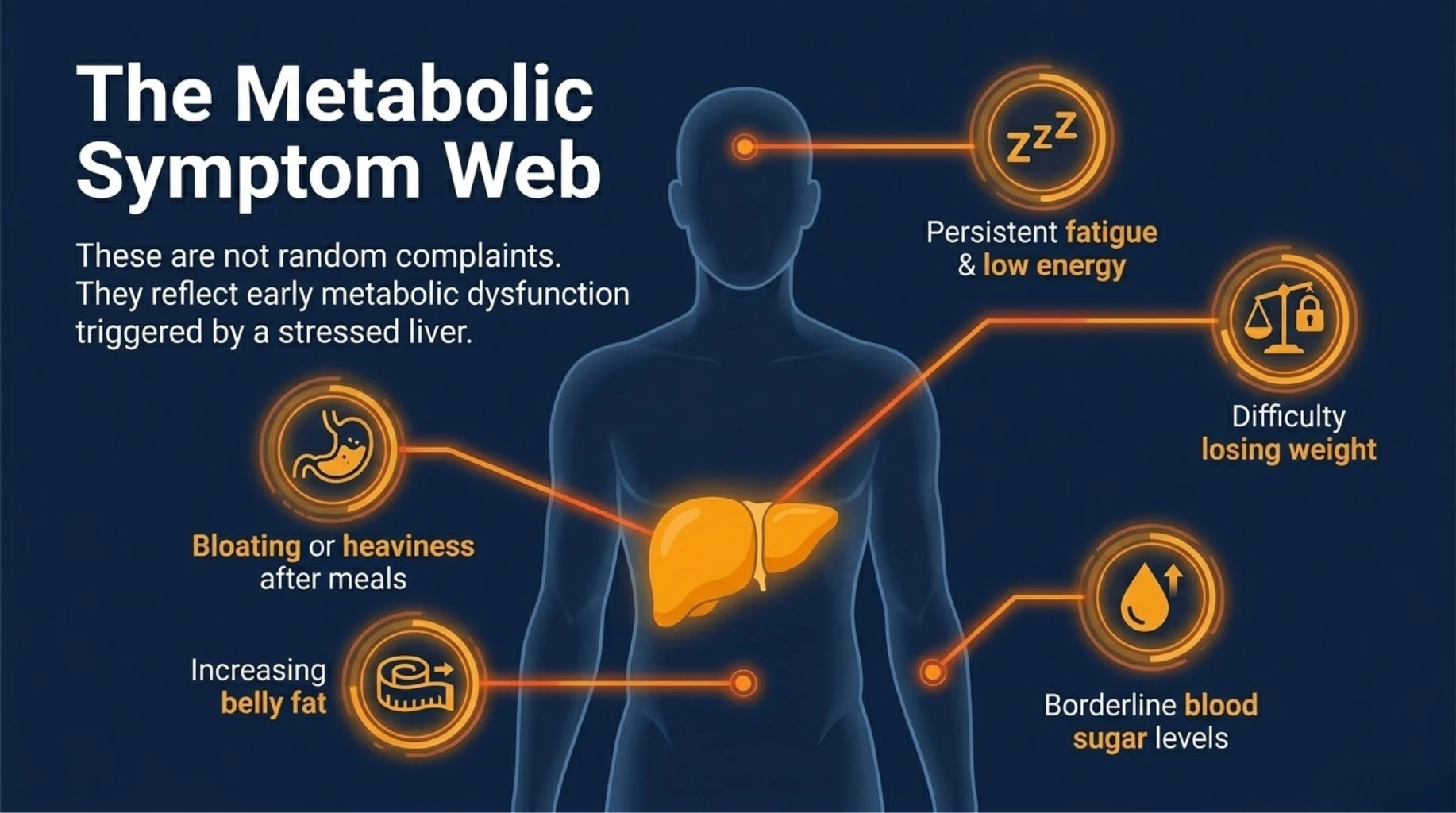
Patients with mild elevation often also report:
- Persistent fatigue
- Bloating or heaviness after meals
- Difficulty losing weight
- Borderline blood sugar levels
- Increasing belly fat
These are not random symptoms. They reflect early metabolic dysfunction, where the liver plays a central role.
Understanding Liver Enzymes: What Do ALT and AST Mean?
Liver enzymes are markers released into the bloodstream when liver cells are stressed or damaged.
The two most commonly measured enzymes are:
- ALT (Alanine Aminotransferase) – more specific to the liver
- AST (Aspartate Aminotransferase) – found in liver and other tissues
When these enzymes are elevated, even mildly, it indicates that liver cells are under stress.
What Is Considered “Mild Elevation”?
Typically, values slightly above the normal range (for example, ALT in the range of 40–80 IU/L) are labeled as mild elevation.
But here is the important point:
“Mild” refers to the number — not the underlying cause.
Even small elevations can indicate early disease processes.
Why Mild Elevation Often Gets Ignored
There are several reasons why mild liver enzyme elevation is frequently overlooked:
- No significant symptoms
- Reports labeled as “borderline”
- Temporary normalization in repeat tests
- Lack of awareness about metabolic connections
Many patients are advised to simply “repeat the test after some time.” While monitoring is important, ignoring the underlying cause is a missed opportunity for early intervention.
1. Fatty Liver: The Most Common Cause
The most common reason behind mild liver enzyme elevation today is non-alcoholic fatty liver disease (NAFLD).
This condition is closely linked to modern lifestyle factors and metabolic health.
How Fatty Liver Develops
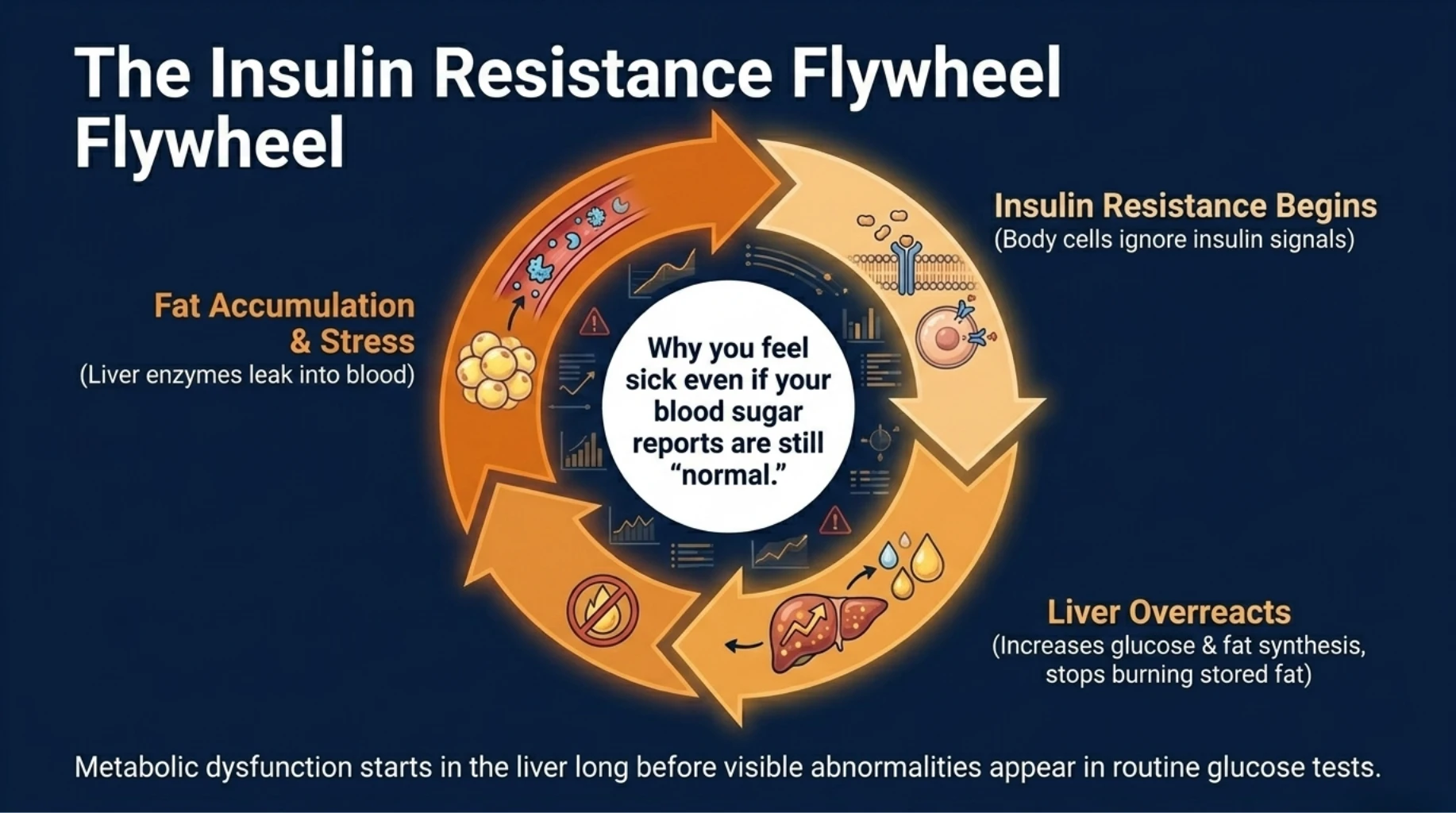
When excess calories—especially from refined carbohydrates and sugars—are consumed, the liver converts them into fat.
Over time, this leads to:
- Fat accumulation in liver cells
- Cellular stress
- Release of liver enzymes into blood
This process often begins silently, without obvious symptoms.
Why This Matters
Fatty liver is not just a liver condition. It is a metabolic disorder that is strongly associated with:
- Insulin resistance
- Prediabetes and diabetes
- Weight gain and obesity
2. Early Insulin Resistance: A Silent Trigger
Another key reason for mild liver enzyme elevation is early insulin resistance.
When the body becomes resistant to insulin, the liver is one of the first organs affected.
What Happens in the Liver
- Increased glucose production
- Increased fat synthesis (lipogenesis)
- Reduced fat breakdown
This leads to both fat accumulation and cellular stress, resulting in enzyme elevation.
Why It Is Important to Catch Early
At this stage, blood sugar levels may still appear normal.
This is why many patients feel confused:
“My sugar reports are normal, then why are my liver enzymes high?”
This is because metabolic dysfunction often starts before visible abnormalities appear in routine tests.
3. Lifestyle Factors That Stress the Liver
Modern lifestyle plays a major role in mild liver enzyme elevation.
Common contributing factors include:
- High intake of processed foods
- Frequent consumption of sugary drinks
- Sedentary lifestyle
- Poor sleep patterns
These factors create a continuous metabolic load on the liver, leading to chronic low-grade stress.
Clinical Observation
Many patients with mildly elevated liver enzymes do not consume alcohol and are not aware of any liver disease. Yet, their lifestyle factors are enough to trigger early metabolic changes.
Why Early Detection Changes Everything
The biggest advantage of identifying mild liver enzyme elevation early is that the condition is reversible at this stage.
With timely intervention, you can:
- Reduce liver fat
- Improve insulin sensitivity
- Prevent progression to fatty liver disease
- Avoid long-term complications
This is exactly why structured approaches like the Lifestyle Modification Program focus on early correction rather than waiting for disease progression.
4. Medication and Supplement-Related Liver Stress
Another important and often underestimated cause of mild liver enzyme elevation is the use of medications and supplements.
Many individuals assume that only alcohol damages the liver. However, the liver is responsible for metabolizing almost everything you consume, including:
- Painkillers (especially frequent use)
- Antibiotics
- Herbal supplements
- Over-the-counter health products
How This Affects Liver Enzymes
When the liver is repeatedly exposed to these substances, it can lead to:
- Cellular stress
- Inflammation
- Temporary or persistent enzyme elevation
This is particularly important in patients who are self-medicating or using multiple supplements without supervision.
Clinical Insight
I often see patients taking “liver detox” supplements, expecting improvement, but instead experiencing persistent enzyme elevation due to unnecessary load on the liver.
More supplements do not always mean better liver health.
5. Chronic Low-Grade Inflammation
Mild liver enzyme elevation is frequently associated with chronic low-grade inflammation, especially in individuals with metabolic issues.
This inflammation may not cause obvious symptoms initially but gradually affects liver function.
What Triggers This Inflammation?
- Excess body fat, especially abdominal fat
- High sugar intake
- Poor sleep and chronic stress
How It Impacts the Liver
Inflammation leads to:
- Increased oxidative stress
- Damage to liver cells
- Release of liver enzymes into blood
This is why enzyme elevation is often an early indicator of systemic metabolic imbalance.
6. Gut–Liver Axis: The Missing Link
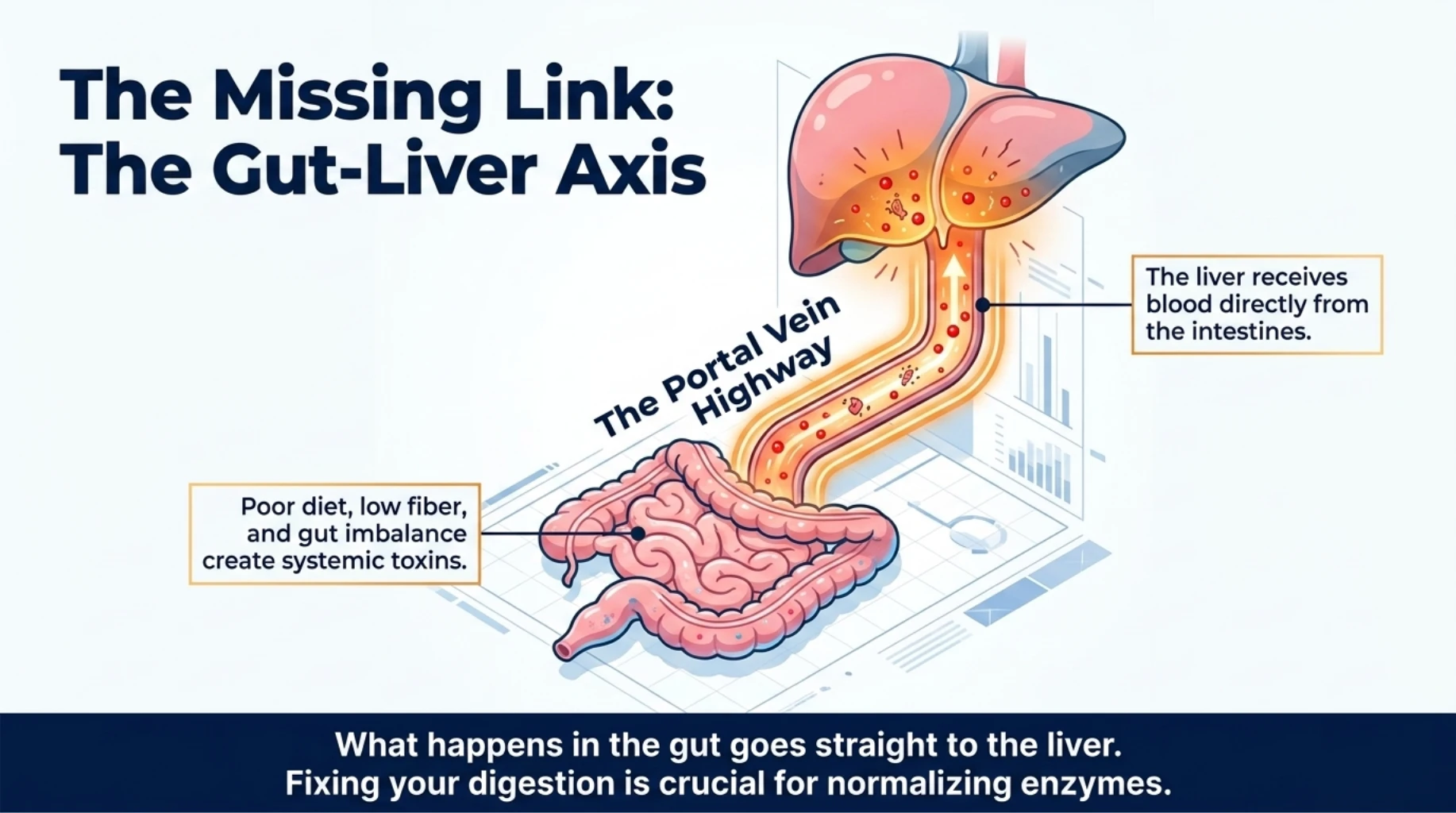
The connection between the gut and liver is a crucial but often ignored factor.
The liver receives blood directly from the intestines. This means that anything affecting gut health also impacts liver function.
When Gut Health Is Compromised
Issues such as poor diet, low fiber intake, or gut imbalance can lead to:
- Increased toxin load reaching the liver
- Inflammatory signals
- Metabolic stress
This can contribute to mild but persistent enzyme elevation.
Why This Matters
Patients often focus only on liver reports, but addressing gut health can significantly improve liver function.
7. Progression Risk: From Mild Elevation to Serious Disease
The most important reason not to ignore mild liver enzyme elevation is the risk of progression.
If the underlying cause is not corrected, the condition may gradually worsen.
Possible Progression Path
- Mild enzyme elevation
- Fatty liver (NAFLD)
- Non-alcoholic steatohepatitis (NASH)
- Liver fibrosis
- Cirrhosis (in advanced cases)
This progression is usually slow and silent, which is why early intervention is critical.
Key Point
By the time symptoms become obvious, significant damage may already have occurred.
Common Myths About Mild Liver Enzyme Elevation
Myth 1: “It’s Just Temporary”
While temporary fluctuations can occur, repeated mild elevation should never be ignored without identifying the cause.
Myth 2: “I Don’t Drink Alcohol, So It’s Not Serious”
Non-alcoholic causes, especially metabolic factors, are now the leading reasons for liver enzyme elevation.
Myth 3: “Reports Are Almost Normal, So I’m Fine”
Metabolic disorders often begin before significant abnormalities appear in reports.
Connecting the Dots: What Your Body Is Trying to Tell You
Mild liver enzyme elevation is not just a lab finding—it is a signal.
Your body is indicating that something is not functioning optimally, even if symptoms are minimal.
If you look at the broader picture, most causes are interconnected:
- Fatty liver
- Insulin resistance
- Inflammation
- Lifestyle stress
This is why focusing only on the numbers without addressing the underlying metabolic health will not give long-term results.
What Actually Works: How to Reverse Mild Liver Enzyme Elevation
The most important question patients ask is: “My liver enzymes are slightly high — what should I do now?”
The good news is that mild liver enzyme elevation is often reversible, especially when detected early. But the approach has to be structured, not random.
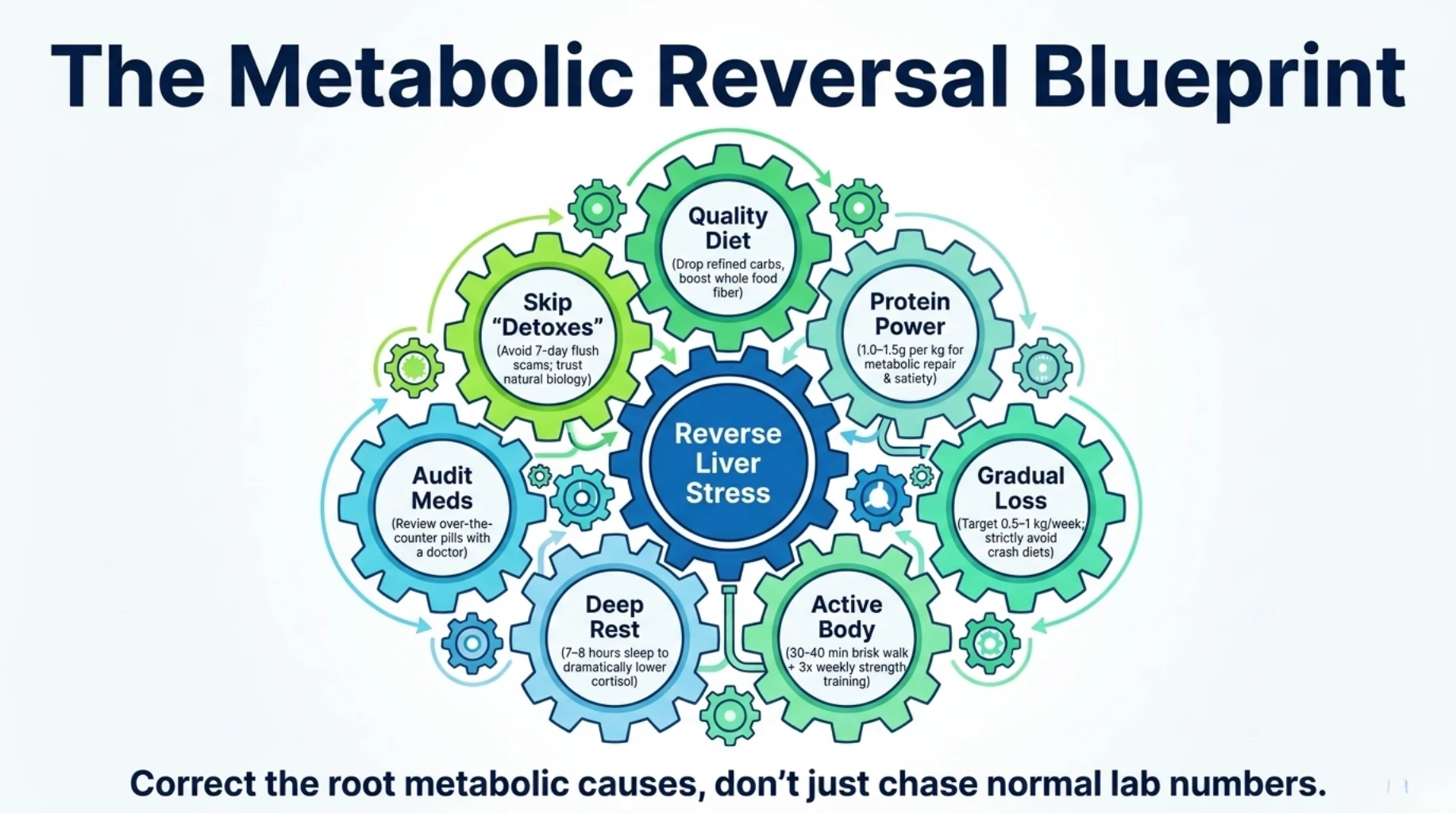
In clinical practice, I focus on correcting the root metabolic causes rather than just trying to normalize lab numbers.
1. Correct the Diet: Focus on Quality, Not Just Calories
The liver responds strongly to the type of food you eat, not just the quantity.
Key dietary changes include:
- Reduce refined carbohydrates (white bread, bakery items, sugary foods)
- Limit sugar intake, especially sugary beverages
- Increase fiber through vegetables and whole foods
- Include balanced meals with protein, fats, and controlled carbohydrates
This helps reduce liver fat and improves metabolic efficiency.
2. Increase Protein Intake
Protein supports liver repair and helps maintain muscle mass, which is important for metabolism.
Benefits include:
- Improved satiety
- Better blood sugar control
- Reduced fat accumulation
A practical target is 1.0–1.5 g protein per kg body weight, depending on individual health conditions.
3. Gradual Weight Reduction
If overweight or obese, even a small weight reduction can significantly improve liver enzymes.
Recommended approach:
- 0.5–1 kg weight loss per week
- Avoid crash dieting
Rapid weight loss may temporarily worsen liver stress, so gradual changes are more effective.
4. Regular Physical Activity
Exercise improves insulin sensitivity and reduces liver fat.
Simple recommendations:
- 30–40 minutes brisk walking daily
- Strength training 3–4 times per week
This combination helps improve both liver and metabolic health.
5. Optimize Sleep and Stress Levels
Chronic stress and poor sleep increase cortisol, which can worsen liver and metabolic health.
Key targets:
- 7–8 hours of sleep
- Consistent sleep schedule
- Stress management techniques (walking, relaxation)
6. Review Medications and Supplements
If liver enzymes are elevated, it is important to review:
- Current medications
- Over-the-counter drugs
- Herbal supplements
Unnecessary or excessive use should be avoided under medical guidance.
7. Avoid “Quick Detox” Solutions
Many people try liver detox drinks or supplements expecting quick improvement.
In reality:
- The liver already has natural detox mechanisms
- Most “detox” products have limited evidence
- Some may even increase liver stress
The most effective detox is improving lifestyle habits consistently.
Expected Timeline: When Will Enzymes Improve?
With proper intervention, mild liver enzyme elevation often improves within:
- 4–8 weeks for initial changes
- 3–6 months for significant improvement
However, consistency is the key factor.
Real-Life Clinical Insight
Many patients come with mild enzyme elevation and no symptoms. Once we address diet, lifestyle, and metabolic factors, their reports improve along with overall health.
They often report:
- Better energy levels
- Reduced bloating
- Improved weight control
- Stable blood sugar
This is why I emphasize early correction rather than waiting for progression.
Key Takeaways: What You Should Remember
- Mild liver enzyme elevation is an early warning sign, not a harmless finding
- Fatty liver and insulin resistance are the most common underlying causes
- Normal reports do not always mean optimal health
- Early intervention can completely reverse the condition
- Diet, lifestyle, and metabolic correction are key
- Quick fixes and detox products are not effective long term
- Consistency is more important than intensity
When Should You Seek Medical Advice?
Consult a doctor if you have:
- Persistent elevation in liver enzymes
- Fatigue or low energy
- Difficulty losing weight
- Belly fat accumulation
- Borderline metabolic parameters
Early evaluation helps prevent long-term complications.
You can book a consultation here: Book Appointment