
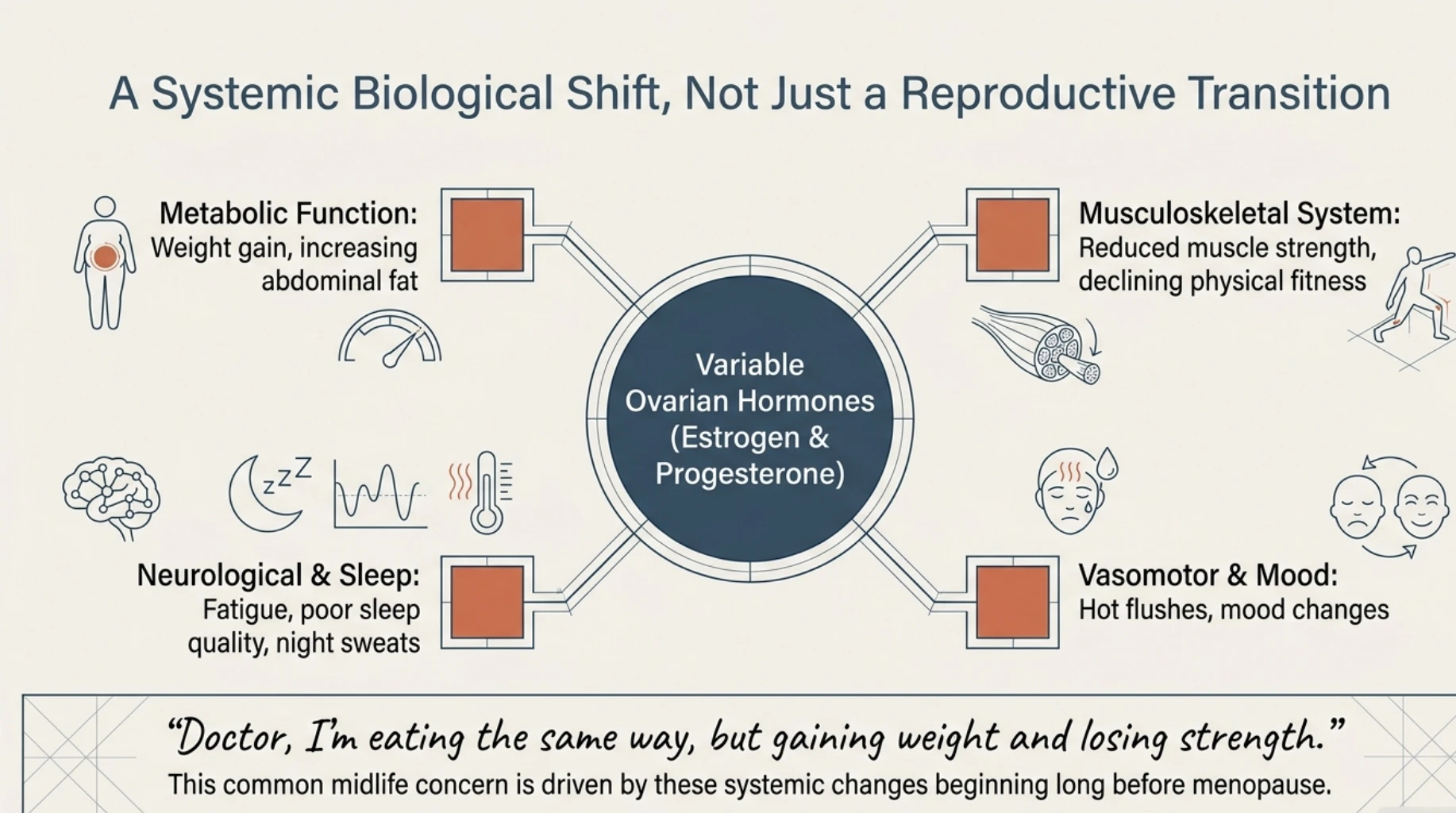
“Doctor, I’ve reached my forties, and despite eating the same way, I’m gaining weight, losing strength, and feeling less energetic. Is this just part of getting older?”
This is a concern shared by many women entering perimenopause. During this stage of life, hormonal changes begin long before menopause actually occurs. Many women notice increasing abdominal fat, reduced muscle strength, poorer sleep, mood changes, and difficulty maintaining their previous fitness levels.
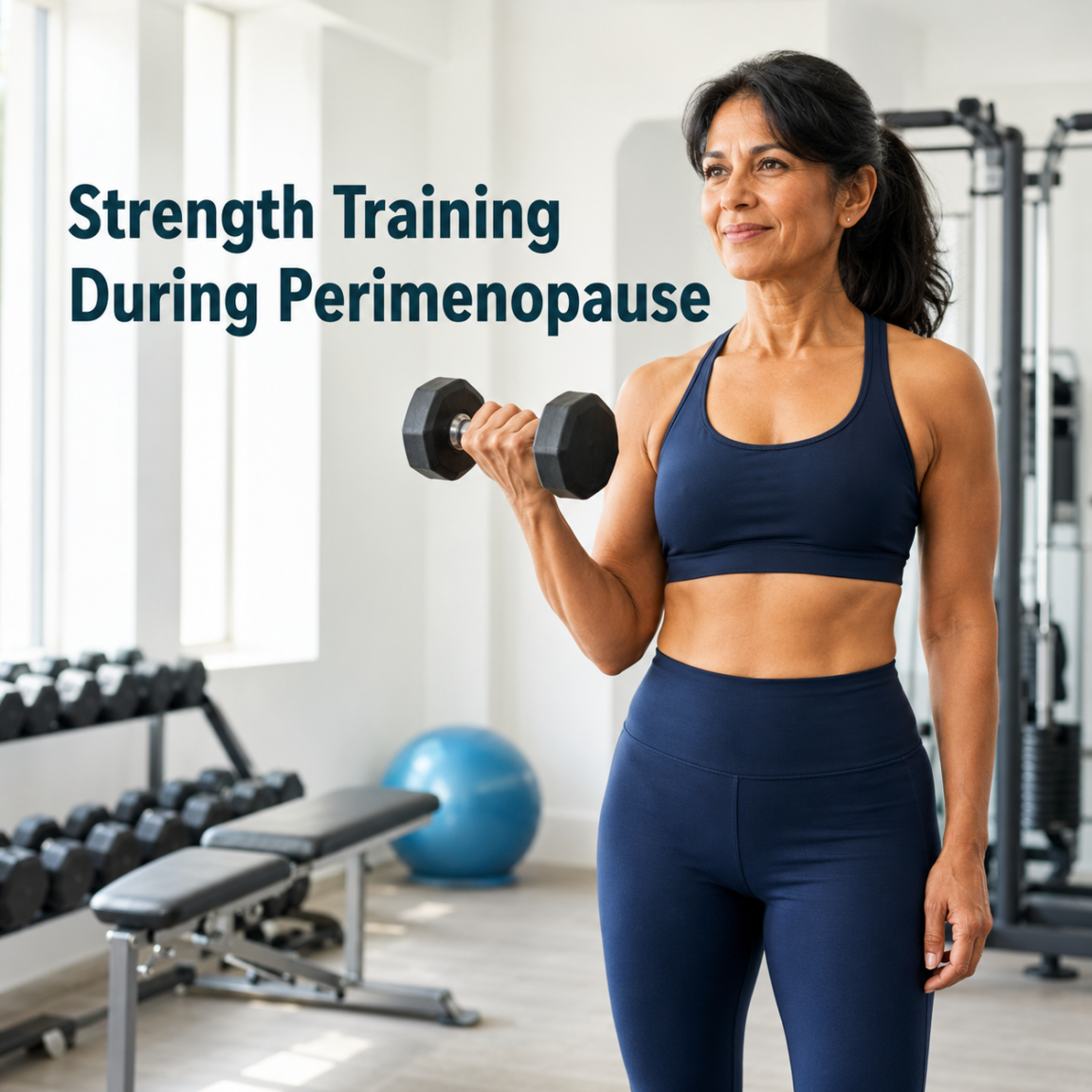
Although these changes are common, they should not simply be accepted as inevitable. One of the most effective lifestyle strategies to support long-term health is strength training during perimenopause.
Unlike exercise programmes that focus only on burning calories, strength training during perimenopause helps preserve muscle, supports bone health, improves metabolic function, and enhances physical independence as women age.
The earlier these healthy habits begin, the greater the potential long-term benefits.
This article explains why strength training during perimenopause is so important, the science behind its benefits, and eight evidence-based reasons every woman should consider starting before menopause.
What Is Perimenopause?
Perimenopause is the transitional phase leading up to menopause.
It usually begins during the forties, although some women experience changes in their late thirties, while others notice symptoms later.
During this period, ovarian hormone production becomes increasingly variable, particularly oestrogen and progesterone.
These hormonal fluctuations may lead to symptoms such as:
- Irregular menstrual cycles.
- Hot flushes.
- Night sweats.
- Mood changes.
- Poor sleep.
- Fatigue.
- Weight gain.
- Reduced muscle strength.
Although many people associate perimenopause only with reproductive health, the hormonal changes influence almost every organ system, including muscles, bones, metabolism, and cardiovascular health.
Why Strength Training During Perimenopause Matters
Beginning in midlife, women naturally experience gradual changes in body composition.
Muscle mass slowly declines, body fat—particularly around the abdomen—often increases, and bone mineral density gradually decreases.
Without regular resistance exercise, these changes may become more noticeable over time.
This is why strength training during perimenopause has become one of the most strongly recommended forms of physical activity for healthy ageing.
Strength training does far more than improve appearance. It supports muscle preservation, enhances physical function, improves insulin sensitivity, and helps maintain independence later in life.
How Hormonal Changes Affect Muscle and Metabolism
Oestrogen plays an important role in maintaining muscle, bone, and metabolic health.
As hormone levels fluctuate during perimenopause, many women notice that:
- Muscle strength declines.
- Recovery from exercise becomes slower.
- Body fat accumulates more easily.
- Physical performance changes.
- Weight management becomes more difficult.
Although hormonal changes cannot be completely prevented, strength training during perimenopause helps counter many of these effects by stimulating muscle protein synthesis and improving overall physical fitness.
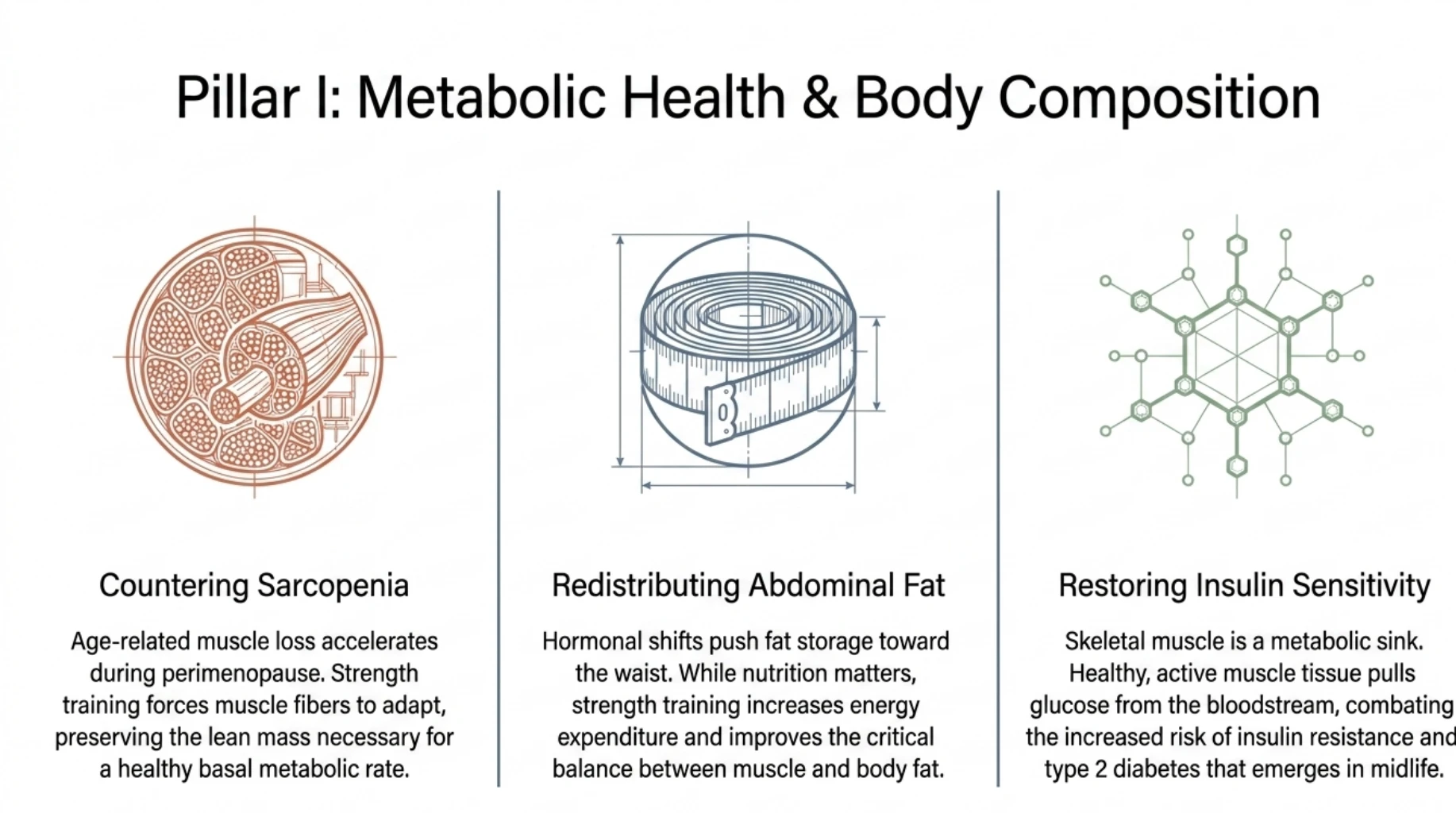
Reason #1: Strength Training During Perimenopause Helps Preserve Muscle Mass
One of the earliest physical changes many women notice is a gradual reduction in muscle mass.
This age-related muscle loss, known as sarcopenia, begins slowly but may accelerate during and after menopause if physical activity remains low.
Strength training during perimenopause stimulates muscle fibres to adapt by becoming stronger and, over time, helps preserve lean muscle mass.
Maintaining muscle is important because it supports mobility, balance, metabolism, and overall physical independence.
Reason #2: Strength Training During Perimenopause Supports Bone Health
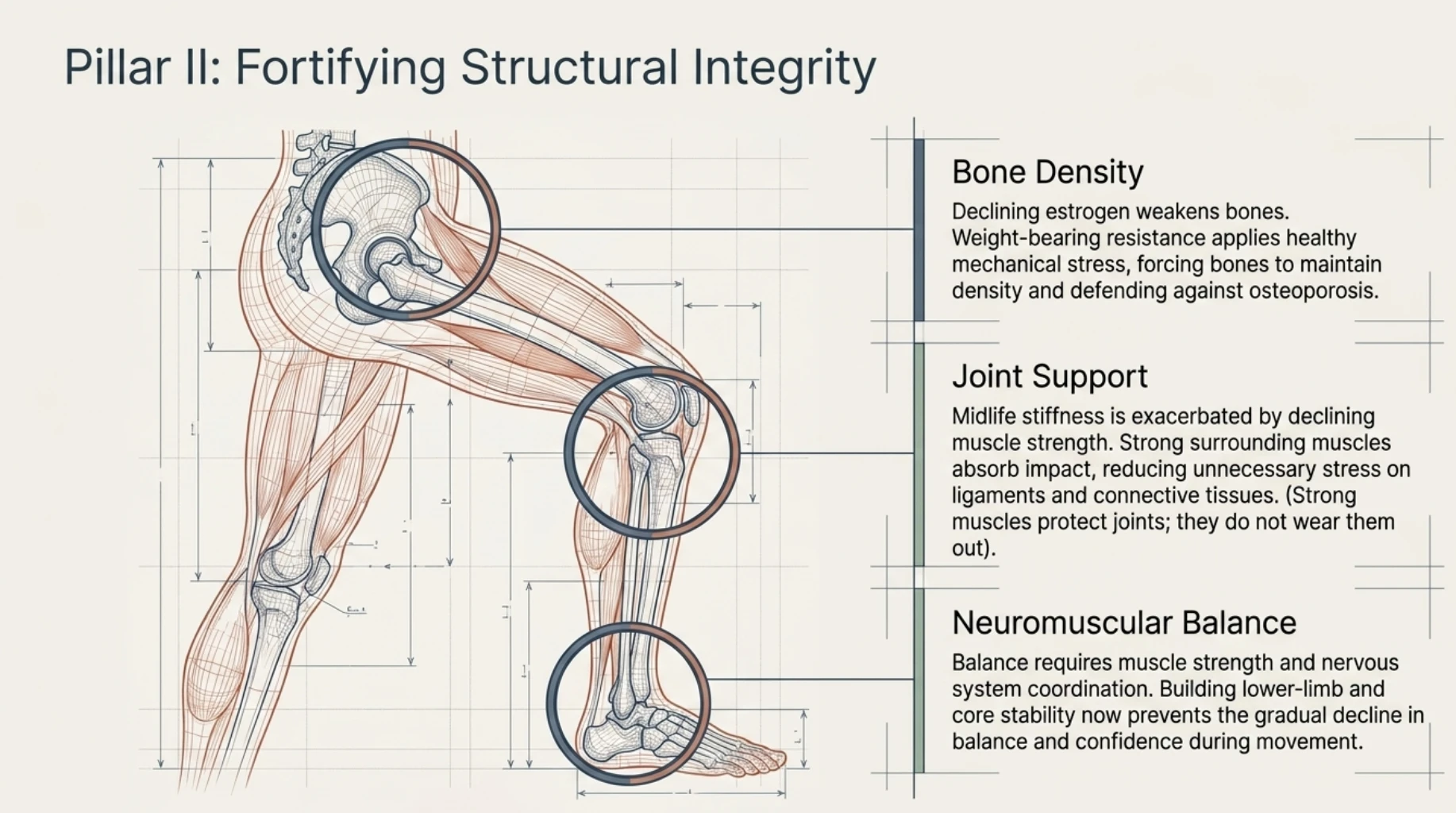
Bone density naturally declines with advancing age, particularly after menopause when oestrogen levels decrease.
Weight-bearing resistance exercises place healthy stress on bones, encouraging them to remain stronger.
Although strength training during perimenopause cannot completely prevent osteoporosis, it is recognised as an important component of maintaining bone health alongside adequate calcium, vitamin D (when appropriate), and overall healthy lifestyle habits.
Reason #3: Strength Training During Perimenopause Helps Reduce Abdominal Fat
Many women become frustrated because fat begins accumulating around the waist despite maintaining similar eating habits.
This change reflects a combination of hormonal changes, reduced muscle mass, ageing, and lifestyle factors.
By helping preserve muscle and supporting energy expenditure, strength training during perimenopause complements healthy nutrition and regular physical activity in managing body composition.
The goal is not simply weight loss but improving the balance between muscle and body fat.
Reason #4: Strength Training During Perimenopause Improves Insulin Sensitivity
Skeletal muscle plays an important role in blood sugar regulation.
Healthy muscle tissue helps remove glucose from the bloodstream and improves insulin sensitivity.
Maintaining muscle through strength training during perimenopause may therefore support healthier metabolic function and complement other lifestyle measures aimed at reducing the risk of insulin resistance and type 2 diabetes.
This becomes increasingly relevant because metabolic disorders become more common during midlife.
Reason #5: Strength Training During Perimenopause Supports Joint Health and Everyday Mobility
Many women entering perimenopause begin noticing stiffness in their knees, hips, shoulders, or lower back. While hormonal changes contribute to these symptoms, prolonged inactivity and declining muscle strength also play important roles.
Strong muscles provide better support for joints, improve movement patterns, and reduce unnecessary stress on ligaments and connective tissues.
Strength training during perimenopause helps improve functional strength, making everyday activities such as climbing stairs, lifting shopping bags, carrying grandchildren, and getting up from the floor easier and more comfortable.
It is important to remember that stronger muscles protect joints—they do not wear them out when exercises are performed with proper technique.
Reason #6: Strength Training During Perimenopause Improves Balance and Reduces Fall Risk
Balance gradually declines with age because of changes in muscle strength, coordination, vision, and the nervous system.
Although falls are often associated with older adults, maintaining balance should begin much earlier.
Strength training during perimenopause improves lower-limb strength, core stability, and neuromuscular coordination, all of which contribute to better balance and confidence during movement.
Developing these qualities before menopause helps women remain physically independent as they age.
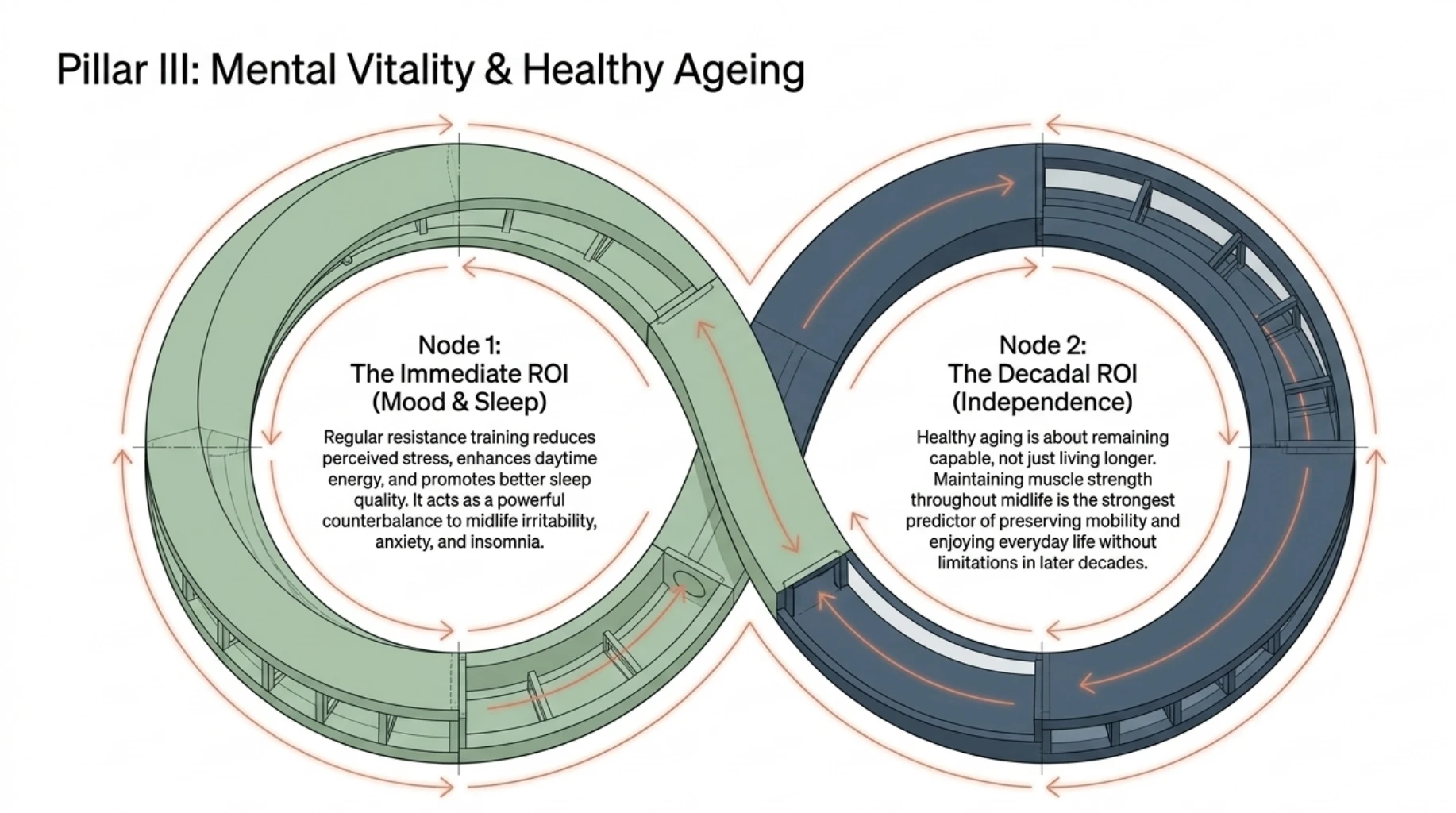
Reason #7: Strength Training During Perimenopause May Improve Mood and Sleep
Many women experience mood fluctuations, irritability, anxiety, or sleep disturbances during perimenopause.
Although resistance training is not a treatment for depression, anxiety, or insomnia, regular physical activity has consistently been associated with improvements in psychological well-being.
Strength training during perimenopause may help:
- Reduce perceived stress.
- Improve overall mood.
- Increase daytime energy.
- Promote better sleep quality.
- Enhance confidence and self-esteem.
Combined with healthy sleep habits and stress management, regular resistance training contributes to better overall quality of life.
Reason #8: Strength Training During Perimenopause Supports Healthy Ageing
The greatest benefit of strength training during perimenopause is that its effects extend far beyond the menopausal transition.
Women who maintain muscle strength throughout midlife are more likely to preserve mobility, independence, and physical function in later decades.
Healthy ageing is not simply about living longer—it is about remaining capable of enjoying everyday life without unnecessary physical limitations.
Starting resistance training before menopause establishes habits that continue to provide benefits for many years.
How Often Should Women Perform Strength Training During Perimenopause?
There is no single programme that suits every woman, but most health organisations recommend incorporating muscle-strengthening activities on at least two non-consecutive days each week.
For beginners, strength training during perimenopause should focus on learning correct technique rather than lifting heavy weights.
A balanced programme should include exercises for all major muscle groups:
- Legs.
- Chest.
- Back.
- Shoulders.
- Arms.
- Core muscles.
Gradually increasing resistance over time—a principle known as progressive overload—helps muscles continue adapting safely.
Can Strength Training During Perimenopause Be Done at Home?
Absolutely.
Many women assume they must join a gym to begin resistance training.
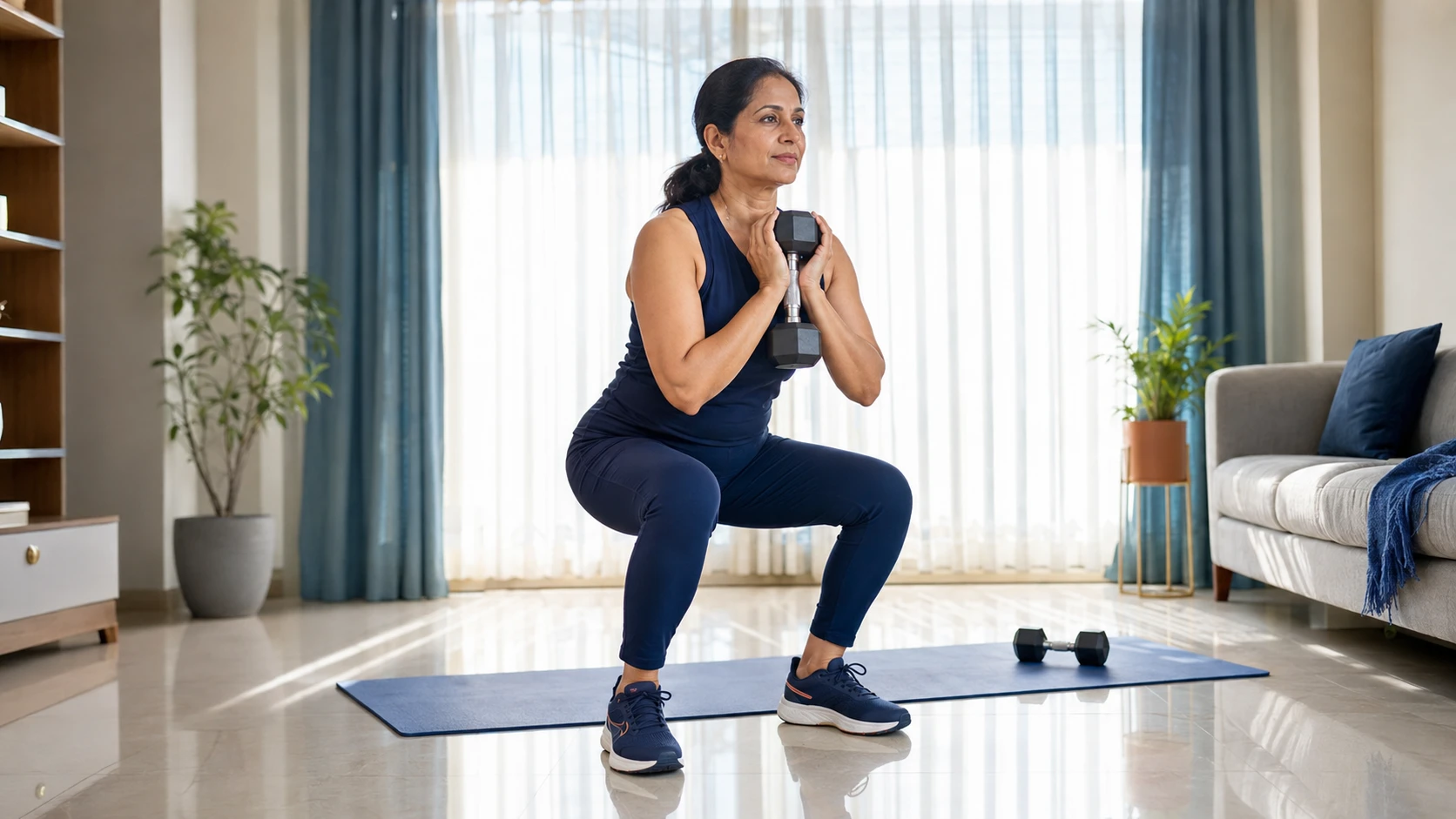
In reality, strength training during perimenopause can be performed effectively at home using:
- Body-weight exercises.
- Resistance bands.
- Adjustable dumbbells.
- Kettlebells.
- Household objects of appropriate weight.
Home-based programmes can be highly effective when exercises are performed consistently and progressed appropriately.
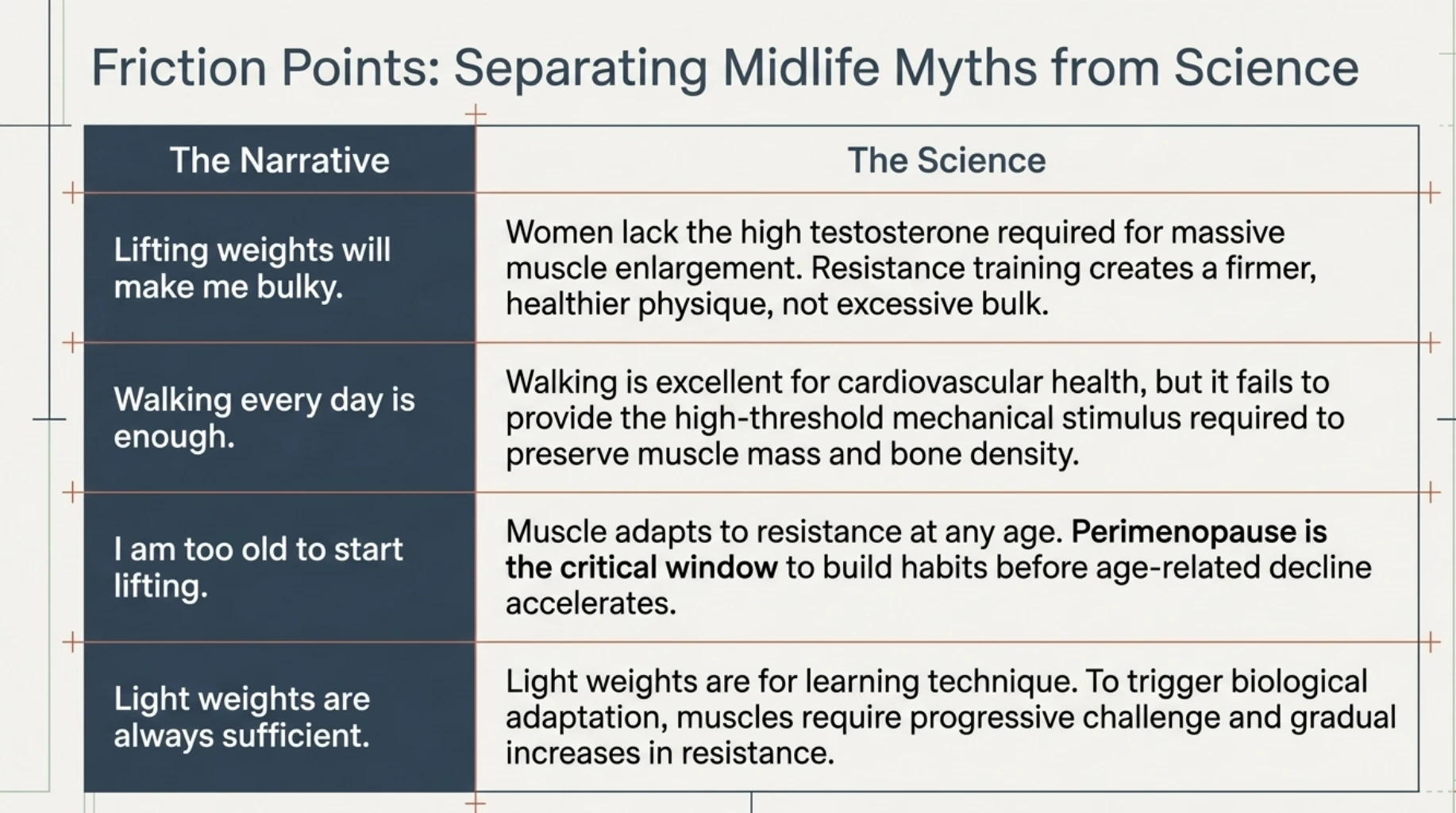
Common Myths About Strength Training During Perimenopause
Myth 1: Strength Training Makes Women Bulky
This is one of the most common misconceptions.
Women naturally produce much lower levels of testosterone than men, making substantial muscle enlargement unlikely through routine resistance training alone.
Instead, strength training during perimenopause typically helps women become stronger, improve body composition, and develop a firmer, healthier physique rather than excessive muscle bulk.
Myth 2: Walking Is Enough
Walking is an excellent form of physical activity and supports cardiovascular health.
However, walking alone does not provide the same stimulus for preserving muscle strength and bone health as resistance exercise.
Ideally, women should combine aerobic activities such as walking with strength training during perimenopause for more comprehensive health benefits.
Myth 3: I Am Too Old to Start Strength Training
It is never too late to benefit from resistance exercise.
Research consistently demonstrates that adults can improve muscle strength well into older age when exercise programmes are appropriately designed.
Starting strength training during perimenopause provides an opportunity to build healthy habits before age-related muscle loss becomes more pronounced.
Myth 4: Light Weights Are Always Enough
Light weights can be useful when learning technique or during rehabilitation.
However, muscles need progressive challenge to become stronger.
As confidence and technique improve, gradually increasing resistance under appropriate guidance allows continued progress while maintaining safety.
How to Start Strength Training During Perimenopause Safely
Beginning a new exercise programme can feel overwhelming, particularly for women who have never performed resistance training before.
The good news is that strength training during perimenopause does not require advanced gym equipment or years of athletic experience. Most women can begin safely with a simple programme that focuses on proper technique and gradual progression.
The objective during the first few weeks is not to lift heavy weights but to establish consistency and learn correct movement patterns.
Begin with Compound Exercises
Compound exercises train several muscle groups simultaneously and closely resemble movements performed during everyday life.
Examples include:
- Body-weight squats or chair squats.
- Wall or incline push-ups.
- Resistance band rows.
- Glute bridges.
- Step-ups.
- Dumbbell deadlifts with light weights.
- Overhead presses using light dumbbells or resistance bands.
These exercises provide an efficient foundation for strength training during perimenopause while improving balance, coordination, and functional strength.
Focus on Technique Before Weight
Good exercise technique is more important than lifting heavy weights.
Learning proper posture, breathing, and movement patterns helps reduce injury risk and ensures the correct muscles are being trained.
If possible, consider learning the basics from a qualified exercise professional, especially if you are new to resistance training.
Progress Gradually
Many beginners try to progress too quickly.
Instead, increase only one variable at a time, such as:
- Resistance.
- Number of repetitions.
- Number of sets.
- Exercise complexity.
Gradual progression allows muscles, joints, and connective tissues to adapt safely while making strength training during perimenopause sustainable over the long term.
Support Training with Good Nutrition
Exercise alone cannot optimise muscle health.
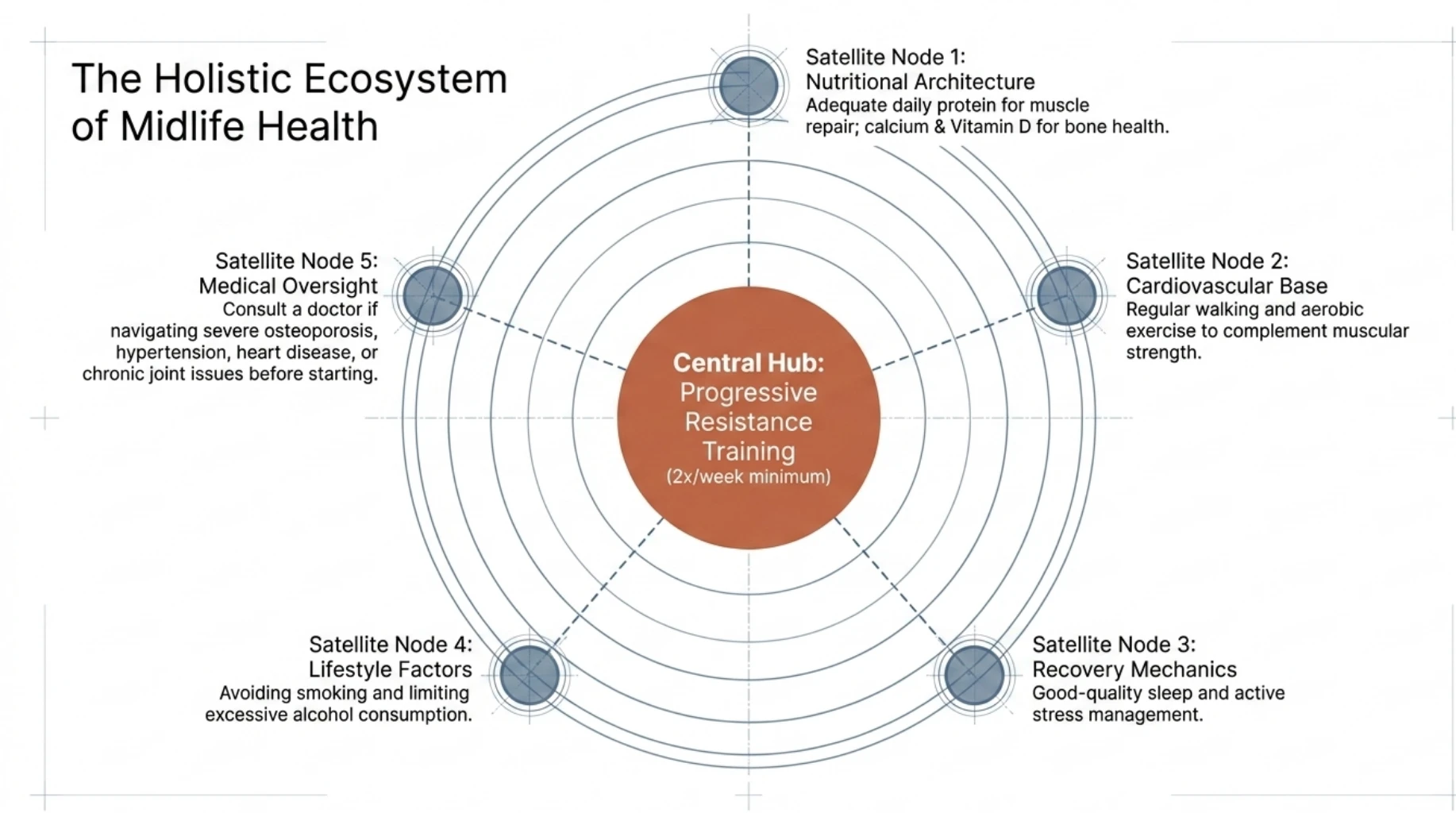
Women should also pay attention to overall nutrition, including adequate protein intake, sufficient calcium, vitamin D when appropriate, fruits, vegetables, whole grains, and healthy fats.
Balanced nutrition provides the building blocks required for muscle repair and supports overall metabolic and bone health.
Who Should Consult a Doctor Before Starting Strength Training During Perimenopause?
Most healthy women can safely begin resistance training, but some may benefit from medical assessment before starting.
Consult your healthcare professional if you have:
- Severe osteoporosis or a history of fragility fractures.
- Uncontrolled hypertension.
- Heart disease.
- Poorly controlled diabetes.
- Significant arthritis or chronic joint disease.
- Persistent back pain or previous spinal injury.
- Recent surgery.
- Any medical condition that limits physical activity.
An individualised exercise programme may help ensure that strength training during perimenopause is both safe and effective.
Healthy Habits That Complement Strength Training During Perimenopause
Resistance exercise works best when combined with other healthy lifestyle practices.
Women are likely to achieve greater long-term benefits when strength training during perimenopause is supported by:
- Regular walking and aerobic exercise.
- Adequate daily protein intake.
- Maintaining a healthy body weight.
- Good-quality sleep.
- Stress management.
- Avoiding smoking.
- Limiting excessive alcohol consumption.
- Regular preventive health check-ups.
These habits work together to support muscle health, cardiovascular fitness, bone strength, and metabolic well-being.
Frequently Asked Questions About Strength Training During Perimenopause
Can beginners start strength training during perimenopause?
Yes. Women who have never exercised before can safely begin with low resistance, simple exercises, and gradual progression. Consistency is far more important than lifting heavy weights during the early stages.
Is strength training during perimenopause safe if I have knee pain?
In many cases, appropriately modified resistance training may actually improve muscle support around the joints. However, women with persistent pain should seek medical evaluation to determine the underlying cause and receive personalised exercise advice.
Will strength training during perimenopause help me lose weight?
Strength training alone is not a weight-loss programme. However, it helps preserve muscle mass, supports metabolic health, improves body composition, and complements healthy nutrition and aerobic activity.
How soon will I notice results?
Many women begin noticing improvements in strength, confidence, and daily function within several weeks of regular training. Changes in body composition generally require more time and depend on overall lifestyle habits.
Final Thought
Perimenopause marks the beginning of a new stage of life—not the end of physical strength. Every resistance exercise you perform today is an investment in stronger muscles, healthier bones, better metabolism, and greater independence for the years ahead.
If you want a personalized metabolic assessment and lifestyle strategy, you can book a consultation here:
Book an Appointment