


“Doctor, I’m only 38, but I feel like my body is much older. Is that possible?”
This is a question that many modern adults ask.
People in their thirties and forties increasingly report low energy, weight gain, reduced stamina, poor sleep, brain fog, and difficulty recovering from even minor physical activity. Many assume these changes are simply part of getting older. However, chronological age and biological age are not always the same.
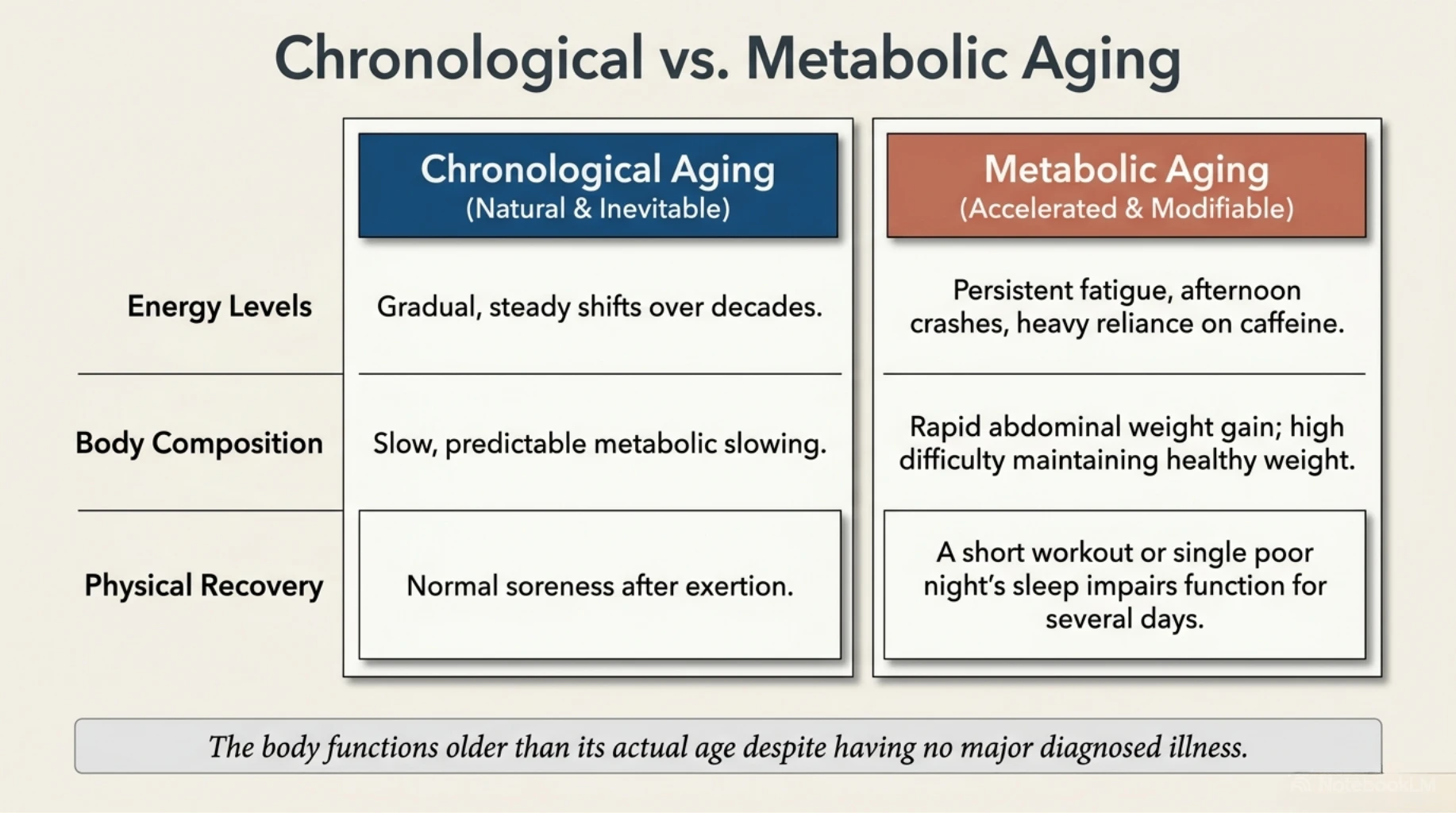
In many cases, individuals are experiencing what is commonly referred to as metabolic aging—a gradual decline in metabolic health that causes the body to function older than its actual age.
Modern lifestyles have accelerated this process. Poor sleep, chronic stress, sedentary behavior, ultra-processed foods, and reduced muscle mass are contributing to earlier signs of aging than previous generations experienced.

Understanding metabolic aging is important because many of its contributing factors are modifiable.
What Is Metabolic Aging?
Metabolic aging refers to the gradual decline in the body’s ability to efficiently regulate energy, maintain muscle mass, manage blood sugar, and recover from physical and mental stress.
It affects multiple systems simultaneously, including: metabolism, hormones, muscle health, sleep quality, cardiovascular function, and overall energy production.
Someone experiencing metabolic aging may feel significantly older than their actual age despite having no major diagnosed illness.
This is why two people of the same age can have dramatically different levels of energy, fitness, and overall health.
Why Modern Adults Are Experiencing It Earlier
Historically, physically demanding lifestyles naturally protected metabolic health.
Today, many adults spend most of the day sitting, sleeping less than they need, eating highly processed foods, and dealing with constant mental stimulation. These factors create an environment that accelerates metabolic aging.
Unlike wrinkles or grey hair, metabolic changes often develop quietly over many years before becoming obvious.
Sign #1: Persistent Fatigue
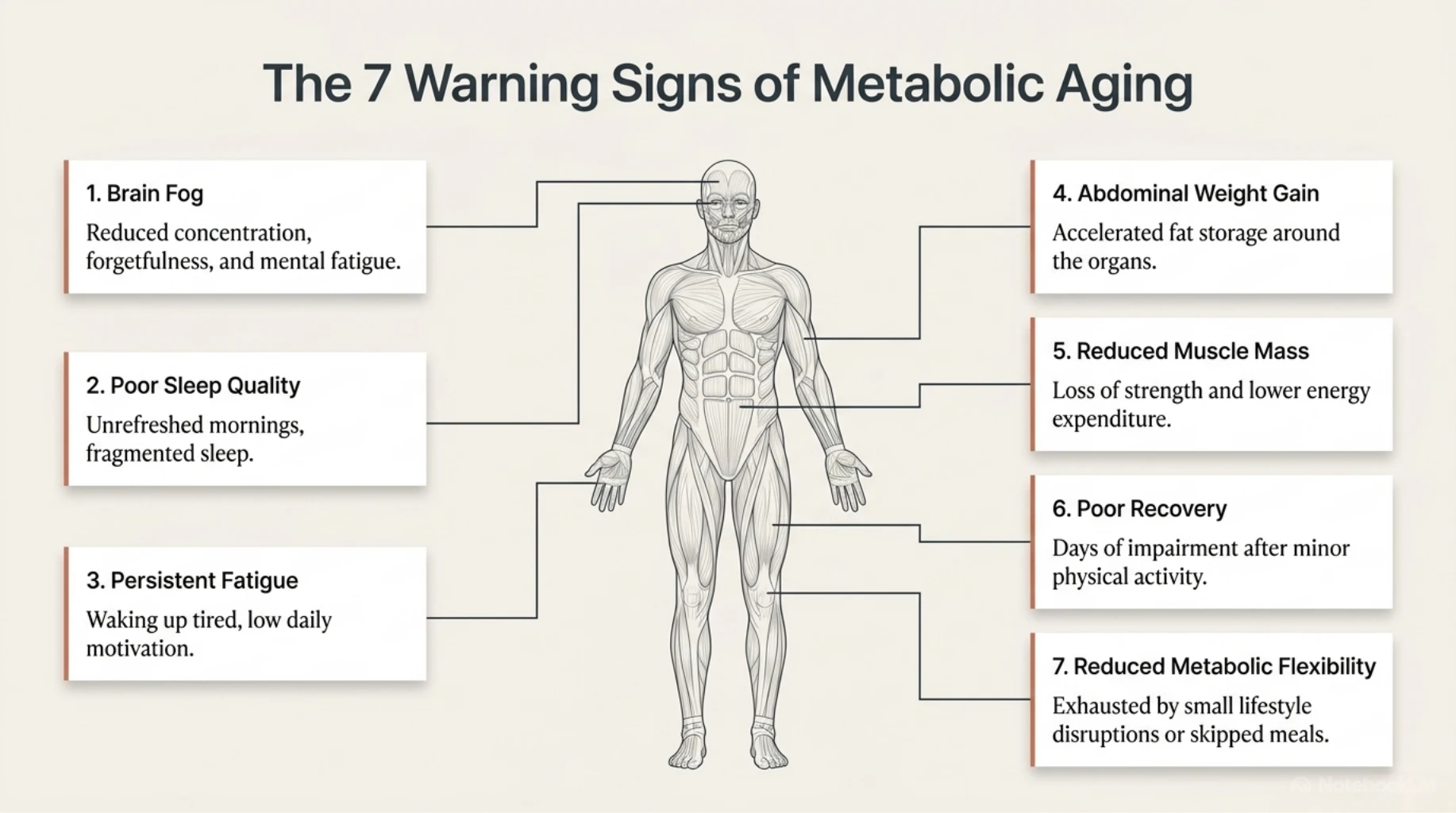
One of the earliest signs of metabolic aging is persistent tiredness. Many individuals wake up feeling unrefreshed despite spending enough time in bed.
Others rely heavily on caffeine to remain productive throughout the day.
Common complaints include: low energy, poor concentration, afternoon crashes, and reduced motivation for physical activity.
While fatigue has many possible causes, persistent low energy often reflects broader lifestyle and metabolic patterns.
Sign #2: Gradual Weight Gain Around the Abdomen
Many adults notice that maintaining a healthy body weight becomes increasingly difficult with age. Abdominal weight gain is particularly common.
Changes in physical activity, muscle mass, sleep quality, and metabolic health all influence body composition.
Although some changes occur naturally with aging, accelerated abdominal weight gain is frequently associated with lifestyle-related metabolic aging.
Sign #3: Reduced Muscle Mass and Strength
Muscle plays an essential role in metabolic health. Unfortunately, many adults begin losing muscle gradually as they become less physically active.
Reduced muscle mass contributes to: lower energy expenditure, poorer glucose regulation, reduced strength, and slower recovery.
This is one reason why resistance training and adequate protein intake remain important throughout adulthood.
Sign #4: Poor Recovery After Physical Activity
Many individuals notice that they no longer recover as quickly as they did in their twenties. A short workout, a busy weekend, or a poor night’s sleep may affect them for several days.
While some reduction in recovery is expected with age, significantly impaired recovery may be another sign of metabolic aging.
The body’s ability to repair and adapt depends heavily on sleep, nutrition, muscle health, and overall metabolic function.
Sign #5: Brain Fog and Reduced Mental Performance
Many adults describe a feeling that is difficult to explain. They say things like: “I don’t feel as sharp as I used to.”
Brain fog, reduced concentration, forgetfulness, and mental fatigue are increasingly common complaints among modern adults.
Although occasional lapses in concentration are normal, persistent mental fatigue may sometimes reflect broader changes in sleep quality, stress levels, physical activity, and metabolic health.
This is another reason why metabolic aging affects much more than body weight alone.
Sign #6: Poor Sleep Quality
Sleep and metabolism are closely connected. Unfortunately, modern lifestyles are not particularly sleep-friendly.
Late-night screen exposure, irregular schedules, stress, and prolonged working hours have made restorative sleep increasingly difficult to achieve.
Many people experiencing metabolic aging report: difficulty falling asleep, waking during the night, feeling tired in the morning, or needing multiple alarms to wake up.
Because sleep is when much of the body’s repair and recovery takes place, poor sleep often accelerates the perception of aging.
Sign #7: Reduced Metabolic Flexibility
Healthy metabolism is adaptable. The body should be able to respond efficiently to changes in activity levels, meal patterns, and energy demands.
However, individuals experiencing metabolic aging often describe feeling unusually affected by small lifestyle disruptions.
Examples include: feeling exhausted after a poor night’s sleep, gaining weight easily, struggling to lose weight, or experiencing significant energy fluctuations throughout the day.
This reduced resilience is often one of the clearest signs that metabolic health deserves attention.
The Connection Between Insulin Resistance and Metabolic Aging
Insulin resistance plays a central role in many modern metabolic conditions. It is closely associated with abdominal obesity, prediabetes, type 2 diabetes, and fatty liver.
Because insulin resistance affects how efficiently the body uses and stores energy, it is frequently linked with many of the symptoms associated with metabolic aging.
Improving insulin sensitivity through lifestyle changes often leads to noticeable improvements in energy, body composition, and overall well-being.
How Chronic Inflammation Influences Aging
Researchers increasingly recognize that chronic, low-grade inflammation may influence how people age.
This type of inflammation is often associated with: poor diet, obesity, inadequate sleep, chronic stress, smoking, and physical inactivity.
Unlike acute inflammation, which helps the body heal after injury, chronic inflammation may contribute to long-term metabolic dysfunction.
Many experts consider it an important factor in the development of lifestyle-related diseases and accelerated metabolic aging.
The Role of Fatty Liver
Fatty liver has become one of the most common metabolic conditions worldwide. It frequently develops alongside obesity, insulin resistance, and poor lifestyle habits.
Although many individuals have no obvious symptoms, others report fatigue, reduced energy, and difficulty maintaining a healthy body weight.
Because fatty liver reflects broader metabolic dysfunction, it often exists within the same clinical picture as metabolic aging.
The Real-Life Pattern Seen in Clinical Practice
Many patients describe a remarkably similar experience.
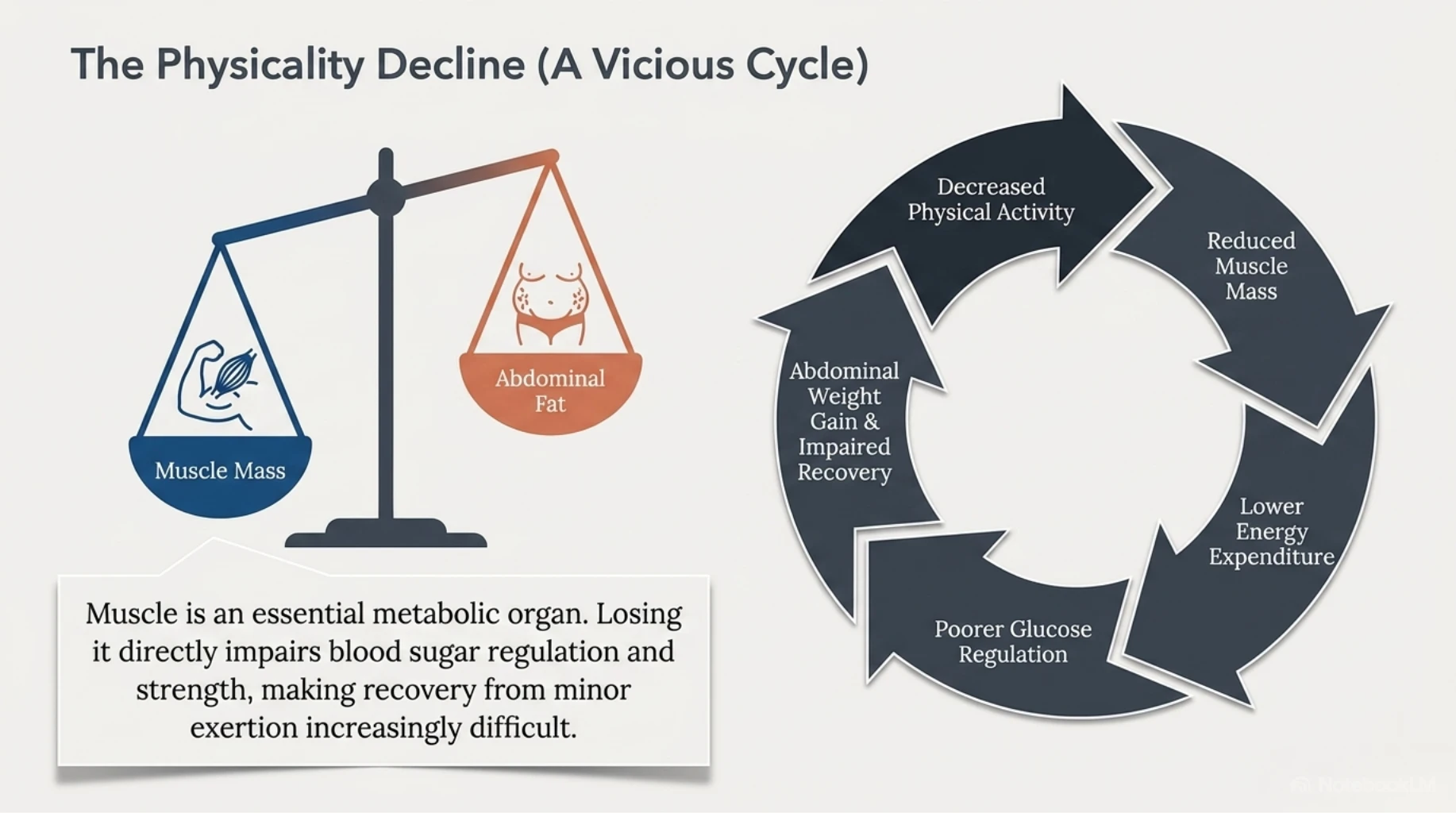
At 35 or 40 years of age, they begin noticing subtle changes: less energy, more abdominal fat, poorer sleep, slower recovery, and reduced exercise tolerance.
They often assume they are simply getting older.
However, a closer look usually reveals years of accumulated lifestyle factors: poor sleep, long working hours, reduced movement, stress, processed foods, and inadequate recovery.
In many cases, the body is not simply aging—it is experiencing accelerated metabolic aging.
Why Younger Adults Are Being Affected
Perhaps the most concerning trend is that these changes are appearing earlier than before.
Adults in their late twenties and early thirties are increasingly reporting symptoms traditionally associated with much older age groups.
Modern environments encourage: sedentary behavior, prolonged screen exposure, chronic stress, poor sleep, and excessive consumption of ultra-processed foods.
When these habits persist for years, the effects of metabolic aging may become noticeable far earlier than expected.
Can Metabolic Aging Be Slowed?
The encouraging news is that metabolic aging is not entirely determined by genetics.
While growing older is inevitable, how efficiently the body functions over time is influenced significantly by lifestyle choices.
Many of the factors that contribute to metabolic aging are modifiable, which means individuals can take practical steps to support healthier aging.
Protect Your Muscle Mass
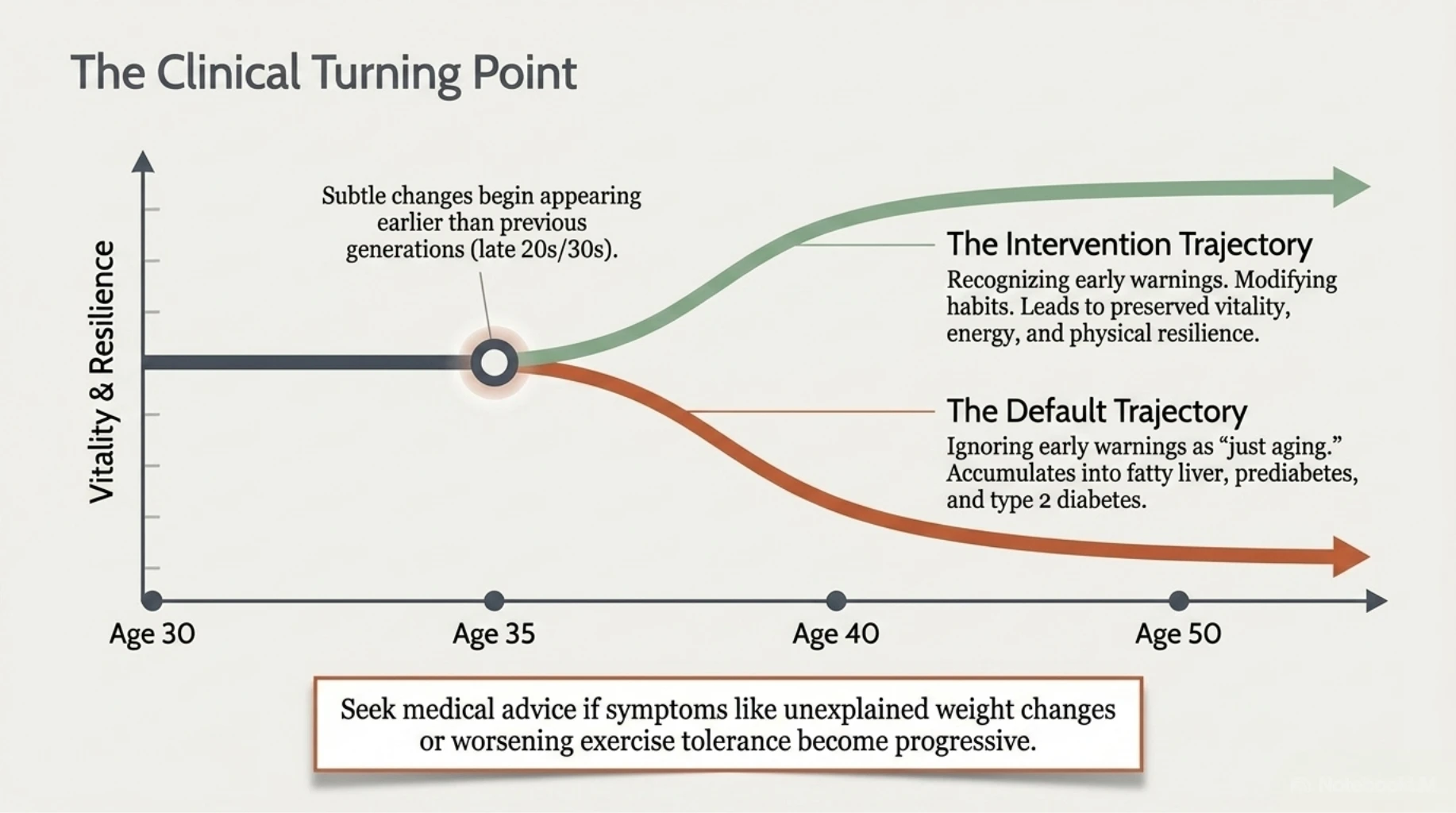
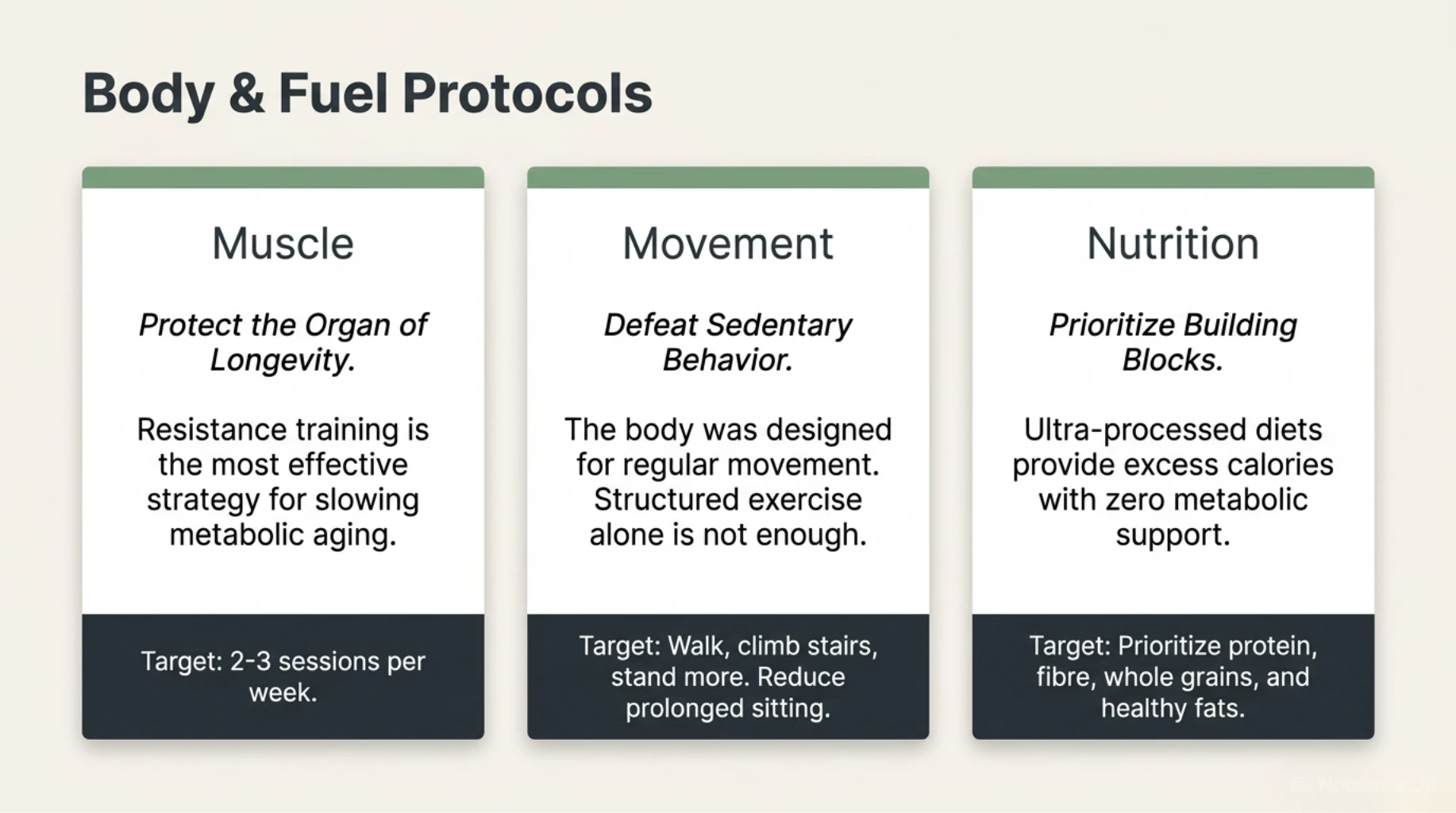
Muscle is one of the most important organs for long-term metabolic health. It helps regulate blood sugar, supports mobility, maintains strength, and contributes to daily energy expenditure.
Unfortunately, many adults begin losing muscle gradually after the age of 30, particularly if they are physically inactive.
Resistance training performed consistently is one of the most effective strategies for slowing metabolic aging. Even two to three sessions per week can provide meaningful long-term benefits.
Prioritize Protein and Balanced Nutrition
Nutrition plays a central role in healthy aging. Diets dominated by ultra-processed foods often provide excess calories while lacking adequate protein, fibre, and micronutrients.
Balanced meals that include: adequate protein, vegetables, fruits, whole grains, legumes, nuts, and healthy fats help support muscle preservation and metabolic health.
Nutrition alone cannot prevent aging, but it remains one of the most powerful tools available for slowing metabolic aging.
Move More Throughout the Day
Structured exercise is important, but daily movement matters as well. Walking, climbing stairs, gardening, household activities, and simply standing more often all contribute to overall metabolic health.
The body was designed for regular movement, not prolonged sitting. Many experts now believe that reducing sedentary behavior is just as important as increasing exercise.
Make Sleep a Non-Negotiable Priority
Sleep is when much of the body’s repair work occurs.
Chronic sleep deprivation affects hormones, appetite regulation, recovery, and cognitive performance.
Healthy sleep habits include: consistent sleep schedules, limiting screen exposure before bed, maintaining a comfortable sleep environment, and allowing sufficient time for recovery.
Improving sleep quality is one of the simplest ways to support healthy aging.
Manage Stress Before It Manages You
Stress is a normal part of life, but chronic stress places a continuous burden on the body. Over time, prolonged stress may contribute to poor sleep, unhealthy eating patterns, and reduced physical activity.
Activities such as: walking, meditation, yoga, reading, spending time outdoors, and maintaining social connections can all support better mental recovery.
Managing stress effectively is therefore an important part of slowing metabolic aging.
Pay Attention to Early Warning Signs
Many people ignore subtle changes because they assume they are simply getting older.
However, persistent fatigue, unexplained weight gain, poor sleep, reduced exercise tolerance, and declining physical performance should not always be dismissed.
Early recognition creates opportunities for intervention before more significant metabolic problems develop.
When Should You Seek Medical Advice?
Although lifestyle habits play a major role, medical evaluation is important if symptoms are significant or progressive.
Consider seeking professional advice if you experience: persistent fatigue, unexplained weight changes, excessive daytime sleepiness, worsening exercise tolerance, abnormal blood sugar levels, or symptoms that interfere with daily life.
Appropriate evaluation may include assessment of blood pressure, blood sugar, lipid profile, thyroid function, liver health, sleep quality, and other aspects of metabolic health.
Healthy Aging Is Built Through Daily Habits
Many people search for anti-aging supplements or quick fixes. However, healthy aging is usually built through ordinary habits performed consistently over many years.
Sleep, movement, nutrition, hydration, muscle preservation, and stress management remain the foundations of long-term health.
These same habits support not only longevity but also quality of life.
Putting Everything Into Perspective
Metabolic aging is becoming increasingly common because modern lifestyles expose people to multiple risk factors simultaneously.
Poor sleep, prolonged sitting, stress, processed foods, and reduced physical activity often occur together. The encouraging reality is that these factors can often be improved.
Small changes made consistently may significantly influence how the body feels and functions over time.
Final Thought
Your birth certificate tells you how many years you have lived. Your lifestyle habits often determine how old your body feels.
If you want a personalized metabolic assessment and lifestyle strategy, you can book a consultation here:
Book an Appointment