
Exercise Snacks: Can 5-Minute Workouts Improve Fitness and Blood Sugar?
“I know I should exercise, but I simply don’t have 45 minutes every day.”
This is one of the most common reasons people give for not exercising regularly. Between work, commuting, family responsibilities, household tasks, and long hours spent sitting, finding a dedicated block of time for exercise can genuinely be difficult.
But what if physical activity did not always have to happen in one long session?
This is where the concept of exercise snacks becomes interesting.
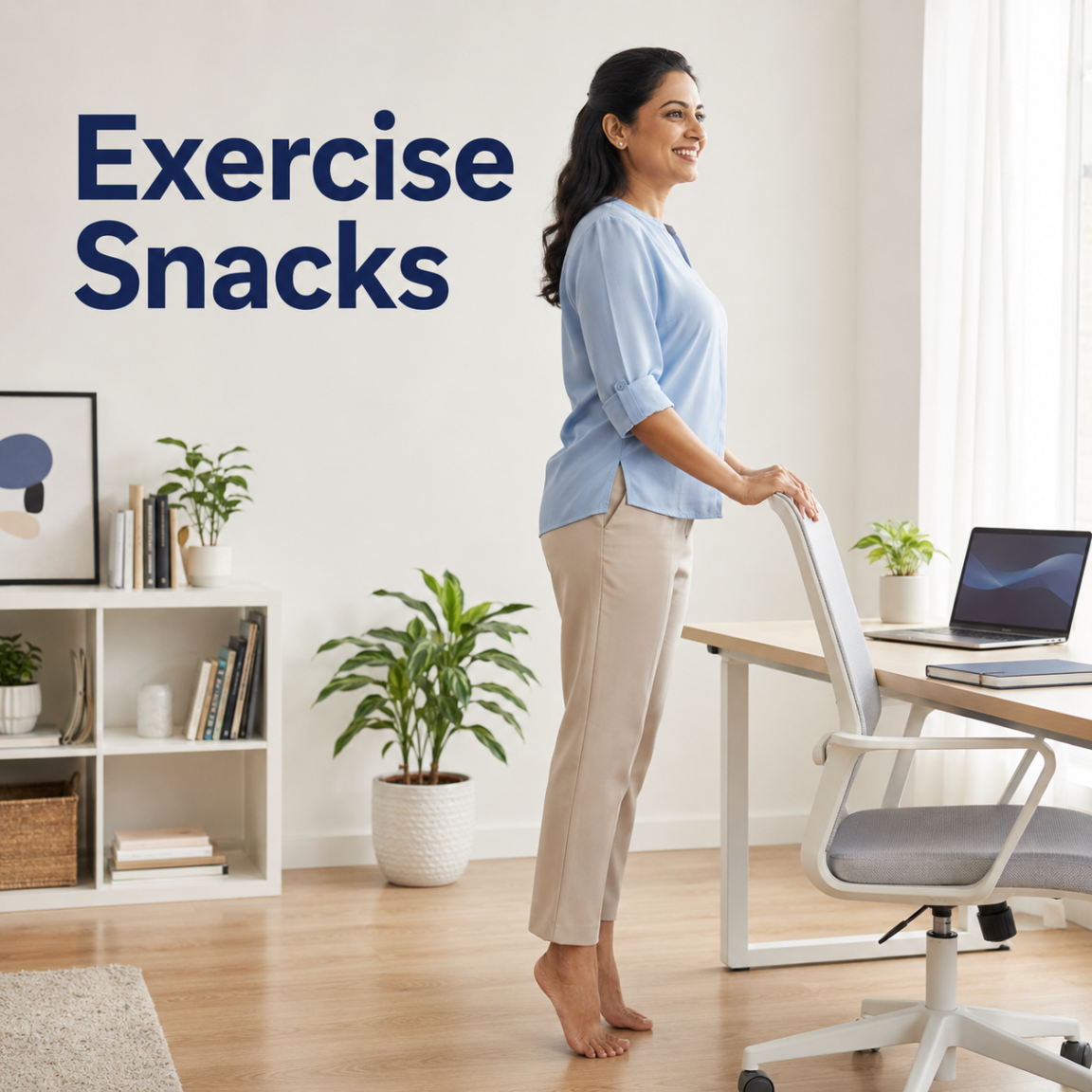
Exercise snacks are short bouts of purposeful physical activity performed at different times during the day. Depending on the research protocol, these bouts may last only a few minutes and may involve brisk walking, stair climbing, cycling, body-weight movements, or other relatively intense activities.
The term may sound like another fitness trend, but the underlying idea is scientifically reasonable: repeated short periods of muscular activity can provide meaningful physiological stimuli even when you cannot complete a conventional 30- or 45-minute workout.
Recent research has examined whether exercise snacks can improve cardiorespiratory fitness and cardiometabolic health. Separately, a substantial body of research has investigated short activity breaks used to interrupt prolonged sitting. These brief interruptions can improve post-meal glucose and insulin responses compared with remaining continuously seated.
However, there is an important qualification.
Five minutes of exercise should not automatically be considered equivalent to a complete exercise programme.
Exercise snacks are better viewed as another tool for becoming more active—particularly for people whose alternative is remaining sedentary for most of the day.
This article explains what exercise snacks are, how they may influence fitness and blood sugar, and how short workouts can realistically be incorporated into a busy lifestyle.
What Are Exercise Snacks?
The phrase “exercise snack” describes a brief bout of exercise performed separately from other exercise sessions during the day.
There is no single universally accepted protocol. Research has used different durations, intensities, exercises, and frequencies.
Recent systematic-review research examining exercise snacks in physically inactive adults has included structured bouts lasting approximately five minutes or less, performed repeatedly during the day.
An exercise snack might therefore look like:
- Five minutes of brisk walking.
- A short stair-climbing session.
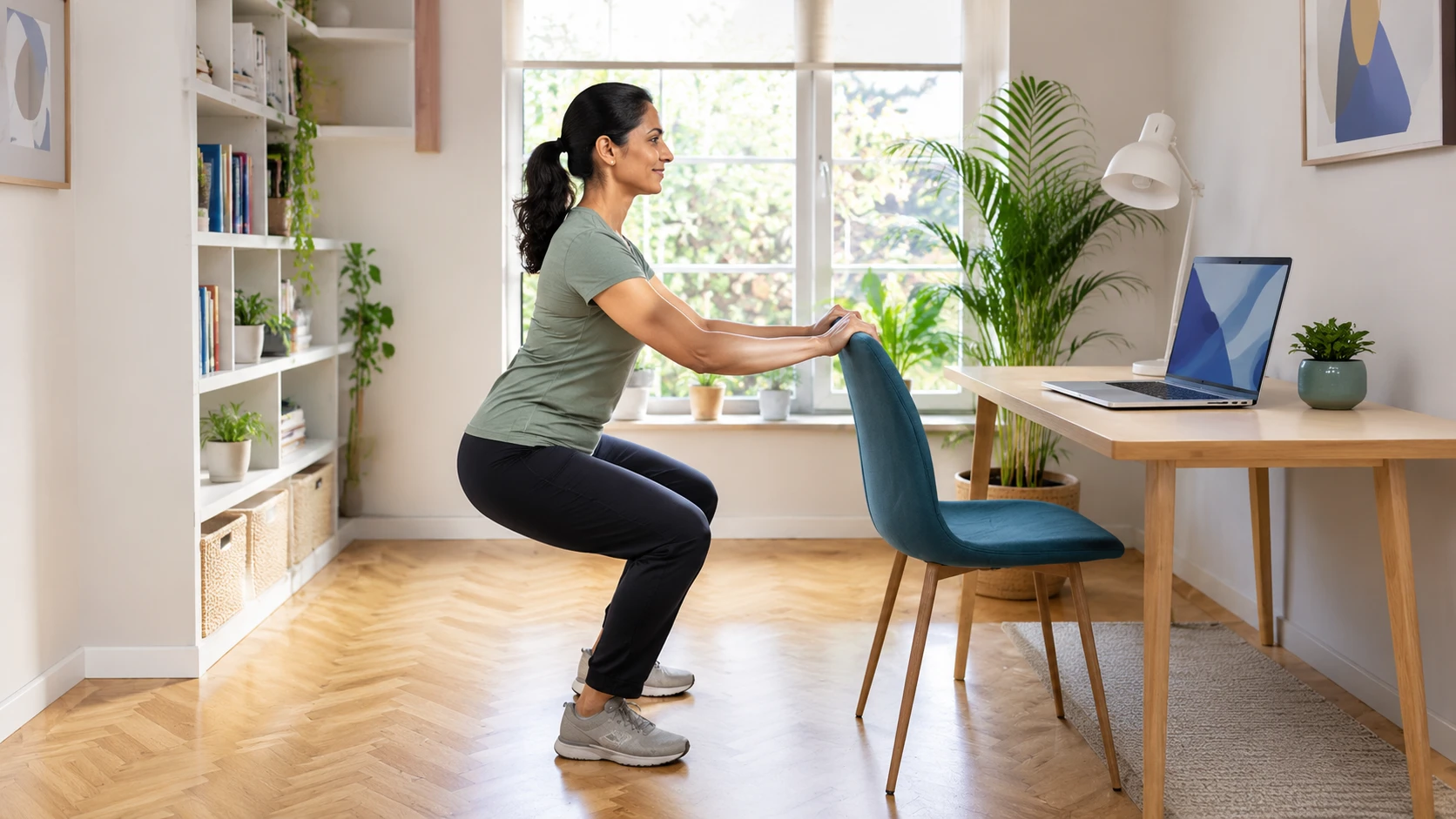
- Several minutes of repeated sit-to-stand movements.
- A brief body-weight circuit.
- A few minutes of cycling.
- A short resistance-band routine.
The idea is not that five minutes is a magical duration.
The important principle is that physical activity can be accumulated in smaller bouts rather than assuming exercise has value only when performed continuously for a long period.
Exercise Snacks vs a Traditional Workout
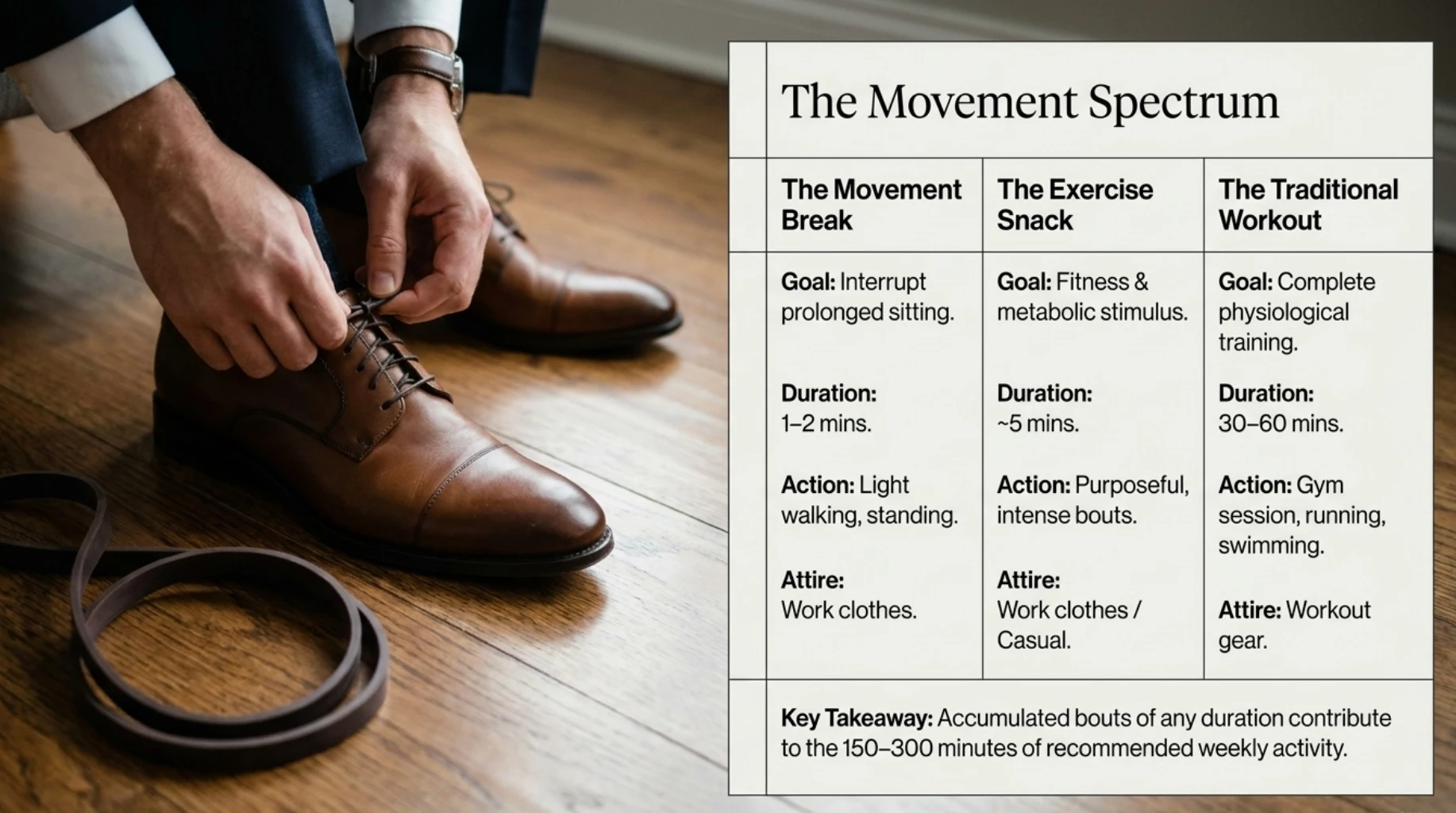
A traditional workout may involve 30–60 minutes of continuous or structured activity. This might include a gym session, resistance-training programme, cycling, swimming, running, or brisk walking.
Exercise snacks divide some physical activity into much smaller sessions.
For example, instead of performing one 30-minute activity session, someone might perform several short bouts distributed across the day.
These approaches should not necessarily be viewed as competitors.
A person may perform structured resistance training three times per week while also using short activity bouts during long working days.
In this way, exercise snacks can complement rather than replace conventional exercise.
Exercise Snacks vs Movement Breaks: Are They the Same?
The terms are sometimes used interchangeably, but they can describe slightly different strategies.
An exercise snack generally refers to a brief, purposeful bout of exercise designed to provide a fitness or metabolic stimulus.
A movement or activity break may simply involve interrupting prolonged sitting with light walking, standing combined with movement, or simple resistance exercises.
This distinction is particularly relevant when discussing blood sugar.
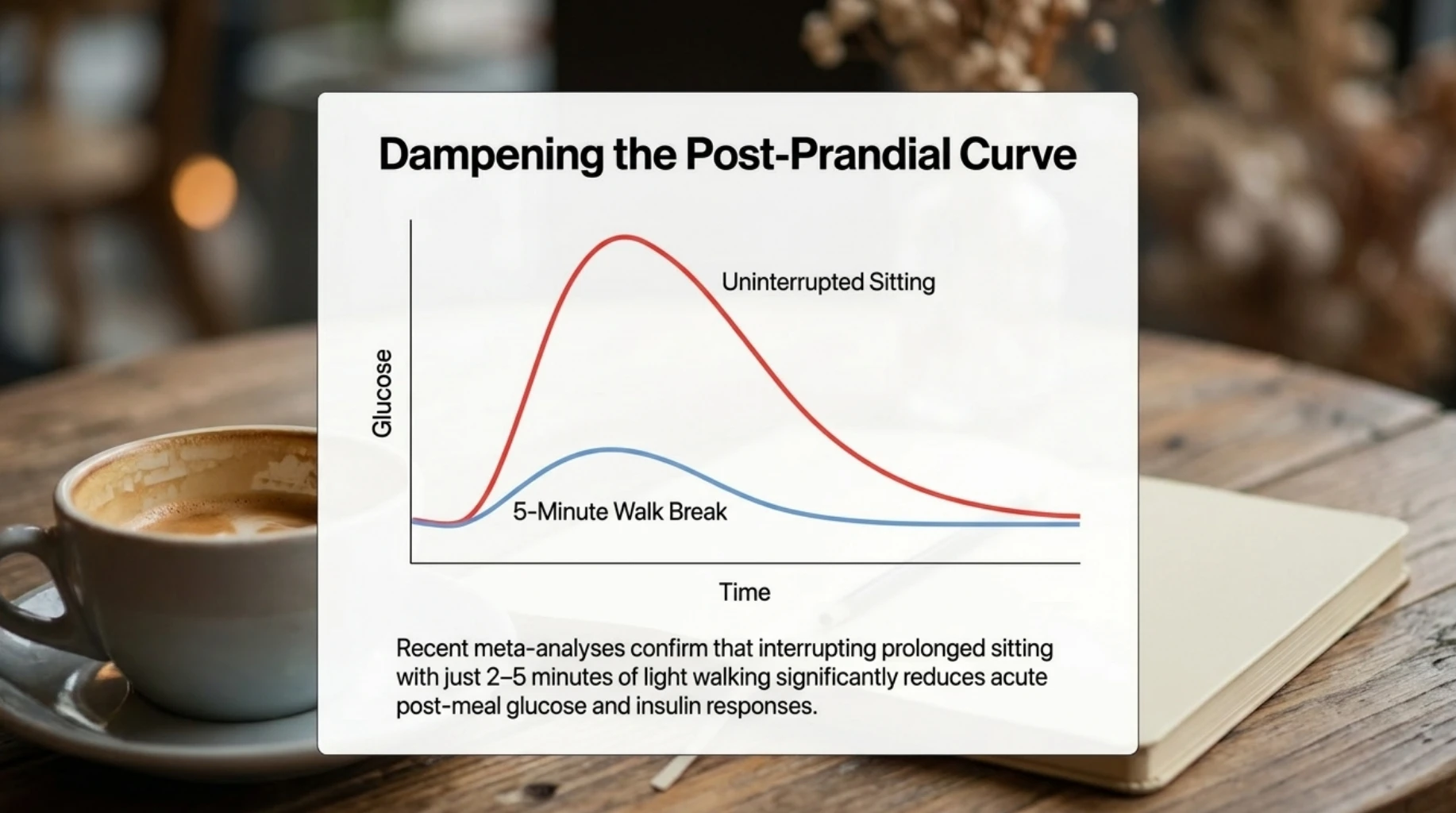
Research examining prolonged sitting has shown that repeatedly interrupting sedentary time with short bouts of walking or simple resistance activity can reduce acute post-meal glucose and insulin exposure compared with uninterrupted sitting. A 2026 meta-analysis of acute trials found lower postprandial glucose and insulin responses with regular activity breaks, with frequent short walking breaks performing particularly well.
So although the terminology varies, the practical message is similar: long periods of uninterrupted sitting are worth breaking up with movement.
Do 5-Minute Exercise Snacks Really Count as Exercise?
Yes.
Older exercise advice sometimes created the impression that physical activity counted only when performed continuously for at least 10 minutes.
That requirement is no longer part of current WHO physical-activity recommendations. Evidence reviewed for the guidelines found that physical activity accumulated in bouts of different durations can contribute to health, and WHO explicitly states that some physical activity is better than none.
This does not mean duration is irrelevant.
Total activity volume still matters. Adults are generally advised to accumulate at least 150–300 minutes of moderate-intensity aerobic activity per week, or 75–150 minutes of vigorous activity, or an equivalent combination. Muscle-strengthening activities involving the major muscle groups are also recommended on at least two days per week.
Therefore, exercise snacks count—but they should be understood within the bigger picture of total physical activity.
How Exercise Snacks May Improve Your Health
The value of short workouts comes from repeated physiological stimulation.
Your muscles and cardiovascular system do not know whether an activity was labelled a “workout.” They respond to the intensity, duration, frequency, and total amount of work performed.
Here are several ways exercise snacks may contribute to better health.
1. Exercise Snacks May Improve Cardiorespiratory Fitness
One of the most interesting areas of research involves cardiorespiratory fitness—the ability of the heart, lungs, circulation, and muscles to support sustained physical activity.
Short bouts performed at sufficient intensity can challenge these systems.
For example, climbing stairs quickly for a few minutes feels very different from casually walking around the house for the same amount of time.
Recent systematic-review evidence in physically inactive adults suggests that repeated exercise snacks can improve cardiorespiratory fitness, although the studies use different protocols and the evidence base remains smaller than that supporting conventional exercise programmes.
This makes exercise snacks particularly interesting for sedentary adults who struggle to initiate longer exercise sessions.
2. Exercise Snacks Can Break Up Prolonged Sitting
Modern adults can remain seated for remarkably long periods.
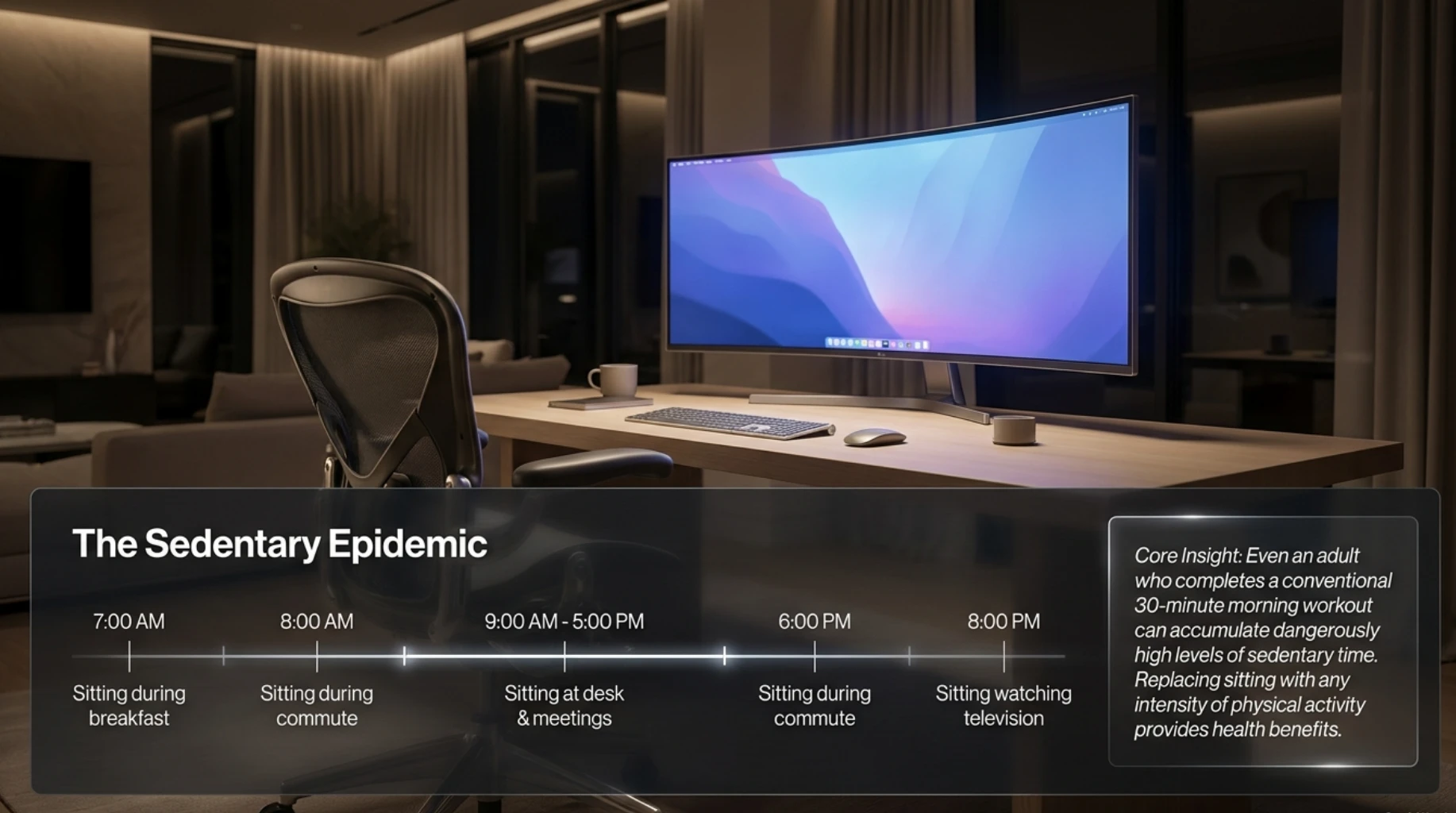
A typical day may involve:
- Sitting during breakfast.
- Sitting during the commute.
- Sitting at a desk.
- Sitting during meetings.
- Sitting during lunch.
- Sitting again during the evening commute.
- Sitting while watching television or using a phone.
Even someone who exercises for 30 minutes in the morning may still accumulate many hours of sedentary time.
WHO recommends limiting sedentary behaviour and notes that replacing sedentary time with physical activity of any intensity provides health benefits.
Short movement or exercise snacks provide one practical way of breaking these long sitting periods.
3. Exercise Snacks May Reduce Post-Meal Blood Sugar Spikes
This is particularly relevant for people with insulin resistance, prediabetes, obesity, or type 2 diabetes.
After a carbohydrate-containing meal, glucose enters the bloodstream. Insulin helps move this glucose into tissues, including skeletal muscle.
When muscles contract, their demand for energy increases.
Research examining interruptions to prolonged sitting has found that brief bouts of walking or simple resistance activity can reduce postprandial glucose and insulin responses compared with remaining seated.
A 2025 systematic review and meta-analysis focused on adults with obesity found that interrupting prolonged sitting with approximately 2–5 minutes of light-to-moderate walking or simple resistance activity reduced acute post-meal glucose and insulin responses. The authors also emphasised that longer-term trials are still required.
This makes short bouts of movement particularly interesting after meals or during long sedentary periods.
4. Working Muscles Can Take Up More Glucose
Skeletal muscle is one of the body’s major sites for glucose disposal.
During muscular contractions, glucose uptake into muscle can increase through mechanisms that are not entirely dependent on insulin.
This is one reason physical activity can influence blood glucose relatively quickly.
You do not necessarily need a long workout to create muscle contractions. Even a few minutes of walking, stair climbing, or repeated sit-to-stand movements activates large muscle groups.
Repeated throughout the day, these contractions provide multiple opportunities for muscles to use circulating glucose.
5. Exercise Snacks May Support Better Insulin Efficiency
Insulin resistance means that tissues require more insulin than normal to manage glucose effectively.
Regular physical activity is one of the most effective lifestyle strategies for improving insulin sensitivity.
Short activity bouts should not be portrayed as a cure for insulin resistance, but evidence showing lower post-meal insulin exposure when prolonged sitting is interrupted suggests that frequent muscular activity may reduce the metabolic burden of sedentary behaviour.
The long-term metabolic effect will depend on how consistently the activity is performed and what the rest of the person’s lifestyle looks like.
6. Exercise Snacks Can Add Meaningful Daily Activity
Five minutes sounds insignificant until it is repeated.
Someone performing four 5-minute activity bouts during a day accumulates 20 minutes of additional movement.
Repeated across five days, that becomes 100 minutes of activity.
Intensity and type of exercise still matter, so this simple arithmetic does not make every five-minute activity physiologically equivalent.
But it illustrates an important behavioural principle: small bouts can accumulate into meaningful activity volume.
7. Exercise Snacks Remove the “No Time” Barrier
For many people, the greatest benefit of exercise snacks may be behavioural rather than physiological.
A 45-minute workout requires planning.
A five-minute activity break can often fit between meetings, consultations, household tasks, or periods of computer work.
This changes the question from:
“Do I have enough time to exercise today?”
to:
“Where can I insert five minutes of movement?”
That is a much easier problem to solve.
Exercise Snacks for Blood Sugar Control
The blood-sugar benefits of short activity bouts deserve particular attention because glucose after meals is strongly influenced by what happens in the hours immediately following food intake.
Remaining seated after eating creates very little muscular demand for glucose.
Walking activates large muscles in the legs and increases energy demand.
This helps explain why short walking breaks have repeatedly performed well in studies examining postprandial glucose. A recent meta-analysis across adult populations found that regular activity breaks reduced both glucose and insulin incremental responses compared with prolonged sitting.
However, the evidence should not be exaggerated.
Most studies examining these immediate glucose effects are controlled, short-duration experiments. We have stronger evidence for the acute reduction in post-meal glucose exposure than for claims that a specific five-minute routine will independently reduce HbA1c or prevent diabetes over many years.
Exercise snacks should therefore be incorporated into a broader programme that includes appropriate nutrition, regular aerobic activity, resistance training, adequate sleep, weight management when needed, and medical treatment where indicated.
Exercise Snacks After Meals: Do You Need an Intense Workout?
No.
If the primary objective is simply to interrupt sitting and encourage post-meal glucose disposal, the activity does not necessarily need to be exhausting.
Short bouts of light-to-moderate walking and simple resistance movements have demonstrated acute metabolic benefits in research settings.
A practical strategy might therefore be a brief walk after a meal rather than immediately sitting at a desk, lying down, or watching television.
People capable of more vigorous exercise can use higher-intensity exercise snacks at other times of the day to provide a stronger fitness stimulus.
The objective determines the intensity.
Exercise Snacks Are Especially Useful for People Who Sit All Day
Office workers, drivers, professionals, students, and people working from home can easily accumulate long periods of uninterrupted sitting.
For them, waiting until evening for one workout leaves most of the day sedentary.
Short activity breaks provide another opportunity.
For example:
- Walk briskly for five minutes between meetings.
- Use stairs instead of the lift for a short movement break.
- Perform sit-to-stand repetitions after prolonged desk work.
- Take a brief walk after lunch.
- Walk while making a phone call.
- Perform a short resistance-band routine during a work break.
These activities may appear small individually, but they change the structure of an otherwise sedentary day.
This is the real strength of exercise snacks: they make movement possible even when a conventional workout does not fit easily into the schedule.
10 Exercise Snacks You Can Do in About 5 Minutes
The biggest advantage of exercise snacks is that they do not require a gym, complicated equipment, or a major change in your schedule.
The best exercise snack depends on your fitness level, joint health, balance, medical conditions, and surroundings. A young, physically active adult may tolerate vigorous stair climbing, while an older adult beginning exercise may be better suited to comfortable walking or repeated sit-to-stand movements.
The following examples are practical options rather than a fixed exercise prescription.
1. Five Minutes of Brisk Walking
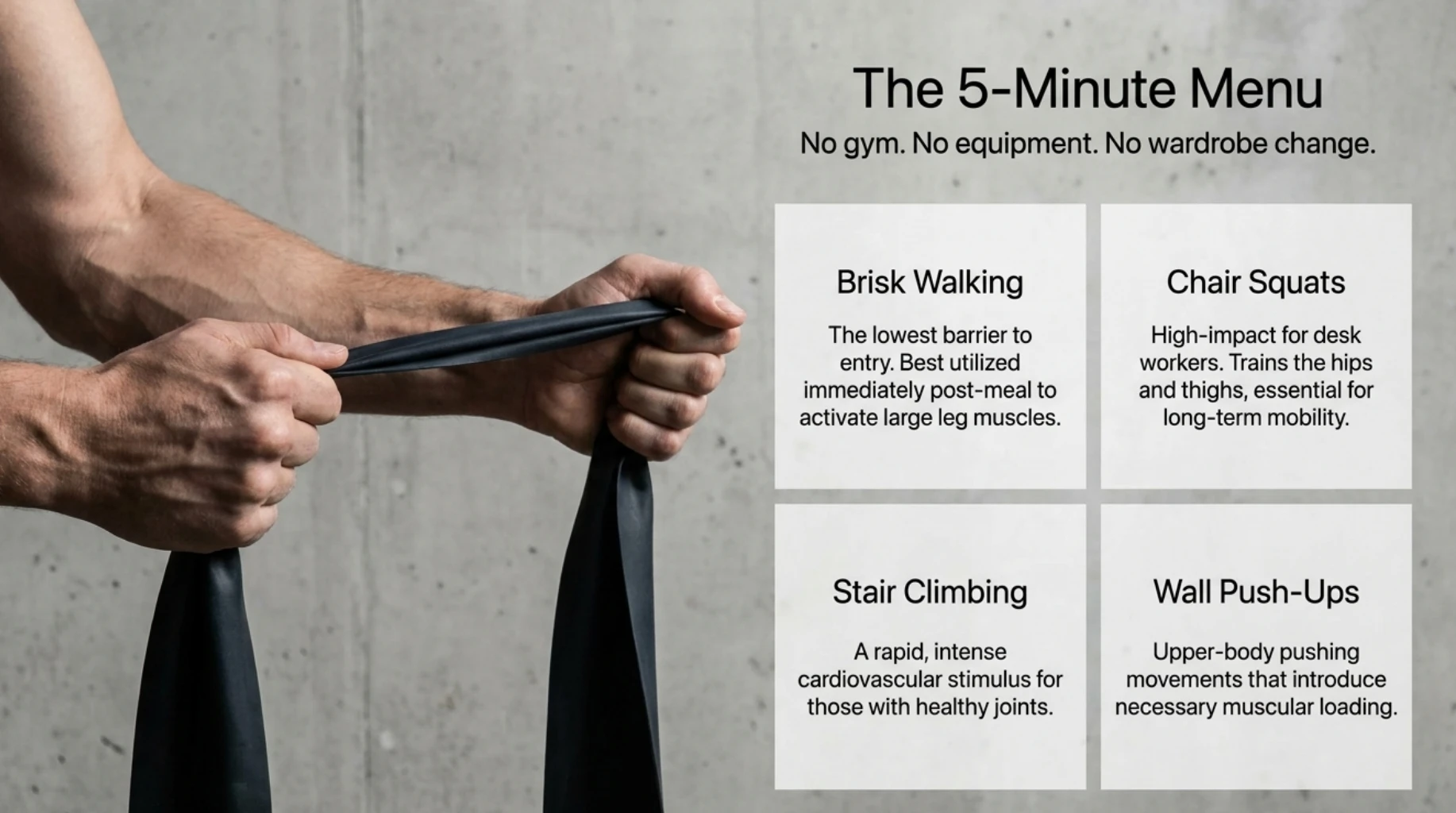
Walking is probably the easiest exercise snack for most people.
Instead of walking casually, increase your pace enough to make the activity feel purposeful while remaining within a safe intensity for your fitness level.
You could walk:
- Along the office corridor.
- Around your residential complex.
- Inside your home.
- Outside after lunch or dinner.
- During a break between meetings.
A short walk is particularly useful after meals because contracting the large muscles of the legs increases glucose utilisation.
For someone who normally sits immediately after eating, even a brief walking break changes the metabolic environment of the post-meal period.
2. Stair-Climbing Exercise Snacks
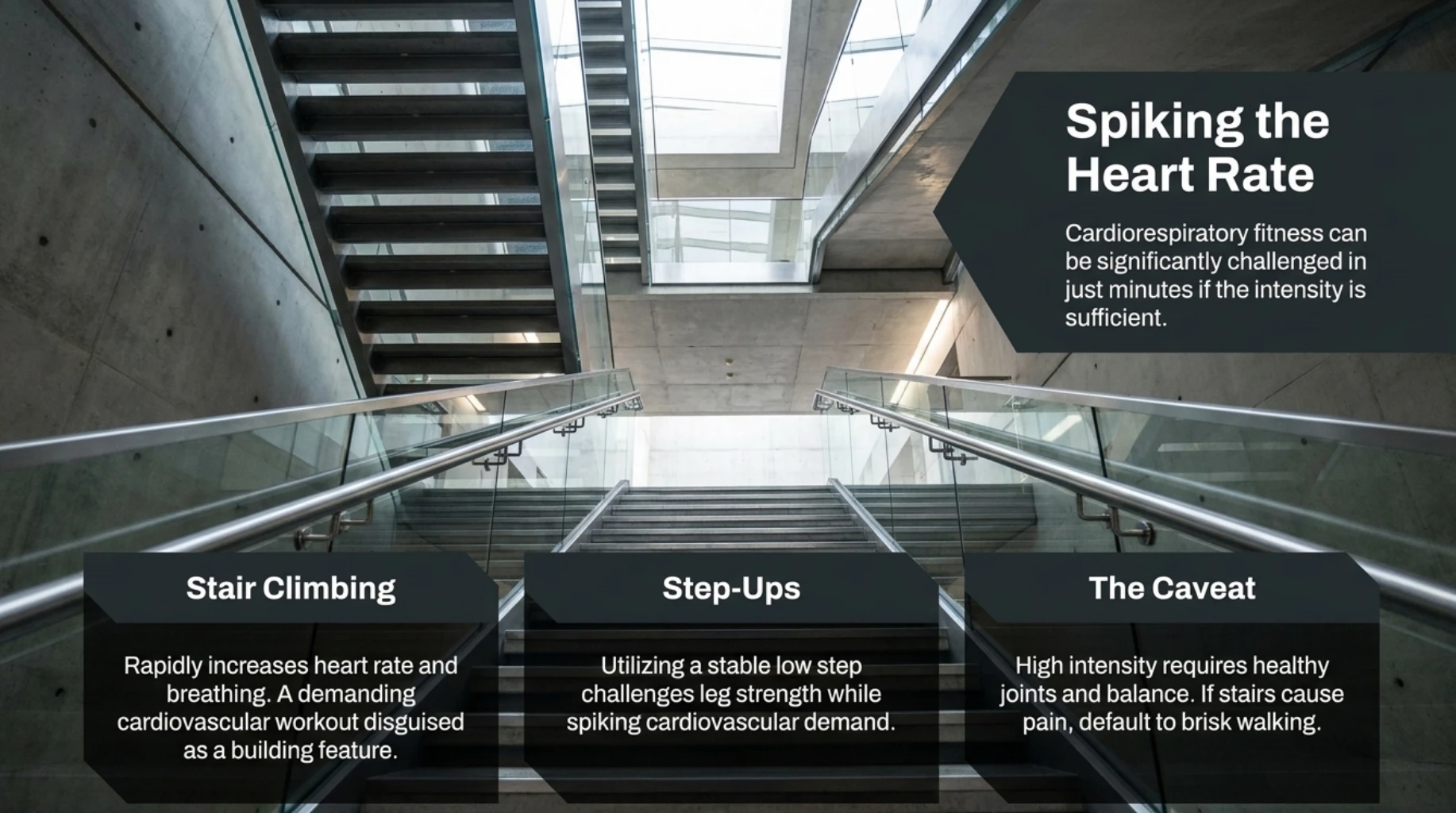
Stairs can turn a very short exercise session into a relatively demanding cardiovascular workout.
Depending on your fitness level, repeatedly climbing a flight or two of stairs can rapidly increase heart rate and breathing.
Research on exercise snacks has frequently investigated brief stair-climbing protocols because substantial exercise intensity can be achieved in a short period.
However, stair climbing is not appropriate for everyone.
People with significant knee or hip pain, poor balance, unstable cardiovascular symptoms, or substantial mobility limitations may require another form of activity.
3. Chair Squats
Place a stable chair behind you and repeatedly sit down and stand up with controlled movement.
This trains large muscle groups around the hips and thighs that are important for everyday activities such as getting out of a chair, climbing stairs, and walking.
For beginners, the chair also provides a clear movement target.
As strength improves, exercise progression should be individualised rather than simply performing endless repetitions.
4. Sit-to-Stand Movement Breaks
Sit-to-stand exercises are particularly useful for people who spend much of the day at a desk.
After a prolonged period of sitting, stand up and sit down repeatedly for a short period, followed by some walking if practical.
This activates major lower-body muscles without requiring exercise equipment.
Older adults with balance problems should use an appropriately stable chair and support where necessary.
5. Step-Ups
A stable low step can be used for repeated step-ups.
This challenges the legs while also increasing cardiovascular demand.
Step height and speed should match the individual’s ability.
People with significant knee pain, balance impairment, or a history of falls should not perform unsupervised step-ups simply because they appear in an online exercise list.
6. Wall Push-Ups
Not every exercise snack needs to focus on the legs.
Wall push-ups provide a simple upper-body pushing movement for beginners. As strength improves, progression to an inclined surface or other appropriate resistance exercise may provide a greater challenge.
Combining upper- and lower-body movements can turn five minutes into a simple whole-body activity break.
7. Resistance-Band Exercise Snacks
A resistance band can be kept at home or in an office drawer and used for a brief strengthening session.
Depending on technique and ability, exercises might include:
- Rows.
- Presses.
- Squats.
- Hip movements.
- Pull-aparts.
Resistance-band snacks are particularly useful because they introduce muscular loading rather than relying entirely on walking.
8. Brisk Marching in Place
If outdoor walking is impractical because of weather, pollution, lack of space, or work constraints, brisk marching in place can provide an alternative.
Move the arms as well as the legs and choose an intensity appropriate for your fitness level.
This can be performed during a television break, between work tasks, or after prolonged sitting.
9. A Five-Minute Body-Weight Circuit
A simple circuit can combine several movements rather than repeating only one.
For example, an individual might alternate between:
- Chair squats.
- Wall push-ups.
- Marching in place.
- Calf raises.
The exercises, repetitions, and intensity should be adjusted according to physical ability.
The objective is not to perform as many repetitions as possible. Good technique and an appropriate challenge are more important.
10. A Five-Minute Walk After Meals
This may be the easiest exercise snack to turn into a consistent habit.
Instead of sitting immediately after breakfast, lunch, or dinner, walk for a few minutes.
Short post-meal activity can increase muscular glucose uptake and may help reduce the glucose excursion that follows eating compared with remaining sedentary.
You do not need to walk intensely after every meal. A comfortable-to-brisk pace that is safe and sustainable may be sufficient to interrupt prolonged sitting and activate the leg muscles.
When Should You Take an Exercise Snack?
There is no single perfect time.
The best timing depends on what you are trying to achieve.
If your goal is to reduce prolonged sitting, an exercise snack can be inserted after a long period at your desk.
If your goal is to influence post-meal glucose, a brief period of activity after eating may be useful.
If your goal is improving cardiorespiratory fitness, short bouts performed at a sufficiently challenging intensity can be placed wherever they fit safely into your schedule.
Consistency matters more than searching for a biologically perfect minute of the day.
Exercise Snacks Before or After Meals: Which Is Better?
Meal timing is particularly interesting for people concerned about blood sugar.
Post-meal activity has an intuitive physiological advantage: glucose from the meal is entering the circulation while contracting muscles increase their demand for fuel.
Studies examining walking and activity around meals have frequently found beneficial effects on postprandial glucose when activity occurs after eating.
However, this should not be converted into a rigid rule that exercise before meals is ineffective.
Exercise performed at other times can improve fitness and insulin sensitivity and contribute towards total weekly physical activity.
A practical approach is to use short post-meal walks when convenient while maintaining regular structured exercise at other times.
Exercise Snacks for Prediabetes
Prediabetes often develops in the context of insulin resistance, physical inactivity, excess visceral fat, poor sleep, genetic susceptibility, and other metabolic factors.
Increasing physical activity is therefore an important component of lifestyle management.
Exercise snacks may be particularly useful for people with prediabetes because they address two problems simultaneously:
- Low overall physical activity.
- Long periods of uninterrupted sitting.
But exercise snacks should not become the only intervention.
Long-term diabetes prevention is better approached through a combination of regular physical activity, resistance training, appropriate nutrition, weight management where indicated, adequate sleep, and management of other cardiovascular risk factors.
Exercise Snacks for Type 2 Diabetes
People with type 2 diabetes can also benefit from regular physical activity, including aerobic and resistance exercise.
Short activity bouts may provide an additional strategy for reducing sedentary time and improving post-meal glucose handling.
However, diabetes treatment varies substantially between individuals.
Someone taking metformin alone has a different hypoglycaemia risk from someone using insulin or an insulin secretagogue.
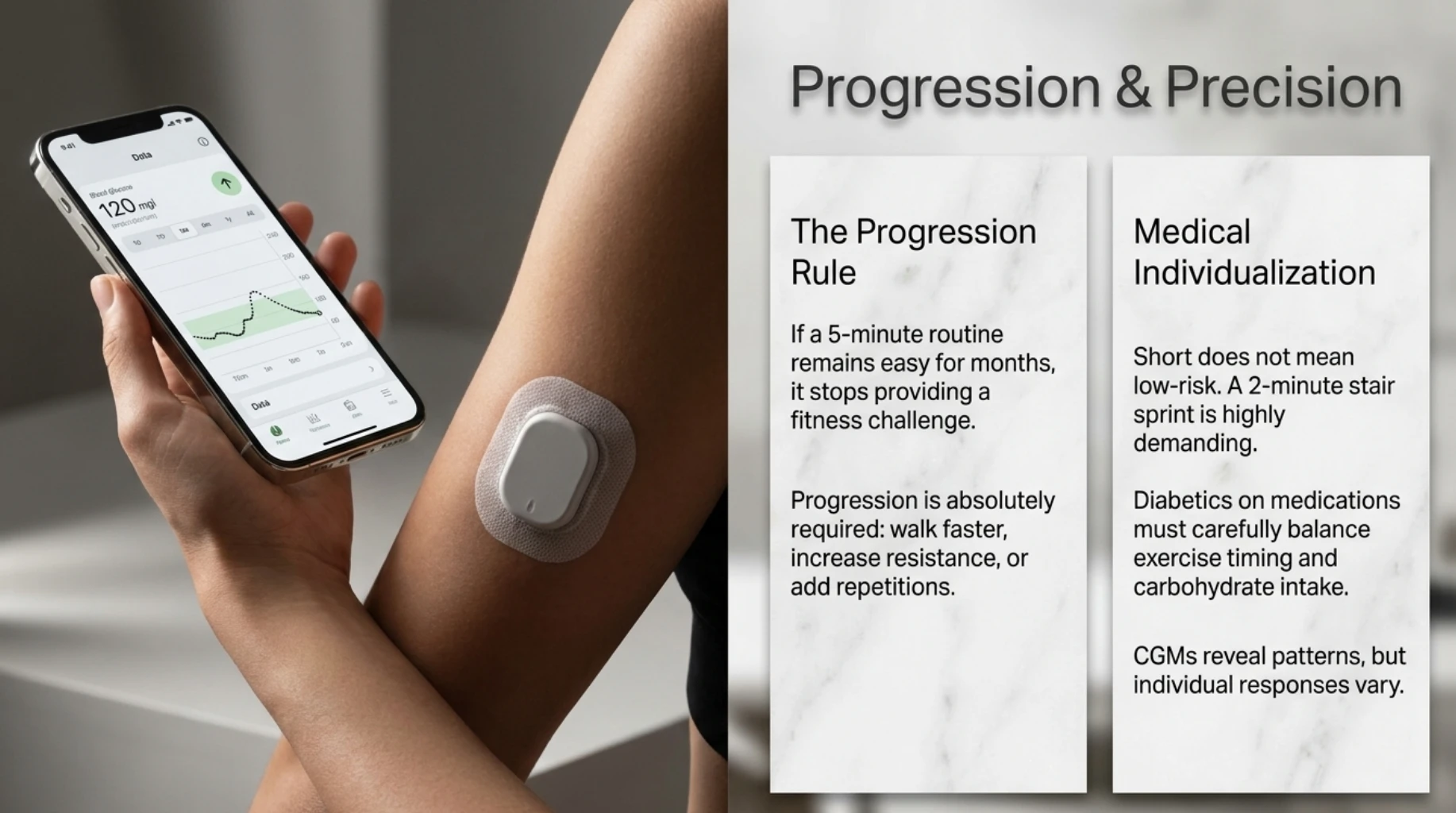
Exercise can lower blood glucose, so people taking medications that can cause hypoglycaemia may need individual guidance regarding:
- Exercise timing.
- Blood glucose monitoring.
- Medication adjustments.
- Carbohydrate intake around exercise.
- Recognition and treatment of hypoglycaemia.
Therefore, the advice “walk after every meal” should not be applied blindly to every person with diabetes.
Exercise Snacks and Continuous Glucose Monitors
People using continuous glucose monitors sometimes notice that a short walk after a meal changes their glucose curve.
This can be educational, but individual CGM responses should not be overinterpreted.
The glucose response to a meal varies according to carbohydrate quantity, food composition, medication, sleep, previous exercise, stress, timing, and many other factors.
CGM can help identify patterns, but a single flatter glucose curve after one walk does not establish a universal exercise prescription.
Can Exercise Snacks Help With Weight Loss?
Potentially, but expectations should remain realistic.
A five-minute workout usually does not burn an enormous number of calories.
The main benefits of exercise snacks are more likely to come from increasing total physical activity, improving fitness, breaking up sedentary time, and making regular movement easier to sustain.
If several short activity bouts are added consistently throughout the day, total energy expenditure can increase. But meaningful fat loss still depends largely on the overall balance between energy intake and expenditure over time.
Exercise snacks therefore complement a weight-management programme rather than replacing appropriate nutrition.
Do Not Judge Exercise Only by Calories Burned
This is an important point.
If a five-minute walk burns relatively few calories, that does not mean it was useless.
Exercise influences:
- Cardiorespiratory fitness.
- Insulin sensitivity.
- Glucose uptake.
- Muscle function.
- Blood pressure.
- Mood and mental well-being.
- Long-term functional capacity.
Reducing every exercise session to a calorie number dramatically underestimates the biological value of physical activity.
Exercise Snacks After 40
Short workouts can become particularly useful during middle age, when professional and family responsibilities often reduce the amount of time available for structured exercise.
At the same time, maintaining muscle, cardiovascular fitness, insulin sensitivity, and mobility becomes increasingly important.
An adult over 40 might therefore combine:
- Structured resistance training two or more days per week.
- Regular aerobic activity.
- Short exercise snacks during sedentary working hours.
- Brief walks after meals.
- More non-exercise movement throughout the day.
This is a more comprehensive strategy than expecting one daily workout to compensate for an otherwise inactive lifestyle.
Can Exercise Snacks Prevent Muscle Loss?
Short bouts involving resistance can contribute to muscular activity, but preventing age-related muscle loss requires more than simply standing up every few hours.
Muscles need an adequate training stimulus.
Progressive resistance training remains important because the exercise becomes more challenging as strength improves.
Chair squats that initially feel difficult may eventually become easy. At that point, additional resistance, more challenging variations, or another progression may be needed.
Nutrition also matters. Adequate protein and overall energy intake support muscle maintenance and adaptation.
Therefore, resistance-based exercise snacks can contribute to muscle health, but they should ideally form part of a progressive strength-training strategy rather than remaining permanently at the same easy intensity.
Can Exercise Snacks Replace a 30-Minute Workout?
This question does not have a simple yes-or-no answer.
Several short bouts can accumulate meaningful physical activity and may improve fitness when performed regularly at an appropriate intensity.
For someone who currently performs no exercise, three or four brief bouts during the day may represent a substantial improvement.
However, different forms of exercise provide different adaptations.
A well-designed resistance-training session allows progressive loading of multiple muscle groups. Longer aerobic sessions can develop endurance in ways that extremely brief bouts may not fully reproduce.
Therefore, exercise snacks should not automatically be treated as a complete replacement for structured aerobic and resistance exercise.
A more useful approach is:
Use exercise snacks when time is limited, use them to interrupt sitting, and continue structured exercise whenever possible.
How Often Should You Take Exercise Snacks?
There is no universally established prescription specifying exactly how many exercise snacks everyone should perform.
Research protocols vary considerably.
For sedentary adults, one practical strategy is to identify periods of the day when sitting tends to continue uninterrupted and insert short activity breaks.
For example:
- Mid-morning.
- After lunch.
- Mid-afternoon.
- After dinner.
The frequency, intensity, and type of activity can then be adjusted according to fitness and individual goals.
The habit should be sustainable enough to continue for months and years rather than being an aggressive routine maintained for only one week.
Exercise Snacks for Beginners: How to Start Safely
The appeal of exercise snacks is that the starting point can be very small. Someone who has been sedentary for years does not need to begin with sprinting up stairs or performing an exhausting five-minute circuit.
Start with an activity that feels manageable and can be repeated consistently.
For example, a beginner might start with:
- A short walk after lunch.
- Several controlled sit-to-stand repetitions.
- Two or three minutes of comfortable stair walking if physically appropriate.
- Light resistance-band movements.
- Brisk walking around the home or office.
As fitness improves, the duration, pace, resistance, repetitions, or frequency can gradually increase.
The aim is not to become exhausted after every exercise snack. The aim is to create repeated opportunities for movement that your body can safely adapt to.
Progression Still Matters With 5-Minute Workouts
If the same five-minute routine remains extremely easy for months, it may stop providing much of a fitness or strength challenge.
This is particularly relevant for resistance-based exercise snacks.
Progression might involve:
- Walking slightly faster.
- Increasing resistance.
- Using a more challenging exercise variation.
- Adding repetitions.
- Increasing the number of short bouts.
- Progressing from wall push-ups to an appropriate lower incline.
Progress should be gradual and appropriate for the individual’s health and fitness level.
When Exercise Snacks May Need Medical Individualisation
For most generally healthy adults, short bouts of moderate physical activity are a practical way to increase movement.
However, not everyone should suddenly begin vigorous stair climbing or high-intensity exercise.
Medical assessment or individualised exercise advice may be appropriate for people with:
- Chest pain or unexplained chest pressure.
- Unexplained breathlessness.
- Recent fainting or significant dizziness.
- Known cardiovascular disease with uncertain exercise tolerance.
- Significant balance impairment or recurrent falls.
- Severe joint or mobility limitations.
- Acute illness or injury.
- Diabetes treated with medicines associated with hypoglycaemia.
- Other medical conditions where exercise intensity needs modification.
Short does not automatically mean low-risk. A two-minute sprint up several flights of stairs can be considerably more demanding than a 20-minute comfortable walk.
Intensity and individual health status still matter.
Common Myths About Exercise Snacks
Myth 1: Five Minutes Is Too Short to Matter
This is incorrect.
Physical activity does not suddenly become biologically useful after an arbitrary duration.
Brief bouts of exercise can activate skeletal muscle, increase heart rate and energy expenditure, and interrupt prolonged sedentary time.
When repeated regularly, exercise snacks can contribute meaningfully to total physical activity and may improve cardiorespiratory fitness.
Myth 2: Exercise Only Counts If It Lasts at Least 10 Minutes
Current physical-activity recommendations no longer require exercise to occur in bouts of at least 10 minutes for it to count towards physical activity.
This is an important shift because it allows people to accumulate movement in ways that fit their daily lives.
Total activity, intensity, frequency, and the type of exercise still matter.
Myth 3: Five-Minute Exercise Snacks Burn Huge Amounts of Fat
No.
A brief workout usually burns a relatively modest number of calories.
Claims that a few minutes of exercise will “melt belly fat” or produce dramatic weight loss exaggerate what short workouts can accomplish.
Their value lies more in increasing total activity, improving fitness, activating muscles, reducing sedentary time, and making exercise easier to perform consistently.
Myth 4: Exercise Snacks Completely Cancel the Effects of Sitting All Day
It is better to break up prolonged sitting than to remain continuously sedentary, but a few minutes of activity should not become an excuse to spend virtually every other waking hour sitting.
The broader goal should be to create a more active day.
That includes planned exercise, movement breaks, standing, walking, household activity, and other forms of everyday movement.
Myth 5: Walking Is Enough, So Strength Training Is Unnecessary
Walking is excellent physical activity, but it does not fully replace progressive resistance training.
Strength training provides a more direct stimulus for maintaining or increasing muscular strength and function.
This becomes particularly important with ageing and during weight loss, when preservation of lean tissue deserves attention.
A combination of walking, aerobic activity, resistance exercise, and exercise snacks can provide a more complete approach.
Myth 6: Everyone With Diabetes Should Exercise Immediately After Every Meal
Post-meal movement can help reduce glucose excursions, but diabetes management must be individualised.
People using insulin or medicines that can cause hypoglycaemia may need to consider medication timing, glucose levels, meal composition, and exercise intensity.
Some people also have diabetes-related complications that affect the safest type of exercise.
Therefore, a useful population-level strategy should not be converted into an inflexible prescription for every patient.
A Practical Exercise Snacks Routine for a Busy Working Day
You do not need to organise your entire day around exercise.
A realistic working-day pattern could look something like this:
| Time of Day | Possible Exercise Snack |
|---|---|
| After breakfast | 5-minute comfortable-to-brisk walk |
| Mid-morning | Chair squats + wall push-ups + brief walking |
| After lunch | 5-minute walk instead of immediately sitting |
| Late afternoon | Stairs, resistance-band exercises, or brisk walking |
| After dinner | Short comfortable walk |
This is only an example, not a requirement to perform five separate workouts every day.
Someone who already exercises regularly may simply use one or two short movement breaks during long periods of sitting.
Someone who is currently sedentary might initially begin with one consistent post-meal walk and build from there.
How to Make Exercise Snacks a Habit
The best exercise programme is not simply the one that looks impressive on paper. It must also fit into everyday life.
One effective strategy is to attach movement to something that already happens regularly.
For example:
- After finishing lunch → walk for five minutes.
- After a long online meeting → perform a movement break.
- When making a phone call → walk instead of sitting.
- Before evening tea → perform a short resistance routine.
- During television breaks → stand and move.
This reduces dependence on motivation because the existing activity becomes a reminder.
Do Not Make Exercise Snacks Too Complicated
You do not need a smartwatch, specialised application, gym membership, or elaborate exercise plan to walk for five minutes.
Technology can help with reminders and tracking, but it can also turn a simple behaviour into another task that feels difficult to maintain.
If the purpose of exercise snacks is to remove barriers to activity, the routine itself should remain easy to start.
Exercise Snacks Should Add Movement, Not Create Another Fitness Rule
One potential problem with any new health concept is that people turn it into another rigid target.
Someone may begin worrying:
“I missed my 11 a.m. exercise snack. Have I ruined the day?”
No.
The objective is to reduce inactivity and accumulate useful movement over time.
If you miss one opportunity, move later.
Consistency across weeks and months matters far more than performing every short workout at exactly the planned time.
Frequently Asked Questions About Exercise Snacks
What Are Exercise Snacks?
Exercise snacks are brief bouts of purposeful physical activity performed at different times during the day. They may involve brisk walking, stairs, cycling, resistance exercises, or body-weight movements and often last only a few minutes.
Can Five Minutes of Exercise Really Improve Fitness?
Repeated short bouts performed at an adequate intensity may improve cardiorespiratory fitness, particularly in previously inactive adults. However, results depend on intensity, frequency, exercise type, baseline fitness, and consistency.
Can Exercise Snacks Lower Blood Sugar?
Short bouts of walking or resistance activity can reduce acute post-meal glucose responses compared with prolonged uninterrupted sitting. This does not mean that a five-minute workout replaces diabetes treatment or guarantees a lower HbA1c.
Is a Five-Minute Walk After Eating Worth Doing?
Yes. A short post-meal walk activates large skeletal muscles and interrupts sitting. Even when the walk is too short to burn many calories, it can still provide metabolic and behavioural benefits.
How Many Exercise Snacks Should I Do Each Day?
There is no universally established number that everyone must perform. One practical approach is to identify long periods of sitting and insert short bouts of movement where they fit naturally.
Can Exercise Snacks Replace the Gym?
They can provide useful physical activity and may improve fitness, but they do not automatically reproduce every benefit of a structured exercise programme.
Progressive resistance training and sufficient aerobic activity remain valuable for long-term cardiovascular, muscular, and functional health.
Are Exercise Snacks Good for Weight Loss?
They can increase total daily activity and energy expenditure, but five-minute workouts are not a shortcut to major fat loss. Sustainable weight management still depends on overall energy balance, nutrition, physical activity, sleep, and other relevant factors.
Are Exercise Snacks Suitable After 40?
Yes, when matched to the person’s health and fitness level. They can be particularly useful for breaking up sedentary working hours, while structured resistance and aerobic exercise remain important for preserving muscle and cardiovascular fitness with ageing.
Final Thought
You do not always need more motivation to exercise. Sometimes you need a smaller starting point. Five minutes of movement will not transform your health overnight, but repeated consistently, it can turn an inactive day into a more active one—and that is a change worth making.
If you want a personalized metabolic assessment and lifestyle strategy, you can book a consultation here:
Book an Appointment