

Walking Speed and Healthy Ageing: What a Slower Pace May Indicate
Most people think about walking mainly in terms of steps, distance, or calories burned. But there is another characteristic worth paying attention to: how fast you comfortably walk.
Walking speed can provide surprisingly useful information about physical function. To walk at a comfortable pace, your body needs adequate muscle strength, balance, joint mobility, cardiovascular and respiratory capacity, coordination, vision, and nervous-system control.
This is why researchers and clinicians increasingly recognise an important relationship between walking speed and healthy ageing.
A person who gradually begins walking more slowly than before may simply be adapting to age, terrain, pain, or circumstances. But a persistent decline in usual walking speed can sometimes indicate loss of muscle strength, reduced fitness, mobility limitations, deconditioning, or declining functional reserve.
That does not mean slow walking is a disease or that everyone should deliberately walk as fast as possible.
Walking speed is a functional marker, not a diagnosis.
What matters is the broader clinical picture, particularly when someone’s walking pace has noticeably changed from their previous level.
This article explains the relationship between walking speed and healthy ageing, what a slower pace may indicate, how walking speed can be measured, and what you can do to protect mobility as you grow older.
Why Walking Speed and Healthy Ageing Are Connected
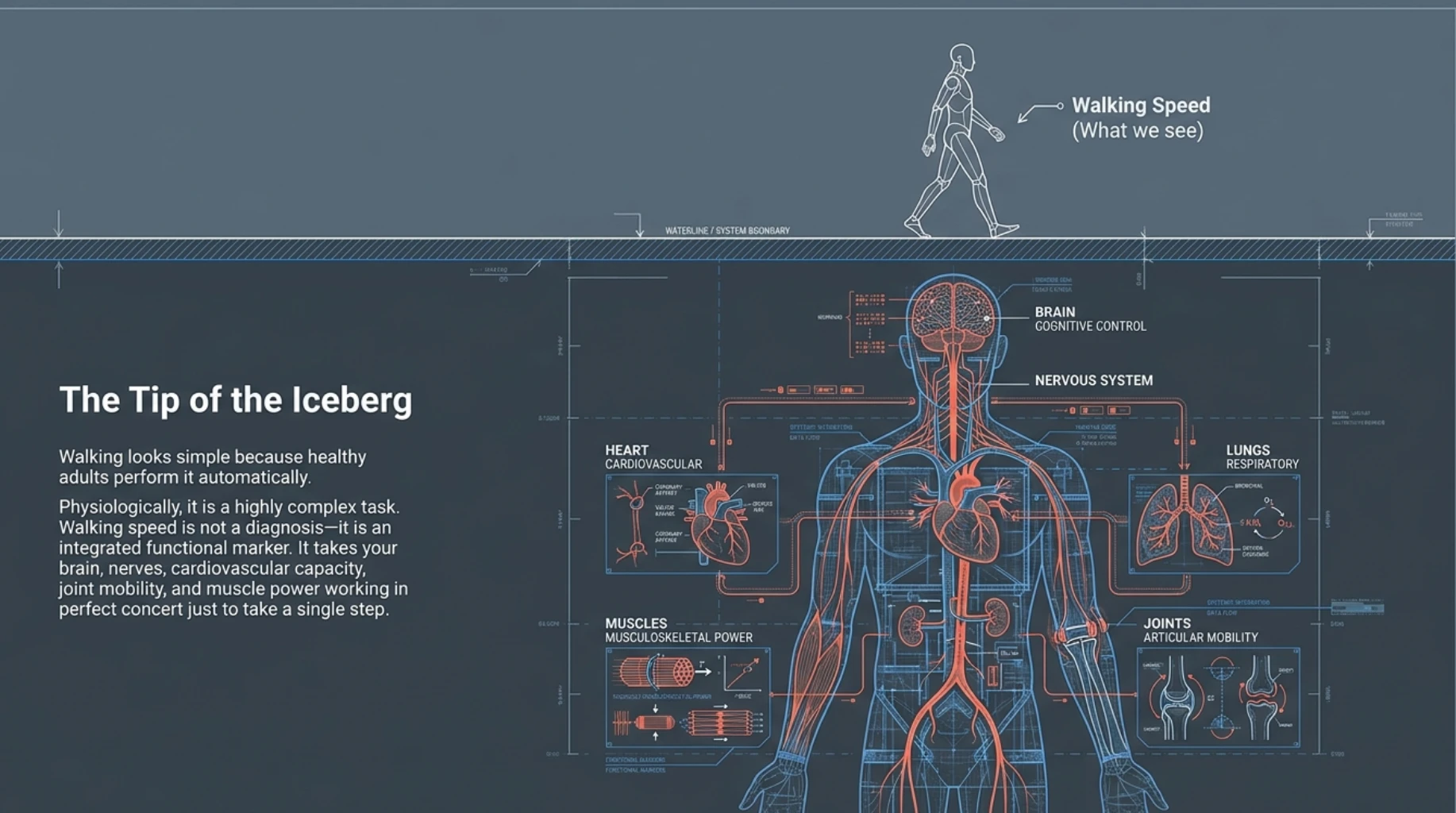
Walking looks simple because most healthy adults perform it automatically. Physiologically, however, it is a complex task.
Every step requires your brain, nerves, muscles, joints, cardiovascular system, respiratory system, and sensory systems to work together.
Your body must:
- Generate enough muscular force to move forward.
- Maintain balance while shifting weight between legs.
- Coordinate movements of the hips, knees, ankles, and trunk.
- Adapt to changes in the walking surface.
- Maintain adequate oxygen delivery during activity.
- Process visual and sensory information.
- React quickly enough to prevent a fall when something changes unexpectedly.
Walking speed therefore provides a simple window into several systems at the same time.
This helps explain why walking speed and healthy ageing are closely related.
Walking Speed Reflects More Than Leg Strength
Strong legs certainly help you walk, but muscle strength is only one part of the process.
Someone may slow down because of painful knees. Another person may have good joints but poor cardiovascular fitness. Someone else may reduce walking speed because they feel unsteady and are afraid of falling.
Other factors that can influence walking pace include:
- Muscle weakness.
- Loss of muscle mass.
- Joint pain or stiffness.
- Balance impairment.
- Reduced cardiovascular fitness.
- Respiratory disease.
- Neurological problems.
- Visual impairment.
- Foot problems.
- Obesity or excess body weight.
- Certain medications.
- Fatigue and poor sleep.
- Fear of falling.
This is precisely why walking speed should not be interpreted in isolation.
Is Walking Speed Really a Marker of Health?
Walking speed has been studied extensively in older adults as a measure of physical performance and functional status.
Slower gait speed has been associated in population studies with outcomes such as greater disability, falls, hospitalisation, loss of independence, and mortality.
These associations are clinically useful, but they require careful interpretation.
A slower walking speed does not itself cause all these outcomes, nor can a stopwatch predict exactly what will happen to an individual.
Rather, gait speed can act as an integrated marker of underlying health and physical reserve.
Think of it in the same way that grip strength or the ability to rise from a chair can provide information about physical function. None is a complete health assessment, but each can reveal something that body weight or routine blood tests may miss.
What a Slower Walking Speed May Indicate
A slower pace can have many explanations. Some are temporary and relatively harmless; others deserve closer attention.
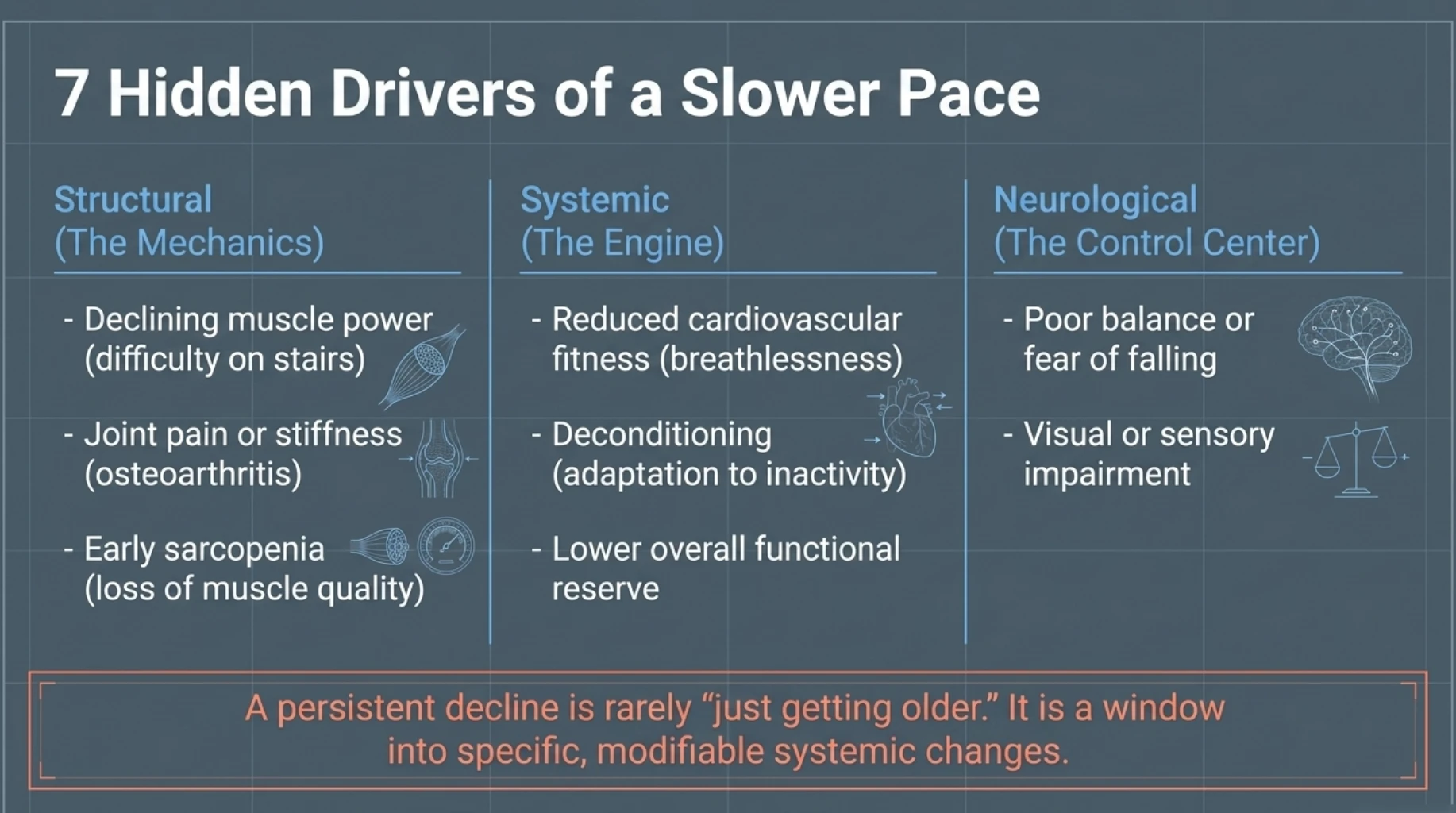
Here are seven important possibilities to consider when examining walking speed and healthy ageing.
1. Declining Muscle Strength
Walking requires repeated force production from the muscles of the hips, thighs, calves, and trunk.
If these muscles become weaker, maintaining the same walking speed can become increasingly difficult.
This may first appear during situations that demand more strength, such as:
- Walking uphill.
- Climbing stairs.
- Getting up from a low chair.
- Walking while carrying groceries.
- Getting up from the floor.
- Walking quickly to cross a road.
People sometimes interpret these changes simply as “getting older.”
Age contributes to changes in muscle, but substantial weakness should not automatically be accepted as an unavoidable consequence of ageing.
Physical inactivity, inadequate resistance exercise, poor nutrition, illness, and prolonged periods of bed rest can accelerate the decline.
Walking Speed and Healthy Ageing Depend on Muscle Power Too
Muscle strength describes how much force a muscle can generate. Muscle power also considers how quickly that force can be produced.
This distinction matters in everyday life.
You need relatively rapid force production when recovering from a stumble, climbing stairs efficiently, or increasing your pace to cross a busy road.
With ageing, muscle power can decline substantially, particularly when people become sedentary.
Preserving the ability to move with strength and control is therefore an important component of walking speed and healthy ageing.
2. Early Sarcopenia
Sarcopenia refers to age-related deterioration in skeletal muscle strength, muscle quantity or quality, and physical performance.
It is much more than simply having “small muscles.”
A person may gradually notice:
- Slower walking.
- Difficulty climbing stairs.
- Reduced grip strength.
- Difficulty rising from a chair.
- Greater fatigue during routine activities.
- Reduced ability to carry heavy objects.
Walking speed is therefore relevant when assessing physical performance in older adults and people at risk of sarcopenia.
Importantly, sarcopenia can occur even in someone who is overweight.
Can You Have Excess Body Fat and Weak Muscles?
Yes.
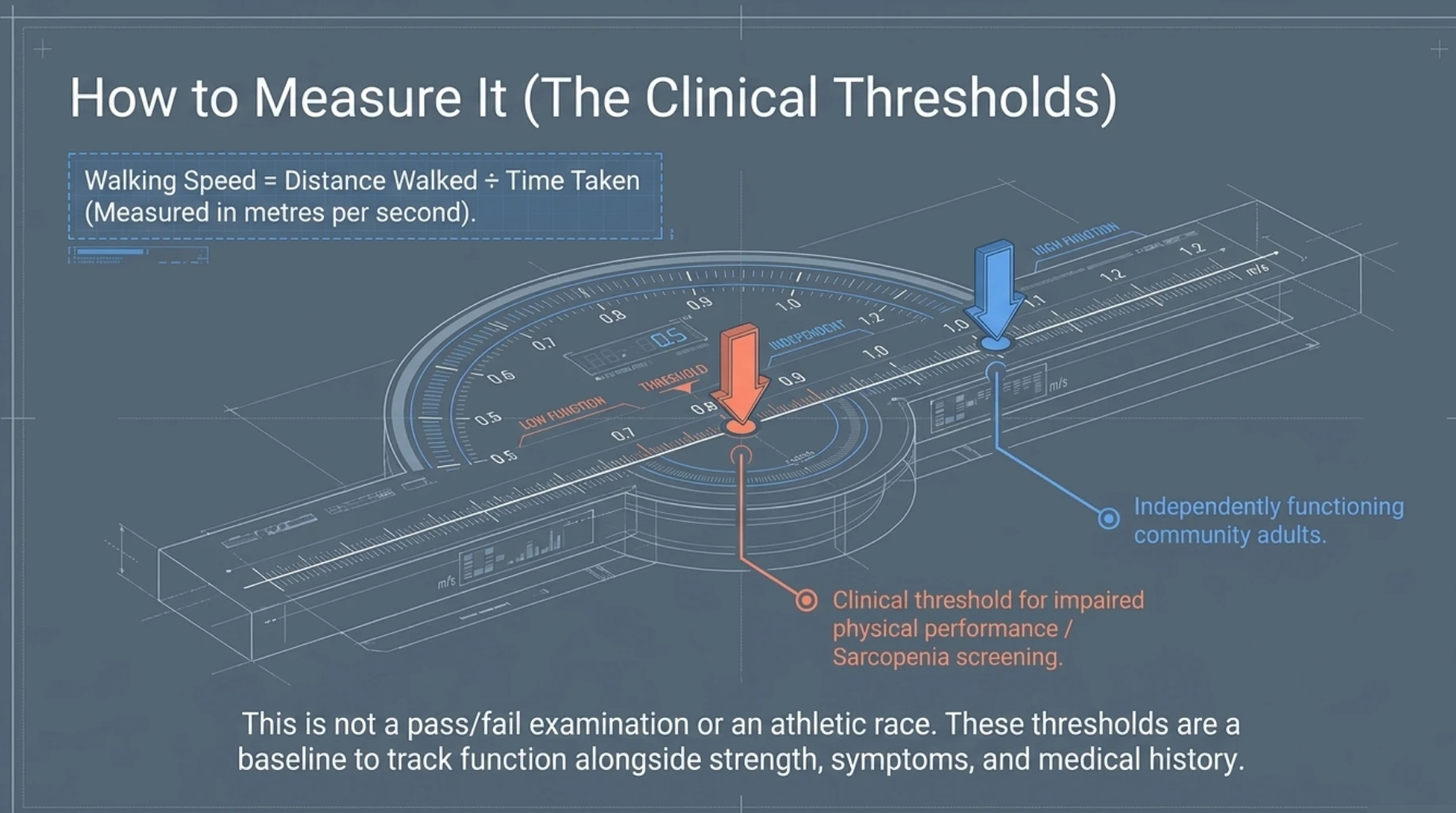
Someone can have excess body fat while simultaneously having low muscle mass or poor muscle function. When obesity and sarcopenia coexist, the condition is often described as sarcopenic obesity.
This is one reason body weight alone provides an incomplete picture of health.
A person may maintain approximately the same weight for years while gradually losing muscle and accumulating more body fat.
Changes in strength, waist circumference, mobility, and walking performance may reveal this deterioration before the weighing scale does.
3. Reduced Cardiovascular and Respiratory Fitness
Walking requires the heart and lungs to deliver oxygen to working muscles.
If aerobic fitness declines, a pace that previously felt comfortable may begin to feel demanding.
The person may unconsciously slow down to keep the effort manageable.
This can happen after:
- Long periods of inactivity.
- Weight gain.
- Prolonged illness.
- Hospitalisation.
- A major reduction in daily walking.
- Cardiovascular or respiratory disease.
Someone who previously walked briskly for 30 minutes but now needs frequent pauses or becomes unusually breathless deserves more attention than someone who has simply always preferred a leisurely pace.
A Change in Walking Speed May Matter More Than Being Naturally Slow
This is an important clinical distinction.
People naturally walk at different speeds because of differences in age, height, leg length, fitness, personality, environment, and health.
Therefore, comparing your walking speed with someone else’s is not always particularly useful.
A more informative question may be:
“Am I walking noticeably slower than I did six months or one year ago?”
A persistent decline from your own previous level—particularly when accompanied by weakness, fatigue, breathlessness, pain, falls, or difficulty performing everyday activities—deserves closer attention.
4. Poor Balance or Fear of Falling
People do not always slow down because their muscles cannot move faster.
Sometimes they slow down because they no longer feel secure.
Balance problems can lead to shorter steps, greater caution, and reduced walking speed.
A previous fall can also create fear of another fall. This may cause someone to move less, avoid outdoor walking, hold onto furniture, or walk increasingly slowly.
Unfortunately, reduced activity can then contribute to further loss of strength and confidence.
This can create a cycle:
Fear of falling → less movement → weaker muscles → poorer balance → greater fear of falling.
Breaking this cycle through appropriate strength, balance, mobility, and medical assessment can be an important part of healthy ageing.
5. Joint Pain and Mobility Problems
Not every reduction in walking speed comes from muscle or cardiovascular problems.
Painful knees, hips, ankles, feet, or lower back can substantially alter gait.
A person with osteoarthritis may shorten their stride or reduce walking speed because faster movement increases discomfort.
Footwear also matters. Poorly fitting shoes, painful corns, foot deformities, or other foot problems can make walking uncomfortable and unstable.
Therefore, improving walking speed and healthy ageing does not always mean simply prescribing more walking. The underlying reason for reduced mobility needs to be identified.
6. Reduced Physical Activity and Deconditioning
The body adapts to what it is repeatedly asked to do.
If daily activity gradually decreases, physical capacity can decrease with it.
Modern life makes this surprisingly easy.
People may spend long hours sitting at work, use vehicles for short distances, take lifts instead of stairs, order groceries online, and spend evenings in front of screens.
None of these behaviours seems dramatic in isolation. But collectively they can remove thousands of small muscular contractions and movements from everyday life.
Over months and years, reduced activity can contribute to deconditioning.
Walking becomes slower not necessarily because of one specific disease but because the body has gradually lost some of the capacity it no longer regularly uses.
7. Lower Overall Functional Reserve
Functional reserve refers broadly to the body’s capacity to cope with physical demands beyond ordinary resting activity.
A person with good reserve can usually tolerate a long walk, climb stairs, recover from illness, carry shopping, and respond to unexpected physical challenges more easily.
When reserve declines, ordinary activities may require a larger proportion of the person’s maximum capacity.
Walking speed may consequently decrease.
This helps explain why walking speed and healthy ageing are connected to much more than simply the muscles of the legs.
Walking is a whole-body task, and changes in pace can sometimes reflect broader changes in physiological resilience.
Walking Speed and Healthy Ageing After 40
Walking speed is usually discussed in relation to older adults, but waiting until the seventies to think about mobility misses an important opportunity.
Changes in muscle mass, strength, physical activity, and body composition can begin much earlier.
From midlife onwards, maintaining muscle should become a deliberate health priority.
This means combining regular walking with:
- Resistance training.
- Adequate dietary protein.
- Regular everyday movement.
- Balance and mobility work where appropriate.
- Adequate sleep and recovery.
- Management of diabetes, obesity, hypertension, and other chronic conditions.
Walking is excellent physical activity, but walking alone does not provide the same muscle-strengthening stimulus as progressive resistance exercise.
For long-term walking speed and healthy ageing, maintaining the machinery that produces the walk—your muscles, joints, balance, heart, lungs, and nervous system—is just as important as counting steps.
How Is Walking Speed Measured?
Walking speed can be measured surprisingly simply. In clinical and research settings, a person may be asked to walk a short measured distance at their usual comfortable pace while the time taken is recorded.
The result is generally expressed in metres per second (m/s).
The basic calculation is:
Walking speed = Distance walked ÷ Time taken
For example, if someone walks 4 metres in 5 seconds, the calculated walking speed is 0.8 metres per second.
However, the protocol matters. Different tests may use different distances, instructions, acceleration zones, standing starts, or usual versus fastest safe pace.
For this reason, measurements taken using different methods should not always be compared directly.
Is There a Normal Walking Speed?
There is no single walking speed that defines healthy ageing for every adult.
Walking pace varies according to:
- Age.
- Sex.
- Height and leg length.
- Fitness level.
- Muscle strength.
- Joint health.
- Neurological function.
- Testing method.
- Walking environment.
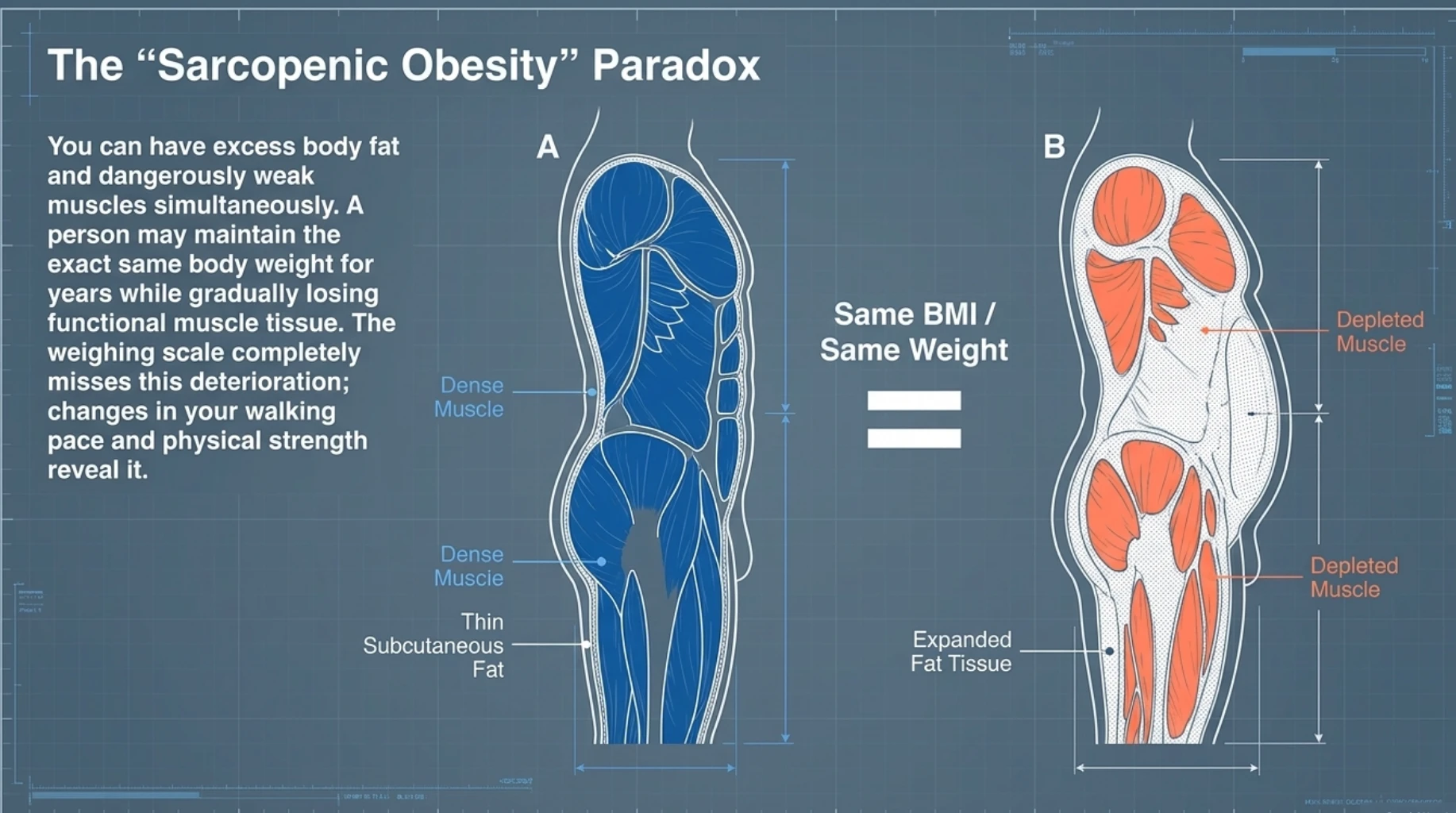
In clinical geriatric assessment, gait speeds around 0.8 m/s are sometimes used as one threshold when screening for impaired physical performance or sarcopenia, while higher speeds around 1.0 m/s or more are commonly seen in independently functioning community-dwelling adults.
These numbers should not be treated as a pass-or-fail examination.
A value below a particular threshold does not diagnose sarcopenia, frailty, cardiovascular disease, or any other condition by itself.
The relationship between walking speed and healthy ageing is most useful when gait speed is interpreted alongside strength, symptoms, medical history, mobility, and other measures of physical performance.
Your Change Over Time May Be More Informative Than One Number
Imagine two people who both walk at 0.9 m/s.
One has comfortably walked at approximately this pace for years and remains active and independent.
The other previously walked considerably faster but has gradually slowed over the past year and now struggles with stairs.
The same measured speed has a very different clinical context.
This is why tracking change can sometimes be more informative than comparing yourself with an internet chart.
If your usual walking pace is clearly declining, ask what has changed.
Can You Check Walking Speed at Home?
A rough home assessment is possible, although it should not be considered a substitute for formal clinical evaluation.
You need a flat, unobstructed walking area, a measured distance, and a timer.
Walk at your normal comfortable pace rather than deliberately trying to produce your fastest possible result.
If repeating the test over time, try to keep conditions similar:
- Use the same distance.
- Use similar footwear.
- Use the same walking surface.
- Measure your usual comfortable pace.
- Avoid comparing results obtained using different protocols.
The purpose is not to compete with yourself every week. The measurement is simply one way of observing functional change.
Walking Speed and Healthy Ageing: Why Strength Training Matters
Many adults recognise the importance of walking but underestimate the importance of strength training.
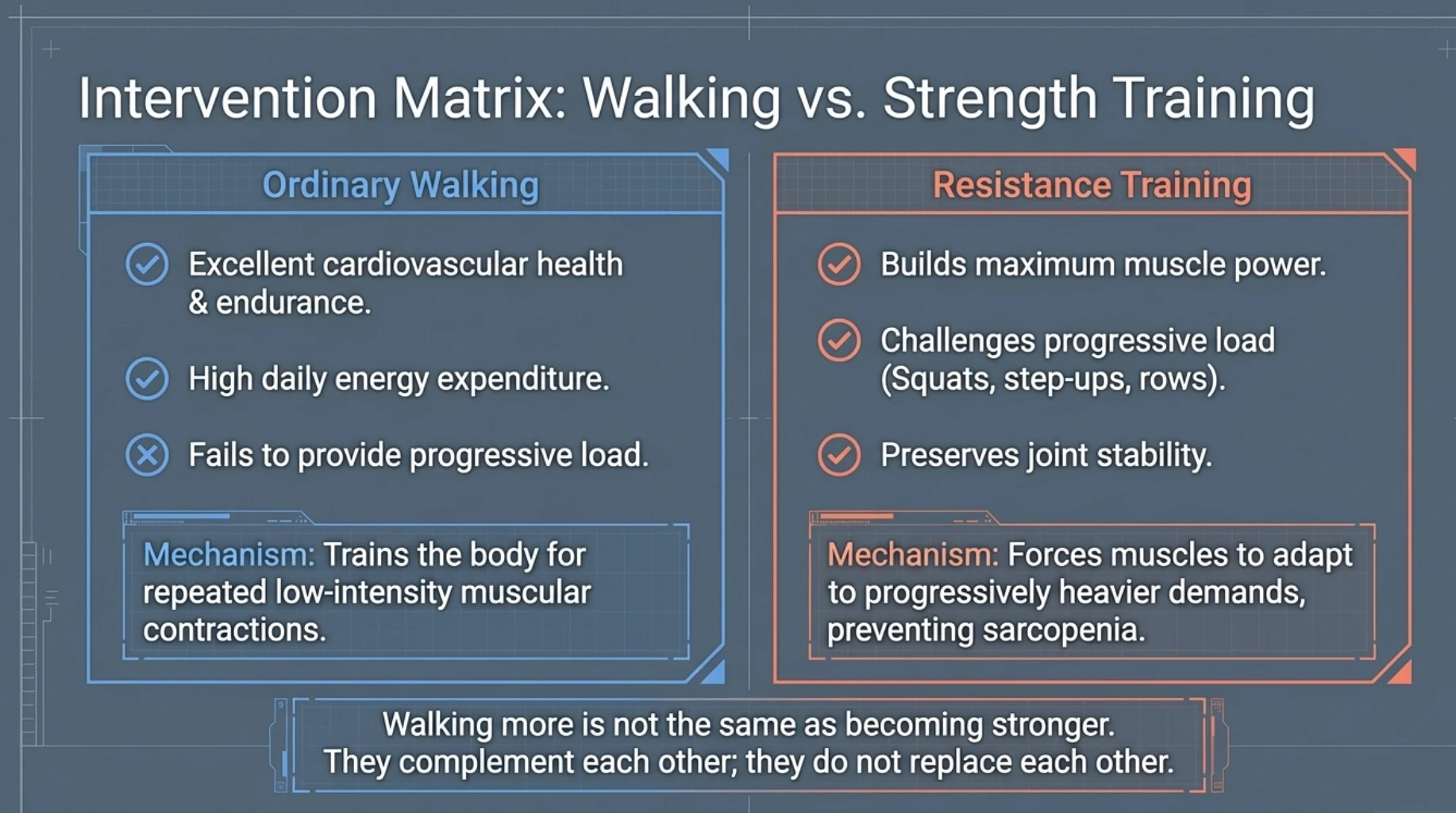
Walking is excellent for cardiovascular health, daily movement, endurance, and energy expenditure. But ordinary walking does not consistently provide enough resistance to maximise or preserve strength in all major muscle groups.
Progressive resistance training challenges muscles in a different way.
Exercises may include:
- Squats or chair squats.
- Step-ups.
- Hip-hinge movements.
- Calf raises.
- Rows and pulling movements.
- Pressing movements.
- Resistance-band exercises.
- Appropriately supervised free weights or machines.
The programme should match the person’s age, fitness, medical conditions, joint health, and previous training experience.
For maintaining walking speed and healthy ageing, strengthening the lower body is particularly useful, but whole-body resistance training provides broader functional benefits.
Walking More Is Not Always the Same as Becoming Stronger
A person can walk thousands of steps every day and still have relatively poor muscle strength.
This is particularly relevant after middle age.
Walking primarily trains the body to perform repeated low-to-moderate intensity muscular contractions. Resistance training exposes muscles to progressively greater loads.
The two activities therefore complement rather than replace each other.
A comprehensive healthy-ageing programme should ideally include both regular aerobic activity and muscle-strengthening exercise.
Protein, Walking Speed and Healthy Ageing
Exercise provides the stimulus for muscle adaptation, but nutrition provides the raw materials.
Adequate dietary protein becomes particularly relevant during ageing because muscle becomes less responsive to small protein servings—a phenomenon often referred to as anabolic resistance.
Protein-rich foods can include:
- Eggs.
- Milk and curd.
- Paneer.
- Tofu and soy.
- Dal and other pulses.
- Fish.
- Chicken and other lean meats.
Vegetarians can meet protein requirements successfully, but total intake and protein density deserve attention. A cereal-heavy diet containing only small portions of dal may provide less protein than expected.
Protein supplementation is not automatically necessary. The priority is meeting individual requirements through an appropriate overall diet.
Why Weight Loss Without Muscle Protection Can Affect Mobility
Weight loss is often treated as an unqualified success whenever the scale moves downward.
But weight loss can include both fat and lean tissue.
During calorie restriction, inadequate protein and lack of resistance training can increase the amount of lean mass lost.
This is particularly relevant for older adults and people using treatments that substantially reduce appetite and body weight.
The goal should therefore not simply be to become lighter. When clinically appropriate, weight management should aim to reduce excess body fat while preserving as much muscle and physical function as possible.
Monitoring strength, mobility, and functional performance can provide information that the weighing scale cannot.
Walking Speed and Healthy Ageing in People with Obesity
Excess body weight can increase the mechanical demand of walking, particularly when accompanied by knee or hip pain.
But body weight alone does not determine physical function.
Two people with the same BMI can have very different levels of muscle mass, strength, cardiovascular fitness, and mobility.
This is one reason body composition matters.
Someone with obesity who maintains good muscle strength and remains physically active may function very differently from someone with the same weight who has substantial muscle weakness and deconditioning.
For healthy ageing, improving physical capacity can therefore be important even before dramatic changes appear on the weighing scale.
Walking Speed and Diabetes: Is There a Connection?
Diabetes can affect mobility through several pathways, particularly when the condition has been present for many years or complications have developed.
Possible contributors include:
- Peripheral neuropathy.
- Reduced sensation in the feet.
- Foot problems.
- Muscle weakness.
- Obesity.
- Cardiovascular disease.
- Reduced physical activity.
- Balance impairment.
This does not mean that a slower walking speed indicates diabetes.
Rather, people with diabetes should consider mobility and muscle health part of long-term complication prevention and healthy ageing.
Regular physical activity, resistance training where appropriate, foot care, glucose management, adequate nutrition, and management of cardiovascular risk factors all contribute to maintaining function.
Walking Speed and Healthy Ageing: The Importance of Balance
Walking safely requires continuously controlling the body’s centre of mass while moving from one foot to another.
Balance therefore deserves specific attention as people age.
Depending on individual ability, balance training may include activities such as:
- Standing with a progressively narrower base of support.
- Controlled single-leg balance where safe.
- Heel-to-toe walking.
- Step and direction-change exercises.
- Tai chi or other structured balance activities.
People with significant balance impairment or a history of falls should not attempt challenging balance exercises without appropriate support or supervision.
Why Sitting Too Much Can Affect Walking Speed
Exercise does not completely erase the effects of spending most of the day inactive.
A person may walk for 30 minutes in the morning but then sit for another ten hours.
Over time, very low daily movement can contribute to deconditioning and reduced functional capacity.
Simple strategies can help increase movement throughout the day:
- Walk during phone calls.
- Take short movement breaks from desk work.
- Use stairs when practical.
- Walk short distances instead of automatically using a vehicle.
- Perform household activities regularly.
- Break prolonged sitting with brief periods of standing or movement.
These activities contribute to non-exercise physical activity and help maintain the habit of movement.
Can Walking Speed Be Improved?
Often, yes—particularly when slowing is related to physical inactivity, deconditioning, weakness, or modifiable mobility problems.
The appropriate intervention depends on the cause.
A comprehensive strategy may include:
- Regular walking.
- Progressive resistance training.
- Balance exercises.
- Mobility work where needed.
- Adequate dietary protein.
- Appropriate weight management.
- Management of joint pain.
- Suitable footwear.
- Vision assessment when indicated.
- Management of cardiovascular and metabolic risk factors.
Simply telling every slow walker to “walk faster” is not an adequate intervention.
If pain, neurological disease, cardiovascular limitation, balance impairment, or another medical problem is responsible, the underlying issue needs attention first.
Do You Need to Walk Fast Every Day for Healthy Ageing?
No.
Faster walking can provide a greater cardiovascular stimulus for people who are capable of doing it safely, but there is no requirement to turn every walk into a speed test.
Long-term walking speed and healthy ageing depend on maintaining overall physical capacity rather than constantly trying to achieve the fastest possible pace.
Some walks can be comfortable and recreational. Others may be brisk enough to challenge cardiovascular fitness. Resistance and balance training can address components that walking alone does not fully train.
The objective is sustainable physical function—not winning an imaginary walking race.
When a Slower Walking Pace Needs Medical Evaluation
A gradual reduction in walking speed can occur with ageing, inactivity, loss of fitness, joint problems, or declining muscle strength. However, a new or unexplained change in the way someone walks should not automatically be attributed to age.
This is particularly important when the change is sudden or accompanied by other symptoms.
Medical assessment is advisable when slower walking occurs with:
- New weakness, particularly on one side of the body.
- Sudden difficulty walking or maintaining balance.
- Repeated falls or near-falls.
- New numbness or altered sensation.
- Dizziness or fainting.
- Unusual breathlessness.
- Chest pain or pressure.
- Persistent or severe joint pain.
- Marked fatigue or unexplained loss of stamina.
- New tremor, stiffness, or changes in coordination.
- Significant unexplained weight loss.
- A clear deterioration in everyday activities.
Sudden gait disturbance associated with facial weakness, speech difficulty, arm or leg weakness, severe dizziness, or loss of coordination can indicate a neurological emergency and requires urgent medical attention.
The important point is that walking speed and healthy ageing should be considered within the broader clinical picture rather than interpreted as an isolated number.
Common Myths About Walking Speed and Healthy Ageing
Myth 1: Everyone Naturally Becomes a Slow Walker With Age
Some reduction in physical performance can occur with ageing, but substantial functional decline is not something that should automatically be accepted as inevitable.
Physical inactivity, loss of muscle strength, chronic disease, inadequate nutrition, joint problems, and prolonged sedentary behaviour can accelerate decline.
Regular physical activity and resistance training can help preserve function well into later life.
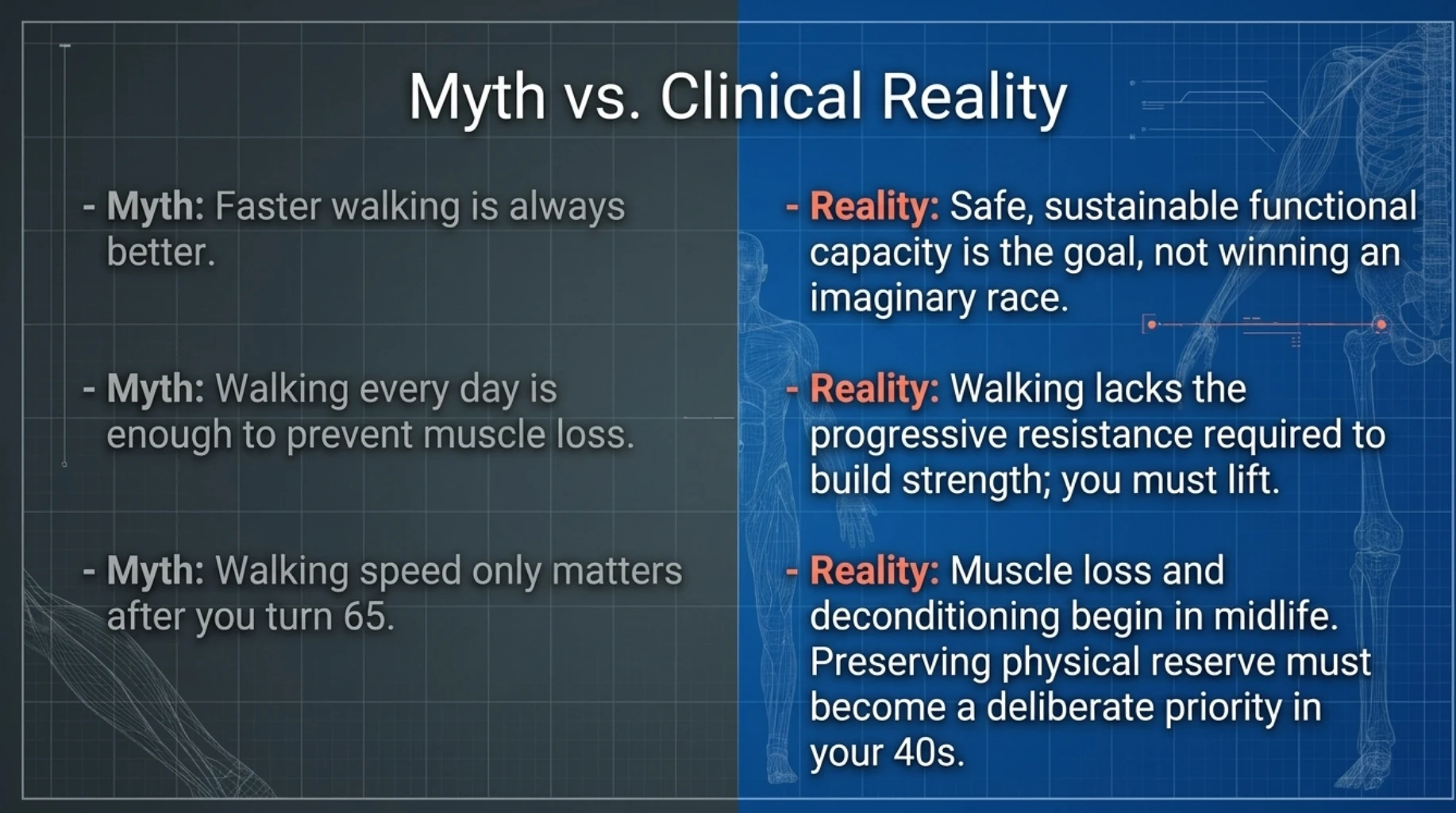
Myth 2: Walking Every Day Is Enough to Prevent Muscle Loss
Walking is excellent exercise, but walking and resistance training provide different physiological stimuli.
Regular walking supports cardiovascular fitness, mobility, and daily energy expenditure. Progressive resistance training more directly challenges muscles to maintain or increase strength.
For long-term walking speed and healthy ageing, combining aerobic activity with muscle-strengthening exercise is generally more comprehensive than relying on steps alone.
Myth 3: Faster Walking Always Means Better Health
Not necessarily.
A healthy walking pace depends on the individual. Someone with arthritis, a neurological condition, recent surgery, or another mobility limitation may appropriately walk more slowly.
Trying to force a faster pace despite pain, instability, or significant breathlessness may be unsafe.
The objective is not maximum speed. It is maintaining the best safe functional capacity possible for that individual.
Myth 4: One Walking Speed Test Can Predict Your Future Health
No single gait-speed measurement can tell you exactly how you will age.
Walking speed is useful because it provides information about physical performance and has been associated with important health outcomes at the population level.
But it should be interpreted alongside symptoms, strength, balance, medical conditions, physical activity, and changes over time.
Myth 5: Walking Speed Matters Only After 65
Mobility problems usually do not appear overnight on someone’s 65th birthday.
Muscle loss, physical inactivity, weight gain, metabolic disease, and deconditioning can develop gradually during middle age.
Protecting muscle and fitness from the forties and fifties may help maintain physical independence later.
How to Protect Walking Speed and Healthy Ageing
There is no single exercise, supplement, or walking target that guarantees healthy ageing.
A more useful approach is to protect the different systems required for movement.
1. Keep Walking Regularly
Walking remains one of the simplest ways to maintain everyday physical activity.
Where appropriate, include some walking at a pace that moderately challenges you rather than performing every walk extremely slowly.
2. Strengthen Your Muscles
Include resistance exercises for the major muscle groups according to your ability and health status.
Pay particular attention to movements that support everyday function, including sitting and standing, stepping, pushing, pulling, carrying, and climbing.
3. Eat Enough Protein
Include meaningful protein sources throughout the day rather than leaving most protein for dinner.
Vegetarians can use combinations of pulses, soy, tofu, paneer, milk, curd, and other suitable foods. Eggs, fish, chicken, and other sources can contribute for people who consume them.
4. Break Up Prolonged Sitting
Regular movement throughout the day matters even if you perform a planned workout.
Standing, walking, household activities, stairs, and other everyday movements help prevent daily life from becoming almost completely sedentary.
5. Maintain Balance and Mobility
Balance exercises and appropriate mobility work can complement walking and resistance training, particularly as people grow older.
6. Manage Chronic Health Conditions
Diabetes, obesity, cardiovascular disease, respiratory disease, arthritis, neurological conditions, and other health problems can influence mobility.
Appropriate treatment and risk-factor management are therefore part of maintaining long-term physical function.
7. Do Not Ignore Pain, Falls, or New Weakness
Simply reducing activity because walking has become uncomfortable can lead to further deconditioning.
Identifying and treating the reason for reduced mobility may allow physical activity to be maintained more safely.
A Simple Healthy-Ageing Question to Ask Yourself
Instead of focusing only on your weight, blood pressure, cholesterol, or daily step count, occasionally consider your physical function.
Ask yourself:
- Can I walk at a comfortable pace without unusual fatigue?
- Can I climb a flight of stairs?
- Can I rise from a chair without excessive difficulty?
- Can I carry normal household items?
- Do I feel stable while walking?
- Am I moving as confidently as I did a year ago?
These are not formal diagnostic tests. They are practical reminders that health is also about what your body can do.
A normal laboratory report does not necessarily mean physical function is optimal.
Walking Speed and Healthy Ageing: Why Function Matters More Than Appearance
Healthy ageing is often marketed around body weight, appearance, supplements, or anti-ageing products.
But one of the most meaningful goals of ageing well is maintaining the ability to live independently and perform everyday activities.
That requires muscle strength, cardiovascular fitness, balance, mobility, coordination, and confidence.
Walking speed provides one simple way of observing these abilities working together.
This is why walking speed and healthy ageing deserve attention even when someone has no interest in athletic performance.
The goal is not to become the fastest walker in your neighbourhood. The goal is to preserve enough physical reserve that ordinary life does not progressively become a physical challenge.
Frequently Asked Questions About Walking Speed and Healthy Ageing
Does Walking Speed Indicate How Healthy You Are?
Walking speed can provide useful information about physical function because walking depends on muscle strength, balance, joint mobility, cardiovascular fitness, neurological control, and other systems.
However, it is only one marker and should not be used alone to determine whether someone is healthy.
What Does It Mean If I Am Walking Slower Than Before?
A gradual decline may reflect reduced activity, muscle weakness, deconditioning, joint pain, balance problems, cardiovascular limitations, or other health changes.
If the change is persistent, substantial, unexplained, or accompanied by other symptoms, medical assessment may be appropriate.
What Is Considered a Slow Walking Speed?
There is no universal cut-off appropriate for every person and every testing protocol. In some geriatric and sarcopenia assessments, gait speeds around 0.8 m/s or lower are used as indicators of impaired physical performance.
Age, height, health conditions, test method, and the individual’s previous walking ability should all be considered.
Can Walking Faster Help You Live Longer?
Observational studies have found associations between faster usual walking speed and better health outcomes, including survival. However, this does not prove that deliberately forcing yourself to walk faster will automatically extend life.
Walking speed partly reflects underlying health and physical capacity. Improving fitness and strength may improve both walking performance and broader health.
Can Strength Training Improve Walking Speed?
It can help, particularly when muscle weakness contributes to slower walking. Lower-body strength and power are important for walking, climbing stairs, recovering balance, and performing everyday activities.
Walking, resistance training, balance work, and appropriate cardiovascular exercise can complement each other.
Should I Measure My Walking Speed Regularly?
Most healthy adults do not need frequent formal gait-speed testing.
It may be useful when monitoring functional changes in older adults or people undergoing rehabilitation or clinical assessment.
For everyday purposes, noticing a persistent change in your usual pace, stamina, balance, or ability to perform normal activities can be equally important.
Is Slow Walking a Sign of Sarcopenia?
Slow walking can occur in sarcopenia, but it does not diagnose the condition by itself.
Sarcopenia assessment considers muscle strength and other measures of muscle quantity, quality, and physical performance according to the diagnostic framework being used.
Is Walking Enough for Healthy Ageing?
Walking is extremely useful, but healthy ageing requires more than accumulating steps.
Muscle-strengthening activity, balance, adequate nutrition, sleep, management of chronic diseases, social engagement, and other lifestyle factors also contribute to long-term health and independence.
Final Thought
One of the most useful questions in healthy ageing may not be “How old am I?” but “What can my body still comfortably do?” Maintaining a confident walking pace, enough strength to climb stairs, and enough balance to move safely are practical signs of physical reserve worth protecting throughout adulthood.
If you want a personalized metabolic assessment and lifestyle strategy, you can book a consultation here:
Book an Appointment