


Physiotherapist vs Chiropractor — Why Patients Are Confused
Imagine waking up with severe neck stiffness after sleeping in an uncomfortable position. You can turn your head only slightly, and even routine activities such as driving or working at a computer have become painful.
A friend suggests visiting a physiotherapist. Another recommends a chiropractor who performs spinal adjustments. When you search online, you find videos showing exercises, massage techniques, joint mobilisation and dramatic cracking sounds during spinal manipulation.
Which treatment should you choose?
A similar question arises among patients experiencing persistent lower back pain, shoulder discomfort, sciatica, sports injuries or posture-related problems.
Both physiotherapists and chiropractors may provide care for certain musculoskeletal conditions. However, their professional training, clinical approaches, treatment techniques and regulatory frameworks are not identical.
Understanding the difference between a physiotherapist vs chiropractor is important because the most suitable treatment depends on the underlying diagnosis, severity of symptoms, individual risk factors and available evidence.
Some patients assume that physiotherapists only prescribe exercises while chiropractors only manipulate the spine. In reality, the distinction is more complex.
Physiotherapists may use manual therapy, including certain joint mobilisation or manipulation techniques within their training and scope of practice. Chiropractors may also prescribe exercises and provide advice about physical activity.
There is therefore some overlap in the services offered by these professions.
However, the overall emphasis, professional education and healthcare systems in which they practise may differ considerably.
Another important consideration is that chiropractic training and professional regulation vary internationally. A practitioner recognised as a chiropractor in one country may not have the same regulatory status in India.
For patients in Delhi, Dwarka and other parts of India, it is particularly important to verify qualifications and avoid assuming that every individual advertising spinal adjustment services has undergone recognised professional training.
This article explains the difference between physiotherapy and chiropractic treatment, examines their possible benefits and limitations, and discusses how to choose appropriate care for common musculoskeletal problems.
It also explains when back pain, neck pain or neurological symptoms should be assessed by a medical doctor before manual treatment.

What Is a Physiotherapist?
A physiotherapist is a healthcare professional trained to assess and manage problems affecting movement, physical function and rehabilitation.
Physiotherapy, also called physical therapy in many countries, uses interventions such as therapeutic exercise, movement retraining, education, functional rehabilitation and selected manual techniques.
Physiotherapists work with patients experiencing musculoskeletal conditions, neurological disorders, cardiopulmonary limitations, sports injuries and functional difficulties after illness or surgery.
The primary objective is often to improve movement, reduce disability, restore function and help patients participate in daily activities.
What Does a Physiotherapist Actually Do?
Physiotherapy generally begins with an assessment of the patient’s symptoms, movement, strength, joint mobility, functional limitations and relevant medical history.
For example, a patient with chronic lower back pain may have reduced hip mobility, weak trunk muscles, fear of movement or difficulty performing daily activities.
A physiotherapist may develop an individualised rehabilitation programme addressing these limitations.
Treatment may include progressive strengthening, flexibility exercises, graded physical activity, movement education and manual therapy when appropriate.
The treatment plan should be adjusted according to the patient’s response, functional goals and clinical findings.
Is Physiotherapy Only About Exercise?
No. Exercise therapy is an important component of physiotherapy, but it is not the only intervention.
Physiotherapists may also use joint mobilisation, soft-tissue techniques, balance training, gait rehabilitation, breathing exercises and other methods appropriate to their training and scope of practice.
However, the value of any intervention depends on the condition being treated and the evidence supporting its use.
For persistent nonspecific lower back pain, guidelines commonly emphasise remaining active, structured exercise and self-management rather than relying exclusively on passive treatments.
Can Physiotherapists Perform Spinal Manipulation?
Some physiotherapists have additional training in manual therapy techniques that may include spinal manipulation.
However, the availability and appropriateness of these techniques depend on the practitioner’s competence, professional scope and local regulatory requirements.
Not every physiotherapist performs spinal manipulation, and it is not necessary for every patient.
What Conditions May Benefit From Physiotherapy?
Physiotherapy may be appropriate for many conditions involving impaired movement or physical function.
Examples include selected cases of lower back pain, neck pain, osteoarthritis, sports injuries, postoperative rehabilitation, balance disorders and functional limitations following neurological illness.
Patients recovering from fractures or orthopaedic procedures may also require physiotherapy as part of a broader treatment plan.
For some conditions, physiotherapy is delivered in coordination with general physicians, orthopaedic specialists, neurologists or rehabilitation physicians.
What Qualifications Should a Physiotherapist Have in India?
In India, physiotherapy education commonly includes the Bachelor of Physiotherapy (BPT) degree, with postgraduate options such as the Master of Physiotherapy (MPT).
Educational requirements, professional recognition and registration arrangements should be checked against current applicable laws and regulatory provisions.
The National Commission for Allied and Healthcare Professions Act, 2021, provides a statutory framework for allied and healthcare professions, including physiotherapy-related professional categories.
However, patients should verify the current implementation and applicable registration requirements rather than assuming that a degree title alone establishes all professional permissions.
It is reasonable to ask a physiotherapist about their recognised qualification, clinical experience and relevant training for the condition being treated.
Clinical takeaway: Physiotherapy is a broad rehabilitation profession focused on improving movement, function and participation in daily activities. It includes exercise-based rehabilitation, education and selected manual interventions.
What Is a Chiropractor?
A chiropractor is a practitioner associated with chiropractic care, a profession that developed with a particular historical emphasis on the spine and musculoskeletal system.
Modern chiropractic practice varies substantially between practitioners and countries.
Many chiropractors focus on evaluating and managing selected musculoskeletal complaints, particularly back pain and neck pain.
Spinal manipulation, sometimes called a chiropractic adjustment, is one of the techniques commonly associated with chiropractic treatment.
However, some chiropractors also provide exercise recommendations, physical activity advice and other conservative interventions.
What Is a Chiropractic Adjustment?
A chiropractic adjustment commonly refers to a manual technique in which a controlled force is applied to a joint, often using a rapid movement within a limited range.
In clinical terminology, some of these techniques are described as high-velocity, low-amplitude manipulation.
The intention may be to influence joint movement, pain perception or related musculoskeletal symptoms.
However, the mechanism of symptom improvement is not fully explained by the idea that spinal bones are routinely out of place and need to be pushed back into position.
Patients should be cautious about explanations claiming that ordinary spinal manipulation can correct a wide range of unrelated internal diseases.
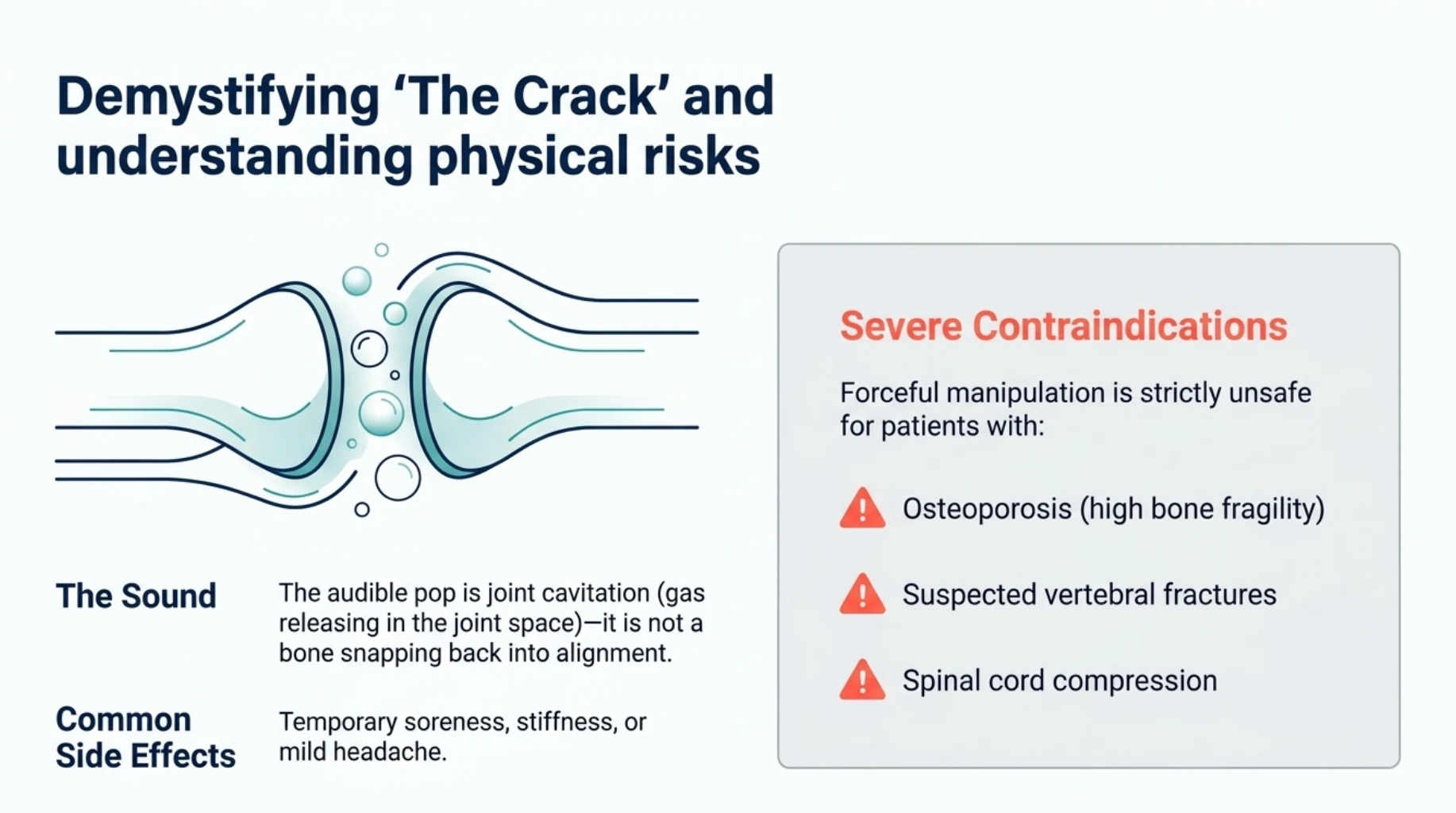
Why Does the Spine Sometimes Make a Cracking Sound?
The popping or cracking sound heard during some joint manipulations is generally associated with changes occurring within the joint, including cavitation phenomena.
It does not necessarily mean that a displaced vertebra has been returned to its correct position.
The presence or absence of an audible sound is not a reliable measure of treatment success.
A dramatic cracking sound should therefore not be confused with evidence that a serious structural problem has been corrected.
Do Chiropractors Only Treat the Spine?
Not always.
Some chiropractors also provide care for selected peripheral joint and musculoskeletal complaints.
However, the scope of chiropractic practice varies according to training, local regulation and individual clinical competence.
Can Chiropractic Treatment Cure Medical Diseases?
Claims that spinal manipulation can cure diabetes, hypertension, asthma, thyroid disorders, infections or other systemic medical diseases are not supported by reliable clinical evidence.
Chiropractic treatment should not replace appropriate medical diagnosis or established treatment for such conditions.
Some manual techniques may provide symptom relief for selected musculoskeletal problems, but this is different from treating an underlying systemic disease.
What Qualifications Do Chiropractors Have?
In countries with established chiropractic education and regulation, chiropractors may complete accredited professional programmes and must meet applicable licensing or registration requirements.
However, educational structures and professional titles vary internationally.
Patients should not assume that a chiropractor’s qualifications in one country automatically confer the same professional status in another.
Is Chiropractic Practice Regulated in India?
Chiropractic does not have the same clearly established nationwide statutory professional registration framework in India as some other healthcare professions.
Patients should therefore be especially careful when verifying the qualifications and training of individuals offering chiropractic adjustments.
A certificate from a short course or a social media profile does not establish competence to perform potentially risky spinal procedures.
Patients should also distinguish chiropractic services from physiotherapy, orthopaedic medicine and other recognised healthcare disciplines.
Clinical takeaway: Chiropractic care commonly focuses on selected musculoskeletal complaints and may involve spinal manipulation. Training and regulation vary internationally, making credential verification especially important in India.
Physiotherapist vs Chiropractor: Key Differences at a Glance
The main difference between a physiotherapist and a chiropractor is not simply that one provides exercises and the other performs adjustments.
Both professions may use overlapping techniques, but their broader clinical focus, education and professional frameworks differ.
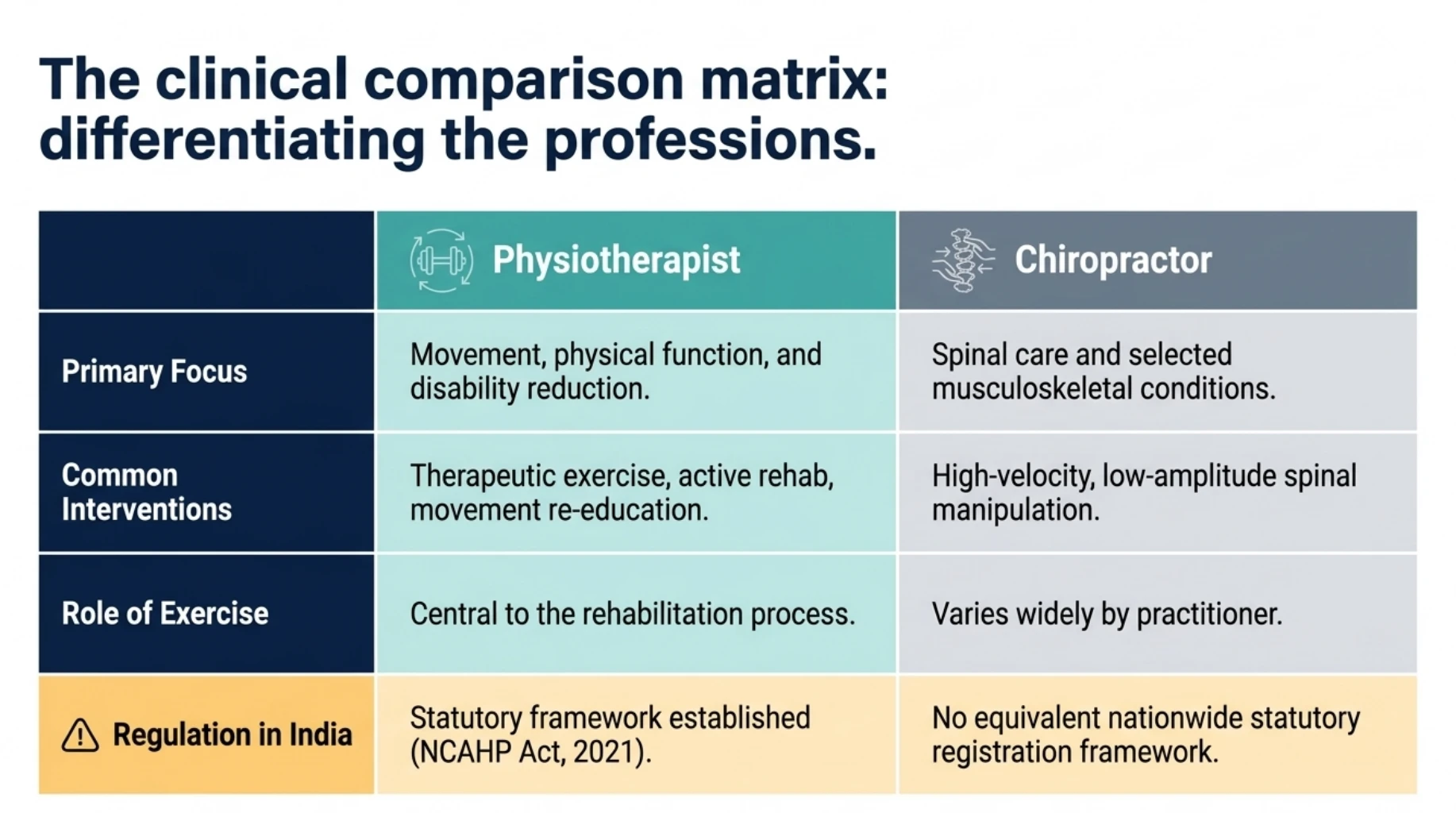
| Feature | Physiotherapist | Chiropractor |
|---|---|---|
| Primary focus | Movement, rehabilitation, physical function and disability reduction | Selected musculoskeletal conditions, often with emphasis on spinal care |
| Common interventions | Therapeutic exercise, rehabilitation, education and manual therapy | Spinal manipulation, selected manual techniques, exercise and advice |
| Role of exercise | Often central to rehabilitation | Varies by practitioner and treatment approach |
| Spinal manipulation | May be used by appropriately trained practitioners | Commonly associated with chiropractic practice |
| Clinical settings | Hospitals, rehabilitation centres, sports clinics and community care | Often outpatient musculoskeletal practices |
| Scope of conditions | Musculoskeletal, neurological, cardiopulmonary and other rehabilitation needs | Primarily musculoskeletal complaints in evidence-based practice |
| Indian professional framework | Included within the allied and healthcare professions statutory framework | No equivalent clearly established nationwide chiropractic registration framework |
| Typical long-term goal | Improved function, independence and sustainable physical capacity | Symptom improvement and musculoskeletal function, depending on practice |
These distinctions describe general patterns rather than rigid boundaries.
An individual practitioner’s training, clinical reasoning and treatment choices may be more important than the professional label alone.
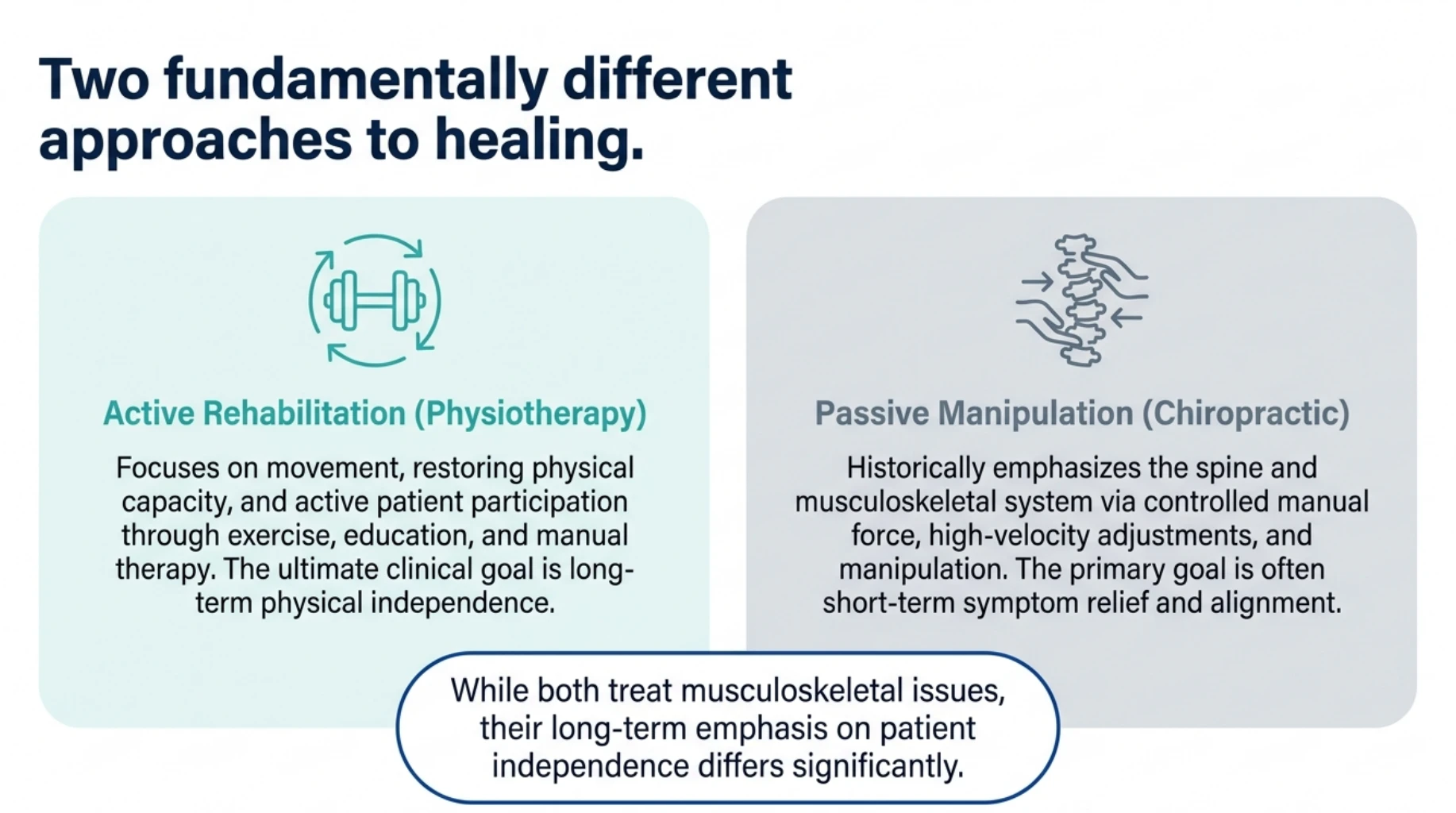
Physiotherapy vs Chiropractic Treatment: How Do Their Approaches Differ?
Although physiotherapy and chiropractic care may overlap in treating musculoskeletal symptoms, they often differ in the emphasis placed on rehabilitation and manual techniques.
Physiotherapy Often Emphasises Active Rehabilitation
For many musculoskeletal conditions, physiotherapy involves helping patients gradually restore movement, strength and confidence in physical activity.
A patient with persistent lower back pain may receive a programme involving graded exercise, strengthening and strategies for managing symptoms during daily activities.
The aim is not simply to reduce pain during a treatment session but also to improve the patient’s ability to function independently.
Appropriate physiotherapy should generally encourage active participation rather than indefinite dependence on repeated passive treatment.
Chiropractic Care May Place Greater Emphasis on Manual Treatment
Spinal manipulation is a prominent feature of many chiropractic practices.
Some patients experience short-term improvement in pain or mobility following manual treatment.
However, the degree and duration of benefit vary according to the condition, technique and individual patient.
Manipulation is not a universal solution for musculoskeletal pain, and it should not replace exercise, education or other necessary treatment.
Is Manual Therapy Better Than Exercise?
There is no universal answer.
For some musculoskeletal conditions, manual therapy may provide short-term symptom relief when used appropriately.
However, long-term improvement often requires attention to physical activity, strength, movement confidence and other contributing factors.
Evidence-based guidelines for lower back pain generally support remaining active and using exercise-based approaches.
Where spinal manipulation or other manual therapy is considered, it is often best viewed as one possible component of a broader management plan rather than a standalone cure.
Does Every Patient Need Spinal Manipulation?
No.
Many patients with back pain, neck pain or joint discomfort improve without spinal manipulation.
Some may benefit from exercise, activity modification, education, time and appropriate medical management.
Others may require investigation or specialist assessment because the pain has a specific underlying cause.
Manual treatment should be selected according to the clinical diagnosis and individual risk profile.
Why the Cause of Pain Matters More Than the Treatment Label
One of the most important points in the physiotherapist vs chiropractor discussion is that back pain and neck pain are symptoms rather than diagnoses.
Two patients with similar pain locations may have entirely different underlying problems.
For example, one person may have nonspecific mechanical lower back pain related to reduced physical activity or muscle sensitivity.
Another may have nerve root irritation causing pain that radiates into the leg.
A third patient may have a vertebral fracture, inflammatory spinal disease, infection or another condition requiring medical investigation.
These patients should not automatically receive the same treatment.
Mechanical Back Pain
Many episodes of lower back pain are described as nonspecific because a single precise anatomical cause cannot be established.
In the absence of concerning clinical findings, conservative management may be appropriate.
Education, maintaining activity and suitable exercise-based rehabilitation can be useful components of treatment.
Sciatica and Nerve-Related Pain
Sciatica commonly refers to pain radiating along the distribution of a lumbar nerve root, often into the buttock or leg.
Some patients may also experience tingling, numbness or weakness.
The appropriate treatment depends on symptom severity, neurological findings and the suspected cause.
Progressive weakness or symptoms suggesting serious nerve compression require urgent medical evaluation.
Inflammatory Back Pain
Back pain associated with prolonged morning stiffness, improvement with movement or other inflammatory features may require assessment for inflammatory spinal disease.
These conditions should not be managed solely through repeated spinal adjustments without appropriate medical evaluation.
Back Pain Related to Fracture or Osteoporosis
Patients with osteoporosis, significant trauma or certain risk factors may develop vertebral fractures.
Forceful spinal manipulation may be unsafe when fracture or significant bone fragility is present.
Appropriate medical assessment is important before considering manual procedures.
Back Pain Caused by Infection or Malignancy
Although uncommon, serious conditions can occasionally present with back pain.
Relevant warning signs may include fever, a history of cancer, unexplained weight loss, significant immune suppression or other concerning clinical findings.
These symptoms require appropriate medical evaluation rather than assuming the pain is purely mechanical.
Important: Before choosing physiotherapy or chiropractic treatment, the underlying cause of pain should be considered. New neurological deficits, suspected fracture, infection, malignancy or other serious conditions require medical assessment.
Is Physiotherapy More Scientific Than Chiropractic Treatment?
Patients sometimes ask whether physiotherapy is more scientific than chiropractic care.
A more useful question is whether a particular treatment is supported by reliable evidence for the condition being treated.
Physiotherapy includes a broad range of interventions, and not all techniques have equally strong evidence.
Similarly, chiropractic care includes different approaches, some of which overlap with evidence-based musculoskeletal management while others rely on claims that are not scientifically established.
For example, spinal manipulation may provide modest benefits for some patients with lower back pain, but it has not been shown to cure unrelated systemic diseases.
Exercise-based rehabilitation has an established role in managing many musculoskeletal conditions, although the best programme depends on the individual patient.
Patients should therefore evaluate the actual treatment plan, the practitioner’s qualifications and the supporting evidence rather than relying only on the professional title.
What Does Evidence-Based Musculoskeletal Care Look Like?
Evidence-based care begins with an appropriate clinical assessment.
The practitioner should consider the patient’s symptoms, medical history, functional limitations and potential warning signs.
Treatment recommendations should reflect current evidence, clinical expertise and patient preferences.
The practitioner should also explain expected benefits, limitations, possible adverse effects and alternatives.
Patients should be encouraged to participate actively in recovery whenever appropriate.
Physiotherapist vs Chiropractor for Lower Back Pain: Which Is Better?
Lower back pain is one of the most common reasons patients consider physiotherapy or chiropractic treatment. Some people develop pain after lifting a heavy object, while others experience discomfort after prolonged sitting, physical inactivity or an unfamiliar exercise session.
For many patients, the pain is classified as nonspecific lower back pain because no single structural cause can be confidently identified. This does not mean that the pain is imaginary or unimportant. It means that symptoms cannot always be attributed to one particular disc, muscle or joint.
When comparing a physiotherapist vs chiropractor for back pain, the most important consideration is whether the treatment follows an evidence-based assessment and rehabilitation plan.
How Physiotherapy Helps Lower Back Pain
Physiotherapy commonly focuses on restoring comfortable movement, improving physical capacity and helping patients return to normal activities.
For acute nonspecific lower back pain, reassurance, maintaining tolerable activity and avoiding prolonged bed rest are often important components of management.
For persistent lower back pain, structured exercise may help improve function and reduce pain-related disability.
A physiotherapist may assess how the patient moves, identify activities that aggravate symptoms and develop a progressive exercise programme.
The programme may include strengthening, mobility exercises, graded walking and strategies for returning to work or recreational activities.
Importantly, treatment should be adapted to the patient’s abilities and symptoms rather than applying the same exercises to everyone.
Can Chiropractic Adjustments Help Lower Back Pain?
Spinal manipulation has been studied as a treatment for nonspecific lower back pain.
Research suggests that it may provide modest improvements in pain or function for some patients, although benefits vary and are not consistently superior to other recommended conservative treatments.
For chronic lower back pain, some clinical guidelines include spinal manipulation among several non-pharmacological treatment options.
However, this does not mean that spinal manipulation is necessary for every patient or that repeated adjustments are required to maintain spinal alignment.
Manual therapy is best considered in the context of the patient’s diagnosis, preferences, risk factors and broader rehabilitation needs.
Is Exercise Better Than Spinal Manipulation for Long-Term Recovery?
Exercise-based rehabilitation has an important role in improving physical function and supporting long-term self-management.
Spinal manipulation may provide symptom relief for selected patients, but passive treatment alone may not address reduced strength, physical deconditioning, fear of movement or other factors contributing to persistent disability.
For this reason, a treatment programme that includes appropriate activity and exercise may be more useful for sustained functional improvement than relying exclusively on repeated manual adjustments.
When Should Back Pain Be Evaluated by a Doctor?
Back pain requires medical assessment when symptoms suggest a serious underlying condition, when neurological deficits develop or when symptoms are persistent and do not improve as expected.
New bladder or bowel dysfunction, saddle numbness and progressive leg weakness are particularly concerning because they may indicate serious nerve compression.
Such symptoms require emergency evaluation rather than routine physiotherapy or chiropractic treatment.
Clinical perspective: For uncomplicated nonspecific lower back pain, active rehabilitation and education are generally important. Spinal manipulation may be an option for selected patients, but it is not essential and should not replace assessment for serious causes of pain.
Physiotherapist vs Chiropractor for Sciatica and Slipped Disc
Sciatica is another common reason patients seek manual treatment. It generally refers to pain radiating along the distribution of a lumbar nerve root, often extending from the lower back or buttock into the leg.
Some patients also experience tingling, numbness or weakness.
Although sciatica is frequently associated with lumbar disc herniation, similar symptoms can have other causes.
The terms slipped disc, bulging disc and herniated disc are commonly used in everyday conversation, but they do not all describe the same anatomical findings.
Can Physiotherapy Help Sciatica?
Physiotherapy may be useful for selected patients with sciatica, particularly when symptoms are stable and there are no signs of serious or progressive neurological impairment.
Treatment may include education, appropriate activity modification, graded exercise and strategies for improving mobility and function.
Some patients require a gradual rehabilitation approach because particular movements or positions temporarily aggravate nerve-related symptoms.
The physiotherapist should monitor symptom progression and refer the patient for medical evaluation when necessary.
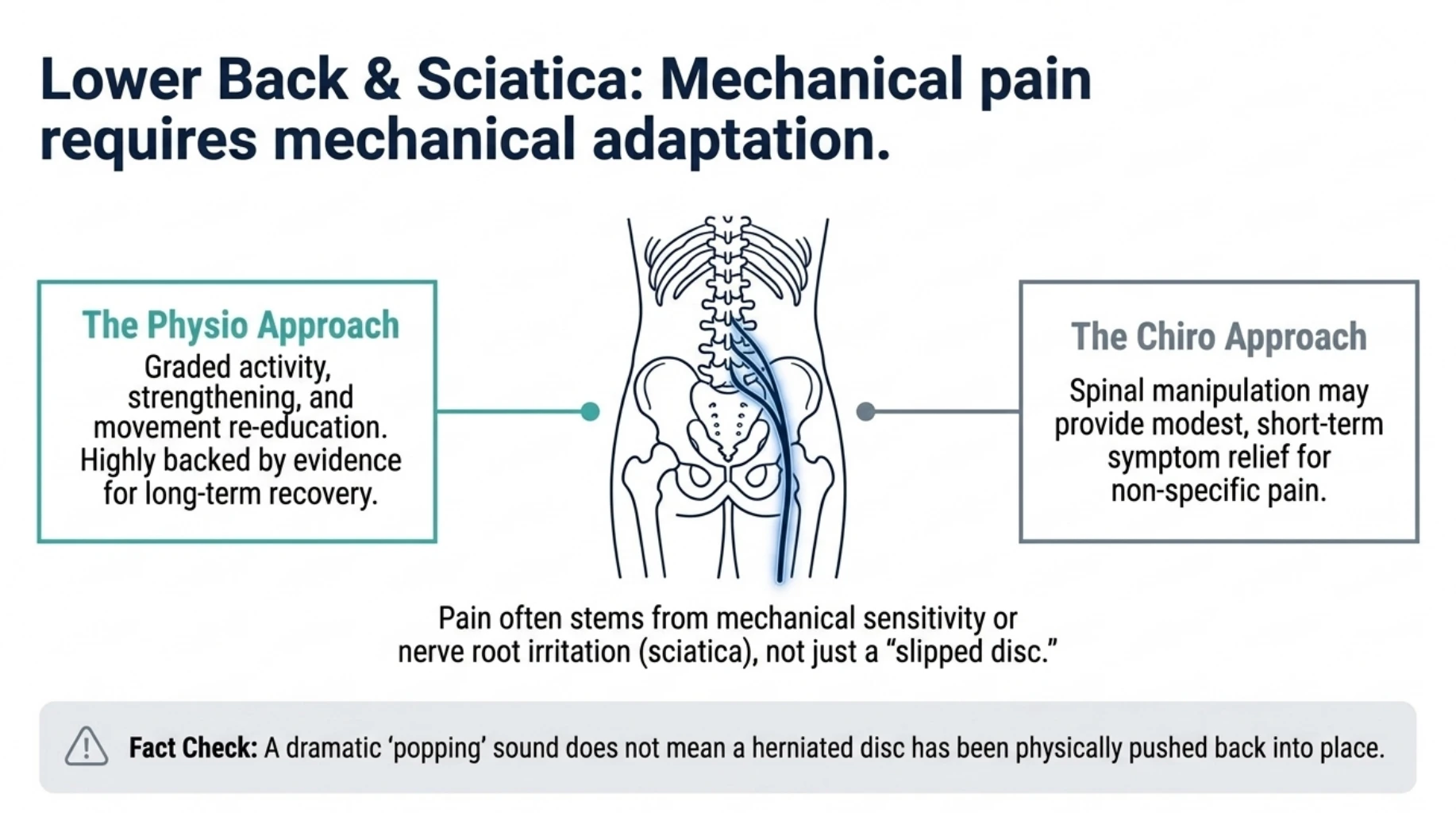
Can a Chiropractor Push a Slipped Disc Back Into Place?
Claims that a chiropractic adjustment can simply push a herniated disc back into its normal position are not supported by reliable anatomical or clinical evidence.
Disc herniation involves changes in intervertebral disc tissue and its relationship to surrounding structures.
It cannot be assumed that an audible spinal crack represents correction of the disc abnormality.
Some patients with disc-related pain improve over time with conservative management, and disc herniations may change or regress naturally.
Improvement after a manual treatment does not establish that the disc was physically repositioned.
Is Spinal Manipulation Safe for a Herniated Disc?
The safety of spinal manipulation depends on the patient’s clinical condition, neurological findings, technique and practitioner competence.
Patients with progressive weakness, suspected severe nerve compression or other serious neurological findings should not undergo forceful spinal manipulation before appropriate medical assessment.
Evidence regarding the effectiveness and safety of manipulation specifically for lumbar disc herniation with radiculopathy is less certain than for uncomplicated nonspecific lower back pain.
Therefore, manipulation should not be presented as a guaranteed or routine treatment for every patient with a herniated disc.
When Is MRI Needed for Sciatica?
Not every patient with sciatica requires an immediate MRI.
Imaging decisions depend on neurological findings, suspected serious pathology, symptom progression and whether the result is likely to change management.
Routine imaging in uncomplicated lower back pain without concerning features may identify incidental abnormalities that are not responsible for the patient’s symptoms.
However, severe or progressive neurological deficits and other red flags may justify urgent imaging and specialist assessment.
When Should a Spine Specialist Be Consulted?
Patients may require orthopaedic spine or neurosurgical assessment when they have progressive neurological deficits, suspected cauda equina syndrome, significant structural disease or persistent disabling symptoms despite appropriate conservative management.
The need for specialist referral should be based on clinical findings rather than the MRI report alone.
Physiotherapist vs Chiropractor for Neck Pain
Neck pain is common among people who spend long hours using computers, smartphones or other digital devices.
However, neck pain can arise from several different mechanisms, including muscular sensitivity, joint-related pain, nerve irritation, trauma and less common serious medical conditions.
Patients often search for chiropractic neck adjustments after watching videos showing rapid cervical spine manipulation.
Before considering such procedures, it is important to understand the potential benefits, limitations and risks.
How Does Physiotherapy Treat Neck Pain?
Physiotherapy for nonspecific neck pain may involve movement exercises, progressive strengthening, education, manual techniques and gradual return to normal activities.
Patients with persistent neck discomfort may benefit from exercises addressing neck and shoulder muscle endurance and general physical activity.
Workstation adjustments and movement breaks may also be useful when prolonged static positions contribute to symptoms.
However, no single posture can be identified as the universal cause of neck pain, and patients should not be made fearful of ordinary movement.
Can Chiropractic Neck Adjustments Relieve Pain?
Some manual therapies may provide short-term symptom improvement for selected patients with neck pain.
However, the evidence varies by technique and clinical condition, and the potential benefits must be considered alongside possible adverse effects.
High-velocity cervical spine manipulation deserves particular caution because rare but serious vascular and neurological complications have been reported in temporal association with such procedures.
Is Cervical Spine Manipulation Safe?
Most reported adverse effects after cervical manipulation are relatively minor and temporary, such as soreness or increased discomfort.
However, serious complications, including cervical artery dissection and stroke, are an important safety concern.
The relationship between cervical manipulation and arterial dissection is complex. Some patients may already have an evolving arterial dissection that initially presents as neck pain or headache, prompting them to seek treatment.
This makes it difficult to determine the exact degree of causal risk from observational studies.
Nevertheless, the possibility of serious harm warrants careful patient selection, informed consent and consideration of safer alternatives.
What Is Cervical Artery Dissection?
Cervical artery dissection involves a tear or disruption within the wall of an artery supplying the brain.
It may affect the vertebral or carotid arteries and can sometimes lead to stroke.
Symptoms may include sudden unusual neck pain or headache, dizziness, visual disturbance, neurological weakness or other neurological findings.
Importantly, some patients initially experience pain without obvious neurological deficits.
Should Patients Avoid Neck Cracking?
Patients should avoid attempting forceful neck manipulation on themselves or allowing unqualified individuals to perform rapid cervical adjustments.
An audible cracking sound does not establish that treatment has corrected a structural abnormality.
For many patients with uncomplicated neck pain, exercise, education and other non-thrust interventions provide reasonable alternatives without the need for high-velocity cervical manipulation.
Safety warning: Sudden severe or unusual neck pain or headache, especially with dizziness, double vision, difficulty speaking, weakness, imbalance or other neurological symptoms, requires urgent medical assessment. Do not seek cervical manipulation for these symptoms.
Physiotherapist vs Chiropractor for Cervical Spondylosis
Cervical spondylosis describes age-related degenerative changes involving structures of the cervical spine.
Such changes are common with increasing age and may be present even in people without neck pain.
Therefore, an X-ray or MRI showing cervical spondylosis does not automatically establish that every symptom is caused by those findings.
Can Physiotherapy Help Cervical Spondylosis?
Physiotherapy may help patients with mechanical neck pain associated with degenerative changes by improving movement, muscular endurance and functional capacity.
Exercise selection should consider pain severity, neurological findings and individual tolerance.
Patients with cervical radiculopathy may require a different rehabilitation approach from those with uncomplicated neck pain.
Can Chiropractic Treatment Reverse Cervical Spondylosis?
No reliable evidence shows that spinal adjustments reverse age-related degenerative changes in cervical discs, joints or vertebrae.
Symptom relief, when it occurs, should not be confused with reversal of structural degeneration.
Claims that repeated adjustments can permanently restore a degenerative cervical spine to a youthful anatomical state are misleading.
What If Cervical Spondylosis Causes Numbness or Weakness?
Symptoms such as arm weakness, progressive numbness, hand clumsiness, gait imbalance or other neurological changes require appropriate medical evaluation.
Some patients may have cervical nerve root compression or cervical myelopathy.
Cervical myelopathy involves spinal cord dysfunction and may require specialist assessment.
Forceful cervical manipulation should not be used when spinal cord compression or instability is suspected.
Physiotherapy vs Chiropractic Treatment for Knee Osteoarthritis
Knee osteoarthritis is a common cause of pain and reduced mobility, particularly among middle-aged and older adults.
It involves changes affecting the joint as a whole, including cartilage, bone and surrounding tissues.
Patients may experience pain during walking, difficulty climbing stairs, stiffness after inactivity and reduced physical confidence.
Why Is Physiotherapy Important in Knee Osteoarthritis?
Exercise therapy is a core component of evidence-based knee osteoarthritis management.
Appropriate strengthening and aerobic exercise can improve pain, physical function and quality of life.
Physiotherapists may develop programmes involving quadriceps strengthening, hip muscle exercises, balance training and progressive walking or other suitable activities.
The programme should be adapted to the patient’s symptoms, abilities and other medical conditions.
Does Exercise Wear Out an Arthritic Knee?
Patients sometimes avoid exercise because they fear that movement will accelerate joint damage.
However, appropriately selected exercise is generally recommended for knee osteoarthritis and does not need to be avoided simply because degenerative changes are present.
Temporary discomfort during rehabilitation does not always indicate additional structural damage.
Nevertheless, exercises should be modified when symptoms are excessively aggravated.
Can Chiropractic Adjustments Cure Knee Osteoarthritis?
There is no reliable evidence that chiropractic adjustments regenerate lost knee cartilage or reverse established osteoarthritis.
Manual techniques may sometimes be used as supportive treatment, but they should not replace exercise-based management and other recommended interventions.
Does Weight Management Help Knee Osteoarthritis?
For patients with excess body weight, weight reduction can help improve knee symptoms and physical function.
Combining appropriate exercise with weight management may provide additional benefit.
Management should also consider pain severity, functional limitations and other medical conditions.
Physiotherapist vs Chiropractor for Shoulder Pain and Frozen Shoulder
Shoulder pain may arise from rotator cuff-related disorders, adhesive capsulitis, arthritis, injury or pain referred from the cervical spine.
These conditions may produce similar symptoms but require different management approaches.
How Does Physiotherapy Help Shoulder Pain?
Physiotherapy may involve progressive strengthening, mobility exercises and functional rehabilitation according to the underlying diagnosis.
For rotator cuff-related shoulder pain, exercise-based treatment can be an important part of conservative management.
Patients with adhesive capsulitis, commonly called frozen shoulder, may require an individualised programme based on pain severity and the stage of the condition.
Overly aggressive stretching during a highly painful phase may worsen symptoms.
Can Chiropractic Treatment Fix Frozen Shoulder?
There is insufficient evidence to support claims that spinal adjustments can reliably cure adhesive capsulitis.
Frozen shoulder involves a complex process affecting the shoulder joint capsule.
Management may include education, appropriate exercise, pain control and selected medical interventions.
Some patients may benefit from specialist assessment when pain or stiffness is severe or persistent.
Why Is Diagnosis Important Before Shoulder Manipulation?
Shoulder pain following trauma may indicate fracture, dislocation or tendon injury.
Such conditions require appropriate clinical assessment before manual treatment.
Manipulation should not be performed simply because the patient reports reduced shoulder movement.

Physiotherapist vs Chiropractor for Sports Injuries
Sports injuries may affect muscles, tendons, ligaments, joints or bones.
Common examples include ankle sprains, muscle strains, tendon-related pain and injuries associated with running or resistance training.
The most appropriate treatment depends on the diagnosis, severity of injury and stage of recovery.
Why Is Physiotherapy Commonly Used in Sports Rehabilitation?
Sports physiotherapy often focuses on restoring strength, mobility, balance, coordination and tolerance to sport-specific activity.
Rehabilitation may progress from symptom management to strengthening, functional exercises and a structured return-to-sport programme.
For example, an athlete recovering from an ankle sprain may require balance training and progressive loading to reduce ongoing instability.
Can Chiropractic Care Help Sports Injuries?
Some manual techniques may provide short-term symptom relief in selected musculoskeletal conditions.
However, sports injury rehabilitation generally requires more than passive manual treatment.
Restoring strength, neuromuscular control and sport-specific capacity is often necessary before returning to full activity.
When Is Medical Assessment Necessary After a Sports Injury?
Significant trauma, suspected fracture, major joint instability, deformity, inability to bear weight or neurological symptoms may require medical evaluation and imaging.
Patients should not undergo forceful manipulation when fracture or serious structural injury is suspected.
Physiotherapist vs Chiropractor: Condition-Based Comparison
The following table summarises the role of physiotherapy and chiropractic care in several common conditions.
| Condition | Physiotherapy | Chiropractic or Spinal Manipulation | Important Consideration |
|---|---|---|---|
| Nonspecific lower back pain | Exercise, education and functional rehabilitation are commonly recommended | May provide modest symptom relief in selected patients | Assess for serious causes and neurological deficits |
| Sciatica | May support graded activity and rehabilitation | Evidence is less certain; not appropriate for every patient | Progressive weakness requires urgent assessment |
| Neck pain | Exercise and selected non-thrust manual techniques may help | Some techniques may help, but cervical manipulation has specific safety concerns | Consider neurological and vascular warning signs |
| Cervical spondylosis | May improve movement and functional capacity | Cannot reverse degenerative changes | Exclude myelopathy or significant instability |
| Knee osteoarthritis | Exercise is a core recommended treatment | Does not regenerate cartilage | Weight management may help when appropriate |
| Frozen shoulder | Individualised mobility and rehabilitation may help | No reliable evidence of cure through spinal adjustment | Avoid aggressive treatment when highly painful |
| Sports injuries | Progressive strengthening and return-to-sport rehabilitation | May have a limited supportive role for selected symptoms | Exclude fracture or major structural injury |
| Postoperative rehabilitation | Often an important component of recovery | Not a substitute for surgeon-directed rehabilitation | Follow surgical precautions and recovery protocols |
What Does Scientific Evidence Say About Spinal Manipulation?
Spinal manipulation has been evaluated in clinical trials and systematic reviews, particularly for lower back pain.
The results suggest that manipulation may provide small or modest improvements in pain and function for some patients with nonspecific lower back pain.
However, outcomes vary across studies, and manipulation is not consistently superior to other recommended conservative treatments.
Evidence for Acute Lower Back Pain
Some studies suggest that spinal manipulation can provide modest short-term improvement in acute lower back pain.
However, many episodes of acute nonspecific back pain improve naturally over time.
Therefore, improvement after manipulation does not necessarily prove that the intervention corrected an underlying structural abnormality.
Evidence for Chronic Lower Back Pain
For chronic nonspecific lower back pain, spinal manipulation may produce improvements comparable to some other recommended treatments.
However, exercise, education and self-management remain important components of comprehensive care.
Evidence for Neck Pain
Research on manual therapy for neck pain includes different techniques, patient populations and treatment combinations.
Some approaches may provide symptom improvement, but conclusions should not be generalised to all cervical manipulation techniques.
Potential benefits must be weighed against the possibility of adverse effects, particularly with high-velocity cervical procedures.
Evidence for Non-Musculoskeletal Diseases
There is no convincing clinical evidence that spinal manipulation treats the underlying causes of diabetes, thyroid disease, hypertension, asthma or other systemic medical conditions.
Patients should not replace established medical treatment with spinal adjustments for these diseases.
Evidence-based interpretation: Spinal manipulation may be an option for selected patients with nonspecific lower back pain, but its benefits are generally modest. Claims that adjustments correct every spinal abnormality or cure unrelated diseases are not supported by reliable evidence.
Risks and Side Effects of Chiropractic Adjustments
Any physical treatment can have potential adverse effects.
The risks of spinal manipulation depend on the anatomical region, technique, patient characteristics and underlying medical condition.
It is important to distinguish common temporary side effects from rare but serious complications.
Common Temporary Side Effects
Some patients experience temporary soreness, stiffness, local discomfort or headache after manual treatment.
These symptoms are often mild and short-lived, although severity varies.
Potential Serious Complications
Serious complications have been reported after spinal manipulation, including neurological injury and vascular events.
For cervical manipulation, cervical artery dissection and stroke are particularly important concerns.
For lumbar manipulation, neurological deterioration may be a concern in patients with significant underlying nerve compression or other structural abnormalities.
The precise frequency of rare serious complications is difficult to establish because of limitations in available data and differences in reporting.
Who Should Avoid Forceful Spinal Manipulation?
Forceful spinal manipulation may be inappropriate or contraindicated in patients with suspected fracture, spinal instability, significant osteoporosis, spinal cord compression, serious neurological deficits or certain other conditions.
Suspected infection, malignancy or vascular pathology also requires appropriate medical assessment before manual procedures.
Patients should disclose relevant medical history, previous surgery, neurological symptoms and medications to the treating professional.
Is Spinal Manipulation Safe During Pregnancy?
Pregnancy-related back and pelvic pain may benefit from appropriately selected conservative treatments, including exercise and physiotherapy.
However, not every manual technique is suitable during pregnancy.
Treatment should account for pregnancy-related physiological changes, symptoms and any obstetric complications.
Patients should seek guidance from appropriately qualified healthcare professionals rather than assuming that all spinal adjustments are safe during pregnancy.
What About Patients With Osteoporosis?
Patients with osteoporosis may have increased susceptibility to fractures.
High-force manipulation can be inappropriate when significant bone fragility is present.
Lower-risk rehabilitation strategies may be preferable, depending on the clinical situation.
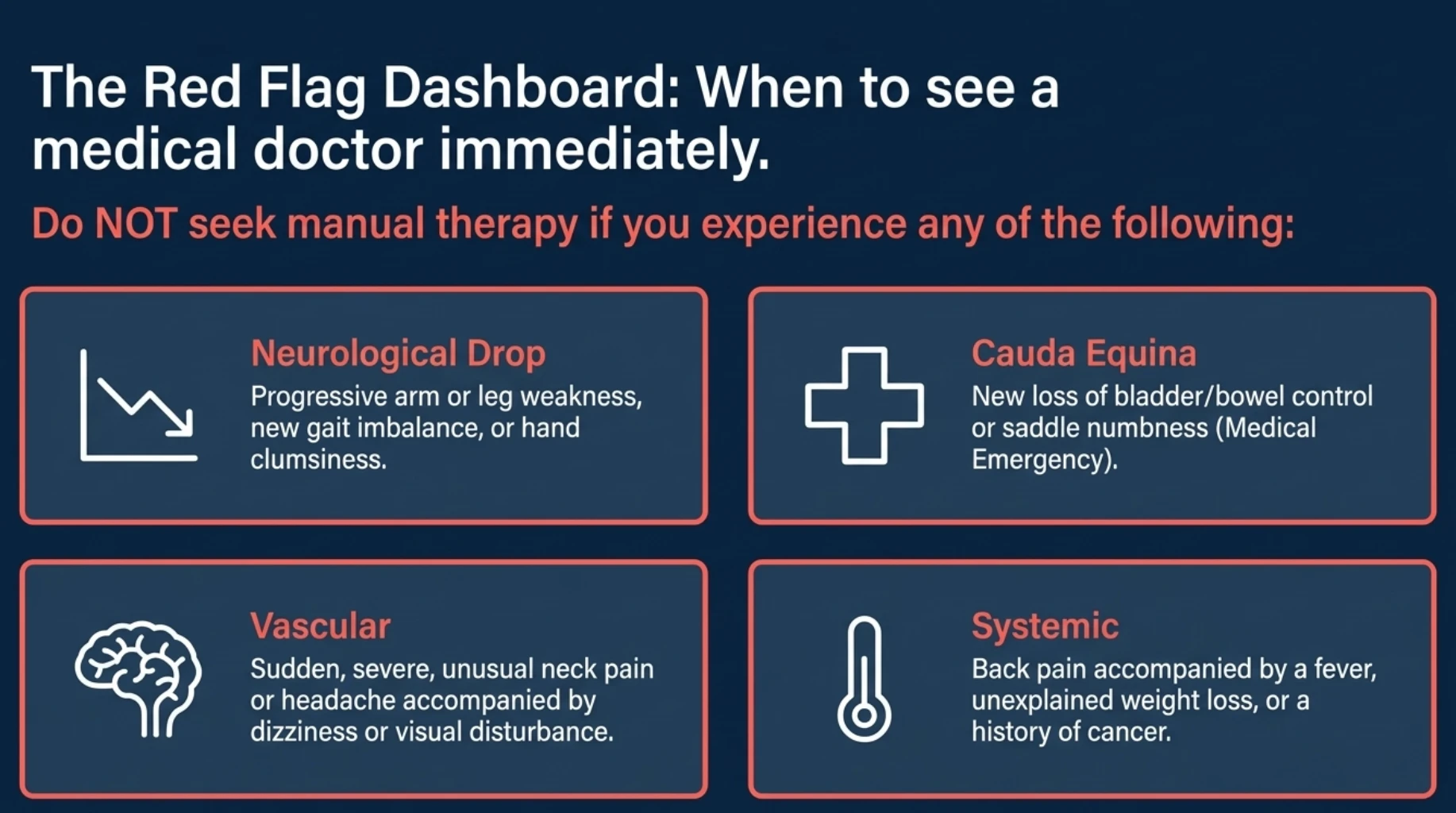
Red Flags: When Back or Neck Pain Needs Urgent Medical Attention
Most episodes of back and neck pain are not caused by life-threatening disease.
However, certain symptoms require prompt or emergency evaluation.
| Warning Sign | Possible Concern | Recommended Action |
|---|---|---|
| New urinary retention, saddle numbness or loss of bladder or bowel control with back symptoms | Possible cauda equina syndrome | Emergency medical assessment |
| Progressive arm or leg weakness | Possible significant neurological compression or other neurological disease | Urgent medical assessment |
| New gait imbalance or hand clumsiness with neck symptoms | Possible cervical myelopathy | Prompt medical assessment |
| Sudden severe unusual neck pain or headache with neurological symptoms | Possible vascular or neurological emergency | Emergency medical assessment |
| Back pain after significant trauma | Possible fracture or other serious injury | Urgent assessment according to severity |
| Back pain with fever and relevant infection risk factors | Possible spinal infection | Prompt medical assessment |
| Persistent pain with a history of cancer or other concerning features | Possible serious underlying pathology | Timely medical evaluation |
These warning signs should not be managed by repeatedly attempting spinal adjustments or continuing routine rehabilitation without appropriate medical assessment.
Should You Get an X-Ray or MRI Before Physiotherapy?
Many patients believe that an X-ray or MRI is necessary before beginning physiotherapy.
However, routine imaging is not recommended for every episode of uncomplicated nonspecific lower back pain.
Imaging should be guided by the patient’s symptoms, examination findings and whether the result is likely to change management.
Why Can MRI Findings Be Misleading?
Degenerative disc changes, disc bulges and other spinal abnormalities can be found in people who have no pain.
Therefore, the presence of an abnormality on MRI does not automatically establish that it is responsible for the patient’s symptoms.
Clinical interpretation requires correlation with history and examination.
When Is Imaging More Important?
Imaging may be indicated when serious pathology is suspected, neurological deficits are progressive or symptoms persist despite appropriate treatment and further intervention is being considered.
The choice between X-ray, MRI, CT or other investigations depends on the clinical question.
Can Physiotherapy Begin Without MRI?
For many uncomplicated musculoskeletal conditions, physiotherapy can begin after an appropriate clinical assessment without routine advanced imaging.
However, the treating professional must recognise situations requiring medical referral.
Physiotherapist vs Chiropractor: How to Choose the Right Professional
When deciding between a physiotherapist and a chiropractor, the most important question is not which professional can produce the fastest cracking sound or provide the most immediate relief. The more useful question is which treatment is appropriate for your diagnosis, functional limitations and overall medical condition.
For many patients with uncomplicated musculoskeletal pain, exercise-based rehabilitation, education and gradual return to normal activities are important components of recovery.
However, some patients require medical evaluation before beginning physiotherapy or spinal manipulation. Others may benefit from coordinated care involving a physician, physiotherapist and relevant specialist.
The following approach can help patients make a more informed decision.
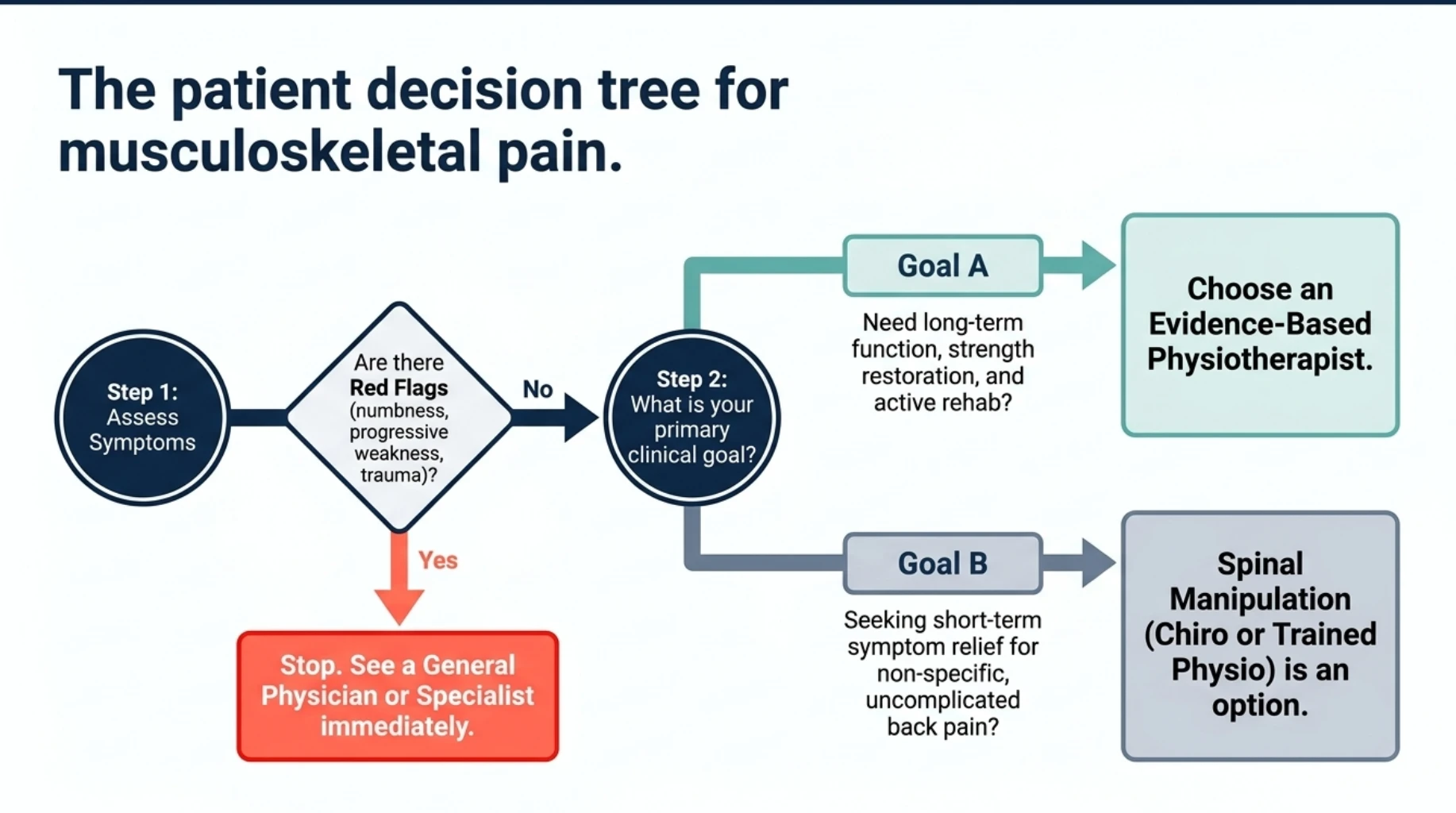
Step 1: Identify the Nature of Your Symptoms
Begin by considering whether your symptoms are primarily related to movement, activity or an injury, or whether they include features suggesting nerve involvement or another medical condition.
For example, mild lower back stiffness after prolonged sitting may be different from severe back pain accompanied by progressive leg weakness.
Similarly, uncomplicated neck discomfort is different from sudden severe neck pain associated with dizziness, double vision or difficulty speaking.
The latter symptoms require urgent medical assessment rather than manual treatment.
Step 2: Determine Whether You Need Medical Assessment First
Patients with unexplained pain, significant trauma, fever, neurological symptoms, suspected fracture or other concerning findings should undergo appropriate medical evaluation.
A general physician may provide an initial assessment and determine whether imaging, medication, rehabilitation or specialist referral is necessary.
When symptoms strongly suggest a serious condition, urgent or emergency assessment may be required.
Step 3: Consider Whether Your Main Goal Is Rehabilitation
If your primary concern involves reduced strength, limited mobility, difficulty walking, recovery after surgery or returning to sports, physiotherapy may be particularly appropriate.
Physiotherapy commonly focuses on progressive rehabilitation and restoring the ability to perform daily activities.
The treatment programme should be individualised rather than based on a fixed set of exercises for every patient.
Step 4: Understand the Role of Manual Therapy
Manual therapy may provide symptom relief for selected musculoskeletal conditions.
However, spinal manipulation is not necessary for every patient and should not be presented as a treatment that permanently corrects all spinal abnormalities.
If manipulation is proposed, the practitioner should explain the expected benefits, uncertainties, possible adverse effects and available alternatives.
Step 5: Verify Qualifications and Professional Competence
Patients should verify the practitioner’s education, relevant training and professional registration where applicable.
In India, this is particularly important for individuals advertising chiropractic adjustments because the professional regulatory framework differs from that of physiotherapy.
A short training course, social media following or collection of online testimonials does not establish competence to perform spinal manipulation.
Practical recommendation: For many common musculoskeletal conditions, an appropriately qualified physiotherapist offering evidence-based rehabilitation is a reasonable choice. When the diagnosis is uncertain, symptoms are severe or neurological warning signs are present, medical assessment should come first.
Physiotherapist vs Chiropractor: Which Is Better for Different Problems?
Patients often want a straightforward answer about which professional to consult for a particular condition.
Although individual assessment remains necessary, the following comparison provides a practical starting point.
| Health Problem | Reasonable First Approach | When Medical Evaluation Is Important |
|---|---|---|
| Uncomplicated lower back pain | Education, activity and physiotherapy when appropriate | Severe, persistent or concerning symptoms |
| Neck stiffness without neurological symptoms | Exercise-based physiotherapy and suitable conservative care | Persistent pain, trauma or concerning findings |
| Sciatica | Clinical assessment followed by appropriate conservative management | Progressive weakness, severe neurological symptoms or suspected serious compression |
| Knee osteoarthritis | Physiotherapy, exercise and weight management when appropriate | Severe functional limitation or uncertainty about diagnosis |
| Frozen shoulder | Medical assessment and individualised rehabilitation | Severe pain, trauma or persistent restriction |
| Sports injury | Assessment followed by progressive rehabilitation | Suspected fracture, major ligament injury or instability |
| Postoperative recovery | Surgeon-directed physiotherapy and rehabilitation | New neurological symptoms, infection signs or postoperative complications |
| Sudden severe neck pain with neurological symptoms | Emergency medical assessment | Immediately |
These recommendations are general and do not replace individual clinical assessment.
When Should You See a General Physician Before a Physiotherapist or Chiropractor?
Many patients begin treatment for back pain or neck pain without first establishing whether their symptoms have a specific medical cause.
Although uncomplicated musculoskeletal pain can often be managed conservatively, some symptoms require medical investigation.
A general physician can help distinguish common musculoskeletal complaints from conditions requiring additional evaluation.
When the Cause of Pain Is Unclear
Back pain may arise from muscles, joints, nerves, inflammatory conditions or occasionally problems involving internal organs.
For example, flank pain associated with fever or urinary symptoms may require evaluation for a urinary tract or kidney-related condition rather than spinal manipulation.
Similarly, chest discomfort should not automatically be attributed to muscular strain without considering potentially serious causes.
When Pain Is Associated With Fever
Fever accompanied by severe back pain may occasionally indicate an infection requiring urgent assessment.
The level of concern depends on associated symptoms, immune status, recent procedures and other risk factors.
Manual treatment should not delay appropriate medical evaluation when infection is suspected.
When Pain Is Associated With Numbness or Weakness
Numbness, tingling and weakness may indicate nerve involvement, although not every episode is caused by a spinal disorder.
Progressive neurological deficits are particularly important and may require urgent imaging or specialist assessment.
When Pain Persists Despite Treatment
Persistent symptoms should prompt reassessment of the diagnosis, functional limitations and treatment response.
Repeated sessions of passive treatment without meaningful improvement should not continue indefinitely without reviewing the management plan.
When the Patient Has Multiple Medical Conditions
Patients with osteoporosis, diabetes-related neuropathy, inflammatory arthritis, a history of cancer or previous spinal surgery may require additional precautions.
A physician can help determine whether the proposed treatment is suitable and whether specialist involvement is necessary.
When Should You Consult an Orthopaedic Specialist or Neurosurgeon?
Not every patient with back pain requires an orthopaedic specialist or neurosurgeon.
However, certain conditions may need specialised evaluation.
Suspected Fracture or Significant Structural Injury
Patients with major trauma, suspected vertebral fracture or significant joint instability may require orthopaedic assessment.
Imaging should be selected according to the clinical findings.
Progressive Neurological Weakness
Progressive weakness associated with spinal symptoms may indicate significant neurological involvement.
Urgent specialist assessment may be required, depending on the severity and suspected cause.
Possible Cauda Equina Syndrome
New urinary retention, saddle sensory changes or other symptoms suggesting cauda equina syndrome require emergency evaluation.
Patients should not wait for a routine physiotherapy appointment or attempt spinal adjustments.
Suspected Cervical Myelopathy
Hand clumsiness, gait imbalance, progressive weakness and other findings suggesting cervical spinal cord dysfunction warrant prompt medical assessment.
Some patients may require spinal imaging and specialist evaluation.
Persistent Disabling Pain Despite Appropriate Treatment
Patients with persistent symptoms that substantially interfere with daily functioning may benefit from specialist assessment when conservative management has not provided adequate improvement.
However, the need for surgery depends on the diagnosis and clinical findings. An abnormal MRI alone does not establish that surgery is necessary.
Physiotherapist vs Chiropractor: Qualifications and Regulation in India
Professional qualifications are especially important when selecting a practitioner who may perform manual treatment involving the spine.
Patients should distinguish between a recognised healthcare qualification, a professional title and a short training certificate.
Physiotherapy Qualifications in India
Physiotherapy education in India commonly includes the Bachelor of Physiotherapy degree, with postgraduate training available in various areas of practice.
The National Commission for Allied and Healthcare Professions Act, 2021, establishes a statutory framework for recognised allied and healthcare professions, including physiotherapy-related professional categories.
Patients should check the practitioner’s qualification and any currently applicable registration requirements under the relevant professional and regulatory arrangements.
Chiropractic Qualifications in India
Chiropractic education and professional licensing are established in some countries, but international qualifications and regulatory requirements vary.
India does not have an equivalent clearly established nationwide statutory chiropractic registration system comparable to the regulatory arrangements for several other healthcare professions.
Therefore, patients should not assume that an individual using the title chiropractor has completed an internationally accredited professional chiropractic programme.
Patients can ask about the exact qualification, institution, duration of training, clinical experience and any professional registration claimed.
Does a Certificate in Spinal Adjustment Make Someone a Chiropractor?
A short course in manual techniques does not automatically establish comprehensive professional competence in chiropractic assessment or spinal manipulation.
Safe practice requires appropriate clinical knowledge, understanding of contraindications and the ability to recognise symptoms requiring medical referral.
Can a Physiotherapist Also Offer Manual Therapy?
Some physiotherapists undertake additional training in manual therapy.
However, their use of particular techniques should remain within their competence and applicable professional scope.
Patients should not assume that every physiotherapist has training in high-velocity spinal manipulation.
Why Is Regulation Important?
Professional regulation can help establish standards for education, registration, competence and accountability.
Where regulatory arrangements are limited or unclear, patients may face greater difficulty verifying credentials and identifying appropriate complaint mechanisms.
This makes careful practitioner selection particularly important.
Questions to Ask Before Booking Physiotherapy or Chiropractic Treatment
A responsible practitioner should be willing to explain the assessment findings, treatment options and expected outcomes.
Patients should feel comfortable asking questions before agreeing to a treatment procedure.
| Question | Why It Matters |
|---|---|
| What are your recognised qualifications? | Helps verify professional education and competence |
| Have you assessed the possible cause of my symptoms? | Reduces the risk of treating an undiagnosed condition |
| What treatment do you recommend and why? | Clarifies the clinical reasoning behind the plan |
| What evidence supports this treatment? | Helps distinguish established care from unsupported claims |
| What are the possible risks and alternatives? | Supports informed decision-making |
| Will I receive exercises or self-management guidance? | Encourages active participation in recovery |
| How will improvement be measured? | Helps assess progress in pain, movement and function |
| When would you refer me to a medical doctor? | Clarifies how concerning symptoms will be managed |
| How many sessions might be needed? | Supports realistic expectations and cost planning |
| What happens if treatment is not helping? | Encourages reassessment rather than indefinite treatment |
Warning Signs of an Unreliable Spinal Treatment Provider
Patients should be cautious when treatment claims appear inconsistent with established medical knowledge.
Claiming That Every Disease Begins in the Spine
Conditions such as diabetes, thyroid disease, hypertension and infections have complex causes that cannot be explained simply by spinal alignment.
Claims that spinal adjustments can cure these diseases are not supported by reliable evidence.
Promising Permanent Cure After One Adjustment
Some patients experience rapid symptom improvement, but immediate relief does not establish permanent correction of an underlying condition.
Musculoskeletal recovery varies considerably between individuals.
Performing Manipulation Without Proper Assessment
Manual treatment should not be performed without considering the patient’s symptoms, relevant medical history and potential contraindications.
Ignoring Neurological Warning Signs
Progressive weakness, gait problems, bowel or bladder dysfunction and other concerning neurological symptoms require medical evaluation.
Continuing repeated spinal adjustments despite these findings may delay necessary treatment.
Discouraging Necessary Medical Treatment
Patients should be cautious if a practitioner advises stopping prescribed medicines or avoiding necessary medical assessment without appropriate clinical justification.
Insisting on Indefinite Treatment Packages
A rehabilitation plan should have reasonable goals and be reviewed according to progress.
Long-term treatment may be appropriate for selected conditions, but patients should understand its purpose and expected benefits.
Physiotherapist vs Chiropractor: Which Treatment Costs More?
Physiotherapy and chiropractic consultation fees vary according to location, qualifications, treatment duration, clinical setting and the services provided.
In India, prices may differ considerably between individual clinics, hospitals and rehabilitation centres.
There is no reliable universal rule that one treatment is always cheaper than the other.
Why Does Physiotherapy Cost Vary?
Physiotherapy charges may depend on whether treatment involves an initial assessment, individual supervised rehabilitation, specialised equipment, home visits or a longer treatment session.
Postoperative or neurological rehabilitation may require different resources from routine management of uncomplicated musculoskeletal pain.
Why Does Chiropractic Treatment Cost Vary?
Chiropractic fees may depend on the practitioner’s training, location, consultation structure and techniques offered.
However, a higher fee does not independently establish greater competence or better outcomes.
Should You Purchase a Large Treatment Package?
Patients should be cautious about committing to numerous sessions before receiving a clear assessment and understanding the expected treatment plan.
The number of sessions should be guided by clinical need and progress rather than an assumption that every patient requires the same package.
How Should Treatment Success Be Measured?
Useful outcomes may include improvement in pain, walking ability, sleep, strength, range of movement, return to work and participation in daily activities.
A successful treatment programme should not be judged solely by temporary relief immediately after a session.
Can Physiotherapy and Chiropractic Treatment Be Combined?
Some manual therapy techniques and exercise-based interventions can be combined in musculoskeletal care.
However, combining services does not automatically produce better outcomes.
The treatment plan should avoid unnecessary duplication and should reflect the patient’s diagnosis, goals and risk factors.
For many patients, active rehabilitation and education are sufficient without repeated spinal manipulation.
When multiple practitioners are involved, communication about the diagnosis, treatment plan and contraindications is important.
Frequently Asked Questions: Physiotherapist vs Chiropractor
1. What Is the Main Difference Between a Physiotherapist and a Chiropractor?
Physiotherapists commonly focus on movement, rehabilitation, exercise and functional recovery. Chiropractors often focus on selected musculoskeletal conditions and may use spinal manipulation. Their training and professional regulation differ, particularly across countries.
2. Is Physiotherapy Better Than Chiropractic Treatment?
There is no universal answer for every patient. For many conditions requiring rehabilitation, exercise-based physiotherapy is a well-established approach. Spinal manipulation may offer modest benefits for selected patients with nonspecific lower back pain but is not necessary for everyone.
3. Which Is Better for Lower Back Pain?
For uncomplicated nonspecific lower back pain, education, remaining active and suitable exercise are important. Physiotherapy can support rehabilitation. Spinal manipulation may be considered for selected patients after appropriate assessment.
4. Can a Chiropractor Fix a Slipped Disc?
There is no reliable evidence that a chiropractic adjustment simply pushes a herniated disc back into place. Disc-related symptoms require appropriate assessment, and progressive neurological deficits warrant urgent medical evaluation.
5. Is Chiropractic Neck Cracking Safe?
High-velocity cervical manipulation has specific safety concerns, including rare but serious vascular and neurological complications. Patients should discuss risks and alternatives with appropriately qualified professionals.
6. Can Physiotherapy Help Sciatica?
Physiotherapy may help selected patients with sciatica through education, graded activity and rehabilitation. The approach depends on symptom severity and neurological findings.
7. Can Chiropractic Treatment Cure Cervical Spondylosis?
No. Spinal adjustments have not been shown to reverse age-related degenerative changes in the cervical spine. Treatment may address symptoms, but it should not be described as reversing structural degeneration.
8. Is Physiotherapy Useful for Knee Osteoarthritis?
Yes. Appropriate strengthening and aerobic exercise are core components of knee osteoarthritis management and may improve pain and physical function.
9. Can Chiropractors Treat Frozen Shoulder?
There is insufficient evidence that spinal manipulation cures adhesive capsulitis. Management should be based on an appropriate diagnosis and may include individualised rehabilitation and medical treatment.
10. Do Physiotherapists Perform Spinal Manipulation?
Some physiotherapists have additional training in manual therapy, including certain manipulation techniques. Not every physiotherapist offers these procedures, and they should be performed only within the practitioner’s competence and applicable scope.
11. Why Does the Spine Crack During an Adjustment?
The sound is commonly associated with joint cavitation phenomena. It does not prove that a displaced vertebra has been returned to its correct position.
12. Is Chiropractic Treatment Scientifically Proven?
Some spinal manipulation techniques have evidence of modest benefit for selected musculoskeletal conditions, particularly nonspecific lower back pain. Claims that spinal adjustments cure unrelated systemic diseases are not supported by reliable evidence.
13. Can Chiropractic Treatment Cause a Stroke?
Cervical artery dissection and stroke have been reported in association with cervical manipulation. The precise causal relationship and absolute risk are difficult to establish, but the potential seriousness warrants caution and informed consent.
14. Should I Get an MRI Before Physiotherapy?
Not always. Routine MRI is generally unnecessary for uncomplicated nonspecific lower back pain without concerning features. Imaging should be guided by clinical findings and whether it will influence management.
15. Can Physiotherapy Replace Surgery?
Some musculoskeletal conditions improve with conservative management, including physiotherapy. However, certain fractures, neurological emergencies and structural problems may require surgery or other specialist treatment.
16. Are Chiropractors Recognised Medical Doctors in India?
The title chiropractor does not establish that an individual is a registered medical practitioner in India. Patients should verify actual qualifications, professional status and any claimed registration.
17. What Qualifications Should a Physiotherapist Have?
Physiotherapy education in India commonly includes the Bachelor of Physiotherapy degree, with postgraduate options available. Patients should verify recognised qualifications and applicable professional registration requirements.
18. How Many Physiotherapy Sessions Are Needed?
The number of sessions depends on the diagnosis, severity, functional goals and response to treatment. There is no universal number appropriate for every patient.
19. Should I See a General Physician Before a Chiropractor?
Medical assessment is particularly important when symptoms are unexplained, severe, associated with neurological findings or potentially related to a serious condition. A general physician can help determine whether rehabilitation or specialist evaluation is appropriate.
20. Which Is Better for Back Pain in Dwarka: Physiotherapist or Chiropractor?
For many uncomplicated musculoskeletal problems, an appropriately qualified physiotherapist offering evidence-based rehabilitation is a reasonable choice. Patients with uncertain diagnoses, persistent symptoms or warning signs should seek medical assessment before manual treatment.
Medical Guidelines and Authoritative References
The following resources provide evidence-based information on lower back pain, musculoskeletal rehabilitation, spinal manipulation and professional regulation.
- World Health Organization — Guideline for Chronic Primary Low Back Pain in Adults in Primary and Community Care Settings — Evidence-based recommendations for chronic primary lower back pain.
- NICE Guideline NG59 — Low Back Pain and Sciatica in Over 16s — Assessment and management of lower back pain and sciatica, including exercise and manual therapy recommendations.
- NICE Guideline NG226 — Osteoarthritis in Over 16s — Management of osteoarthritis, including therapeutic exercise and weight management.
- National Center for Complementary and Integrative Health — Spinal Manipulation: What You Need to Know — Evidence, potential benefits and safety considerations.
- World Physiotherapy — International professional resources relating to physiotherapy practice and education.
- India Code — National Commission for Allied and Healthcare Professions Act, 2021 — Official statutory resource for allied and healthcare professions in India.
- National Medical Commission, India — Medical qualifications, professional registration and regulatory information.
Clinical recommendations and professional regulatory arrangements may change. Patients and healthcare professionals should refer to current official guidance and applicable laws.
Back Pain and Neck Pain Consultation in Dwarka, New Delhi
If you are experiencing back pain, neck discomfort, recurrent muscular pain or symptoms that may involve nerves, an initial medical assessment can help determine whether physiotherapy, medication, imaging or specialist evaluation is appropriate.
Dr. Pankaj Kumar is a General & Lifestyle Physician practising in Dwarka, New Delhi.
A medical consultation may include assessment of symptoms, relevant medical history, physical examination, review of previous investigations and identification of warning signs requiring further evaluation.
Depending on the clinical findings, patients may be advised about activity, suitable conservative management, rehabilitation or referral to an appropriately qualified physiotherapist or specialist.
Clinic and Appointment Information
Doctor: Dr. Pankaj Kumar
Designation: General & Lifestyle Physician
Qualifications: MBBS, DNB (Family Medicine)
Location: Doctors Lane, Sector 6, Dwarka, New Delhi
Landmark: In front of Dhanwantari Labs
Consultation: In-person and online appointments
Patients with suspected spinal cord compression, progressive neurological deficits, severe trauma or other potentially serious symptoms should seek urgent medical attention rather than waiting for a routine consultation.
About the Author
Dr. Pankaj Kumar
MBBS, DNB (Family Medicine)
General & Lifestyle Physician
Founder, Diet Plus Minus
Dwarka, New Delhi
Dr. Pankaj Kumar provides general medical consultations with a particular interest in diabetes, obesity, hypertension, fatty liver disease and lifestyle-related metabolic disorders. His clinical approach emphasises appropriate medical assessment, evidence-informed treatment, preventive healthcare and coordination with relevant healthcare professionals.
Medical Disclaimer: This article is intended for general health education and does not replace an individual medical consultation. The suitability and safety of physiotherapy, spinal manipulation or other treatments depend on the patient’s diagnosis, medical history and clinical findings. Professional regulations may vary by jurisdiction. Seek immediate medical attention for severe or potentially life-threatening symptoms.
If you want a personalized metabolic assessment and lifestyle strategy, you can book a consultation here:
Book an Appointment