


“Doctor, all my tests are mostly normal, but I still feel tired, sluggish, and not completely healthy.”
This is becoming an increasingly common concern in modern clinical practice.
Many individuals do not have a single major disease, yet they experience ongoing fatigue, low energy, poor recovery, increasing abdominal weight, body aches, digestive discomfort, or declining overall well-being.
One possible explanation behind these seemingly unrelated symptoms is chronic inflammation.

Unlike the inflammation that occurs after an injury or infection, chronic inflammation develops gradually and may remain active inside the body for months or years without obvious warning signs.
Understanding chronic inflammation is important because it has been linked to many modern health problems, including obesity, insulin resistance, type 2 diabetes, fatty liver, cardiovascular disease, and several metabolic disorders.
What Is Chronic Inflammation?
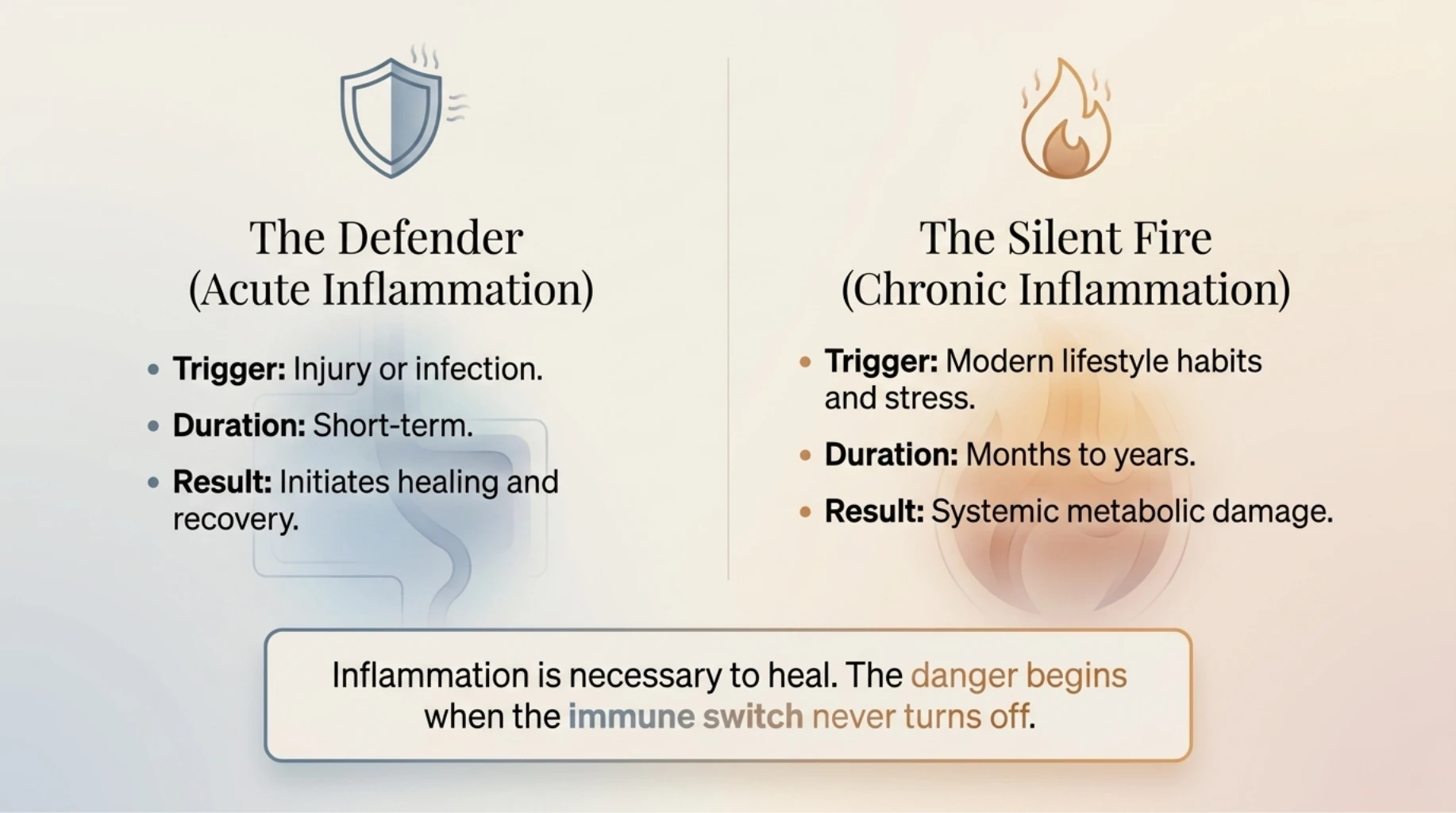
Inflammation is not always harmful. In fact, inflammation is one of the body’s most important defense mechanisms. When you cut your finger, develop an infection, or suffer an injury, inflammation helps initiate healing and recovery.
The problem begins when inflammation does not switch off properly. Instead of helping recovery for a short period, the immune system remains mildly activated for prolonged periods.
This ongoing low-grade activation is known as chronic inflammation. Unlike acute inflammation, chronic inflammation is often silent. A person may not feel obviously ill, yet inflammatory activity may continue affecting multiple organs and metabolic systems.
Why Chronic Inflammation Is Becoming More Common Today
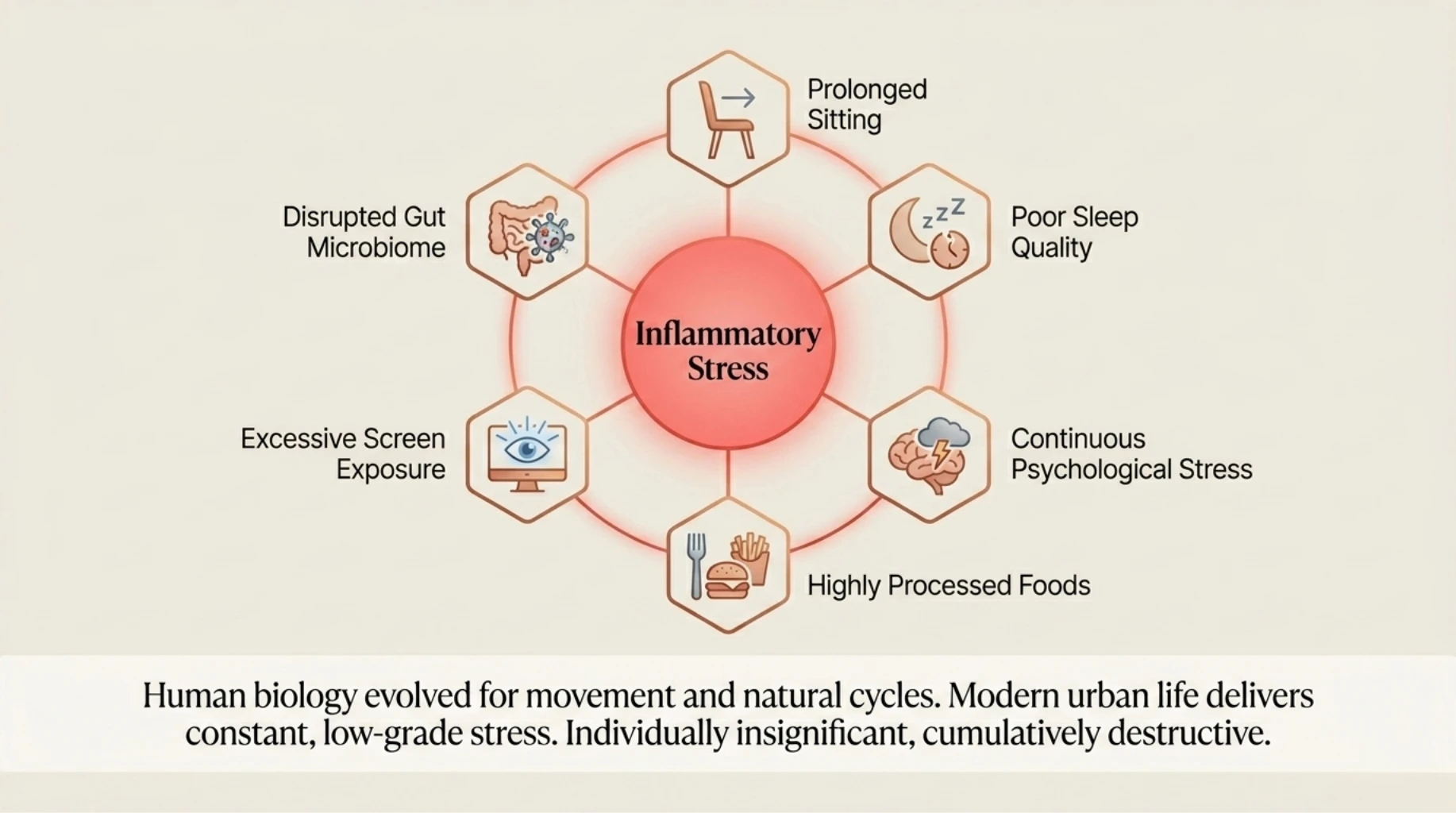
Human biology evolved in an environment very different from modern urban life. Historically, people were more physically active, spent more time outdoors, had fewer processed foods available, and generally followed more natural sleep-wake cycles.
Today, the situation has changed dramatically. Modern lifestyles often involve: prolonged sitting, poor sleep, chronic stress, processed foods, excessive screen exposure, irregular eating patterns, and reduced physical activity.
Each of these factors can contribute to inflammatory stress. When several occur together, the cumulative effect becomes much greater.
The Hidden Role of Excess Body Fat
Many people view body fat simply as stored energy. However, excess body fat—particularly around the abdomen—is metabolically active.
Fat tissue releases various inflammatory chemicals that can influence how the body regulates metabolism, insulin sensitivity, blood vessels, and overall health.
As abdominal obesity increases, inflammatory activity often increases as well. This is one reason chronic inflammation is closely linked with obesity, fatty liver, insulin resistance, and metabolic syndrome.
How Poor Sleep Increases Inflammatory Stress
Sleep is one of the body’s most important recovery processes. During healthy sleep, multiple repair mechanisms help regulate immune function, hormonal balance, and recovery from daily stress.
When sleep becomes chronically inadequate or poor in quality, these recovery systems become less efficient. The result is a gradual increase in inflammatory activity.
Many people underestimate how strongly sleep affects overall health because the effects accumulate slowly over time rather than appearing immediately.
Why Chronic Stress Keeps the Body in Survival Mode
The human stress response is designed to help us handle short-term challenges. Unfortunately, modern stress is often continuous rather than temporary.
Work pressure, financial concerns, digital overload, poor work-life balance, and constant mental stimulation keep the nervous system activated for prolonged periods.
When stress hormones remain elevated continuously, inflammatory pathways may also become more active.
This is why individuals experiencing chronic stress frequently report fatigue, poor sleep, digestive discomfort, cravings, and reduced resilience.
The Effect of Physical Inactivity
The human body is designed for regular movement. Physical activity helps regulate metabolism, improve circulation, support insulin sensitivity, and influence inflammatory balance.
When daily movement declines, these protective effects gradually weaken. Long hours of sitting combined with minimal physical activity create an environment where metabolic dysfunction and inflammatory stress become more likely.
This is one of the major reasons chronic inflammation is increasingly seen alongside modern sedentary lifestyles.
How Processed Foods Contribute to Chronic Inflammation
One of the biggest changes in modern lifestyles has been the shift from minimally processed foods toward highly processed convenience foods.
Packaged snacks, sugary beverages, refined carbohydrates, fast foods, ultra-processed ready-to-eat meals, and frequent takeaway foods have become common parts of daily life.
These foods are often high in calories but relatively poor in fiber, micronutrients, and other components that support long-term metabolic health.
When consumed regularly, they may contribute to weight gain, insulin resistance, poor gut health, and increased inflammatory stress.
This does not mean a single meal causes chronic inflammation. The concern is the repeated exposure over months and years.
The Connection Between Gut Health and Inflammation
The digestive system is home to trillions of microorganisms that collectively form the gut microbiome.
These microorganisms play an important role in digestion, immune regulation, nutrient metabolism, and inflammatory balance.
Modern lifestyle habits such as poor diet quality, chronic stress, sleep disruption, and inactivity may negatively influence gut microbial diversity.
As gut health becomes less optimal, inflammatory signaling may become more active. This is one reason digestive complaints, metabolic dysfunction, and chronic inflammation often appear together.
How Insulin Resistance and Inflammation Reinforce Each Other
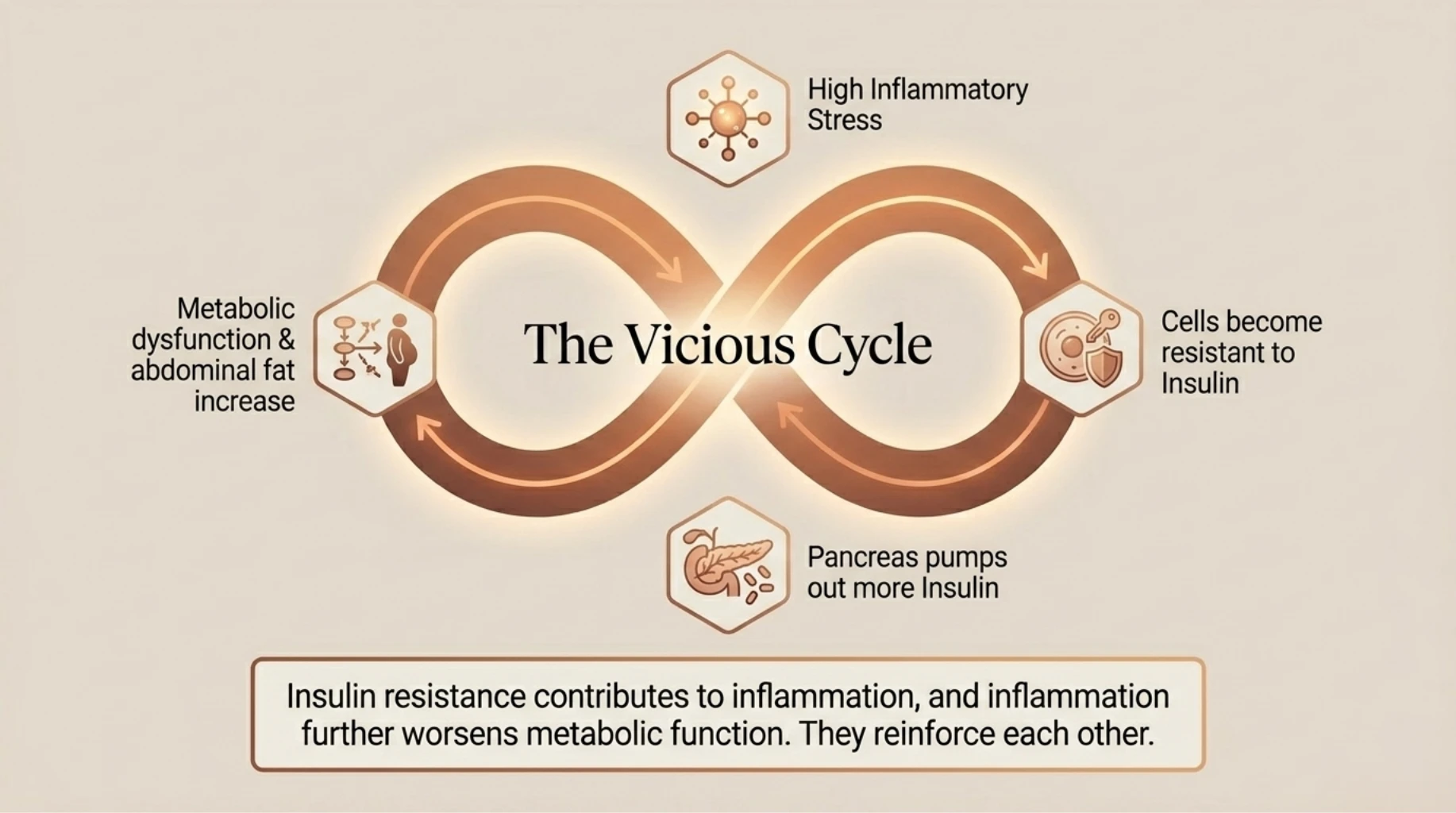
One of the most important metabolic links to chronic inflammation is insulin resistance. When the body’s cells become less responsive to insulin, glucose regulation becomes less efficient. The pancreas compensates by producing more insulin, while metabolic stress gradually increases.
At the same time, inflammatory activity often becomes more pronounced. This creates a cycle where insulin resistance contributes to inflammation, and inflammation further worsens metabolic function.
Over time, this cycle may contribute to: prediabetes, type 2 diabetes, fatty liver, abdominal obesity, and cardiovascular risk.
Why Younger Adults Are Increasingly Affected
Chronic inflammation was once considered primarily a concern of older age. Today, younger adults are increasingly exposed to many of the same inflammatory triggers.
Late-night schedules, prolonged sitting, processed foods, poor sleep, chronic stress, and excessive screen exposure are now common even in individuals in their 20s and 30s.
Because the effects accumulate gradually, many people remain unaware of the long-term impact these habits may have on metabolic health.
The body often continues functioning normally while inflammatory activity quietly increases beneath the surface.
The Link Between Fatty Liver and Chronic Inflammation
Fatty liver is not only a condition involving fat accumulation inside the liver. It is also closely associated with metabolic dysfunction and inflammatory activity.
As liver fat increases, inflammatory pathways may become more active, contributing to further metabolic imbalance.
This is one reason fatty liver frequently occurs alongside obesity, insulin resistance, abnormal cholesterol levels, and other features of metabolic syndrome.
Addressing inflammation often requires addressing the broader lifestyle patterns driving these conditions simultaneously.
Why Symptoms Can Be Difficult to Recognize
Unlike acute infections, chronic inflammation rarely produces dramatic symptoms.
Instead, individuals may notice vague and non-specific complaints such as: persistent fatigue, low energy, poor recovery, reduced stamina, brain fog, disturbed sleep, digestive discomfort, or gradual weight gain.
Because these symptoms are common and develop slowly, they are often attributed to aging, workload, or stress alone. This is one reason chronic inflammation may remain unnoticed for years.
The Real-Life Pattern Seen in Many Adults
In clinical practice, the pattern is remarkably familiar. A person becomes increasingly busy, sleeps less, exercises less frequently, relies more on convenience foods, and spends long hours sitting.
Initially, there are no major health concerns. But over time, energy levels decline, waist circumference increases, recovery becomes slower, and metabolic markers begin changing.
Eventually, conditions such as obesity, fatty liver, prediabetes, hypertension, or abnormal cholesterol levels start appearing.
Many individuals are surprised because they view these as separate problems when, in reality, chronic inflammation may have been part of the underlying process all along.
Why Chronic Inflammation Is Often Called a Silent Driver of Disease
Inflammation itself is not always the disease. Instead, it often acts as a background process that influences how multiple diseases develop and progress.
This is why chronic inflammation is frequently discussed in connection with metabolic disorders, cardiovascular disease, liver disease, and several other chronic health conditions.
The concern is not a single inflammatory event—it is the cumulative effect of low-grade inflammation sustained over many years.
How to Reduce Chronic Inflammation Naturally
The encouraging news is that chronic inflammation is often strongly influenced by lifestyle choices.
Unlike many acute illnesses that require immediate medical intervention, low-grade chronic inflammation frequently responds to consistent improvements in sleep, nutrition, physical activity, stress management, and body composition.
The goal is not to eliminate inflammation completely. Healthy inflammation is necessary for healing and immune defense. The objective is reducing unnecessary inflammatory stress that remains active for prolonged periods.
Focus on Lifestyle Patterns Rather Than Individual Foods
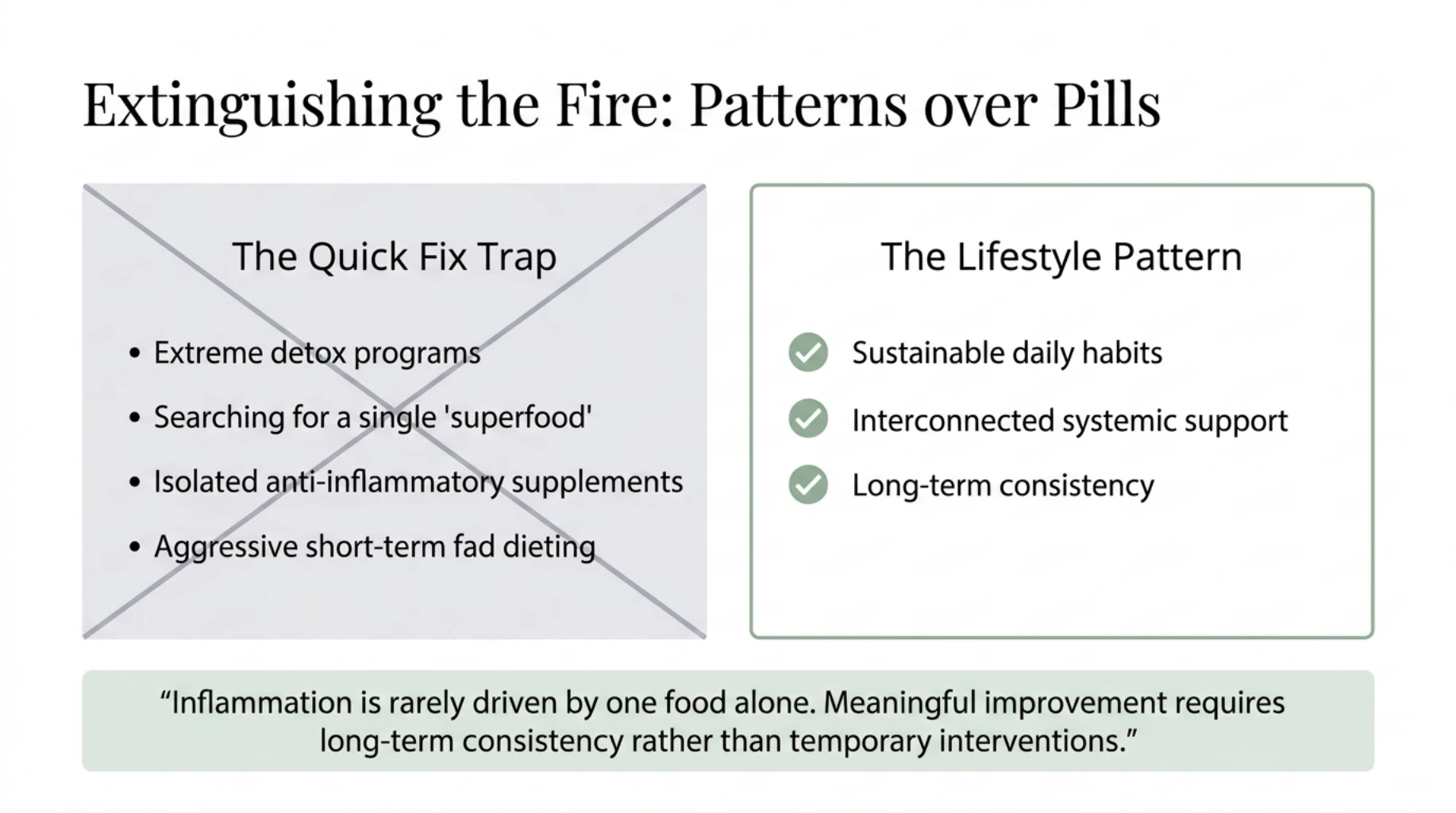
Many people search for a single “anti-inflammatory food” or supplement that will solve the problem. In reality, inflammation is rarely driven by one food alone.
It is usually the overall lifestyle pattern that matters most. For example, someone may consume healthy foods occasionally but still experience inflammatory stress due to poor sleep, chronic stress, inactivity, and excess body fat.
Long-term improvement generally comes from creating healthier daily habits rather than relying on isolated dietary fixes.
Why Physical Activity Has Powerful Anti-Inflammatory Effects
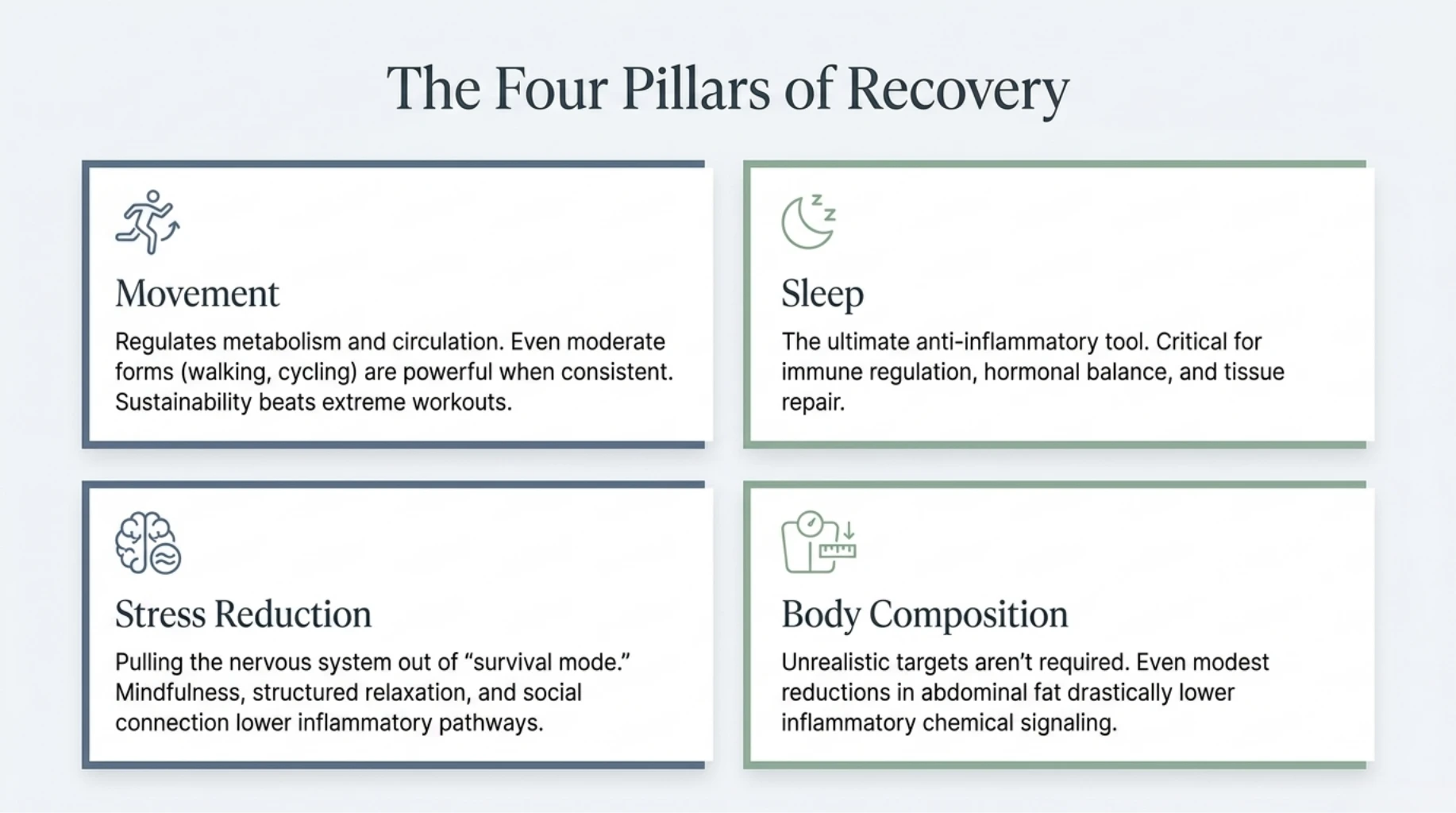
Regular movement provides benefits far beyond calorie burning. Physical activity improves insulin sensitivity, supports healthy body composition, enhances circulation, and helps regulate inflammatory pathways.
Even moderate forms of activity such as walking, cycling, swimming, or structured exercise can contribute positively when performed consistently.
The key is sustainability. A routine that can be maintained for years is far more valuable than short bursts of extreme exercise followed by inactivity.
Sleep May Be One of the Most Important Anti-Inflammatory Tools
Sleep is often underestimated in discussions about health. Yet during sleep, the body performs critical recovery functions that influence immune regulation, hormonal balance, and tissue repair.
Chronic sleep deprivation places the body under continuous physiological stress. Improving sleep quality and consistency may therefore have a significant impact on reducing inflammatory burden over time.
For many adults, better sleep is one of the most powerful lifestyle interventions available.
The Importance of Managing Excess Body Fat
Because abdominal fat tissue can contribute to inflammatory signaling, maintaining a healthy body composition becomes an important long-term goal. This does not mean pursuing unrealistic weight targets.
Even modest reductions in excess body fat often improve metabolic health, insulin sensitivity, and inflammatory balance.
Gradual, sustainable weight management usually produces better results than aggressive short-term dieting.
How Stress Reduction Supports Inflammatory Balance
Modern stress is often chronic rather than temporary. When the body remains in a prolonged state of psychological stress, inflammatory pathways may become more active.
Simple stress-management practices such as mindfulness, regular physical activity, spending time outdoors, structured relaxation, and maintaining healthy social connections can support overall recovery.
Stress reduction is not only about mental well-being—it is also an important component of metabolic health.
Why Quick Fixes Rarely Work
Many individuals look for supplements, detox programs, or extreme dietary approaches promising rapid results. While some strategies may offer short-term improvements, chronic inflammation typically develops over years.
Meaningful improvement usually requires long-term lifestyle consistency rather than temporary interventions. This is why sustainable habits tend to outperform aggressive short-term programs in the long run.
The Importance of Looking at Health as a Whole
Chronic inflammation is rarely an isolated issue. It often exists alongside: obesity, insulin resistance, fatty liver, poor sleep, stress, sedentary behavior, and metabolic dysfunction.
Addressing one area while ignoring the others may limit overall progress. A broader lifestyle approach is usually more effective because the underlying drivers are often interconnected.
Putting Everything Into Perspective
Modern lifestyles expose the body to numerous small stressors every day.
Individually, these factors may seem insignificant. But together, they can gradually create an environment where chronic inflammation becomes more likely.
This is why chronic inflammation is increasingly discussed in relation to modern metabolic health. The encouraging reality is that many of these contributing factors are modifiable.
When healthier routines become consistent, the body often responds remarkably well.
Final Thought
Sometimes the body is not reacting to one major problem—it is responding to the cumulative effect of hundreds of small lifestyle choices repeated every day.
If you want a personalized metabolic assessment and lifestyle strategy, you can book a consultation here:
Book an Appointment