

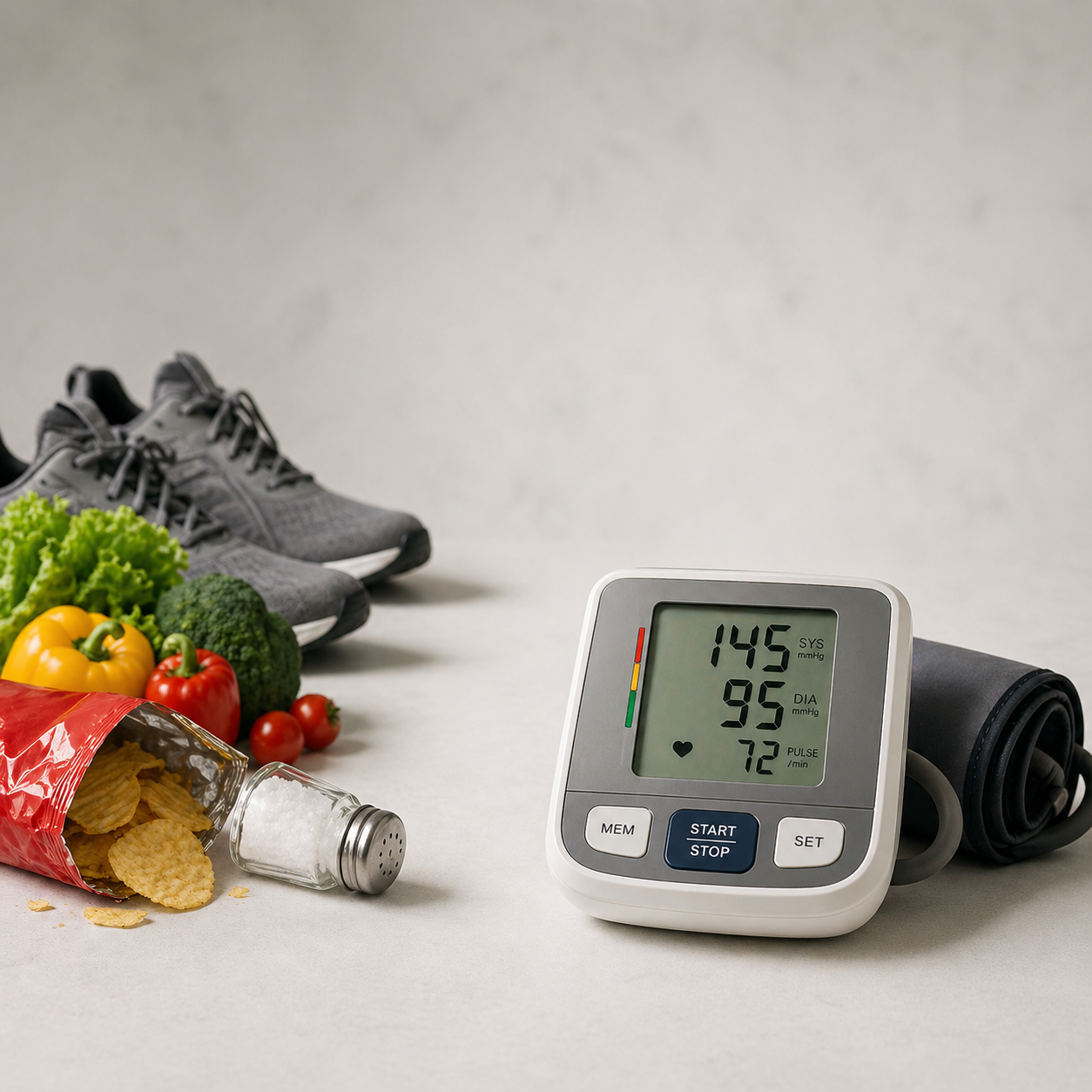
If you are taking medicines regularly but your blood pressure still fluctuates, you are not alone. This is one of the most common concerns I see in clinical practice. Patients often believe that once medication is started, the problem is under control. But in reality, that is only half the story.
The missing piece in most cases is lifestyle. And unless that is addressed properly, long-term blood pressure control becomes difficult, sometimes frustrating.
Understanding the role of lifestyle changes for blood pressure control is not just helpful—it is essential. Because your blood pressure is not only influenced by what medicine you take, but by how your body responds throughout the day to your habits.

Why Blood Pressure Is Not Just a “Number” Problem
Many people look at blood pressure as just a number on a machine—120/80, 140/90, or higher. But behind that number is a complex interaction of your heart, blood vessels, kidneys, hormones, and metabolism.
When blood pressure remains high over time, it slowly damages these systems. The challenge is that this damage happens silently. You may feel completely normal while changes are already happening inside your body.
This is why simply lowering the number with medicines is not enough. You need to improve how your body regulates that pressure in the first place—and that is where lifestyle comes in.
How Your Daily Routine Quietly Affects Blood Pressure
Your body is constantly adapting. Every meal you eat, every hour you sit, every night you sleep—or don’t sleep—affects your blood pressure.
For example, if your routine involves long sitting hours, irregular meals, high salt intake, and poor sleep, your body gradually shifts toward a state where:
- Blood vessels become less flexible
- Hormonal signals become imbalanced
- Blood pressure starts staying elevated for longer periods
This is not something that happens suddenly. It builds up slowly, often without obvious warning signs.
The First Major Factor: Salt Is Not the Only Problem—But It Matters
Salt has been blamed for high blood pressure for years, and for good reason. When you consume excess salt, your body retains more water. This increases blood volume, which directly raises pressure inside blood vessels.

But what is important to understand is that the problem today is not just the salt you add at home. It is the hidden salt present in packaged foods, restaurant meals, snacks, and even items that do not taste very salty.
Many patients tell me they “don’t take much salt,” yet their intake is high without realizing it. This is why salt reduction is one of the foundational lifestyle changes for blood pressure control—but it has to be done intelligently.
Why Sitting All Day Makes Blood Pressure Harder to Control
One of the most underestimated factors in hypertension is a sedentary lifestyle. Modern routines—especially desk jobs and screen-heavy work—have significantly reduced daily movement.
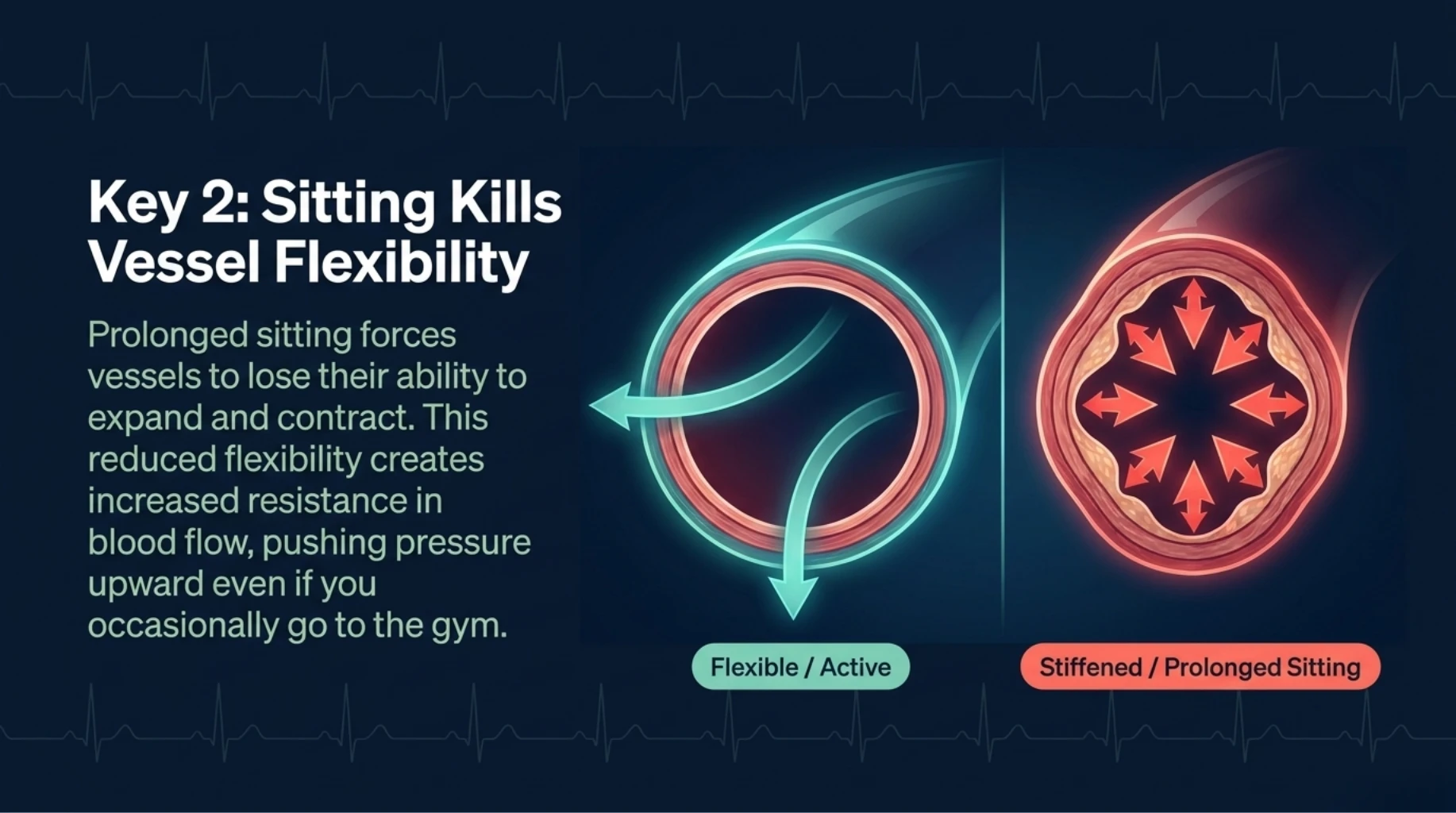
When you sit for prolonged periods, your blood circulation slows down, and your blood vessels gradually lose their ability to expand and contract efficiently. Over time, this reduced flexibility contributes to increased resistance in blood flow, which directly raises blood pressure.
Even more importantly, physical inactivity affects weight, insulin sensitivity, and overall metabolic health—all of which are closely linked with hypertension.
This is why patients who say, “I go to the gym sometimes,” but remain inactive for most of the day still struggle with control.
The Hidden Role of Body Weight in Blood Pressure
Weight gain, especially around the abdomen, is not just a cosmetic issue—it is a metabolic signal.
Excess fat tissue increases the workload on the heart. It also alters hormonal pathways, particularly those related to insulin and fluid balance, which further pushes blood pressure upward.
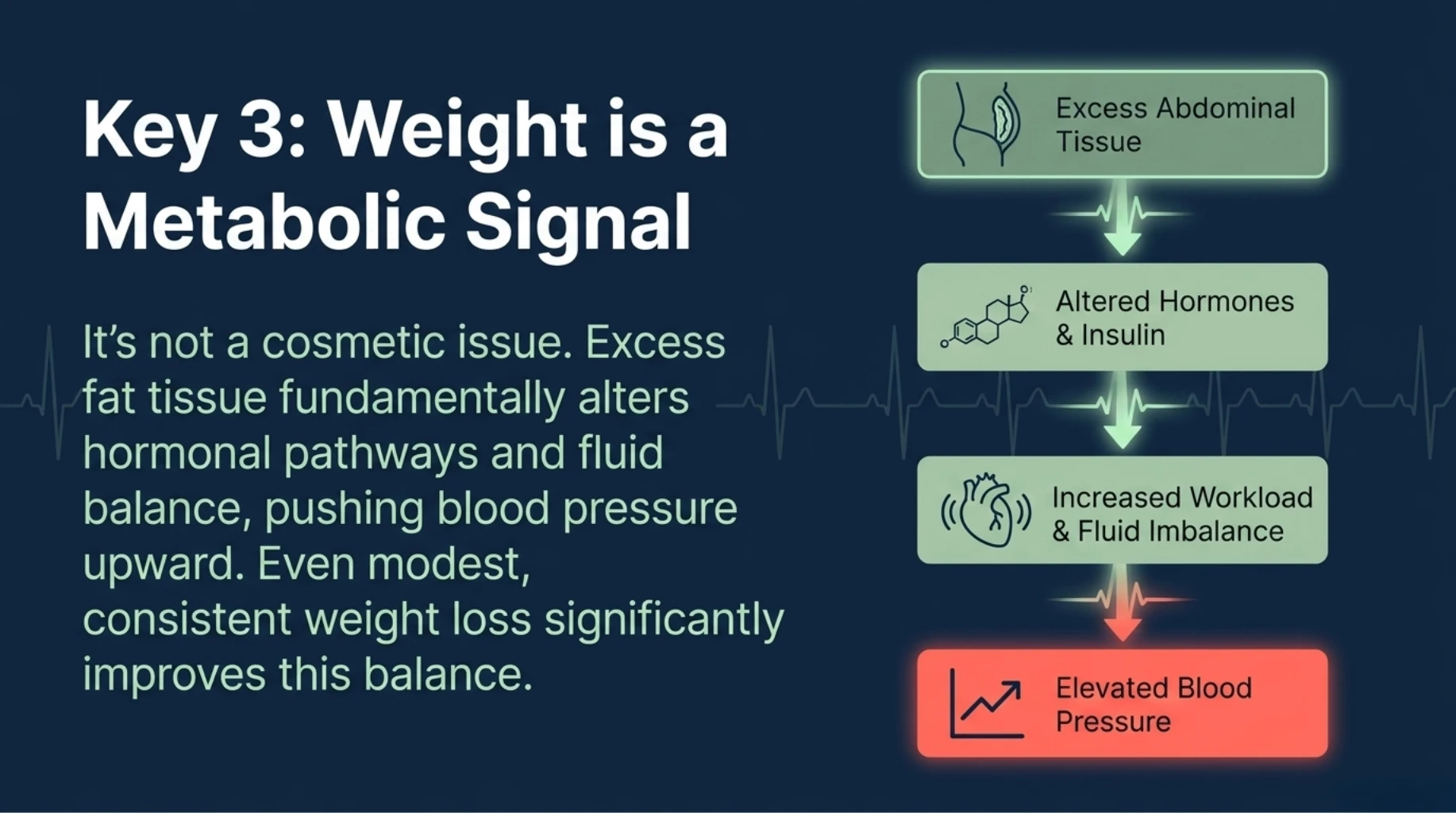
What is encouraging, however, is that even modest weight loss can lead to noticeable improvement. You do not need extreme dieting. Consistent, sustainable changes are far more effective.
Sleep: The Most Ignored Factor in Blood Pressure Control
Sleep is often the most neglected aspect of lifestyle, yet it plays a powerful role in regulating blood pressure.
Under normal conditions, your blood pressure dips during sleep. This gives your cardiovascular system time to recover. But when sleep is inadequate or disturbed, this recovery does not happen properly.
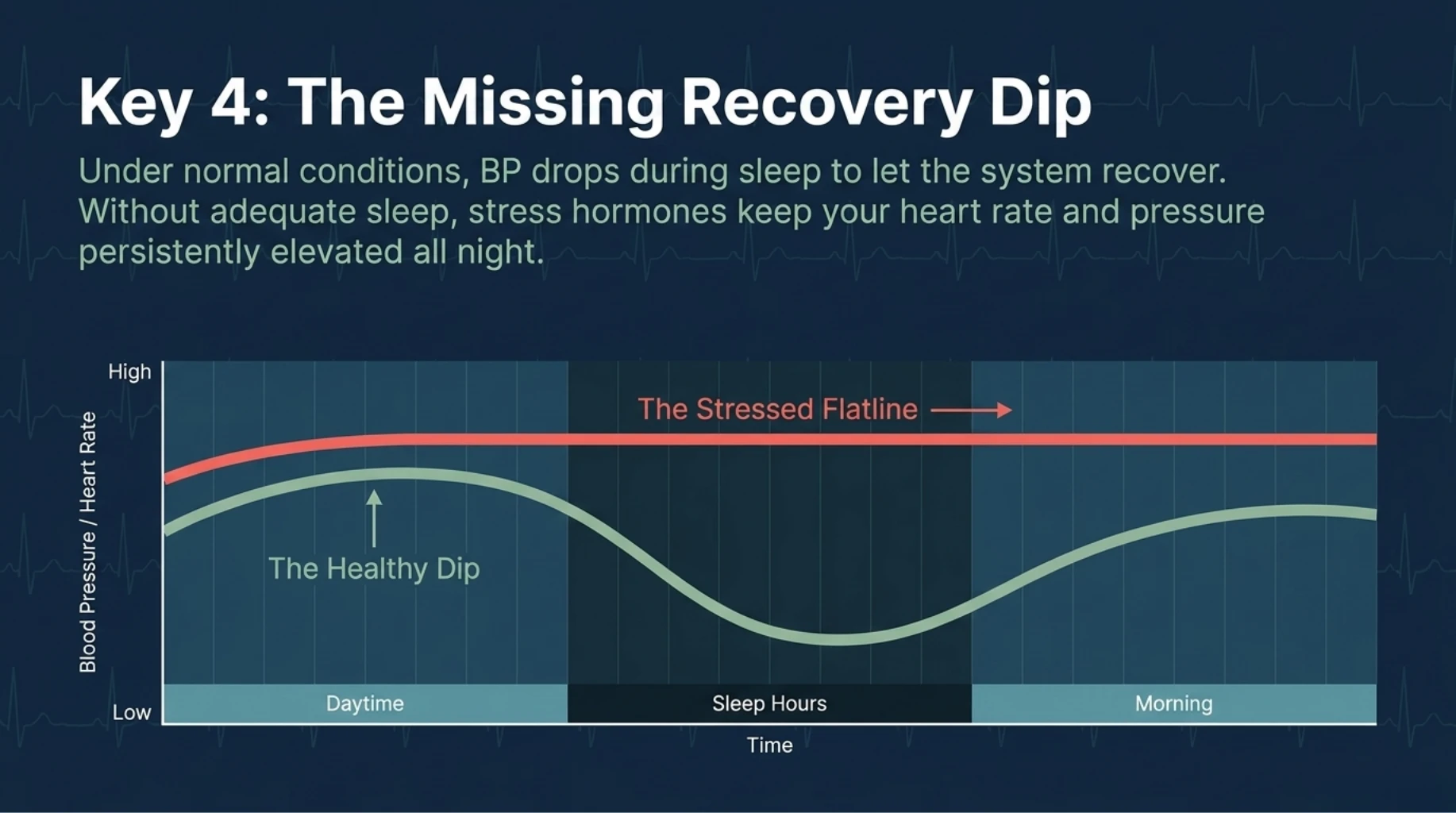
As a result, stress hormones remain elevated, heart rate stays higher, and blood pressure remains persistently raised—even during the night.
This is one of the reasons why some patients have normal readings during the day but elevated readings in early morning measurements.
Stress: The Silent Driver Behind Uncontrolled Blood Pressure
One factor that almost every patient underestimates is stress. Unlike salt or weight, stress is not something you can measure easily, yet its impact on blood pressure is very real.
When you are under continuous stress—whether due to work pressure, financial concerns, or personal issues—your body remains in a state of alert. This leads to repeated release of stress hormones like cortisol and adrenaline.
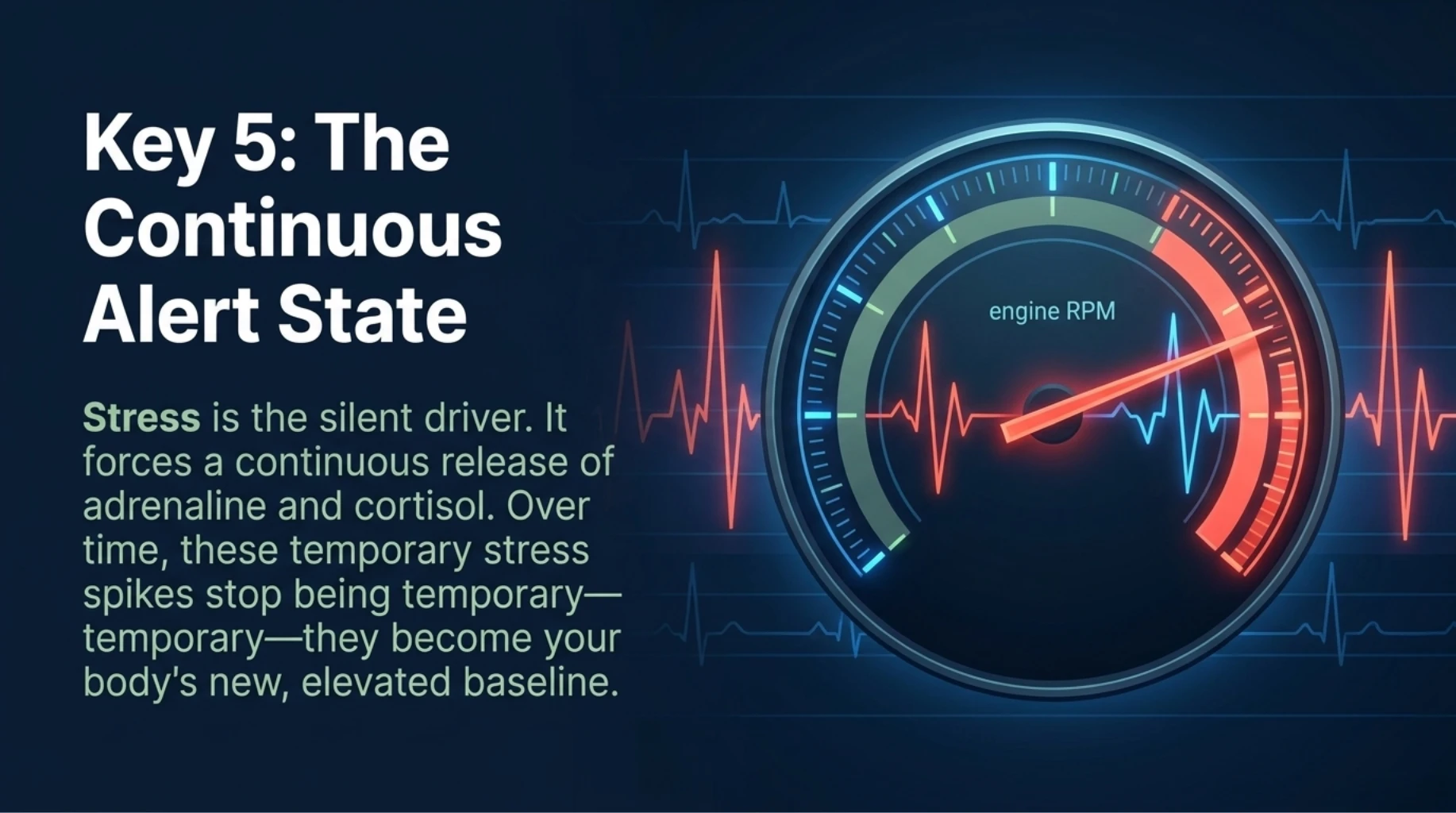
These hormones increase heart rate, tighten blood vessels, and gradually push your blood pressure upward. Over time, this does not remain a temporary response. It becomes a baseline pattern.
What makes it more challenging is that many people get used to this state. They feel it is “normal,” while their body is constantly under strain.
The Role of Sugar and Processed Foods—An Overlooked Link
Most people associate blood pressure only with salt, but sugar and processed foods also play a significant role—often indirectly, but powerfully.
When your diet includes frequent intake of refined carbohydrates, sugary beverages, and packaged snacks, it affects your metabolism in multiple ways. It promotes weight gain, increases insulin resistance, and leads to low-grade inflammation in the body.
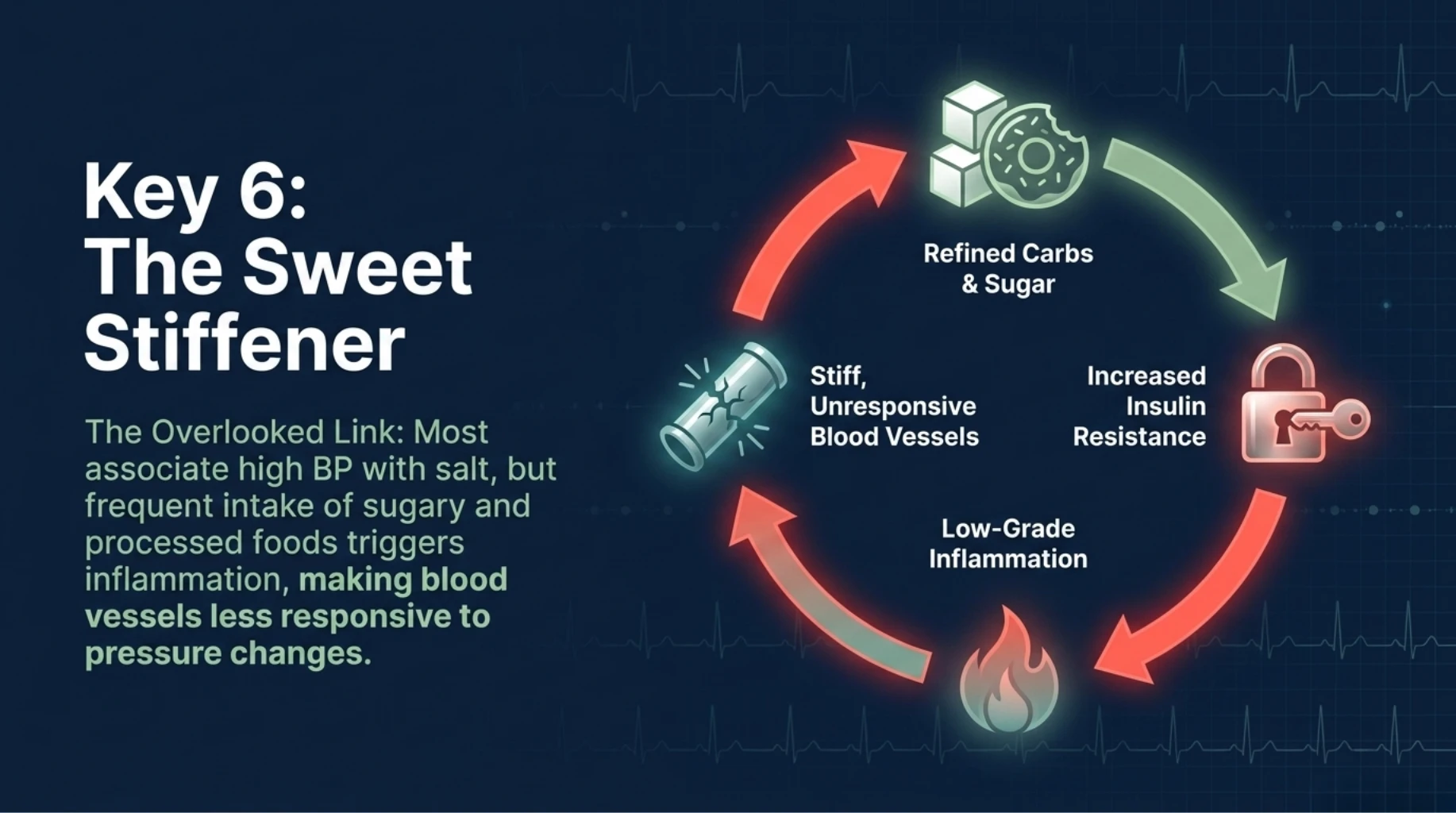
These changes make blood vessels less responsive and more prone to stiffness. As a result, the pressure inside them tends to remain elevated.
This is why patients who reduce only salt but continue high sugar intake often do not see expected improvements.
Alcohol and Smoking: Why Control Becomes Difficult
Alcohol and smoking deserve special attention because their effects are often underestimated or rationalized.
Alcohol may initially seem relaxing, but its long-term impact includes increased blood pressure, weight gain, and disturbed sleep patterns. Similarly, smoking damages the inner lining of blood vessels, making them less flexible and more prone to narrowing.
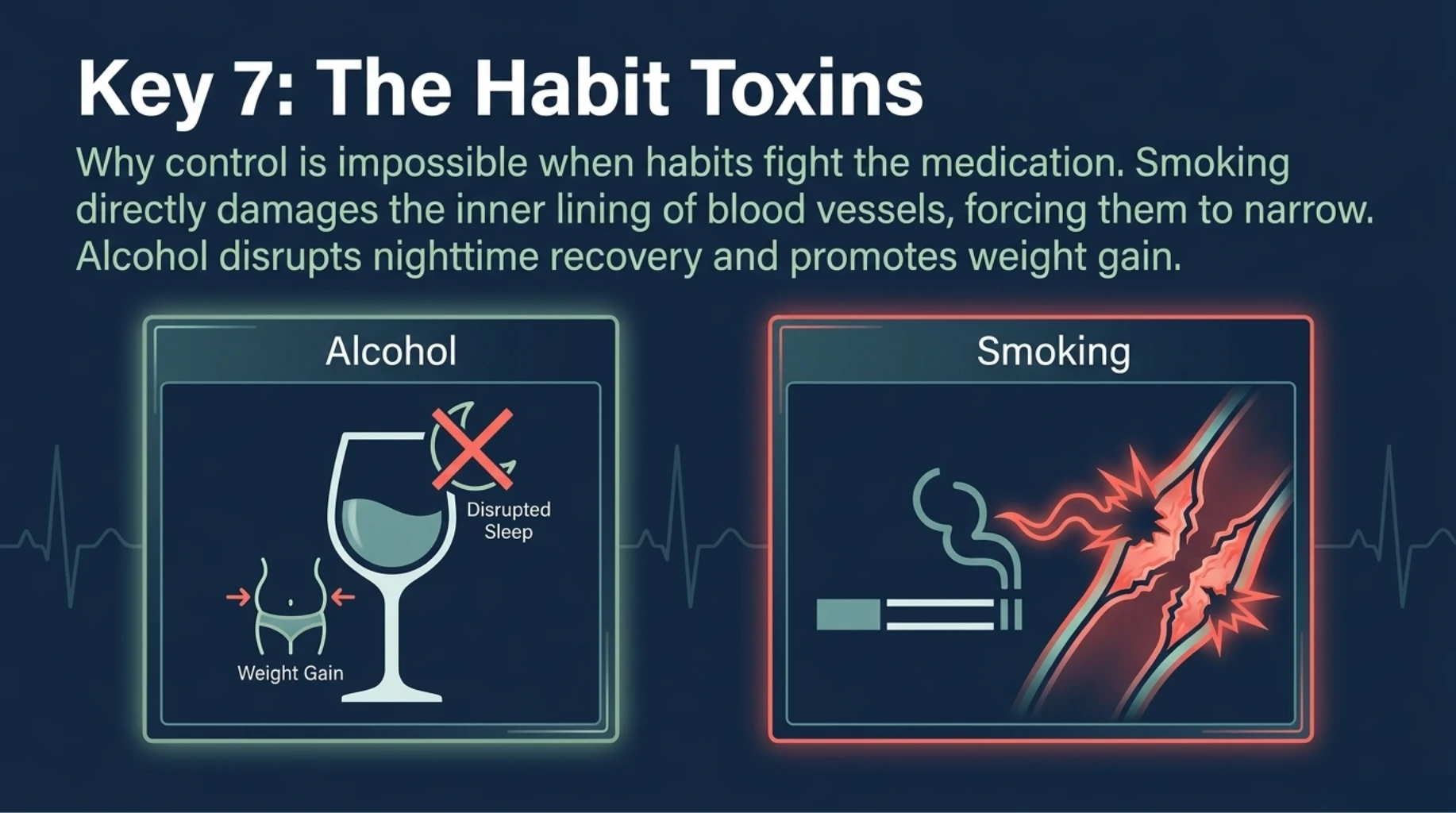
When these habits are present, even the best medical treatment may not achieve stable control. This is why addressing them becomes an essential part of lifestyle changes for blood pressure control.
Why Blood Pressure Fluctuates Despite Medication
A common frustration I hear from patients is, “Doctor, I am taking medicines regularly, but my readings keep changing.”
The reason is simple—blood pressure is dynamic. It responds to what is happening in your body at that moment.
If your lifestyle is inconsistent, your readings will also be inconsistent. For example, a stressful day, poor sleep, high-salt meal, or lack of activity can temporarily push your blood pressure higher.
Medication helps control the baseline, but it cannot completely override these daily fluctuations.
This is why patients sometimes notice normal readings in one setting and elevated readings in another. It is not that the medicine is not working—it is that the lifestyle inputs are constantly changing.
The Real-Life Pattern Seen in Most Patients
When you step back and look at the bigger picture, a clear pattern emerges in many individuals struggling with blood pressure control.
Typically, the day starts in a rush, often without proper breakfast. Work involves long hours of sitting, minimal physical movement, and frequent reliance on tea, coffee, or quick snacks.
Meals may be irregular, sometimes heavy, sometimes skipped. By evening, fatigue sets in, and structured physical activity is often avoided. Sleep is either delayed or disturbed due to screen time or stress.
Individually, each of these may seem minor. But together, they create a metabolic environment where blood pressure gradually rises and becomes difficult to control.
Recognizing When Lifestyle Is the Main Issue
It is important to identify when lifestyle is the primary factor behind uncontrolled blood pressure.
If you notice that your readings are inconsistent, or you require increasing doses of medication over time, it is worth evaluating your daily habits more closely.
Similarly, if you experience persistent fatigue, poor sleep, weight gain, or abdominal fat, these are not isolated issues. They are interconnected signals pointing toward an underlying lifestyle imbalance.
Addressing these factors early can prevent the need for more aggressive medical treatment later.
How to Actually Implement Lifestyle Changes for Blood Pressure Control
At this point, the question is not whether lifestyle matters—you already understand that it does. The real challenge is implementation.
Most people fail not because they lack knowledge, but because they try to change everything at once or follow unrealistic plans. Sustainable blood pressure control requires a structured and practical approach.
Instead of thinking in terms of strict rules, it is better to focus on building consistent daily habits that your body can adapt to over time.
Start with Movement, Not Just Exercise
One of the most effective changes you can make is increasing daily movement. This does not mean you have to spend hours in the gym. What matters more is how active you remain throughout the day.
If your routine involves prolonged sitting, start by interrupting that pattern. Standing up every 30–45 minutes, taking short walks, or even moving around during phone calls can significantly improve blood circulation.
Once this becomes part of your routine, structured exercise can be added gradually. Even a 20–30 minute walk daily can have a meaningful impact when done consistently.
Rethink Your Diet Without Overcomplicating It
Dietary changes are often misunderstood as strict restrictions. In reality, the goal is balance and consistency.
Rather than focusing only on what to avoid, it is more useful to focus on what to include regularly—fresh vegetables, adequate protein, and simple home-cooked meals.
Salt reduction should be gradual and practical. Instead of completely eliminating it, start by reducing processed foods and packaged items, where hidden salt intake is highest.
At the same time, reducing excessive sugar and refined carbohydrates helps improve overall metabolic health, which indirectly supports blood pressure control.
Fix Your Sleep Before It Becomes a Problem
Sleep is often sacrificed in modern routines, but it is one of the most powerful regulators of blood pressure.
If you are sleeping late, using screens before bed, or experiencing disturbed sleep, your body does not get enough time to reset. Over time, this leads to persistent elevation in blood pressure.
Improving sleep does not require complicated techniques. A consistent sleep schedule, reducing screen exposure before bedtime, and allowing your mind to unwind can make a noticeable difference.
Address Stress in a Practical Way
Stress management is often advised but rarely explained properly. The goal is not to eliminate stress—that is not realistic—but to prevent it from becoming continuous.
Short breaks during work, stepping away from screens, or engaging in activities you enjoy can help reduce the intensity of stress.
Even simple habits like walking outdoors or having structured downtime can reset your mental state and reduce the physiological impact of stress on blood pressure.
Consistency Matters More Than Perfection
One of the biggest mistakes people make is expecting immediate results. Lifestyle changes do not work overnight.
Your body takes time to adapt. Blood vessels gradually become more flexible, hormonal balance improves, and blood pressure stabilizes slowly.
This is why consistency matters more than perfection. Missing a day is not the problem—stopping completely is.
Putting It All Together in Real Life
If you combine all these elements, a practical daily structure starts to form naturally.
Your day becomes less about strict rules and more about awareness—moving more, eating better, sleeping on time, and managing stress in a realistic way.
Over weeks and months, these small changes create a cumulative effect. This is when patients start noticing that their readings become more stable, energy levels improve, and dependence on higher medication doses reduces.
Key Take-Home Perspective
Blood pressure is not controlled by a single factor. It is the result of how your body responds to your overall lifestyle.
This is why lifestyle changes for blood pressure control are not optional—they are the foundation of long-term management.
Medicines can support the process, but they cannot replace the impact of daily habits.