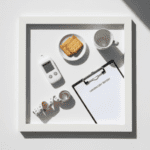


Why Blood Sugar Spikes After Meals
Blood sugar spikes after meals are a normal biological response.
Whenever you eat carbohydrates, your digestive system breaks them down into glucose. That glucose enters your bloodstream. In response, your pancreas releases insulin to move glucose into cells for energy.
However, the problem begins when the rise is too sharp or remains elevated longer than it should.
Repeated blood sugar spikes after meals can:
- Increase insulin demand
- Promote fat storage
- Worsen insulin resistance
- Increase long-term diabetes risk
A 2019 review in Diabetes Care highlighted that post-meal glucose elevations significantly contribute to cardiovascular risk and long-term complications.
So understanding and controlling post-meal spikes is important even if you are not diabetic.

What Is Normal Post-Meal Blood Sugar?
Post-meal blood sugar levels are usually measured 2 hours after eating.
| 2-Hour After Meal Value | Interpretation |
|---|---|
| Below 140 mg/dL | Normal |
| 140-199 mg/dL | Prediabetes range |
| 200 mg/dL or above | Diabetes range |
Many people experience blood sugar spikes after meals reaching 160-180 mg/dL without realizing it. Occasional spikes are common. Frequent or high spikes need attention.
1. Too Many Refined Carbohydrates
Refined carbohydrates digest quickly and raise blood glucose rapidly.
Examples include:
- White rice
- White bread
- Bakery items
- Sugary drinks
- Sweetened tea or coffee
These foods cause rapid carbohydrate spikes because they lack fiber.
A study published in The American Journal of Clinical Nutrition showed that high glycemic index foods lead to sharper post-meal glucose excursions.
If your plate is mostly refined starch, blood sugar spikes after meals are likely.
2. Large Portion Sizes
Even healthy foods can cause high blood sugar after eating if the quantity is excessive.
A large bowl of rice, multiple chapatis, or oversized fruit portions increase total glucose load.
Blood sugar spikes after meals depend not only on food type but also total carbohydrate amount.
Eating slowly and reducing portion size can significantly reduce peak glucose levels.
Small changes often produce measurable improvement.
3. Low Protein and Fiber in the Meal
Protein and fiber slow digestion and reduce glucose absorption speed.
When a meal lacks dal, beans, paneer, curd, vegetables, or salads, carbohydrates absorb rapidly. This leads to a sharp glycemic response.
Research shows that adding protein and fiber reduces post-meal blood sugar levels by slowing gastric emptying. Balanced meals produce smoother glucose curves.
4. Insulin Resistance
Insulin resistance means your cells do not respond properly to insulin. As a result, glucose remains in the bloodstream longer. Insulin resistance can occur even in individuals who are not overweight.
It is common in:
- People with family history of diabetes
- Individuals with abdominal fat
- Sedentary workers
- People with fatty liver
A 2020 review confirmed that insulin resistance is a central factor in exaggerated post-meal glucose spikes.
Repeated blood sugar spikes after meals may be an early sign of metabolic imbalance.
5. Poor Sleep and High Stress
Sleep deprivation increases cortisol levels. Cortisol raises blood sugar.
If you consistently sleep less than 6 hours, your body becomes less insulin sensitive. Stress hormones also increase glucose release from the liver.
Urban lifestyles with late nights and work pressure contribute significantly.
6. Sedentary Lifestyle
Muscles use glucose for energy. If you sit immediately after meals, glucose uptake is reduced.
Even a 10 to 15 minute walk after eating significantly lowers glucose levels. A study in Diabetologia showed that short post-meal walking improves glycemic control.
Movement matters more than most people realize.
7. Hidden Sugars
Many packaged foods contain added sugar.
Examples include:
- Breakfast cereals
- Flavored yogurt
- Sauces
- Packaged juices
- Protein bars
Even “healthy” products may contain high sugar load. Reading labels becomes important.
Common Indian Meal Mistakes That Cause Sugar Spikes
Here are patterns frequently seen:
- Large rice portion with minimal vegetables
- Chapati with potato-heavy sabzi
- Fruit juice instead of whole fruit
- Sweet tea multiple times daily
- Dessert immediately after meal
These habits may not cause immediate symptoms but can produce repeated glucose surges over time.
How to Prevent Blood Sugar Spikes After Meals
The goal is not to eliminate carbohydrates completely. The goal is to slow glucose absorption and improve insulin response.
Here is a practical prevention strategy.
1. Use the Smart Plate Method
• 50 percent vegetables (fiber rich)
• 25 percent protein (dal, paneer, curd, eggs, fish, chicken)
• 25 percent whole grains or controlled rice portion
• Add healthy fats in moderation
This reduces glycemic response significantly.
2. Eat Carbohydrates Last
Starting the meal with vegetables and protein lowers peak glucose rise. Studies show meal sequencing improves post-meal glucose control.
3. Walk for 10-15 Minutes After Eating
Light activity increases muscle glucose uptake. You do not need intense exercise. A simple walk works.
4. Improve Sleep
Consistent 7 hours of sleep improves insulin sensitivity. Sleep hygiene is often underestimated in glucose control.
5. Avoid Liquid Calories
Sugary beverages cause rapid carbohydrate spikes. Whole fruit is better than juice.
6. Monitor Occasionally
If you have family history of diabetes or prediabetes, checking post-meal blood sugar levels occasionally helps early detection.
When Should You Be Concerned?
Seek medical evaluation if:
- 2-hour post-meal glucose repeatedly above 140 mg/dL
- Fasting glucose above 100 mg/dL
- HbA1c above 5.7 percent
- You experience excessive thirst or frequent urination
Early correction prevents progression to diabetes. Repeated blood sugar spikes after meals over years can contribute to vascular damage.
Final Thought
Blood sugar spikes after meals are common, but frequent and high spikes are not normal.
They are often early warning signs of insulin resistance.
Simple dietary structure, portion control, walking after meals, and good sleep can dramatically improve glucose levels.
Prevention is easier than treatment.
References
- Postprandial glucose and cardiovascular risk review
- High glycemic index foods and glucose spikes study
- Protein and fiber impact on glucose response
- Insulin resistance and metabolic imbalance review
- Meal sequencing and glucose control study
Disclaimer: This article is for educational purposes only and does not replace professional medical advice.