
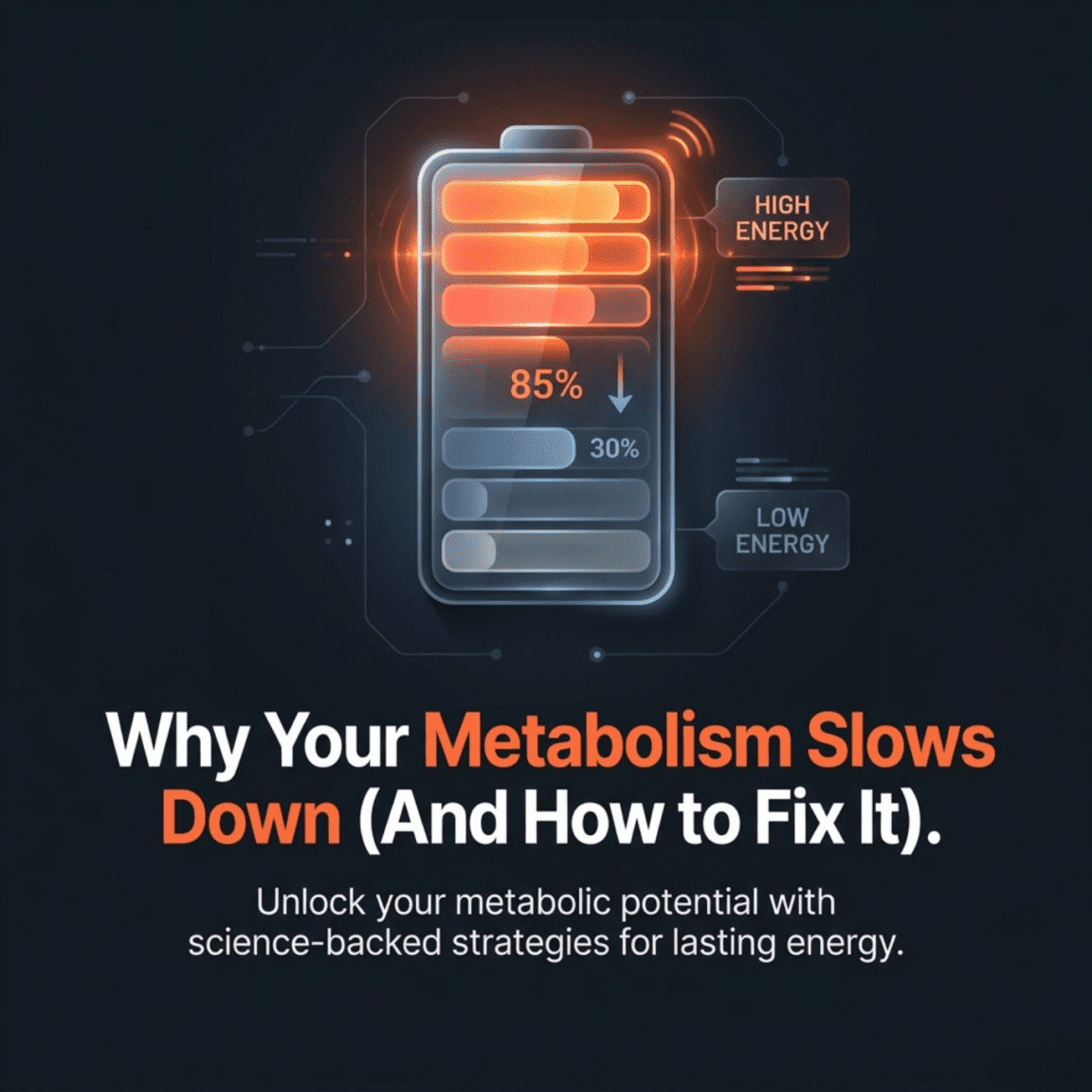
Why Metabolism Slows Down With Age Is a Common Concern
If you have ever wondered why metabolism slows down with age, you are not alone. Many people notice that weight becomes harder to manage as they grow older, even if their eating habits remain similar.
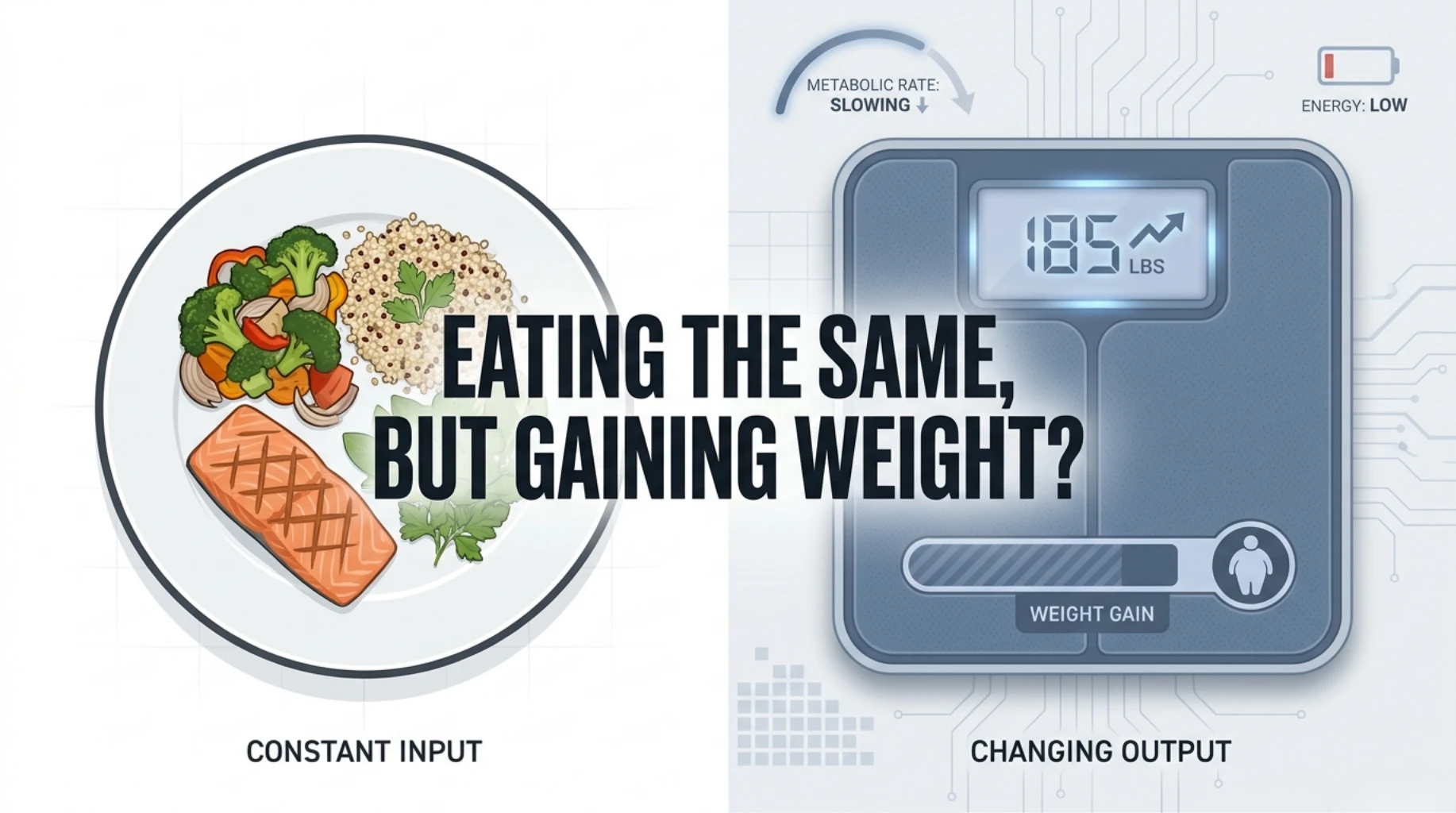
This change can feel frustrating. You may be eating the same foods, maintaining similar routines, and yet your body responds differently.
The reason is that metabolism is not fixed. It evolves over time due to changes in muscle mass, hormones, activity levels, and cellular function.
For more lifestyle insights: explore lifestyle section.
How Metabolism Actually Works in the Body
To understand why metabolism slows down with age, it is important to know what metabolism means.
Metabolism refers to all the processes by which your body converts food into energy.
This includes:
- Basal metabolic rate (energy used at rest)
- Energy used during physical activity
- Energy used to digest food
A study highlights that metabolic rate is influenced by multiple factors including body composition and activity levels.
As these factors change with age, metabolism naturally slows down.
7 Real Reasons Why Metabolism Slows Down With Age
To fully understand why metabolism slows down with age, it is important to look at the key biological and lifestyle changes that happen over time.
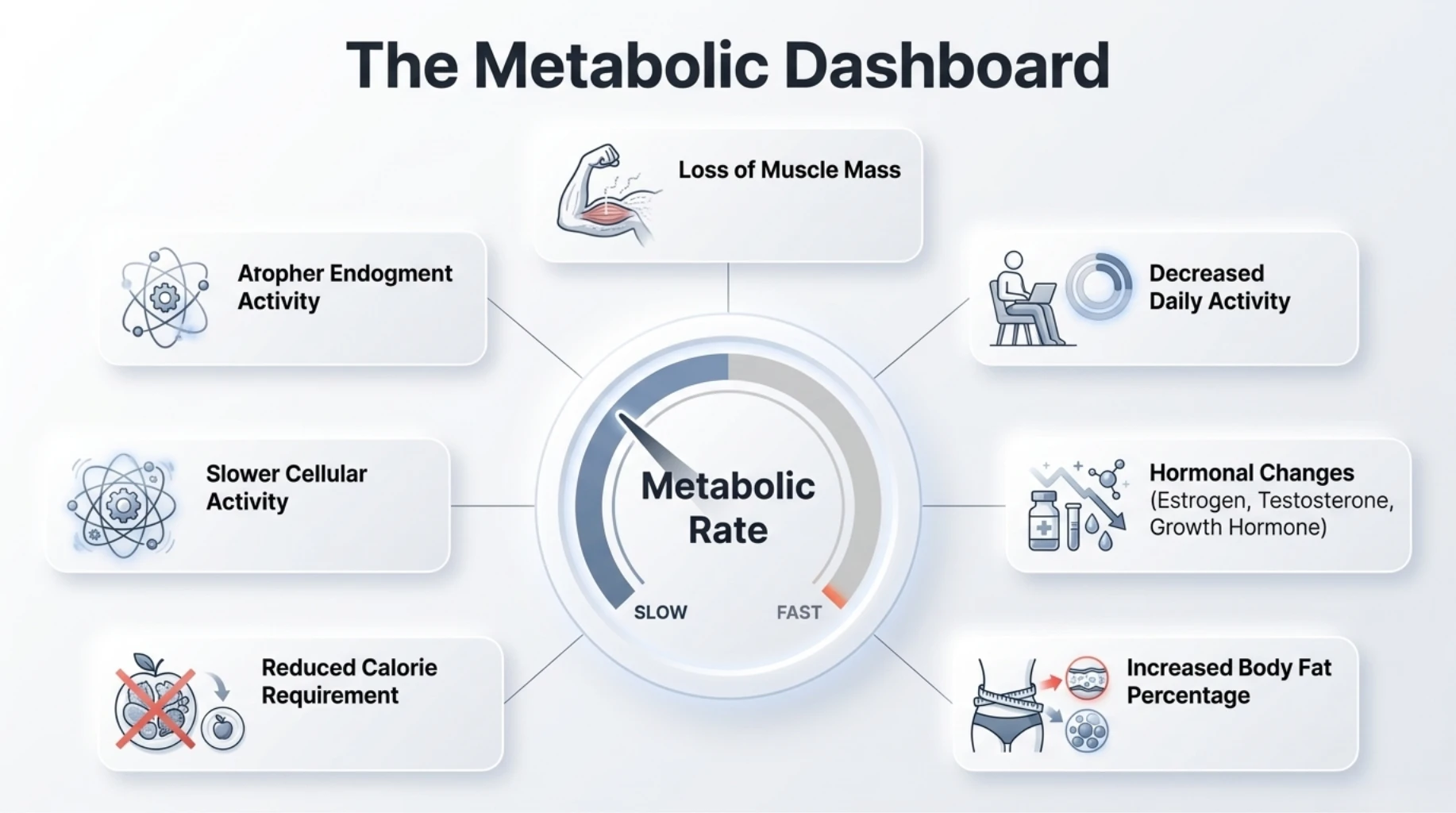
1. Loss of Muscle Mass (Sarcopenia)
Muscle tissue burns more calories than fat, even at rest. As you age, muscle mass gradually decreases if not actively maintained.
This directly lowers your basal metabolic rate, meaning your body burns fewer calories throughout the day.
A study highlights that age-related muscle loss significantly contributes to metabolic slowdown.
2. Hormonal Changes
Hormones regulate metabolism, and their levels change with age.
Key hormonal shifts include:
- Reduced growth hormone
- Changes in thyroid function
- Decline in sex hormones like estrogen and testosterone
These changes can slow down energy use and promote fat accumulation.
3. Increased Fat Distribution
Another reason why metabolism slows down with age is the shift in body fat distribution.
Fat tends to accumulate more around the abdomen, which is metabolically less active compared to muscle.
A study shows that changes in fat distribution are closely linked to metabolic health.
4. Reduced Physical Activity
With age, many people become less physically active due to work patterns, lifestyle, or reduced energy levels.
Lower activity means:
- Fewer calories burned
- Reduced muscle stimulation
- Lower overall metabolic rate
5. Changes in Cellular Efficiency
At the cellular level, energy production becomes less efficient over time.
Mitochondria, which generate energy, may not function as effectively as they did in younger years.
A study highlights that cellular aging affects metabolic processes and energy utilization.
6. Poor Sleep Patterns
Sleep quality often declines with age, which can disrupt metabolic hormones.
Poor sleep affects:
- Insulin sensitivity
- Appetite regulation
- Energy balance
This indirectly contributes to metabolic slowdown.
7. Lifestyle Patterns and Stress
Chronic stress and irregular routines also play a major role in why metabolism slows down with age.
Stress increases cortisol levels, which can promote fat storage and reduce metabolic efficiency.
Real-Life Patterns You May Notice
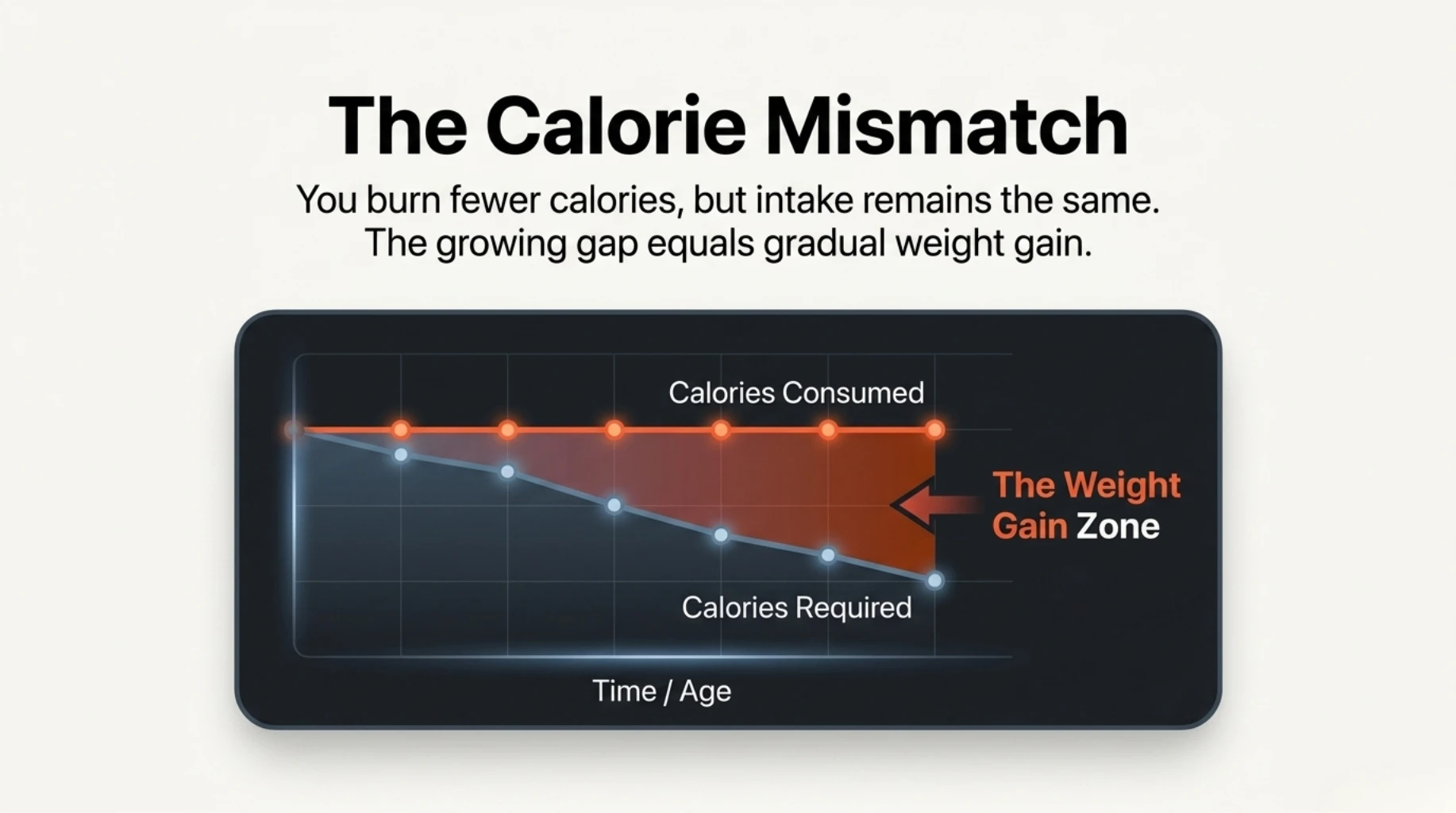
These biological changes often appear in daily life as:
- Weight gain despite similar eating habits
- Increased abdominal fat
- Reduced energy levels
- Difficulty losing weight
Metabolism Then vs Now
| Factor | Younger Age | Later Age |
|---|---|---|
| Muscle Mass | Higher | Lower |
| Hormonal Balance | Stable | Variable |
| Activity Level | Higher | Often lower |
This comparison shows why metabolism changes gradually rather than suddenly.
What You Can Do to Maintain a Healthy Metabolism
Understanding why metabolism slows down with age is useful only when you apply the right strategies. The goal is not to stop aging, but to slow down metabolic decline through consistent lifestyle habits.
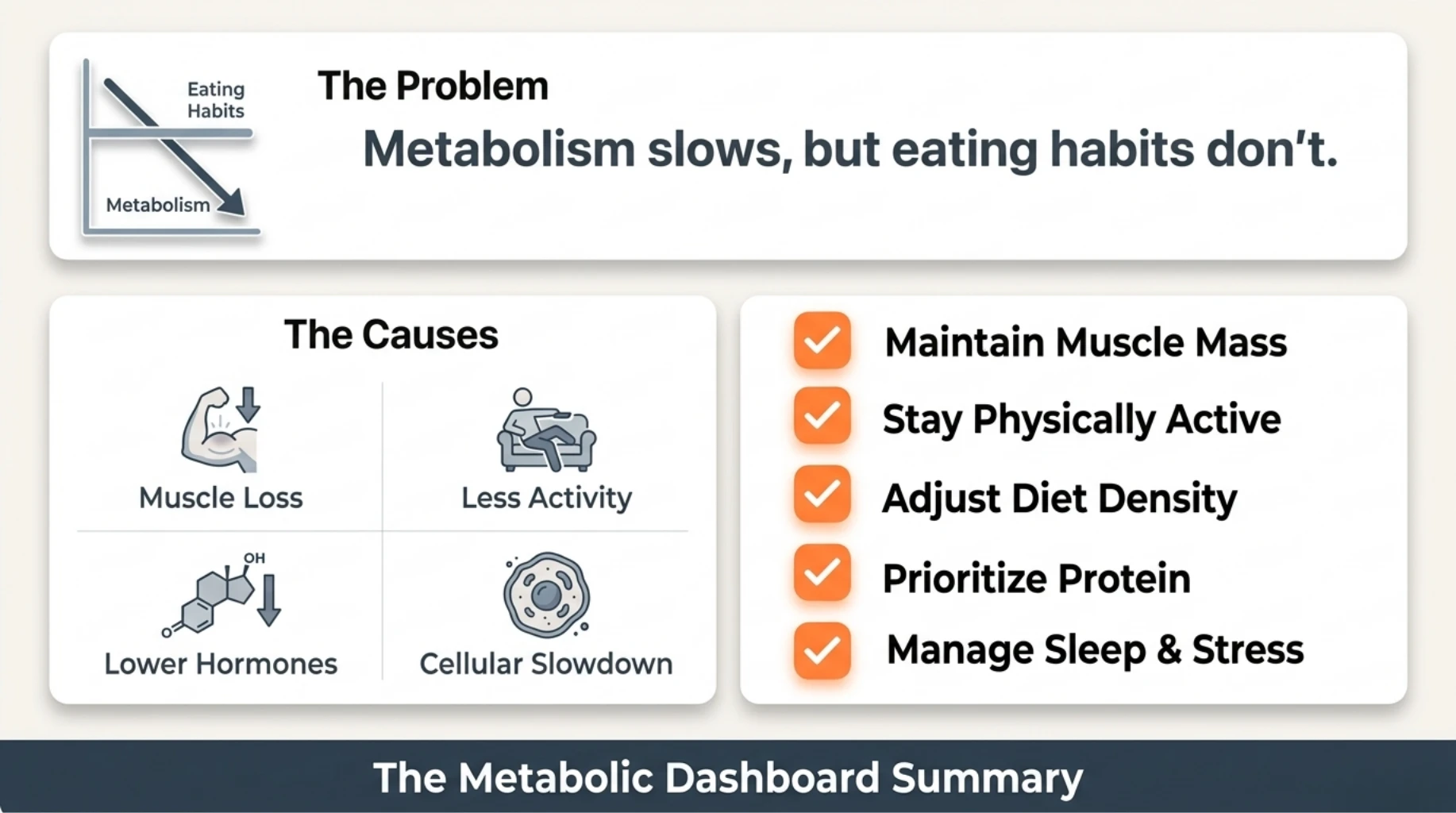
In real-life practice, small but consistent changes make the biggest difference.
- Focus on strength training: Helps preserve and build muscle mass
- Stay physically active: Avoid long periods of sitting
- Improve sleep quality: Maintain a regular sleep schedule
- Manage stress levels: Practice relaxation techniques
- Maintain balanced nutrition: Include protein, fiber, and healthy fats
- Follow consistent meal timing: Supports metabolic rhythm
- Stay hydrated: Supports overall metabolic processes
For personalized consultation: Consultation Link.
Warning Signs of Slowing Metabolism
While some metabolic slowdown is natural, certain signs may indicate a need for medical evaluation:
- Sudden unexplained weight gain
- Persistent fatigue
- Difficulty losing weight despite efforts
- Changes in appetite or energy levels
- Abnormal blood sugar or lipid levels
Key Takeaway
Why metabolism slows down with age is mainly due to muscle loss, hormonal changes, reduced activity, and cellular aging. By maintaining an active lifestyle, good sleep, and balanced nutrition, you can slow this process and protect long-term health.
References
- Metabolism and aging study
- Muscle loss research
- Fat distribution study
- Cellular metabolism research
- Clinical overview
Take the Next Step
This information is for educational purposes only and should not replace professional medical advice. Always consult a qualified doctor for personalized care.