


“Doctor, I eat healthy during weekdays, but weekends are completely different. Can that really affect my health?”
The answer is often yes.
Many people work hard to maintain healthy routines from Monday to Friday but completely change their lifestyle during weekends. Sleeping late, waking up at noon, eating heavy meals, skipping exercise, ordering outside food, and spending long hours watching screens have become normal weekend habits for many adults.
Although these changes may seem harmless because they happen only once or twice a week, the body does not operate according to our calendar. Metabolism responds to biological rhythms, consistency, and repeated behaviors rather than weekdays and weekends.

Understanding weekend habits and metabolism is important because even short-term disruptions in sleep, eating patterns, and physical activity can influence energy balance, appetite regulation, insulin sensitivity, and recovery during the entire week.
Why the Body Prefers Consistency
The human body functions according to internal biological clocks known as circadian rhythms.
These rhythms influence: sleep quality, hormone release, digestion, appetite control, blood sugar regulation, and energy production.
When daily routines remain relatively consistent, these systems work efficiently together. However, major differences between weekday and weekend schedules can confuse these biological rhythms.
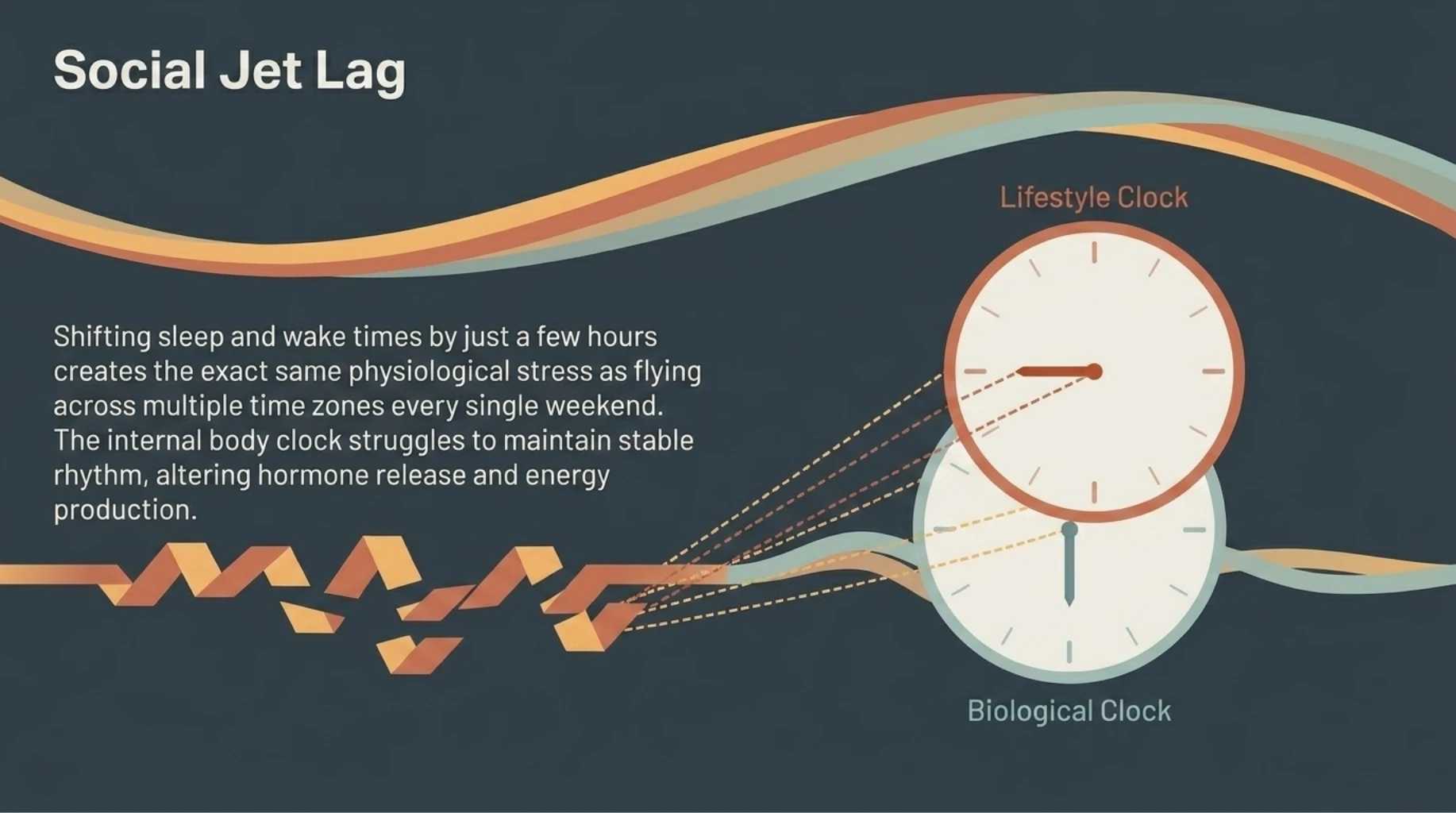
Researchers sometimes describe this phenomenon as “social jet lag,” where the body experiences a mismatch between natural biological timing and lifestyle behavior.
Over time, these repeated disruptions may contribute to metabolic imbalance.
How Weekend Sleep Patterns Affect Metabolism
One of the biggest differences between weekdays and weekends is sleep timing.
Many individuals stay awake much later on weekends and attempt to compensate by sleeping longer the following morning.
While extra sleep may provide some short-term recovery, constantly shifting sleep schedules can disturb circadian rhythm.
This affects: insulin sensitivity, appetite hormones, energy levels, and overall metabolic efficiency.
People often notice that Monday mornings feel unusually difficult, not simply because of work, but because their internal body clock has been disrupted over the weekend.
The Problem with Weekend Overeating
Weekends are often associated with celebrations, restaurant meals, takeaways, desserts, and larger portion sizes.
Occasional enjoyment is completely normal and part of a balanced lifestyle. The issue arises when weekends consistently become periods of excessive eating.
Heavy meals, sugary drinks, processed foods, and late-night snacking place additional stress on the digestive and metabolic systems.
When this pattern repeats every week, it may gradually contribute to weight gain, insulin resistance, and poor appetite regulation.
The body remembers repeated habits, even if they occur only on weekends.
Why Physical Activity Often Declines on Weekends
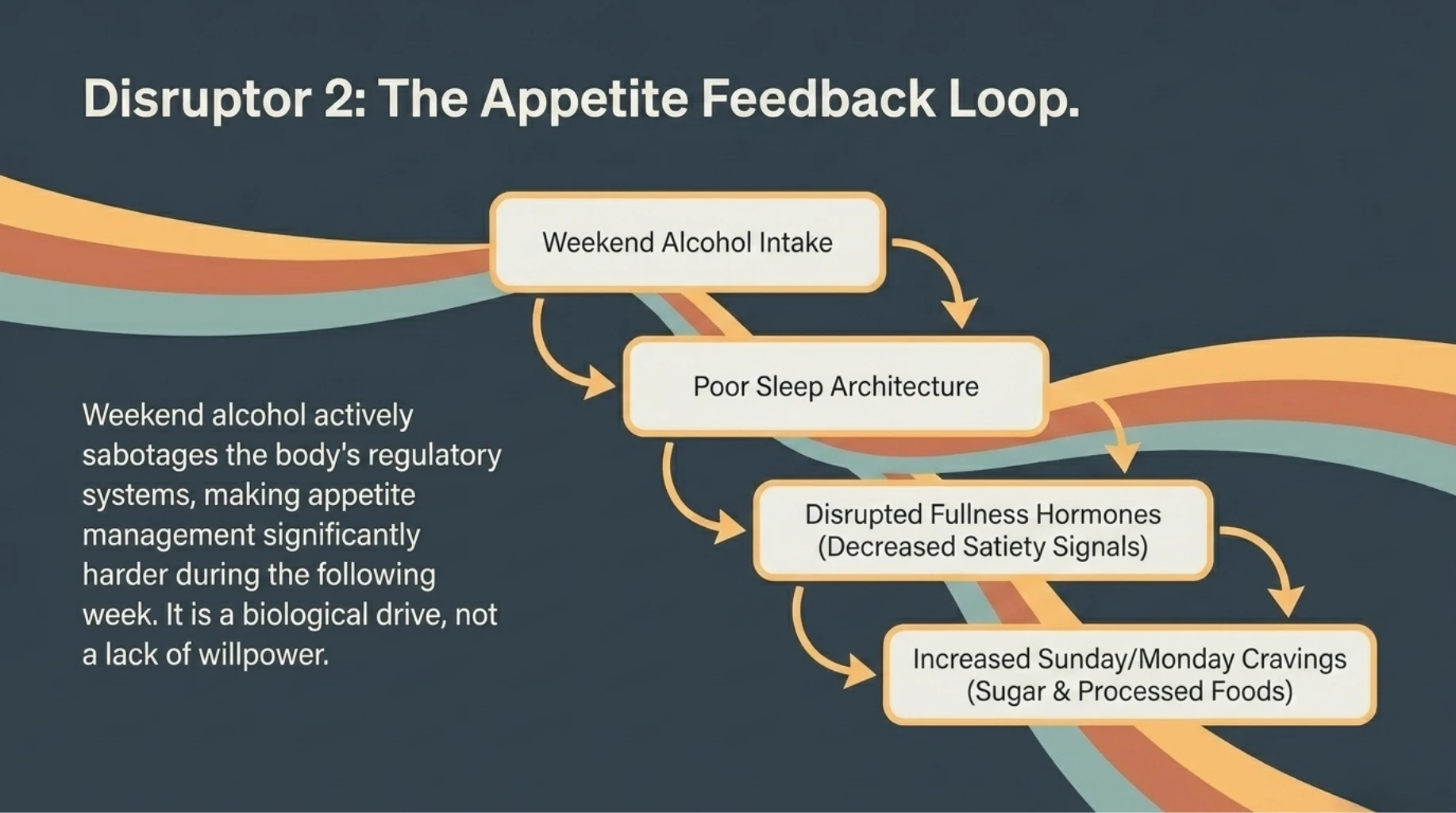
Ironically, weekends provide more free time, yet many people become less physically active.
Long hours of screen time, social gatherings, and extended periods of sitting often replace the movement that naturally occurs during working days.
Reduced physical activity means fewer calories are utilized, lower muscle activation, and poorer glucose handling.
When combined with increased food intake, this creates a metabolic environment that encourages fat storage rather than energy utilization.
How Late-Night Eating Influences the Entire Week
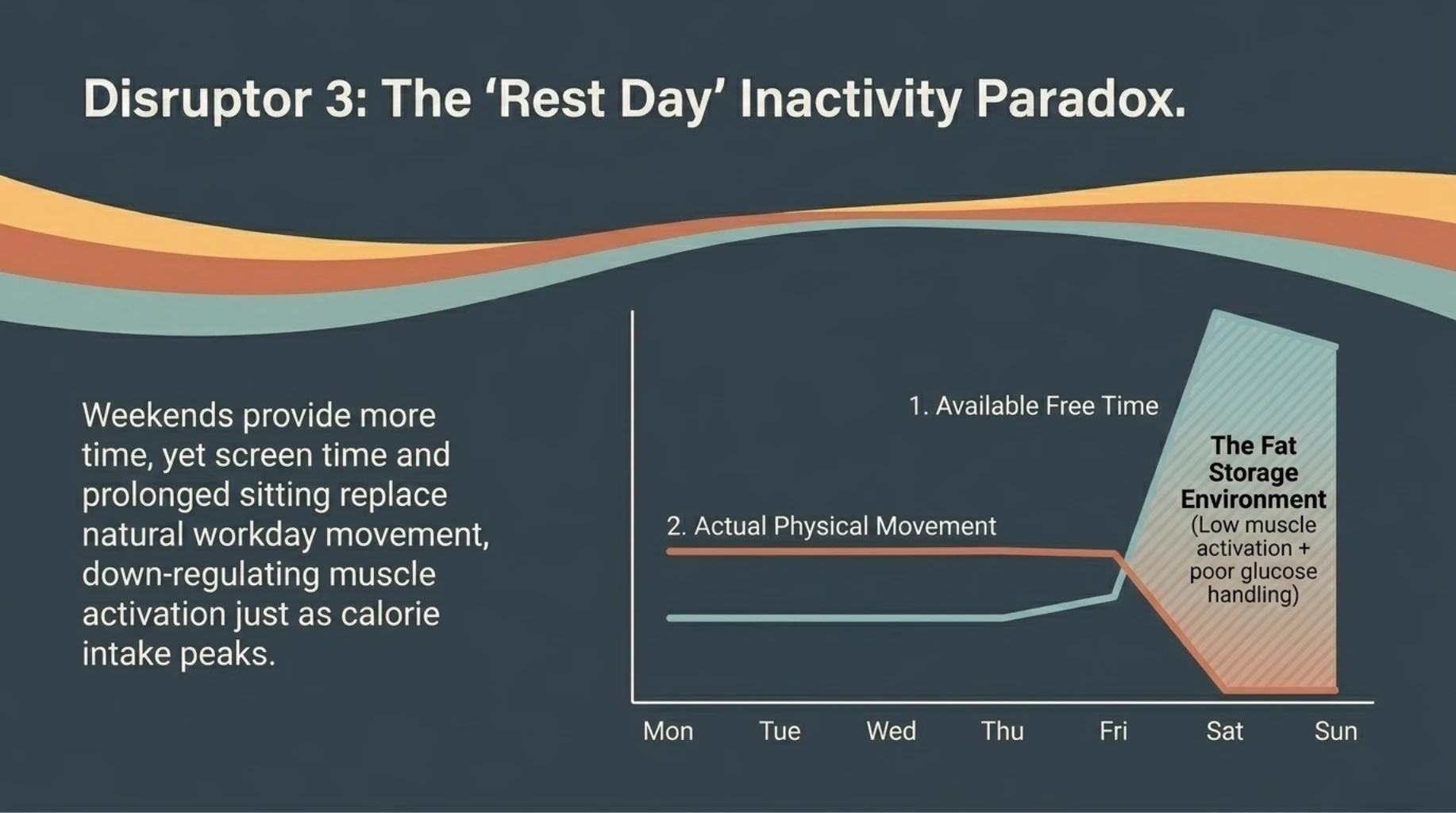
Late-night dinners and weekend parties frequently push eating schedules far beyond normal routines.
The body is naturally less efficient at handling large meals late at night because digestion and metabolic activity slow down as bedtime approaches.
This can contribute to: acid reflux, poor sleep quality, bloating, unstable blood sugar, and increased fat accumulation.
Many people begin the new week already feeling sluggish because their recovery processes were disrupted during the weekend.
Why Small Weekend Habits Add Up Over Time
People often underestimate the cumulative effect of weekly behaviors.
A few extra hours of lost sleep, several large meals, reduced movement, and excessive screen time may not cause immediate problems. However, repeating these patterns every weekend for years creates a significant metabolic burden.
This is why weekend habits and metabolism are more closely connected than most people realize.
Understanding Social Jet Lag and Metabolic Health
Most people have heard about jet lag after long-distance travel, but few realize that a similar effect can happen every weekend.
When sleep and wake timings shift significantly between weekdays and weekends, the body’s internal clock struggles to maintain a stable rhythm.
This phenomenon is often referred to as social jet lag.
Although no physical travel occurs, the body experiences a mismatch between its biological timing and actual lifestyle behavior.
Over time, this repeated disruption may affect sleep quality, appetite regulation, insulin sensitivity, and overall energy balance.
This is one of the reasons why weekend habits and metabolism are closely interconnected.
How Weekend Indulgence Affects Appetite Hormones
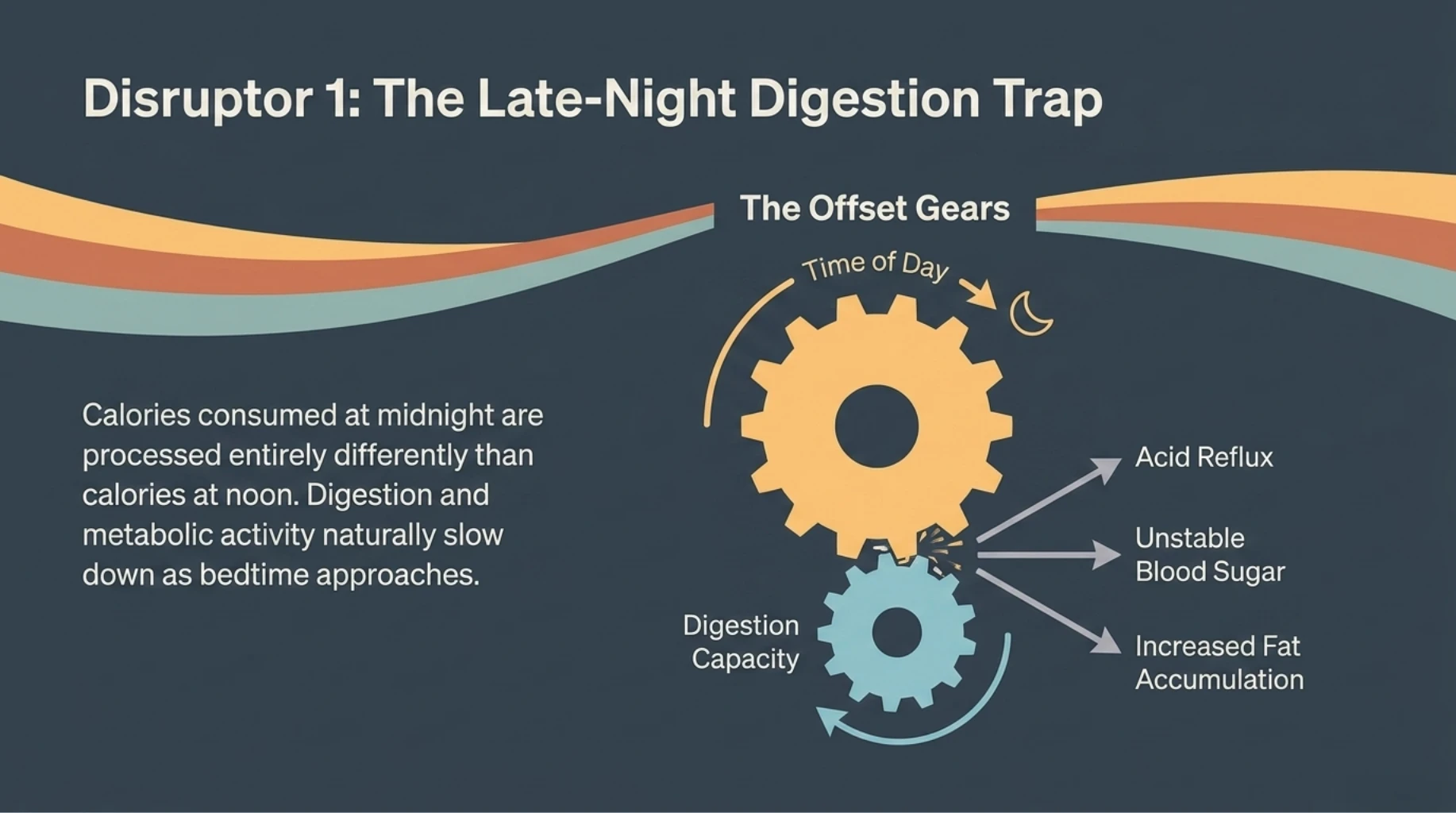
The body relies on multiple hormones to regulate hunger and fullness. When sleep patterns change, meals become irregular, and highly processed foods are consumed in larger quantities, these hormonal signals may become less efficient.
Many people notice that after a weekend of overeating, they feel hungrier, crave sugary foods, or struggle with appetite control during the following week.
This is not necessarily a lack of willpower. The body’s regulatory systems are simply trying to readjust after several days of disruption.
Consistent routines often make appetite management much easier than constantly switching between strict weekdays and indulgent weekends.
The Hidden Impact of Weekend Alcohol Consumption
For many adults, weekends are associated with social drinking. Occasional alcohol consumption is a personal choice, but frequent or excessive intake can influence metabolism in several ways.
Alcohol may affect sleep quality, appetite regulation, liver health, and food choices. Many individuals also consume calorie-dense snacks alongside alcoholic beverages, further increasing energy intake.
When this pattern becomes a weekly routine, it may contribute to weight gain and broader metabolic concerns over time.
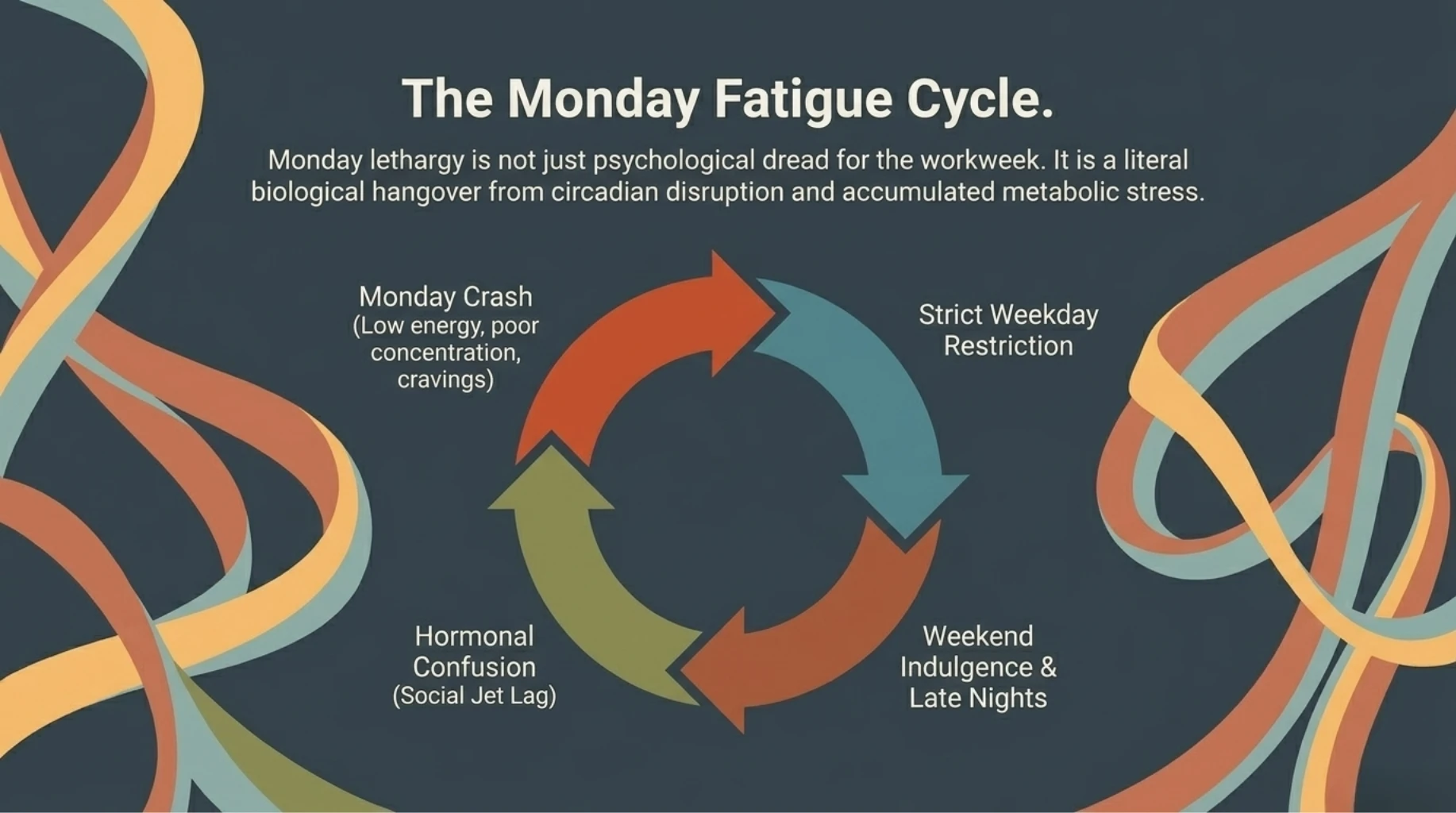
Why Monday Fatigue Is Often More Than Mental
Feeling tired on Monday mornings is commonly viewed as a psychological response to returning to work. However, biology also plays an important role.
Late nights, disrupted sleep schedules, heavy meals, and reduced physical activity can leave the body metabolically unprepared for the demands of a new week.
Many people experience: low energy, poor concentration, cravings, digestive discomfort, and reduced motivation on Mondays.
These symptoms often reflect a combination of circadian disruption and metabolic stress accumulated during the weekend.
How Weekend Eating Patterns Influence Weight Management
Some individuals maintain disciplined eating habits during the week but relax their routines significantly on weekends.
While occasional flexibility is healthy, repeated cycles of restriction and overindulgence can make weight management more challenging.
Research suggests that even modest calorie surpluses repeated every weekend may gradually contribute to long-term weight gain.
Because the process is slow, many people do not realize how strongly weekend behaviors influence their overall progress.
Sustainable habits generally work better than extreme differences between weekdays and weekends.
The Real-Life Pattern Seen in Many Working Professionals
In clinical practice, the pattern is remarkably common. During weekdays, a person follows relatively structured routines. Meals are scheduled, activity levels are reasonable, and sleep timing remains fairly consistent.
On weekends, everything changes. Late-night movies, restaurant meals, extended sleeping hours, social gatherings, and reduced movement become the norm.
By Monday, the individual feels sluggish, experiences stronger cravings, and struggles to return to healthy routines.
Over months and years, this weekly cycle may gradually influence body weight, metabolic health, and energy levels.
Why Younger Adults Are Increasingly Affected
Modern social culture often encourages dramatic differences between weekday and weekend lifestyles.
Younger adults frequently experience irregular sleep patterns, late-night eating, prolonged screen exposure, and social activities that extend well beyond normal biological rhythms.
Because these habits begin early in life, their long-term effects on metabolism may accumulate for decades.
This is one reason metabolic conditions such as obesity, insulin resistance, and fatty liver are increasingly being seen in younger age groups.
Why the Body Values Rhythm More Than Perfection
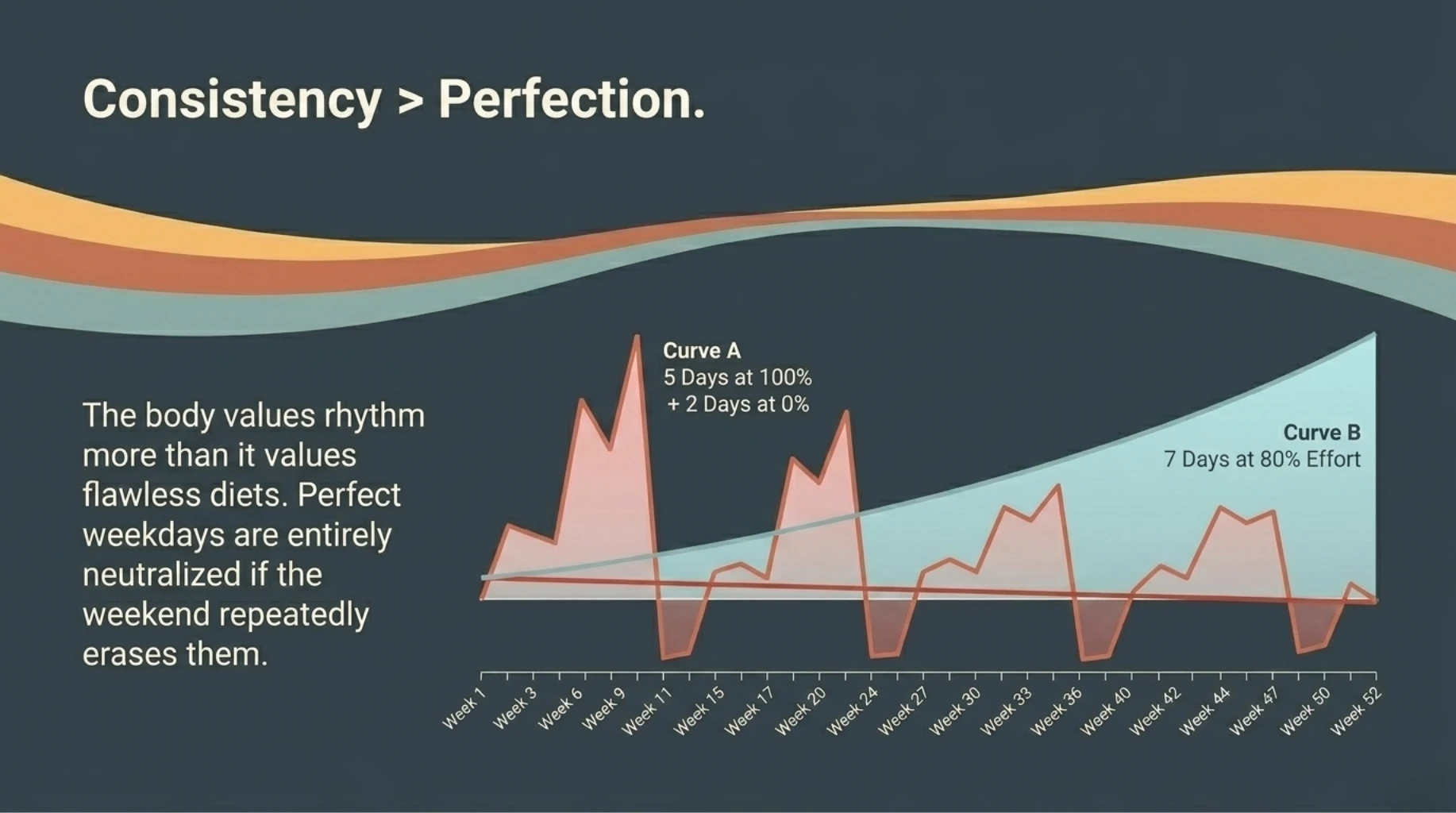
The human body is remarkably adaptable, but it thrives on consistency. Perfect eating or exercise habits are not necessary for good health. What matters more is maintaining a relatively stable rhythm that supports sleep, digestion, movement, and recovery.
Small but consistent behaviors often produce better long-term outcomes than extreme fluctuations between discipline and indulgence.
How to Enjoy Weekends Without Disrupting Your Metabolism
The solution is not to make weekends feel like weekdays or to avoid social activities completely.
Healthy living should be practical, enjoyable, and sustainable. The goal is to create flexibility without completely abandoning the habits that support long-term metabolic health.
Small, consistent choices often matter more than strict rules.
Try to Maintain a Similar Sleep Schedule
One of the best things you can do for your metabolism is to keep your sleep and wake timings reasonably consistent throughout the week.
Sleeping an extra hour or two on weekends is usually not a problem, but dramatic shifts in bedtime and waking time can confuse the body’s internal clock.
Maintaining a regular rhythm supports: appetite regulation, energy production, insulin sensitivity, hormonal balance, and mental well-being.
Consistency helps the body prepare for the week ahead instead of constantly readjusting every Monday.
Make Social Meals More Balanced
Weekend outings and family gatherings are an important part of life, and there is no need to avoid them. However, simple choices can reduce their metabolic impact.
Including adequate protein, vegetables, and fiber-rich foods alongside favorite dishes often improves satiety and helps prevent excessive overeating.
The objective is balance rather than restriction. Enjoying food without turning every weekend into a cheat period is usually a more sustainable approach.
Stay Physically Active Even During Rest Days
Weekends should provide rest, but rest does not always mean complete inactivity. Light physical activity such as walking, cycling, playing with children, gardening, yoga, or recreational sports helps maintain metabolic function without feeling like structured exercise.
Movement improves glucose utilization, supports digestion, and helps offset some of the effects of heavier meals or longer sitting periods.
Keeping the body active during weekends often makes it easier to feel energized during the following week.
Avoid Turning Late Nights Into a Weekly Routine
Occasional celebrations are a normal part of life, but repeated late-night routines every weekend can gradually disturb sleep quality and metabolic health.
Late dinners, prolonged screen exposure, and sleeping well past midnight affect the body’s natural recovery processes.
Many individuals notice that when they maintain healthier evening routines, Monday mornings become significantly easier and energy levels remain more stable throughout the week.
Why Consistency Beats Perfection
One of the biggest mistakes people make is following extremely strict habits during weekdays and completely abandoning them on weekends. This cycle often creates feelings of guilt, frustration, and inconsistency.
The body responds better to moderate, sustainable routines than dramatic fluctuations. Healthy eating, regular movement, and adequate sleep do not need to be perfect every day. They simply need to be consistent enough to support long-term health.
The Importance of Recovery Beyond Sleep
Weekends should also be viewed as an opportunity for mental and emotional recovery. Spending time outdoors, connecting with family, engaging in hobbies, reducing digital overload, and allowing the mind to relax are equally important aspects of health.
True recovery involves more than simply sleeping longer or avoiding work. When stress levels decrease, the body often regulates appetite, energy, and metabolism more effectively.
Building Weekend Habits That Support Long-Term Health
Small weekend habits can create powerful long-term effects.
Simple practices such as: maintaining regular meal timings, staying active, sleeping consistently, limiting excessive processed foods, and managing stress
help protect metabolic health throughout the year. These changes do not require major sacrifices. Instead, they encourage a healthier relationship between enjoyment and routine.
Putting Everything Into Perspective
The body does not separate life into weekdays and weekends. It responds to patterns, rhythms, and repeated behaviors. This is exactly why weekend habits and metabolism are so closely linked.
Small disruptions are not harmful by themselves, but when the same patterns occur every week for years, they may gradually influence body weight, energy levels, appetite control, and long-term metabolic health.
The encouraging reality is that small improvements in consistency often produce meaningful benefits over time.
Final Thought
Sometimes the habits that shape our health are not the big decisions we make once a year, but the small choices we repeat every weekend.
If you want a personalized metabolic assessment and lifestyle strategy, you can book a consultation here:
Book an Appointment