

Why Rapid Weight Changes Should Not Be Ignored in Daily Life
If you are wondering why rapid weight changes should not be ignored, the answer lies in how the body responds to internal and external changes.
Body weight does not usually change suddenly without a reason. When it does, it often signals an underlying shift in metabolism, hormones, or health status.
Many people ignore these changes, assuming they are temporary or related to minor lifestyle variations.
However, rapid weight gain or loss can sometimes indicate deeper issues that need attention.

For more awareness-based guidance:
explore lifestyle section.
How Body Weight Normally Changes Over Time
To understand why rapid weight changes should not be ignored, it is important to know what normal weight variation looks like.
Small fluctuations in body weight are common due to:
- Fluid balance changes
- Meal timing
- Physical activity levels
However, significant changes over a short period are not typical.
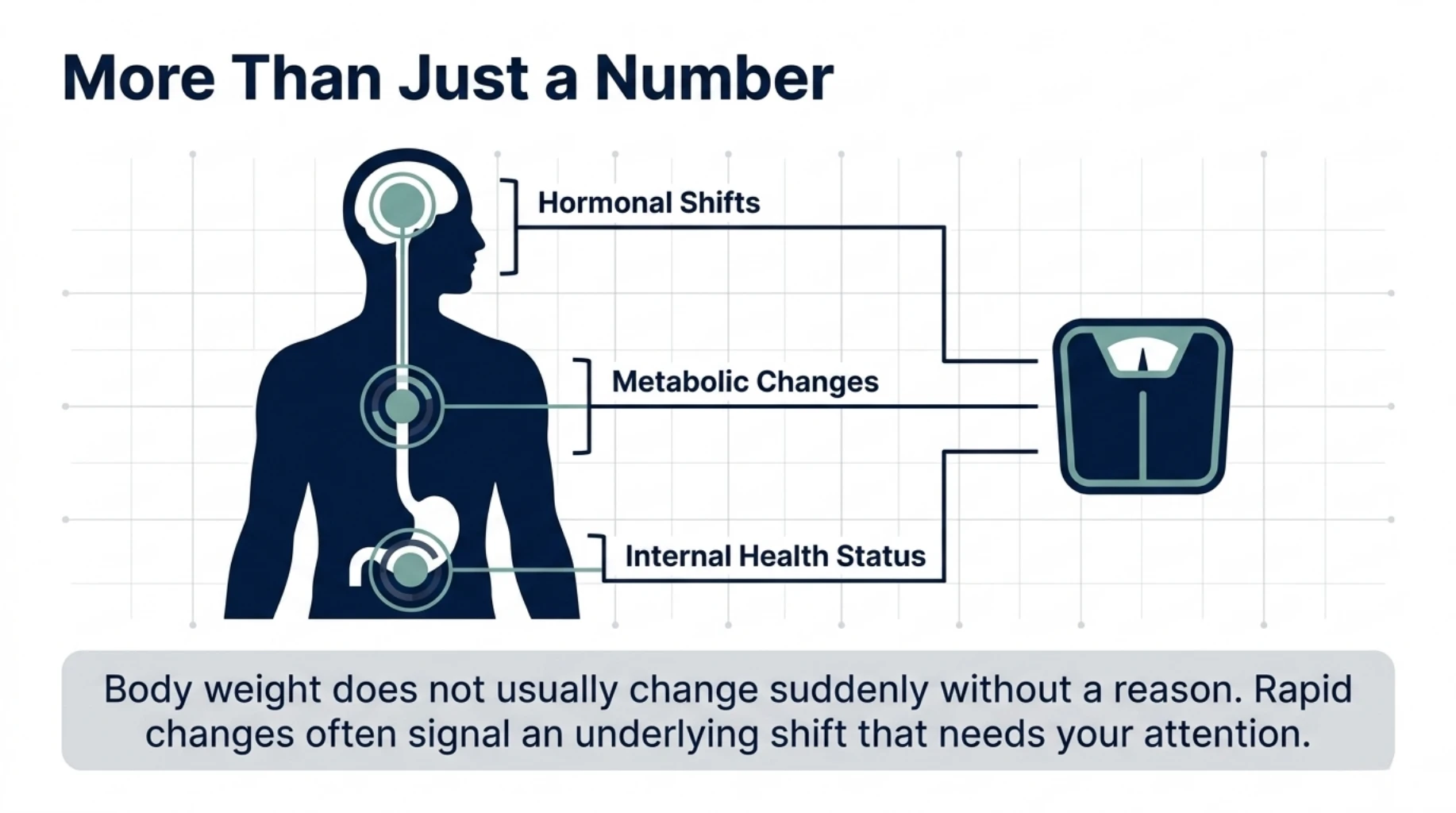
This is why sudden shifts should not be ignored.
Common Causes of Rapid Weight Changes
To understand why rapid weight changes should not be ignored, it is important to identify the possible causes behind sudden gain or loss.
1. Fluid Retention and Loss
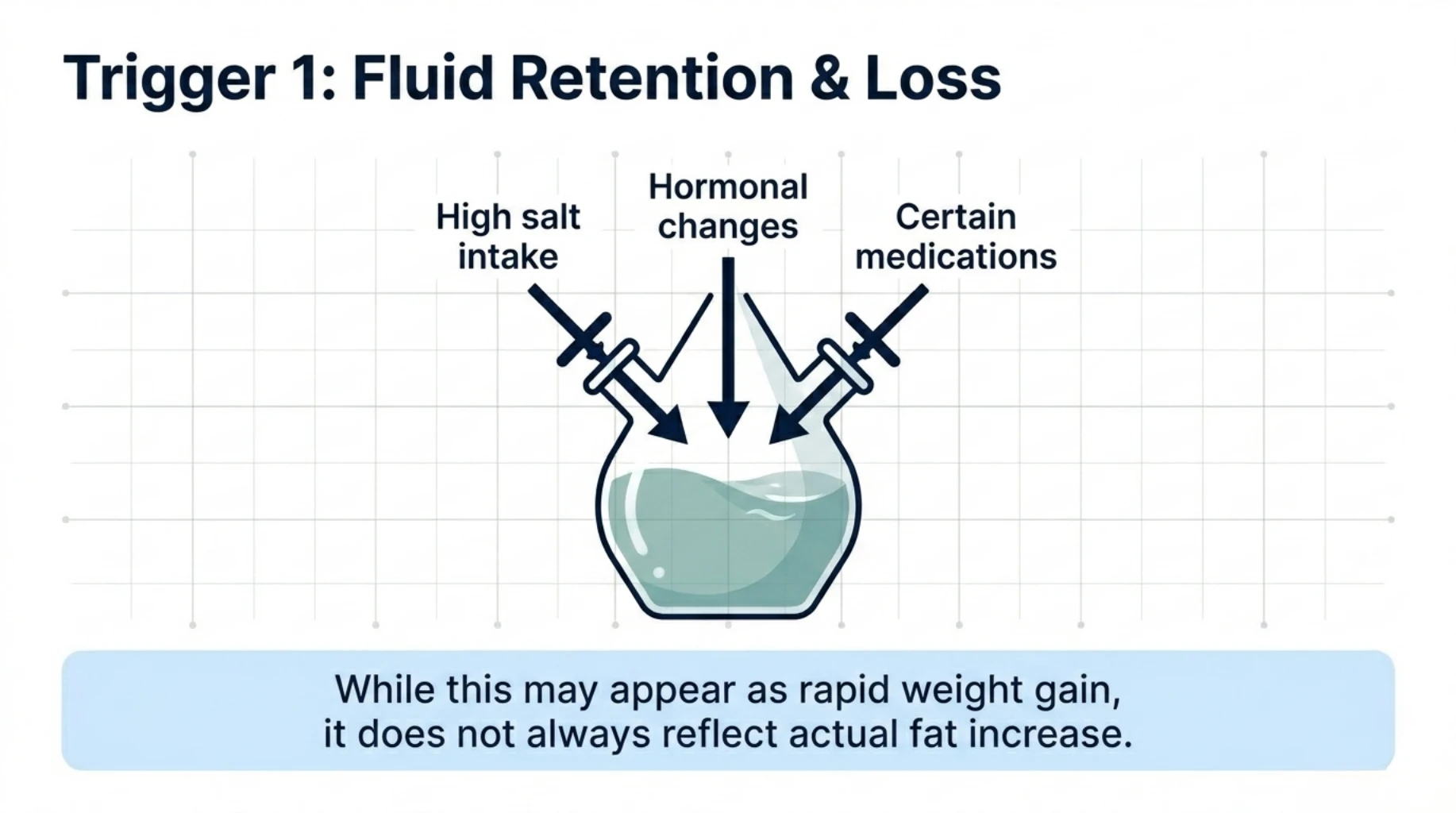
One of the most common reasons for rapid weight change is fluid fluctuation.
This can occur due to:
- High salt intake
- Hormonal changes
- Certain medications
While this may appear as weight gain, it does not always reflect fat increase.
2. Sudden Changes in Diet or Activity
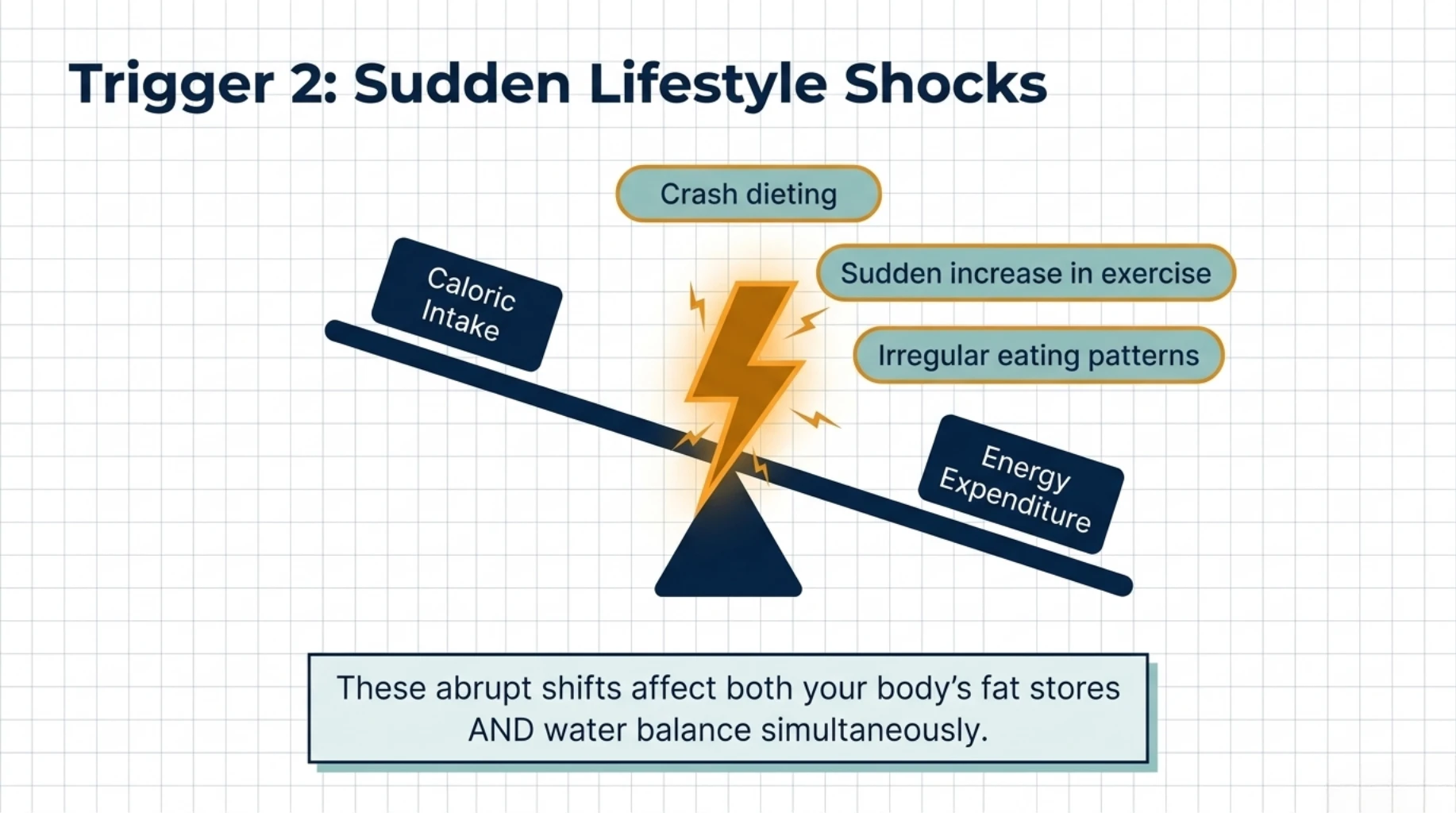
Rapid changes in eating habits or physical activity can lead to noticeable weight shifts.
Examples include:
- Crash dieting
- Sudden increase in exercise
- Irregular eating patterns
These changes may affect both fat and water balance.
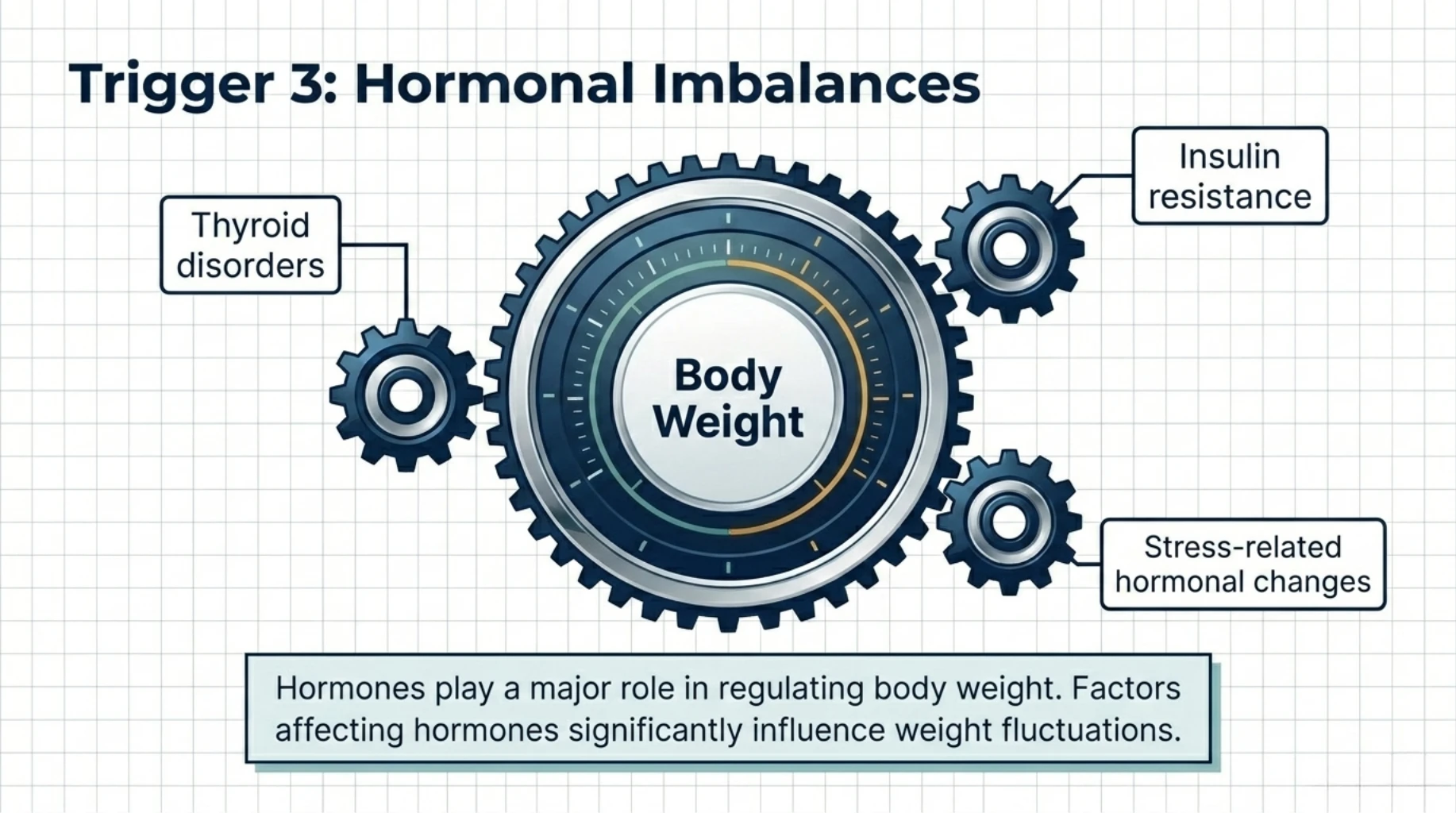
3. Hormonal Imbalance
Hormones play a major role in regulating body weight.
Conditions affecting hormones can lead to sudden changes:
- Thyroid disorders
- Insulin resistance
- Stress-related hormonal changes
4. Metabolic and Medical Conditions
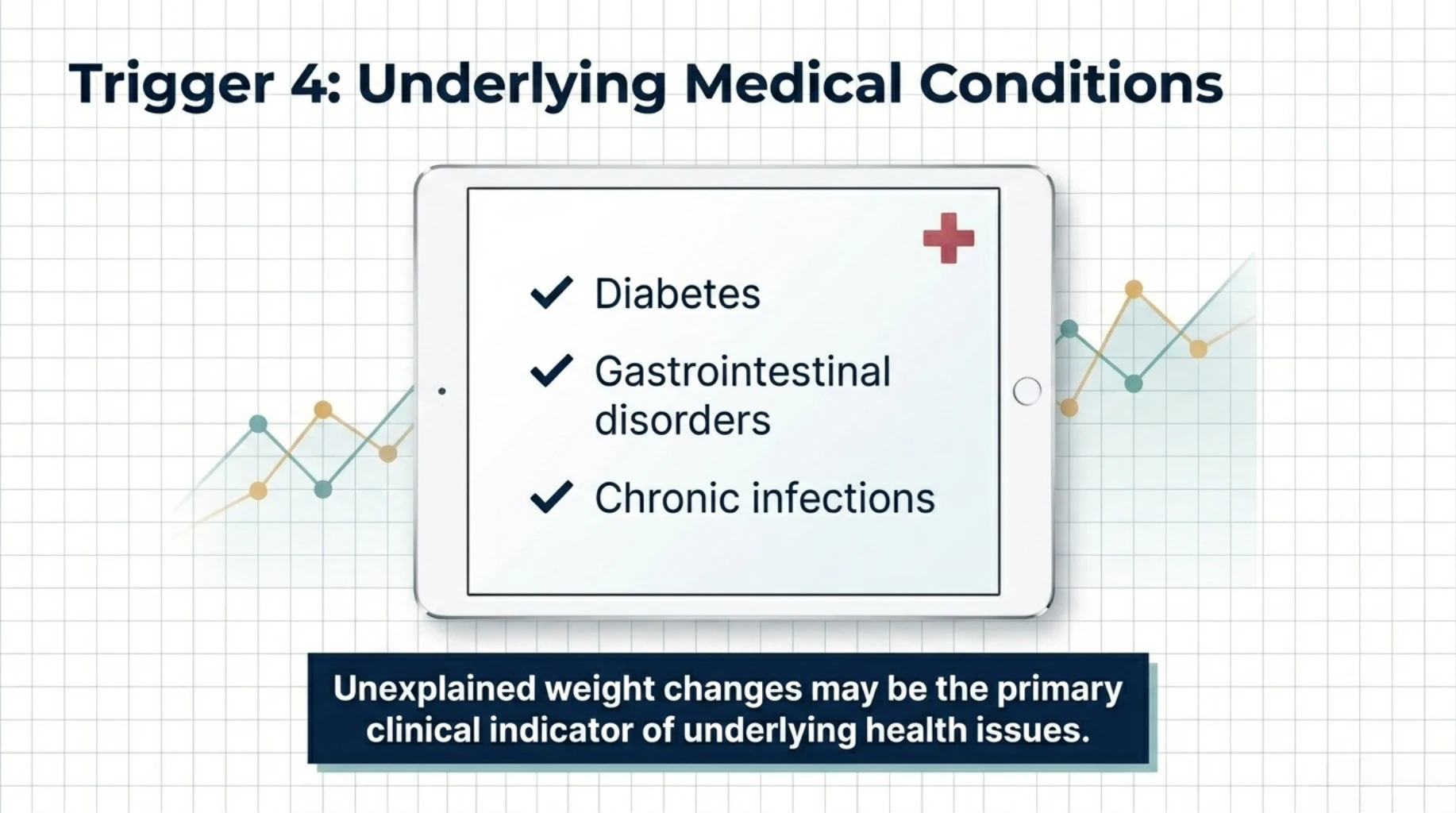
Certain medical conditions can cause rapid weight loss or gain.
These include:
- Diabetes
- Gastrointestinal disorders
- Chronic infections
5. Sleep and Stress Factors
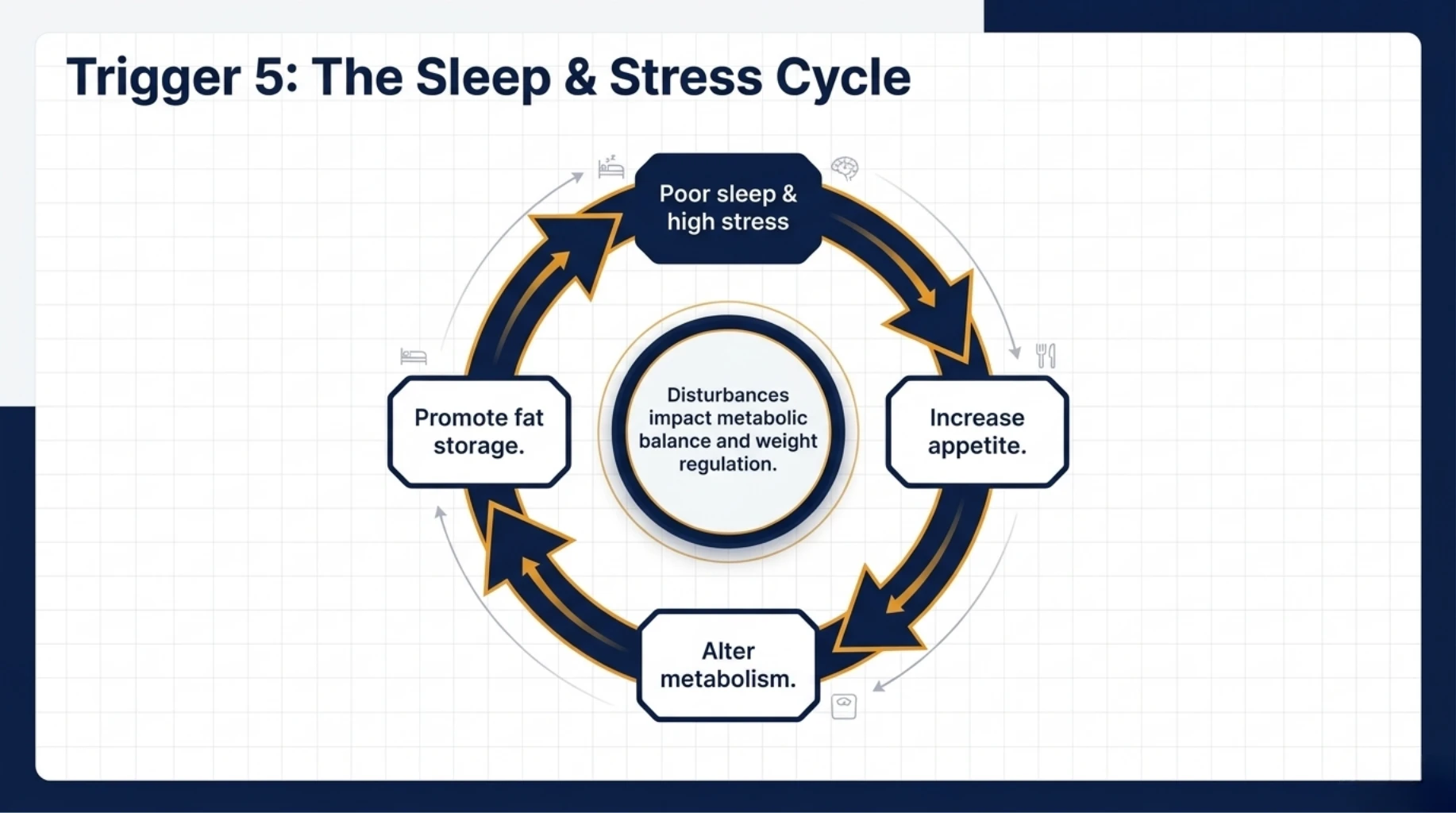
Lifestyle factors such as sleep and stress also affect body weight.
Poor sleep and high stress can:
- Increase appetite
- Alter metabolism
- Promote fat storage
Real-Life Patterns You Should Watch
In daily life, why rapid weight changes should not be ignored becomes clear through common patterns:
- Sudden weight gain without dietary change
- Rapid weight loss without effort
- Fluctuations within short periods
- Associated fatigue or weakness
These patterns may signal underlying imbalances rather than simple lifestyle changes.
Normal vs Concerning Weight Changes
| Type | Normal Variation | Concerning Change |
|---|---|---|
| Timeframe | Gradual | Sudden |
| Cause | Lifestyle factors | Unknown or unexplained |
| Symptoms | None | Fatigue, weakness |
This comparison helps identify when weight changes require attention.
What You Should Do If You Notice Rapid Weight Changes
Understanding why rapid weight changes should not be ignored is only useful if you take the right steps at the right time.
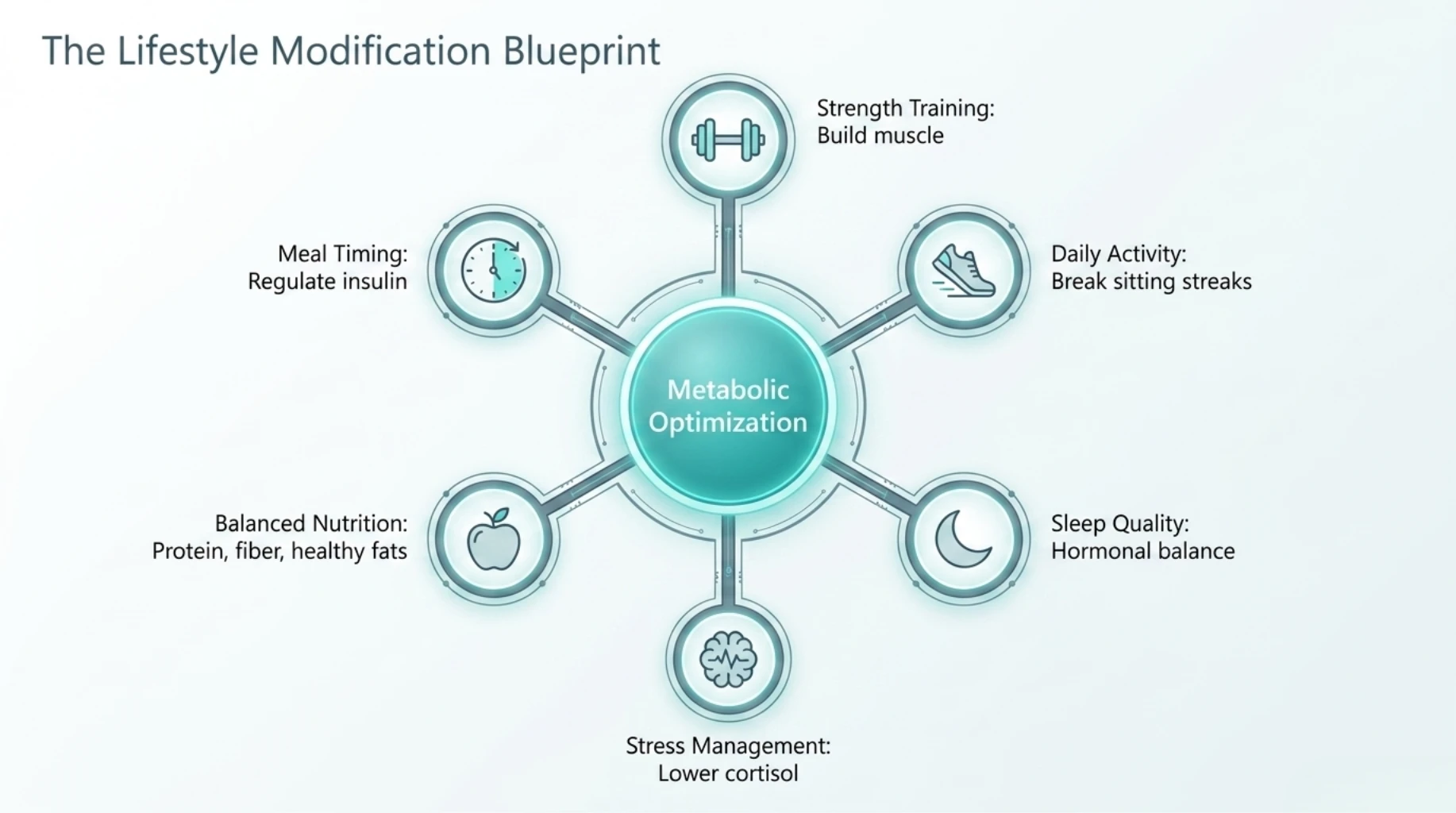
In most cases, early attention can help identify and correct the underlying cause before it becomes a long-term issue.
- Monitor your weight regularly: Track patterns instead of focusing on single readings
- Observe associated symptoms: Fatigue, appetite changes, or weakness
- Review lifestyle habits: Sleep, stress, and activity levels
- Avoid crash diets: They can cause rapid fluctuations
- Maintain balanced nutrition: Ensure adequate protein and micronutrients
- Seek medical evaluation if needed: Especially if changes are unexplained
For structured lifestyle guidance: explore weight loss section.
For personalized consultation: Consultation Link.
Warning Signs That Require Medical Attention
While minor fluctuations are normal, certain situations require prompt evaluation:
- Unexplained weight loss over a short period
- Sudden weight gain with swelling
- Persistent fatigue or weakness
- Changes in appetite or digestion
- Weight changes associated with other symptoms
A clinical reference highlights that unexplained weight changes may indicate underlying medical conditions.
Key Takeaway
Why rapid weight changes should not be ignored is because they often reflect underlying metabolic, hormonal, or medical changes. Early recognition and timely action can help prevent serious health complications.
References
- Weight change study
- Hormonal influence research
- Medical causes study
- Sleep and metabolism study
- Clinical overview reference
Take the Next Step
This information is for educational purposes only and should not replace professional medical advice. Always consult a qualified doctor for personalized care.