
“Doctor, I feel hungry all the time even after eating properly.”
This is something many people experience but often misunderstand. They assume it is only due to weak willpower, emotional eating, or lack of discipline. But in reality, appetite is not controlled by the mind alone.
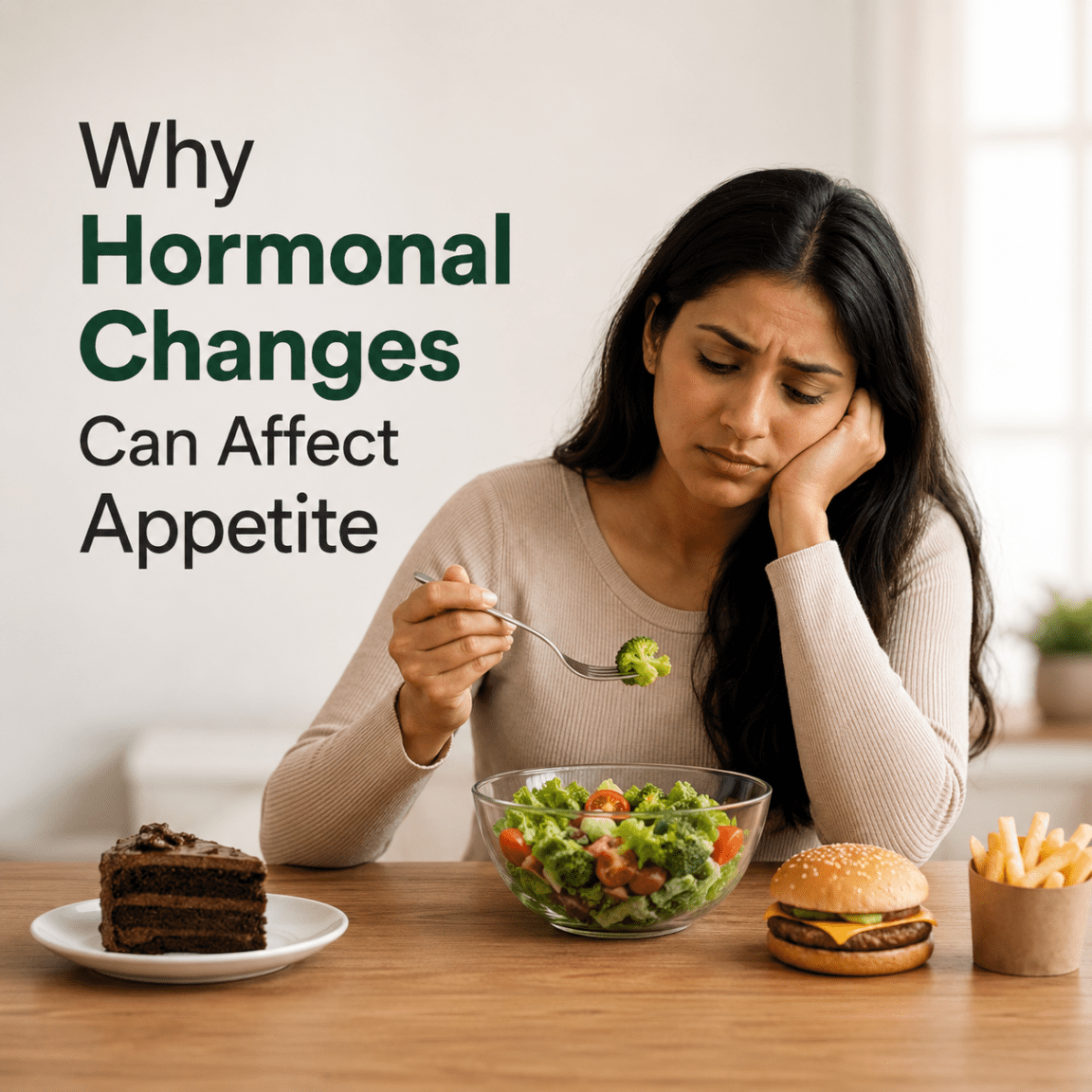
Understanding why hormonal changes can affect appetite is important because hunger is deeply regulated by the body’s hormonal system. When this balance shifts, appetite patterns can change dramatically—even without obvious changes in lifestyle.
This is why some people suddenly experience increased cravings, frequent hunger, emotional eating, or difficulty feeling satisfied after meals.
Appetite Is More Complex Than Simply “Feeling Hungry”
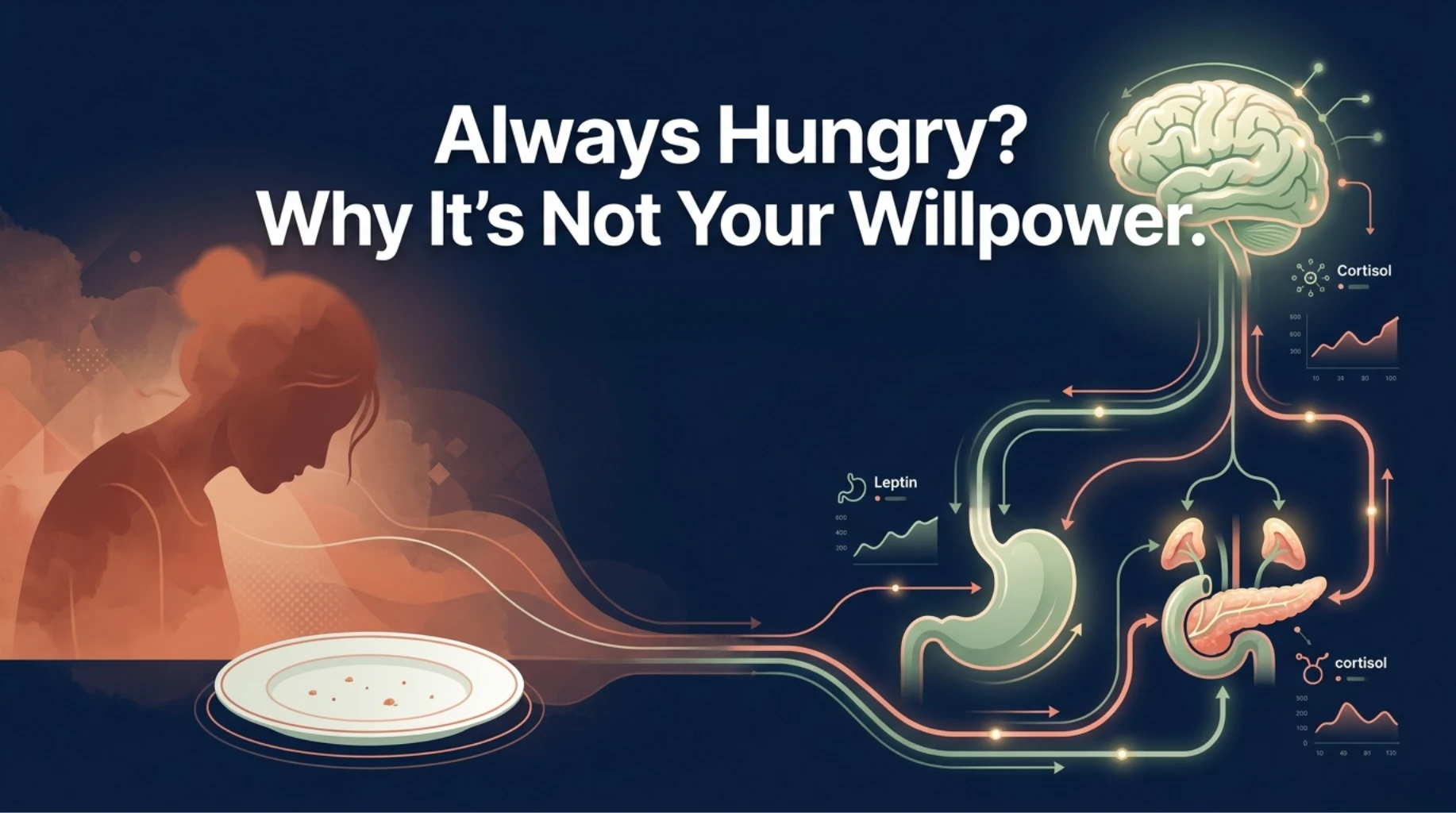
Most people think appetite depends only on how much food the stomach contains. But the body regulates hunger through a complex network involving the brain, digestive system, fat tissue, and hormones.
These signals constantly communicate with each other to decide:
when you feel hungry, how satisfied you feel after eating, and how strongly cravings appear.
When hormonal balance is stable, appetite regulation works relatively smoothly. But when these signals become disturbed, hunger patterns become unpredictable.
The Difference Between Physical Hunger and Hormonal Hunger
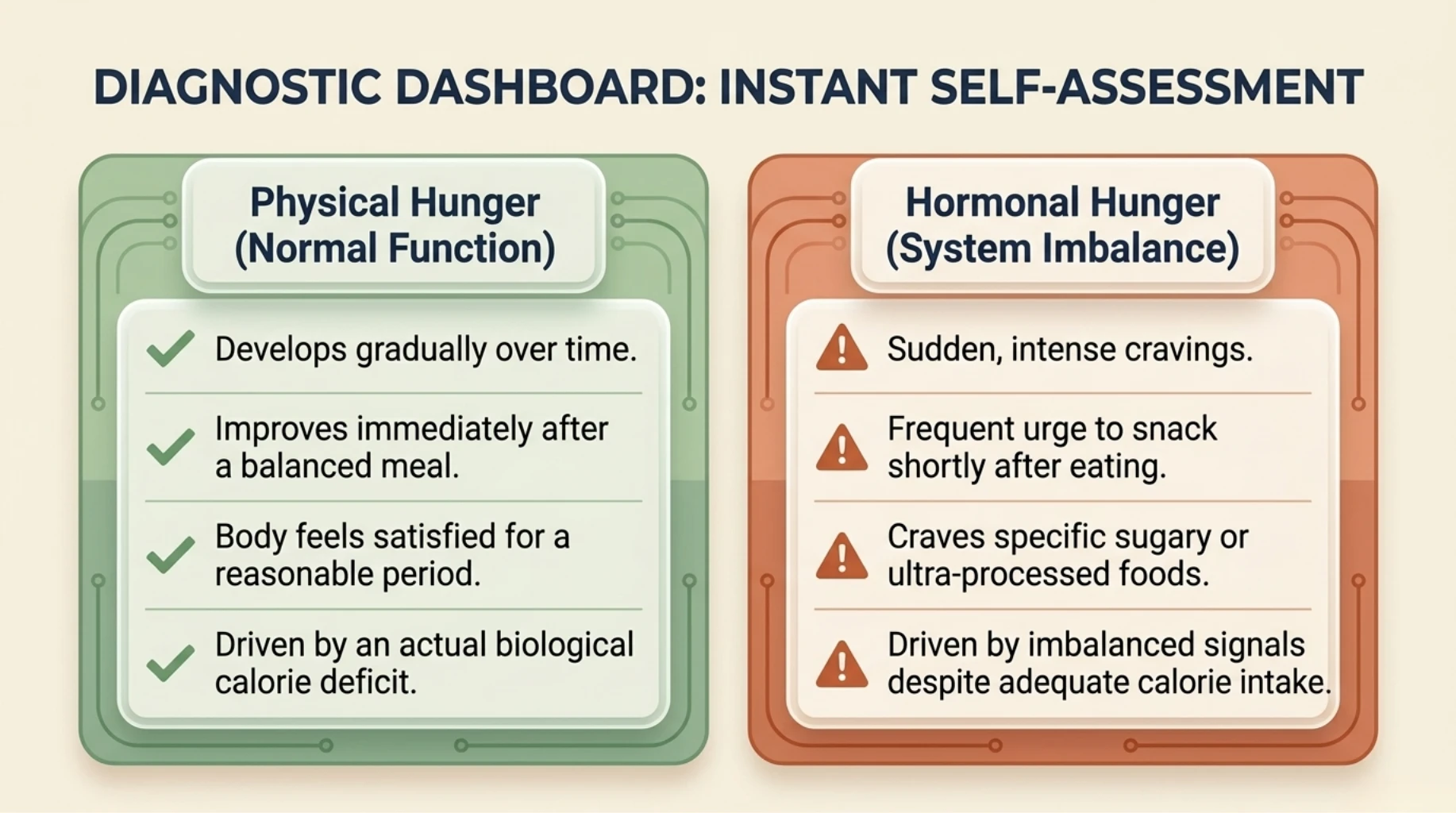
True physical hunger usually develops gradually. It improves after a balanced meal, and the body feels satisfied for a reasonable period.
Hormonal hunger often feels different.
People may experience sudden cravings, frequent urge to snack, or feeling hungry again shortly after eating. In many cases, the body is not actually lacking calories—it is responding to hormonal signals that are out of balance.
This is one of the key reasons why hormonal changes can affect appetite so strongly.
The Role of Insulin in Appetite Regulation
Insulin is commonly known for controlling blood sugar, but it also has a major influence on hunger and satiety.
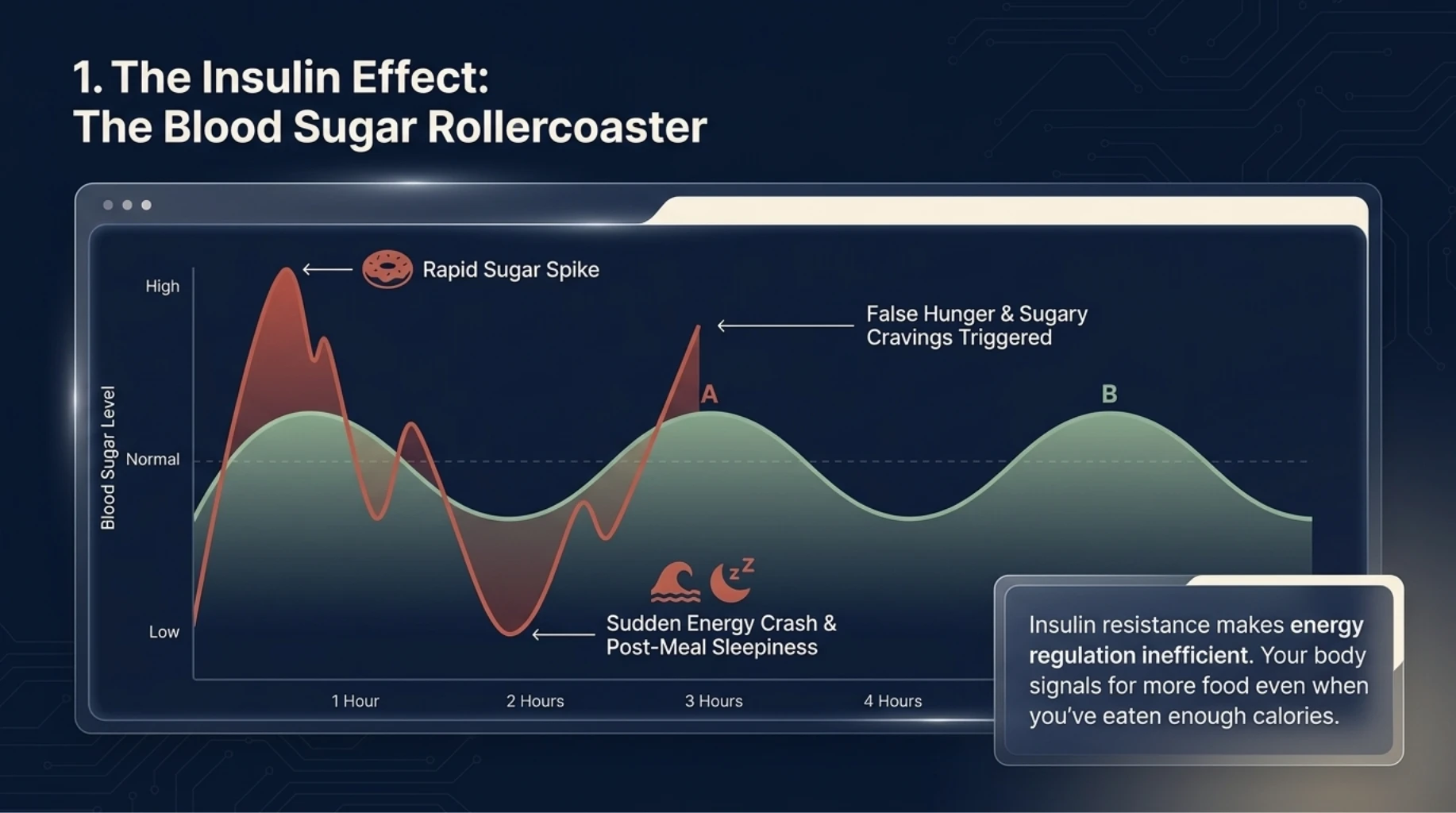
When insulin balance becomes disturbed—especially in insulin resistance—the body struggles to regulate glucose efficiently.
This can lead to rapid fluctuations in blood sugar levels. As a result, people often experience:
frequent hunger, cravings for sugary foods, post-meal sleepiness, and repeated snacking.
Even after eating enough calories, the body may continue signaling hunger because energy regulation has become inefficient.
How Stress Hormones Increase Appetite
Stress has a powerful effect on eating behavior.
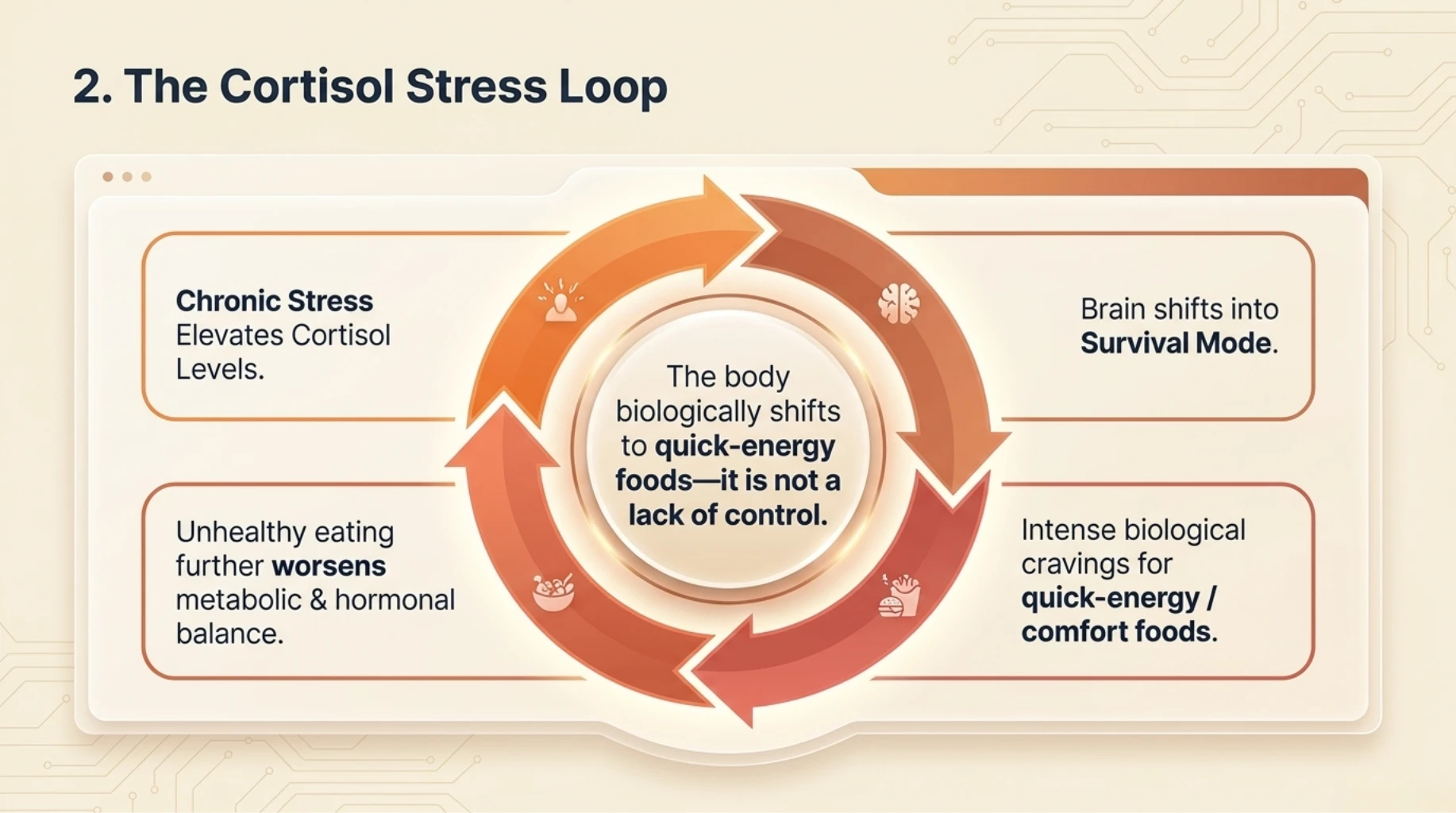
When stress levels remain high, cortisol—the body’s primary stress hormone—stays elevated for longer periods. This changes how the brain perceives hunger and reward.
Many people notice that during stressful periods they crave highly processed foods, sugary snacks, or comfort eating patterns.
This is not simply lack of control. The body is biologically shifting toward quick-energy foods in response to stress signals.
Over time, this creates a cycle where stress increases appetite, and unhealthy eating further worsens hormonal imbalance.
Why Sleep Disturbance Increases Hunger
Sleep and appetite are closely connected through hormones.
When sleep is inadequate or irregular, hormones related to hunger and fullness become disturbed. Typically, the body produces stronger hunger signals while satiety signals become weaker.
This explains why people who sleep poorly often experience:
late-night cravings, increased appetite, sugar cravings, and difficulty controlling portions.
Even one or two nights of poor sleep can temporarily influence appetite regulation.
The Hidden Role of Leptin in Appetite Control
One of the most important hormones involved in appetite regulation is leptin.
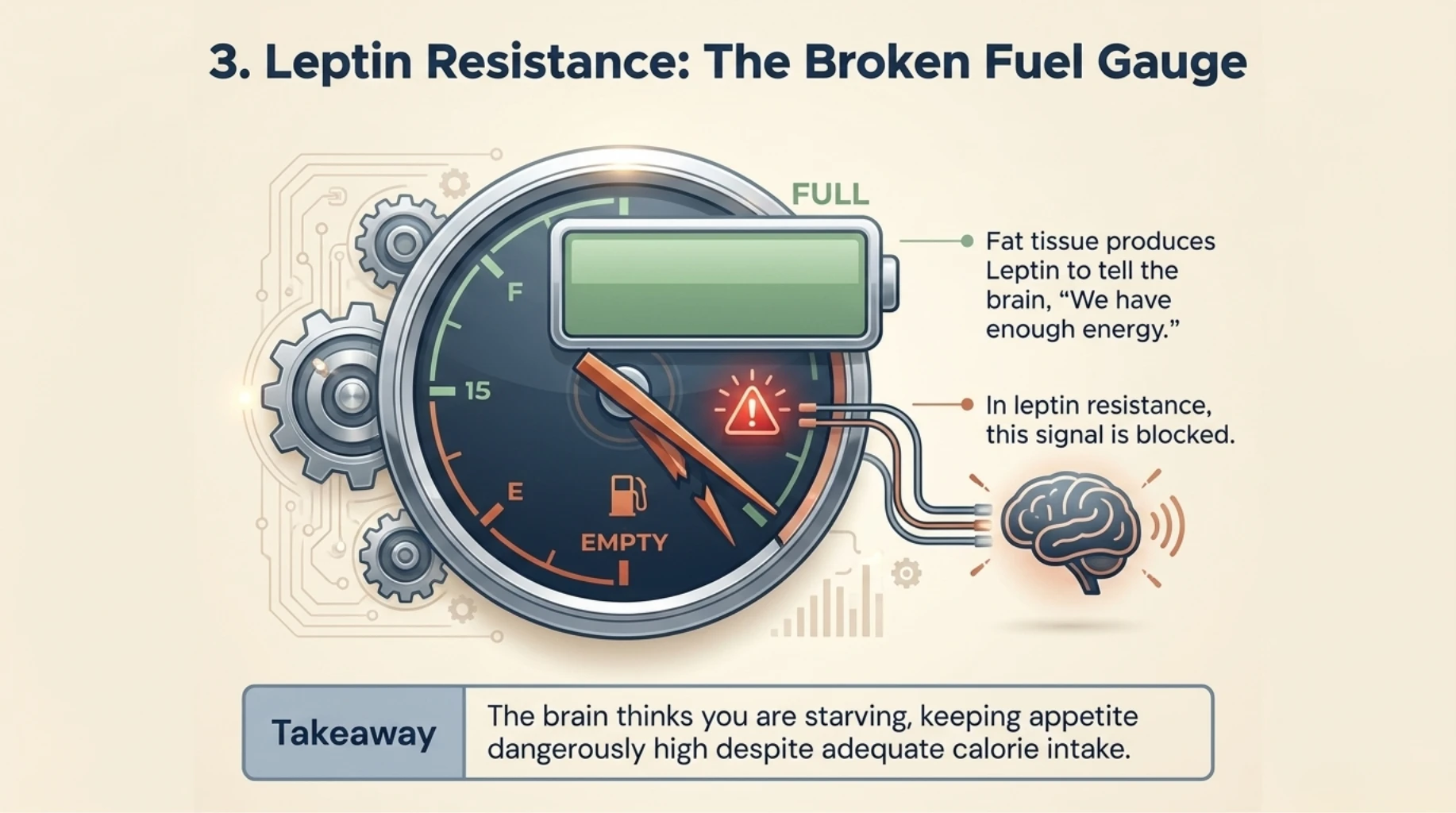
Leptin is produced by fat tissue and helps signal the brain that the body has enough stored energy. Under normal conditions, it helps reduce hunger after eating.
However, in many individuals—especially those with obesity or metabolic dysfunction—the body develops what is known as leptin resistance.
In this state, leptin signals become less effective. Even though the body has sufficient energy stores, the brain continues behaving as if energy is lacking.
This creates a situation where appetite remains high despite adequate calorie intake. This is another important reason why hormonal changes can affect appetite.
How Thyroid Imbalance Influences Hunger Patterns
The thyroid gland affects metabolism, energy production, and appetite regulation.
When thyroid function slows down, metabolism becomes less efficient. Some people experience reduced appetite, while others notice increased cravings and emotional eating due to low energy levels.
At the same time, fatigue caused by thyroid imbalance often reduces physical activity, which further worsens metabolic regulation.
This combination can make appetite patterns unpredictable and frustrating for patients.
PCOS and Increased Cravings
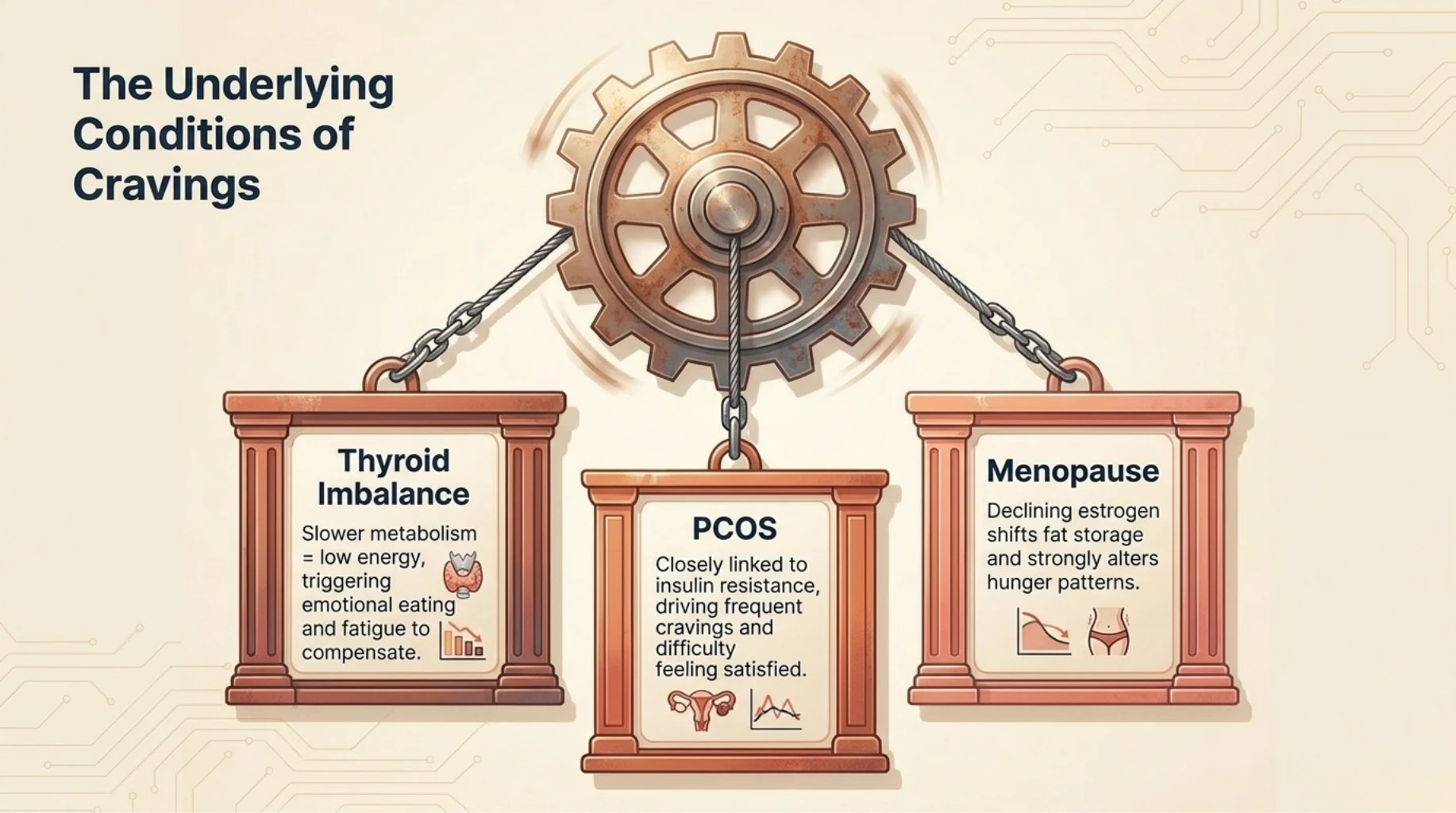
In women, polycystic ovary syndrome (PCOS) is one of the most common hormonal conditions linked with appetite changes.
PCOS is closely associated with insulin resistance, which strongly affects hunger regulation.
Many women with PCOS experience:
frequent cravings, increased appetite, emotional eating, and difficulty feeling satisfied after meals.
Because these changes are hormonally driven, they are often misunderstood as simply “overeating” or poor discipline. In reality, the underlying metabolic imbalance is playing a major role.
Menopause and Appetite Changes
Hormonal changes during menopause also affect appetite and body composition.
As estrogen levels decline, many women notice increased abdominal fat, changes in cravings, and altered hunger patterns.
Metabolism may also slow down during this phase, making weight management more challenging.
This is why appetite changes during menopause are not purely psychological—they are strongly influenced by hormonal shifts.
Emotional Eating vs Hormonal Eating
People often assume all overeating is emotional, but hormonal eating and emotional eating are not always the same.
Emotional eating is usually triggered by mood, stress, boredom, or coping behavior.
Hormonal eating, on the other hand, is driven by biological signals that alter hunger and satiety regulation.
In real life, these often overlap. Chronic stress, poor sleep, and metabolic imbalance can intensify both emotional and hormonal hunger patterns simultaneously.
This is why many people feel trapped in cycles of cravings and overeating despite genuinely trying to improve their habits.
Why Processed Foods Worsen Hormonal Appetite Signals
Modern ultra-processed foods are designed to stimulate reward pathways in the brain.
Foods high in sugar, refined carbohydrates, and unhealthy fats create rapid pleasure responses while providing poor long-term satiety.
Over time, frequent exposure to these foods can disrupt normal appetite signaling and increase cravings.
This creates a cycle where the body begins preferring highly rewarding foods while natural satiety mechanisms become weaker.

The Real-Life Pattern Seen in Many Patients
In practice, the pattern is often very familiar. A person begins experiencing more cravings and frequent hunger over time. Initially, they assume it is stress or habit-related.
Gradually, snacking increases, energy crashes become more common, and weight starts rising—especially around the abdomen.
At the same time, sleep quality may worsen, physical activity decreases, and stress levels remain high.
Eventually, the individual feels frustrated because they believe they are “always hungry” despite trying to eat properly.
In many such cases, the underlying issue is not simply lack of control—it is hormonal and metabolic imbalance affecting appetite regulation.
How to Improve Hormonal Balance and Regulate Appetite Naturally
The good news is that appetite regulation can improve significantly when hormonal health starts improving.
Many people believe they simply need stronger willpower. But in reality, when hormonal signals are disturbed, controlling hunger becomes biologically difficult.
This is why the goal should not be “fighting hunger” constantly. The goal should be restoring the body’s natural satiety mechanisms.
Focus on Meal Quality Instead of Constant Restriction
One of the biggest mistakes people make is eating too little while expecting cravings to disappear.
Very restrictive dieting often worsens hormonal stress. The body perceives extreme calorie restriction as a threat, which can increase hunger signals and cravings over time.
Instead of focusing only on eating less, it is more effective to improve meal quality.
Balanced meals containing adequate protein, fiber, and healthy fats help improve satiety and stabilize blood sugar levels.
This creates more sustained energy and reduces frequent hunger fluctuations.
Stabilize Blood Sugar to Reduce Cravings
Rapid fluctuations in blood sugar are one of the biggest triggers for uncontrolled appetite.
Meals high in refined carbohydrates or sugary foods often create quick spikes followed by sudden drops in energy. This leads to repeated hunger signals and cravings.
Improving insulin sensitivity through balanced nutrition and physical activity helps reduce these swings. Over time, appetite patterns become more stable and predictable.
Sleep Improvement Can Dramatically Change Appetite
Many people underestimate how strongly sleep affects eating behavior.
When sleep is inadequate, hunger hormones become disrupted, and cravings for high-calorie foods increase significantly.
This is why individuals who sleep poorly often feel hungrier throughout the day, especially for sugary or processed foods. Improving sleep quality often reduces cravings more effectively than strict dieting alone.
Physical Activity Helps Reset Appetite Signals
Regular movement improves hormonal sensitivity throughout the body.
Physical activity supports insulin balance, reduces stress hormone overload, and improves metabolic flexibility. These changes help normalize appetite regulation gradually.
Importantly, exercise should not be viewed only as a way to “burn calories.” Its deeper benefit lies in improving hormonal efficiency.
Even moderate, consistent activity can significantly improve hunger and satiety balance over time.
Why Stress Reduction Is Essential
Chronic stress keeps the body in a prolonged survival mode.
When cortisol remains elevated for long periods, cravings for quick-energy foods increase, emotional eating becomes more common, and appetite regulation becomes less stable.
This is why managing stress is not just about mental health—it directly influences metabolic and hormonal health as well.
Simple lifestyle habits like structured breaks, outdoor walking, reducing excessive screen exposure, and allowing recovery time can gradually reduce stress-related appetite patterns.
Why Crash Diets Usually Fail Long Term
Crash dieting may create short-term weight loss, but it often worsens appetite regulation later.
When the body senses extreme restriction, hunger hormones increase while metabolic efficiency decreases. This creates stronger cravings and increases the likelihood of rebound eating.
Many people interpret this as personal failure, when in reality it is a biological response.
This is why sustainable approaches work better than extreme restrictions.
The Importance of Long-Term Metabolic Recovery
Hormonal imbalance does not develop overnight, and recovery also takes time.
As sleep improves, stress reduces, physical activity increases, and nutrition becomes more balanced, the body gradually restores normal appetite signaling.
People often begin noticing smaller but meaningful changes first:
reduced cravings, longer fullness after meals, fewer energy crashes, and better control over eating patterns.
These are signs that metabolic and hormonal balance is improving.
Putting Everything Into Perspective
Appetite is not simply about self-control. It reflects a complex interaction between hormones, metabolism, stress, sleep, and lifestyle.
This is exactly why hormonal changes can affect appetite so profoundly.
When these systems become disturbed, hunger signals become stronger, satiety becomes weaker, and cravings become harder to control.
Understanding this changes the conversation from blame to biology—and that is an important shift for long-term health improvement.
Final Thought
If you constantly feel hungry despite eating enough, your body may not be lacking food—it may be struggling with imbalance.