

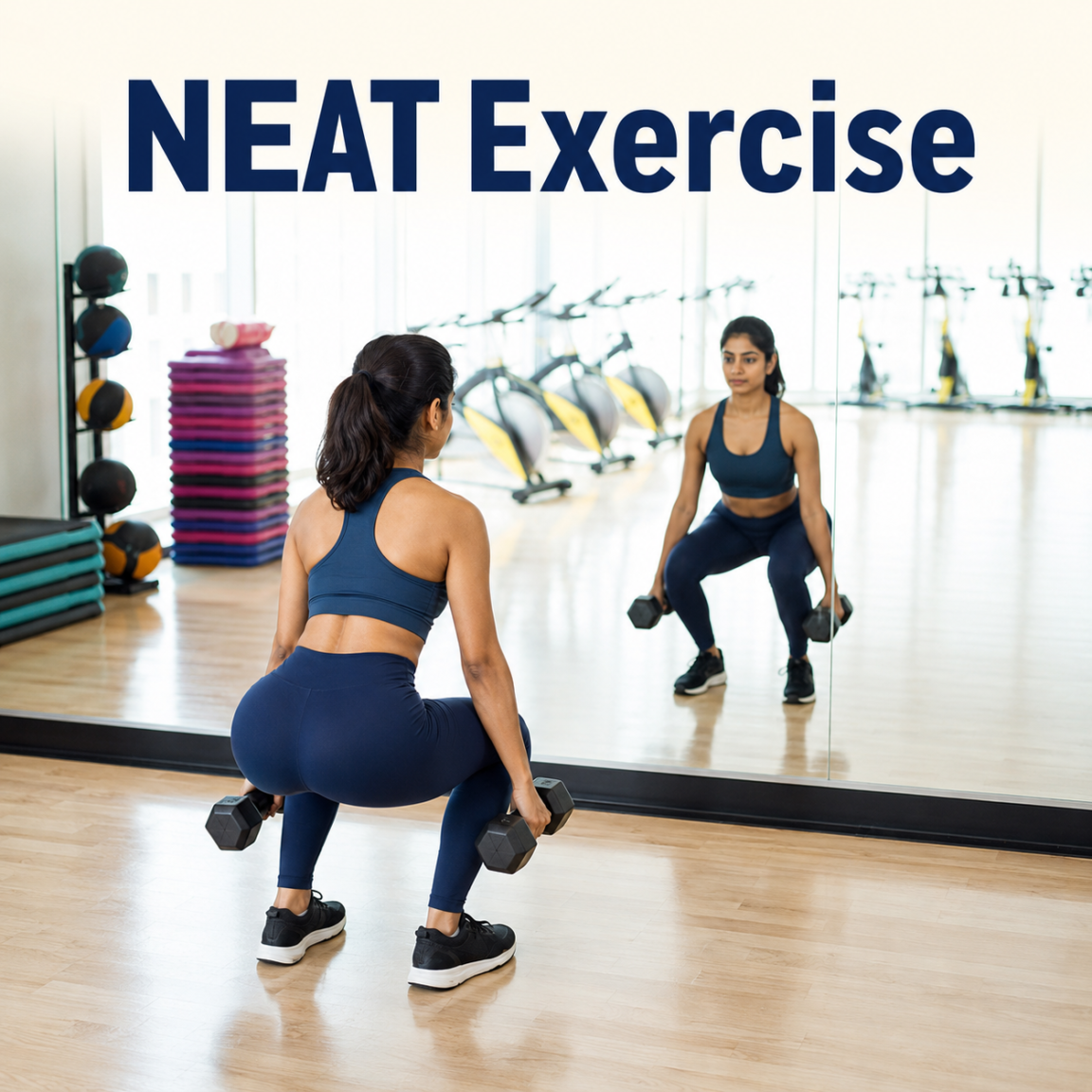
“Doctor, I don’t have time to go to the gym every day. Is there any other way to burn more calories?”
This is one of the most common concerns among busy professionals, parents, and older adults. Many people believe that improving fitness or losing weight requires spending hours exercising every week. While structured workouts certainly have important health benefits, they are only one part of the equation.
What many people do not realise is that the body burns calories throughout the day in many different ways. One of the most important—and often overlooked—is NEAT exercise.
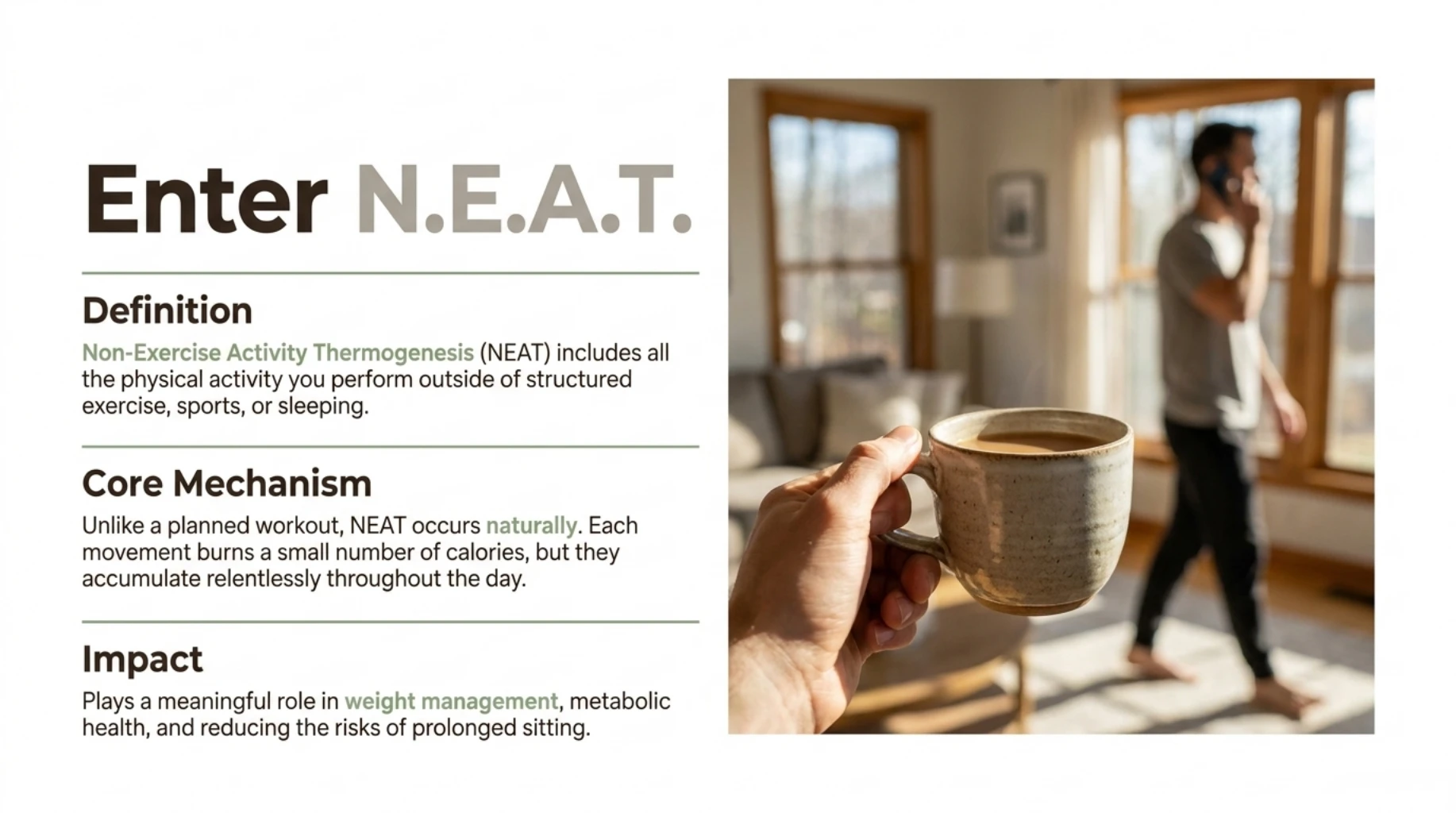
NEAT exercise, short for Non-Exercise Activity Thermogenesis, refers to the calories burned through everyday movements that are not considered planned exercise. Walking to a colleague’s desk, climbing stairs, standing while working, carrying groceries, cleaning the house, or even pacing while talking on the phone all contribute to your daily energy expenditure.
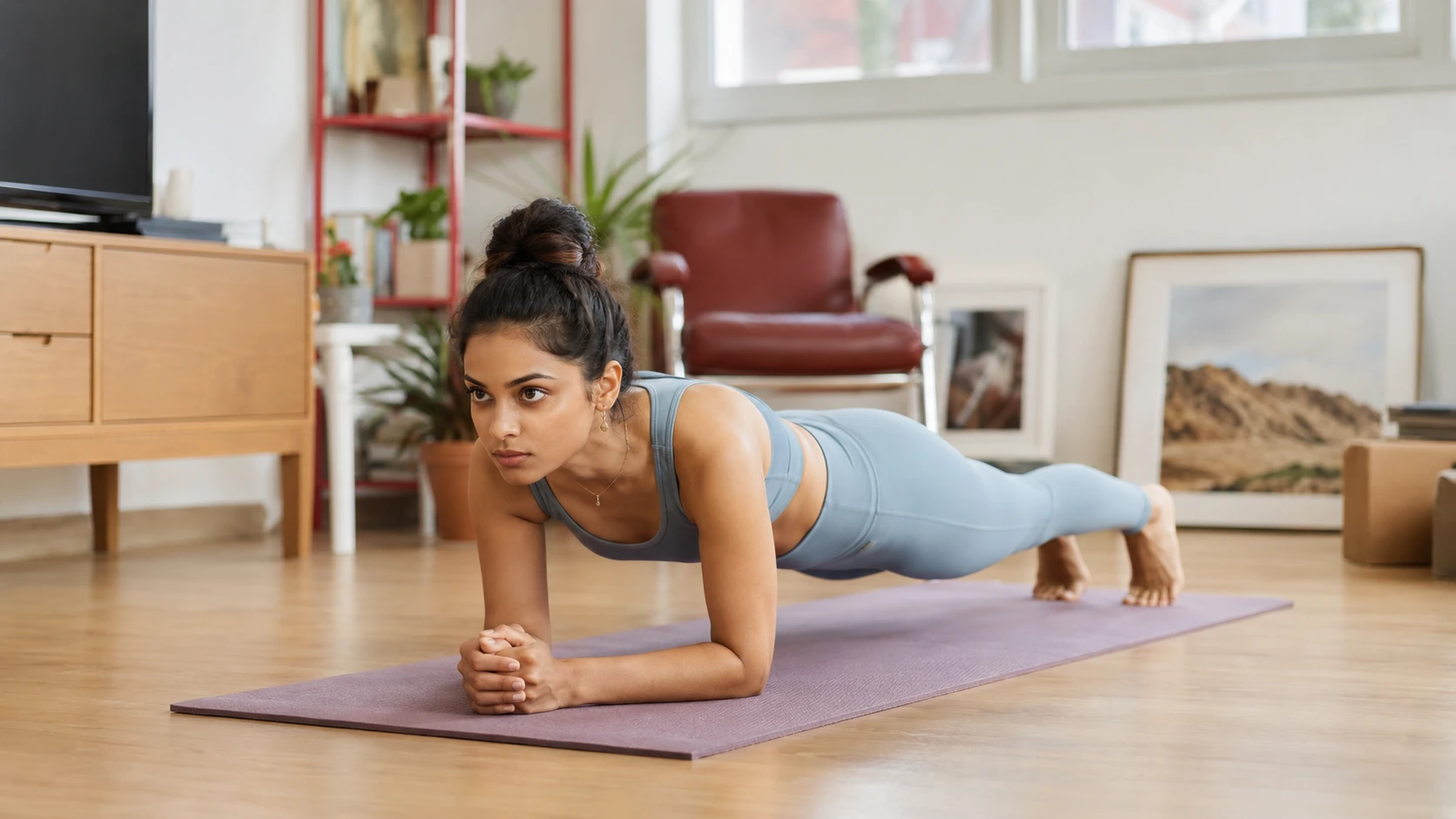
Although each movement burns only a small number of calories, these activities accumulate throughout the day. Over weeks, months, and years, NEAT exercise may play a meaningful role in weight management, metabolic health, and reducing the risks associated with prolonged sitting.
Understanding how to increase NEAT exercise is particularly valuable for people who struggle to find time for regular gym sessions but still want to improve their overall health.
What Is NEAT Exercise?
NEAT exercise stands for Non-Exercise Activity Thermogenesis. It includes all the physical activity you perform outside structured exercise, sports, or sleeping.
Unlike a planned workout, NEAT exercise occurs naturally as part of everyday life.
Examples include:
- Walking around the office.
- Taking the stairs instead of the lift.
- Standing while speaking on the phone.
- Cooking meals.
- Cleaning the house.
- Gardening.
- Carrying shopping bags.
- Playing with children.
- Walking the dog.
Each activity may appear insignificant on its own, but together they can account for a considerable proportion of daily calorie expenditure.
Why NEAT Exercise Is More Important Than Most People Think
Many people assume that a one-hour workout completely offsets sitting for the remaining fifteen waking hours of the day.
Unfortunately, this is rarely the case.
Modern lifestyles involve prolonged sitting at work, travelling by car, ordering food online, and spending leisure time in front of televisions or smartphones.
As a result, daily movement has declined dramatically compared with previous generations.
This is where NEAT exercise becomes especially important.
Increasing everyday movement helps reduce sedentary time and contributes to total daily energy expenditure without requiring additional gym sessions.
How NEAT Exercise Contributes to Daily Calorie Burn
Your body burns calories through several different processes:
- Basal metabolic rate (BMR): The energy required to maintain basic bodily functions at rest.
- Thermic effect of food (TEF): Energy used to digest and absorb food.
- Structured physical exercise: Activities such as running, swimming, cycling, or gym workouts.
- NEAT exercise: Everyday movement outside formal exercise.
For many individuals, NEAT exercise contributes more to total daily calorie expenditure than structured workouts simply because these movements occur repeatedly throughout the day.
Small actions performed consistently often have a greater long-term impact than occasional intense exercise followed by prolonged sitting.
Why Modern Adults Have Low NEAT Exercise
Today’s environment encourages convenience at almost every step.
Many daily activities that previously required movement can now be completed while remaining seated.
Examples include:
- Working on computers for long hours.
- Using elevators instead of stairs.
- Ordering groceries and meals online.
- Driving short distances instead of walking.
- Watching television or using smartphones during leisure time.
- Using remote controls and voice assistants.
As these habits become routine, NEAT exercise gradually decreases without people noticing.
Although each lost opportunity to move seems trivial, the cumulative reduction in physical activity over months and years may influence body weight and metabolic health.
1. Walk While Talking on the Phone
Many phone conversations last several minutes. Rather than remaining seated, use this time to walk around your office, home, or garden.
This simple habit increases NEAT exercise without requiring additional time in your daily schedule.
Several short walks spread throughout the day may collectively contribute hundreds of extra steps.
2. Choose the Stairs Whenever Possible
Climbing stairs is one of the simplest ways to increase NEAT exercise.
Even climbing one or two flights several times each day provides more movement than always choosing the lift or escalator.
Regular stair climbing also helps strengthen the muscles of the legs while contributing to overall daily calorie expenditure.
3. Stand Up Every 30–60 Minutes
Prolonged sitting has become one of the defining characteristics of modern life.
Whether you work in an office or from home, make it a habit to stand, stretch, or walk for a few minutes every hour.
These short activity breaks increase NEAT exercise while helping reduce uninterrupted sitting time.
Many people find it helpful to use reminders on their phone or computer to encourage regular movement throughout the working day.
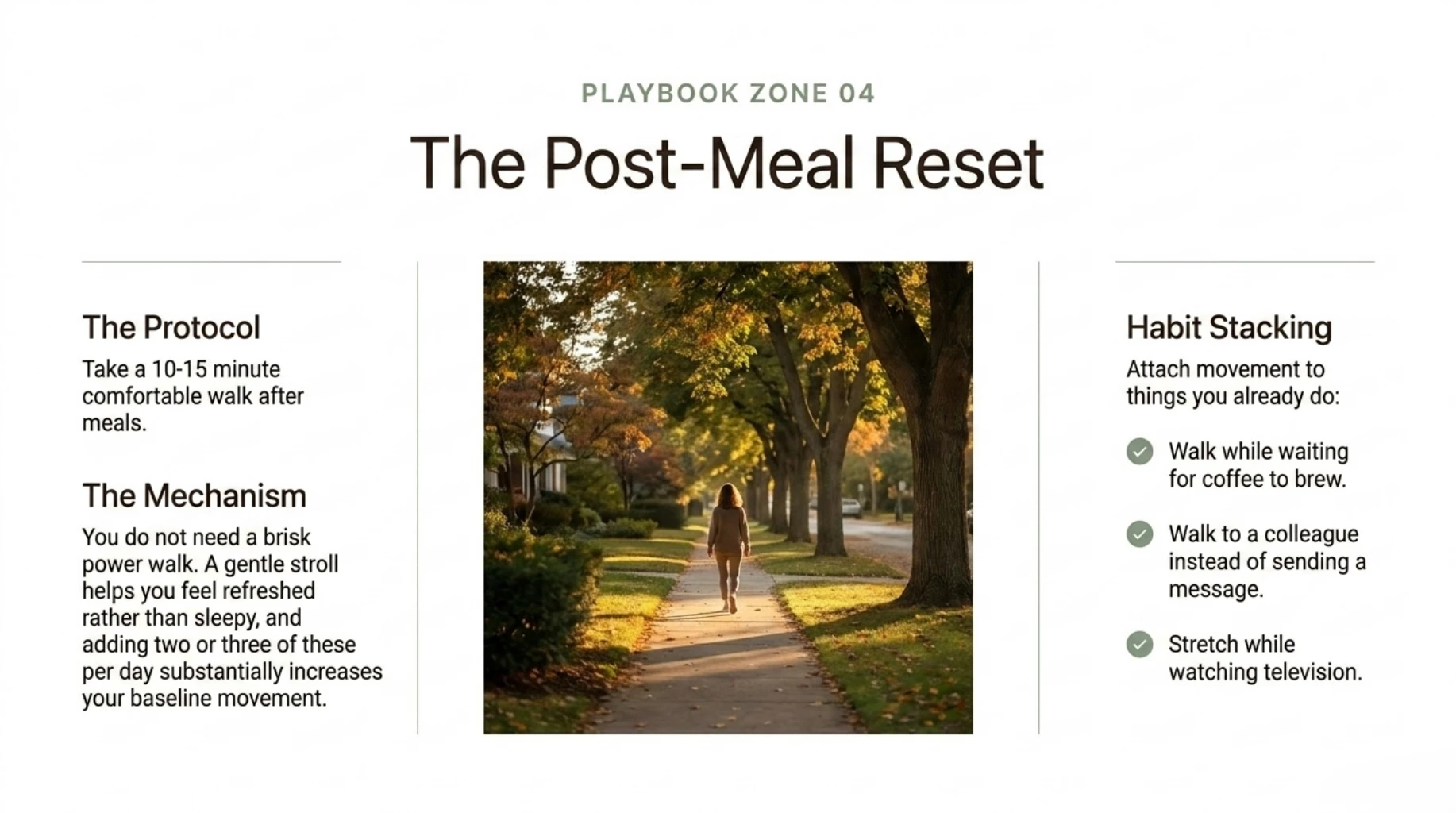
4. Walk for 10–15 Minutes After Meals to Increase NEAT Exercise
One of the easiest ways to increase NEAT exercise is to take a short walk after meals.
You do not need a brisk power walk or an intense workout. Even a comfortable walk around your neighbourhood, office building, or home can increase daily movement.
Many people find that post-meal walks also help them feel more refreshed after eating instead of becoming sleepy or remaining seated for long periods.
Adding just two or three short walks each day can substantially increase NEAT exercise without making major changes to your routine.
5. Do More Household Chores
Household activities are often overlooked as a form of physical activity.
Tasks such as sweeping, mopping, vacuuming, washing the car, organising cupboards, and cleaning the kitchen all require movement.
Although these activities may not feel like exercise, they contribute to NEAT exercise by increasing energy expenditure throughout the day.
Instead of viewing household chores as something to avoid, consider them an opportunity to stay active while accomplishing useful tasks.
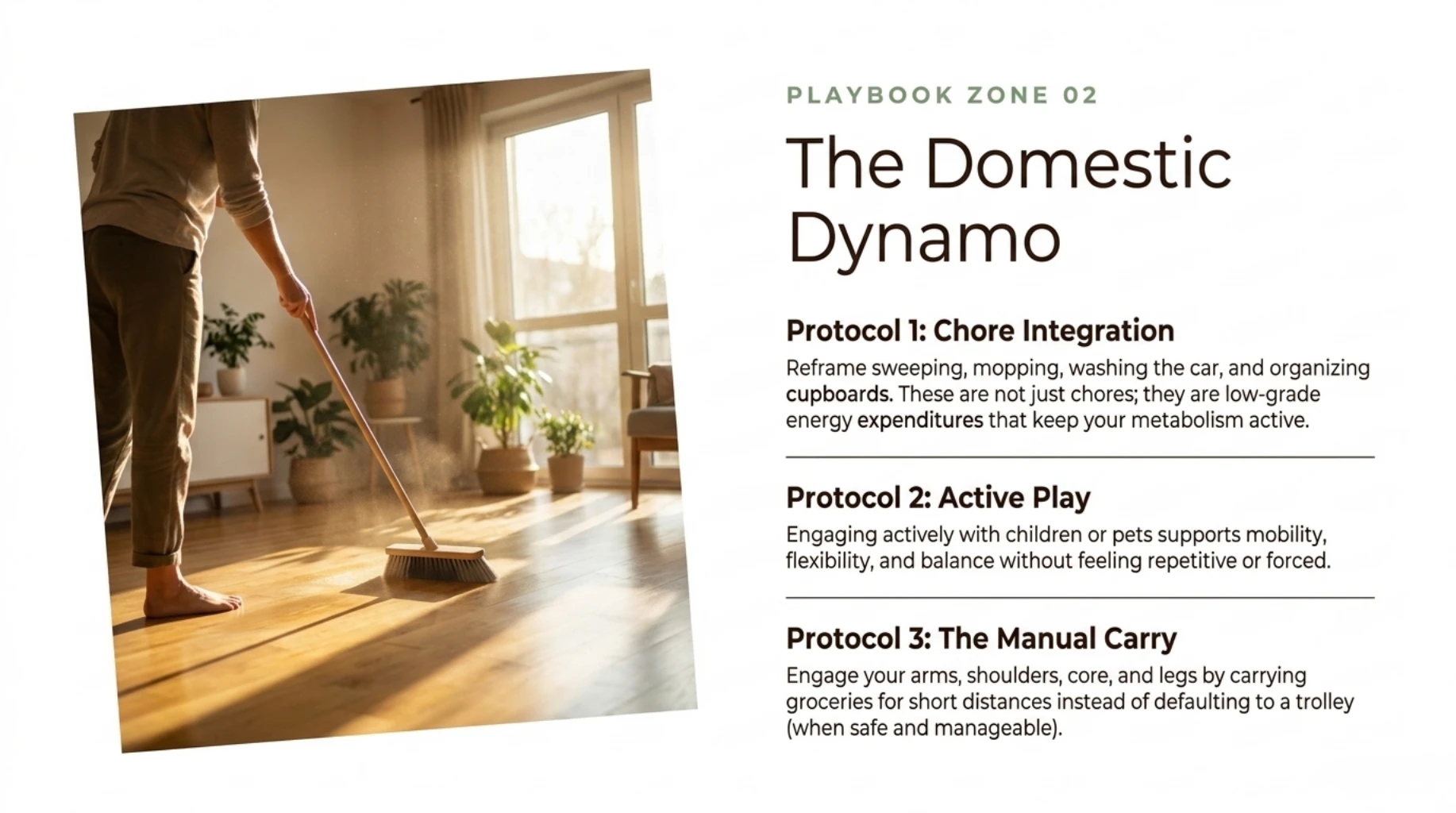
6. Carry Groceries Instead of Using a Trolley Whenever Safe
Carrying shopping bags engages several muscle groups, including the arms, shoulders, core, and legs.
For manageable loads and when it is safe to do so, carrying groceries for short distances can increase NEAT exercise while also helping maintain functional strength.
However, avoid lifting weights that are uncomfortable or unsafe, particularly if you have back problems, joint disease, or other medical conditions.
7. Park Further Away from Your Destination
Many drivers spend several minutes searching for the closest available parking space.
Parking slightly farther away often takes less time and naturally adds more walking to your day.
This small change increases NEAT exercise without requiring extra planning or dedicated workout time.
When repeated consistently over months, these additional steps may contribute meaningfully to overall physical activity.
8. Choose Walking Whenever Practical
Many short journeys can be completed on foot instead of by car or motorcycle.
Walking to nearby shops, visiting a neighbour, collecting medicines, or accompanying children to school can all increase NEAT exercise.
Besides burning additional calories, walking also reduces prolonged sitting and helps break up inactive periods during the day.
9. Play More with Children and Pets
Playing actively with children or walking and playing with pets is an enjoyable way to increase NEAT exercise.
Unlike structured workouts, these activities rarely feel repetitive because they are enjoyable and naturally become part of everyday life.
Regular active play also supports mobility, flexibility, balance, and overall well-being.
How NEAT Exercise Supports Weight Management
Many people overestimate the number of calories burned during formal exercise while underestimating the impact of everyday movement.
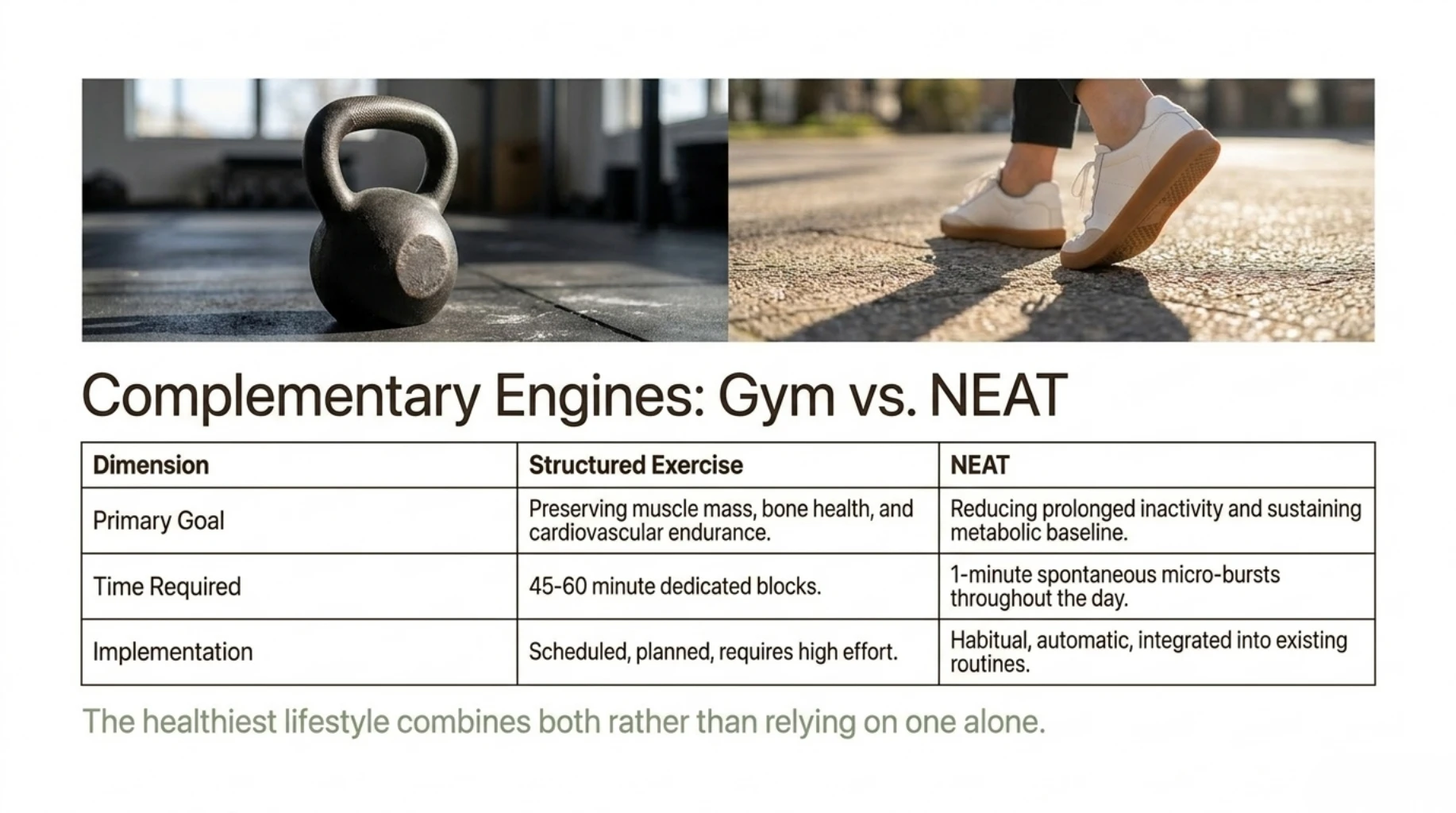
Although a gym session may last only 45 to 60 minutes, NEAT exercise occurs throughout the entire day.
Standing instead of sitting, taking the stairs, walking after meals, and performing household activities all contribute to total daily energy expenditure.
These small movements accumulate over time, helping reduce the energy surplus that often contributes to gradual weight gain.
For many adults, consistently increasing NEAT exercise is easier to maintain than relying solely on occasional high-intensity workouts.
NEAT Exercise and Metabolic Health
The benefits of NEAT exercise extend beyond calorie burning.
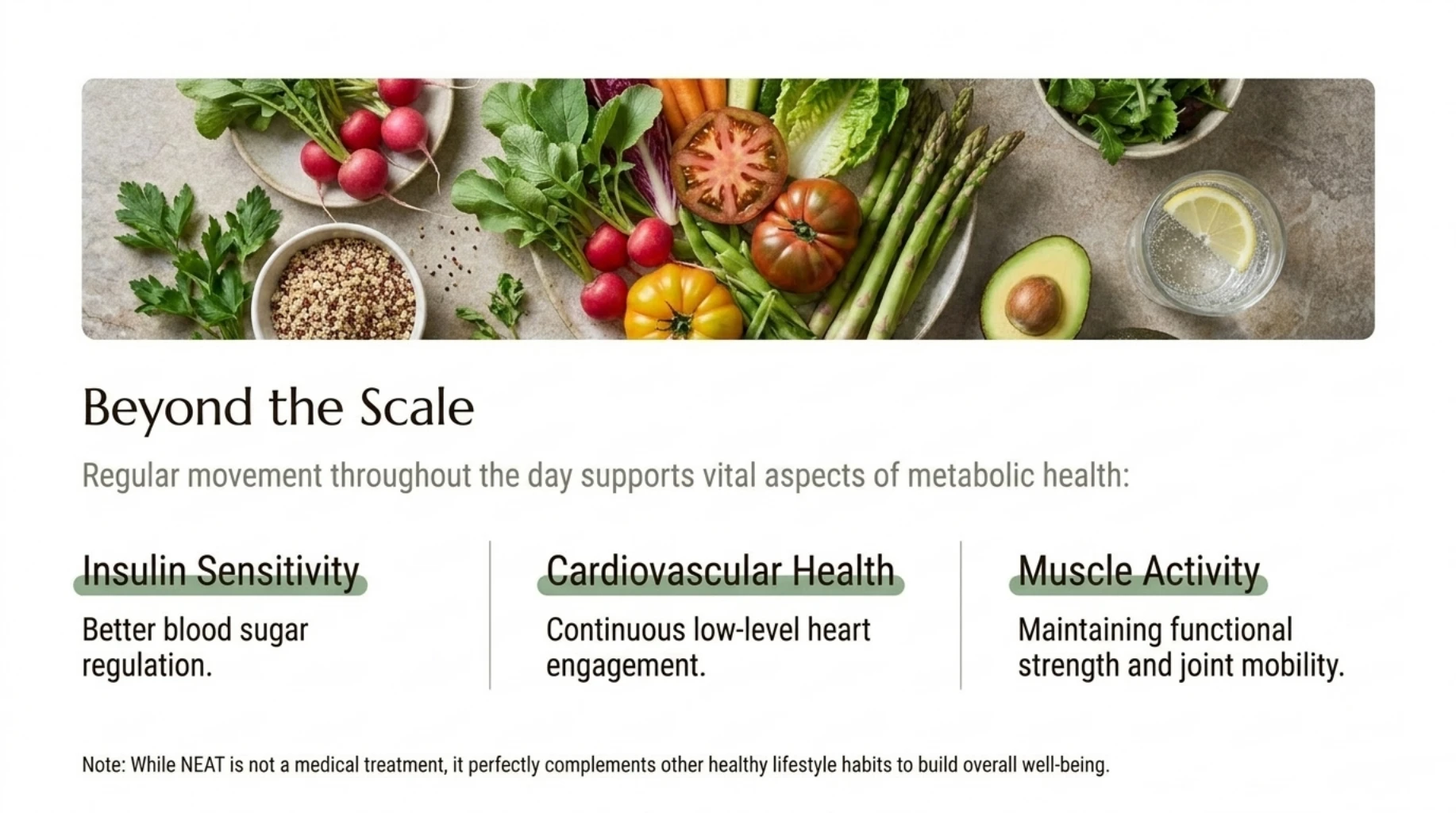
Regular movement throughout the day supports several aspects of metabolic health, including:
- Improved insulin sensitivity.
- Better blood sugar regulation.
- Reduced sedentary time.
- Improved muscle activity.
- Support for healthy body weight.
- Better cardiovascular health.
Although NEAT exercise should not be viewed as a treatment for medical conditions, incorporating more daily movement complements other healthy lifestyle habits and contributes to overall well-being.
Can NEAT Exercise Replace Regular Workouts?
This is a common question. The answer is no.
NEAT exercise and structured exercise serve different but complementary purposes.
Strength training helps preserve muscle mass and bone health, while aerobic exercise improves cardiovascular fitness and endurance.
At the same time, NEAT exercise reduces prolonged inactivity by encouraging movement throughout the day.
The healthiest lifestyle combines regular exercise with high levels of everyday physical activity rather than relying on one alone.
Who Benefits Most from NEAT Exercise?
Increasing NEAT exercise can benefit almost everyone, but it may be particularly valuable for:
- Office workers who sit for prolonged periods.
- People working from home.
- Adults with busy schedules.
- Individuals trying to lose or maintain weight.
- Older adults aiming to remain physically active.
- People beginning a healthier lifestyle.
- Individuals who find structured exercise difficult because of time constraints.
Even modest increases in daily movement can become meaningful when practised consistently over many months.
How to Make NEAT Exercise Part of Your Daily Routine
One of the greatest advantages of NEAT exercise is that it does not require a gym membership, expensive equipment, or a dedicated workout schedule.
Instead of trying to make dramatic lifestyle changes overnight, focus on adding small movements throughout your day. These simple habits are often easier to maintain and can become automatic over time.
Rather than asking, “When will I find time to exercise?”, begin asking, “How can I move a little more during the next hour?”
This shift in thinking is often the key to making NEAT exercise a permanent part of everyday life.
Combine NEAT Exercise with Your Existing Routine
The easiest way to increase NEAT exercise is to attach movement to activities you already perform every day.
For example:
- Walk while waiting for your tea or coffee.
- Stand during phone calls.
- Take a short walk after lunch.
- Use the stairs when travelling one or two floors.
- Walk to a colleague instead of sending a message.
- Stretch while watching television.
- Park slightly farther from the entrance.
These habits require very little additional effort but can substantially increase daily movement over time.
Track Your Daily Steps
Many smartphones and fitness watches automatically record daily step counts.
Although there is no single ideal number of steps for everyone, monitoring your activity can increase awareness of how much—or how little—you move during the day.
If your current activity level is low, gradually increasing your daily steps is often more realistic than aiming for an ambitious target immediately.
Tracking progress can also make NEAT exercise more motivating because small improvements become visible over time.
Reduce Long Periods of Sitting
Many adults remain seated for several hours without interruption.
Even if you exercise regularly, breaking up prolonged sitting with brief periods of movement is a valuable strategy.
Standing, stretching, walking to refill your water bottle, or taking a short walk around the office every hour all contribute to NEAT exercise.
These frequent movement breaks are often easier to maintain than trying to compensate for an entire day of sitting with one evening workout.
Common Myths About NEAT Exercise
Myth 1: Only Gym Workouts Burn Meaningful Calories
Structured exercise certainly burns calories, but everyday movement also contributes to total daily energy expenditure.
Hundreds of small movements performed consistently may collectively have a significant impact over weeks and months.
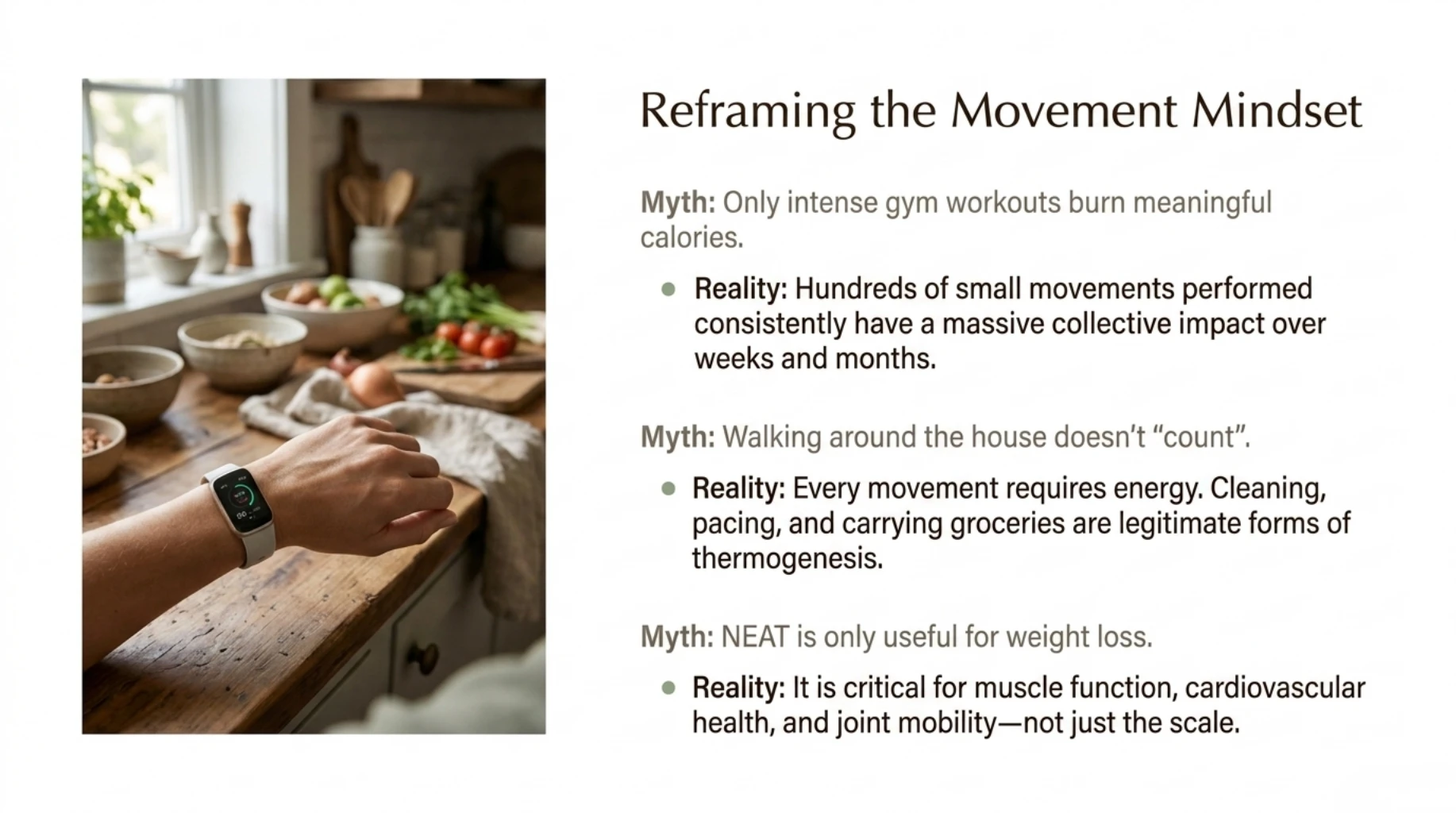
Myth 2: Walking Around the House Doesn’t Count
Every movement requires energy.
Walking while talking on the phone, cleaning, gardening, climbing stairs, and carrying groceries are all forms of NEAT exercise.
These activities should not be underestimated simply because they are not performed in a gym.
Myth 3: I Exercise for One Hour, So Sitting All Day Doesn’t Matter
Completing a daily workout is an excellent habit, but it does not completely offset the effects of prolonged inactivity.
Remaining physically active throughout the day by increasing NEAT exercise complements structured exercise and helps reduce sedentary behaviour.
Myth 4: NEAT Exercise Is Only Useful for Weight Loss
While NEAT exercise can support healthy weight management, its benefits extend much further.
Increasing daily movement also supports metabolic health, muscle function, cardiovascular health, joint mobility, and overall physical well-being.
When Should You Seek Medical Advice?
If you experience persistent fatigue, unexplained weight gain, difficulty becoming physically active, breathlessness with minimal activity, chest discomfort during movement, or joint pain that limits walking, it is advisable to seek medical evaluation before significantly increasing your activity level.
Individuals with heart disease, severe arthritis, uncontrolled diabetes, or other chronic medical conditions should also discuss an appropriate physical activity plan with their healthcare professional.
Most people can safely increase NEAT exercise gradually, but personalised advice may be helpful if you have existing medical concerns.
Why Small Daily Movements Matter More Than You Think
Many people underestimate the long-term impact of small lifestyle habits because the results are not immediately visible.
However, health is built through actions repeated consistently over months and years.
Taking the stairs instead of the lift, walking after meals, standing more often, and choosing movement whenever possible may seem insignificant individually, but together they can substantially increase NEAT exercise.
These simple habits also encourage a less sedentary lifestyle, which is increasingly important in today’s technology-driven world.
Final Thought
You don’t always need an extra hour to become healthier. Sometimes, you simply need to move a little more during the hours you already have. Every step, every staircase, and every opportunity to stay active adds to your NEAT exercise and brings you one step closer to better metabolic health.
If you want a personalized metabolic assessment and lifestyle strategy, you can book a consultation here:
Book an Appointment