


“Doctor, I’ve lost strength over the past few years, but my weight keeps increasing. How is that possible?”
This is a concern that is becoming increasingly common among modern adults.
Many people believe that body weight alone reflects their overall health. However, the number on the weighing scale tells only part of the story. It is entirely possible to lose muscle while simultaneously gaining body fat. This condition is known as sarcopenic obesity, and it often develops gradually without obvious warning signs.
Unlike traditional obesity, where excess body fat is the primary concern, sarcopenic obesity combines two problems at the same time—reduced muscle mass and increased body fat. This combination may have a greater impact on metabolic health, mobility, physical function, and quality of life than either condition alone.

As lifestyles become more sedentary and diets increasingly rely on processed foods, sarcopenic obesity is being recognised more frequently in adults well before old age.
Understanding this condition is important because early lifestyle changes may help preserve muscle, improve body composition, and support healthier ageing.
What Is Sarcopenic Obesity?
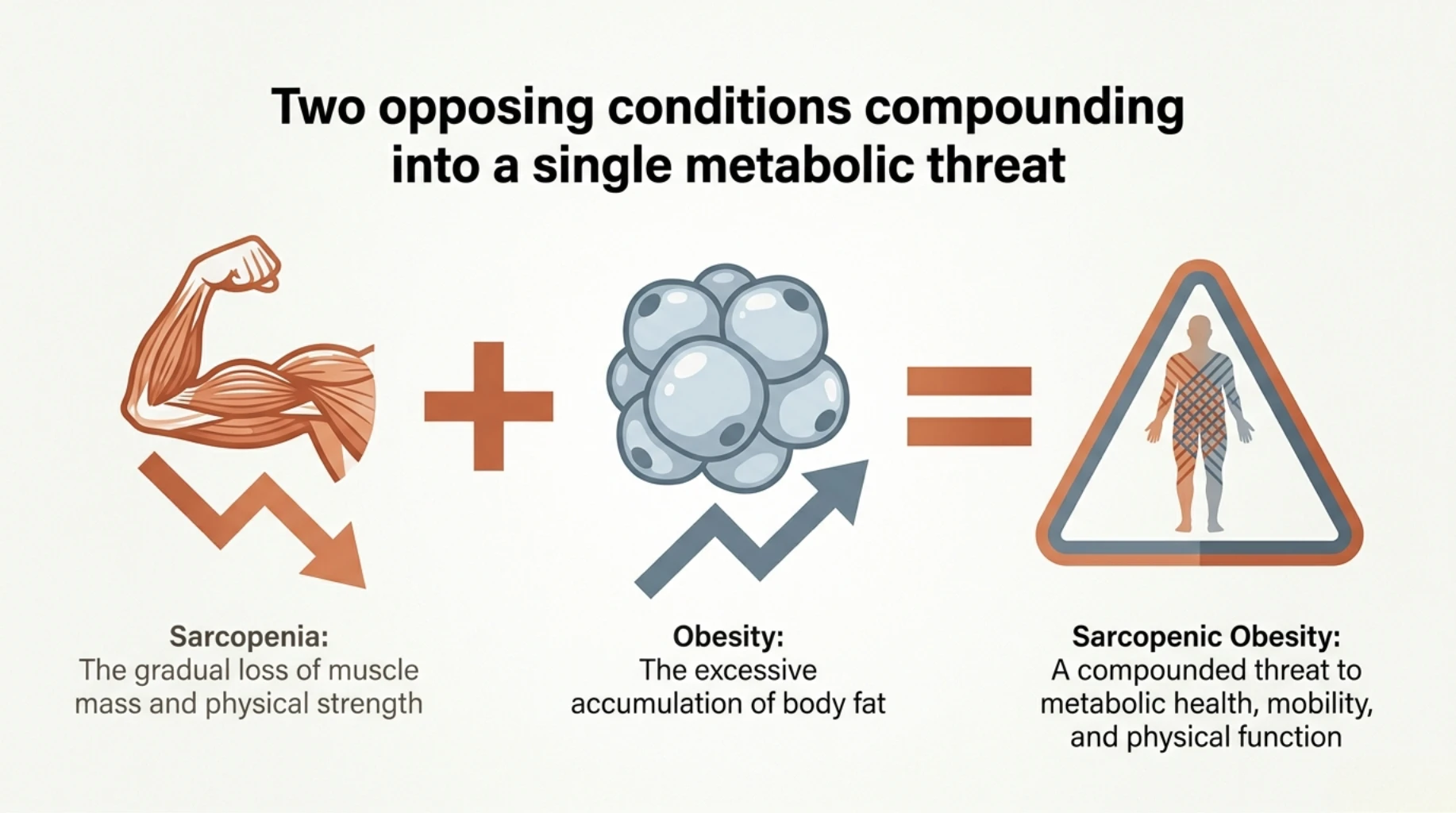
Sarcopenic obesity refers to the coexistence of reduced skeletal muscle mass or strength together with excess body fat.
The term combines two medical conditions:
- Sarcopenia, which refers to the gradual loss of muscle mass and muscle strength.
- Obesity, which refers to excessive accumulation of body fat.
Although these conditions may seem unrelated, they frequently occur together. As muscle decreases, the body’s ability to burn calories efficiently may decline, while excess fat accumulation can further impair muscle function.
This creates a cycle in which sarcopenic obesity gradually progresses if lifestyle habits remain unchanged.
Why Sarcopenic Obesity Is Becoming More Common
Previous generations often performed physically demanding work that naturally helped maintain muscle mass throughout adulthood.
Today, however, many people spend most of their day sitting at a desk, commuting by car, or using digital devices.
At the same time, modern diets often contain excessive calories but inadequate high-quality protein, while poor sleep and chronic stress further affect metabolic health.
These lifestyle changes have created ideal conditions for sarcopenic obesity to develop earlier in life than many people realise.
Increasing life expectancy also means that adults spend more years exposed to habits that gradually reduce muscle while increasing fat accumulation.
Who Is Most Likely to Develop Sarcopenic Obesity?
Although sarcopenic obesity is more common with advancing age, it is not limited to older adults.
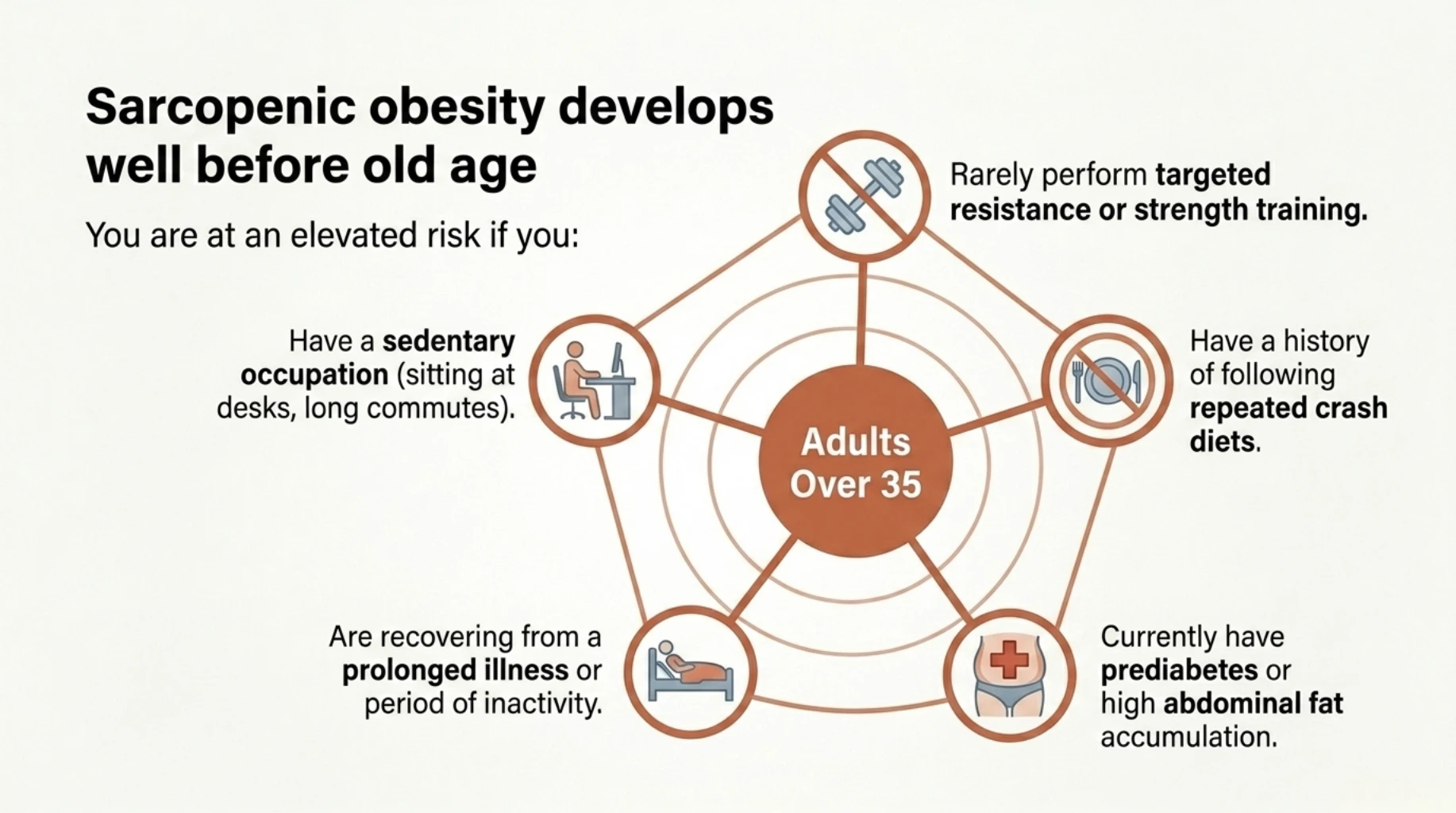
Several groups may be at increased risk, including:
- Adults over 35 years of age.
- People with sedentary occupations.
- Individuals who rarely perform resistance or strength training.
- People following repeated crash diets.
- Adults with obesity or abdominal fat accumulation.
- Individuals with prediabetes or type 2 diabetes.
- People recovering from prolonged illness or inactivity.
Many of these individuals appear healthy on the surface, making sarcopenic obesity easy to overlook during its early stages.
Why Muscle Matters More Than Most People Realise
Muscle does much more than help us lift heavy objects.
Healthy muscle tissue plays an essential role in:
- Maintaining strength and mobility.
- Supporting balance and coordination.
- Regulating blood sugar.
- Improving insulin sensitivity.
- Burning energy throughout the day.
- Protecting bones and joints.
- Supporting healthy ageing.
When muscle gradually declines, everyday activities such as climbing stairs, carrying shopping bags, or getting up from a chair may become increasingly difficult.
At the same time, excess body fat often continues to increase, making sarcopenic obesity particularly challenging from both a functional and metabolic perspective.
Sign #1: Your Waistline Keeps Increasing Despite Stable Body Weight
Many people assume they are maintaining their health because their body weight has changed very little over several years.
However, body composition may be changing significantly.
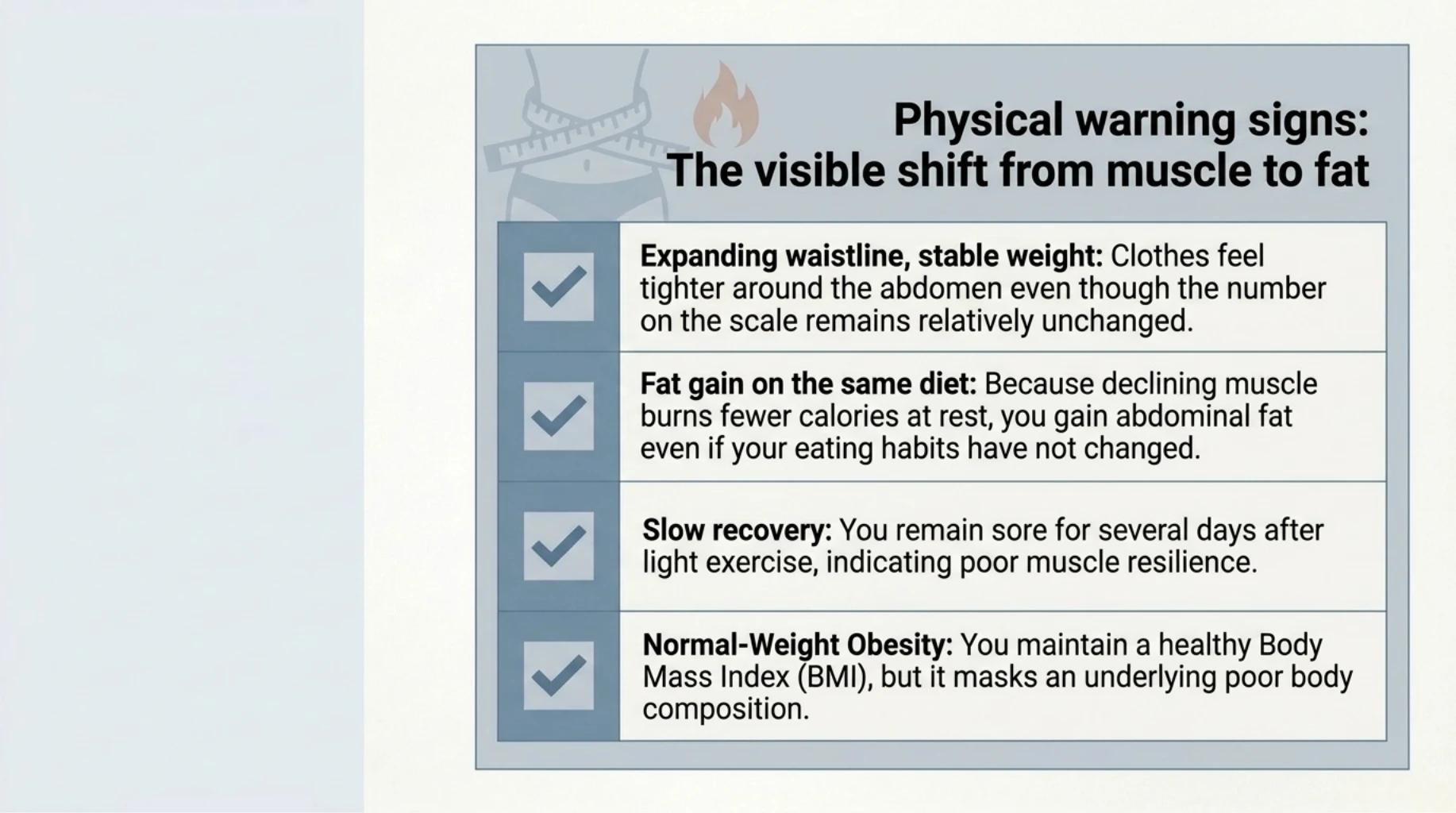
One of the earliest signs of sarcopenic obesity is a gradual increase in waist circumference even though the number on the scale remains relatively stable.
This happens because muscle is gradually replaced by body fat, particularly around the abdomen.
Clothes may begin to feel tighter around the waist while the overall body weight appears almost unchanged.
Sign #2: Everyday Tasks Feel More Difficult
People experiencing sarcopenic obesity often notice that ordinary activities require more effort than before.
Examples include:
- Climbing stairs.
- Walking uphill.
- Lifting grocery bags.
- Getting up from the floor.
- Playing with children.
Many assume they are simply becoming older, when in reality declining muscle strength may be contributing to these changes.
Sign #3: You Feel Tired More Easily
Persistent fatigue has many possible causes, but reduced muscle mass is one factor that may contribute.
Muscle plays an important role in physical performance and overall energy metabolism.
As sarcopenic obesity progresses, many people report becoming tired after activities they previously managed comfortably.
Simple household tasks or short walks may leave them feeling unusually exhausted compared with a few years earlier.
Sign #4: Your Strength Has Gradually Declined
Strength often declines gradually, making the change difficult to notice.
Perhaps opening jars feels harder, carrying luggage has become more challenging, or your performance during exercise has steadily worsened.
These subtle changes may reflect declining muscle mass rather than ageing alone.
When accompanied by increasing body fat, they may indicate sarcopenic obesity.
Sign #5: You Are Gaining Fat Even Though You Are Eating the Same Amount
Many adults become frustrated because they feel their eating habits have not changed significantly, yet they continue to gain weight, particularly around the abdomen.
One explanation may be that the body’s composition is changing. As muscle mass gradually decreases, the body burns fewer calories at rest because muscle tissue is metabolically more active than fat tissue.
This means that even if calorie intake remains similar, declining muscle mass may make weight gain more likely over time. This is one of the characteristic features of sarcopenic obesity.
Many people mistakenly blame their age alone, when the underlying issue is often a gradual shift from muscle to fat.
Sign #6: Your Exercise Capacity Is Declining
Another common sign of sarcopenic obesity is reduced exercise tolerance.
Activities that once felt comfortable may now leave you breathless or fatigued much sooner.
You may notice that:
- You cannot walk as far as before.
- You tire quickly during workouts.
- Your recovery after exercise takes longer.
- You avoid physical activity because it feels more difficult.
Reduced muscle mass limits physical performance, while excess body fat places additional stress on the joints and cardiovascular system. Together, these changes often create a cycle of reduced activity and further muscle loss.
Sign #7: You Recover More Slowly After Physical Activity
Recovery is an important indicator of overall physical health.
If you remain sore for several days after light exercise or feel exhausted after routine activities, your body may not be recovering as efficiently as it once did.
Although several medical conditions can contribute to poor recovery, declining muscle quality associated with sarcopenic obesity may also play a role.
Adequate sleep, balanced nutrition, sufficient protein intake, and regular strength training all help support recovery and preserve muscle function.
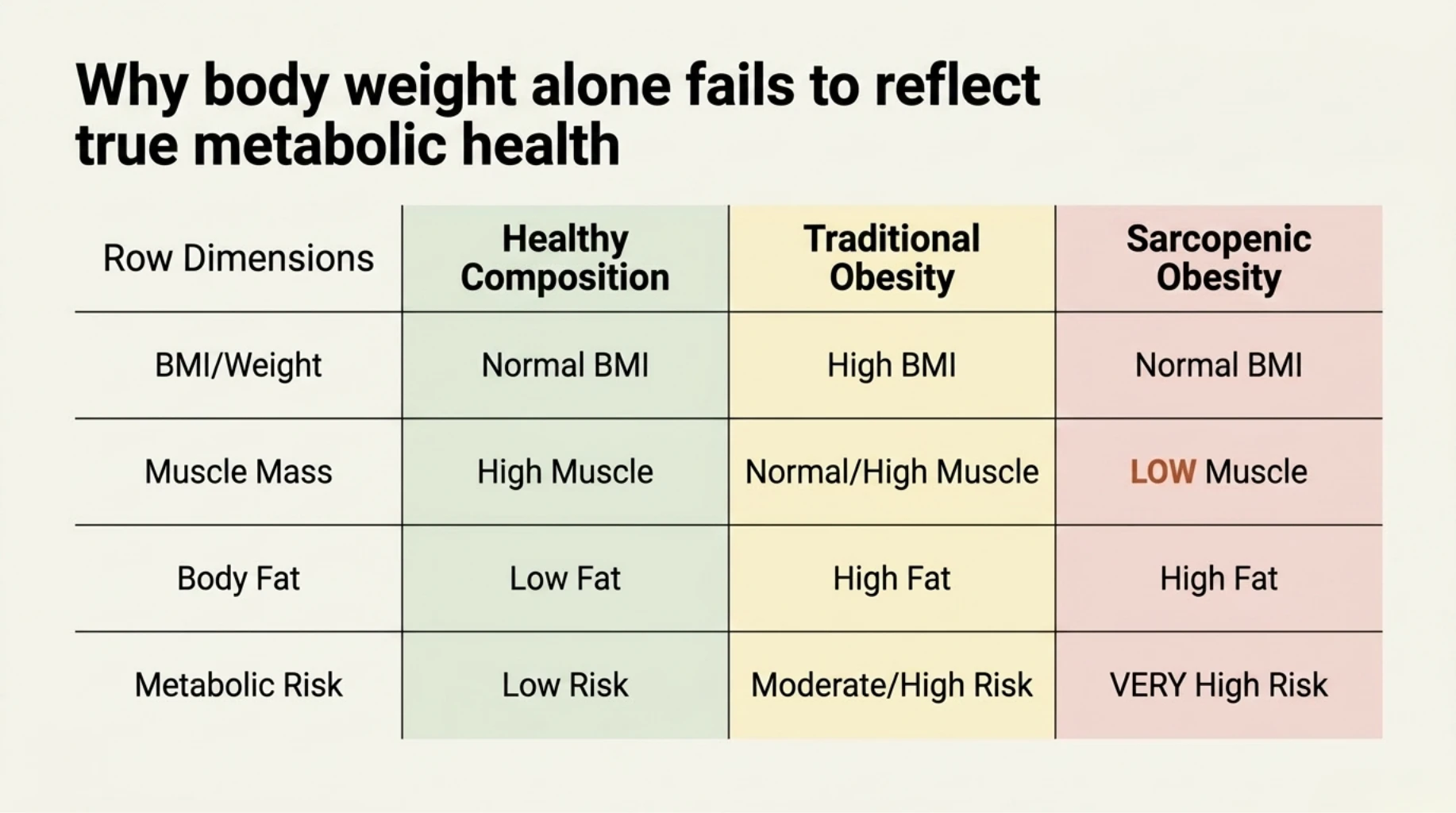
Sign #8: Your Body Weight Looks Normal but Your Body Composition Has Changed
One of the most overlooked aspects of sarcopenic obesity is that not everyone affected appears overweight.
Some individuals have a body mass index (BMI) within the normal range but still have relatively low muscle mass and a higher proportion of body fat.
This phenomenon is sometimes referred to as “normal-weight obesity”, where body weight alone fails to reflect true metabolic health.
This is why relying only on the weighing scale may provide a false sense of reassurance.
Why Sarcopenic Obesity Is More Than a Cosmetic Problem
Many people view changes in body composition as purely an appearance issue. However, sarcopenic obesity is important because it affects how the body functions.
Reduced muscle combined with excess fat has been associated with:
- Reduced physical independence.
- Poor mobility.
- Lower exercise capacity.
- Reduced quality of life.
- Higher risk of falls and injuries.
- Difficulty performing daily activities.
Beyond these physical effects, sarcopenic obesity is also closely linked with metabolic disorders.
How Sarcopenic Obesity Affects Metabolic Health
Healthy muscle tissue plays an essential role in regulating blood sugar and maintaining insulin sensitivity.
When muscle mass declines, the body’s ability to utilise glucose efficiently may also decrease.
At the same time, excess abdominal fat produces inflammatory substances that can further impair metabolic health.
Because of this combination, sarcopenic obesity is frequently associated with:
- Insulin resistance.
- Prediabetes.
- Type 2 diabetes.
- Metabolic syndrome.
- Fatty liver disease.
- High blood pressure.
- Abnormal cholesterol levels.
This explains why maintaining muscle mass is important not only for strength but also for long-term metabolic health.
Why Crash Diets Can Increase the Risk of Sarcopenic Obesity
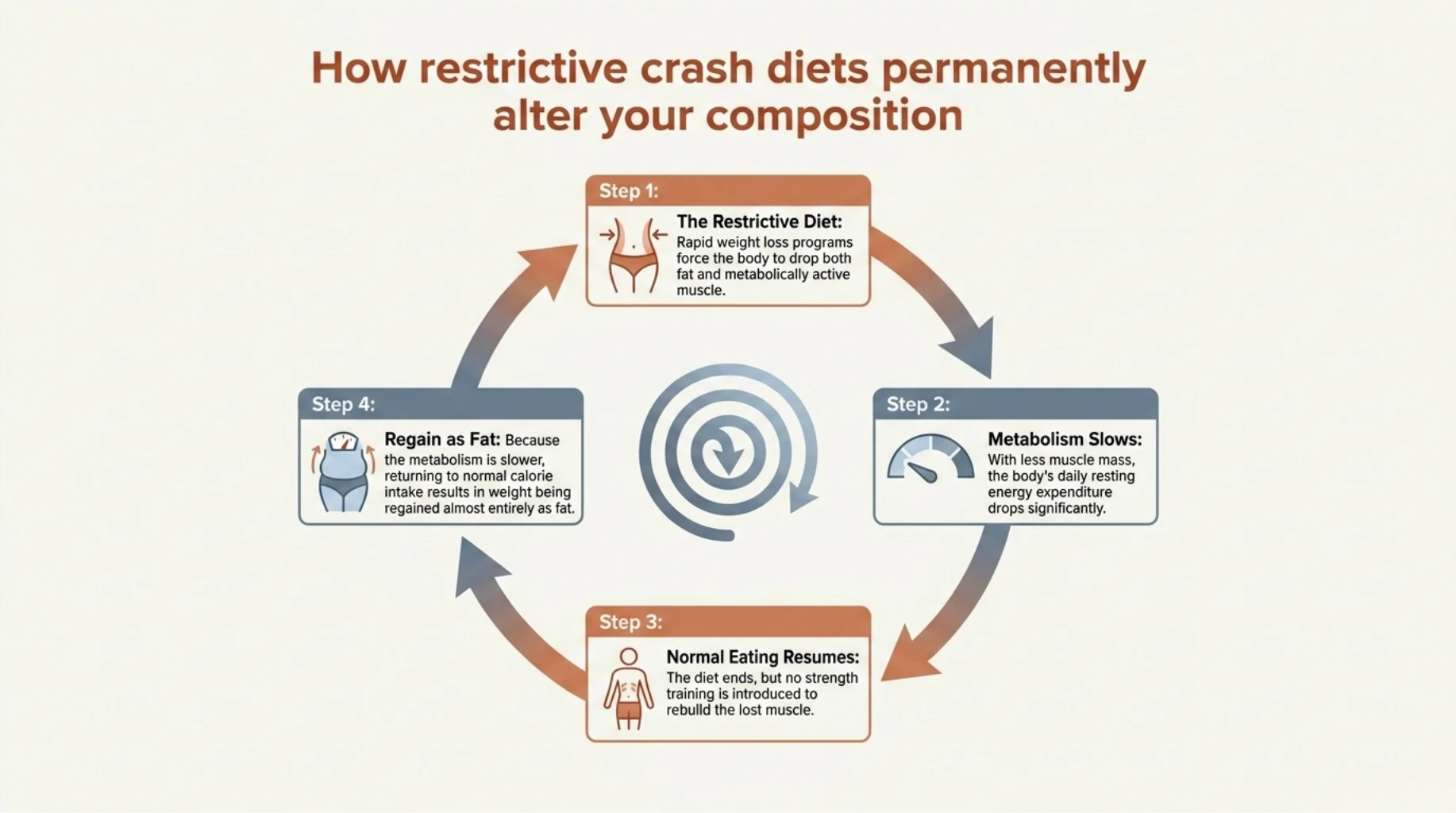
Many people attempt rapid weight loss through highly restrictive diets.
Although these diets may reduce body weight initially, they often lead to the loss of both fat and muscle.
If normal eating resumes without regular strength training or adequate protein intake, much of the weight regained may consist primarily of fat rather than muscle.
Repeated cycles of losing and regaining weight may therefore increase the likelihood of developing sarcopenic obesity over time.
For this reason, sustainable lifestyle changes are generally more effective than repeated crash diets.
How Is Sarcopenic Obesity Diagnosed?
Diagnosing sarcopenic obesity requires more than measuring body weight alone.
Healthcare professionals may assess several aspects of body composition and physical function, including:
- Waist circumference.
- Body composition analysis using bioelectrical impedance analysis (BIA) or dual-energy X-ray absorptiometry (DEXA), where appropriate.
- Grip strength.
- Walking speed.
- Chair stand tests.
- Overall physical performance.
A comprehensive clinical evaluation helps determine whether muscle loss, excess body fat, or other medical conditions are contributing to a person’s symptoms.
Can Sarcopenic Obesity Be Prevented?
The encouraging news is that sarcopenic obesity is not an inevitable part of ageing.
Many of its risk factors are related to lifestyle and can be modified.
Preserving muscle throughout adulthood, staying physically active, consuming adequate protein, and avoiding prolonged inactivity can all help reduce the likelihood of developing sarcopenic obesity.
The earlier these habits become part of everyday life, the greater the potential benefits for long-term health.
How to Manage Sarcopenic Obesity
The good news is that sarcopenic obesity can often be improved through sustainable lifestyle changes. Unlike quick-fix diets that focus only on reducing body weight, the goal should be to reduce excess body fat while preserving or increasing muscle mass.
This requires a balanced approach that combines nutrition, physical activity, adequate recovery, and, when necessary, medical guidance.
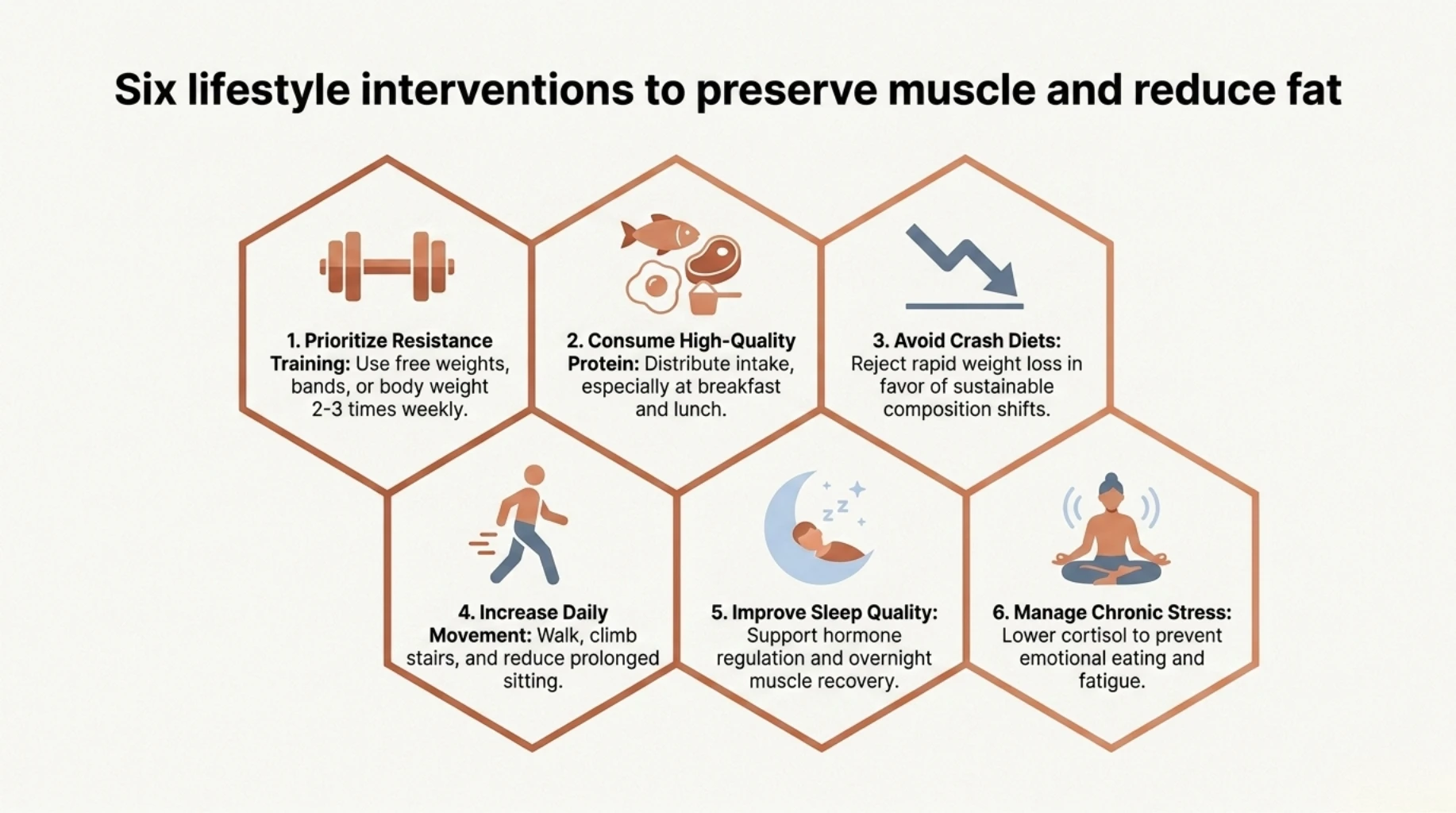
1. Prioritise Resistance Training
Resistance or strength training is one of the most effective ways to preserve and build muscle.
Exercises using free weights, resistance bands, weight machines, or even body weight stimulate muscles to become stronger and more resilient.
For adults with sarcopenic obesity, strength training is often more beneficial than relying only on long-duration cardio exercise.
Most healthy adults should aim to include resistance training at least two to three times each week, while tailoring the programme to their age, fitness level, and any existing medical conditions.
2. Consume Adequate High-Quality Protein
Muscle cannot be maintained without sufficient protein.
Many urban adults consume adequate calories but insufficient high-quality protein, particularly at breakfast and lunch.
Including protein-rich foods throughout the day helps support muscle repair and maintenance.
Examples include:
- Eggs
- Fish
- Chicken
- Low-fat dairy products
- Paneer
- Tofu
- Soya products
- Pulses and lentils
- Beans
Protein requirements vary depending on age, activity level, kidney health, and medical conditions. Individual advice from a healthcare professional or registered dietitian may be appropriate for some people.
3. Avoid Repeated Crash Diets
Rapid weight-loss programmes often result in the loss of muscle as well as fat.
Although the weighing scale may show encouraging results initially, repeated cycles of weight loss and regain can worsen sarcopenic obesity by reducing muscle while increasing the proportion of body fat.
A slower, sustainable approach to weight management is generally more effective for preserving lean body mass.
4. Stay Physically Active Throughout the Day
Structured exercise is important, but everyday movement also matters.
Walking, climbing stairs, gardening, household work, and reducing prolonged sitting all contribute to healthier body composition.
Remaining physically active between exercise sessions helps support energy expenditure and complements resistance training in managing sarcopenic obesity.
5. Improve Sleep Quality
Sleep is often overlooked when discussing muscle health.
During sleep, the body carries out many important repair processes that support muscle recovery, hormone regulation, and overall metabolic function.
Regular sleep schedules, limiting screen exposure before bedtime, and aiming for adequate sleep each night may help support healthier body composition.
6. Manage Chronic Stress
Persistent stress may contribute to poor food choices, emotional eating, reduced physical activity, and inadequate sleep.
These factors together may accelerate the progression of sarcopenic obesity.
Simple stress-management techniques such as regular walking, mindfulness, yoga, relaxation exercises, and maintaining social connections may support long-term lifestyle change.
Common Myths About Sarcopenic Obesity
Myth 1: Only Older Adults Develop Sarcopenic Obesity
Although ageing increases the risk, sarcopenic obesity is increasingly recognised in adults during their thirties and forties, particularly among those with sedentary lifestyles.
Myth 2: A Normal Body Weight Means Healthy Muscle
Body weight alone cannot determine muscle mass. Someone with a normal BMI may still have reduced muscle and excess body fat.
Myth 3: Cardio Exercise Alone Is Enough
Walking and aerobic exercise provide many health benefits, but they may not adequately preserve muscle if resistance training is absent.
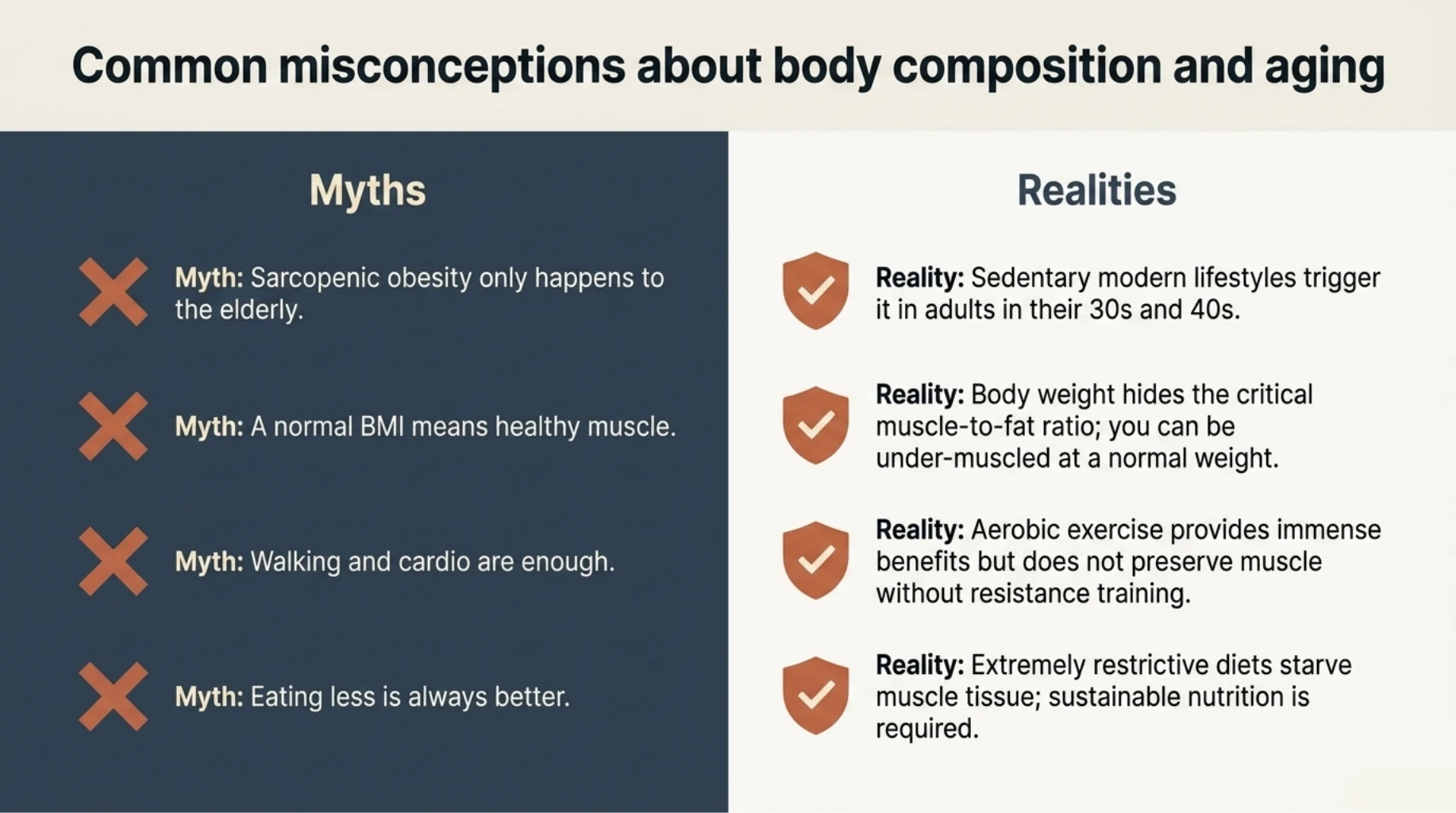
Myth 4: Eating Less Is Always Better
Extremely restrictive diets may reduce both fat and muscle. Sustainable nutrition that provides adequate protein is generally more supportive of long-term muscle health.
When Should You Seek Medical Advice?
If you notice increasing abdominal fat, declining strength, persistent fatigue, poor exercise tolerance, repeated falls, or difficulty performing everyday activities, it is advisable to consult a healthcare professional.
Medical assessment is particularly important if these symptoms are accompanied by conditions such as obesity, diabetes, fatty liver disease, high blood pressure, or abnormal cholesterol levels.
Your doctor may recommend body composition assessment, muscle strength evaluation, blood tests, and personalised lifestyle advice based on your overall health profile.
Healthy Ageing Depends on Preserving Muscle
Many people focus exclusively on losing weight, yet maintaining muscle is equally important.
Healthy ageing is not simply about becoming lighter—it is about remaining strong, active, independent, and metabolically healthy.
Preserving muscle improves mobility, supports blood sugar regulation, reduces the risk of falls, and enhances quality of life.
By recognising sarcopenic obesity early, individuals can take practical steps to improve body composition before significant health problems develop.
Final Thought
Healthy ageing is not defined by the number on the weighing scale—it is defined by how well your muscles support your movement, metabolism, and daily life. Protecting your muscle today is one of the most effective investments you can make in your future health.
If you want a personalized metabolic assessment and lifestyle strategy, you can book a consultation here:
Book an Appointment