

Why Being Lean Does Not Always Mean Being Healthy
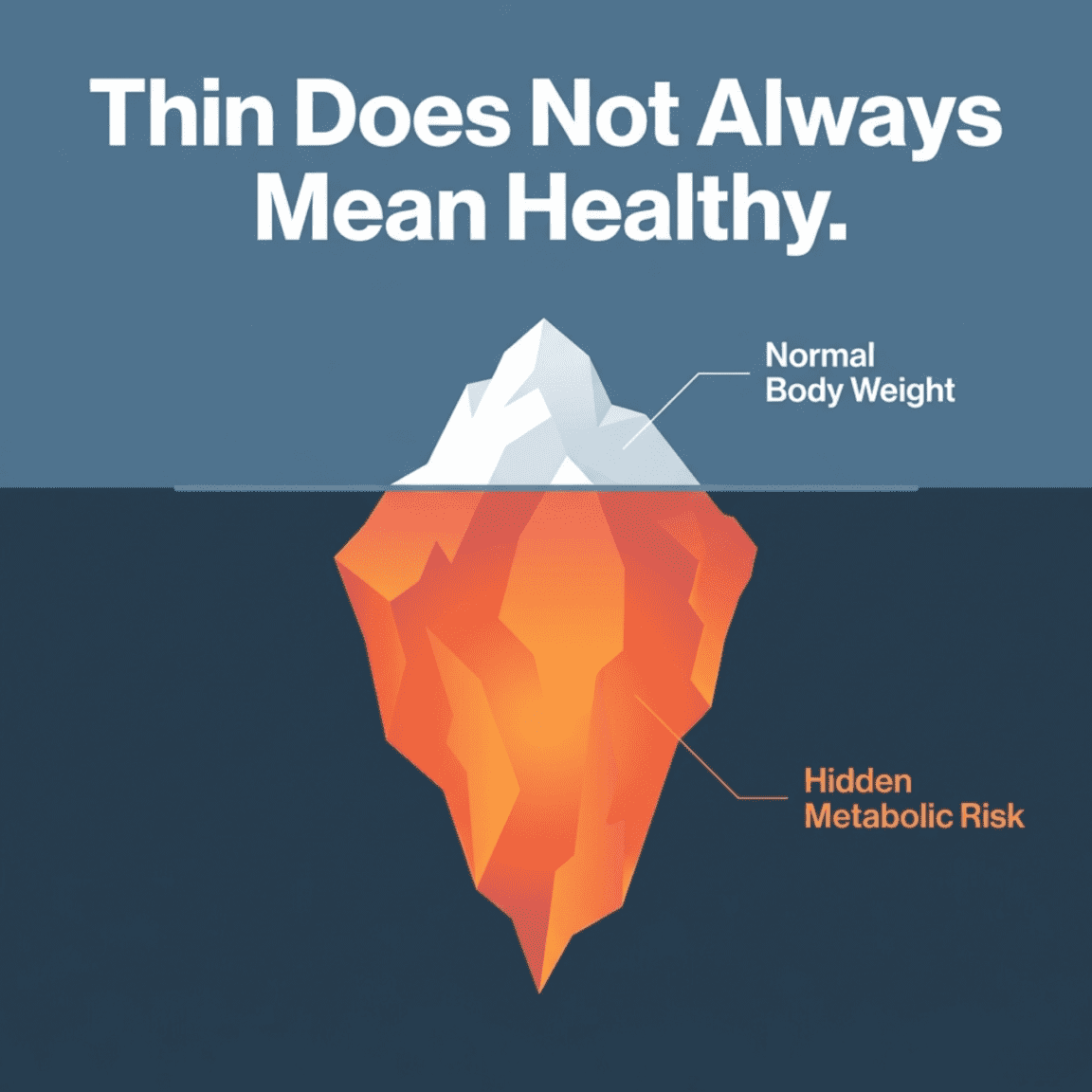
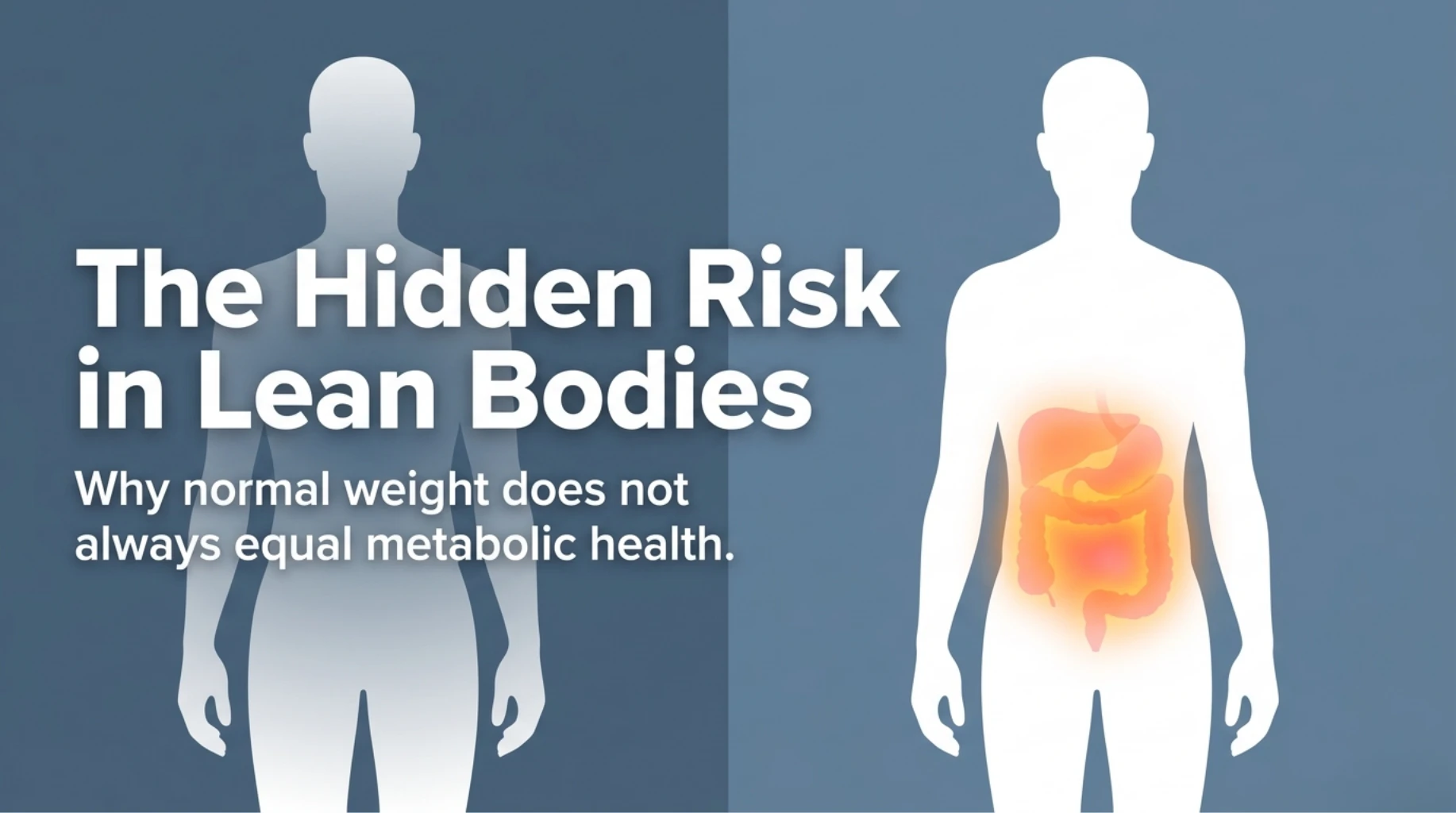
Understanding why insulin resistance happens in lean people starts with breaking a common myth. Many people assume that if they are not overweight, they are metabolically healthy.
However, body weight alone does not reflect internal metabolic health. It is possible to have a normal weight and still develop metabolic issues like insulin resistance.
This is often referred to as “hidden metabolic risk.”
For more lifestyle insights, you can explore: lifestyle section.
What Is Insulin Resistance and Why It Matters
To understand why insulin resistance happens in lean people, it is important to first understand insulin resistance itself.
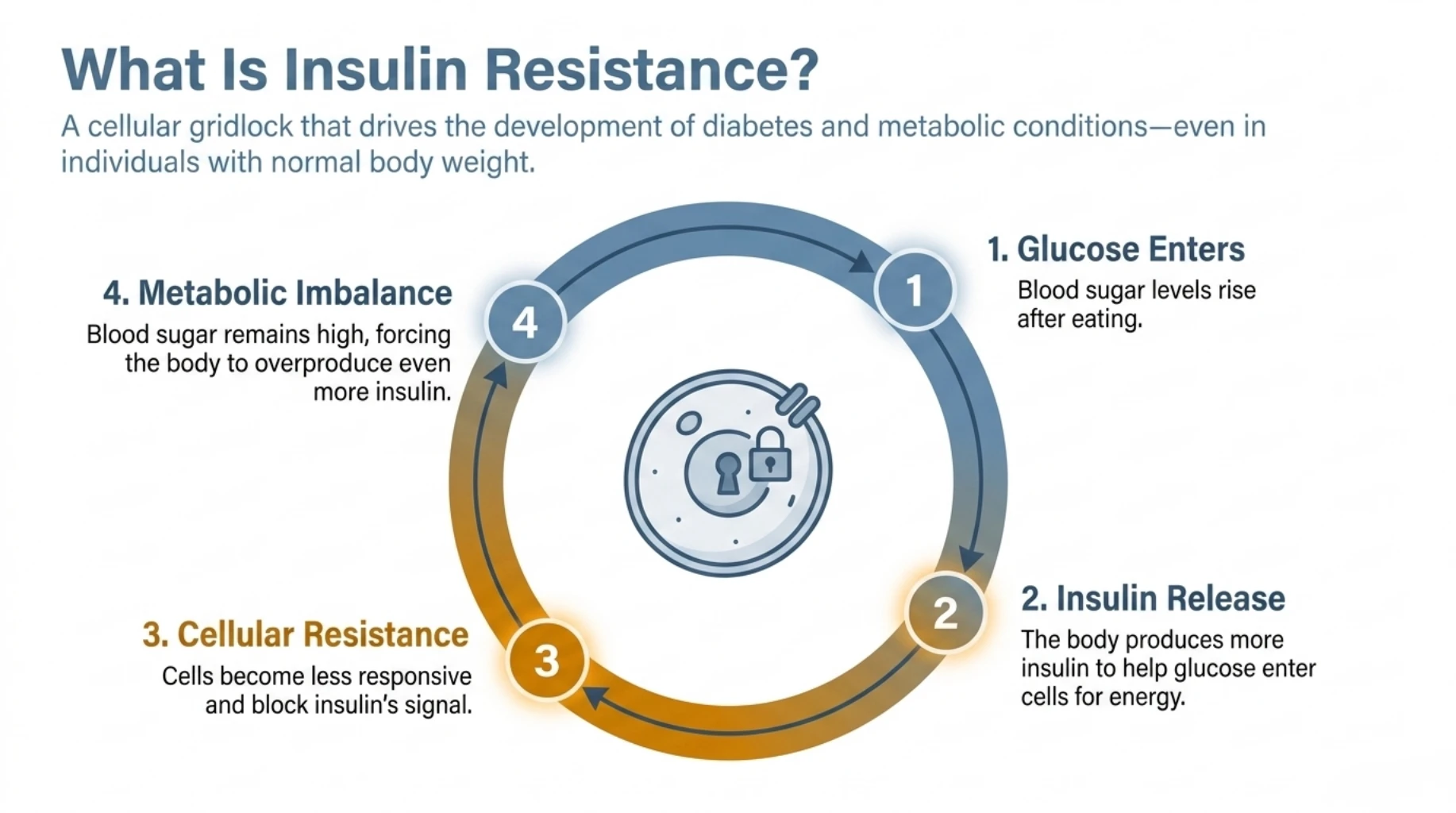
Insulin is a hormone that helps glucose enter cells to be used as energy. In insulin resistance, cells become less responsive to insulin.
As a result:
- Blood sugar levels rise
- The body produces more insulin
- Metabolic imbalance begins
A study highlights that insulin resistance is a key factor in the development of diabetes and other metabolic conditions. This condition can develop even in individuals with normal body weight.
Why Insulin Resistance Happens in Lean People
To truly understand why insulin resistance happens in lean people, it is important to look beyond body weight and focus on internal metabolic factors.
Several hidden causes can lead to insulin resistance even in individuals who appear physically lean.
1. Visceral Fat (Hidden Internal Fat)
Lean individuals can still have fat stored around internal organs, known as visceral fat. This type of fat is metabolically active and plays a major role in insulin resistance.
Unlike subcutaneous fat, visceral fat affects hormone signaling and increases inflammation.
A study highlights that visceral fat is strongly associated with insulin resistance regardless of body weight.
What You Can Do to Prevent Hidden Insulin Resistance
Understanding why insulin resistance happens in lean people is important, but applying it in real life is what truly protects long-term health.
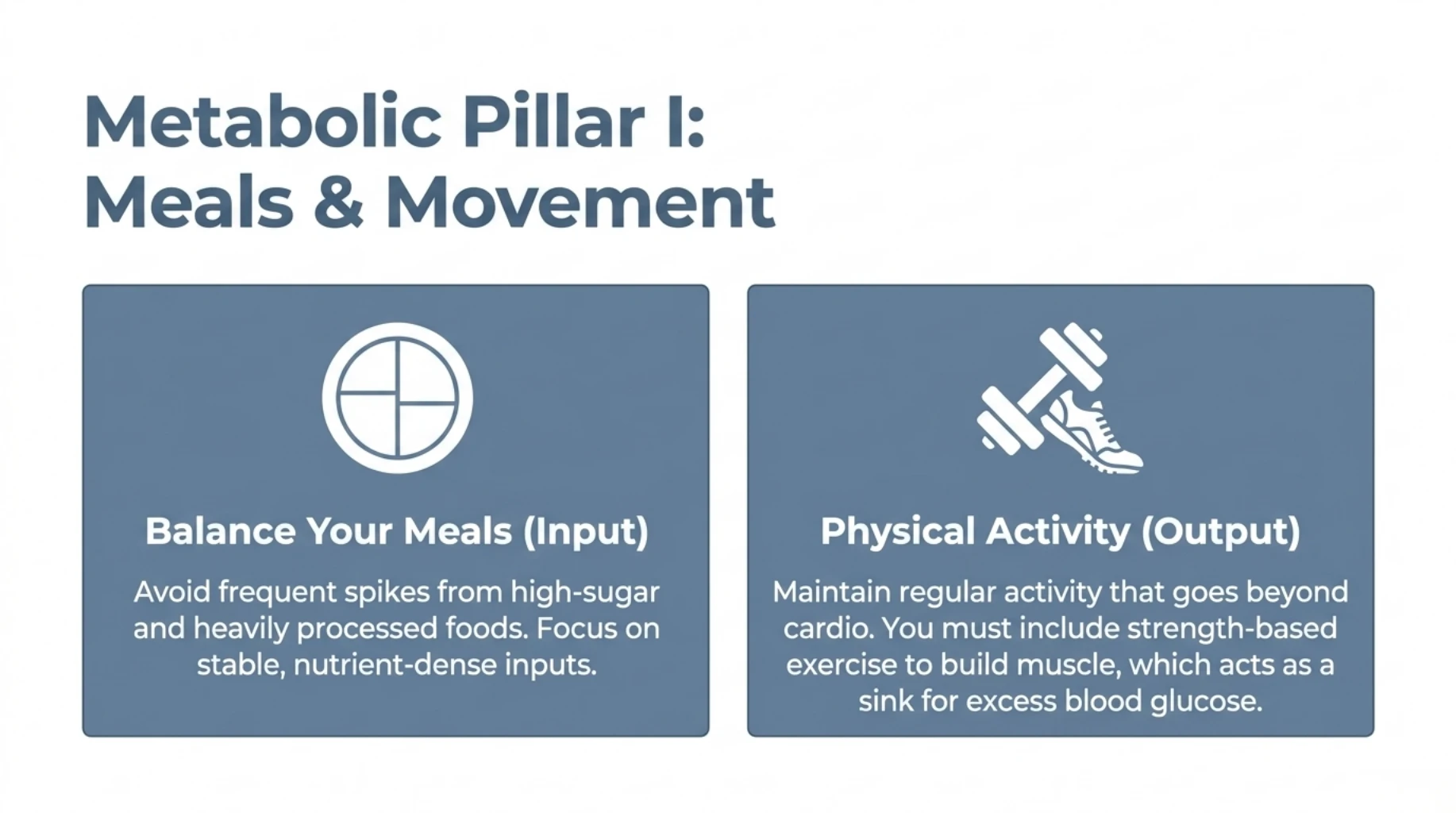
Even if your weight is normal, your lifestyle habits determine your metabolic health.
- Focus on body composition, not just weight: Build muscle and reduce internal fat
- Maintain regular physical activity: Include both movement and strength-based exercise
- Balance your meals: Avoid frequent high-sugar and processed foods
- Improve sleep quality: Poor sleep directly affects insulin sensitivity
- Manage stress: Chronic stress increases hormonal imbalance
- Track key health markers: Fasting sugar, insulin levels, and lipid profile
- Do regular screening: Especially if there is family history
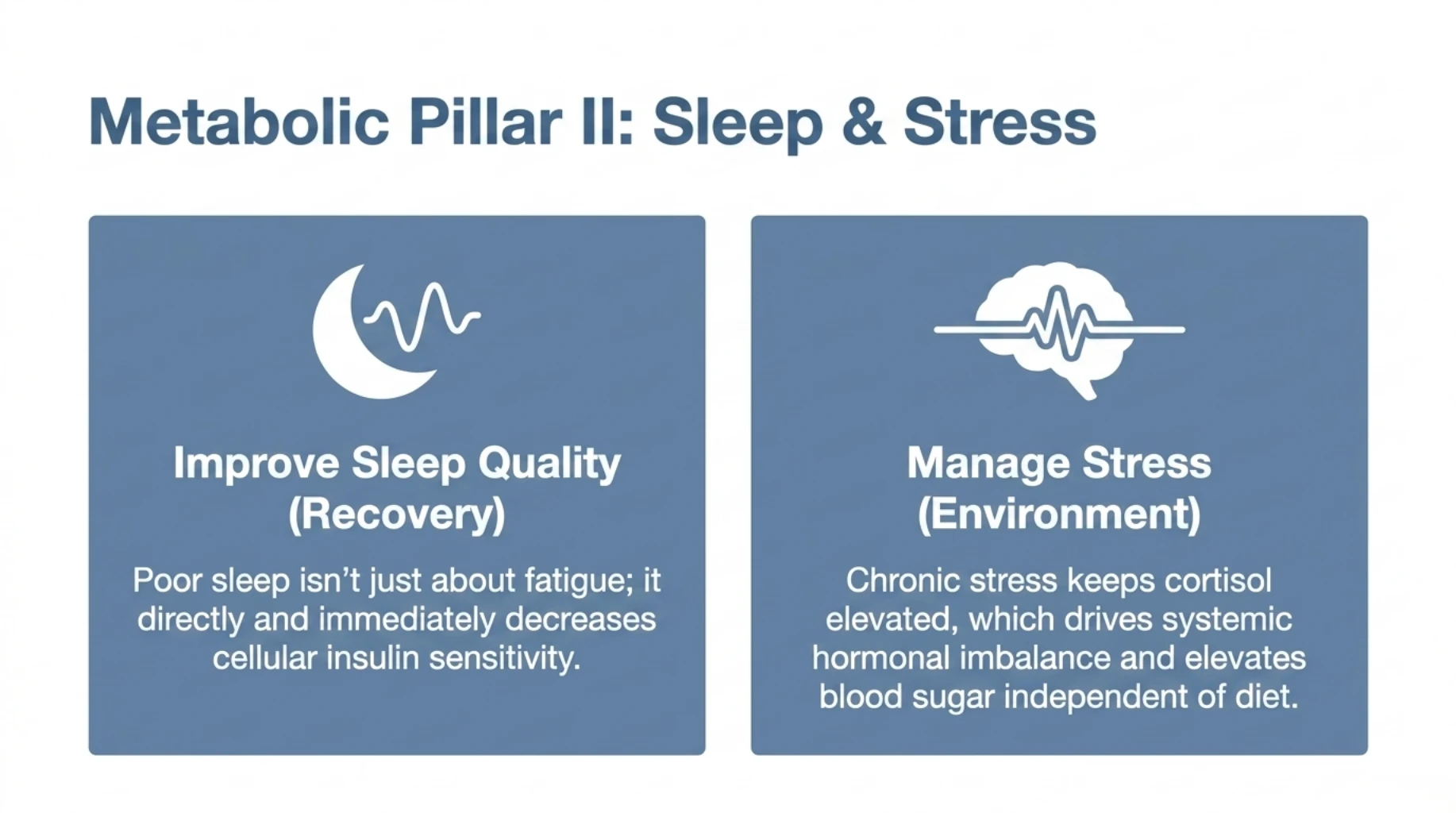
For structured guidance: Consultation Link.
Warning Signs of Hidden Insulin Resistance
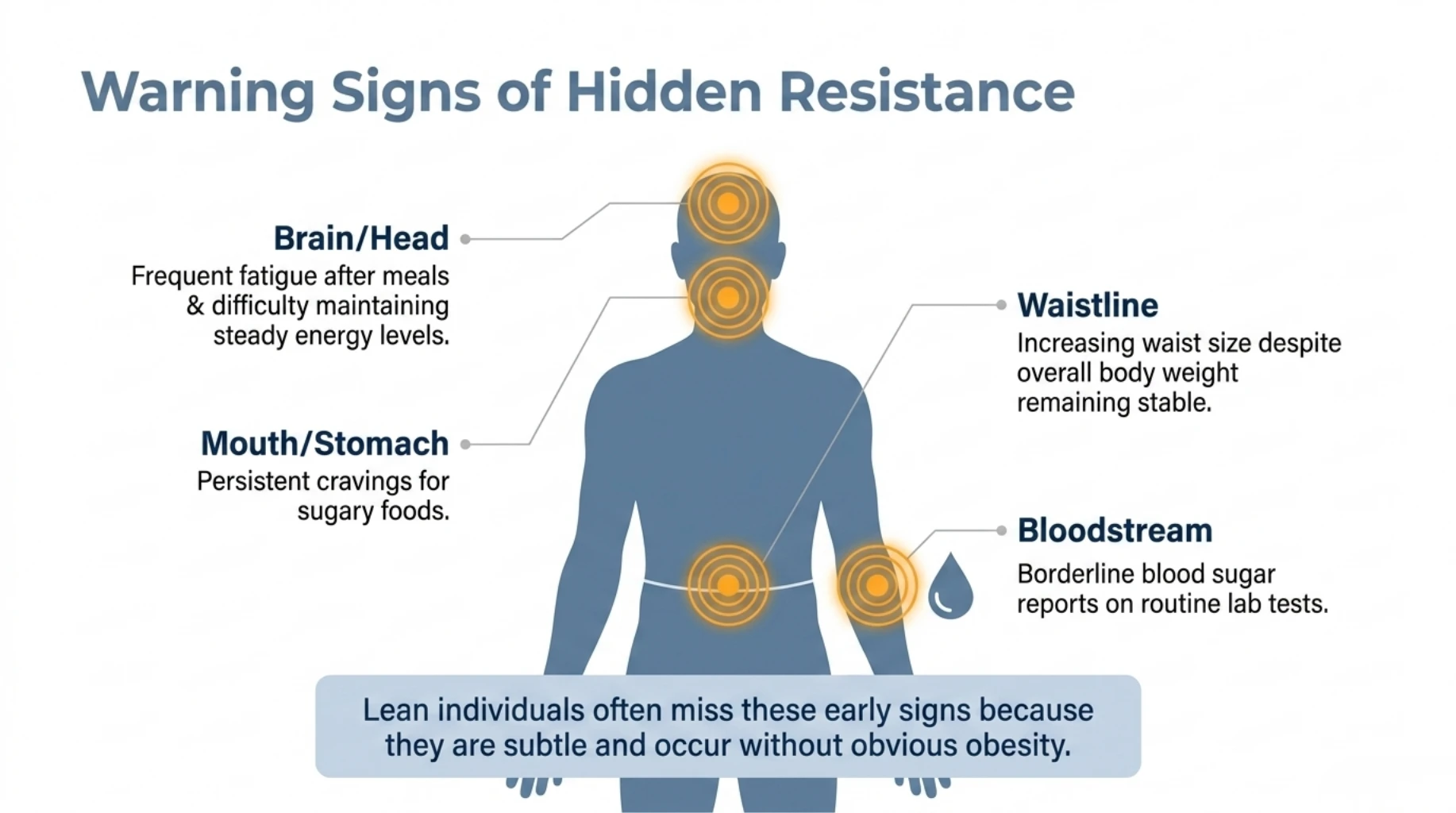
Many lean individuals miss early signs because they are subtle. However, certain patterns may indicate underlying insulin resistance:
- Frequent fatigue after meals
- Cravings for sugary foods
- Difficulty maintaining energy levels
- Increasing waist size despite stable weight
- Borderline blood sugar reports
A clinical reference highlights that insulin resistance can exist without obvious obesity and requires early identification.
Key Takeaway
Why insulin resistance happens in lean people is not about body weight alone. Internal fat distribution, lifestyle patterns, and metabolic factors play a major role. Even if you look healthy externally, early lifestyle correction and regular monitoring are essential to prevent long-term complications.
References
- Insulin resistance overview
- Visceral fat and insulin resistance
- Metabolic risk in lean individuals
- Lifestyle factors and insulin resistance
- Clinical insulin resistance reference
Take the Next Step
This information is for educational purposes only and should not replace professional medical advice. Always consult a qualified doctor for personalized care.