

Why Frequent Snacking Has Become a Daily Habit
Understanding does frequent snacking increase blood sugar starts with observing modern eating habits. Many people today eat multiple times throughout the day, often without structured meals.
Snacking has become common due to busy schedules, easy availability of processed foods, and the belief that eating frequently is healthy.
Some people even follow the idea that eating every 2–3 hours helps metabolism.
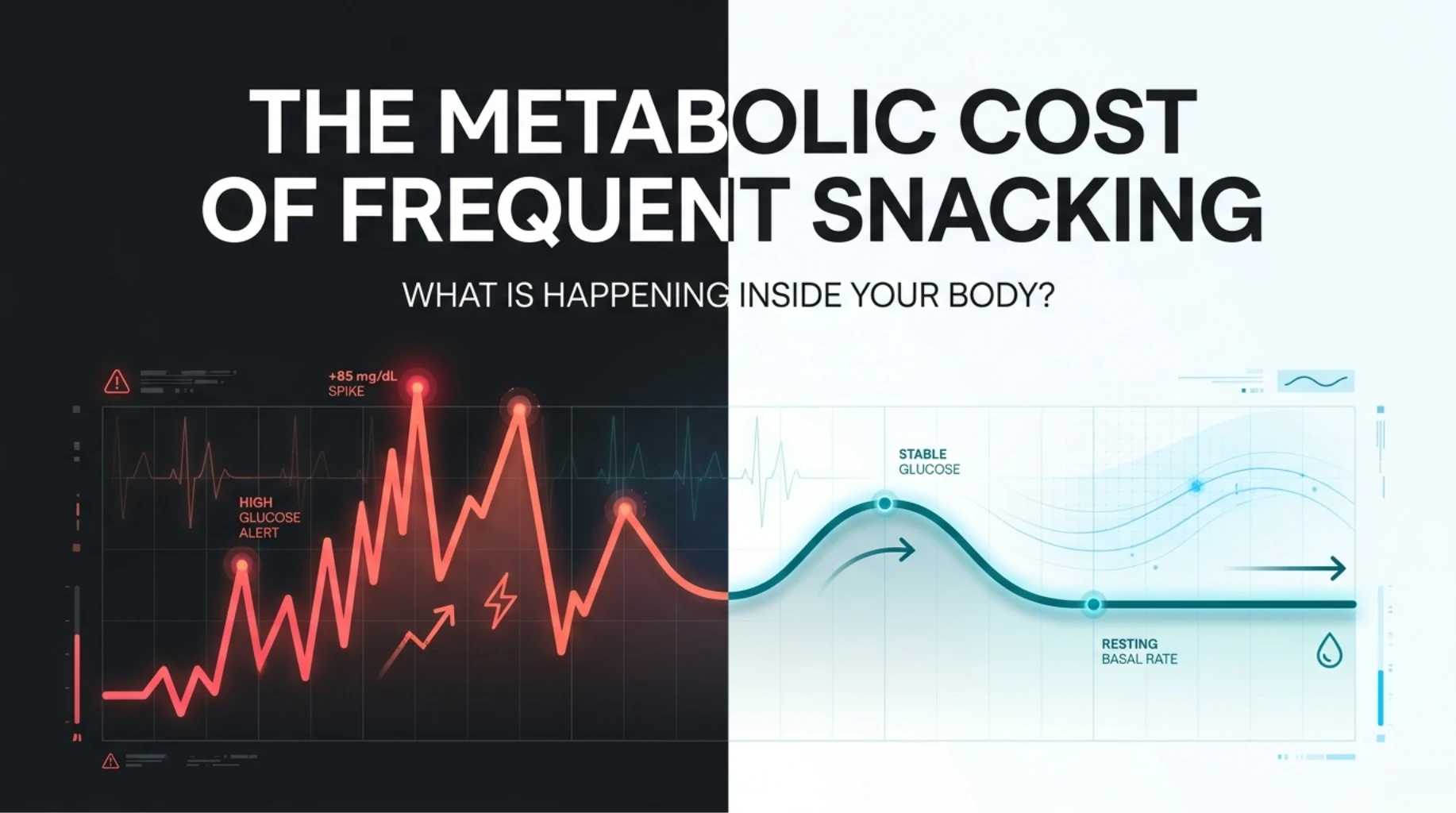
However, frequent eating affects how the body regulates blood sugar and insulin. For more practical lifestyle insights, you can explore: lifestyle section.
How Blood Sugar Is Regulated in the Body
To understand does frequent snacking increase blood sugar, it is important to know how the body manages glucose. After you eat:
- Blood sugar rises
- The pancreas releases insulin
- Glucose enters cells for energy
Once this process is complete, blood sugar returns to baseline. A study highlights that repeated glucose exposure affects insulin response and metabolic balance. This cycle works well when meals are spaced properly.
What Happens When You Snack Frequently
To clearly understand does frequent snacking increase blood sugar, we need to look at what happens when you eat too often.
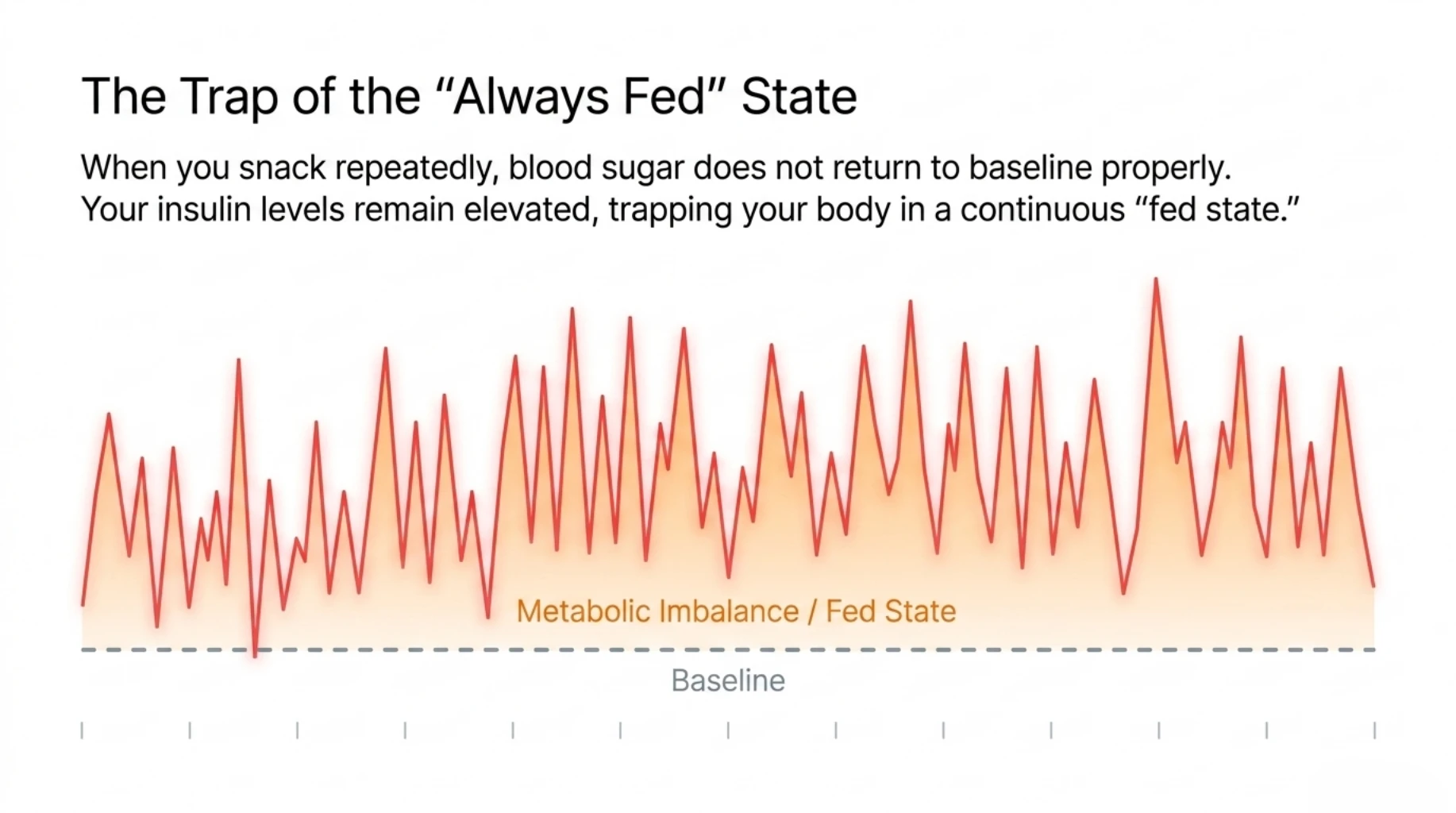
Every time you snack, even in small amounts, your blood sugar rises and your body releases insulin. If this happens repeatedly throughout the day:
- Blood sugar does not return to baseline properly
- Insulin levels remain elevated
- The body stays in a “fed state” continuously
Over time, this can reduce insulin sensitivity and lead to metabolic imbalance. A study shows that frequent eating patterns can impact insulin response and glucose regulation.
Why Frequent Snacking Affects Insulin Stability
One of the key reasons does frequent snacking increase blood sugar is important is its effect on insulin. Insulin needs time to return to normal levels between meals. Constant snacking interrupts this process.
This leads to:
- Frequent insulin spikes
- Reduced insulin sensitivity over time
- Higher risk of insulin resistance
A study highlights that repeated insulin stimulation may contribute to metabolic dysfunction.
Real-Life Eating Patterns That Cause Blood Sugar Fluctuations
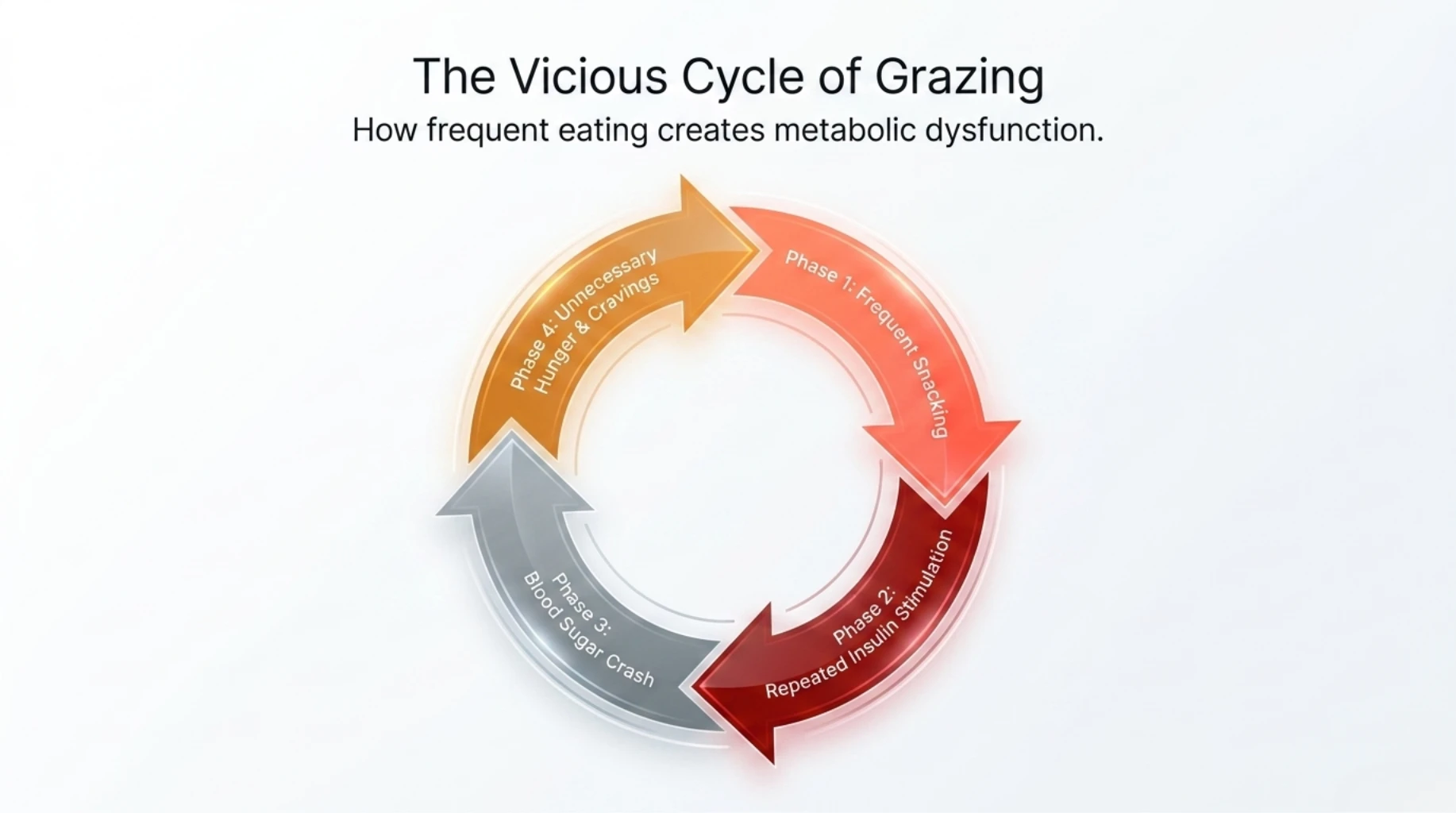
In real life, does frequent snacking increase blood sugar becomes clear when we observe daily habits.
Common patterns include:
- Eating biscuits, chips, or sweets multiple times a day
- Drinking sugary beverages between meals
- Having late-night snacks
- Constant grazing without structured meals
These habits keep blood sugar levels fluctuating throughout the day instead of allowing proper recovery between meals. A study confirms that irregular eating frequency contributes to glucose instability and metabolic risk.
Frequent Snacking vs Structured Eating
| Pattern | Blood Sugar Effect | Outcome |
|---|---|---|
| Frequent Snacking | Repeated spikes | Instability |
| Structured Meals | Controlled rise and fall | Better stability |
This comparison clearly explains why meal timing plays a crucial role in metabolic health.
What You Should Do Instead of Frequent Snacking
Understanding does frequent snacking increase blood sugar is useful only when you apply it in daily life. The goal is not to avoid food but to create a structured eating pattern.

In most cases, improving meal timing alone can significantly stabilize blood sugar levels.
- Follow structured meals: 2 to 3 balanced meals instead of constant grazing
- Avoid unnecessary snacking: Eat only when genuinely hungry
- Include protein and fiber: Helps maintain stable glucose levels
- Reduce processed snacks: Avoid high-sugar and refined foods
- Maintain consistent meal timing: Supports metabolic rhythm
- Stay hydrated: Prevents unnecessary hunger cues
- Be mindful of portion size: Even healthy snacks can affect glucose
For personalized dietary guidance: Consultation Link.
Warning Signs of Blood Sugar Instability
If frequent snacking is affecting your metabolism, you may notice certain patterns:
- Energy crashes between meals
- Frequent hunger despite eating
- Cravings for sugary foods
- Difficulty maintaining weight
- Fluctuating energy levels
A clinical reference highlights that unstable glucose patterns can contribute to long-term metabolic disorders.
Key Takeaway
Does frequent snacking increase blood sugar depends on how often and what you eat. Constant snacking prevents the body from stabilizing glucose and insulin levels. Structured meals with proper spacing support better metabolic balance and long-term health.
References
- Glucose regulation study
- Eating frequency and metabolism
- Insulin response research
- Meal timing study
- Clinical overview reference
Take the Next Step
This information is for educational purposes only and should not replace professional medical advice. Always consult a qualified doctor for personalized care.