

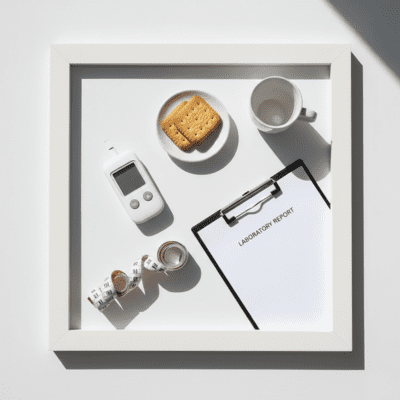
Why Evening Glucose Rises
Many people notice higher glucose readings after dinner compared to morning values. One major reason is evening snacking and blood sugar spikes.
In the evening, the body becomes less insulin sensitive compared to earlier in the day. This means that the same food may produce a higher glucose response at night than it would in the morning.

Circadian Rhythm and Insulin Sensitivity
The body follows a circadian rhythm that regulates hormone release and glucose metabolism. Insulin sensitivity is generally higher in the morning and lower in the evening.
A 2020 study examining
circadian rhythm disruption and metabolic outcomes showed that irregular eating timing worsens glucose control.
This explains why late night eating and diabetes are strongly connected in shift workers and people with irregular schedules.
How Evening Snacking Triggers Sugar Spikes
Even small snacks can cause significant glucose elevation when consumed late at night. This is especially true for refined carbohydrates such as biscuits, sweets, and packaged snacks.
Repeated patterns of evening snacking and blood sugar spikes increase insulin demand and worsen insulin resistance over time.
Insulin Resistance and Nighttime Eating
One important factor behind evening snacking and blood sugar spikes is insulin resistance. In insulin resistant individuals, glucose stays elevated longer after meals.
When snacks are consumed close to bedtime, there is less physical activity to help muscles use glucose. This results in prolonged elevation of blood sugar levels.
A 2022 review discussing
insulin sensitivity and timing of physical activity shows how movement significantly improves glucose handling.
This explains why post dinner glucose spike patterns are common in people who eat late and remain sedentary.
What Research Says About Late Eating
A 2021 clinical study available at
late night eating and metabolic response demonstrated higher glucose and insulin levels when identical meals were consumed later in the day.
Another 2022 review on
stress, sleep, and metabolic dysfunction suggests that late snacking combined with sleep deprivation further worsens glucose control.
Together, the evidence confirms that evening snacking and blood sugar spikes are not random events. They reflect biological rhythms and lifestyle patterns.
Common High Risk Evening Snack Patterns
- Tea or coffee with biscuits after dinner
- Sweet desserts before bed
- Late night fruit in large portions
- Processed savory snacks while watching television
- Alcohol combined with high carbohydrate foods
These patterns significantly increase uncontrolled sugar after dinner.
Why Evening Sugar Spikes Matter
Repeated evening sugar spikes increase average glucose exposure. Over time, this raises HbA1c and increases risk of prediabetes and diabetes.
A 2022 review analyzing
sleep timing and obesity risk also highlights how late eating disrupts metabolic regulation.
Even if fasting glucose appears normal, repeated nightly elevations may gradually worsen insulin resistance.
Smarter Evening Eating Strategy
If you want to reduce evening snacking and blood sugar spikes, the solution is not complete food restriction. It is strategic planning.
1. Finish Dinner Earlier
Aim to complete dinner at least 2 to 3 hours before bedtime. This allows glucose levels to decline before sleep.
2. Avoid Refined Carbohydrates at Night
Limit biscuits, sweets, white bread, and processed snacks in the evening.
3. Add Protein and Fiber
If you feel hungry, choose small protein based options such as nuts, roasted chana, or curd. These cause smaller glucose rise compared to sugary snacks.
4. Take a 10 to 15 Minute Walk After Dinner
Light movement improves muscle glucose uptake and reduces post dinner glucose spike.
5. Manage Stress and Sleep
Stress and poor sleep increase cravings and worsen insulin resistance and snacking behavior.
6. Monitor Glucose Patterns
People with diabetes evening highs should track readings to identify patterns rather than guessing.
7. Avoid Eating Out of Boredom
Many late night snacks are habit driven, not hunger driven.
When to Seek Medical Advice
Consult a healthcare professional if you experience:
- Repeated post dinner glucose above target range
- Rising HbA1c despite morning control
- Unexplained fatigue with evening sugar spikes
Evening snacking and blood sugar spikes are influenced by circadian rhythm, insulin resistance, late eating, and inactivity. Finishing dinner earlier, choosing balanced snacks, and incorporating light movement after meals significantly reduce uncontrolled evening glucose elevations.
References
- Circadian rhythm disruption and metabolic outcomes
- Insulin sensitivity and physical activity timing
- Late night eating and metabolic response
- Stress, sleep, and metabolic dysfunction
- Sleep timing and obesity risk
Take the Next Step
Disclaimer: This article is for educational purposes only and does not replace individualized medical consultation.
