

Dietitian vs Nutritionist — Why the Difference Matters
Imagine being diagnosed with type 2 diabetes during a routine health checkup. Your doctor recommends dietary changes, regular physical activity and appropriate medical treatment. When you search online for professional dietary guidance, you find several options: dietitian, clinical dietitian, nutritionist, health coach, weight loss expert and diabetes nutrition specialist.
Some professionals advertise personalised diet plans, while others promise rapid weight loss, diabetes reversal or complete freedom from medication through dietary changes alone.
How do you know whom to trust?
A similar situation occurs when someone wants to lose weight, improve cholesterol levels, manage polycystic ovary syndrome (PCOS), address fatty liver disease or develop healthier eating habits.
The terms dietitian and nutritionist are frequently used interchangeably in India. However, there can be important differences in educational background, clinical training, professional competence and the services offered.
Understanding dietitian vs nutritionist is particularly important when dietary advice is being used as part of medical treatment.
Nutrition guidance for a healthy adult who wants to improve eating habits is not necessarily the same as medical nutrition therapy for someone with chronic kidney disease, pregnancy-related diabetes or a complex gastrointestinal disorder.
For example, a person with early kidney disease may need individualised guidance about protein intake, sodium and other nutrients according to kidney function, laboratory findings and medical treatment.
A generic high-protein weight loss diet could be inappropriate for some such patients.
Similarly, a person taking insulin or medicines that can cause hypoglycaemia may require coordination between dietary changes and medication management.
Simply reducing carbohydrate intake without considering treatment may increase the risk of low blood glucose in susceptible individuals.
These examples show why professional qualifications and clinical competence matter.
However, it would also be incorrect to assume that every person using the title nutritionist is unqualified or that every person using the title dietitian automatically has extensive experience managing complex medical conditions.
Both terms encompass professionals with different levels of education, training and experience.
India’s professional framework has also evolved. The National Commission for Allied and Healthcare Professions Act, 2021, recognises dietitians and nutritionists within the Nutrition Science Professional category.
New registration regulations introduced in 2026 have further developed the framework for recognised allied and healthcare professionals.
This makes it especially important to distinguish professional titles, educational qualifications, registration and actual clinical competence.
In this article, we will examine dietitian vs nutritionist in India, including qualifications, regulation, clinical responsibilities, disease-specific diet plans and how patients can select an appropriately trained professional.

What Is a Dietitian?
A dietitian is a professional trained in food, nutrition and dietetics who applies nutrition science to individual and population health.
Dietitians may work in hospitals, clinics, rehabilitation facilities, food service organisations, research institutions, community health programmes and private practice.
Many dietitians specialise in clinical nutrition, where dietary assessment and intervention form part of the management of medical conditions.
However, not all dietitians work in clinical settings. Some specialise in institutional food services, community nutrition, education or research.
What Does a Clinical Dietitian Do?
A clinical dietitian focuses on the nutritional needs of patients with medical conditions.
Their work may involve evaluating dietary intake, nutritional status, medical history, laboratory findings and treatment-related nutritional requirements.
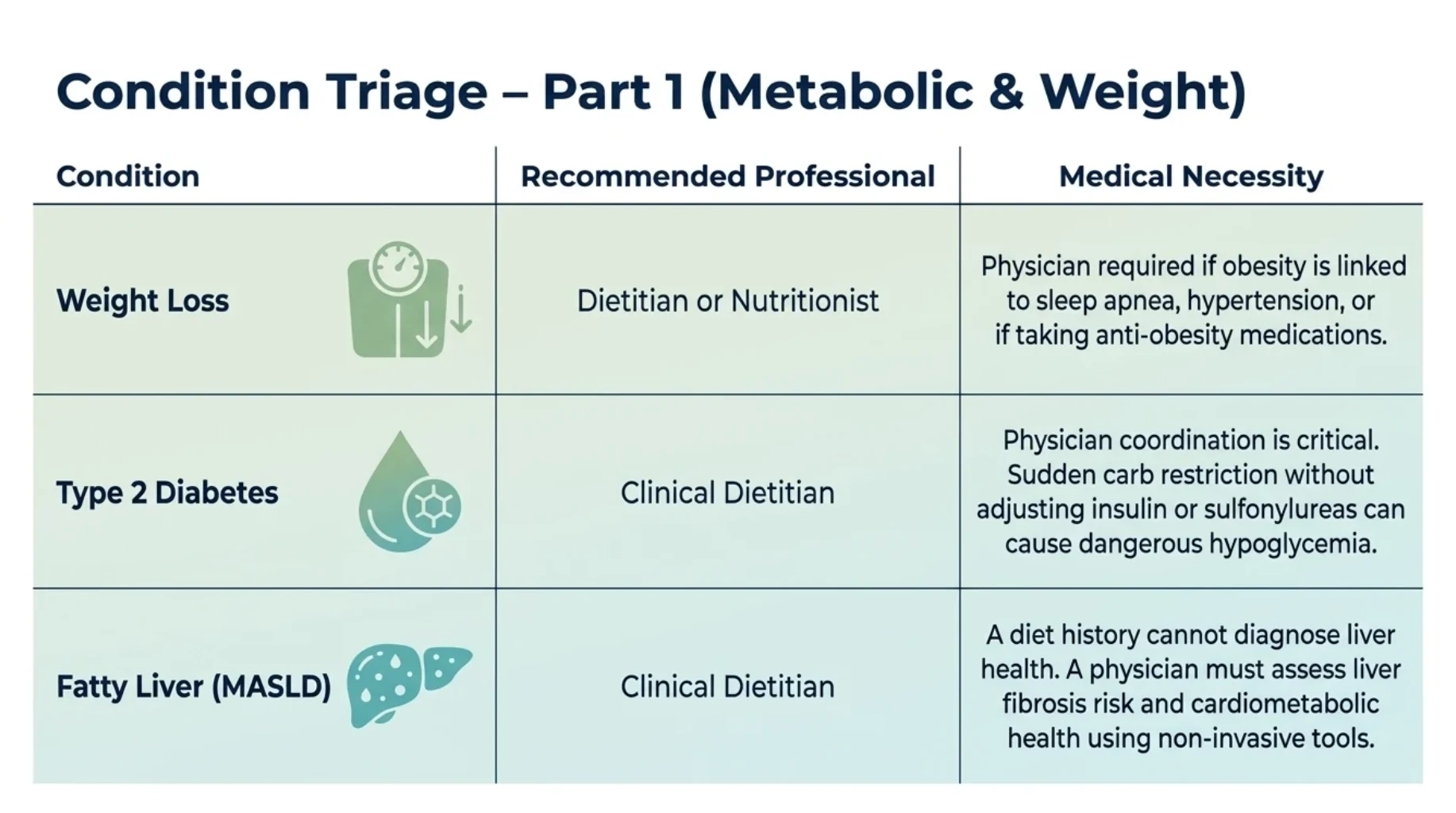
For example, a patient with type 2 diabetes may need guidance on carbohydrate distribution, dietary quality, meal timing, weight management and sustainable eating habits.
A patient with chronic kidney disease may require a different nutritional approach depending on disease stage, dialysis status, laboratory findings and overall health.
A clinical dietitian with relevant training can help translate these medical requirements into a practical eating plan.
Do Dietitians Only Prepare Diet Charts?
No. A properly conducted nutrition consultation should involve more than handing the patient a printed meal chart.
Dietary assessment may include usual food intake, appetite, eating patterns, food preferences, cultural practices, affordability, cooking arrangements and nutritional risk.
The professional may also assess changes in body weight, dietary adequacy, treatment goals and barriers to adherence.
Nutrition intervention should be reviewed and modified according to the patient’s progress and clinical circumstances.
A diet chart can be one component of care, but it is not a substitute for appropriate assessment and follow-up.
What Is Medical Nutrition Therapy?
Medical nutrition therapy is a structured, evidence-informed approach to nutritional assessment and intervention for a medical condition.
It involves tailoring dietary recommendations to the patient’s diagnosis, nutritional requirements, clinical status and treatment goals.
For example, medical nutrition therapy for diabetes may aim to improve glycaemic management while maintaining nutritional adequacy and supporting cardiovascular health.
For malnutrition, the priorities may include improving energy and protein intake and addressing underlying causes.
For selected gastrointestinal conditions, dietary modification may help manage symptoms while avoiding unnecessary long-term restrictions.
Medical nutrition therapy should be coordinated with medical care when a condition involves medication, significant nutritional risk or potential complications.
Where Do Dietitians Work in India?
Dietitians may work in government and private hospitals, outpatient clinics, specialised medical centres, community programmes, food service departments and academic institutions.
Clinical roles may include nutritional support for diabetes, kidney disease, cancer, gastrointestinal conditions, critical illness and other healthcare needs.
Some dietitians also work in preventive nutrition, weight management and public health.
Clinical takeaway: A dietitian’s role can extend from preventive nutrition to complex clinical care. For disease-specific nutritional treatment, patients should look for relevant clinical education, supervised training and experience rather than relying on the professional title alone.
What Is a Nutritionist?
A nutritionist is a professional whose work involves nutrition science and its relationship with health, dietary patterns, food choices and nutritional wellbeing.
Nutritionists may work in public health, sports nutrition, community programmes, research, education, corporate wellness and individual counselling.
Some nutritionists have advanced university qualifications and substantial experience in clinical nutrition.
Others may have shorter training programmes or qualifications focused primarily on general wellness.
Therefore, the title nutritionist alone does not establish a particular level of clinical competence.
What Does a Nutritionist Do?
A nutritionist may help individuals understand balanced diets, nutritional adequacy, food labels, dietary patterns and strategies for maintaining healthy eating habits.
Depending on qualifications and professional scope, a nutritionist may also work with athletes, community populations or patients with specific nutritional needs.
For example, a qualified sports nutritionist may advise on energy intake, hydration and nutrition strategies relevant to training and recovery.
A public health nutritionist may work on maternal nutrition, child nutrition, community education or programmes addressing nutritional deficiencies.
Can a Nutritionist Provide a Weight Loss Diet Plan?
A suitably qualified nutritionist may provide evidence-based dietary guidance for weight management within their competence and applicable professional scope.
However, obesity is a chronic, multifactorial medical condition rather than simply a problem of eating too much.
Some patients have associated diabetes, hypertension, obstructive sleep apnoea, fatty liver disease or other conditions requiring medical assessment.
Patients taking anti-obesity medications may also need monitoring for adverse effects, nutritional adequacy and treatment response.
For such patients, coordinated care involving a physician and appropriately qualified nutrition professional may be particularly useful.
Can a Nutritionist Treat Diabetes?
Nutrition professionals with appropriate clinical training can contribute to diabetes management through dietary assessment, education and nutrition intervention.
However, diabetes diagnosis, medication prescribing and management of medical complications require appropriately qualified medical professionals.
A nutritionist should not independently discontinue insulin or other prescribed medicines merely because a dietary plan has been introduced.
Patients should be cautious about promises of guaranteed diabetes remission or permanent cure.
Are All Nutritionists Less Qualified Than Dietitians?
No.
Some nutritionists have postgraduate degrees, research qualifications or extensive specialist training.
Others may have more limited training.
The important distinction is between an appropriately educated professional with relevant competence and someone providing advice beyond their training.
Patients should examine qualifications, supervised experience and the nature of the service offered rather than assuming that one title always indicates greater expertise.
Clinical takeaway: Nutritionists work across several areas of nutrition science. Their qualifications and clinical competencies vary, so patients should verify training and experience before seeking disease-specific dietary management.
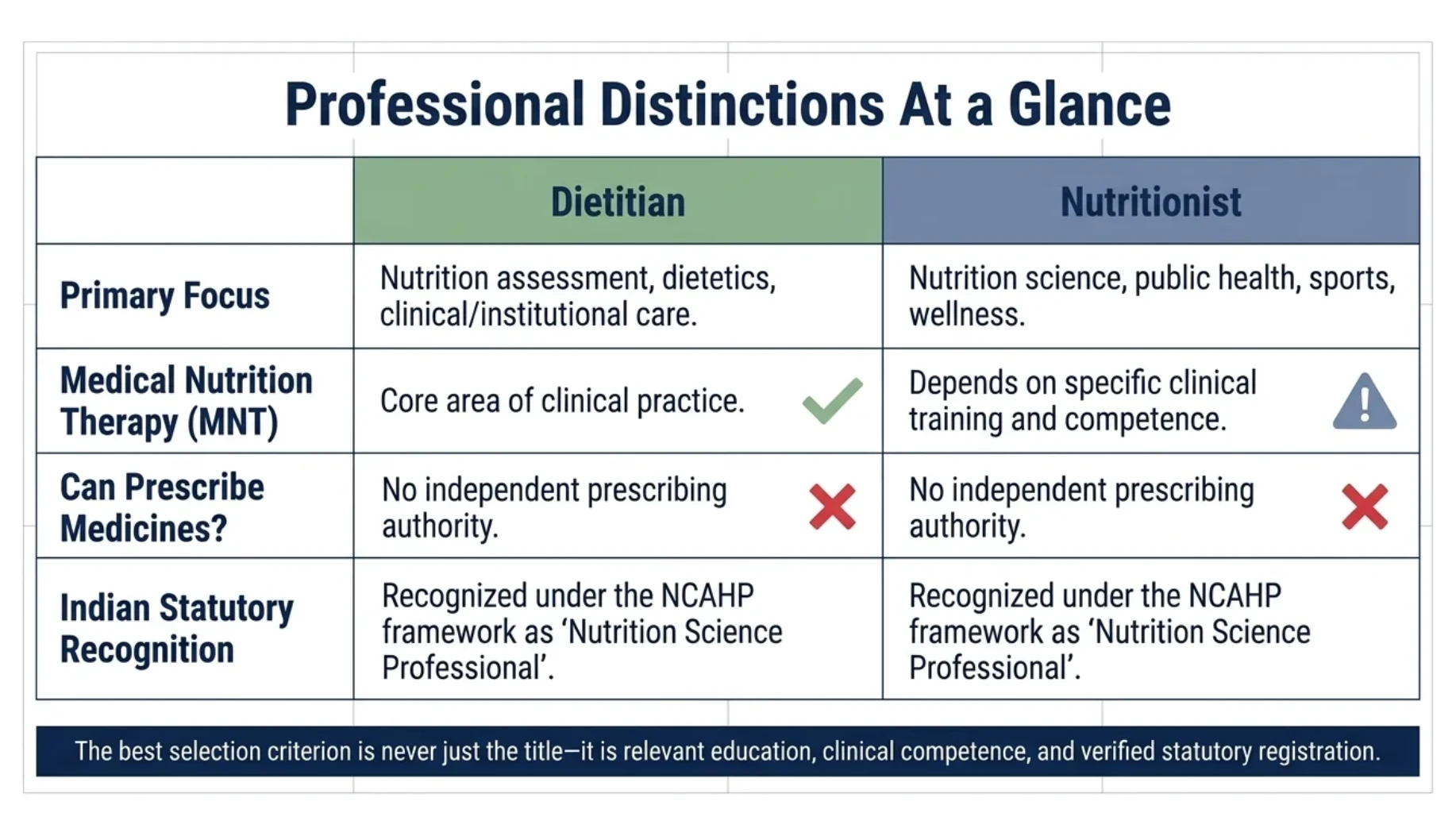
Dietitian vs Nutritionist: Key Differences at a Glance
The distinction between a dietitian and a nutritionist in India is not always absolute.
There is considerable overlap in educational subjects and professional activities, and both are recognised within the Nutrition Science Professional category under Indian legislation.
The table below describes common differences in professional emphasis rather than rigid legal boundaries.
| Feature | Dietitian | Nutritionist |
|---|---|---|
| Common professional focus | Nutrition assessment, dietetics, clinical or institutional nutrition | Nutrition science, public health, wellness, sports or individual nutrition |
| Clinical practice | Clinical dietitians commonly provide disease-specific nutrition care | May provide clinical nutrition services when appropriately qualified |
| Educational background | Relevant nutrition and dietetics qualifications | May range from formal nutrition degrees to other training pathways |
| Hospital employment | Common in clinical and food service departments | Depends on qualifications and the specific role |
| Medical nutrition therapy | Common area of practice for clinically trained dietitians | Depends on clinical training, competence and applicable scope |
| Sports nutrition | May practise with relevant training | Common specialisation among qualified sports nutritionists |
| Public health nutrition | May work in community programmes | Common area of professional practice |
| Indian statutory recognition | Recognised under the NCAHP framework | Recognised under the NCAHP framework |
| Can prescribe medicines? | No independent medical prescribing authority arises from the title alone | No independent medical prescribing authority arises from the title alone |
| Best selection criterion | Relevant education, clinical competence and registration | Relevant education, competence and registration |
For patients, the most important consideration is whether the professional is qualified and competent to manage the particular nutritional problem.
Dietitian vs Nutritionist in India: What Does the Law Say?
India’s regulatory framework for nutrition professionals has undergone important developments in recent years.
Older articles sometimes describe the terms dietitian and nutritionist as having no specific legal recognition in India.
However, this description is incomplete when considered against the National Commission for Allied and Healthcare Professions Act, 2021, and subsequent regulatory developments.
What Is the National Commission for Allied and Healthcare Professions Act, 2021?
The National Commission for Allied and Healthcare Professions Act, 2021, establishes a statutory framework for the regulation of recognised allied and healthcare professions in India.
The Act includes a category called Nutrition Science Professional.
Within this category, the Schedule identifies dieticians, including clinical and food service dieticians, and nutritionists, including public health and sports nutritionists.
The spelling “dietician” appears in the statutory Schedule, while “dietitian” is also commonly used in professional and international contexts.
This statutory recognition is important because it identifies both professions within the formal allied and healthcare professional framework.
Are Dietitians and Nutritionists Recognised Under the Same Category?
Yes. Both professions are listed under the Nutrition Science Professional category in the Act.
However, being listed under the same broad category does not mean that every practitioner has identical qualifications or that all professionals are competent to perform every type of clinical nutrition intervention.
Professional responsibilities should reflect recognised qualifications, applicable registration requirements, clinical competence and relevant standards.
What Changed in 2026?
The Registration of Allied and Healthcare Professionals Regulations, 2026, established a more detailed framework for registration through State Registers and the Central Register.
The framework includes recognised qualifications, registration procedures, professional identification and renewal requirements.
The regulations also provide mechanisms for registration where a functional State Council has not yet been established.
However, patients should verify the current operational arrangements for the specific profession and jurisdiction, because implementation and register availability may differ.
Does Enrolment in a Database Mean Professional Registration?
Not necessarily.
Collection of professional details for a database and formal statutory registration are distinct processes.
Patients should not assume that a screenshot of an enrolment acknowledgement establishes current professional registration.
Where an official register and verification facility are available, the professional’s status should be checked through the relevant authority.
Does the NCAHP Act Make Every Nutritionist a Clinical Dietitian?
No.
Statutory recognition does not remove the need for appropriate education, supervised clinical experience and competence.
For example, a professional trained primarily in public health nutrition may have different practical expertise from someone experienced in renal nutrition or intensive care nutritional support.
Patients should therefore match the practitioner’s training to the complexity of their medical condition.
Important regulatory update: Dietitians and nutritionists are both recognised in the NCAHP Act, 2021. The 2026 registration regulations provide a statutory registration framework, but patients should verify actual registration status and current implementation through official authorities rather than relying solely on advertised titles.
What Is a Registered Dietitian in India?
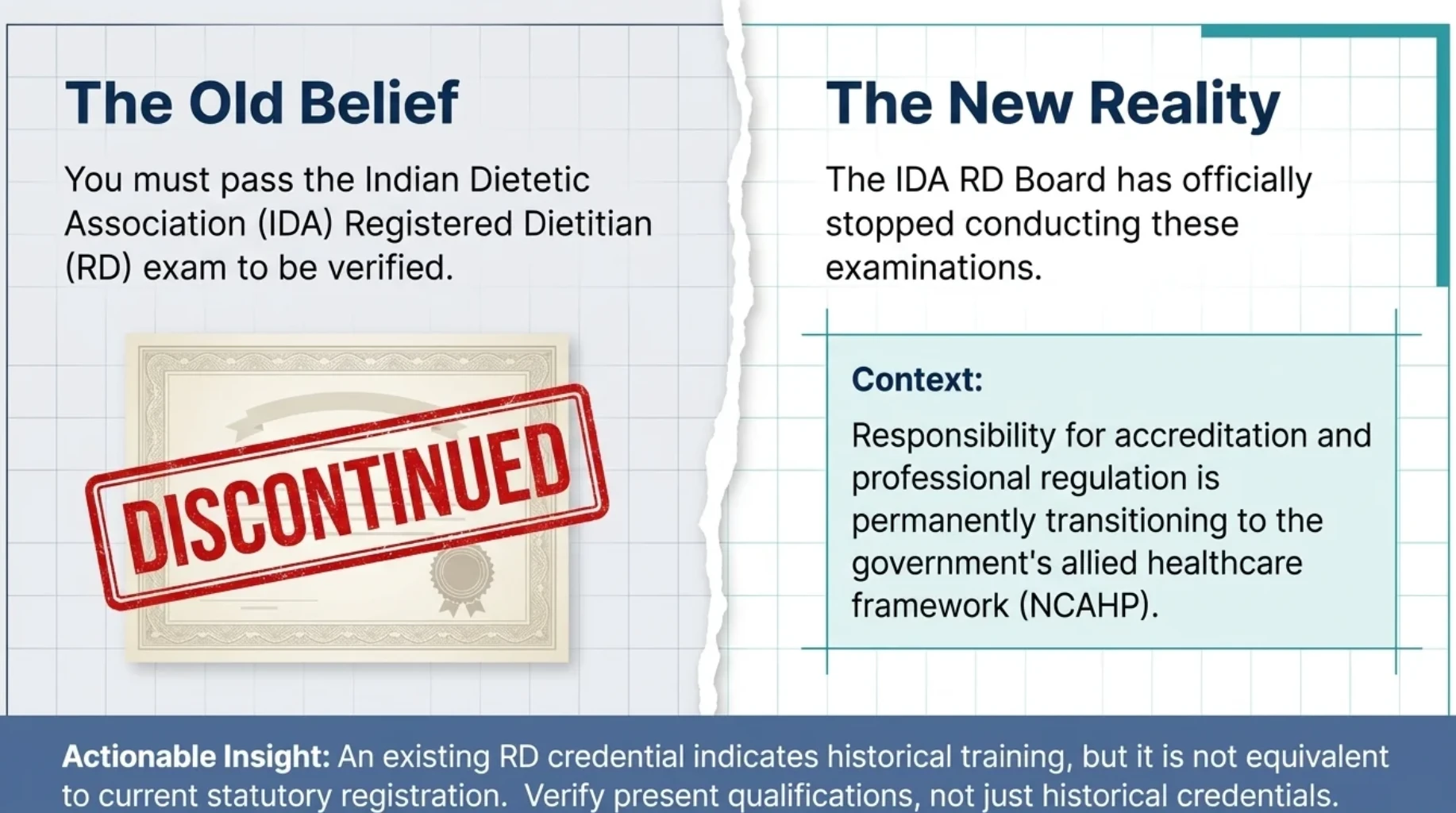
The term Registered Dietitian, often abbreviated as RD, has historically been associated with a professional credential awarded through the Indian Dietetic Association’s Registered Dietitian Board.
The earlier credentialing pathway involved specified educational requirements, clinical training and an examination process.
However, the professional credentialing landscape has changed with the development of the NCAHP framework.
Has the Indian Dietetic Association Stopped Conducting RD Examinations?
Yes. In an official update, the Indian Dietetic Association’s Registered Dietitian Board announced that it would no longer conduct RD examinations as responsibility for future accreditation and professional regulation transitions to the relevant allied healthcare framework.
Patients and aspiring professionals should therefore avoid relying on older webpages that continue to describe the RD examination as an ongoing annual pathway without checking the latest official announcement.
Does an Existing RD Credential Still Indicate Previous Training?
An existing RD credential may provide information about a professional’s historical education, supervised training and successful completion of the applicable credentialing process.
However, it should not automatically be treated as equivalent to current statutory registration under the NCAHP framework.
Patients should verify the professional’s present qualifications and applicable registration status separately.
Is Every Dietitian a Registered Dietitian?
No. The title dietitian and the historical RD credential are not identical.
Professionals may have relevant academic qualifications and clinical experience without holding the former IDA RD credential.
Similarly, a historical credential does not eliminate the need for ongoing competence and compliance with applicable professional requirements.
How Should Patients Verify Professional Credentials?
Patients can ask about the professional’s university qualifications, clinical training, experience and current registration where applicable.
Claims of statutory registration should be verified through the relevant official register when operational and publicly accessible.
Membership of a professional association, a training certificate and statutory professional registration should not be treated as interchangeable.
What Qualifications Should a Dietitian or Nutritionist Have in India?
Appropriate qualifications depend on the intended professional role.
Nutrition education may include food science, human physiology, biochemistry, nutritional assessment, diet therapy, public health and other related subjects.
For clinical practice, theoretical education should be complemented by appropriate practical training and supervised experience.
Bachelor’s Degree in Nutrition or Dietetics
Undergraduate programmes may provide a foundation in human nutrition, food science, physiology and related subjects.
However, course content, duration and practical training requirements can vary between institutions and programmes.
Patients should not assume that every bachelor’s degree provides identical preparation for complex clinical nutrition care.
Postgraduate Qualifications
Postgraduate programmes may provide additional training in clinical nutrition, dietetics, food science, public health nutrition or specialised areas.
A postgraduate qualification can indicate advanced academic study, but the relevance of the programme to the patient’s needs remains important.
Clinical Internship and Supervised Experience
Supervised clinical experience can help professionals learn how to assess nutritional problems, develop practical interventions and coordinate care with medical teams.
This experience is especially relevant for managing patients with complex medical conditions.
Short-Term Nutrition Certificates
Short courses may provide useful education in general nutrition, fitness or lifestyle counselling.
However, they should not be assumed to provide the same breadth of training as recognised professional education in nutrition and dietetics.
A brief online certificate alone does not establish competence to manage complex clinical nutrition problems.
Can a Fitness Trainer Also Be a Nutritionist?
A fitness trainer may have additional qualifications in nutrition and may provide general dietary education within their competence and applicable professional scope.
However, fitness training qualifications do not automatically establish clinical dietetics competence.
Medical nutrition therapy for complex conditions requires appropriate professional expertise and, where necessary, coordination with the treating physician.
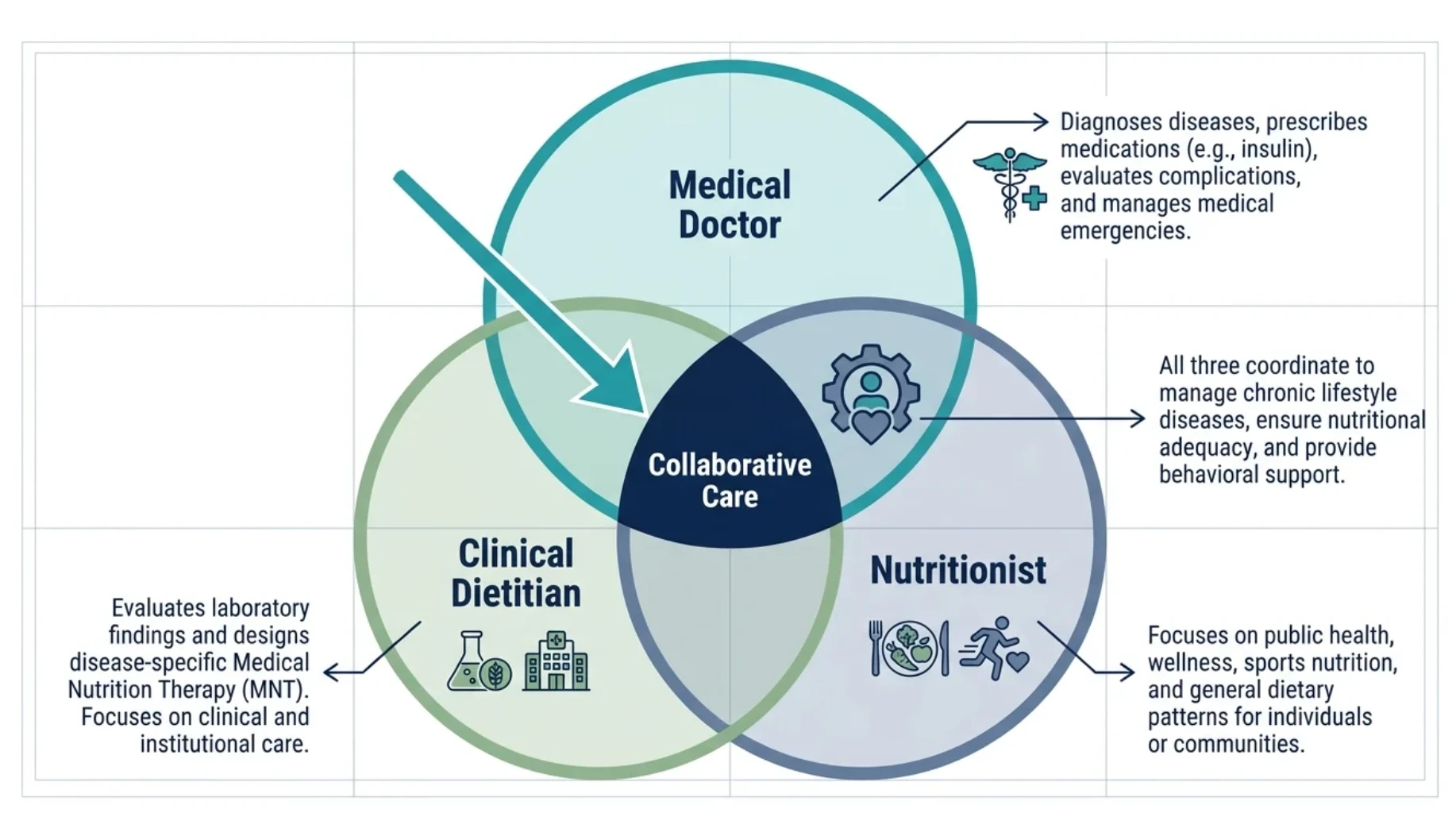
Dietitian vs Nutritionist vs Doctor: Who Does What?
Patients sometimes confuse nutritional counselling with medical treatment.
Although nutrition plays an important role in preventing and managing disease, dietary intervention does not replace medical diagnosis, prescribing or assessment of complications.
A medical doctor evaluates symptoms, establishes diagnoses, prescribes medicines when indicated and coordinates medical investigations and treatment.
A qualified nutrition professional contributes nutritional assessment, dietary planning, education and follow-up within their professional competence.
These roles can complement each other, particularly in chronic disease management.
| Responsibility | Medical Doctor | Qualified Nutrition Professional |
|---|---|---|
| Diagnosing diabetes or thyroid disease | Within medical scope | May identify concerns and refer; does not independently exercise medical diagnostic authority |
| Prescribing prescription medicines | Within medical scope and qualifications | Not authorised solely by dietitian or nutritionist qualification |
| Dietary assessment | May assess as part of medical care | Core professional activity |
| Individualised meal planning | May advise or coordinate | Core activity when appropriately qualified |
| Medical nutrition therapy | May prescribe or coordinate the medical treatment plan | Provides nutritional intervention within clinical competence and scope |
| Medication dose adjustment | Within prescribing authority | Should coordinate concerns with authorised prescriber |
| Nutrition education and behaviour support | May provide | Important professional role |
| Managing medical emergencies | Requires appropriate medical services | Recognises warning signs and refers urgently |
For patients with diabetes, kidney disease, obesity, fatty liver disease or other metabolic disorders, collaboration between medical and nutrition professionals may improve the coordination of care.
Dietitian vs Nutritionist for Weight Loss: Who Should You Consult?
Weight loss is one of the most common reasons people seek dietary advice in India. Patients frequently search for a dietitian or nutritionist after trying restrictive diets, intermittent fasting, low-carbohydrate plans or commercially advertised weight loss programmes.
However, successful weight management requires more than calculating calories or distributing a standard diet chart.
Obesity is a chronic, multifactorial condition influenced by biological, behavioural, environmental, psychological and medical factors. Genetics, appetite regulation, sleep, medications, physical activity and other health conditions can influence body weight.
When comparing a dietitian vs nutritionist for weight loss, the most important consideration is whether the professional can provide appropriate nutritional assessment and sustainable dietary intervention.
Can a Dietitian Help With Weight Loss?
A dietitian with appropriate training can assess usual dietary intake, eating patterns, food preferences and nutritional requirements before developing an individualised weight management plan.
The aim should be to achieve a sustainable energy deficit while maintaining adequate protein, essential fats, vitamins, minerals and other important nutrients.
For example, a patient who frequently skips breakfast and consumes most daily calories late at night may require a different approach from someone whose primary difficulty is frequent snacking or large portion sizes.
Dietary planning should also consider work schedules, family meals, cultural preferences, affordability and the patient’s ability to follow recommendations consistently.
A good weight loss programme should not require patients to abandon familiar Indian foods unnecessarily.
Can a Nutritionist Provide an Effective Weight Loss Plan?
A suitably qualified nutritionist may also provide evidence-based weight management advice within their competence and applicable professional scope.
The professional title alone does not determine treatment quality.
Patients should evaluate whether the practitioner conducts a meaningful assessment, avoids unsupported claims and provides a realistic follow-up strategy.
For uncomplicated weight management, an appropriately qualified nutrition professional may be sufficient.
However, patients with obesity-related medical conditions may benefit from physician-supervised care.
When Should a Weight Loss Patient Consult a Doctor?
Medical assessment becomes particularly important when excess weight is associated with type 2 diabetes, hypertension, obstructive sleep apnoea, fatty liver disease, significant dyslipidaemia or other complications.
A physician can assess whether medications, endocrine disorders or other conditions may be contributing to weight gain.
For selected patients, evidence-based obesity treatment may include anti-obesity medication or referral for bariatric and metabolic surgery assessment.
Dietary management remains important, but it should be coordinated with the overall treatment plan.
Should You Choose a Dietitian Who Promises Rapid Weight Loss?
Promises of dramatic weight reduction within a few days should be viewed cautiously.
Early weight changes may reflect alterations in water balance and glycogen stores rather than equivalent reductions in body fat.
Highly restrictive diets can also increase the risk of inadequate nutrient intake, fatigue and poor long-term adherence.
Patients should prefer programmes that monitor nutritional adequacy, health outcomes and sustainable behaviour change rather than focusing exclusively on the number displayed on a weighing scale.
Clinical perspective: For weight management, choose a qualified nutrition professional who provides individualised, nutritionally adequate guidance. Patients with obesity-related medical conditions or those considering prescription weight loss medicines should also receive appropriate medical assessment.
Dietitian vs Nutritionist for Diabetes: Why Clinical Experience Matters
Nutrition is a central component of type 2 diabetes management. However, there is no single meal plan that works equally well for every person with diabetes.
Dietary recommendations must consider blood glucose patterns, medication use, body weight, physical activity, kidney function, food preferences and the patient’s overall treatment goals.
This is why the dietitian vs nutritionist distinction becomes especially relevant when patients require medical nutrition therapy.
What Does a Clinical Dietitian Do for Diabetes?
A clinically trained dietitian may help patients understand carbohydrate-containing foods, meal composition, portion sizes and the relationship between dietary choices and blood glucose.
For example, rice, roti, fruit, milk, pulses and other familiar foods can contribute carbohydrates, but they differ in their overall nutritional composition.
Rather than eliminating entire food groups without justification, an individualised plan can focus on carbohydrate quantity, food quality, fibre, adequate protein and sustainable meal patterns.
Dietary recommendations should also consider the patient’s medications and risk of hypoglycaemia.
Can a Nutritionist Help Reduce HbA1c?
Appropriately qualified nutrition professionals can help patients improve dietary habits that influence glycaemic management.
For some people with type 2 diabetes, changes in dietary intake, physical activity and body weight may contribute to meaningful improvements in HbA1c.
However, the response varies considerably, and dietary intervention does not eliminate the need for medical monitoring.
A nutrition professional should not guarantee a specific HbA1c reduction for every patient.
Can Diabetes Be Reversed Through Diet Alone?
The term diabetes remission is generally preferred to claims of permanent reversal or cure.
For type 2 diabetes, an international consensus definition describes remission as HbA1c below 6.5% that persists for at least three months without usual glucose-lowering pharmacotherapy.
Remission may occur in some individuals, particularly following substantial and sustained weight loss, but it is not guaranteed.
Diabetes can recur, and ongoing monitoring remains important even after remission.
Patients with type 1 diabetes should never be advised that dietary changes can replace necessary insulin treatment.
Why Can Sudden Dietary Changes Cause Hypoglycaemia?
Patients taking insulin or certain glucose-lowering medicines, particularly sulfonylureas, may develop hypoglycaemia if carbohydrate intake decreases substantially without appropriate medication review.
This is especially relevant when patients begin fasting, very-low-calorie diets or major carbohydrate restriction.
The treating physician may need to adjust medication according to glucose readings, symptoms and the dietary intervention.
Patients should not independently stop or reduce prescribed medication solely on the advice of an unqualified nutrition coach.
Should Diabetes Patients Follow the Same Diet Chart?
No.
A physically active adult with recently diagnosed type 2 diabetes may have different nutritional needs from an older person with diabetes, kidney impairment and recurrent hypoglycaemia.
Similarly, dietary planning during pregnancy requires additional considerations.
A standardised diabetes diet chart may provide general education, but it should not be mistaken for comprehensive individualised medical nutrition therapy.
Dietitian vs Nutritionist for Prediabetes: Can Diet Prevent Diabetes?
Prediabetes refers to glucose measurements above the normal range but below the diagnostic thresholds for diabetes.
It is associated with an increased risk of developing type 2 diabetes, although progression is not inevitable.
Lifestyle intervention can substantially reduce diabetes risk in appropriately selected high-risk individuals.
What Dietary Changes Help Prediabetes?
Useful dietary changes may include improving overall dietary quality, increasing fibre-rich foods, reducing excess energy intake where appropriate and choosing sustainable meal patterns.
For patients with excess body weight, modest weight reduction can improve metabolic risk.
Regular physical activity, adequate sleep and other lifestyle measures are also important.
Do Patients With Prediabetes Need a Strict Low-Carbohydrate Diet?
Not necessarily.
Different evidence-based eating patterns may improve metabolic health when they support nutritional adequacy and sustainable adherence.
The appropriate carbohydrate intake depends on individual preferences, energy requirements, metabolic status and other clinical considerations.
Can a Nutritionist Diagnose Prediabetes?
A nutrition professional may recognise laboratory values that warrant medical attention and recommend appropriate evaluation.
However, formal medical diagnosis and decisions about investigations or prescription treatment should be made by an appropriately qualified medical professional.
Prediabetes management may involve collaboration between a physician and a qualified nutrition professional.
Dietitian vs Nutritionist for Fatty Liver Disease (MASLD)
Metabolic dysfunction-associated steatotic liver disease, commonly abbreviated as MASLD, is closely associated with cardiometabolic risk factors such as excess adiposity, insulin resistance, type 2 diabetes and dyslipidaemia.
Nutrition and lifestyle intervention are important components of management.
However, patients should understand that fatty liver disease is not always harmless and cannot be assessed solely through dietary history or a single liver enzyme result.
How Can a Dietitian Help With Fatty Liver?
A qualified dietitian can help patients develop a sustainable eating pattern that supports weight management and cardiometabolic health.
Dietary strategies may include reducing excess energy intake, improving fat quality, increasing fibre-rich foods and limiting sugar-sweetened beverages.
Mediterranean-style dietary patterns and other nutritionally balanced approaches may be suitable, adapted to Indian food preferences.
For example, a patient may be encouraged to include vegetables, pulses, whole grains, appropriate protein sources, nuts and unsaturated fats according to individual needs.
Does Every Patient With Fatty Liver Need to Lose Weight?
Not necessarily.
Many patients with MASLD have excess adiposity, and weight reduction may improve liver fat and related metabolic abnormalities.
However, MASLD can also occur in individuals who are not overweight according to conventional BMI categories.
Management should consider metabolic risk, body composition, physical activity and nutritional adequacy rather than recommending weight loss indiscriminately.
Can a Nutritionist Cure Fatty Liver With a Detox Diet?
There is no reliable evidence that commercially promoted detox diets, cleansing juices or liver detox supplements cure MASLD.
Some products marketed for liver health may also cause adverse effects, including liver injury.
Patients should be cautious about practitioners who claim that a short detox programme can remove liver fat or reverse fibrosis.
Why Is Medical Assessment Important in Fatty Liver?
Patients with MASLD may require evaluation of liver fibrosis risk and associated metabolic conditions.
Depending on clinical findings, a physician may use non-invasive risk assessment tools and recommend further investigations or specialist referral.
Normal liver enzymes do not reliably exclude clinically significant liver disease.
Dietary counselling should therefore complement appropriate medical evaluation rather than replace it.
Clinical perspective: In MASLD, dietary changes and physical activity are important, but liver fibrosis risk and cardiometabolic health also need attention. A diet plan alone cannot determine whether significant liver disease is present.
Dietitian vs Nutritionist for PCOS and Weight Gain
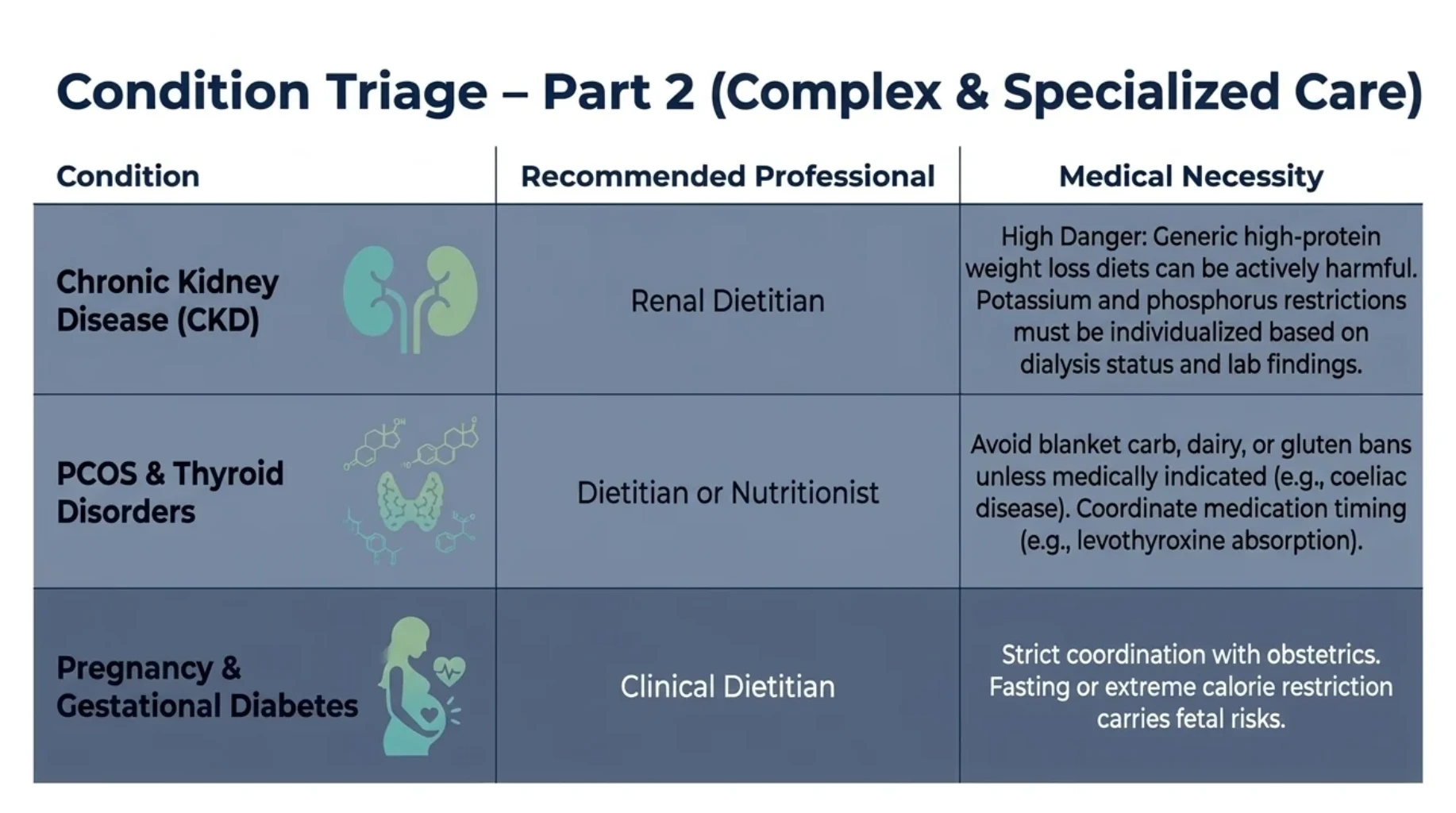
Polycystic ovary syndrome (PCOS) is a common endocrine and metabolic condition that may affect menstrual regularity, ovulation, androgen-related symptoms and metabolic health.
Many women with PCOS experience difficulty managing weight, although PCOS can also occur in women without overweight or obesity.
Nutrition counselling may help improve dietary quality and support individual health goals.
What Is the Best Diet for PCOS?
There is no single dietary composition proven to be superior for every woman with PCOS.
International evidence-based guidance supports healthy eating and physical activity tailored to individual preferences and goals.
For women with excess body weight, weight management may improve some metabolic and reproductive outcomes.
However, restrictive dietary approaches should not be presented as universally necessary.
Should Women With PCOS Avoid All Carbohydrates?
No.
Carbohydrates are part of many nutritious foods, including whole grains, fruits, pulses and dairy products.
Dietary quality, overall energy intake and individual metabolic needs are generally more important than eliminating carbohydrates indiscriminately.
Can Diet Alone Treat Every Symptom of PCOS?
Diet and lifestyle intervention may improve aspects of metabolic health, but PCOS management may also require medical treatment depending on the patient’s symptoms and reproductive goals.
For example, menstrual irregularity, infertility, significant hyperandrogenic symptoms or metabolic complications may require assessment by an appropriate medical professional.
Should Women With PCOS Take Inositol or Other Supplements?
Some supplements have been studied in PCOS, but evidence for clinically meaningful benefits varies and remains uncertain for several outcomes.
Patients should avoid assuming that every supplement marketed for hormone balance is effective or safe.
Supplement use should be discussed with an appropriately qualified healthcare professional, particularly during pregnancy or when other medicines are being taken.
Dietitian vs Nutritionist for Thyroid Disorders
Thyroid disorders are frequently associated with online claims about foods that supposedly damage or repair the thyroid gland.
Patients with hypothyroidism may be advised to avoid gluten, dairy, soy, cabbage or several other foods without a clear medical indication.
However, most people with thyroid disease do not require extensive dietary exclusions.
Can a Dietitian Cure Hypothyroidism?
Dietary intervention cannot be assumed to restore normal thyroid hormone production in patients with established hypothyroidism.
Many patients require levothyroxine or other appropriate medical management according to the diagnosis.
Nutrition counselling may help address general dietary quality, weight management or coexisting nutritional problems.
Do Thyroid Patients Need a Gluten-Free Diet?
A gluten-free diet is medically necessary for people with coeliac disease and may be appropriate for certain other established indications.
However, it should not be routinely recommended to every person with hypothyroidism or positive thyroid antibodies.
Unnecessary restriction can increase cost and complicate nutritional adequacy.
Can Food Affect Thyroid Medicine Absorption?
Yes. Food and certain supplements or medicines can affect levothyroxine absorption.
Patients should follow the prescribed administration instructions and discuss timing with their treating physician.
Calcium and iron supplements, for example, may require separation from levothyroxine according to medical guidance.
Should Everyone With Thyroid Disease Take Iodine Supplements?
No.
Iodine is necessary for thyroid hormone production, but excessive iodine intake can worsen certain thyroid conditions.
Supplementation should be based on clinical need rather than blanket recommendations.
Dietitian vs Nutritionist for Chronic Kidney Disease
Chronic kidney disease (CKD) is one of the clearest examples of why clinical nutrition expertise matters.
Dietary recommendations may need to account for kidney function, albuminuria, potassium, phosphorus, sodium, nutritional status, dialysis and associated medical conditions.
A diet that is appropriate for one patient with CKD may be unsuitable for another.
Why Is a Generic Kidney Diet Potentially Harmful?
Patients with CKD are sometimes advised to avoid nearly all fruits, vegetables, pulses and protein-rich foods.
Such restrictions may be unnecessary and can contribute to poor dietary quality or inadequate nutrition.
Potassium and phosphorus restrictions should be individualised according to clinical circumstances and laboratory findings.
Should Kidney Patients Follow a High-Protein Diet?
Protein requirements depend on CKD stage, nutritional status, dialysis treatment and other medical factors.
Some patients with non-dialysis CKD may require moderation of protein intake, while patients receiving dialysis often have different protein requirements.
Therefore, a generic high-protein weight loss plan should not be prescribed without considering kidney disease.
Why Is a Renal Dietitian Useful?
A dietitian with renal nutrition experience can help translate clinical requirements into a practical meal plan while supporting adequate nutrition.
Dietary advice should be coordinated with the treating physician or nephrologist.
Can a Nutritionist Manage CKD Independently?
Complex CKD management requires medical assessment and ongoing monitoring.
A nutrition professional should work within their competence and coordinate care rather than independently making decisions about kidney disease treatment or medication.
Clinical perspective: Patients with chronic kidney disease should avoid generic internet diet charts and unnecessary food restrictions. Nutrition care should be individualised according to kidney function, laboratory findings and medical treatment.
Dietitian vs Nutritionist During Pregnancy and Gestational Diabetes
Pregnancy increases the importance of nutritional adequacy because dietary intake supports maternal health and fetal development.
However, nutritional requirements vary according to gestational stage, medical history, body weight, food preferences and pregnancy-related complications.
Why Is Pregnancy Nutrition Different From a Regular Diet Plan?
Pregnancy involves changes in energy and nutrient requirements, including increased needs for certain vitamins and minerals.
Dietary guidance should consider iron, folate, calcium, iodine, protein and other relevant nutrients according to individual circumstances and current clinical recommendations.
Food safety is also important during pregnancy.
Who Should Provide a Diet Plan for Gestational Diabetes?
Gestational diabetes requires coordinated care involving the obstetric team and appropriately qualified nutrition professionals.
Dietary management should support maternal nutrition while helping achieve appropriate glucose targets.
Excessive carbohydrate restriction or rapid weight loss during pregnancy should not be undertaken without appropriate medical supervision.
Can a Nutritionist Advise Pregnant Women to Fast for Weight Loss?
Fasting or significant dietary restriction during pregnancy may carry risks depending on the patient’s health and pregnancy status.
Pregnant women should seek advice from their obstetric healthcare team before undertaking fasting or weight loss interventions.
Why Is Medical Monitoring Necessary in Gestational Diabetes?
Some women with gestational diabetes require medication despite appropriate dietary changes.
Blood glucose monitoring, fetal assessment and decisions about medical treatment should follow the obstetric care plan.
Dietitian vs Nutritionist for Sports Nutrition and Muscle Gain
Sports nutrition is another area where the professional title may be less important than relevant training and experience.
A qualified sports nutritionist or dietitian may help athletes align energy intake, protein distribution, hydration and recovery nutrition with training demands.
Does Every Gym-Goer Need a High-Protein Diet?
Protein requirements vary according to body weight, training intensity, goals, age and medical conditions.
Although resistance training can increase protein needs, consuming extremely large amounts is not automatically beneficial.
Patients with certain medical conditions may require additional precautions.
Are Protein Supplements Necessary for Muscle Gain?
Not always.
Many individuals can meet their protein requirements through a balanced diet.
Supplements may be convenient in selected circumstances, but they should not replace adequate overall nutrition.
Can a Fitness Coach Prescribe a Clinical Diet?
Fitness qualifications alone do not establish competence to manage medical nutrition therapy for diabetes, kidney disease or other complex conditions.
General sports nutrition education should be distinguished from disease-specific clinical care.
What About Performance-Enhancing Supplements?
Patients should be cautious about products promising rapid muscle gain, hormonal enhancement or dramatic fat loss.
Some products may contain undeclared or potentially harmful ingredients.
Supplement use should be assessed according to medical history, product quality and relevant evidence.
Dietitian vs Nutritionist: Which Professional Is Suitable for Your Condition?
The following table provides a practical comparison for common nutritional concerns.
| Health Concern | Suitable Nutrition Support | When Medical Involvement Is Important |
|---|---|---|
| General healthy eating | Appropriately qualified dietitian or nutritionist | When symptoms or medical concerns are present |
| Uncomplicated weight management | Qualified nutrition professional with weight management experience | When obesity-related complications or medications are involved |
| Type 2 diabetes | Clinically trained dietitian or nutrition professional experienced in diabetes | For diagnosis, medicines, glucose monitoring and complications |
| Prediabetes | Qualified nutrition professional providing evidence-based lifestyle guidance | For risk assessment and appropriate follow-up |
| MASLD or fatty liver | Clinically trained nutrition professional | For fibrosis risk assessment and associated metabolic disease |
| PCOS | Nutrition professional experienced in PCOS and metabolic health | For menstrual, hormonal, fertility or metabolic concerns |
| Hypothyroidism | Qualified nutrition professional for dietary support | For diagnosis, thyroid medication and monitoring |
| Chronic kidney disease | Dietitian with renal nutrition expertise | Essential for kidney disease management and monitoring |
| Gestational diabetes | Clinically trained dietitian experienced in pregnancy nutrition | Essential coordination with obstetric care |
| Sports performance | Qualified sports dietitian or sports nutritionist | When medical conditions or injury-related concerns are present |
Medical Nutrition Therapy vs Generic Diet Chart: What Is the Difference?
Many online nutrition services advertise personalised diet plans, but the term personalised is not always clearly defined.
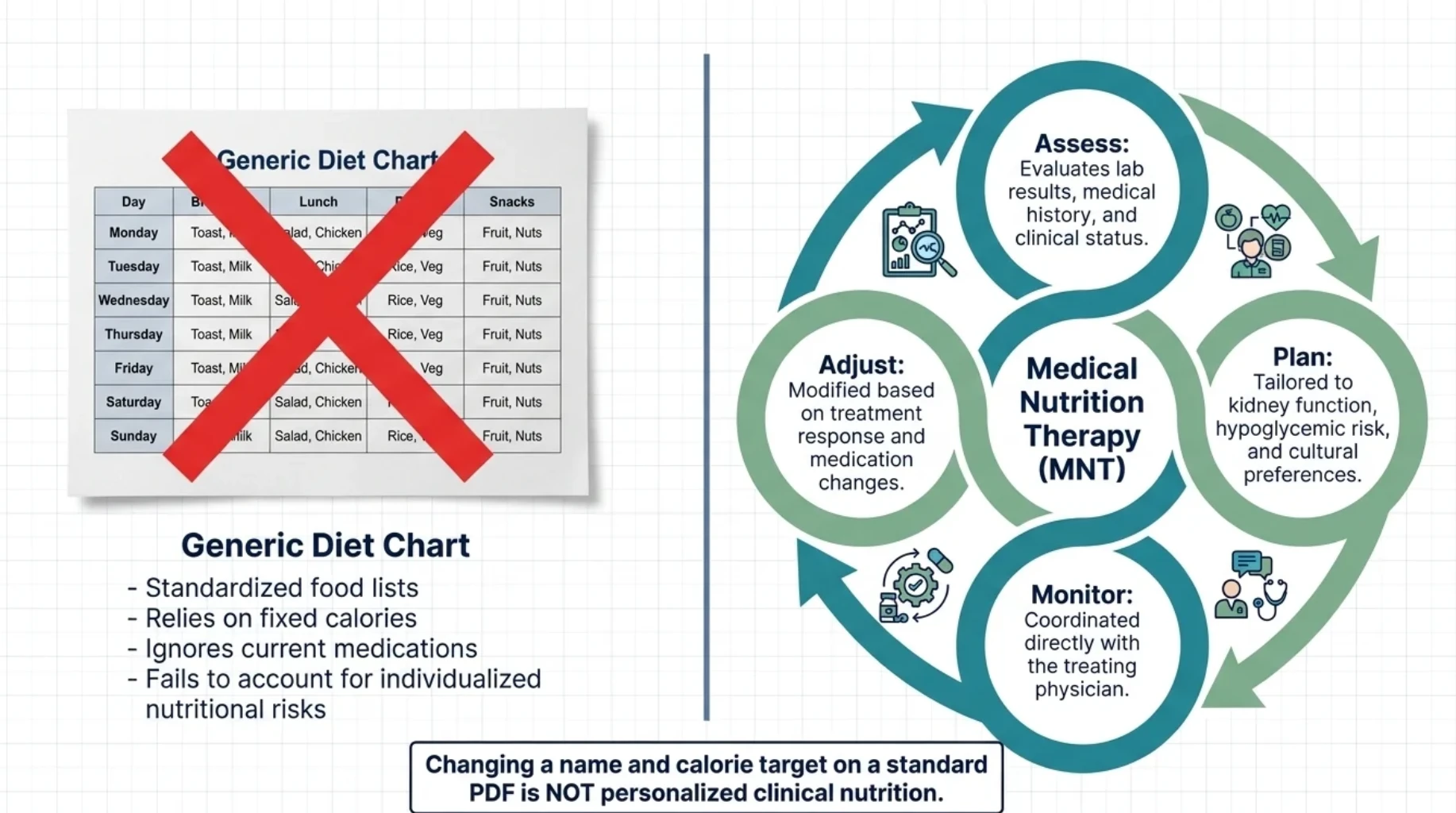
Changing a patient’s name, age and calorie target on a standard meal chart does not necessarily constitute comprehensive nutritional assessment.
What Is a Generic Diet Chart?
A generic diet chart usually provides a standardised meal schedule or food list intended for a broad group of people.
Such charts may be useful as general educational examples, but they often do not account for individual medical conditions, medications, nutritional risks or food preferences.
What Makes Medical Nutrition Therapy Different?
Medical nutrition therapy involves evaluating the patient’s clinical and nutritional circumstances before developing an intervention.
The process may include dietary assessment, anthropometric information, relevant laboratory results, diagnosis-related requirements and follow-up monitoring.
For example, two patients may both require a 1,600-calorie meal plan, but their nutritional needs may differ substantially if one has diabetes and the other has chronic kidney disease.
Even when energy intake is similar, protein requirements, food distribution and other nutritional considerations may differ.
Should Every Diet Plan Include Calories and Macronutrients?
Energy and macronutrient calculations may be useful, particularly when managing specific nutritional goals.
However, a diet plan is not automatically effective because it contains precise-looking calorie and protein numbers.
The estimates must be appropriate for the individual, and food composition data have inherent variability.
Clinical outcomes, nutritional adequacy, patient understanding and adherence are also important.
Why Is Follow-Up Important?
Nutritional needs and treatment responses change over time.
A patient may experience weight changes, altered blood glucose patterns, new medication requirements or difficulty following the original plan.
Follow-up allows the professional to reassess progress and make appropriate modifications.
Can Artificial Intelligence Generate a Medical Diet Plan?
Digital tools and artificial intelligence may assist with meal planning, nutritional calculations and patient education.
However, automated recommendations can contain errors, omit important clinical considerations or rely on incomplete information.
For patients with medical conditions, AI-generated dietary suggestions should not replace assessment and oversight by appropriately qualified healthcare professionals.
Important distinction: A personalised clinical diet plan is not merely a list of meals. It should reflect the patient’s medical condition, nutritional needs, medications, preferences, practical constraints and response to treatment.
Common Nutrition Myths That Patients Should Avoid
Online nutrition advice often includes attractive claims that are not supported by reliable evidence.
Patients should be cautious when a practitioner promises that one food, supplement or restrictive diet can treat every medical condition.
Myth 1: Carbohydrates Are Always Bad for Diabetes
Carbohydrate quantity and quality matter, but not all carbohydrate-containing foods are nutritionally equivalent.
Many fibre-rich foods, including pulses, fruits and whole grains, can be included in appropriately planned diets for people with diabetes.
Myth 2: Everyone Needs a Detox Diet
The body has established physiological systems involving the liver, kidneys and other organs that process and eliminate substances.
Commercial detox programmes have not been shown to provide the broad disease-curing benefits often advertised.
Myth 3: Gluten Must Be Avoided for Weight Loss
A gluten-free diet is medically necessary for coeliac disease and may be appropriate for selected other indications.
However, avoiding gluten does not automatically improve weight loss or metabolic health in people without a relevant medical indication.
Myth 4: More Protein Is Always Better
Protein is important for maintaining body tissues and muscle function, but requirements differ according to age, activity and medical conditions.
Excessive protein intake is not automatically beneficial and may be inappropriate for some patients.
Myth 5: A Nutritionist Can Stop Diabetes Medicines
Dietary intervention may improve glucose management, but medication decisions should be made by an authorised prescriber.
Unsupervised medication changes can cause hyperglycaemia, hypoglycaemia or other complications.
Myth 6: Expensive Diet Plans Are Always Better
The cost of a diet plan does not establish its scientific quality.
Patients should evaluate qualifications, assessment methods, treatment goals, follow-up and the appropriateness of recommendations.
Warning Signs of an Unreliable Dietitian or Nutritionist
Professional titles and social media popularity do not guarantee evidence-based practice.
Patients should be cautious about services that make unrealistic promises or recommend treatment beyond the practitioner’s competence.
Promising Guaranteed Disease Cure
Claims of guaranteed diabetes cure, complete reversal of kidney disease or permanent elimination of thyroid disorders through diet alone should raise concern.
Some conditions may improve substantially with lifestyle intervention, but outcomes vary and medical monitoring remains necessary.
Advising Patients to Stop Prescribed Medicines
Nutrition professionals should not independently discontinue prescription medicines without appropriate prescribing authority and clinical coordination.
Prescribing Extreme Calorie Restriction Without Assessment
Very-low-calorie diets and other intensive interventions may be appropriate in selected clinical settings, but they require careful patient selection and monitoring.
They should not be promoted indiscriminately.
Recommending Unnecessary Supplements
Supplements should be recommended according to nutritional needs, relevant evidence and safety considerations.
Patients should be cautious when expensive supplement packages are presented as essential for every individual.
Ignoring Medical Conditions
A diet plan that fails to consider kidney disease, pregnancy, diabetes medication or other important medical factors may be inappropriate.
Using the Same Diet Chart for Everyone
Although general dietary principles may be shared, individual medical nutrition therapy should account for clinically relevant differences between patients.
Discouraging Medical Consultation
Nutrition counselling should complement appropriate medical care rather than prevent patients from obtaining necessary diagnosis, investigations or treatment.
How to Choose a Qualified Dietitian or Nutritionist in India
Choosing the right nutrition professional is an important decision, particularly when dietary changes form part of the management of a medical condition. Although many people search for the best dietitian or nutritionist based on online reviews, fees or social media popularity, these factors do not necessarily reflect professional competence.
When comparing a dietitian vs nutritionist, patients should consider educational qualifications, relevant clinical training, experience, professional registration where applicable and the quality of the assessment process.
A person seeking general healthy eating advice may have different requirements from someone with type 2 diabetes, chronic kidney disease, gestational diabetes or severe obesity.
The professional should therefore be selected according to the patient’s health needs rather than simply choosing the most popular service.
1. Verify Educational Qualifications
Ask the professional about their academic qualifications and the institution where they completed their education.
Relevant degrees may include recognised programmes in nutrition, dietetics, clinical nutrition, food science or related disciplines, depending on the intended professional role.
However, a qualification should be assessed in relation to the services being offered.
A professional with training primarily in sports nutrition may not necessarily have the clinical experience required to manage complex kidney disease or nutrition support in critically ill patients.
2. Check Professional Registration Where Applicable
India’s National Commission for Allied and Healthcare Professions Act, 2021, provides statutory recognition for dietitians and nutritionists under the Nutrition Science Professional category.
The registration framework has evolved through subsequent regulations, including those introduced in 2026.
Patients should verify the professional’s current registration status through the relevant official authority wherever an applicable register and verification process are operational.
Professional association membership, historical credentials and statutory registration should not be assumed to mean the same thing.
3. Look for Relevant Clinical Experience
Experience with a particular medical condition may be especially important when nutritional management is complex.
For example, patients with chronic kidney disease may benefit from a dietitian experienced in renal nutrition.
Patients with diabetes may require someone familiar with carbohydrate management, glucose monitoring and coordination with glucose-lowering medications.
Pregnancy-related nutrition care may require experience with gestational diabetes, maternal nutritional requirements and coordination with obstetric services.
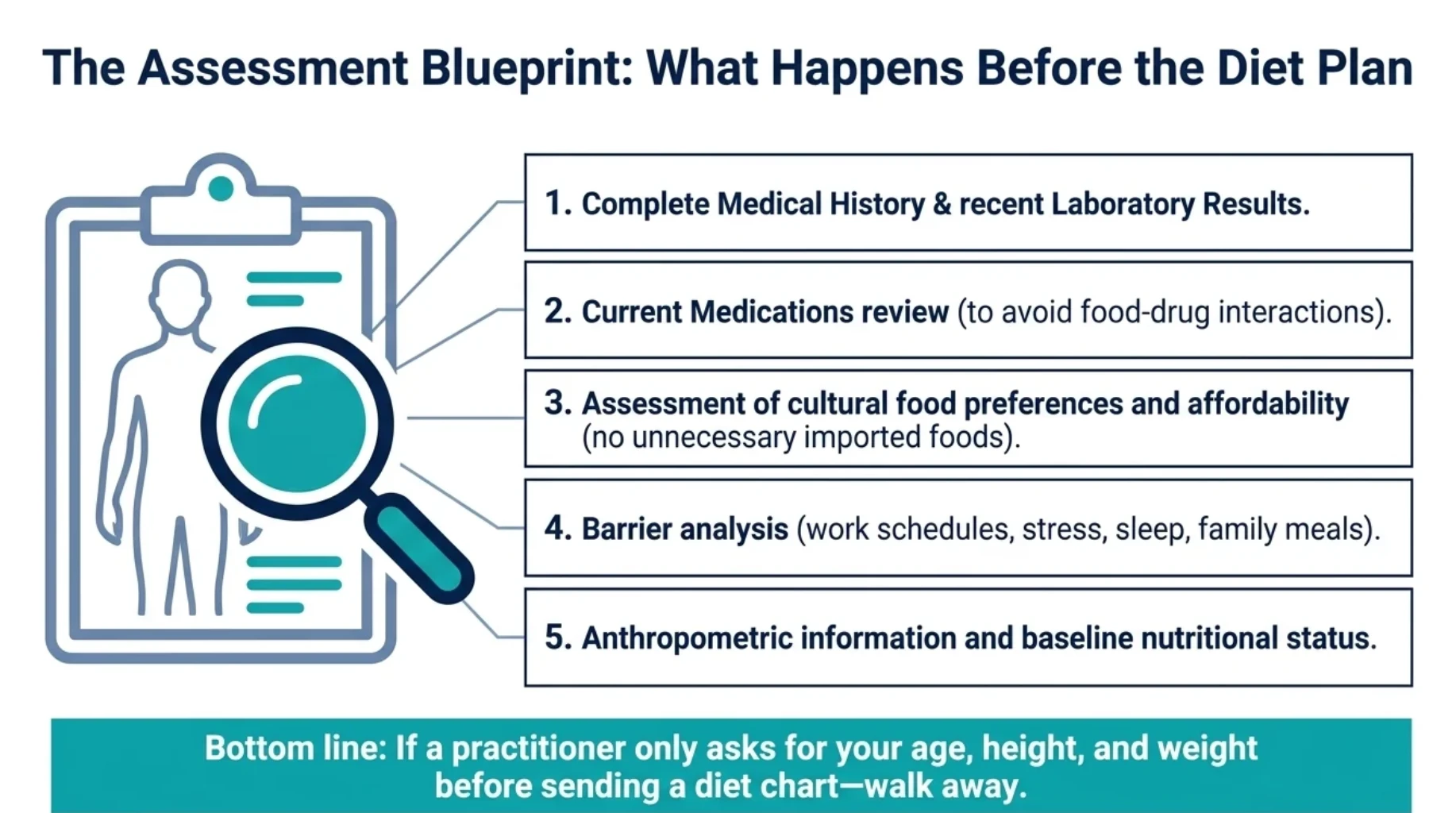
4. Ask About the Initial Assessment
A responsible nutrition professional should collect relevant information before recommending major dietary changes.
This may include medical history, dietary intake, medications, physical activity, nutritional status, laboratory findings and food preferences.
The extent of assessment should be appropriate to the patient’s condition and the service being provided.
5. Understand the Proposed Treatment Plan
Patients should understand why particular dietary changes are recommended and what outcomes are expected.
A good nutrition plan should be practical, nutritionally adequate and suitable for the patient’s lifestyle.
It should not depend unnecessarily on expensive imported foods, supplements or restrictive eating rules.
6. Ask How Progress Will Be Monitored
Nutrition care is not always completed after a single consultation.
Follow-up may be necessary to review dietary adherence, weight changes, symptoms, nutritional adequacy and relevant clinical outcomes.
For patients with medical conditions, follow-up should also be coordinated with appropriate medical monitoring.
Patient takeaway: Choose a nutrition professional based on recognised education, relevant competence, applicable registration and the quality of their assessment. A professional title or social media following alone cannot establish the safety or effectiveness of a diet plan.
Dietitian vs Nutritionist: What Should You Check Before Paying for a Diet Plan?
Diet plans are now available through clinics, websites, mobile applications, messaging platforms and social media services.
Some programmes offer individual consultations, while others provide standardised meal charts with limited personalisation.
Before purchasing a plan, patients should understand what is included and whether the service is appropriate for their medical needs.
| What to Check | Why It Matters |
|---|---|
| Professional qualifications | Helps establish relevant educational background |
| Clinical experience | Important for disease-specific nutritional management |
| Initial consultation | Allows assessment before dietary recommendations |
| Medical history review | Helps identify relevant conditions and precautions |
| Medication review | Important when dietary changes may affect treatment |
| Individualisation | Ensures the plan considers nutritional needs and preferences |
| Follow-up schedule | Supports monitoring and modification of recommendations |
| Fees and inclusions | Clarifies consultation charges and additional services |
| Refund and cancellation policy | Helps avoid unexpected financial disputes |
| Medical referral arrangements | Important when symptoms or complications require a physician |
| Privacy and data handling | Protects sensitive health and personal information |
Patients should be cautious about large prepaid packages that promise guaranteed weight loss or disease remission without first conducting an appropriate assessment.
Online Dietitian vs Nutritionist Consultation: Is It Effective?
Online nutrition consultations have become increasingly common in India, particularly among people with demanding work schedules, limited access to specialised services or a preference for remote follow-up.
Video consultations and secure digital communication may help patients receive dietary guidance without travelling to a clinic.
However, the effectiveness of online nutrition care depends on the professional’s competence, the quality of assessment and the patient’s medical needs.
What Can Be Done During an Online Nutrition Consultation?
An online consultation may include a review of dietary habits, medical history, laboratory reports, food preferences, weight trends and treatment goals.
The professional may provide dietary education, meal-planning guidance and follow-up recommendations.
Patients may also discuss difficulties with meal preparation, portion sizes, eating schedules and adherence.
Can Online Nutrition Consultations Help Diabetes Patients?
Remote nutrition counselling may be useful for selected patients with diabetes, especially when dietary advice is coordinated with glucose monitoring and medical care.
However, patients with recurrent hypoglycaemia, severe hyperglycaemia, acute illness or other concerning symptoms may require prompt medical assessment.
An online diet plan should not replace emergency medical care or necessary physical examination.
Are Online Weight Loss Programmes Safe?
Online programmes may be appropriate when they provide qualified professional oversight, suitable assessment and ongoing monitoring.
However, patients should be cautious about programmes that prescribe extremely restrictive diets without reviewing medical history or medications.
Those with complex medical conditions may require a physician-supervised approach.
What About International Patients?
Online nutritional counselling may be useful for people living outside India, but professional practice requirements can differ between countries.
Patients and practitioners should consider the applicable rules governing remote healthcare services, professional registration and the location where the patient receives care.
Cross-border medical treatment and prescription services may be subject to additional restrictions.
How Should Patients Share Their Medical Reports?
Health reports contain sensitive personal information and should be shared through appropriate secure channels.
Patients should understand how their information will be stored, accessed and used.
Professionals should collect only information necessary for the service and follow applicable privacy and data protection requirements.
Dietitian vs Nutritionist: Does a Higher Consultation Fee Mean Better Treatment?
Consultation charges for dietitians and nutritionists vary considerably across India.
Fees may depend on professional qualifications, clinical experience, consultation duration, location and the services included.
A programme involving repeated follow-up, detailed nutritional assessment and coordination with medical care may have a different fee structure from a one-time general nutrition consultation.
However, higher charges do not automatically establish better clinical outcomes.
Why Do Some Diet Plans Cost More?
Some programmes include regular consultations, dietary reassessment, meal planning and additional educational support.
Others may include services such as body-composition monitoring or coordinated medical review.
Patients should understand what is actually included before comparing prices.
Are Free Diet Charts Useful?
General diet charts may provide introductory education about balanced eating.
However, they are not a substitute for individualised nutritional management when patients have complex medical conditions.
Should You Pay for a Six-Month Diet Package in Advance?
Longer programmes may be appropriate for some patients, but treatment duration should be justified by individual needs.
Before making a substantial payment, patients should understand the service, cancellation policy, follow-up arrangements and expected outcomes.
What Makes a Diet Consultation Valuable?
The value of a consultation lies in appropriate assessment, evidence-based recommendations, practical implementation and meaningful follow-up.
A diet plan should help the patient develop sustainable eating habits rather than create indefinite dependence on a fixed meal chart.
Dietitian vs Nutritionist in Dwarka and Delhi: How Should Patients Decide?
Patients searching for a dietitian or nutritionist in Dwarka, New Delhi, often want help with weight loss, diabetes, fatty liver disease, PCOS, thyroid disorders or general dietary improvement.
Although these conditions may benefit from nutritional counselling, they do not all require the same approach.
Someone seeking general healthy eating advice may be appropriately supported by a qualified nutrition professional.
However, a patient with diabetes who is taking insulin, has recurrent low blood glucose or has developed kidney complications requires greater clinical coordination.
Similarly, a patient with fatty liver disease may need assessment of metabolic risk and possible liver fibrosis rather than receiving only a weight loss chart.
Should You Choose a Dietitian Near Your Home?
Convenience can support regular follow-up and adherence.
However, proximity should not be the only consideration.
Patients should also assess qualifications, relevant experience and whether the service meets their clinical needs.
Is an Online Dietitian Suitable for Patients in Delhi?
Online counselling may be convenient for patients who cannot attend frequent in-person visits.
However, medical assessment should not be delayed when symptoms, complications or examination findings require direct evaluation.
When Is a Physician-Supervised Diet Plan More Appropriate?
Physician-supervised nutritional care may be particularly useful when dietary intervention forms part of treatment for diabetes, obesity with complications, chronic kidney disease, fatty liver disease or other medical conditions.
The physician can assess the medical condition, review medication and investigations, and coordinate nutrition recommendations with the overall treatment plan.
A qualified nutrition professional can contribute detailed nutritional assessment and dietary counselling.
What Should Patients Avoid When Searching Online?
Patients should be cautious about services promising guaranteed diabetes cure, extreme weight loss, reversal of kidney failure or elimination of all medication through diet alone.
Such claims may oversimplify complex medical conditions and create unrealistic expectations.
Practical advice for patients in Dwarka: For general dietary improvement, choose a suitably qualified nutrition professional. For disease-specific diet plans, especially when medications or complications are involved, seek appropriate medical assessment and coordinated nutrition care.
Frequently Asked Questions About Dietitian vs Nutritionist in India
1. What Is the Main Difference Between a Dietitian and a Nutritionist?
Dietitians commonly work in dietetics and clinical or institutional nutrition, while nutritionists may work across clinical, public health, sports and wellness settings. In India, both are recognised under the Nutrition Science Professional category of the NCAHP Act, 2021. Actual competence depends on qualifications and training.
2. Is a Dietitian More Qualified Than a Nutritionist?
Not necessarily. Some nutritionists have advanced degrees and extensive specialist training. Patients should compare recognised qualifications, relevant clinical experience and professional registration rather than relying only on titles.
3. Are Dietitians and Nutritionists Recognised in India?
Yes. Both are included within the Nutrition Science Professional category under the National Commission for Allied and Healthcare Professions Act, 2021. Applicable registration arrangements should be verified through official authorities.
4. What Is the NCAHP Act?
The National Commission for Allied and Healthcare Professions Act, 2021, establishes a statutory framework for recognised allied and healthcare professions in India, including nutrition-related professional categories.
5. What Changed for Nutrition Professionals in 2026?
Registration regulations introduced in 2026 further developed the framework for professional registration. Patients should verify current operational arrangements and professional registration status through the appropriate official authority.
6. Is the Registered Dietitian Examination Still Conducted by the Indian Dietetic Association?
The Indian Dietetic Association’s Registered Dietitian Board announced that it would no longer conduct RD examinations. Patients should distinguish historical RD credentials from current statutory professional registration requirements.
7. Can a Nutritionist Provide a Diabetes Diet Plan?
An appropriately qualified nutrition professional with relevant clinical competence may provide diabetes nutrition counselling. Medication prescribing and adjustment require appropriate medical authority and coordination.
8. Who Is Better for Weight Loss: Dietitian or Nutritionist?
Either may provide suitable guidance when appropriately qualified. Patients with obesity-related medical conditions may benefit from physician-supervised weight management combined with nutrition counselling.
9. Can a Dietitian Cure Type 2 Diabetes?
Nutrition intervention may improve glucose management, and some patients with type 2 diabetes can achieve remission. However, remission is not guaranteed, and diabetes should not be described as permanently cured through a diet plan.
10. Can a Nutritionist Prescribe Medicines?
The title nutritionist does not independently confer medical prescribing authority. Prescription medicines should be managed by appropriately authorised healthcare professionals.
11. Should Patients With Kidney Disease Consult a Dietitian?
Patients with chronic kidney disease may benefit from a dietitian experienced in renal nutrition. Dietary recommendations should be coordinated with medical care and relevant laboratory findings.
12. Is a Dietitian Necessary for PCOS?
A qualified nutrition professional may help women with PCOS improve dietary quality and manage metabolic risk. Medical assessment may also be needed for menstrual irregularity, infertility or other symptoms.
13. Can a Nutritionist Reverse Fatty Liver?
Nutrition and lifestyle changes can improve liver fat and metabolic health in many patients. However, claims of guaranteed reversal are inappropriate, and assessment of liver fibrosis risk may be necessary.
14. Can a Fitness Trainer Prepare a Medical Diet Plan?
Fitness qualifications alone do not establish clinical dietetics competence. Complex medical nutrition therapy requires appropriate professional training and, where necessary, coordination with a physician.
15. Is an Online Dietitian Consultation Effective?
Online nutrition counselling may be useful when it includes proper assessment, individualised advice and appropriate follow-up. It should not replace necessary medical examination or emergency care.
16. Do I Need a Dietitian for Prediabetes?
Qualified nutrition counselling can help patients with prediabetes improve dietary habits and metabolic risk. Medical assessment remains important for diagnosis, risk evaluation and follow-up.
17. Can a Dietitian Recommend Supplements?
Nutrition professionals may provide guidance about nutritional adequacy and supplements within their qualifications and applicable professional scope. Supplements should be selected according to clinical need, evidence and safety considerations.
18. How Can I Check Whether a Nutritionist Is Qualified?
Ask about recognised academic qualifications, relevant training, clinical experience and applicable professional registration. Verify claims through official sources where available.
19. Is a Diet Chart the Same as Medical Nutrition Therapy?
No. A diet chart may provide a meal schedule, whereas medical nutrition therapy involves individualised nutritional assessment, intervention and monitoring related to a medical condition.
20. Should I Consult a Dietitian, Nutritionist or Doctor in Dwarka?
For general healthy eating, a suitably qualified nutrition professional may be appropriate. For diabetes, obesity with complications, kidney disease, fatty liver or other medical conditions, medical assessment and coordinated nutrition care may be more suitable.
Authoritative References and Medical Guidelines
The following official and professional resources provide information on nutrition practice, regulatory requirements and evidence-based dietary management.
- India Code — National Commission for Allied and Healthcare Professions Act, 2021 — Statutory framework for recognised allied and healthcare professions, including dietitians and nutritionists.
- Allied and Healthcare Professionals Portal — Official government portal relevant to professional enrolment and registration processes. Patients should distinguish enrolment from completed statutory registration.
- Indian Dietetic Association — Professional resources and announcements concerning dietetics in India, including historical Registered Dietitian credentialing.
- World Health Organization — Healthy Diet — General evidence-based principles for healthy dietary patterns.
- ICMR–National Institute of Nutrition — Indian dietary guidance, nutritional research and Dietary Guidelines for Indians.
- American Diabetes Association — Standards of Care in Diabetes — Evidence-based recommendations for diabetes management, including nutrition and lifestyle intervention.
- KDIGO Clinical Practice Guidelines — Guidance for chronic kidney disease and related clinical management.
- American Society for Reproductive Medicine — Practice Guidance — Resources including international evidence-based recommendations for PCOS.
- National Medical Commission, India — Official information concerning medical qualifications and professional regulation.
Professional regulations, clinical guidelines and credentialing arrangements may change. Readers should consult the latest official publications and relevant authorities when verifying professional status or making healthcare decisions.
Medical Nutrition and Lifestyle Consultation in Dwarka, New Delhi
Patients with diabetes, obesity, prediabetes, fatty liver disease, thyroid disorders, PCOS or other lifestyle-related medical concerns may benefit from an individualised medical assessment before starting a restrictive diet or weight management programme.
Dietary recommendations should account for the underlying medical condition, medications, laboratory findings, nutritional requirements and treatment goals.
Dr. Pankaj Kumar is a General & Lifestyle Physician practising in Dwarka, New Delhi, with a special interest in diabetes, weight management and metabolic health.
Medical consultation may include assessment of metabolic risk factors, review of relevant investigations, medication management where indicated and individualised lifestyle recommendations.
When appropriate, nutrition care can be coordinated with qualified dietitians or other relevant healthcare professionals.
Clinic and Appointment Information
Doctor: Dr. Pankaj Kumar
Designation: General & Lifestyle Physician
Qualifications: MBBS, DNB (Family Medicine)
Location: Doctors Lane, Sector 6, Dwarka, New Delhi
Landmark: In front of Dhanwantari Labs
Consultation: In-person and online appointments
Patients experiencing severe hypoglycaemia, diabetic ketoacidosis symptoms, serious dehydration or other medical emergencies should seek immediate emergency medical care rather than waiting for a routine nutrition consultation.
About the Author
Dr. Pankaj Kumar
MBBS, DNB (Family Medicine)
General & Lifestyle Physician
Founder, Diet Plus Minus
Dwarka, New Delhi
Dr. Pankaj Kumar provides general medical consultations with a particular interest in diabetes, obesity, fatty liver disease, hypertension, thyroid disorders and other lifestyle-related metabolic conditions. His approach emphasises appropriate diagnosis, evidence-based medical management, individualised lifestyle intervention and coordination with relevant healthcare professionals.
Medical Disclaimer: This article is intended for general health education and does not replace an individual medical consultation. Nutrition recommendations should be tailored to the patient’s medical history, diagnosis, medications and nutritional requirements. Professional qualifications, registration arrangements and permitted scope of practice may vary according to current Indian laws and regulations. Patients should verify professional credentials through appropriate official authorities.
If you want a personalized metabolic assessment and lifestyle strategy, you can book a consultation here:
Book an Appointment