


Why Choosing the Right General Physician Matters
When you develop a fever, persistent cough, stomach discomfort, headache or unexplained weakness, your first thought may be to search online for a general physician near you. Within seconds, Google may display several doctors, clinics, ratings, consultation fees and appointment options.
However, choosing a doctor is not the same as selecting a restaurant or purchasing a product online. The most prominently advertised clinic, the doctor with the largest number of reviews or the lowest consultation fee may not necessarily be the most appropriate choice for your medical needs.
A general physician is often the first healthcare professional a patient consults when symptoms develop. This initial consultation can influence how quickly a condition is recognised, whether appropriate investigations are ordered, how treatment is selected and when specialist referral becomes necessary.
For someone with a straightforward viral illness, an appropriate consultation may prevent unnecessary antibiotics and investigations. For a patient with repeated headaches, the same consultation may reveal uncontrolled blood pressure. In another person, persistent fatigue may lead to evaluation for anaemia, thyroid dysfunction, diabetes or other conditions.
The value of a good general physician therefore extends beyond prescribing medicines for common symptoms.
A physician should be able to evaluate the patient’s overall health, identify warning signs, explain the likely diagnosis, recommend evidence-based treatment and arrange appropriate follow-up.
This becomes particularly important for adults living with chronic conditions such as diabetes, hypertension, obesity, thyroid disorders, dyslipidaemia and fatty liver disease. These problems often require coordinated long-term care rather than isolated consultations focused on a single laboratory value.
In busy urban areas such as Dwarka and other parts of Delhi-NCR, patients may have access to numerous clinics and healthcare facilities. Although greater choice is beneficial, it can also make selecting the right doctor confusing.
Should you choose a doctor based on qualifications? Does experience matter more than online reviews? Is a specialist always better than a general physician? What should you check before paying a consultation fee?
Understanding how to choose a general physician can help you make a more informed decision and establish a reliable relationship with a healthcare professional who understands your medical needs.
This guide explains eight practical factors to consider before booking an appointment, including medical qualifications, registration, clinical experience, consultation quality, diagnostic approach, communication, accessibility and continuity of care.

What Does a General Physician Do?
A general physician provides medical assessment and treatment for a broad range of health concerns. Depending on training, scope of practice and healthcare setting, general physicians may evaluate common acute illnesses, chronic medical conditions and symptoms that have not yet been assigned a definite diagnosis.
Patients commonly consult general physicians for fever, cough, sore throat, gastrointestinal symptoms, headache, fatigue, dizziness, body aches, blood pressure concerns and abnormal laboratory reports.
General physicians may also participate in the management of long-term conditions such as type 2 diabetes, hypertension, dyslipidaemia and other common medical disorders.
An important part of general medical care is deciding when a problem can be managed in a primary care setting and when additional investigations, emergency assessment or specialist referral are required.
A General Physician Is Often the First Point of Medical Contact
Many symptoms can arise from several different conditions.
For example, persistent tiredness may be associated with inadequate sleep, anaemia, thyroid dysfunction, diabetes, nutritional deficiencies, medication effects or other medical problems.
A general physician evaluates the patient’s symptoms in the context of medical history, physical examination and relevant risk factors.
Rather than immediately ordering a large number of investigations, the physician should develop a reasonable differential diagnosis and select tests according to clinical findings.
This approach helps avoid both missed diagnoses and unnecessary medical testing.
General Physicians Also Provide Preventive Healthcare
General medical consultations are not limited to treating illnesses after symptoms appear.
Preventive care may include blood pressure assessment, diabetes risk evaluation, cardiovascular risk assessment, vaccination review and lifestyle counselling.
For adults with obesity, central adiposity, a family history of diabetes or other metabolic risk factors, preventive assessment may help identify health problems before complications develop.
However, preventive healthcare should be personalised. A large full-body checkup package is not automatically necessary for every individual.
Managing Multiple Health Problems Together
Many adults have more than one medical condition.
A patient with diabetes may also have hypertension, abnormal cholesterol, obesity and fatty liver disease.
These conditions influence one another, and treatment decisions should consider the patient’s overall health rather than focusing on each diagnosis in isolation.
A general physician with appropriate experience can help coordinate care, review medications, monitor treatment response and refer the patient when specialist expertise is needed.
General Physician vs Family Physician vs Internal Medicine Specialist: What Is the Difference?
Patients frequently encounter terms such as general physician, family doctor, family medicine specialist, consultant physician and internal medicine specialist.
These terms are sometimes used interchangeably in everyday conversation, but they do not always represent identical qualifications or training pathways.
General Physician
In India, the term general physician is commonly used for a medical practitioner providing general medical consultations.
However, the title itself does not establish that the doctor holds a postgraduate qualification in general medicine or internal medicine.
Patients should therefore check the actual qualifications and registration details rather than relying only on the clinic’s advertised designation.
Family Physician
Family medicine focuses on comprehensive, continuous and coordinated care across a broad range of health problems and patient groups.
A physician with recognised postgraduate training in family medicine may provide primary care, preventive services and ongoing management of common medical conditions within their training and scope of practice.
Family medicine places particular emphasis on continuity, the patient’s family and social context, and coordination with other healthcare professionals.
Internal Medicine Specialist
An internal medicine specialist generally has recognised postgraduate training in internal medicine or general medicine.
Such physicians commonly manage adult medical conditions, including complex or multiple diseases.
The exact scope of practice depends on training, clinical experience and healthcare setting.
Does Everyone Need an Internal Medicine Specialist for Common Symptoms?
No. Many common health concerns can be appropriately assessed by a qualified registered medical practitioner providing general medical care.
However, complex, severe, persistent or unusual conditions may require specialist evaluation.
The most important consideration is whether the doctor has the appropriate training, competence and clinical judgment for the patient’s problem.
| Doctor Designation | Typical Role | What Patients Should Verify |
|---|---|---|
| General physician | Assessment and management of common medical concerns | Recognised medical qualification, registration and relevant experience |
| Family physician | Comprehensive and continuous primary care | Medical registration and any claimed postgraduate family medicine qualification |
| Internal medicine specialist | Adult medical conditions, including complex disorders | Recognised postgraduate qualification in internal/general medicine |
| Organ-system specialist | Focused care for specific diseases or organ systems | Relevant recognised specialty qualification and registration |
These descriptions are general. Actual qualifications and scope of practice should be verified for the individual doctor.
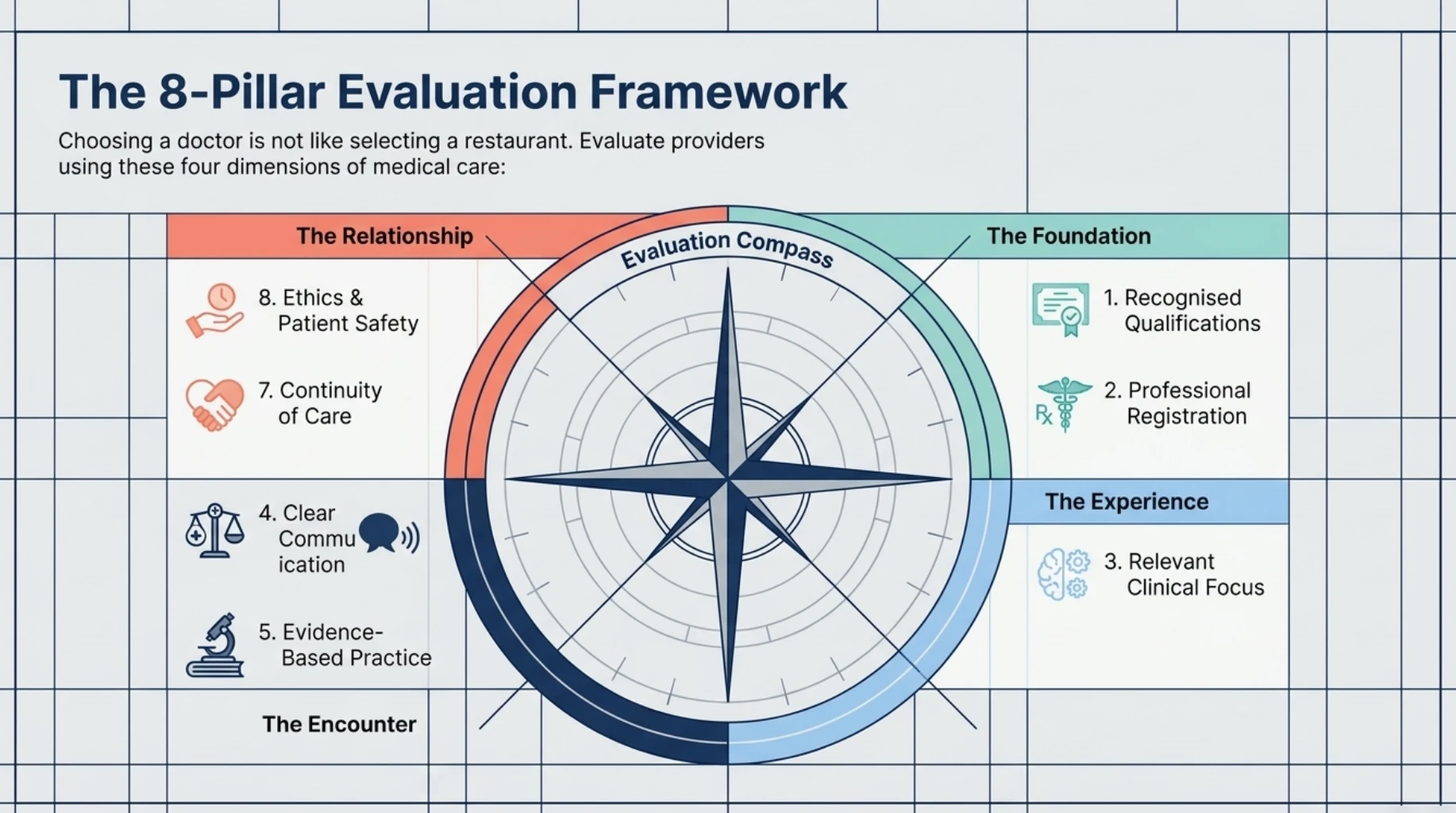
How to Choose a General Physician: 8 Important Things to Check
When comparing doctors, it helps to look beyond search rankings and promotional claims.
A suitable general physician should combine appropriate professional credentials with sound clinical judgment, effective communication, ethical practice and accessible follow-up care.
The following eight considerations can help patients make a more informed decision.
1. Check the Doctor’s Medical Qualifications
The first step in choosing a general physician is verifying that the doctor has an appropriate recognised medical qualification.
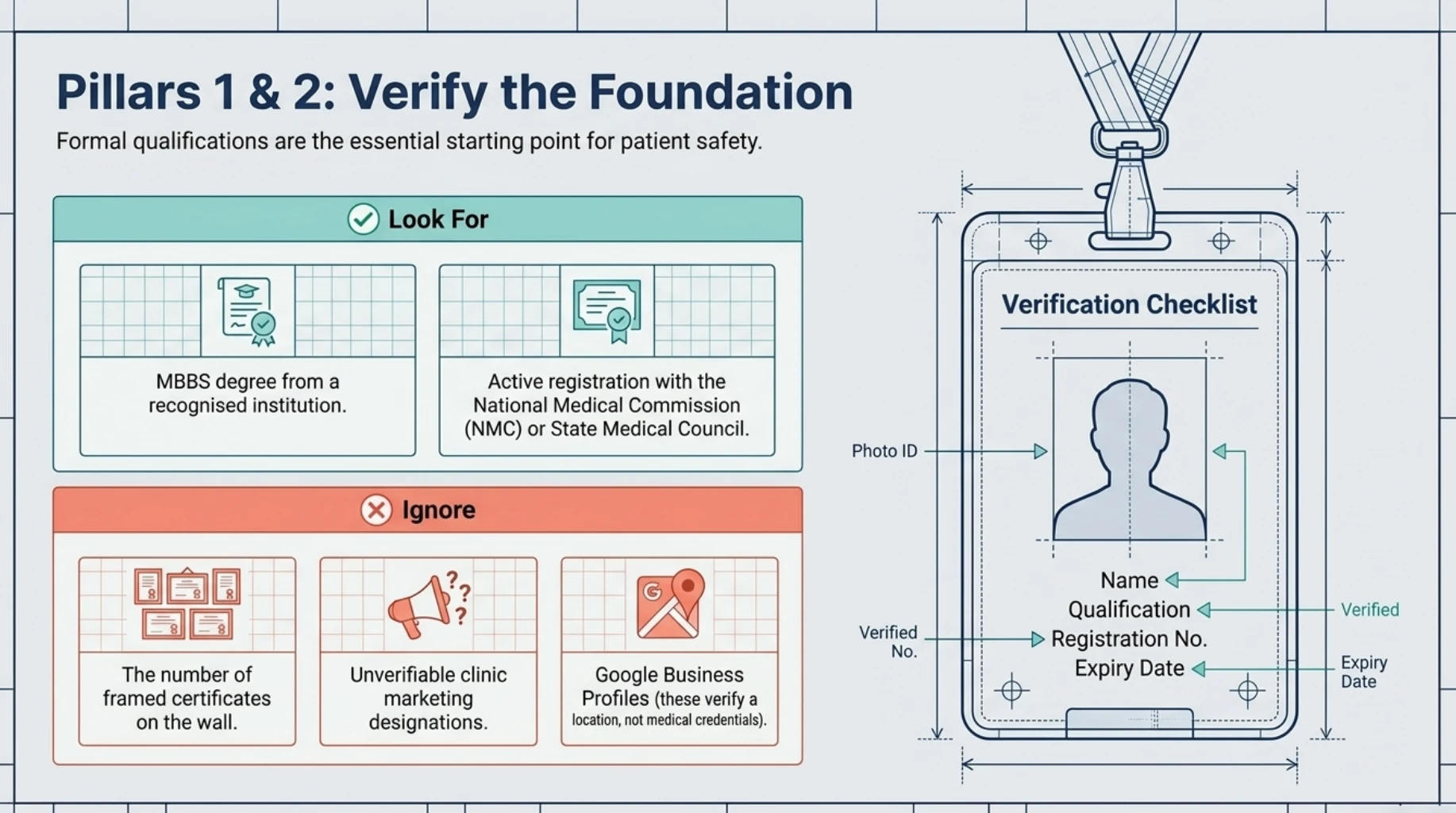
In India, an MBBS degree is a recognised primary medical qualification for modern medicine when obtained through an appropriately recognised institution and accompanied by the required professional registration.
Some doctors also complete postgraduate qualifications in family medicine, general medicine, internal medicine or other recognised specialties.
These additional qualifications indicate further structured training in the relevant field, but patients should examine the specific qualification rather than assuming all postgraduate degrees are equivalent.
Why Qualifications Matter
Medical education provides the foundation for understanding disease processes, clinical examination, diagnosis, pharmacology, treatment and patient safety.
Formal qualifications do not guarantee that every clinical decision will be correct, but they are an essential starting point when evaluating a doctor’s professional credentials.
Patients should be cautious when clinic advertisements use vague terms such as health expert, medical specialist or disease specialist without clearly identifying the practitioner’s recognised medical qualifications.
Is an MBBS Doctor Qualified to Provide General Medical Care?
An appropriately registered MBBS doctor may provide general medical care within their competence and applicable professional regulations.
However, the suitability of a particular doctor also depends on the complexity of the patient’s condition and the doctor’s experience.
For complicated or specialised problems, additional expertise or referral may be necessary.
What Is the Value of Postgraduate Family Medicine Training?
Recognised postgraduate family medicine training provides structured experience in comprehensive patient assessment, common acute and chronic illnesses, preventive care and coordinated management.
It can be particularly relevant for patients seeking a doctor who can provide ongoing care for multiple health concerns.
However, patients should distinguish between a recognised postgraduate medical qualification and a short certificate course or informal training programme.
Should You Choose a Doctor Only Because They Have Many Degrees?
No. Qualifications are important, but the number of degrees or certificates does not independently determine consultation quality.
Clinical experience, communication, appropriate decision-making and willingness to refer patients when necessary are also important.
A doctor with several unrelated certificates is not automatically better suited to manage a medical problem than one with relevant recognised training and sound clinical judgment.
How to Verify a Doctor’s Qualifications in India
Patients can review the doctor’s stated qualifications on the clinic website, professional profile or registration record.
When a doctor claims a specialist qualification, it is reasonable to verify whether that qualification is recognised and relevant to the advertised specialty.
Official medical registration records may help confirm credentials, although online records can vary in completeness and updating.
Key point: Choose a doctor with appropriate recognised medical qualifications for the care you need, rather than relying only on promotional titles.
2. Verify Medical Registration and Professional Credentials
A second important step is checking whether the doctor is appropriately registered to practise modern medicine in India.
Professional registration provides an important level of accountability and helps patients distinguish registered medical practitioners from individuals making unsupported medical claims.
India’s medical regulatory framework includes the National Medical Commission and State Medical Councils, with registration records maintained under applicable arrangements.
Why Medical Registration Matters
Registration indicates that a practitioner has met the relevant requirements for entry into the medical profession under the applicable regulatory framework.
It also provides a professional identity that may be relevant for regulatory and disciplinary processes.
However, registration alone does not guarantee competence in every specialty or establish the quality of an individual consultation.
Where Can Patients Verify a Doctor’s Registration?
Patients may consult the National Medical Commission’s official website and the relevant State Medical Council’s registration resources.
Because digital registers and data migration may be incomplete or updated at different times, an unsuccessful online search does not automatically establish that a doctor is unregistered.
When details are unclear, patients can request the registration number and seek verification through the appropriate authority.
Does a Google Business Profile Verify Medical Qualifications?
No. A Google Business Profile helps patients find clinic information, location, opening hours and reviews.
However, the existence of a business listing should not be treated as independent confirmation of medical registration or specialist qualifications.
Similarly, a prominent position in local search results does not establish clinical competence.
Are Online Doctor Directories Reliable for Credential Verification?
Doctor directories may provide useful introductory information, but their accuracy and verification processes can vary.
For formal verification, official professional registration records are preferable to relying exclusively on third-party listings.
Key point: Verify professional registration through appropriate official sources, especially when selecting a doctor for ongoing or complex medical care.
3. Look for Relevant Clinical Experience
Clinical experience is another important consideration when choosing a general physician.
However, experience should be evaluated in relation to the medical problem rather than measured only by the number of years since graduation.
A physician who regularly evaluates patients with diabetes, hypertension, obesity and related metabolic disorders may have relevant practical experience for someone seeking long-term metabolic care.
Similarly, a physician experienced in managing common acute illnesses and identifying warning signs may be suitable for routine general consultations.
Why Relevant Experience Matters
Clinical medicine involves recognising patterns, identifying atypical presentations, assessing risk and deciding when investigations or referral are necessary.
Experience with a particular patient population may help a physician understand common presentations, treatment challenges and follow-up requirements.
However, years in practice do not automatically establish quality. Continuing medical education, evidence-based decision-making and attention to patient safety remain essential.
Experience With Diabetes and Metabolic Disorders
Patients with type 2 diabetes often need more than prescriptions for blood glucose control.
Appropriate care may include assessment of blood pressure, cardiovascular risk, kidney health, body weight, nutrition, physical activity and medication-related concerns.
For some patients, a physician experienced in integrated metabolic care may help coordinate these aspects of treatment.
More complex cases may require endocrinology, cardiology, nephrology or other specialist input.
Experience With Hypertension
Managing hypertension involves more than responding to one elevated blood pressure reading.
A physician should understand correct measurement technique, confirmation of diagnosis, cardiovascular risk, medication selection and follow-up.
In selected patients, home or ambulatory blood pressure monitoring may be appropriate.
Experience With Obesity and Weight Management
Obesity is a chronic, multifactorial condition associated with metabolic, cardiovascular and other health risks.
Medical weight management may require assessment of eating patterns, physical activity, sleep, medications, associated diseases and appropriate treatment options.
When pharmacological treatment is considered, the prescribing physician should understand indications, contraindications, adverse effects and monitoring requirements.
Patients should be cautious about clinics promising guaranteed weight loss or presenting one treatment as suitable for everyone.
Experience With Common General Medical Problems
General physicians frequently assess fever, respiratory symptoms, gastrointestinal problems, dizziness, headaches and unexplained fatigue.
Appropriate experience includes recognising situations where common symptoms may represent a serious condition.
For example, chest discomfort should not automatically be labelled acidity, and persistent breathlessness should not be dismissed without considering relevant cardiopulmonary causes.
Should You Prefer a Doctor Who Treats Every Disease?
No physician can independently provide expert-level care for every medical condition.
A trustworthy general physician should recognise the limits of their expertise and arrange referral when necessary.
Referral is not a sign of poor medical care. It is often an essential component of safe and coordinated treatment.
How Can Patients Assess Relevant Experience?
Review the doctor’s recognised qualifications, stated areas of practice and the types of conditions commonly managed at the clinic.
During the consultation, observe whether the physician takes an appropriate history, explains the likely diagnosis, considers alternative causes and discusses follow-up.
A doctor should be willing to explain when specialist referral or additional assessment is needed.
Key point: Relevant clinical experience, ongoing professional learning and appropriate referral judgment matter more than exaggerated claims of expertise.
What Matters More: Qualifications, Experience or Online Reviews?
Patients often compare doctors using a combination of educational qualifications, years of experience, online ratings and consultation fees.
Each factor provides different information, and none should be considered in isolation.
| Factor | What It Can Tell You | What It Cannot Guarantee |
|---|---|---|
| Recognised medical qualifications | Formal medical education and relevant structured training | Perfect clinical decisions or communication |
| Medical registration | Professional registration status under applicable regulations | Expertise in every medical condition |
| Years of clinical practice | Duration of professional experience | Current evidence-based practice or consultation quality |
| Relevant clinical experience | Familiarity with particular medical problems and patient needs | Guaranteed outcomes |
| Online reviews | Patient-reported experiences involving access, communication and service | Independent proof of diagnostic accuracy or treatment effectiveness |
| Consultation fees | Financial accessibility and cost of the visit | Quality of medical care |
A balanced decision considers the doctor’s credentials, relevant experience, clinical approach, communication and suitability for the patient’s particular health concern.
Why the Right General Physician Can Make Long-Term Healthcare Easier
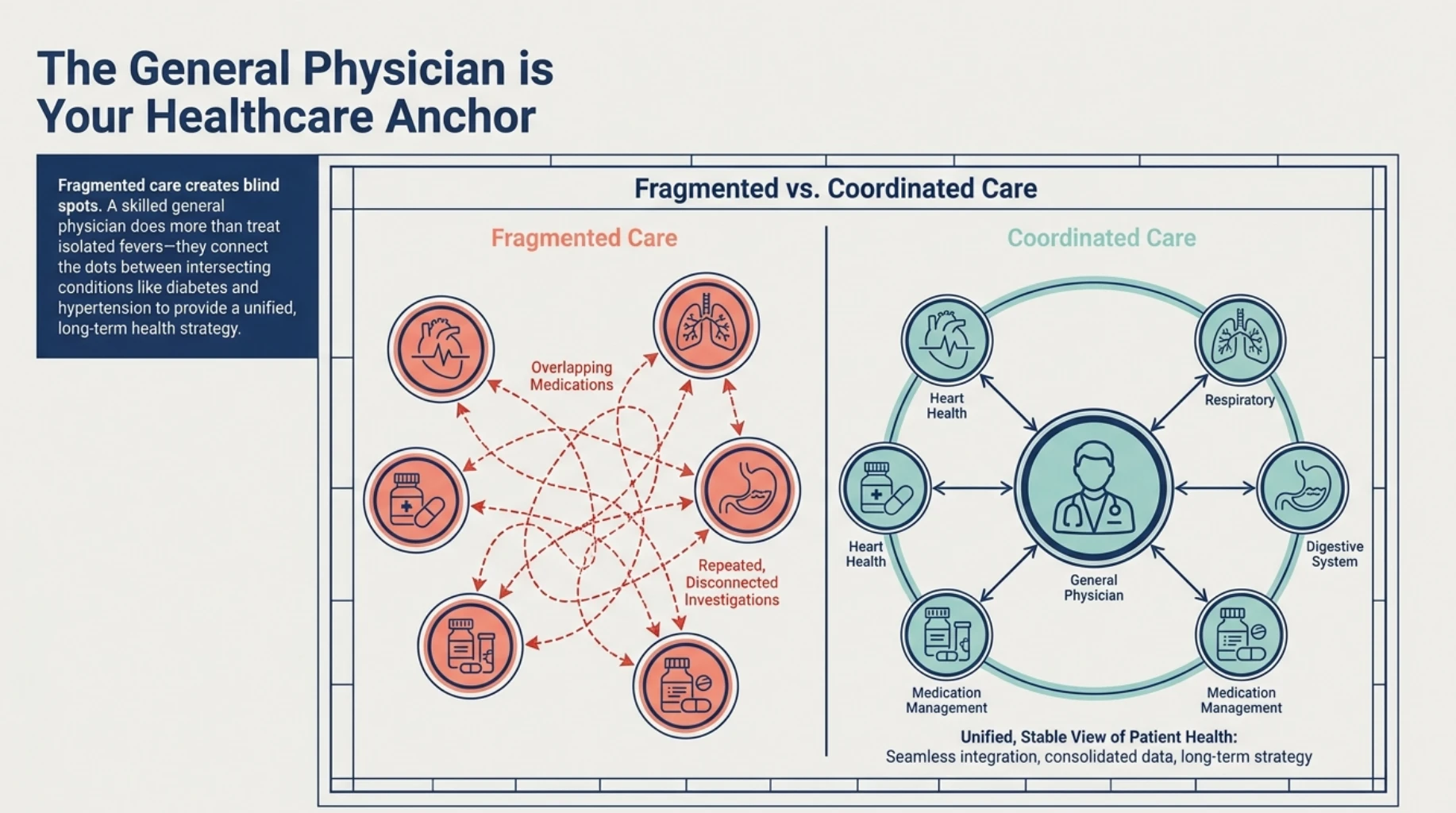
Many patients consult different doctors for individual symptoms without maintaining a consistent medical record or a coordinated treatment plan.
Although specialist consultations are essential in appropriate circumstances, fragmented care can create challenges.
Different prescriptions may contain overlapping medications, previous investigations may be repeated unnecessarily and important changes in blood pressure, glucose or kidney function may be overlooked.
A general physician who provides continuity of care can help maintain an overview of the patient’s medical history.
This may be particularly valuable for patients with multiple chronic conditions, older adults taking several medications and individuals requiring regular follow-up.
Continuity also allows the physician to understand the patient’s preferences, previous treatment responses and practical challenges with medication adherence or lifestyle changes.
However, continuity should not prevent appropriate second opinions or specialist referrals.
A good physician-patient relationship combines familiarity with openness to reassessment when the clinical situation changes.
4. Evaluate Consultation Quality and Doctor–Patient Communication
One of the most important considerations when learning how to choose a general physician is the quality of communication during the consultation.
A doctor may have recognised qualifications, many years of clinical experience and positive online reviews. However, these factors alone cannot tell you whether the physician will listen carefully, understand your concerns and explain medical decisions in a way that you can follow.
Good communication is not simply about being polite or friendly. It is an essential part of safe and effective medical care.
Patients need to describe their symptoms accurately, understand the likely diagnosis, recognise warning signs and know how to take prescribed medicines correctly.
When communication is inadequate, important symptoms may be overlooked, treatment instructions may be misunderstood and follow-up may be delayed.
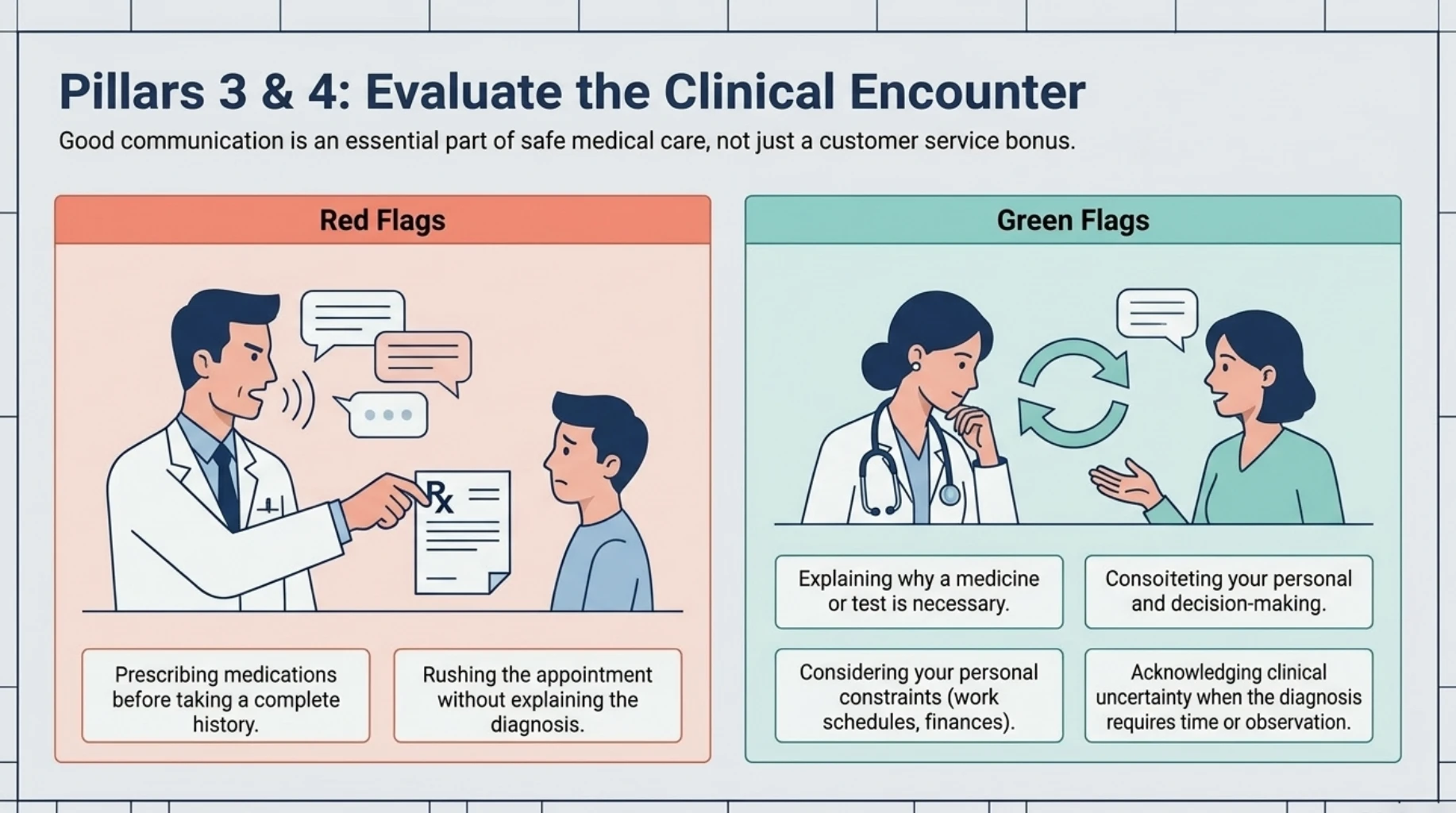
Does the Doctor Listen Before Prescribing Medicines?
A thoughtful medical consultation usually begins with understanding the patient’s main concern.
For example, if someone reports persistent fatigue, the physician should consider how long the symptoms have been present, whether they are worsening and whether they are associated with sleep disturbances, weight changes, fever, breathlessness or other relevant findings.
Similarly, a patient with repeated abdominal discomfort may need questions about the location of pain, its relationship to meals, bowel habits, medication use and associated warning symptoms.
A physician should not automatically prescribe treatment before obtaining enough information to form a reasonable clinical assessment.
However, the amount of history required varies according to the problem. A straightforward follow-up visit may be shorter than an initial consultation for unexplained symptoms.
Does the Doctor Explain the Possible Diagnosis?
Patients should generally understand what the physician believes may be causing their symptoms.
Sometimes a definite diagnosis can be established during the consultation. In other situations, the physician may explain that several conditions remain possible and that additional assessment or observation is necessary.
Clinical uncertainty is not necessarily a sign of poor medical care.
In fact, acknowledging uncertainty can be safer than providing an unjustifiably confident diagnosis when the available evidence is incomplete.
A good physician should explain what is known, what remains uncertain and what findings would require reassessment.
Can You Ask Questions Without Feeling Rushed?
Patients should feel comfortable asking reasonable questions about their illness and treatment.
For example, you may want to understand why a medicine has been prescribed, whether an investigation is necessary or what should happen if symptoms do not improve.
The physician should respond respectfully and provide explanations appropriate to the patient’s needs.
This does not mean every consultation must be lengthy. Consultation duration should reflect the complexity of the problem, and a shorter visit is not automatically inferior.
The important issue is whether essential clinical concerns have been addressed.
Does the Doctor Explain Medicines Clearly?
Medication instructions should be understandable.
Patients should know the prescribed dose, frequency, intended duration and any important precautions relevant to the medicine.
When necessary, the physician should also explain common adverse effects, potential interactions and circumstances in which medical advice should be sought.
This is particularly important for older adults, patients taking several medicines and individuals with chronic conditions.
Does the Doctor Consider Your Preferences and Circumstances?
Medical decisions should take account of the patient’s clinical needs, preferences and practical circumstances.
For example, someone with type 2 diabetes may have difficulty following a complicated medication schedule because of work commitments.
Another patient may have financial limitations that influence access to investigations or long-term treatment.
Discussing these issues can help the physician develop a realistic management plan.
Shared decision-making is especially important when more than one reasonable treatment option exists.
Why Communication Matters in Chronic Disease Management
Conditions such as hypertension, diabetes, obesity and dyslipidaemia often require treatment over months or years.
Patients may need to understand laboratory results, lifestyle recommendations, medication adjustments and monitoring schedules.
Without effective communication, even an appropriate prescription may not achieve the intended benefit.
A physician who explains the reasoning behind treatment may help patients participate more effectively in their own healthcare.
Key point: Choose a general physician who listens carefully, explains medical decisions clearly, respects your concerns and helps you understand what to do after the consultation.
5. Check Whether the Doctor Follows an Evidence-Based Approach
Another important factor in choosing a general physician is the doctor’s approach to diagnosis, investigations and treatment.
Evidence-based medical practice combines relevant scientific evidence with clinical expertise and the patient’s circumstances and preferences.
This does not mean that every patient should receive identical treatment.
Two people with the same symptom may require different investigations or medications because of differences in age, medical history, disease severity or associated risk factors.
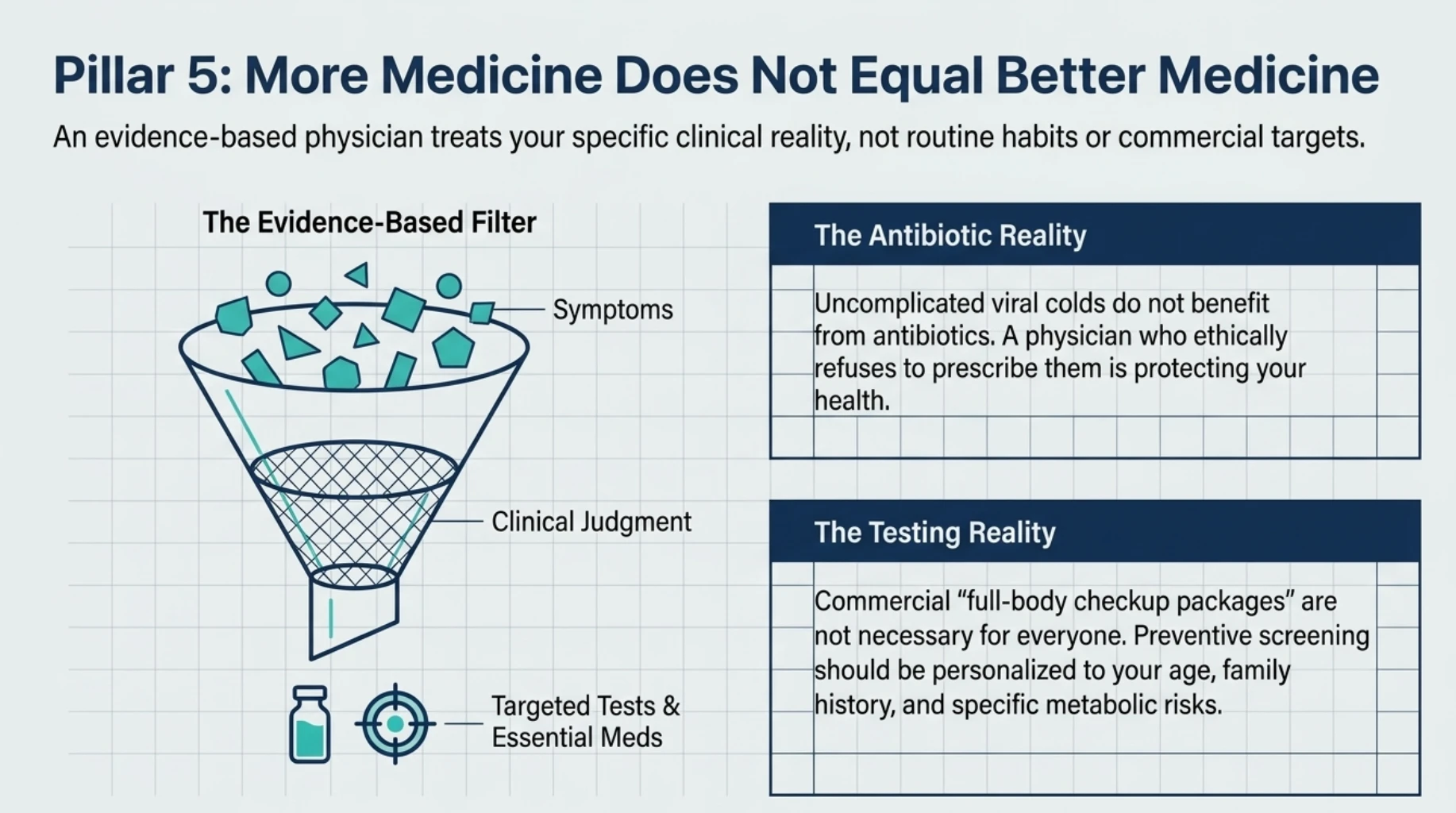
However, treatment decisions should have a reasonable clinical basis rather than being driven primarily by routine habits, promotional claims or unnecessary investigations.
Does the Doctor Avoid Unnecessary Antibiotics?
Antibiotic prescribing is an important example of evidence-based clinical decision-making.
Many common respiratory infections, including uncomplicated viral colds, do not benefit from antibiotics.
Unnecessary antibiotic use can cause adverse effects and contribute to antimicrobial resistance.
A physician should consider the clinical presentation, examination findings and likelihood of bacterial infection before prescribing an antibiotic.
However, antibiotics may be essential for certain bacterial infections. Avoiding antibiotics in every situation would also be inappropriate.
The goal is appropriate prescribing rather than simply prescribing fewer medicines.
Does the Doctor Recommend Tests Only When Necessary?
Investigations can be valuable when they help confirm a diagnosis, evaluate severity, identify complications or guide treatment.
However, ordering a large panel of blood tests for every patient does not automatically improve medical care.
For example, an otherwise healthy adult with a short history of uncomplicated viral symptoms may not require extensive laboratory testing.
In contrast, persistent fever, unexplained weight loss, abnormal examination findings or other concerning features may justify additional investigations.
A physician should be able to explain why a particular test is being recommended and how its result may influence management.
Is a Full Body Checkup Necessary for Every Patient?
No. Preventive investigations should be selected according to age, risk factors, previous results and clinical circumstances.
Commercial health checkup packages may contain numerous parameters that are not relevant to every individual.
For example, routine tumour marker panels, vitamin testing and extensive imaging are not automatically appropriate for healthy adults without specific indications.
Appropriate screening should focus on conditions where early detection can lead to meaningful preventive action.
Does the Doctor Avoid Overinterpreting Borderline Results?
Laboratory values can vary because of biological differences, measurement conditions and analytical factors.
A result slightly outside the reference interval does not always indicate disease.
Similarly, a normal laboratory value does not necessarily exclude illness when symptoms or risk factors remain concerning.
A careful physician interprets results alongside the patient’s history and examination rather than treating every abnormal number as an independent diagnosis.
Does the Doctor Explain When Specialist Referral Is Needed?
A general physician should recognise conditions that require specialist assessment.
For example, complex diabetes management may require endocrinology input, persistent kidney abnormalities may require nephrology assessment and certain cardiac symptoms may require cardiology evaluation.
Emergency symptoms require prompt referral to an appropriate emergency facility rather than routine outpatient follow-up.
Referral should be viewed as part of coordinated medical care, not as a failure of the general physician.
Does the Doctor Make Unrealistic Treatment Promises?
Patients should be cautious about guarantees of permanent cure, complete reversal of every chronic condition or fixed treatment outcomes for all individuals.
Medical outcomes depend on disease severity, individual biology, treatment response, adherence and other factors.
For example, remission of type 2 diabetes is possible in selected patients, but it cannot be guaranteed for everyone.
Similarly, weight management outcomes vary, and a responsible physician should explain expected benefits, limitations and potential adverse effects of treatment.
Is the Doctor Willing to Reassess the Diagnosis?
Symptoms may evolve over time, and an initial diagnosis may need to be reconsidered if the patient does not improve as expected.
A good physician should remain open to new findings, revise the management plan when necessary and arrange further evaluation when appropriate.
Persisting with an ineffective treatment without reassessment can delay recognition of the underlying condition.
Key point: An evidence-based physician recommends investigations and treatment for clear clinical reasons, explains uncertainty and reassesses the patient when necessary.
How to Recognise Unnecessary Medical Testing
Patients often assume that more investigations mean more thorough care.
However, unnecessary tests may produce false-positive findings, incidental abnormalities and additional costs without improving health outcomes.
Before undergoing an investigation, it is reasonable to ask what condition the test is intended to detect and whether the result will influence treatment.
| Clinical Situation | Reasonable Approach | Potential Concern |
|---|---|---|
| Uncomplicated viral cold | Clinical assessment and appropriate supportive care | Routine antibiotics or extensive testing without indication |
| Newly detected elevated blood pressure | Correct measurement and appropriate confirmation | Labelling chronic hypertension from one isolated reading |
| Persistent unexplained fatigue | History, examination and selected investigations | Prescribing multiple supplements without assessment |
| Abnormal blood glucose | Interpretation and confirmatory testing when indicated | Making a diagnosis without considering diagnostic criteria |
| Obesity or suspected fatty liver | Metabolic risk assessment and appropriate management | Unnecessary imaging or promises of guaranteed reversal |
| Persistent or worsening symptoms | Reassessment and further investigation when appropriate | Repeated prescriptions without reviewing the diagnosis |
These examples illustrate general principles. Individual clinical circumstances may justify a different approach.
6. Check Clinic Accessibility, Appointment Availability and Consultation Fees
Even a well-qualified physician may not be the most practical choice if the clinic is difficult to reach or follow-up appointments are consistently unavailable.
Accessibility is especially important for patients with chronic medical conditions, older adults, people with mobility limitations and families who may need repeated consultations.
When choosing a general physician, consider whether the clinic’s location, appointment system and consultation arrangements suit your needs.
Is the Clinic Conveniently Located?
For routine general medical care, choosing a physician within a reasonably accessible distance can make follow-up easier.
A patient living in Dwarka, for example, may prefer a clinic in Sector 6 or another conveniently reachable part of Dwarka rather than travelling across Delhi for every routine consultation.
However, convenience should not take priority over the need for appropriate specialist or emergency care.
For serious symptoms, the nearest suitable emergency facility may be more important than the location of a preferred outpatient physician.
Does the Clinic Offer Appointments?
An appointment system can help patients plan consultations and reduce uncertainty about waiting times.
Before booking, check whether appointments are available through a website, telephone, WhatsApp or another clearly identified channel.
Some clinics also accept walk-in patients.
However, walk-in availability does not guarantee immediate consultation, particularly during busy periods.
Are Consultation Fees Clearly Communicated?
Transparent fees help patients make informed decisions.
Patients should be able to understand the basic consultation charge and whether additional fees may apply for procedures, investigations or follow-up visits.
Fees may vary according to the doctor’s qualifications, location, consultation duration, services and healthcare setting.
A higher fee does not automatically guarantee better medical care, just as a lower fee does not necessarily indicate inferior care.
What About Follow-Up Consultation Charges?
Different clinics have different follow-up policies.
Some may offer a defined follow-up period, while others charge separately for subsequent consultations.
Patients should clarify the applicable policy when ongoing review is likely to be necessary.
For chronic conditions such as diabetes and hypertension, the total cost of long-term care may be more relevant than the price of a single visit.
Is Online Consultation Available?
Teleconsultation can be convenient for selected follow-up appointments, review of reports, medication discussions and lifestyle counselling.
However, online consultation has limitations.
Physical examination, vital signs and certain diagnostic procedures cannot always be adequately performed remotely.
Patients with severe or potentially serious symptoms may require in-person or emergency assessment.
Online consultations should follow applicable professional and telemedicine requirements.
Does the Clinic Provide Clear Location Information?
A clinic website or business listing should ideally provide an accurate address, appointment instructions and relevant access information.
For patients visiting a new clinic, clear directions can reduce delays and confusion.
It is reasonable to verify the clinic’s current location before travelling, particularly when information across different online platforms appears inconsistent.
What About Waiting Time?
Waiting time can affect the patient experience, especially for older adults and people with work or family responsibilities.
However, outpatient schedules may change when consultations take longer than expected or urgent medical concerns arise.
A practical appointment system should aim to communicate delays and help patients plan their visits.
Key point: A suitable general physician should be clinically appropriate and reasonably accessible, with clear appointment arrangements and transparent fees.
How Important Are Google Reviews When Choosing a General Physician?
Online reviews have become an important part of how patients discover doctors.
When searching for a general physician in Dwarka or a physician near me, patients often compare star ratings, written feedback and the number of reviews.
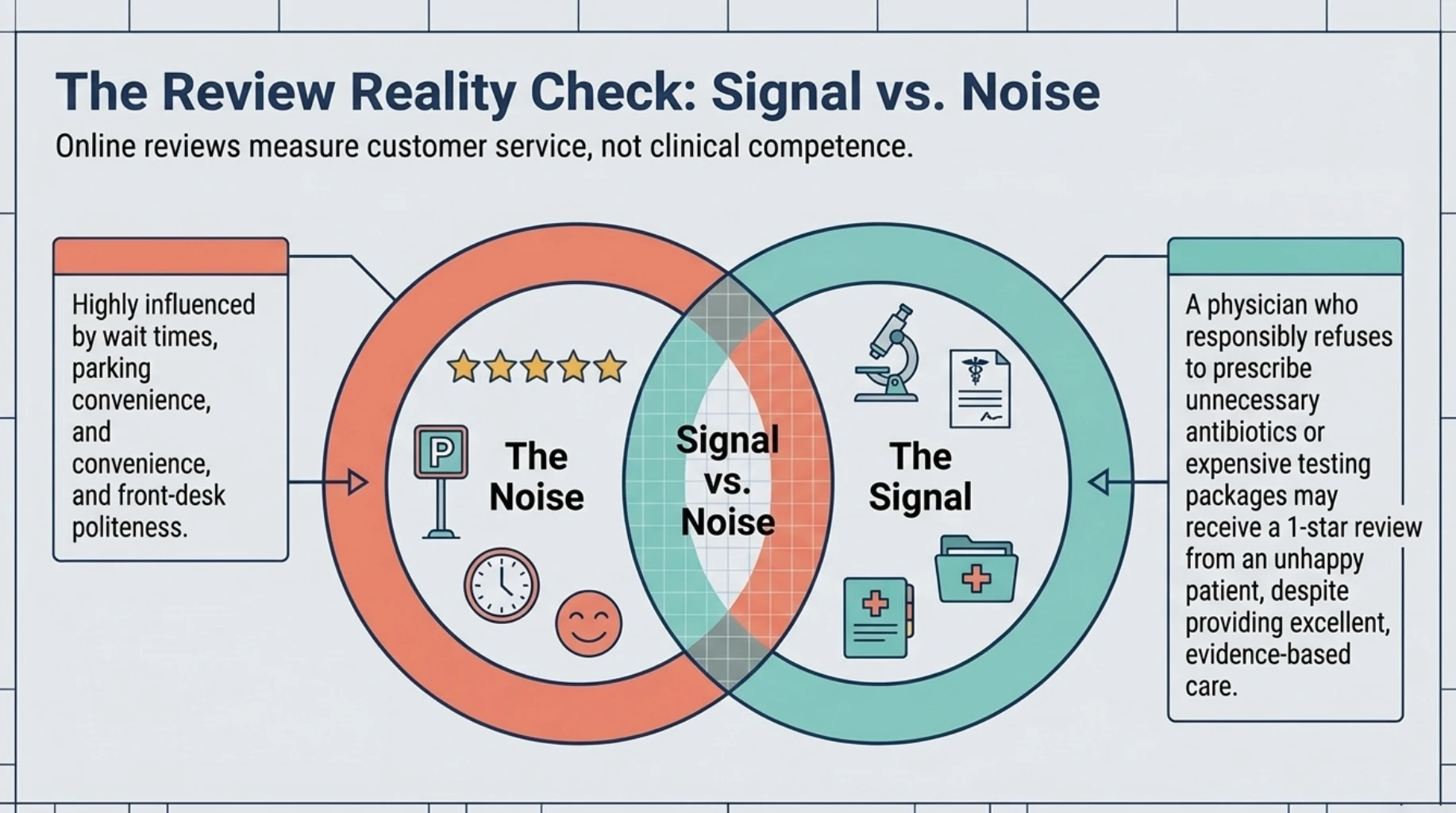
Reviews can provide useful information about patient experiences, but they should not be treated as objective measures of medical competence.
What Can Patient Reviews Tell You?
Reviews may describe whether the clinic was easy to locate, whether appointments were managed efficiently and whether patients felt their concerns were addressed.
They may also provide insight into communication, waiting time and administrative processes.
However, these are patient-reported experiences and may not accurately reflect diagnostic quality or treatment effectiveness.
Does a Five-Star Rating Mean the Doctor Is Better?
Not necessarily.
Ratings are influenced by the number of reviews, the types of patients who choose to leave feedback and their expectations.
A small number of highly positive reviews may provide less information than a larger and more varied collection of experiences.
Even a large review count does not independently establish clinical competence.
Should You Read Negative Reviews?
Negative reviews may provide useful information, particularly when several independent reviews describe similar administrative concerns.
However, an individual review may reflect an isolated experience, misunderstanding or disagreement about treatment expectations.
Patients should consider the overall pattern rather than relying on one unusually positive or negative comment.
Can Online Reviews Be Misleading?
Yes. Reviews may be incomplete, selectively submitted, outdated or occasionally inauthentic.
Healthcare outcomes are also difficult to evaluate through short online comments.
A patient may feel better after receiving unnecessary medication, while another may be dissatisfied because a physician appropriately declined to prescribe antibiotics.
Patient satisfaction and evidence-based care do not always correspond perfectly.
Should You Trust Testimonials Promising Complete Recovery?
Be cautious about testimonials that promise guaranteed cures or imply that every patient will experience the same outcome.
Medical treatment results vary according to the condition and individual circumstances.
Testimonials should not replace verification of qualifications, registration and clinical suitability.
Google Reviews vs Medical Credentials: Which Matters More?
| Information Source | Useful For | Main Limitation |
|---|---|---|
| Official medical registration | Verifying professional registration | Does not independently establish consultation quality |
| Recognised qualifications | Understanding formal medical training | Do not guarantee clinical outcomes |
| Clinic website | Reviewing services, location and appointment arrangements | Information is usually supplied by the clinic |
| Google reviews | Understanding reported patient experiences | Not an independent assessment of medical competence |
| Personal recommendations | Learning about experiences from trusted individuals | One person’s needs may differ from yours |
| Initial consultation | Assessing communication and suitability for ongoing care | May not reveal every aspect of clinical performance |
The most reliable approach is to consider multiple sources rather than choosing a physician solely on the basis of online ratings.
Warning Signs to Watch for Before Booking a General Physician
Although no single characteristic can establish whether a doctor provides good or poor care, certain patterns deserve closer attention.
Unclear Medical Qualifications
If a practitioner advertises specialist expertise without clearly identifying recognised medical qualifications, patients should seek clarification.
Unverifiable Professional Registration
If registration details cannot be confirmed through appropriate sources, patients should request further information before proceeding.
Guaranteed Cures for Complex Diseases
Claims of guaranteed permanent cures for diabetes, obesity, hypertension or other chronic conditions should be approached cautiously.
Routine Prescription of Multiple Medicines Without Explanation
Complex prescriptions may be necessary in some patients, but the physician should be able to explain the purpose of treatment.
Pressure to Purchase Expensive Packages
Patients should be cautious when extensive investigations or procedures are promoted without a clear clinical explanation.
Dismissal of Serious Symptoms
Symptoms such as chest pain, severe breathlessness, sudden neurological deficits or altered consciousness require appropriate urgent assessment.
A clinic should not encourage patients with potentially life-threatening symptoms to wait for a routine appointment.
Unwillingness to Discuss Referral or Second Opinions
Patients should be able to seek another medical opinion when appropriate.
A responsible physician should recognise when specialist input or further assessment is needed.
Questions to Ask Before Booking a General Physician
Patients do not need to conduct a lengthy interview before every appointment. However, a few practical questions can help determine whether the clinic is suitable.
| Question | Why It Matters |
|---|---|
| What are the doctor’s medical qualifications? | Helps verify appropriate professional training |
| Is the doctor registered with the appropriate medical council? | Supports credential verification |
| Does the clinic manage my type of medical concern? | Helps assess suitability for the consultation |
| What is the consultation fee? | Clarifies expected costs |
| Is an appointment required? | Helps plan the visit |
| Are follow-up consultations available? | Important for ongoing medical care |
| Is online consultation offered? | May be useful for selected follow-up needs |
| What should I do if symptoms worsen before the appointment? | Helps identify appropriate escalation arrangements |
Choosing a General Physician in Dwarka, Delhi: Local Considerations
Patients searching for a general physician in Dwarka often compare clinics based on distance, consultation availability, online ratings and the types of medical conditions managed.
These are reasonable starting points, but local convenience should be considered alongside professional credentials and clinical suitability.
For example, a patient requiring regular diabetes or hypertension follow-up may benefit from choosing a physician whose clinic is reasonably accessible from home or work.
Consistent follow-up can make it easier to review blood pressure readings, laboratory results, medication response and lifestyle changes.
General Physician in Dwarka Sector 6
Dwarka Sector 6 and the surrounding residential sectors have patients with a wide range of healthcare needs, including acute medical complaints, preventive consultations and chronic disease management.
When comparing clinics in the area, patients should verify the doctor’s credentials, location, consultation arrangements and suitability for their medical condition.
It may also be helpful to consider whether the physician offers ongoing management of common metabolic conditions such as diabetes, hypertension, dyslipidaemia and obesity.
Should You Choose the Closest General Physician?
Distance is important but should not be the only factor.
For straightforward consultations and routine follow-up, a nearby physician may be convenient.
However, complex conditions may require a doctor with more relevant expertise, even when that involves additional travel.
Emergency symptoms require prompt assessment at an appropriate emergency facility rather than waiting to see a preferred outpatient doctor.
Is Online Consultation a Good Alternative in Delhi-NCR?
Online consultation may be suitable for selected follow-up visits, lifestyle counselling, review of investigation results and other non-emergency concerns.
However, the physician may recommend an in-person examination when the clinical situation requires it.
The choice between online and clinic consultation should depend on the medical problem rather than convenience alone.
7. Check Continuity of Care and Follow-Up Arrangements
One of the most overlooked factors when learning how to choose a general physician is whether the doctor can provide appropriate continuity of care.
Many people visit a physician only when they develop symptoms. Once the illness improves, they may not consult the same doctor again until another problem occurs.
For occasional, uncomplicated illnesses, this approach may be sufficient. However, people with chronic medical conditions often benefit from having a regular physician who understands their medical history, previous investigations, treatment response and long-term health risks.
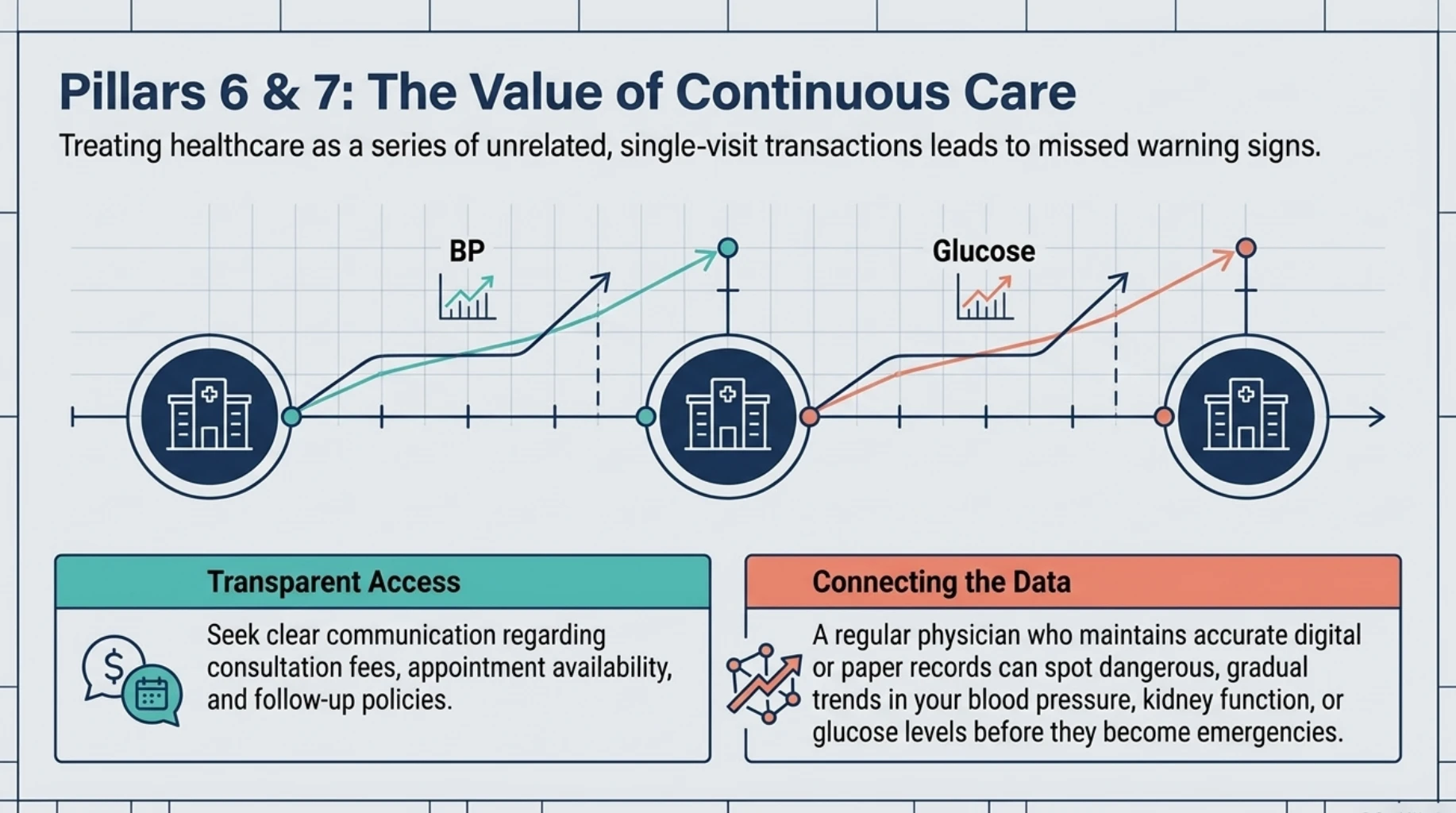
Continuity of care means that healthcare is connected across multiple consultations rather than being treated as a series of unrelated appointments.
A physician who has followed a patient over time may recognise changes in blood pressure, weight, glucose regulation, kidney function or symptoms that might otherwise be overlooked.
Why Having a Regular General Physician Can Be Helpful
Consider a patient who has hypertension, type 2 diabetes and abnormal cholesterol.
These conditions are interconnected. Diabetes increases cardiovascular and kidney-related risks, while hypertension and dyslipidaemia contribute further to cardiovascular disease.
Managing each condition through unrelated consultations may lead to fragmented treatment.
A regular physician can help maintain an overview of the patient’s health, review medicines and investigations, coordinate specialist advice and identify preventive priorities.
This does not mean the general physician should manage every condition independently. Appropriate specialist involvement remains essential when the patient’s needs exceed the physician’s scope of practice.
Does the Doctor Maintain Medical Records?
Accurate medical records support safe and coordinated healthcare.
Records may include the patient’s medical history, allergies, current medications, previous diagnoses, investigation results and treatment plans.
When a patient returns for follow-up, access to relevant previous information may help avoid unnecessary repetition and identify meaningful changes.
Digital records can make this process convenient, but paper-based records can also support good care when maintained appropriately.
Patients should be able to request access to their medical information in accordance with applicable professional and legal requirements.
Is There a Clear Follow-Up Plan?
A useful consultation should explain whether follow-up is necessary and, when appropriate, when the patient should return.
For example, someone newly diagnosed with hypertension may require reassessment after starting treatment.
A patient with an acute respiratory illness may be advised to return if symptoms persist, worsen or new warning signs appear.
For chronic conditions, follow-up intervals depend on disease control, treatment changes and individual risk.
The physician should not automatically recommend the same follow-up schedule for every patient.
What Happens When Treatment Does Not Work?
Not every medical condition responds immediately to initial treatment.
When symptoms persist, a physician should reconsider the diagnosis, review treatment adherence, assess adverse effects and determine whether additional investigations or referral are needed.
A follow-up system allows treatment to be adjusted according to the patient’s response.
Does the Doctor Review Previous Prescriptions?
Medication review is particularly important for patients taking several medicines.
Different prescriptions may contain drugs with overlapping effects or potentially important interactions.
For example, repeated use of certain pain medicines may be problematic in patients with kidney disease, hypertension or gastrointestinal risk.
A physician who reviews the complete medication list can help identify potential concerns and coordinate treatment appropriately.
Is Continuity Important for Preventive Healthcare?
Yes. Preventive healthcare involves monitoring risk factors over time.
Blood pressure, body weight, waist circumference, glucose levels and lipid profiles may change gradually.
Comparing results across consultations can help determine whether lifestyle interventions or treatments are achieving the intended goals.
However, preventive testing should remain individualised rather than automatically repeating every investigation at every visit.
What If You Need a Second Opinion?
Continuity of care should never prevent patients from seeking another qualified medical opinion.
A responsible physician should respect the patient’s right to obtain further advice, particularly when the diagnosis is uncertain, treatment is complex or major decisions are being considered.
Second opinions can contribute to informed decision-making and patient confidence.
Key point: A general physician who maintains appropriate records, provides clear follow-up instructions and coordinates long-term care may be particularly valuable for patients with chronic or multiple medical conditions.
8. Consider Patient Safety, Professional Ethics and Emergency Referral
The final factor in choosing a general physician is the doctor’s approach to patient safety and professional responsibility.
Medical care involves decisions that can have significant consequences. Patients should therefore look for a physician who recognises the limits of outpatient treatment, communicates important risks and follows appropriate professional standards.
Patient safety is not determined solely by the appearance of the clinic or the number of services advertised.
It includes appropriate diagnosis, safe prescribing, infection prevention, confidentiality, informed consent and timely referral when a patient’s condition requires a higher level of care.
Does the Physician Recognise Medical Emergencies?
A general physician should be able to recognise symptoms that may indicate a medical emergency.
Examples include severe chest pain, sudden weakness affecting one side of the body, severe breathing difficulty, altered consciousness, uncontrolled bleeding and other potentially life-threatening presentations.
These situations require urgent assessment at an appropriate emergency facility.
A routine clinic appointment should not delay emergency evaluation.
Does the Doctor Explain Important Treatment Risks?
Medicines can provide substantial benefits, but they may also cause adverse effects or interact with other treatments.
A physician should consider relevant allergies, medical conditions, pregnancy-related considerations, kidney or liver function and current medications when prescribing treatment.
Important risks should be explained in a manner appropriate to the patient’s clinical circumstances.
Does the Doctor Respect Patient Confidentiality?
Medical consultations often involve sensitive personal information.
Patients should expect their health information to be handled confidentially and in accordance with applicable legal and professional requirements.
Information should not be disclosed unnecessarily to unrelated individuals.
Clinics using digital medical records, messaging services or online consultation systems should take appropriate steps to protect patient information.
Is Informed Consent Taken When Necessary?
Patients should receive appropriate information before consenting to medical procedures or treatments that require informed consent.
The explanation should address relevant benefits, risks and alternatives according to the procedure and clinical situation.
Patients should have an opportunity to ask questions and participate in decisions about their healthcare.
Does the Doctor Practise Within Their Competence?
Every physician has professional limits determined by training, experience, available facilities and the complexity of the patient’s condition.
A responsible general physician should recognise when specialist consultation, hospital admission or emergency assessment is necessary.
Patients should be cautious about claims suggesting that one doctor can independently provide specialist-level treatment for every disease.
Does the Clinic Follow Basic Infection Prevention Practices?
Cleanliness, appropriate hand hygiene and safe handling of medical equipment are important aspects of outpatient care.
When injections, wound care or other procedures are performed, appropriate infection prevention and sharps-disposal practices are particularly important.
Patients may reasonably ask questions about procedure-related safety when relevant.
Are Treatment Outcomes Presented Responsibly?
Medical treatment should not be marketed using unrealistic promises of guaranteed results.
For example, improvement in diabetes control, weight reduction or blood pressure depends on multiple factors, including the underlying condition, treatment response and patient circumstances.
A responsible physician should explain expected benefits and limitations without promising identical outcomes for every patient.
Key point: Choose a physician who prioritises patient safety, protects confidentiality, communicates treatment risks and refers patients promptly when their condition requires additional expertise or emergency care.
How to Choose a General Physician: Complete 8-Point Checklist
The following checklist brings together the eight factors discussed throughout this guide.
It can help patients compare general physicians before booking an initial consultation.
| Factor | What to Check | Why It Matters |
|---|---|---|
| 1. Medical qualifications | Recognised medical degree and relevant postgraduate qualifications | Helps establish appropriate formal training |
| 2. Medical registration | Registration with the appropriate medical authority | Supports professional credential verification |
| 3. Clinical experience | Experience relevant to your symptoms or medical conditions | Helps assess suitability for your healthcare needs |
| 4. Communication | Listening, clear explanations and respectful discussion | Supports understanding and shared decision-making |
| 5. Evidence-based practice | Appropriate investigations, medicines and referral decisions | Helps avoid unnecessary treatment and missed concerns |
| 6. Accessibility and fees | Location, appointments, consultation charges and follow-up policy | Supports practical access to healthcare |
| 7. Continuity of care | Medical records, follow-up arrangements and treatment review | Important for long-term and coordinated management |
| 8. Patient safety and ethics | Confidentiality, safe prescribing, informed consent and emergency referral | Supports responsible medical care |
No single factor can guarantee the quality of medical care. The most suitable physician is one whose professional credentials, clinical approach and accessibility align with the patient’s needs.
When Should You Visit a General Physician?
A general physician can be an appropriate first point of contact for many common health concerns.
However, the need for routine consultation, urgent assessment or emergency care depends on the symptoms and their severity.
Fever, Cough and Respiratory Symptoms
Many respiratory illnesses can be assessed in an outpatient setting.
However, severe breathing difficulty, confusion, significant dehydration or other concerning symptoms may require urgent or emergency assessment.
Digestive Problems
Acidity, constipation, bloating, diarrhoea and abdominal discomfort are common reasons for general medical consultation.
Persistent symptoms, gastrointestinal bleeding, severe abdominal pain or unexplained weight loss may require additional investigation.
Headache and Dizziness
Headache and dizziness can have many causes.
A physician may assess blood pressure, hydration, medication effects, neurological findings and other relevant factors.
A sudden severe headache, new neurological deficit or altered consciousness requires emergency evaluation.
Diabetes and High Blood Pressure
General physicians frequently participate in the diagnosis and ongoing management of type 2 diabetes and hypertension.
Care may include medication review, laboratory monitoring, cardiovascular risk assessment and lifestyle counselling.
Obesity and Metabolic Health
Patients concerned about weight gain, abdominal obesity, abnormal cholesterol or fatty liver may benefit from a structured medical assessment.
Management should consider associated medical conditions, lifestyle factors and appropriate treatment options.
Preventive Health Consultations
Adults may also consult a general physician for risk assessment before symptoms develop.
Appropriate preventive care may include blood pressure measurement, diabetes screening, cardiovascular risk assessment, vaccination review and age-appropriate cancer screening.
When Should You Go Directly to an Emergency Department?
Some symptoms should not wait for a routine general physician appointment.
| Warning Sign | Recommended Action |
|---|---|
| Severe or persistent chest pain, especially with sweating, breathlessness or faintness | Seek emergency medical assessment immediately |
| Sudden facial drooping, arm weakness, speech difficulty or other stroke symptoms | Seek emergency care immediately |
| Severe breathing difficulty | Seek emergency medical assessment immediately |
| Loss of consciousness or new severe confusion | Seek emergency care immediately |
| Uncontrolled bleeding | Seek emergency medical assessment immediately |
| Severe allergic reaction with breathing difficulty or throat swelling | Seek emergency care immediately |
| Severe abdominal pain with concerning associated symptoms | Obtain urgent medical assessment; emergency care may be required |
| Seizure, particularly a first seizure or prolonged seizure | Seek emergency medical assessment |
This table is not exhaustive. If symptoms appear severe, rapidly worsening or potentially life-threatening, seek emergency care rather than waiting for an outpatient appointment.
How to Prepare for Your First General Physician Appointment
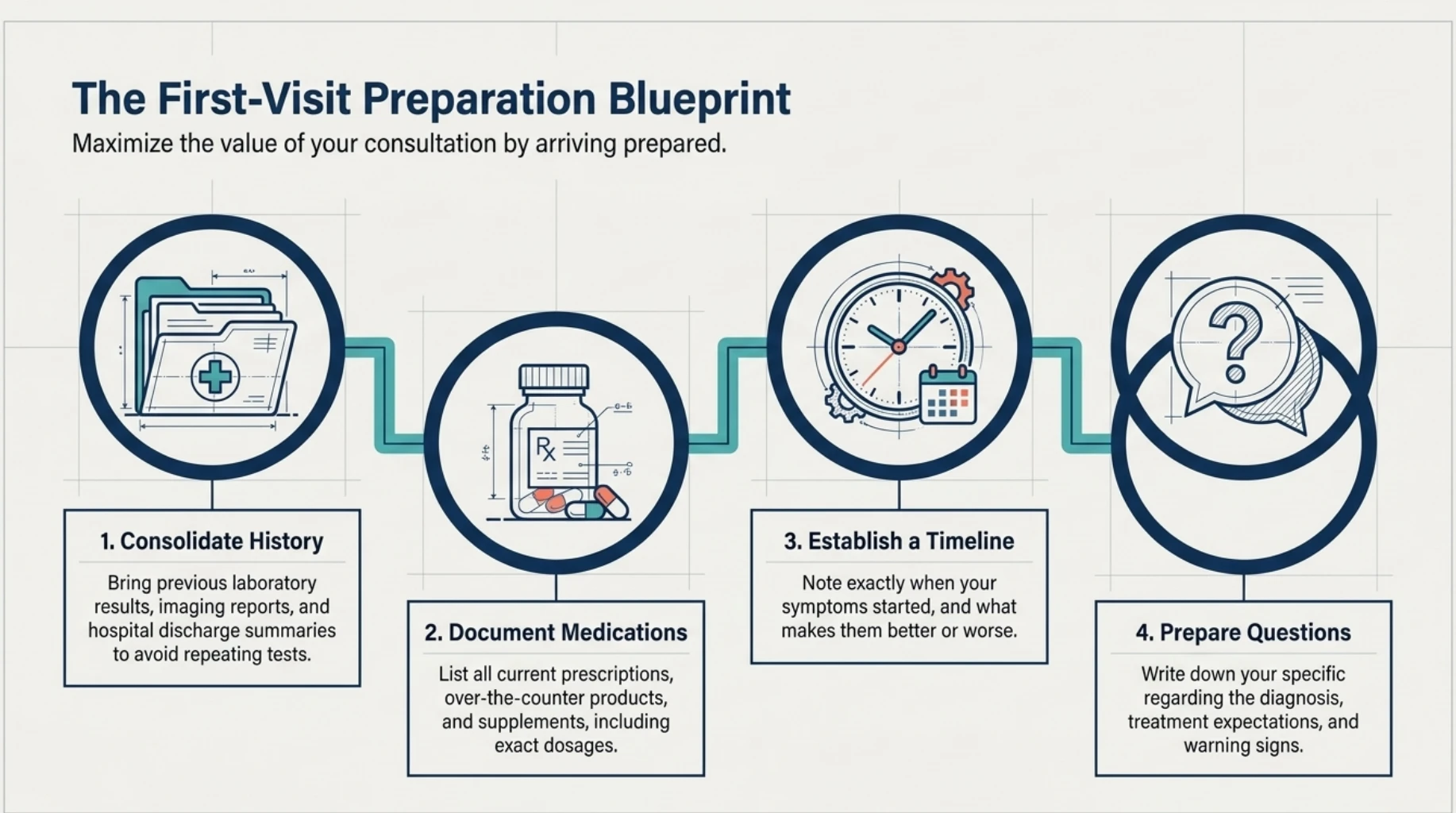
Preparing a few details before the consultation can help the physician understand your medical concerns efficiently.
Bring Previous Medical Reports
Previous laboratory results, imaging reports and discharge summaries may provide important information.
They can also help avoid unnecessary repetition of investigations.
Carry a Current Medication List
Include prescription medicines, over-the-counter products and relevant supplements.
Whenever possible, record the dose and frequency of each medicine.
Describe Symptoms Clearly
Try to explain when symptoms began, whether they are improving or worsening and whether any factors make them better or worse.
Relevant associated symptoms should also be mentioned.
Share Important Medical History
Inform the physician about existing medical conditions, allergies, previous operations and relevant family history.
Prepare Questions
If you are concerned about a diagnosis, investigation or treatment, write down the questions you would like answered.
This can be particularly helpful when several medical concerns need to be discussed.
Frequently Asked Questions About Choosing a General Physician
1. How Do I Choose a Good General Physician?
Check recognised medical qualifications, professional registration, relevant clinical experience, communication, treatment approach and follow-up arrangements. Online reviews and clinic accessibility may provide additional information but should not be the only deciding factors.
2. What Qualifications Should a General Physician Have in India?
A doctor providing modern medical care should hold an appropriate recognised medical qualification and the required professional registration. Additional recognised postgraduate training may be relevant depending on the advertised role and the patient’s needs.
3. Is an MBBS Doctor a General Physician?
An appropriately registered MBBS doctor may provide general medical care within their competence and applicable regulations. However, the term general physician does not automatically indicate a postgraduate qualification in internal medicine.
4. What Is the Difference Between a General Physician and an Internal Medicine Specialist?
A general physician provides general medical consultations, while an internal medicine specialist has recognised postgraduate training in internal or general medicine. Actual scope of practice depends on qualifications, experience and healthcare setting.
5. Should I Choose a General Physician or a Specialist?
For many common symptoms and routine health concerns, a general physician may be an appropriate first contact. Complex, severe or organ-specific problems may require specialist assessment. Emergency symptoms should be evaluated urgently.
6. Are Google Reviews Reliable for Choosing a Doctor?
Google reviews may provide information about patient experiences, communication and clinic administration. However, they do not independently verify medical qualifications, diagnostic accuracy or treatment quality.
7. Is a Doctor With More Experience Always Better?
Not necessarily. Relevant clinical experience is important, but quality also depends on recognised training, current medical knowledge, communication and sound clinical judgment.
8. How Can I Verify a Doctor’s Medical Registration?
Patients may consult the National Medical Commission’s official resources or the relevant State Medical Council. If an online record is unclear, request the doctor’s registration details and seek verification through the appropriate authority.
9. Is a General Physician Suitable for Diabetes?
Many patients with type 2 diabetes receive ongoing care from appropriately trained general or family physicians. Complex diabetes, difficult-to-control glucose levels or complications may require specialist involvement.
10. Can a General Physician Treat High Blood Pressure?
Yes. Hypertension is commonly assessed and managed in general medical practice. Appropriate care includes confirming the diagnosis, evaluating cardiovascular risk, selecting treatment and arranging follow-up.
11. Can a General Physician Help With Weight Loss?
A physician with relevant experience may assess obesity-related health risks and provide medical weight management within their competence. Treatment should be individualised, and specialist referral may be appropriate in selected cases.
12. Should I Visit a General Physician for Fever?
A general physician can evaluate many causes of fever. However, severe symptoms, altered consciousness, significant breathing difficulty or other warning signs may require urgent or emergency assessment.
13. How Much Does a General Physician Consultation Cost in Delhi?
Consultation fees vary according to the doctor, clinic, location and services provided. Patients should confirm the current fee and follow-up policy directly with the clinic before booking.
14. Is Online Consultation as Good as a Clinic Visit?
Online consultation can be useful for selected medical concerns and follow-up appointments. However, it cannot fully replace physical examination or in-person assessment when these are clinically necessary.
15. Should I Choose the Nearest General Physician?
Convenient location is helpful, particularly for ongoing care. However, qualifications, relevant experience and clinical suitability should also influence the decision.
16. What Should I Ask During My First Consultation?
Ask about the likely diagnosis, whether investigations are necessary, the purpose of prescribed medicines, expected recovery, warning signs and follow-up requirements.
17. What If My Symptoms Do Not Improve?
Arrange reassessment as advised by your physician. Persistent or worsening symptoms may require a review of the diagnosis, further investigations or specialist referral. Severe warning symptoms require urgent care.
18. Is It Better to Have One Regular Family Doctor?
Continuity with a regular physician can support coordinated care, medication review and long-term monitoring, particularly for chronic conditions. Patients should still seek specialist advice or second opinions when appropriate.
19. How Do I Choose a General Physician in Dwarka?
Verify qualifications and registration, consider relevant clinical experience, review clinic accessibility and appointment arrangements, and assess communication during the consultation. Do not rely solely on ratings or promotional claims.
20. What Is the Most Important Quality of a General Physician?
No single quality is sufficient. Appropriate medical training, professional accountability, sound clinical judgment, effective communication and commitment to patient safety are all important.
Authoritative Medical and Professional Resources
The following resources provide information about medical registration, professional practice, patient safety, primary healthcare and evidence-based clinical care.
- National Medical Commission (India) — Medical education, registration and professional regulatory information.
- World Health Organization — Primary Health Care — Principles of accessible, comprehensive and coordinated healthcare.
- World Health Organization — Patient Safety — Information on preventing avoidable harm in healthcare.
- World Health Organization — Antimicrobial Resistance — Information about responsible antimicrobial use and resistance.
- U.S. Preventive Services Task Force — Evidence-based preventive screening recommendations.
- Ministry of Health and Family Welfare, Government of India — National healthcare policies and public health programmes.
- World Organization of Family Doctors (WONCA) — Resources on family medicine and primary care.
Professional and clinical recommendations should be interpreted according to current applicable Indian regulations, the patient’s circumstances and relevant medical guidance.
Looking for a General Physician in Dwarka, New Delhi?
If you are searching for a general physician in Dwarka, choosing a doctor who can evaluate your symptoms, review relevant medical history and provide appropriate follow-up can help you make informed healthcare decisions.
Dr. Pankaj Kumar is a General & Lifestyle Physician providing general medical consultations and care for common lifestyle-related and metabolic health concerns.
His clinical interests include type 2 diabetes, hypertension, obesity, dyslipidaemia, fatty liver disease and lifestyle modification.
Consultations may include symptom assessment, review of previous medical reports, medication evaluation, preventive health assessment and individualised management recommendations.
When necessary, further investigations or specialist referral may be advised according to the patient’s clinical condition.
Clinic Location and Appointment Information
Doctor: Dr. Pankaj Kumar
Designation: General & Lifestyle Physician
Clinic: Kalpataru Clinic
Address: 13A, Pocket 2, Doctors Lane, Sector 6, Dwarka, New Delhi – 110075
Landmark: In front of Dhanwantari Labs
Consultation: In-person and online consultations
Book an Appointment
Book via WhatsApp
Patients with severe or potentially life-threatening symptoms should seek immediate assessment at the nearest appropriate emergency facility rather than waiting for a routine clinic appointment.
About the Author
Dr. Pankaj Kumar
General & Lifestyle Physician
Founder, Diet Plus Minus
Dwarka, New Delhi
Dr. Pankaj Kumar provides general medical consultations with particular interest in diabetes, obesity, hypertension, fatty liver disease and lifestyle-related metabolic disorders. His approach emphasises appropriate medical assessment, evidence-informed treatment, lifestyle modification and ongoing patient care.
Medical Disclaimer: This article is intended for general health education and does not replace individual medical consultation. The suitability of a physician depends on the patient’s medical needs, the practitioner’s qualifications and scope of practice, and applicable professional regulations. Seek urgent medical attention for severe or potentially life-threatening symptoms.
If you want a personalized metabolic assessment and lifestyle strategy, you can book a consultation here:
Book an Appointment


One Comment
Leave a ReplyOne Ping
Pingback:General Physician vs Specialist: Which Doctor Should You See First? – Diet Plus Minus