


Do You Really Need a Full Body Health Checkup Every Year?
Preventive health checkup packages have become increasingly popular in India. Diagnostic laboratories, hospitals and online healthcare platforms frequently advertise packages containing 50, 70, 90 or even more than 100 tests. These packages are often promoted as comprehensive assessments capable of detecting hidden diseases before symptoms develop.
For many people, the idea is reassuring. If a blood test can detect diabetes, kidney disease or a nutritional deficiency before it becomes serious, why not check everything at once?
However, preventive medicine is more complicated than ordering a large collection of laboratory investigations.
A healthy 28-year-old without significant risk factors does not necessarily need the same investigations as a 55-year-old with obesity, hypertension and a family history of premature heart disease. Similarly, someone already receiving treatment for diabetes may require monitoring tests that are unnecessary for a person without diabetes.
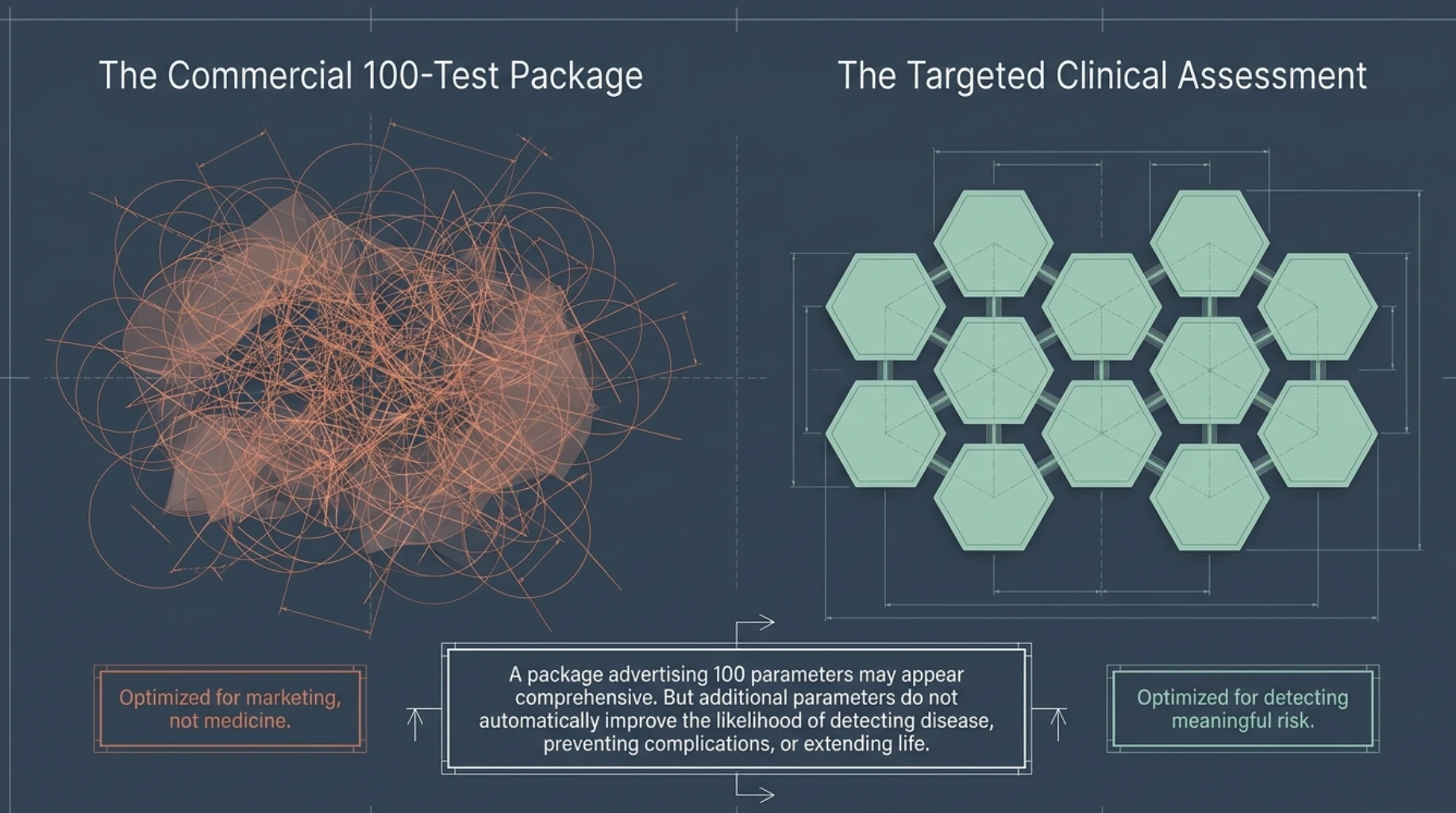
Unfortunately, many commercial health checkup packages are organised around the number of tests rather than the clinical needs of the individual.
A package advertising 100 parameters may appear more comprehensive than one containing 10 carefully selected investigations. But the additional parameters do not automatically improve the likelihood of detecting an important disease, preventing complications or extending life.
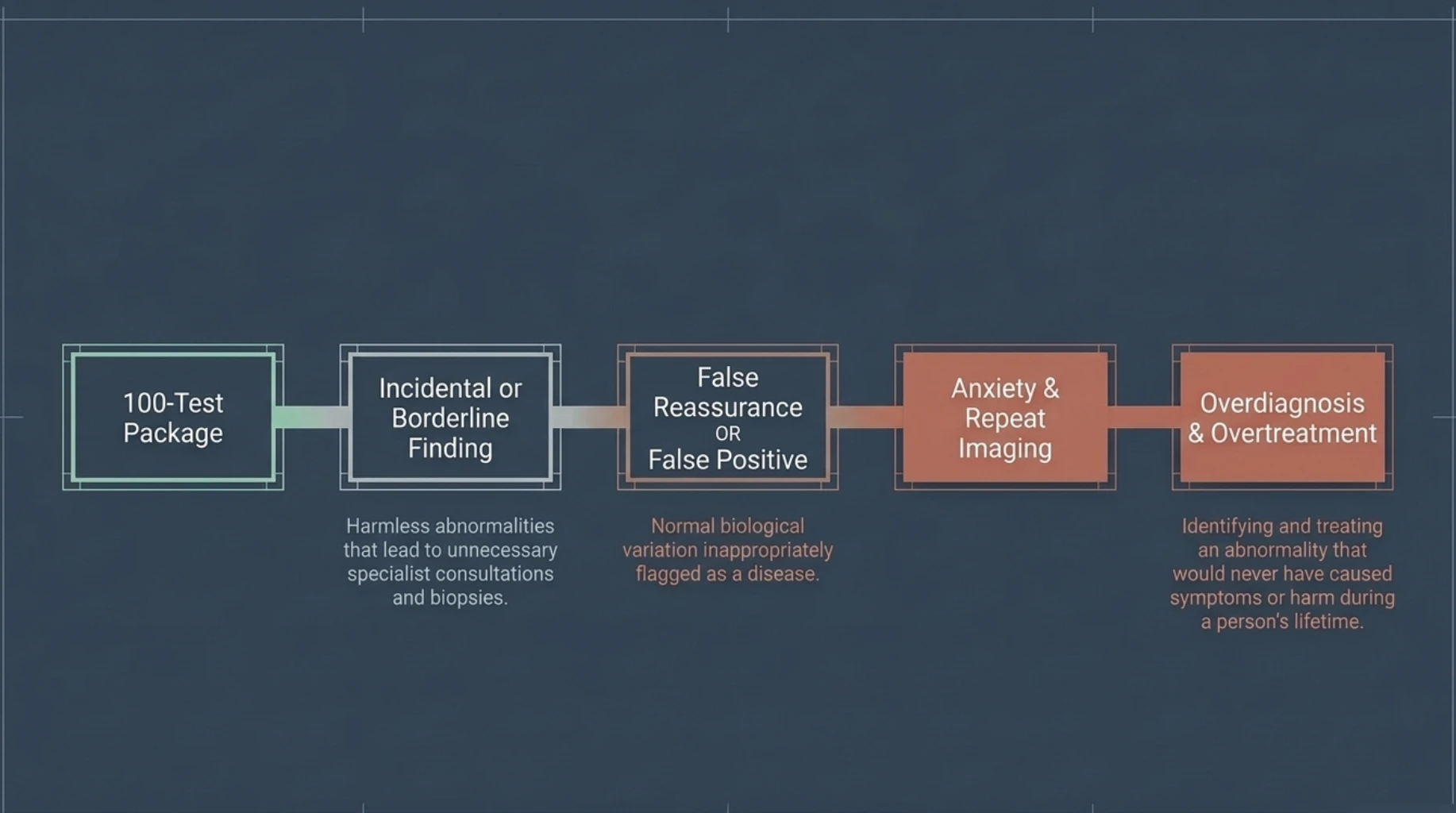
In some situations, unnecessary testing can produce borderline or false-positive results, leading to anxiety, repeat investigations, specialist consultations and treatments that may not have been necessary.
On the other hand, avoiding all preventive screening is not appropriate either. Conditions such as hypertension, type 2 diabetes and dyslipidaemia may remain asymptomatic for years while increasing the risk of cardiovascular and metabolic complications.
The objective of preventive healthcare is therefore not to perform the maximum number of tests. It is to identify meaningful health risks early enough to take effective action.
In this guide, we will examine preventive health checkup packages from a clinical perspective. We will discuss which tests are commonly useful, which investigations should be selected according to individual risk, which tests are frequently overused and how to design a sensible preventive health assessment.

What Is a Preventive Health Checkup?
A preventive health checkup is a structured assessment intended to identify risk factors, detect selected diseases before symptoms develop and support interventions that may reduce future illness.
It is different from diagnostic testing performed because someone already has symptoms.
For example, measuring blood glucose in an adult with no symptoms but increased diabetes risk is a form of screening. Measuring blood glucose in someone experiencing excessive thirst, frequent urination and unexplained weight loss is part of diagnostic evaluation.
The distinction matters because the benefits and limitations of a test may differ substantially between screening and diagnosis.
Screening Is Not the Same as Diagnosis
A screening test identifies people who may have a condition or may be at increased risk of developing one.
An abnormal screening result may require confirmation or further assessment before a diagnosis can be established.
For example, an elevated blood pressure reading during a health checkup does not automatically establish chronic hypertension. Repeat measurements and, where appropriate, home or ambulatory blood pressure monitoring may be needed.
Similarly, a mildly elevated blood glucose value may require confirmatory testing, particularly when the person has no symptoms.
Preventive Healthcare Is More Than Blood Tests
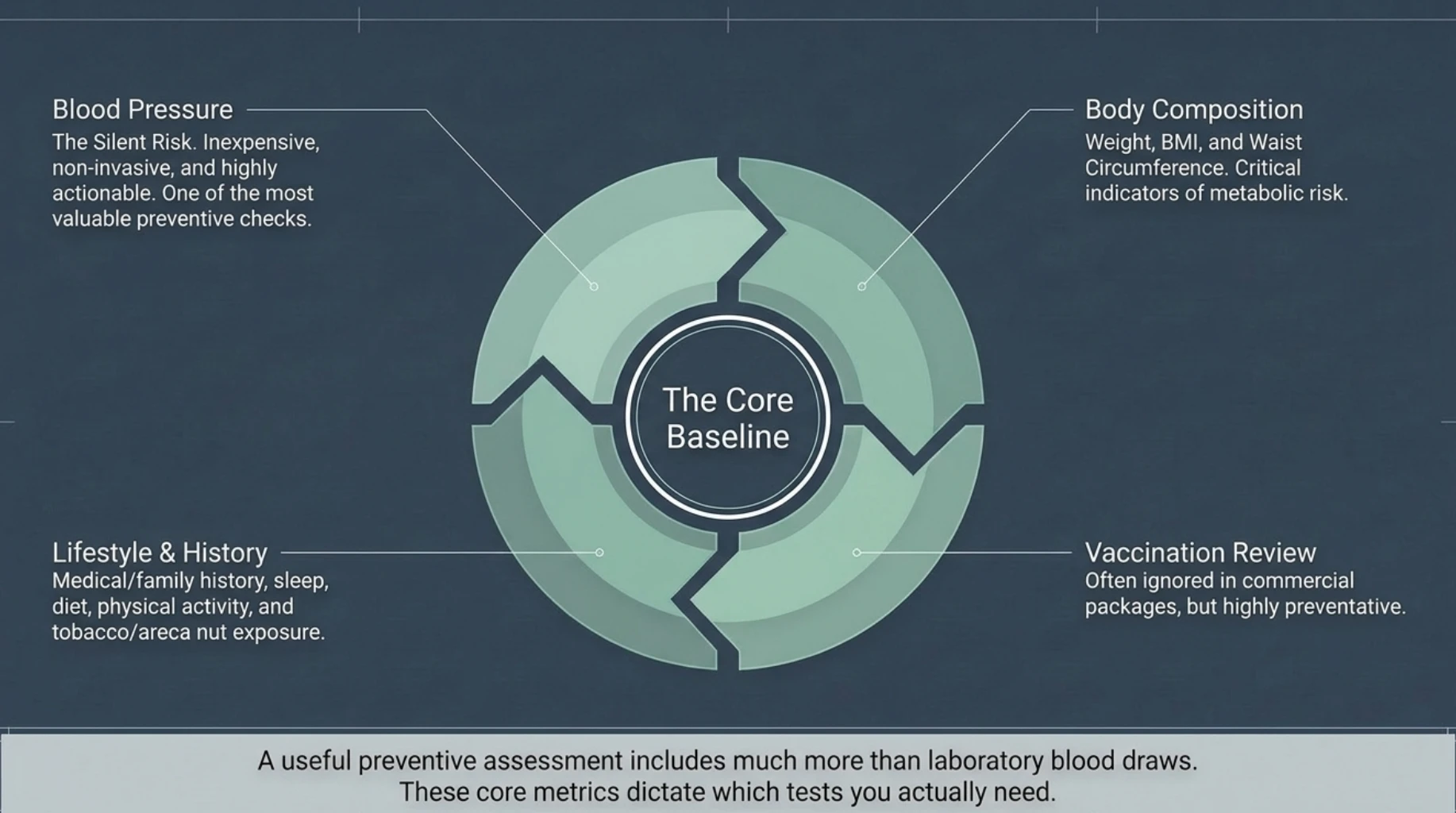
A useful preventive assessment includes much more than laboratory investigations.
Medical history, family history, smoking and alcohol exposure, physical activity, diet, sleep, body weight, waist circumference, blood pressure, vaccination status and age-appropriate cancer screening can all be relevant.
In some individuals, counselling about tobacco cessation, physical activity or blood pressure control may provide greater long-term benefit than adding several low-value blood tests.
This is why a consultation-based preventive assessment is often more useful than purchasing a laboratory package without clinical interpretation.
Why More Tests Do Not Always Mean Better Preventive Healthcare
Commercial health packages are frequently compared according to the number of parameters included. However, the number of reported values can be misleading.
A single complete blood count may report numerous parameters, including haemoglobin, red blood cell indices, white blood cell counts and platelet-related measurements.
Similarly, a lipid profile may include total cholesterol, HDL cholesterol, triglycerides and calculated LDL cholesterol.
These are useful measurements in appropriate circumstances, but they do not represent dozens of independent disease-screening tests.
The Problem of False-Positive Results
Laboratory reference intervals are commonly derived from measurements in selected populations. Even healthy individuals may occasionally have results outside the stated reference range.
When many tests are performed together, the probability of finding at least one borderline or unexpected result increases.
Such findings may be clinically important in some cases, but others may represent normal biological variation, analytical variation or findings without meaningful consequences.
Unnecessary follow-up testing may then create additional costs and anxiety.
The Problem of Incidental Findings
Imaging investigations such as ultrasound, CT and MRI may identify unexpected abnormalities unrelated to the reason for testing.
Some incidental findings require appropriate evaluation. Others are harmless and may never have caused symptoms or complications.
Nevertheless, once discovered, they may lead to repeat imaging, biopsies or specialist consultations.
Therefore, imaging should not be included in a preventive package merely because it makes the package appear more comprehensive.
Overdiagnosis and Overtreatment
Overdiagnosis occurs when screening identifies an abnormality that would not have caused symptoms or harm during a person’s lifetime.
In some circumstances, this may lead to unnecessary treatment.
The possibility of overdiagnosis is especially relevant to certain cancer screening and imaging strategies.
Preventive testing should ideally be supported by evidence that identifying a condition earlier improves meaningful health outcomes.
False Reassurance From Normal Reports
Normal laboratory results do not guarantee that someone is healthy.
A person may have normal fasting glucose but elevated post-meal glucose, or normal liver enzymes despite clinically important fatty liver disease.
Similarly, a normal resting ECG does not exclude coronary artery disease.
Preventive healthcare should therefore consider risk factors and clinical findings rather than treating a normal package report as a certificate of complete health.
How to Decide Whether a Preventive Test Is Worth Considering
Before ordering a screening test, several clinical questions should be considered.
First, is the disease sufficiently common or important in the person’s age group or risk category?
Second, can the test detect the condition accurately enough to be useful?
Third, does identifying the disease earlier lead to an intervention that improves health outcomes?
Fourth, could the test cause harm through false-positive findings, unnecessary follow-up procedures or overdiagnosis?
Finally, is the test needed now, or has it already been performed recently enough that repeating it would add little value?
These considerations help distinguish evidence-based screening from indiscriminate testing.
Preventive Health Checkup Packages: Which Tests Are Commonly Worth Considering?
The most useful preventive investigations depend on individual circumstances. Nevertheless, certain measurements have an established role in identifying common cardiovascular and metabolic risk factors.
Blood pressure assessment is relevant across adulthood. Diabetes screening and lipid testing become particularly important according to age, body composition, family history and other risk factors.
Other tests, such as kidney function, liver enzymes and complete blood count, may be valuable in selected patients but should not automatically be repeated annually in every asymptomatic adult.
| Test or Assessment | When It May Be Useful | Routine Annual Testing for Everyone? |
|---|---|---|
| Blood pressure | Adult preventive assessment | Regular screening is recommended; interval depends on age and risk |
| Weight, BMI and waist circumference | Assessment of obesity and metabolic risk | Useful periodically; frequency is individualised |
| Fasting glucose or HbA1c | Diabetes and prediabetes screening based on age and risk | No; interval depends on findings and risk |
| Lipid profile | Cardiovascular risk assessment | No; testing frequency depends on risk and treatment |
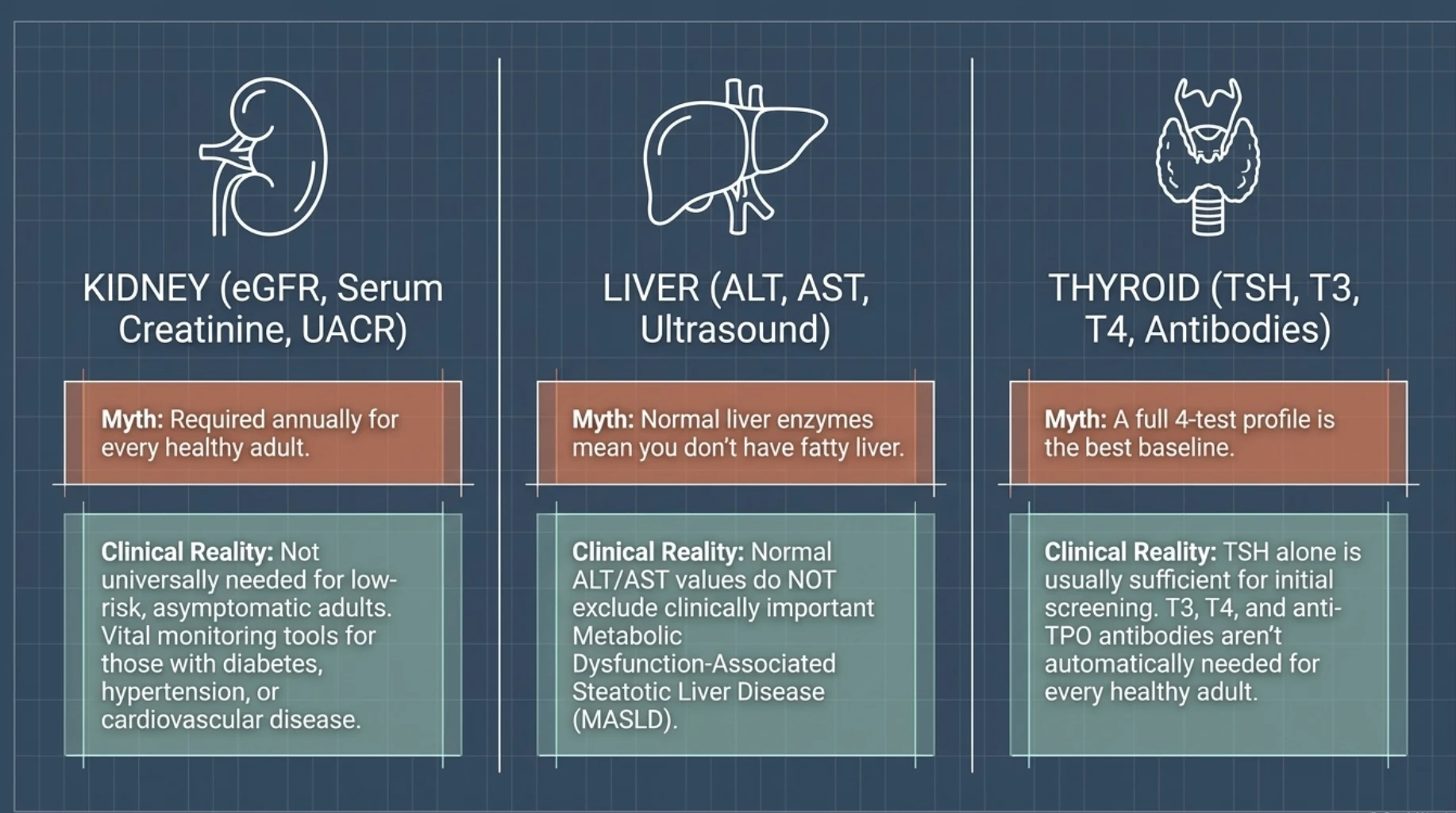
| Serum creatinine and eGFR | Kidney assessment in patients with relevant risk factors | Not necessarily in low-risk asymptomatic adults |
| Urine albumin-to-creatinine ratio | Diabetes, hypertension or selected kidney-risk conditions | Not a universal screening test |
| Liver enzymes | Selected metabolic, medication-related or liver-risk situations | Not universally required |
| Complete blood count | Suspected anaemia, relevant symptoms or specific clinical risks | Not universally required |
| TSH | Symptoms, thyroid risk factors or selected clinical circumstances | Not universally required |
| Vitamin D or vitamin B12 | Selected symptoms, risk factors or medical conditions | Not universally required |
1. Blood Pressure Measurement: One of the Most Valuable Preventive Checks
Blood pressure measurement is among the simplest and most clinically valuable components of preventive healthcare.
Hypertension is often asymptomatic. A person may feel completely well while having persistently elevated blood pressure.
Over time, uncontrolled hypertension can increase the risk of stroke, heart attack, heart failure, chronic kidney disease and other complications.
Unlike many expensive investigations included in commercial health packages, blood pressure assessment is inexpensive, non-invasive and supported by strong preventive evidence.
Who Should Have Blood Pressure Screening?
Blood pressure screening is recommended for adults. The appropriate interval depends on age, previous readings and cardiovascular risk.
People with obesity, diabetes, kidney disease, a family history of hypertension or previously elevated readings may require more frequent assessment.
Why One High Reading Does Not Always Mean Hypertension
Blood pressure can change with physical activity, emotional stress, caffeine, pain and measurement technique.
A reading obtained immediately after climbing stairs or during anxiety may not represent the person’s usual resting blood pressure.
When an elevated reading is detected, repeat measurements and out-of-office monitoring may be appropriate before establishing the diagnosis.
Home Blood Pressure Monitoring
A validated upper-arm blood pressure monitor can be useful for selected individuals, particularly those with suspected or established hypertension.
Correct cuff size, seated posture, adequate rest and appropriate measurement technique are important.
For some patients, ambulatory blood pressure monitoring can help identify white-coat hypertension or masked hypertension.
Clinical takeaway: A properly measured blood pressure reading may provide more actionable preventive information than several unnecessary laboratory investigations.
2. Blood Sugar and HbA1c: Screening for Diabetes and Prediabetes
Type 2 diabetes and prediabetes may remain undetected for years because early stages often produce few or no obvious symptoms.
Screening can identify abnormal glucose regulation and provide an opportunity for lifestyle intervention and appropriate medical management.
In India, diabetes screening is particularly relevant because type 2 diabetes may develop at younger ages and lower BMI levels than in some other populations.
However, this does not mean that every person needs fasting glucose, post-meal glucose, HbA1c and fasting insulin every year.
Fasting Blood Glucose
Fasting plasma glucose measures blood glucose after an appropriate fasting period, generally at least eight hours.
It is commonly used for screening and diagnosis of diabetes and prediabetes.
However, fasting glucose does not provide a complete picture of glucose regulation in every individual.
HbA1c
HbA1c reflects average glycaemic exposure over approximately the preceding two to three months.
It is widely used for diabetes screening, diagnosis and monitoring in appropriate patients.
However, HbA1c may be misleading in conditions that alter red blood cell lifespan or haemoglobin characteristics, including certain anaemias and haemoglobin disorders.
When HbA1c and glucose measurements disagree, clinical interpretation and additional testing may be necessary.
Oral Glucose Tolerance Test
An oral glucose tolerance test evaluates the body’s response to a defined glucose load.
It may identify impaired glucose tolerance or diabetes in selected patients when fasting glucose or HbA1c does not provide sufficient information.
It is not necessary as part of every routine health checkup package.
Do You Need Both Fasting Glucose and HbA1c?
Not always.
The choice depends on the screening objective, patient characteristics, previous results and potential limitations of each test.
Some patients may benefit from both measurements, while others can be assessed adequately using one appropriate test.
Should Fasting Insulin Be Included in a Routine Health Package?
Fasting insulin is frequently marketed as a test for insulin resistance.
However, routine fasting insulin testing is not generally recommended as a standard screening investigation for asymptomatic adults.
Insulin concentrations vary with physiological conditions and laboratory methods, and there is no universally accepted fasting insulin threshold for diagnosing insulin resistance in routine clinical practice.
Clinical assessment of metabolic risk usually relies more heavily on factors such as waist circumference, blood pressure, glucose regulation, lipid profile and associated conditions.
Who Should Consider Diabetes Screening?
Screening is particularly relevant for people with excess abdominal fat, overweight or obesity, a family history of type 2 diabetes, hypertension, dyslipidaemia, a history of gestational diabetes or other metabolic risk factors.
Age-based recommendations differ between organisations and countries. In India, national population-based programmes target adults aged 30 years and older for diabetes screening, while individual risk may justify earlier assessment.
Clinical takeaway: Diabetes screening is valuable when appropriately targeted. Ordering every available glucose-related test does not automatically improve detection.
3. Lipid Profile: Understanding Cardiovascular Risk
A lipid profile is another commonly included investigation in preventive health checkup packages.
It typically reports total cholesterol, HDL cholesterol, triglycerides and LDL cholesterol, which may be calculated or directly measured depending on the laboratory method.
These measurements help assess cardiovascular risk and guide preventive management.
However, a lipid profile should not be interpreted solely by checking whether each number falls inside the laboratory’s reference range.
The significance of LDL cholesterol depends on the person’s overall cardiovascular risk, including age, blood pressure, diabetes status, smoking, kidney disease and family history.
LDL Cholesterol
LDL cholesterol is a major causal factor in the development of atherosclerotic cardiovascular disease.
Higher cumulative exposure to LDL cholesterol contributes to plaque formation in arteries.
Reducing LDL cholesterol in appropriately selected individuals can lower cardiovascular event risk.
HDL Cholesterol
HDL cholesterol is associated with cardiovascular risk, but a high HDL value does not necessarily cancel the risk associated with elevated LDL cholesterol.
HDL should be interpreted as part of the overall lipid profile rather than as an independent guarantee of cardiovascular protection.
Triglycerides
Elevated triglycerides may occur with insulin resistance, obesity, diabetes, alcohol intake and certain genetic or medical conditions.
Markedly elevated triglycerides can also increase the risk of pancreatitis.
The interpretation and management depend on the degree of elevation and associated risk factors.
Non-HDL Cholesterol
Non-HDL cholesterol is calculated by subtracting HDL cholesterol from total cholesterol.
It reflects cholesterol carried by atherogenic lipoprotein particles and can be useful in cardiovascular risk assessment.
Should ApoB Be Included in Every Health Checkup?
Apolipoprotein B, or ApoB, reflects the number of circulating atherogenic lipoprotein particles more directly than LDL cholesterol concentration alone.
It may be particularly useful when LDL cholesterol and triglyceride-related metabolic risk appear discordant, such as in some patients with obesity, diabetes or metabolic syndrome.
However, ApoB is not necessarily required in every routine preventive package.
What About Lipoprotein(a)?
Lipoprotein(a), commonly written as Lp(a), is largely genetically determined and contributes to cardiovascular risk.
Several contemporary cardiovascular guidelines support measuring Lp(a) at least once in adulthood, although recommendations and access vary by setting.
Unlike routine lipid monitoring, Lp(a) generally does not need frequent repeat testing because levels are relatively stable.
How Often Should You Repeat a Lipid Profile?
The appropriate interval depends on previous results, age, cardiovascular risk and whether lipid-lowering treatment has been started or adjusted.
A low-risk adult with previously normal results may not require annual lipid testing.
Patients receiving treatment or those with significant cardiovascular risk may need more frequent monitoring.
Clinical takeaway: The value of a lipid profile lies in cardiovascular risk interpretation and appropriate intervention, not merely identifying whether cholesterol is marked red or green on a laboratory report.
4. Kidney Function Tests: Who Actually Needs Them?
Kidney function tests are included in many preventive health checkup packages.
Common measurements include serum creatinine, estimated glomerular filtration rate (eGFR), urea and electrolytes.
These tests can be important, particularly in people with diabetes, hypertension, established cardiovascular disease or other risk factors for kidney disease.
However, routinely ordering a large kidney function panel every year in every healthy adult is not necessarily supported by evidence.
Serum Creatinine and eGFR
Creatinine is a waste product influenced partly by muscle metabolism and kidney filtration.
eGFR estimates kidney filtration function using creatinine and, in selected circumstances, other biomarkers.
A mildly abnormal creatinine or eGFR result should be interpreted in context rather than automatically labelled as chronic kidney disease.
Chronic kidney disease generally requires evidence of kidney abnormalities persisting for at least three months, unless other clinical circumstances establish the diagnosis.
Urine Albumin-to-Creatinine Ratio
The urine albumin-to-creatinine ratio, or UACR, detects increased urinary albumin excretion.
It can identify kidney damage even when eGFR is relatively preserved.
UACR is particularly relevant in diabetes and selected patients with hypertension or other kidney-risk conditions.
However, it is not a universal annual screening requirement for every low-risk adult.
Is Routine Urine Examination Necessary for Everyone?
Routine urine testing is frequently included in commercial health packages.
Although urinalysis can be useful for evaluating urinary symptoms and selected medical conditions, indiscriminate screening may identify findings that do not require treatment.
For example, bacteria detected in urine without symptoms do not automatically justify antibiotics.
The need for urine testing should depend on the clinical question and patient risk.
Who Should Consider Kidney Screening?
People with diabetes, hypertension, known cardiovascular disease, a family history of kidney disease, recurrent kidney-related problems or exposure to potentially nephrotoxic medications may benefit from selected kidney investigations.
Testing frequency should reflect individual risk and previous results.
Clinical takeaway: Kidney screening can be highly valuable in at-risk patients, but the appropriate tests and intervals should be selected individually.
5. Liver Function Tests: Are They Necessary in Every Package?
Liver function tests are among the most frequently advertised components of full body checkup packages.
Despite the name, a routine liver panel contains a mixture of markers reflecting liver-cell injury, bile flow and selected aspects of liver function.
Common measurements include ALT, AST, alkaline phosphatase, bilirubin, albumin and sometimes additional parameters.
These values can provide useful clinical information, but routine testing in every asymptomatic adult is not automatically necessary.
ALT and AST
ALT and AST are enzymes that may increase when liver cells are injured.
Elevations can occur with fatty liver disease, viral hepatitis, alcohol-related liver injury, medication effects and other conditions.
However, normal ALT and AST values do not exclude clinically important liver disease.
Fatty Liver Can Exist With Normal Liver Enzymes
Metabolic dysfunction-associated steatotic liver disease, or MASLD, is commonly associated with obesity, insulin resistance, type 2 diabetes and other metabolic risk factors.
Some patients with MASLD may have normal liver enzyme levels despite significant liver fat or fibrosis.
Therefore, a normal liver panel should not automatically be interpreted as evidence that the liver is healthy in someone with substantial metabolic risk.
Does Everyone Need a Liver Ultrasound?
No.
Routine abdominal ultrasound for every healthy adult is not necessarily beneficial.
Ultrasound may identify liver fat or other findings, but it has limitations and may miss milder steatosis.
When MASLD is suspected, assessment should consider metabolic risk factors and the possibility of advanced fibrosis, rather than relying only on whether ultrasound reports a fatty liver.
When Is Liver Assessment Particularly Relevant?
Liver assessment may be appropriate in patients with obesity, type 2 diabetes, metabolic syndrome, significant alcohol exposure, viral hepatitis risk, abnormal previous results or relevant medication use.
Selected patients may benefit from fibrosis risk assessment using validated non-invasive approaches.
Clinical takeaway: Liver tests should be interpreted according to metabolic and clinical risk. A normal liver enzyme report does not exclude fatty liver disease or fibrosis.
6. Complete Blood Count: Useful Test or Unnecessary Routine?
A complete blood count, commonly called CBC, is one of the most familiar blood investigations.
It reports haemoglobin, red blood cell parameters, white blood cell counts and platelet measurements.
CBC can be extremely useful when evaluating anaemia, infection-related concerns, bleeding problems and selected chronic diseases.
However, routine annual CBC testing in every asymptomatic, low-risk adult has limited evidence of benefit.
When Is CBC Particularly Useful?
CBC may be appropriate when someone experiences persistent fatigue, pallor, breathlessness, unexplained weakness, abnormal bleeding or other symptoms suggestive of a blood disorder.
It may also be relevant in patients with heavy menstrual bleeding, nutritional risk, chronic inflammatory conditions or medications requiring blood count monitoring.
Can a Normal CBC Exclude Iron Deficiency?
No.
Iron deficiency can occur before haemoglobin decreases sufficiently to produce anaemia.
A patient may have low iron stores with a normal haemoglobin level.
When iron deficiency is suspected, ferritin and selected additional iron studies may be appropriate.
Should Ferritin Be Included in Every Health Package?
Ferritin testing is useful when iron deficiency is suspected, particularly in patients with heavy menstrual bleeding, unexplained fatigue, certain dietary risks or relevant medical conditions.
However, routine ferritin testing in every asymptomatic adult is not necessarily required.
Ferritin is also influenced by inflammation and other conditions, so an elevated value does not automatically indicate iron overload.
Can CBC Detect Cancer?
CBC may reveal abnormalities associated with some cancers, but it is not a general cancer screening test.
A normal CBC does not exclude cancer, and an abnormal CBC does not necessarily indicate malignancy.
Age-appropriate, evidence-based cancer screening is more useful than relying on routine blood counts to detect all cancers.
Clinical takeaway: CBC is valuable when clinically indicated, but its presence in a preventive package does not make the package automatically more comprehensive or effective.
Are These Six Tests Enough for a Preventive Health Checkup?
There is no universal set of six, ten or twenty investigations that is appropriate for every adult.
For a healthy younger adult without significant risk factors, a preventive consultation focusing on blood pressure, weight, lifestyle habits, family history and selected screening may be sufficient.
For someone with obesity, diabetes risk, hypertension or a strong family history of cardiovascular disease, additional metabolic and kidney-related investigations may be appropriate.
For an older adult, age-appropriate cancer screening, vaccination review, falls risk assessment and other preventive services may be more important than repeating a large biochemical panel.
For women, cervical and breast cancer screening may be indicated according to age and relevant national or professional recommendations.
For patients with specific symptoms, diagnostic investigations should be selected according to the clinical presentation rather than restricted to a standard screening package.
Therefore, the best preventive health checkup is not defined by the number of tests included.
It is defined by whether the assessment identifies meaningful risks and leads to appropriate preventive action.
7. Thyroid Function Tests: Does Everyone Need TSH, T3 and T4?
Thyroid function testing is one of the most frequently advertised components of preventive health checkup packages. Many laboratories include a thyroid profile containing thyroid-stimulating hormone (TSH), triiodothyronine (T3) and thyroxine (T4).
However, the presence of three thyroid-related tests does not necessarily make the screening more useful than a carefully selected investigation.
Thyroid disorders can produce symptoms such as fatigue, unexplained weight changes, constipation, menstrual irregularities, palpitations and changes in temperature tolerance. These symptoms are common and may have several possible causes.
Thyroid testing can be valuable when clinical findings suggest thyroid dysfunction, but routine screening of every asymptomatic adult remains an area where recommendations differ.
Is TSH Enough for Initial Thyroid Screening?
For many patients in whom thyroid dysfunction is suspected, TSH is an appropriate initial investigation.
TSH reflects the regulatory response of the pituitary gland to circulating thyroid hormone levels. In most people with an intact hypothalamic-pituitary-thyroid axis, it is sensitive to common forms of primary thyroid dysfunction.
If TSH is abnormal, free T4 and sometimes additional investigations may help clarify the diagnosis.
However, TSH alone may be insufficient when central thyroid disease is suspected or when particular clinical circumstances affect interpretation.
Should Everyone Test T3, T4 and TSH Together?
No. A complete thyroid profile is not automatically necessary for every individual.
In many situations, testing TSH first and adding other investigations when indicated is more appropriate.
Free T4 is generally more useful than total T4 for many diagnostic questions, although the correct test depends on the clinical context.
T3 testing is particularly useful in selected cases of suspected hyperthyroidism, but it is not routinely required to screen for hypothyroidism.
What About Thyroid Antibodies?
Anti-thyroid peroxidase antibodies, commonly called anti-TPO antibodies, may help identify autoimmune thyroid disease.
However, positive antibodies do not automatically mean that treatment is necessary.
Testing should be guided by thyroid function, clinical findings and specific circumstances rather than routinely included in every preventive package.
Who May Benefit From Thyroid Testing?
Thyroid investigations may be appropriate for people with suggestive symptoms, goitre, a history of thyroid disease, certain autoimmune conditions, relevant medications or specific reproductive and pregnancy-related circumstances.
Testing during pregnancy requires separate clinical considerations and should not be treated as equivalent to routine screening in the general adult population.
Clinical takeaway: TSH is often a sensible starting point when thyroid disease is suspected. Ordering TSH, T3, T4 and thyroid antibodies for every healthy adult is not automatically beneficial.
8. Vitamin D Testing: Why Is It Included in Almost Every Health Package?
Vitamin D testing has become extremely common in India. Many preventive health checkup packages include serum 25-hydroxyvitamin D, often described as a test for bone strength, immunity, fatigue and general wellness.
Vitamin D is important for calcium regulation and skeletal health. Severe deficiency can contribute to bone disorders and muscle-related problems.
However, the widespread availability of vitamin D testing does not mean that every healthy adult benefits from routine measurement.
Should Everyone Check Vitamin D Annually?
Routine vitamin D screening in generally healthy, asymptomatic adults is not supported by strong evidence of improved health outcomes.
The decision to test should depend on relevant clinical risk factors, symptoms or medical conditions.
Testing may be useful in selected patients with metabolic bone disease, malabsorption, suspected osteomalacia or other conditions where the result would influence management.
Does Low Vitamin D Explain Every Case of Fatigue?
No. Fatigue is a nonspecific symptom with many possible causes, including inadequate sleep, anaemia, thyroid disease, medication effects, mood disorders and chronic medical conditions.
A low vitamin D result should not automatically be assumed to explain all symptoms.
Similarly, correcting a mildly low laboratory value does not guarantee improvement in fatigue or general well-being.
Is Vitamin D Testing Necessary Before Taking Every Supplement?
Not necessarily. The need for testing depends on the clinical circumstances, the reason for supplementation and the proposed dose.
High-dose vitamin D should not be taken indefinitely without appropriate medical supervision because excessive intake can cause hypercalcaemia and other complications.
Clinical takeaway: Vitamin D testing is valuable in selected clinical situations, but routine annual testing of all healthy adults is generally unnecessary.
9. Vitamin B12 Testing: Who Should Actually Consider It?
Vitamin B12 is necessary for red blood cell formation, neurological function and DNA synthesis.
Deficiency may cause anaemia, numbness, tingling, gait disturbances, cognitive symptoms and other neurological problems.
Vitamin B12 deficiency deserves attention because some neurological complications may become persistent if diagnosis and treatment are delayed.
However, routine testing of every asymptomatic adult is not always necessary.
Who Is at Increased Risk of Vitamin B12 Deficiency?
People following diets with little or no animal-derived food may have an increased risk of inadequate vitamin B12 intake unless they consume appropriate fortified foods or supplements.
Other risk factors include certain gastrointestinal disorders, previous gastrointestinal surgery and medications that can interfere with B12 absorption.
Long-term metformin use is particularly relevant in patients with type 2 diabetes, especially when anaemia or peripheral neuropathy is present.
Can Vitamin B12 Deficiency Occur Without Anaemia?
Yes. Neurological symptoms may occur even when haemoglobin is within the normal range.
Therefore, a normal complete blood count does not exclude vitamin B12 deficiency.
Is Serum Vitamin B12 Always Conclusive?
Not always. Borderline results can be difficult to interpret.
In selected cases, additional investigations such as methylmalonic acid may help clarify functional vitamin B12 deficiency, although availability and interpretation vary.
Clinical takeaway: Vitamin B12 testing is worth considering when dietary patterns, medications, symptoms or medical history indicate increased risk.
10. Uric Acid Testing: Is It Necessary Without Joint Pain or Gout?
Serum uric acid is frequently included in full body checkup packages, even when the person has no history of gout, kidney stones or related symptoms.
Uric acid is a metabolic product formed during purine metabolism. Elevated levels may occur because of reduced kidney excretion, increased production, certain medications or other metabolic factors.
However, an elevated uric acid result does not automatically mean that a person has gout.
Does High Uric Acid Always Require Medication?
No. Asymptomatic hyperuricaemia does not routinely require urate-lowering medication in every patient.
Treatment decisions depend on whether gout, uric acid stones or other relevant clinical conditions are present.
Starting medication solely because a laboratory report marks uric acid as high may expose someone to unnecessary treatment.
Is Uric Acid a Reliable Test for Insulin Resistance?
Higher uric acid concentrations are associated with obesity, metabolic syndrome and insulin resistance in some populations.
However, serum uric acid is not an established standalone screening test for insulin resistance.
It should not replace assessment of waist circumference, blood pressure, glucose regulation and lipid-related risk.
Clinical takeaway: Uric acid testing is useful in selected clinical circumstances but is not essential for every routine preventive checkup.
11. ESR, CRP and hs-CRP: Do Healthy Adults Need Inflammation Testing?
Inflammation-related tests are increasingly included in preventive health packages, often under labels such as inflammation screening, immune health or cardiovascular risk assessment.
However, these tests measure different biological processes and have different clinical applications.
Erythrocyte Sedimentation Rate (ESR)
ESR is a nonspecific marker influenced by inflammation and several other factors, including age, anaemia and plasma protein concentrations.
An elevated ESR does not identify the cause of inflammation.
Routine ESR screening in healthy adults is generally not useful because abnormal results may trigger further investigations without identifying a meaningful disease.
C-Reactive Protein (CRP)
CRP is an acute-phase protein that may rise in response to inflammation, infection or tissue injury.
It can be useful in selected diagnostic and monitoring situations.
However, a mildly elevated CRP in an asymptomatic person is nonspecific and does not establish a particular disease.
High-Sensitivity CRP (hs-CRP)
High-sensitivity CRP measures lower concentrations of CRP and has been studied as a marker associated with cardiovascular risk.
In selected patients, hs-CRP may contribute to cardiovascular risk discussion, particularly when preventive treatment decisions remain uncertain.
However, it is not necessary as a universal annual screening test.
Can CRP Diagnose Hidden Cancer or Chronic Infection?
No. CRP is nonspecific and cannot reliably screen for all cancers or chronic infections.
An abnormal result requires interpretation according to symptoms, examination and other findings.
Clinical takeaway: Inflammatory markers should answer a specific clinical question rather than serve as routine indicators of general health.
12. Tumour Markers: Why They Should Not Be Used as General Cancer Screening Tests
Some premium preventive health checkup packages include tumour markers such as carcinoembryonic antigen (CEA), CA-125, CA 19-9, alpha-fetoprotein (AFP) and prostate-specific antigen (PSA).
These investigations may appear attractive because they suggest that a simple blood test can identify cancer before symptoms develop.
However, most tumour markers are not suitable for general population cancer screening.
Many markers can be elevated in benign conditions, while some cancers do not produce abnormal marker levels, particularly at an early stage.
CEA
CEA may be used in selected patients with established colorectal cancer, particularly for monitoring after treatment.
It is not recommended as a general screening test for colorectal cancer in asymptomatic adults.
CA-125
CA-125 may be elevated in ovarian cancer, but it can also increase in several benign conditions.
Routine CA-125 screening of average-risk asymptomatic women has not demonstrated a clear mortality benefit and may lead to unnecessary investigations or surgery.
CA 19-9
CA 19-9 is sometimes used in the management of selected pancreatic and gastrointestinal cancers.
It is not a reliable general screening test for pancreatic cancer in healthy individuals.
Alpha-Fetoprotein (AFP)
AFP may have a role in selected liver cancer surveillance strategies for people at sufficiently high risk.
It is not a universal cancer screening test for the general population.
PSA
PSA testing is different because it may have a role in prostate cancer screening after an informed discussion of potential benefits and harms.
However, PSA screening is not automatically appropriate for every adult male.
The decision depends on age, life expectancy, family history, individual risk and patient preferences.
False-positive results, biopsies, overdiagnosis and treatment-related complications are important considerations.
Why a Normal Tumour Marker Does Not Rule Out Cancer
Many cancers do not produce abnormal tumour marker levels during their early stages.
Therefore, a normal tumour marker panel should not be interpreted as proof that cancer is absent.
Similarly, an elevated tumour marker does not automatically establish a cancer diagnosis.
Clinical takeaway: A large tumour marker panel is not a substitute for evidence-based cancer screening.
Commonly Included Blood Tests: Which Ones Are Worth Considering?
| Investigation | Potential Clinical Value | Routine Screening in Every Healthy Adult? |
|---|---|---|
| TSH | Evaluation of suspected thyroid dysfunction and selected risk groups | No universal recommendation |
| T3 and T4 | Further evaluation of selected thyroid abnormalities | No |
| Vitamin D | Selected bone and mineral disorders or relevant risk conditions | No |
| Vitamin B12 | Dietary risk, neuropathy, anaemia or relevant medication use | No |
| Uric acid | Gout, selected kidney stone conditions and other indications | No |
| ESR | Selected inflammatory or diagnostic assessments | No |
| CRP | Selected inflammatory or infectious conditions | No |
| hs-CRP | Additional cardiovascular risk information in selected cases | No |
| CEA, CA-125, CA 19-9 | Specific oncology-related indications | No |
| PSA | Individualised prostate cancer screening discussion | Not automatically |
13. ECG: Should Every Adult Have an Annual Electrocardiogram?
An electrocardiogram, or ECG, records the electrical activity of the heart.
It can identify certain rhythm abnormalities, conduction disturbances and other electrical findings.
However, routine ECG screening in asymptomatic adults at low cardiovascular risk has not been shown to provide sufficient benefit to justify universal testing.
Can a Normal ECG Rule Out Heart Disease?
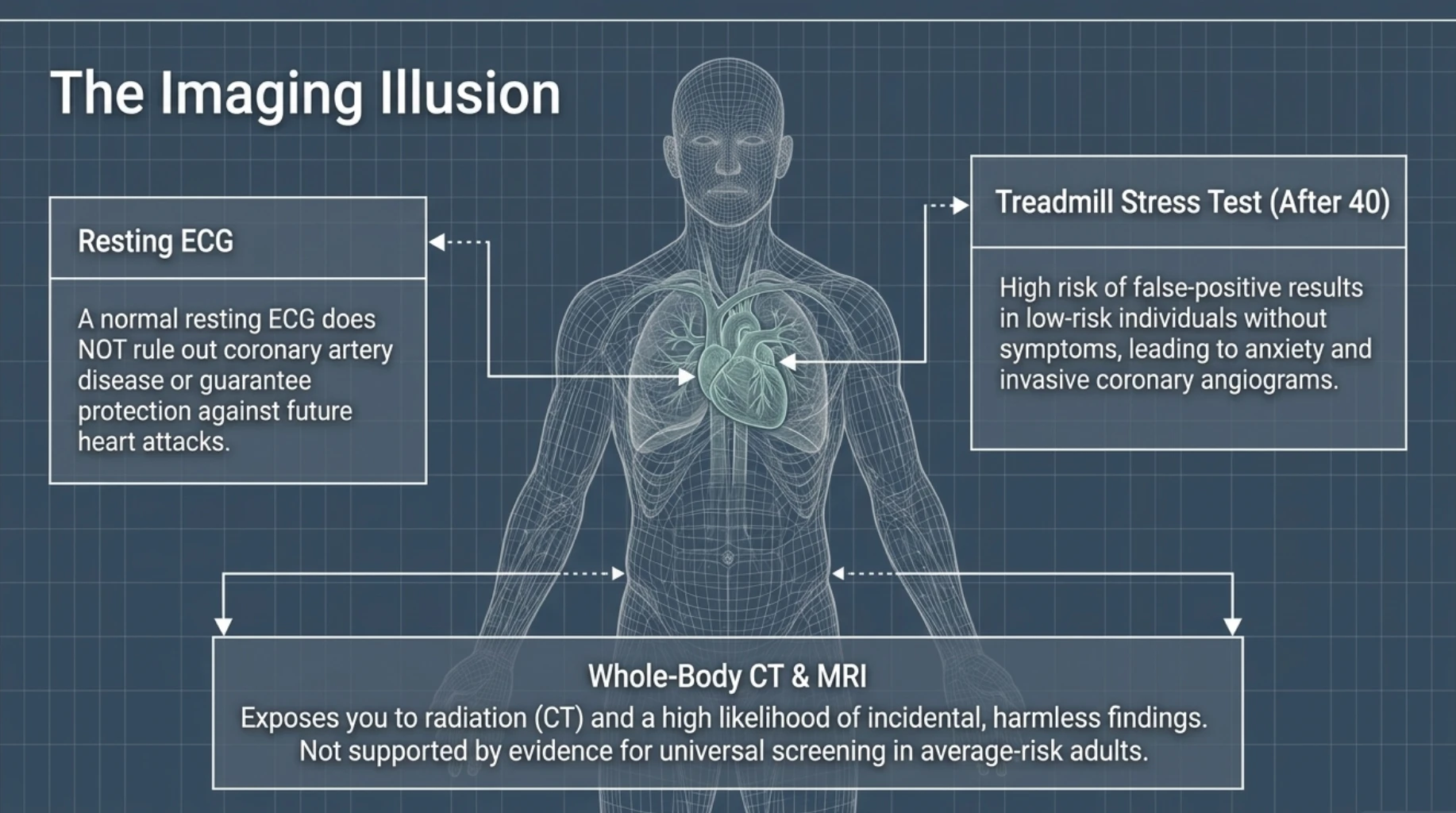
No. A normal resting ECG does not exclude coronary artery disease or guarantee that a person will not experience a future heart attack.
Coronary artery disease can exist even when the resting electrical recording appears normal.
When Is an ECG Useful?
An ECG is appropriate when evaluating symptoms such as chest discomfort, palpitations, unexplained fainting or other findings suggestive of a cardiac condition.
It may also be indicated in selected patients with known cardiovascular disease or particular medication-related risks.
These are clinical indications rather than universal preventive screening requirements.
Clinical takeaway: ECG is a valuable diagnostic tool but should not be confused with a comprehensive screening test for coronary artery disease.
14. Treadmill Test: Does Everyone Need a Stress Test After 40?
Exercise treadmill testing is sometimes included in executive health checkup packages, particularly those marketed to adults older than 40 years.
A treadmill test evaluates the cardiovascular response to exercise and may provide information about exercise capacity, heart rate, blood pressure and selected ECG changes.
However, routine exercise ECG screening in asymptomatic, low-risk adults is generally not recommended.
Why Can Treadmill Testing Produce False-Positive Results?
When a screening test is performed in a population with a low likelihood of disease, a positive result may be false.
False-positive treadmill findings may lead to additional imaging, invasive coronary angiography or unnecessary anxiety.
Test performance also depends on baseline ECG characteristics, exercise capacity and other clinical factors.
When May Stress Testing Be Appropriate?
Stress testing may be appropriate in selected patients with symptoms suggestive of coronary artery disease or other specific clinical indications.
The choice between exercise ECG, stress imaging, coronary CT angiography or other investigations depends on the clinical presentation and relevant guidelines.
Clinical takeaway: Being older than 40 does not automatically justify annual treadmill testing.
15. Echocardiography: Is a 2D Echo Necessary in a Routine Checkup?
Echocardiography uses ultrasound to assess cardiac structure and function.
It can evaluate heart chamber size, ventricular function, valve abnormalities and selected structural conditions.
However, routine echocardiography in every asymptomatic adult is not generally recommended.
When Is Echocardiography Useful?
An echocardiogram may be indicated when a clinician identifies a significant heart murmur, suspected heart failure, unexplained breathlessness or other findings suggesting structural heart disease.
It may also be useful for monitoring established cardiac conditions.
Can a Normal Echo Rule Out Coronary Artery Disease?
No. A normal resting echocardiogram does not exclude coronary artery narrowing.
Although echocardiography can provide important structural and functional information, it is not a universal test for detecting blocked coronary arteries.
Clinical takeaway: Echocardiography should be selected according to clinical findings rather than included automatically in every preventive package.
16. Whole-Abdomen Ultrasound: Is It Worth Including?
Whole-abdomen ultrasound is frequently advertised as a way to screen the liver, gallbladder, kidneys, pancreas and other abdominal organs.
It is non-invasive and does not involve ionising radiation.
However, routine abdominal ultrasound in every asymptomatic adult may identify incidental findings without necessarily improving health outcomes.
Fatty Liver Detection
Ultrasound may identify moderate or marked hepatic steatosis, but it is less sensitive for milder fat accumulation and cannot reliably determine the presence or severity of liver fibrosis.
Patients with obesity, type 2 diabetes or other metabolic risk factors may need a more structured MASLD assessment.
Gallstones
Ultrasound can detect gallstones, including stones that have never caused symptoms.
However, many asymptomatic gallstones do not require surgery.
Detecting them incidentally may not necessarily improve health outcomes.
Kidney Findings
Ultrasound may identify kidney stones, cysts, obstruction or structural abnormalities.
However, it is not necessary as a universal annual kidney screening test.
When Is Abdominal Ultrasound Appropriate?
It may be useful when symptoms, examination findings, abnormal laboratory results or relevant medical history suggest an abdominal condition.
Clinical takeaway: Abdominal ultrasound should be ordered because there is a meaningful clinical indication, not simply because it is included in a discounted package.
17. Whole-Body CT and MRI: Why More Imaging Is Not Always Better
Some premium preventive packages advertise whole-body imaging as an advanced method of detecting hidden disease.
However, routine whole-body CT or MRI screening in asymptomatic, average-risk adults is not generally supported by evidence of improved health outcomes.
Whole-Body CT
CT imaging uses ionising radiation. Radiation exposure varies considerably according to the scan protocol and anatomical regions examined.
Unnecessary CT screening can expose patients to radiation and increase the likelihood of incidental findings requiring further investigation.
Whole-Body MRI
MRI does not use ionising radiation, but it may identify incidental abnormalities that lead to repeat imaging, specialist consultations or invasive procedures.
The absence of radiation does not mean that screening is free from potential harms.
Does Whole-Body Imaging Detect Every Cancer?
No. No single imaging test reliably detects every cancer at an early, treatable stage.
Different cancers require different screening approaches, and some have no established screening test for average-risk individuals.
Clinical takeaway: Routine whole-body imaging should not replace established, age-appropriate preventive screening.
Which Cancer Screening Tests Are Actually Worth Considering?
Unlike indiscriminate tumour marker testing, certain cancer screening programmes have demonstrated meaningful benefits in appropriately selected populations.
However, screening recommendations depend on age, sex, individual risk, local disease patterns, available resources and national guidelines.
In India, national population-based screening initiatives include oral, breast and cervical cancer screening in relevant adult populations.
Cervical Cancer Screening
Cervical cancer screening can detect precancerous changes and help prevent invasive cervical cancer.
Screening methods include HPV testing, cervical cytology and visual inspection with acetic acid in certain public health programmes.
The appropriate starting age, interval and method depend on the applicable guideline and individual circumstances.
HPV vaccination is also an important preventive intervention, but vaccination does not automatically eliminate the need for recommended cervical screening.
Breast Cancer Screening
Mammography can reduce breast cancer mortality in appropriately selected age groups.
However, recommendations differ regarding starting age, screening intervals and the balance between benefits and harms.
Indian public health programmes may use clinical breast examination in specific settings, while mammography decisions should consider individual risk and available guidance.
Women with a strong family history or known hereditary cancer risk may require a different screening strategy.
Colorectal Cancer Screening
Colorectal cancer screening can detect precancerous lesions or early cancers before symptoms develop.
Available approaches include stool-based tests and colonoscopy.
International guidelines commonly recommend screening average-risk adults beginning around age 45 or 50, depending on the guideline.
However, implementation in India should consider local epidemiology, individual risk, access and professional guidance rather than automatically adopting a single international schedule.
Oral Cancer Screening
Oral cancer is an important public health concern in India, particularly because of tobacco and areca nut exposure.
Visual oral examination by appropriately trained healthcare professionals has an important role in selected high-risk populations.
Tobacco cessation and avoidance of smokeless tobacco and areca nut are essential preventive measures.
Lung Cancer Screening
Low-dose CT screening may reduce lung cancer mortality in appropriately selected individuals with substantial smoking exposure.
However, it is not recommended as a routine test for all adults.
Eligibility criteria depend on age, smoking history and the applicable guideline.
Prostate Cancer Screening
PSA screening requires an individualised discussion because potential benefits must be balanced against false-positive results, overdiagnosis and treatment-related harms.
It should not be automatically included in every male health package.
Evidence-Based Cancer Screening vs Commercial Tumour Marker Panels
| Screening Approach | Potential Role | Important Consideration |
|---|---|---|
| Cervical HPV testing or other guideline-supported cervical screening | Prevention and early detection of cervical cancer | Age, method and interval depend on guidelines |
| Mammography | Breast cancer screening in selected age and risk groups | Benefits and harms should be discussed |
| Stool-based colorectal screening or colonoscopy | Detection of colorectal cancer or precancerous lesions | Approach depends on age, risk and availability |
| Visual oral examination | Screening in relevant high-risk populations | Particularly relevant with tobacco or areca nut exposure |
| Low-dose chest CT | Lung cancer screening in selected high-risk smokers | Not appropriate for everyone |
| PSA | Individualised prostate cancer screening | Shared decision-making is important |
| CEA, CA-125 or CA 19-9 screening panels | No established general population screening role | False positives and false reassurance are concerns |
| Routine whole-body CT or MRI | No established universal cancer screening role | Incidental findings, overdiagnosis and other harms |
Preventive Health Checkup Packages After 30, 40, 50 and 60: Should They Be Different?
Age is an important factor in preventive healthcare, but it should not be the only consideration.
A 35-year-old with central obesity, hypertension and a strong family history of diabetes may require more metabolic screening than a healthy 50-year-old without comparable risk factors.
Similarly, a person with established cardiovascular disease requires ongoing medical monitoring rather than a generic preventive package.
Preventive Health Checkup After 30
In India, assessment of blood pressure, weight, waist circumference and diabetes risk becomes particularly relevant in adulthood.
National programmes target adults aged 30 years and older for screening of selected noncommunicable diseases.
However, individuals with significant risk factors may need assessment earlier.
Selected lipid and glucose testing may be appropriate according to personal and family history.
Preventive Health Checkup After 40
Cardiovascular and metabolic risk assessment becomes increasingly important with age.
Blood pressure, glucose regulation, lipid profile, body composition and lifestyle factors should be reviewed according to individual risk.
Age-appropriate cancer screening discussions may also become relevant.
However, turning 40 does not automatically justify annual treadmill testing, echocardiography or whole-body imaging.
Preventive Health Checkup After 50
Preventive assessment may increasingly focus on cardiovascular risk, cancer screening, bone health, medication review and other age-related concerns.
The exact screening strategy should reflect sex, medical history, previous results and local recommendations.
For example, colorectal cancer screening may be appropriate in selected individuals, while breast and cervical cancer screening remain important for eligible women.
Preventive Health Checkup After 60
In older adults, preventive healthcare should include functional health, falls risk, medication-related problems, hearing and vision concerns, vaccination status and other relevant issues.
Laboratory investigations may be necessary for specific medical conditions, but indiscriminate annual testing does not replace comprehensive geriatric assessment.
Screening decisions should also consider life expectancy, competing health risks and patient preferences.
How to Build a Sensible Preventive Health Checkup Package in India
After understanding which investigations have established preventive value and which are frequently overused, the next question is practical: how should someone choose a health checkup package?
The answer begins with an individual health risk assessment rather than a fixed list of laboratory tests.
A preventive checkup should consider age, sex, personal medical history, family history, body weight, waist circumference, blood pressure, lifestyle habits, medications and previous investigation results.
For example, a 32-year-old office worker with central obesity and a family history of type 2 diabetes may benefit from diabetes screening and cardiovascular risk assessment. However, the same individual may not need tumour markers, echocardiography or a whole-abdomen ultrasound without a specific clinical indication.
Similarly, a 58-year-old woman with hypertension and diabetes may require kidney function monitoring, urine albumin assessment and appropriate cancer screening. These investigations may provide greater clinical value than a premium package containing numerous unrelated tests.
The most useful preventive health checkup packages are therefore those that can be customised according to individual risk.
Step 1: Begin With Medical History and Risk Assessment
A physician should review previous medical conditions, current medications, family history and lifestyle factors before selecting investigations.
Important risk factors include tobacco use, physical inactivity, central obesity, hypertension, diabetes, abnormal cholesterol, premature cardiovascular disease in close relatives and relevant cancer history.
Previous screening results are equally important because they influence when testing should be repeated.
Step 2: Include Basic Clinical Measurements
Blood pressure, weight, height, BMI and waist circumference are useful components of preventive assessment.
These measurements can identify cardiovascular and metabolic risks that may not be apparent from laboratory reports alone.
For people with obesity or metabolic disorders, changes in waist circumference, body weight and blood pressure may provide useful information about long-term risk.
Step 3: Select Blood Tests According to Risk
Glucose testing and lipid assessment may be appropriate according to age, family history and metabolic risk.
Kidney function, urine albumin, liver enzymes, CBC, thyroid tests and nutritional investigations should be selected according to clinical circumstances.
There is no requirement to order every available test simply because a package offers them at a discount.
Step 4: Review Cancer Screening Eligibility
Appropriate cancer screening depends on age, sex, personal risk factors and the recommendations applicable to the patient.
For eligible individuals, cervical cancer screening, breast cancer screening, colorectal cancer screening or other targeted screening may be more valuable than a general tumour marker panel.
Step 5: Review Vaccination and Lifestyle Prevention
A preventive health assessment should also review vaccination status, tobacco exposure, alcohol use, physical activity, dietary quality, sleep and other modifiable health risks.
Vaccination needs depend on age, medical conditions, previous immunisation and applicable recommendations.
Preventive healthcare is incomplete when it focuses exclusively on blood investigations while ignoring these interventions.
Step 6: Decide What Action Will Follow an Abnormal Result
Before ordering a test, ask whether the result would change clinical management.
If an abnormal finding would not lead to a meaningful intervention, the benefit of screening may be limited.
Similarly, an abnormal result should not automatically trigger treatment without considering confirmation, biological variation and clinical relevance.
Basic vs Comprehensive vs Premium Health Checkup Packages
Commercial laboratories often divide preventive checkups into basic, comprehensive and premium categories.
These labels are marketing classifications rather than standardised medical definitions.
A basic package may contain tests that are highly relevant to an individual’s health risks, while a premium package may include investigations with little preventive value for that person.
| Package Type | Commonly Advertised Components | Clinical Consideration |
|---|---|---|
| Basic health checkup | CBC, glucose, lipid profile and selected routine tests | May be useful when matched to age and risk; not every component is necessary for everyone |
| Comprehensive health checkup | Basic tests plus kidney, liver, thyroid and nutritional investigations | Additional testing should be based on medical history and risk factors |
| Premium or executive health checkup | Large blood panels, ECG, imaging, cardiac testing and selected tumour markers | May include low-value investigations and increase incidental findings |
| Physician-guided preventive assessment | Clinical evaluation followed by selected investigations and screening | More closely aligns testing with individual risk and actionable findings |
Package price and the number of included parameters should not be used as substitutes for evaluating clinical usefulness.
Preventive Health Checkup Packages by Age: A Practical Framework
Age influences screening recommendations, but the appropriate investigations still depend on individual circumstances.
The following framework illustrates common preventive priorities for adults in India. It is not a universal prescription for laboratory testing.
| Age Group | Important Preventive Priorities | Additional Tests to Consider According to Risk |
|---|---|---|
| 18–29 years | Blood pressure, weight, lifestyle assessment, tobacco exposure, vaccination and relevant family history | Glucose or lipid testing when risk factors justify it; targeted infection or reproductive health screening when indicated |
| 30–39 years | Blood pressure, central obesity, diabetes risk, cardiovascular risk factors and relevant Indian NCD screening programmes | Glucose, lipid profile and selected kidney or liver investigations based on risk |
| 40–49 years | Cardiovascular and metabolic risk assessment, appropriate cancer screening discussions and lifestyle review | Glucose, lipids, kidney assessment and other selected tests according to findings |
| 50–59 years | Cardiovascular risk, cancer screening eligibility, medication review and bone health risk | Targeted metabolic, renal, nutritional or other investigations according to risk |
| 60 years and older | Blood pressure, functional status, falls risk, vision, hearing, medications, vaccination and individualised screening | Tests guided by chronic disease, symptoms, treatment and expected clinical benefit |
People with diabetes, established cardiovascular disease, chronic kidney disease or other diagnosed conditions require disease-specific monitoring rather than relying on an age-based general package.
How Often Should Preventive Health Tests Be Repeated?
One of the most common misconceptions is that every adult should undergo the same full body checkup once a year.
In reality, screening intervals vary according to the condition being assessed, previous results, individual risk and treatment status.
Some preventive measurements should be reviewed regularly, while other investigations may be needed only once, at longer intervals or when a new clinical indication develops.
| Test or Assessment | General Approach to Frequency |
|---|---|
| Blood pressure | Screen regularly; frequency depends on age, previous readings and risk. Confirm elevated readings appropriately |
| Weight and waist circumference | Review periodically, especially when metabolic risk is present |
| Diabetes screening | Often repeated at approximately 3-year intervals after normal results in eligible lower-risk adults; earlier when risk is higher or results are borderline |
| Lipid profile | Repeat according to cardiovascular risk, previous findings and treatment decisions |
| Serum creatinine and eGFR | Based on kidney risk, medical conditions and medication monitoring |
| Urine albumin-to-creatinine ratio | Generally monitored at least annually in many patients with diabetes; individualise for other kidney-risk conditions |
| Thyroid function | Based on symptoms, risk factors, known thyroid disease or medication monitoring |
| Vitamin D and vitamin B12 | Based on clinical indications rather than automatic annual screening |
| Cervical cancer screening | According to age, screening method, previous results and applicable guidance |
| Breast cancer screening | According to age, individual risk and applicable screening recommendations |
| Colorectal cancer screening | According to eligibility, chosen screening method and previous findings |
These are broad principles rather than fixed intervals for every patient. Patients receiving treatment may require more frequent testing than people undergoing preventive screening.
Should You Repeat a Full Body Checkup Every Six Months?
For most healthy adults without significant risk factors, repeating a large laboratory panel every six months is unlikely to provide meaningful additional benefit.
Frequent testing may identify small biological fluctuations that do not represent disease.
However, patients with established diabetes, hypertension, kidney disease or medication-related monitoring requirements may need selected investigations at shorter intervals.
The important distinction is between targeted disease monitoring and indiscriminate preventive testing.
A person taking medication that can affect kidney function may require periodic creatinine and electrolyte measurements. That does not mean the same person needs tumour markers, vitamin D, thyroid antibodies and a complete health package every six months.
Should You Choose a Health Package Based on the Number of Tests?
No. The number of tests is a poor indicator of preventive value.
Laboratories may advertise dozens of parameters even though several values are calculated from the same blood sample or belong to a single diagnostic panel.
A package containing 100 parameters may appear more comprehensive than one containing 15, but the additional tests may not be relevant to the individual’s risk profile.
Why Discounted Packages Can Encourage Unnecessary Testing
When a package offers numerous investigations at a lower combined price, consumers may feel that selecting the larger package provides better value.
However, the financial cost of testing is only one consideration.
Abnormal results may lead to repeat blood tests, imaging, specialist consultations or procedures.
The total cost of a screening decision includes the possibility of unnecessary follow-up investigations and treatment.
What Should You Ask Before Purchasing a Package?
Ask which conditions the tests are intended to detect, whether screening is appropriate for your age and risk factors, whether you have already undergone the investigation recently and what action would follow an abnormal result.
Also consider whether the package includes an appropriate medical consultation to interpret findings.
A report containing numerous red and green numbers is not equivalent to a complete preventive health assessment.
Commonly Overused Tests in Preventive Health Checkup Packages
Some investigations are frequently marketed as essential components of full body checkups despite having limited screening value in average-risk asymptomatic adults.
These tests are not inherently useless. Many have important diagnostic applications. The concern is their use without a meaningful clinical indication.
| Investigation | Why Routine Screening May Be Low Value | When It May Be Appropriate |
|---|---|---|
| Vitamin D | Routine testing in healthy asymptomatic adults has uncertain benefit | Selected bone or mineral disorders and relevant risk conditions |
| Complete thyroid profile | TSH alone is often sufficient initially when thyroid dysfunction is suspected | Abnormal TSH or specific thyroid-related indications |
| Fasting insulin | Not a standard diagnostic screening test for insulin resistance | Selected specialist or research-related circumstances |
| ESR and CRP | Nonspecific abnormalities may trigger unnecessary investigations | Selected inflammatory or infectious conditions |
| Uric acid | Asymptomatic elevation does not automatically require treatment | Gout, selected stone conditions or other indications |
| Tumour marker panels | False positives and false reassurance; poor general screening performance | Specific oncology-related indications |
| Resting ECG | Routine screening of low-risk asymptomatic adults has no established net benefit | Relevant symptoms or specific clinical indications |
| Treadmill stress test | False-positive results and unnecessary follow-up procedures | Selected cardiovascular diagnostic assessments |
| Routine echocardiography | Not established as universal screening for structural heart disease | Suspected structural abnormalities or known disease |
| Whole-body CT or MRI | Incidental findings, overdiagnosis and other potential harms | Specific diagnostic indications or selected specialist protocols |
What About Preventive Health Checkups for People With Diabetes?
People with established diabetes require a different approach from adults undergoing screening for the first time.
Once diabetes is diagnosed, investigations are selected to monitor glucose control, assess complications and guide treatment.
HbA1c, kidney function, urine albumin assessment and lipid testing may be relevant according to the patient’s clinical status.
Retinal examinations, foot assessments, blood pressure monitoring and cardiovascular risk management are also important components of diabetes care.
However, a commercial package that contains multiple blood tests does not necessarily include these essential clinical assessments.
Why HbA1c Alone Is Not Enough
HbA1c provides useful information about average glycaemic exposure but does not directly measure blood pressure, kidney damage, retinal disease or neuropathy.
Comprehensive diabetes care requires assessment beyond a single laboratory number.
Why Kidney Screening Matters
Diabetes can cause kidney damage even when symptoms are absent.
Serum creatinine with eGFR and urine albumin-to-creatinine ratio provide complementary information about kidney health.
Monitoring frequency should follow diabetes and kidney disease guidance.
Why Lifestyle Assessment Remains Essential
Diet quality, physical activity, body weight, sleep, medication adherence and cardiovascular risk factors strongly influence long-term outcomes.
A package report cannot replace ongoing clinical management.
What About Preventive Checkups for People With Obesity or Fatty Liver?
People with obesity, central adiposity or suspected metabolic dysfunction-associated steatotic liver disease may benefit from targeted metabolic assessment.
Relevant measurements can include blood pressure, waist circumference, glucose regulation, lipid profile and selected liver or kidney investigations.
However, the presence of fatty liver does not automatically justify every test offered in a comprehensive package.
Assessing Metabolic Risk
Type 2 diabetes, dyslipidaemia and hypertension frequently coexist with obesity and MASLD.
Identifying these conditions may influence lifestyle recommendations, medication decisions and long-term risk management.
Assessing Liver Fibrosis Risk
In appropriate patients, non-invasive fibrosis assessment may be more clinically useful than repeatedly measuring liver enzymes alone.
Tools such as FIB-4 can help stratify fibrosis risk in selected adults, although interpretation has important limitations, particularly in younger patients and certain clinical circumstances.
Further assessment, including elastography, may be indicated according to risk.
Why Normal ALT Does Not Exclude Fatty Liver
Patients may have clinically relevant steatosis or fibrosis despite liver enzymes within the laboratory reference range.
Therefore, metabolic risk assessment should not rely exclusively on a normal liver function report.
Preventive Healthcare Beyond Laboratory Tests
Some of the most effective preventive interventions do not require an expensive laboratory package.
Blood pressure control, smoking cessation, physical activity, healthy dietary patterns, vaccination and appropriate treatment of cardiovascular risk factors can substantially influence long-term health.
Tobacco and Areca Nut Exposure
Smoking, smokeless tobacco and areca nut use are important preventable health risks.
Preventive consultations should assess these exposures and provide appropriate cessation support.
Physical Activity and Muscle Health
Regular aerobic activity and resistance exercise support cardiovascular, metabolic and musculoskeletal health.
In older adults, maintaining strength and functional capacity may be particularly important for reducing disability and falls.
Dietary Quality
Dietary assessment should consider overall eating patterns, adequate protein intake, fibre, food quality and energy balance according to individual needs.
For patients with diabetes, hypertension or obesity, personalised dietary changes may have substantial preventive value.
Sleep and Sleep Apnoea Risk
Persistent snoring, witnessed breathing pauses, excessive daytime sleepiness and resistant hypertension may justify assessment for obstructive sleep apnoea.
However, sleep studies should not be ordered routinely in every asymptomatic adult.
Vaccination Review
Adult vaccination is an important but sometimes overlooked component of preventive healthcare.
Recommended vaccines depend on age, previous vaccination, occupation, medical conditions and current national or professional guidance.
Bone Health and Osteoporosis Risk
Bone health assessment becomes particularly relevant in older adults and individuals with risk factors for fragility fractures.
Bone mineral density testing using DXA may be appropriate according to age and fracture risk.
It should not automatically be included in every young adult’s preventive package.
How to Interpret Your Preventive Health Checkup Report
Receiving a report containing several abnormal values can be worrying. However, not every result outside the laboratory reference interval indicates disease.
Interpretation requires an understanding of the patient’s medical history, symptoms, medications, previous results and the biological significance of each measurement.
Do Not Treat Every Red Value as a Disease
Laboratory reference intervals are statistical ranges, not universal boundaries between health and illness.
A result slightly outside the reference interval may be clinically insignificant in some circumstances.
Conversely, a value within the laboratory range may still be concerning in a person with specific risk factors.
Look for Patterns Rather Than Isolated Numbers
For example, mildly elevated triglycerides, increased waist circumference, higher blood pressure and impaired glucose regulation may collectively suggest metabolic risk.
Interpreting these findings together can be more useful than considering each number independently.
Compare With Previous Results
Changes over time may provide important information, particularly for blood pressure, kidney function, glycaemic control and lipid levels.
However, small variations can occur because of laboratory methods, biological variation and measurement conditions.
Confirm Unexpected Results When Appropriate
Some abnormal screening findings require repeat or confirmatory testing before a diagnosis is established.
Starting medication solely because of one borderline laboratory result may not be appropriate.
Connect Results With a Management Plan
A preventive assessment should conclude with practical decisions about lifestyle, treatment, follow-up and future screening.
Without a plan, even an extensive laboratory report may have limited preventive value.
Frequently Asked Questions About Preventive Health Checkup Packages
1. Is a Full Body Checkup Necessary Every Year?
Not necessarily. The need for annual assessment depends on age, risk factors, medical history and previous findings. Some clinical measurements may be reviewed regularly, while many blood tests do not need annual repetition in healthy, low-risk adults.
2. Which Blood Tests Are Most Important in a Preventive Health Checkup?
There is no universal list for everyone. Glucose testing and lipid assessment are commonly useful according to age and cardiovascular risk. Kidney, liver, thyroid and blood count investigations should be selected according to clinical circumstances.
3. Is a 100-Test Health Package Better Than a 20-Test Package?
No. The number of parameters does not establish clinical usefulness. A smaller package containing appropriate investigations may provide more meaningful information than a large panel of unrelated tests.
4. What Is the Best Preventive Health Checkup After Age 30?
Assessment should focus on blood pressure, body weight, waist circumference, diabetes risk, cardiovascular risk factors and relevant lifestyle habits. Selected laboratory investigations depend on individual risk.
5. What Tests Should I Consider After Age 40?
Cardiovascular and metabolic risk assessment becomes increasingly important. Blood pressure, glucose regulation, lipid profile and age-appropriate cancer screening should be considered according to risk and applicable guidelines.
6. Should Everyone Check Vitamin D Every Year?
No. Routine vitamin D testing in generally healthy asymptomatic adults is not universally recommended. Testing is more appropriate when specific symptoms, risk factors or medical conditions justify it.
7. Is Vitamin B12 Testing Necessary for Vegetarians?
People consuming little or no animal-derived food may be at increased risk of vitamin B12 deficiency. Testing or supplementation decisions should consider dietary intake, fortified foods, symptoms and clinical circumstances.
8. Is TSH Enough for a Thyroid Checkup?
TSH is often an appropriate initial test when primary thyroid dysfunction is suspected. Additional tests such as free T4 may be needed depending on the result and clinical situation.
9. Do I Need a Liver Function Test Every Year?
Not necessarily. Liver testing should depend on risk factors, symptoms, medication use and previous results. People with metabolic risk may need targeted liver assessment.
10. Can Normal Liver Enzymes Rule Out Fatty Liver?
No. MASLD and clinically important fibrosis may occur despite normal ALT or AST levels.
11. Should I Check Fasting Insulin for Insulin Resistance?
Routine fasting insulin testing is not generally recommended for standard metabolic screening. Assessment of glucose regulation, waist circumference, blood pressure and lipids is usually more clinically actionable.
12. Is Uric Acid Testing Necessary Without Gout?
Not routinely. Uric acid testing may be appropriate in selected circumstances, but asymptomatic elevation does not automatically require medication.
13. Can Tumour Markers Detect Cancer Early?
Most tumour markers are unsuitable for general population cancer screening. False-positive and false-negative results limit their usefulness in healthy asymptomatic adults.
14. Is a Normal ECG Proof That My Heart Is Healthy?
No. A normal resting ECG does not exclude coronary artery disease or guarantee protection against future cardiovascular events.
15. Should Everyone Have a Treadmill Test After 40?
No. Routine treadmill testing in asymptomatic, low-risk adults is not generally recommended. Testing should be guided by symptoms, risk and specific clinical indications.
16. Is Whole-Abdomen Ultrasound Necessary Every Year?
No. Routine ultrasound in asymptomatic adults may identify incidental findings without improving outcomes. It is more useful when symptoms, examination findings or relevant risks justify imaging.
17. Is Whole-Body MRI a Good Preventive Screening Test?
Routine whole-body MRI screening in average-risk asymptomatic adults has not demonstrated clear overall health benefits. Incidental findings and unnecessary follow-up investigations are important concerns.
18. Which Cancer Screening Tests Are Worth Considering?
Evidence-based screening may include cervical cancer screening, mammography, colorectal screening and selected risk-based screening for other cancers. Eligibility depends on age, risk and applicable guidelines.
19. Can a Normal Full Body Checkup Rule Out Every Disease?
No. No package can exclude every medical condition. Normal results should be interpreted alongside symptoms, examination findings and risk factors.
20. Should I Consult a Doctor Before Booking a Health Package?
A physician-guided assessment can help identify which tests are relevant, avoid unnecessary investigations and ensure that abnormal findings are interpreted appropriately.
Evidence-Based Resources and References
Preventive screening recommendations evolve as new evidence becomes available. The following organisations provide useful guidance on screening, cardiovascular risk assessment, diabetes, cancer prevention and avoiding unnecessary medical investigations.
- U.S. Preventive Services Task Force (USPSTF) — Evidence-based recommendations for preventive screening and counselling.
- World Health Organization (WHO) — Guidance on noncommunicable disease prevention and population health.
- Ministry of Health and Family Welfare, Government of India — National preventive healthcare and noncommunicable disease programmes.
- National NCD Portal, India — Information on noncommunicable disease screening and management programmes.
- American Diabetes Association — Diabetes Care — Standards of Care and evidence related to diabetes screening and management.
- Kidney Disease: Improving Global Outcomes (KDIGO) — Kidney disease evaluation and management guidance.
- American Association for the Study of Liver Diseases (AASLD) — Guidance on liver disease and metabolic dysfunction-associated steatotic liver disease.
- Choosing Wisely — Resources addressing unnecessary medical tests and procedures.
- National Cancer Institute — Cancer screening evidence, benefits and limitations.
International screening recommendations should be adapted to Indian healthcare settings, individual risk factors and applicable national guidance.
Personalised Preventive Health Assessment in Dwarka, New Delhi
If you are planning a preventive health checkup, a physician-guided approach can help you choose appropriate investigations according to your age, symptoms, family history and metabolic risk factors.
Dr. Pankaj Kumar, General & Lifestyle Physician, provides consultations focused on general medical care, diabetes, obesity, fatty liver, hypertension, dyslipidaemia and lifestyle-related health risks.
A preventive consultation may include a review of previous laboratory reports, blood pressure, body weight, waist circumference, relevant medical history and current medications.
Where appropriate, selected investigations may be recommended to assess cardiovascular, metabolic or other health risks.
The objective is to avoid unnecessary testing while identifying conditions where early intervention can improve long-term health.
Clinic: Diet Plus Minus
Location: Doctors Lane, Sector 6, Dwarka, New Delhi
Consultation: Clinic and online appointments available
Book an Appointment
Contact on WhatsApp
About the Author
Dr. Pankaj Kumar
General & Lifestyle Physician
MBBS, DNB Family Medicine
Diploma in Nutrition & Health Education
Founder, Diet Plus Minus
Dwarka, New Delhi
Dr. Pankaj Kumar focuses on evidence-based general medical care and lifestyle modification, with particular interest in diabetes, obesity, fatty liver disease, hypertension and metabolic health.
Medical disclaimer: This article is intended for general health education and does not replace personalised medical advice. Screening recommendations depend on age, medical history, individual risk factors, previous results and applicable clinical guidelines. Consult a qualified healthcare professional before making decisions about investigations, diagnosis or treatment.
If you want a personalized metabolic assessment and lifestyle strategy, you can book a consultation here:
Book an Appointment