


“Doctor, I only relax on weekends. Can just two days really affect my health?”
This is a question many people ask, especially those who try to maintain healthy routines during the working week but completely change their lifestyle every Saturday and Sunday.
For many adults, weekends are associated with late-night sleep, waking up late, eating restaurant food, skipping exercise, spending hours watching television or using mobile phones, and delaying normal daily routines.
Most people assume that because these habits occur only once a week, they cannot have any significant impact on health.

However, the human body does not distinguish between weekdays and weekends. It responds to repeated behavioural patterns.
When weekend lifestyle habits consistently disrupt sleep, nutrition, movement, and recovery, they may gradually influence physical health, mental well-being, metabolism, and the risk of chronic diseases.
Understanding how weekend lifestyle habits affect long-term health helps us make practical changes without giving up the enjoyment that weekends are meant to provide.
Why Consistency Matters More Than Perfection
The body functions best when daily routines remain reasonably consistent.
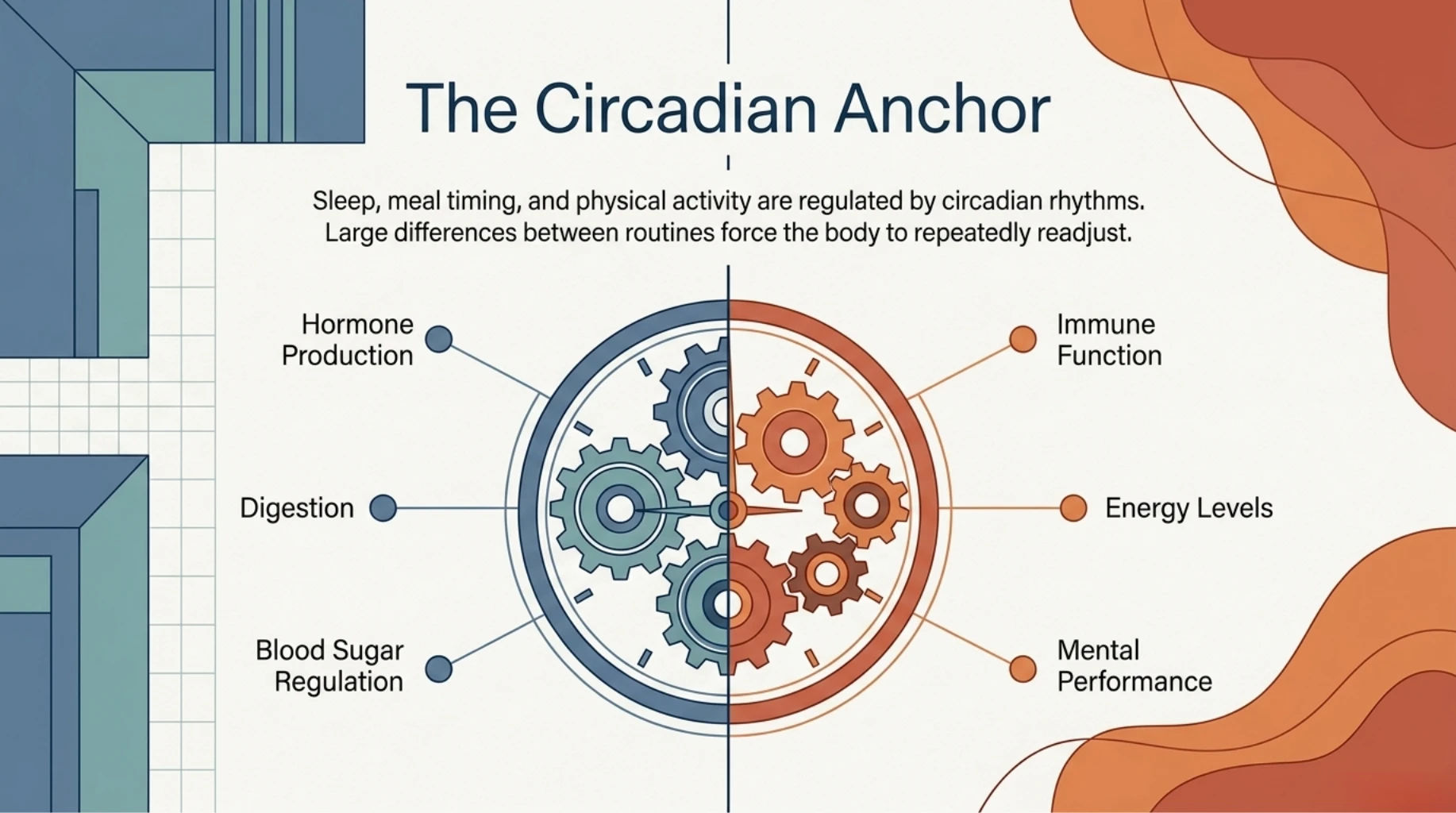
Sleep, meal timing, physical activity, and recovery are all regulated by biological clocks known as circadian rhythms.
These internal rhythms influence: hormone production, digestion, blood sugar regulation, immune function, energy levels, and mental performance.
Large differences between weekday and weekend routines force the body to repeatedly readjust.
Although these adjustments may seem small, repeating them every week for years can gradually influence overall health.
How Weekend Lifestyle Habits Affect Sleep Quality
One of the biggest lifestyle changes during weekends is sleep timing.
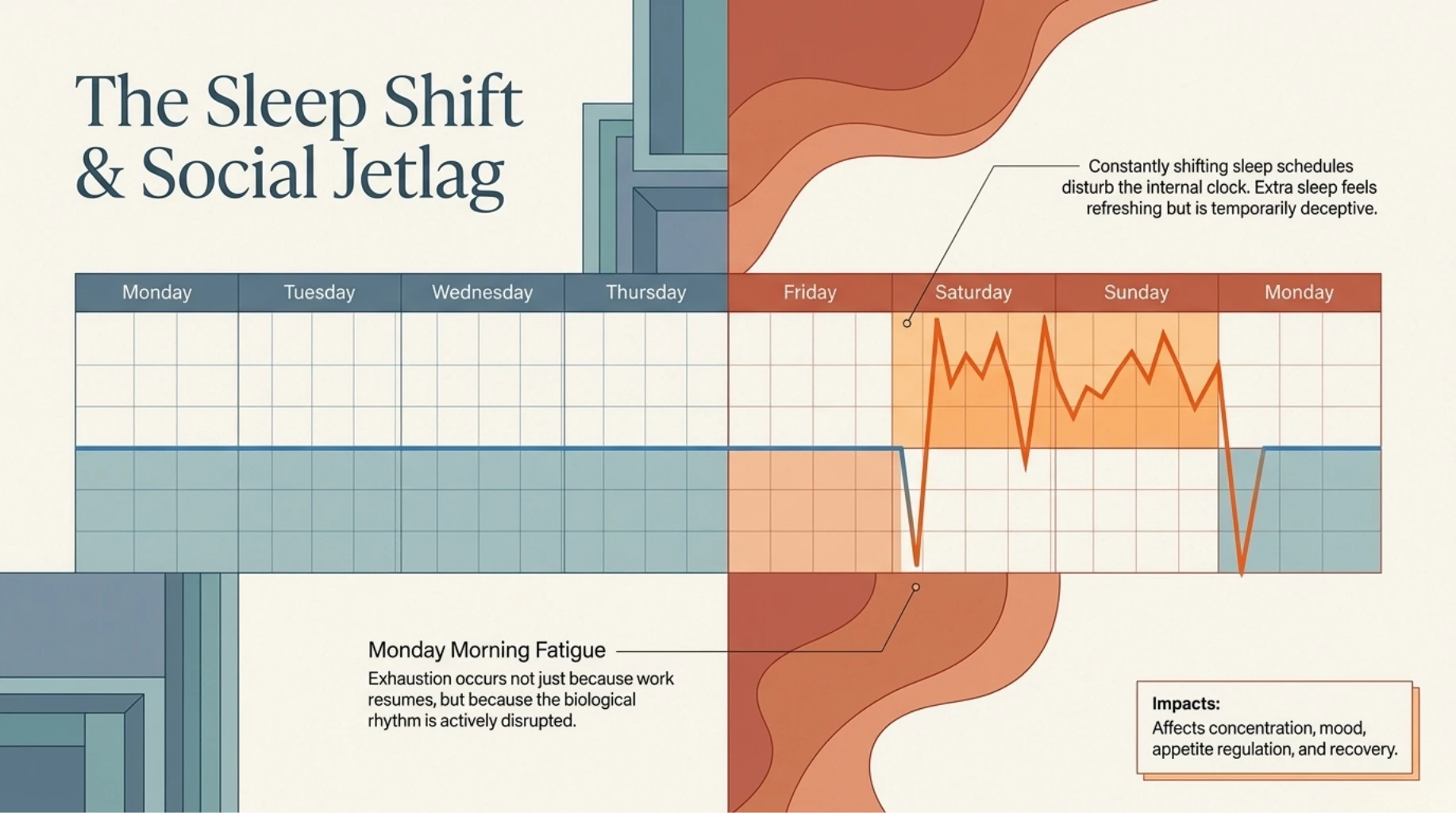
Many individuals stay awake several hours later than usual and compensate by sleeping late the next morning.
While extra sleep may feel refreshing temporarily, constantly shifting sleep schedules can disturb the body’s internal clock.
This may affect: energy levels, concentration, mood, appetite regulation, and recovery during the following week.
People often experience “Monday morning fatigue” not only because work resumes, but because their biological rhythm has been disrupted.
The Hidden Impact of Weekend Eating Patterns
Food choices also tend to change dramatically on weekends. Restaurant meals, buffets, sugary desserts, fried snacks, takeaway food, and late-night eating become much more common.
Occasional indulgence is a healthy part of life and should not create guilt. The concern arises when these eating patterns become a regular feature of every weekend.
Repeated overeating places extra stress on digestion, blood sugar regulation, and overall metabolic balance.
Over time, these weekend lifestyle habits may contribute to gradual weight gain and reduced metabolic flexibility.
Why Physical Inactivity Often Increases on Weekends
Ironically, weekends provide more free time, yet many adults become less physically active.
Hours spent watching television, scrolling through social media, gaming, or resting on the sofa often replace the walking and movement that naturally occur during working days.
Reduced physical activity affects: muscle health, circulation, cardiovascular fitness, blood sugar control, and energy expenditure.
When inactivity is combined with larger meals, the body is more likely to store excess energy instead of using it efficiently.
Weekend Lifestyle Habits Also Affect Mental Well-Being
Weekends are meant to help people recover mentally as well as physically. Unfortunately, recovery does not always happen.
Many people spend much of the weekend on digital devices, continue thinking about work, or sacrifice sleep for entertainment.
Instead of feeling refreshed on Monday, they begin the new week feeling mentally exhausted.
Healthy weekend lifestyle habits should include genuine mental recovery, quality time with family, outdoor activities, hobbies, and adequate rest—not simply more screen time.
How Weekend Lifestyle Habits Influence Heart Health
Heart health is shaped by the small decisions we make every day rather than by occasional major events.
Many people focus on healthy eating and regular activity during weekdays but abandon these routines completely on weekends.
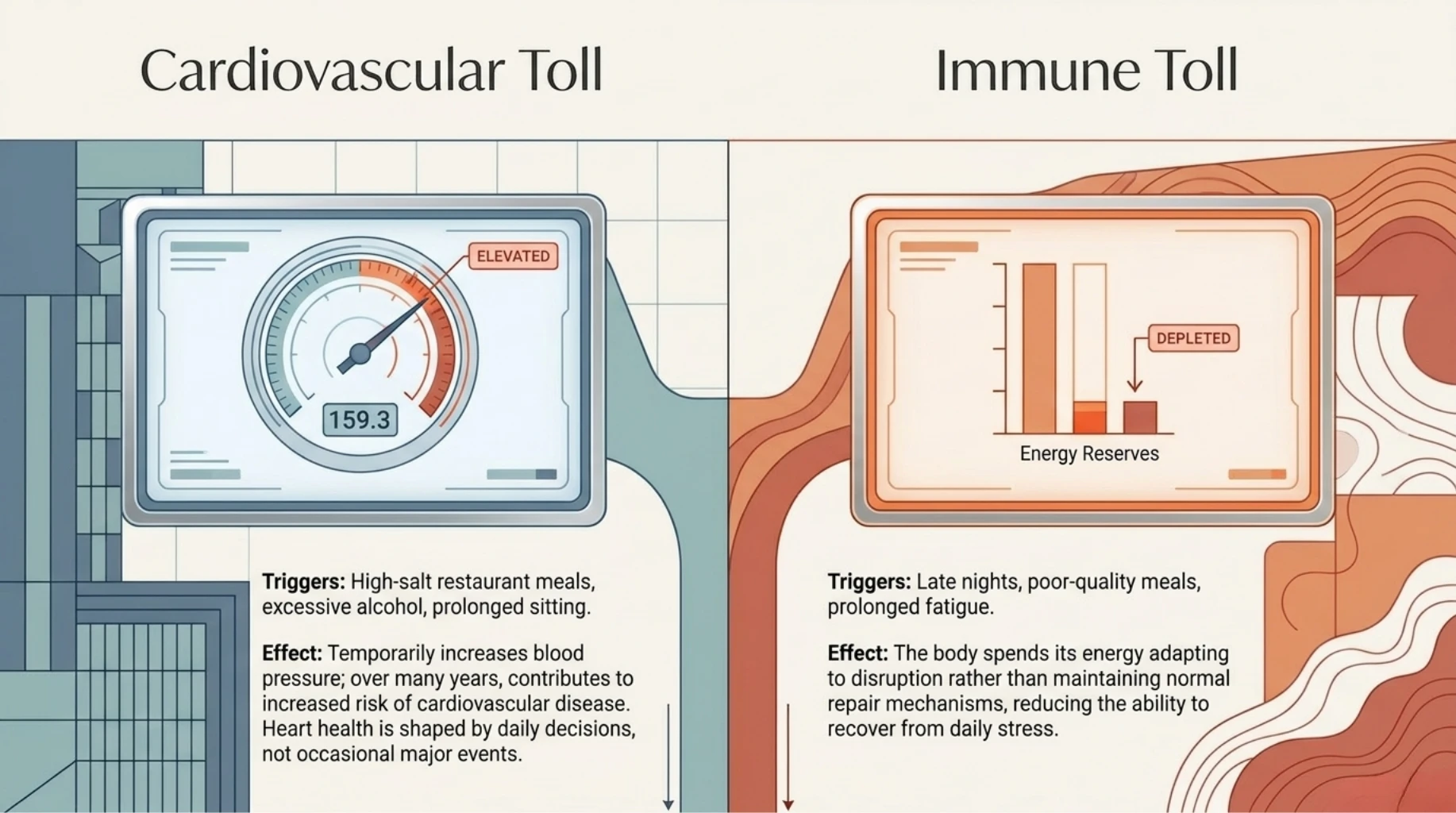
Repeated overeating, excessive alcohol intake, prolonged sitting, poor sleep, and high-salt restaurant meals may temporarily increase blood pressure, place additional stress on the cardiovascular system, and reduce the body’s ability to recover efficiently.
Although one weekend is unlikely to cause long-term damage, repeating these weekend lifestyle habits over many years may gradually contribute to an increased risk of cardiovascular disease.
The Connection Between Weekend Lifestyle Habits and Immune Function
The immune system performs best when the body receives adequate sleep, balanced nutrition, regular physical activity, and effective stress recovery.
Weekends that involve very late nights, poor-quality meals, excessive alcohol, or prolonged fatigue may temporarily affect these recovery processes.
When this pattern becomes a regular lifestyle, the body spends more time adapting to disruption instead of maintaining normal repair mechanisms.
Healthy weekend lifestyle habits therefore support not only metabolism but also the body’s natural ability to recover from daily stress.
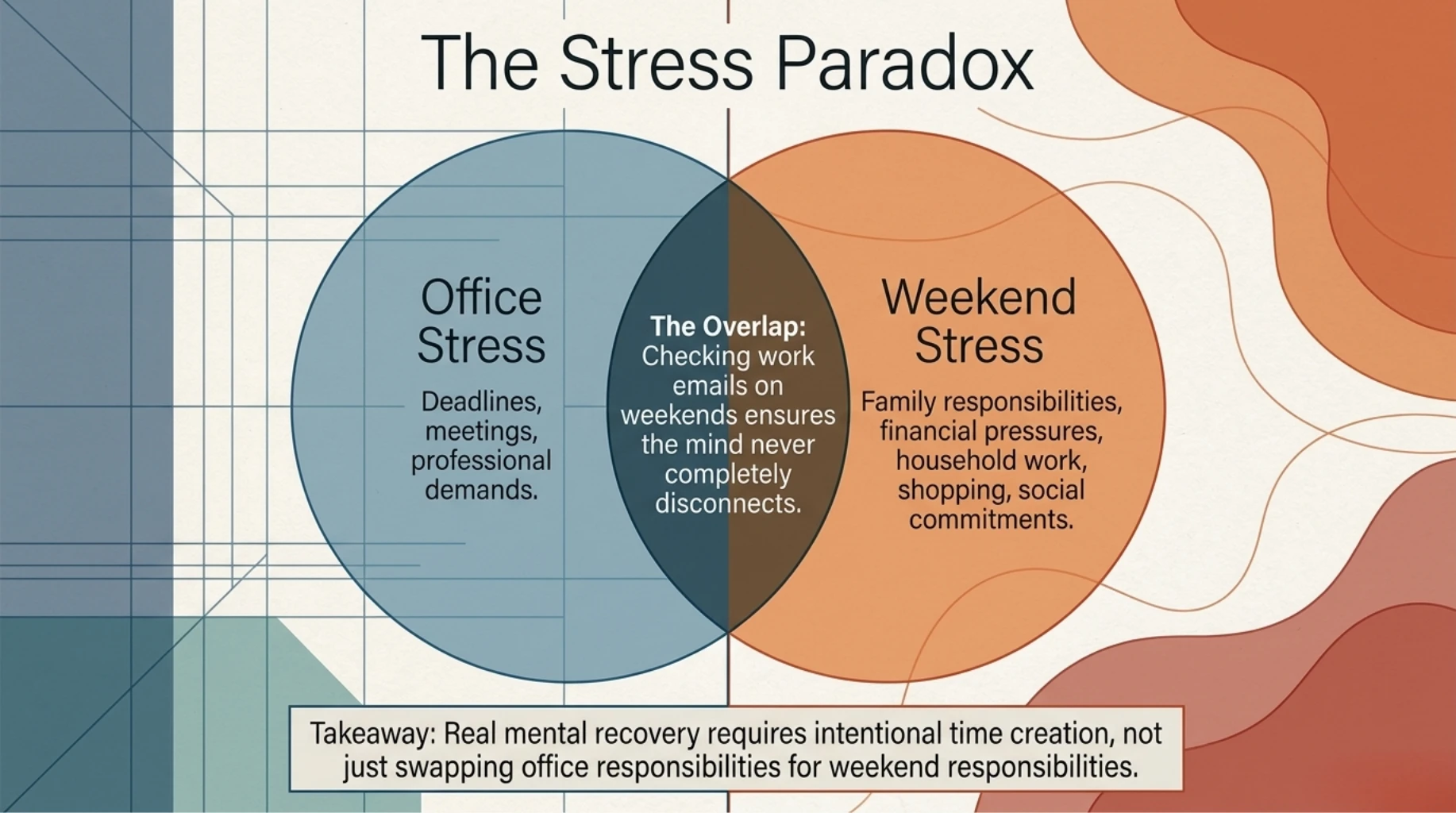
How Weekend Stress Can Be Different from Work Stress
Many people believe weekends are automatically stress-free. However, weekends often bring a different type of stress.
Family responsibilities, social commitments, financial pressures, travel, shopping, and household work may leave little time for genuine relaxation.
Some individuals even continue checking work emails or responding to office messages throughout the weekend. As a result, the mind never completely disconnects from stress.
One of the healthiest weekend lifestyle habits is intentionally creating time for mental recovery rather than filling every hour with additional responsibilities.
Why Digestive Health Often Suffers on Weekends
Digestive health is closely linked to eating patterns, meal timing, hydration, sleep, and physical activity.
Weekend routines often disturb all of these factors simultaneously.
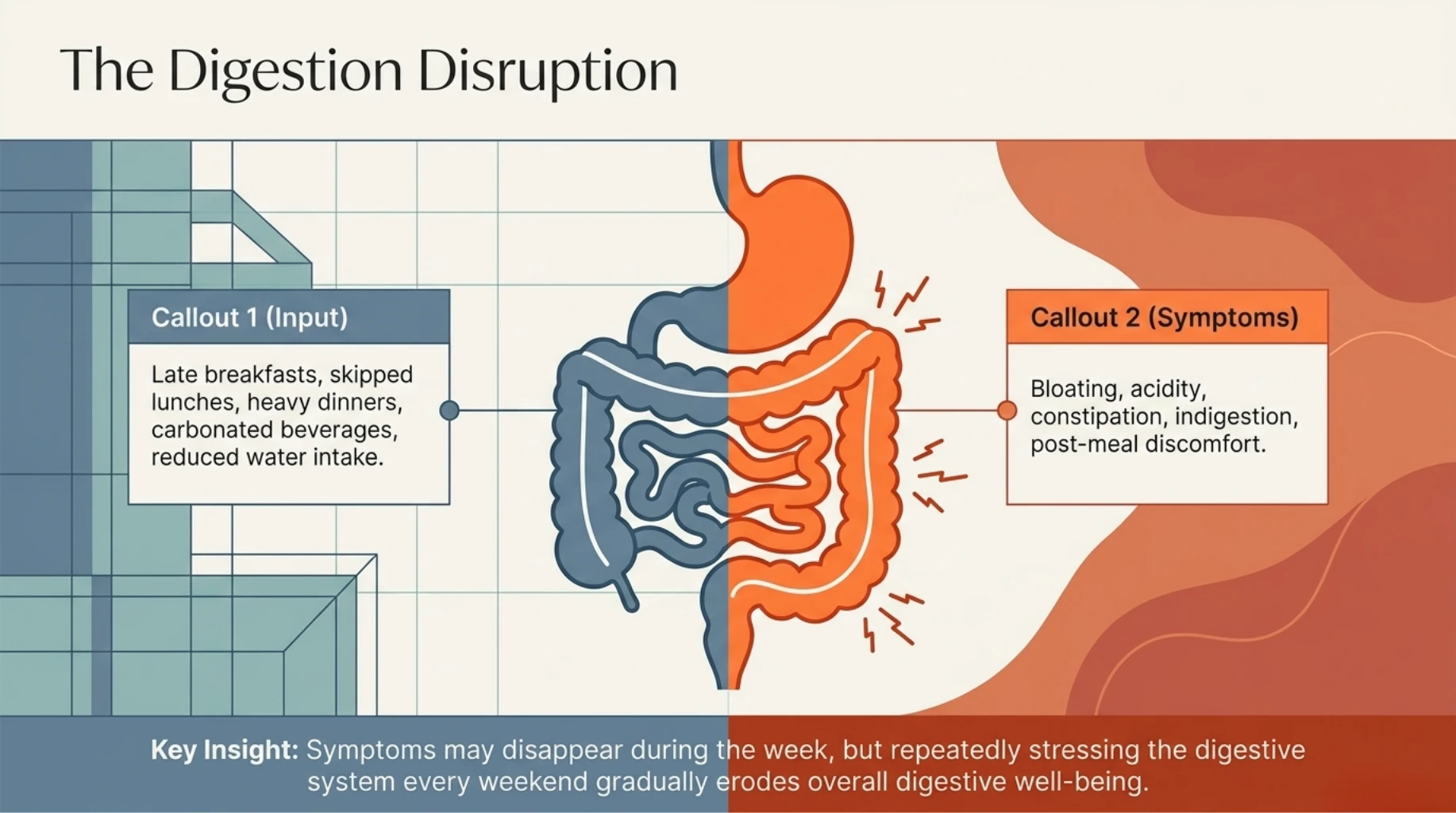
Late breakfasts, skipped lunches, heavy dinners, restaurant meals, sugary desserts, carbonated beverages, and reduced water intake may contribute to: bloating, acidity, constipation, indigestion, and discomfort after meals.
Although these symptoms may disappear during the week, repeatedly stressing the digestive system every weekend can gradually affect overall digestive well-being.
The Effect on Weight Management
Many people are surprised that they struggle to lose weight despite following healthy routines during weekdays.
One possible explanation is the cumulative effect of weekend behaviour.
Even modest calorie surpluses repeated every Saturday and Sunday may gradually offset much of the progress achieved during the rest of the week.
This does not mean occasional celebrations should be avoided.
Instead, healthier weekend lifestyle habits involve enjoying favourite foods mindfully without allowing every weekend to become a period of excessive eating.
The Real-Life Pattern Seen in Clinical Practice
Many adults describe a remarkably similar routine.
From Monday to Friday they wake up early, eat structured meals, remain reasonably active, and follow predictable schedules.
Once the weekend begins, bedtime shifts by several hours, restaurant meals become frequent, physical activity declines, and screen time increases significantly.
By Monday morning they complain of poor sleep, fatigue, bloating, low motivation, and difficulty returning to healthy routines.
When this cycle repeats throughout the year, it may gradually influence body weight, blood pressure, metabolic health, and overall well-being.
Why Children Learn Weekend Habits from Adults
Children closely observe family routines.
If weekends consistently revolve around fast food, prolonged television viewing, sugary drinks, irregular sleep, and minimal physical activity, these behaviours may gradually become normal for them as well.
On the other hand, when families include outdoor activities, home-cooked meals, regular meal timing, and quality family interaction, children often develop healthier long-term lifestyle patterns.
This is why improving weekend lifestyle habits benefits not only adults but the entire family.
Small Weekly Choices Create Long-Term Results
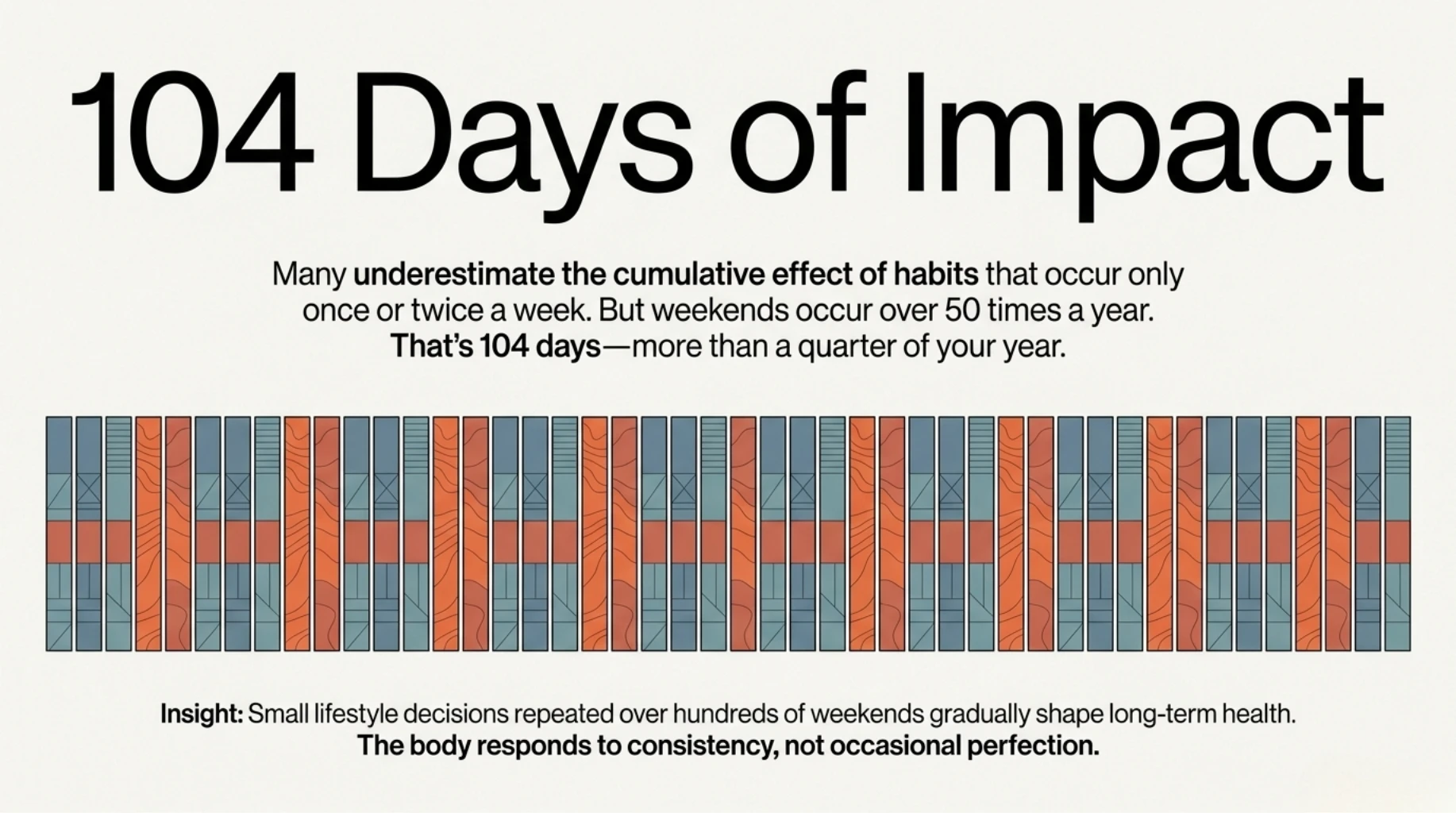
Many people underestimate the cumulative effect of habits that occur only once or twice each week.
However, weekends occur more than fifty times every year.
Small lifestyle decisions repeated over hundreds of weekends gradually shape long-term health, just as small healthy habits gradually improve it.
The body responds to consistency, and every weekend provides another opportunity to either support or challenge long-term health.
How to Build Healthier Weekend Lifestyle Habits
The goal is not to make weekends restrictive or remove the enjoyment from family time, celebrations, or relaxation. Weekends should refresh both the body and the mind.
The key is finding a balance between enjoyment and healthy routines.
Small, realistic improvements in weekend lifestyle habits can protect long-term health without making weekends feel like an extension of the workweek.
Maintain a Reasonably Consistent Sleep Schedule
One of the healthiest weekend habits is avoiding large changes in sleeping and waking times.
Sleeping an extra hour after a busy week is usually reasonable, but shifting bedtime and wake-up time by several hours every weekend can disrupt the body’s biological clock.
Keeping a fairly consistent sleep schedule supports: better energy, improved concentration, healthier appetite regulation, hormonal balance, immune function, and metabolic health.
Rather than trying to “catch up” on sleep only during weekends, aim for adequate sleep throughout the entire week.
Enjoy Favourite Foods Without Overeating
Food is an important part of family gatherings, celebrations, and social life. There is no need to completely avoid favourite dishes during weekends.
However, portion awareness and balanced meal choices make a significant difference.
Including vegetables, fruits, whole grains, lean protein, pulses, and healthy fats alongside occasional treats helps maintain better appetite control and digestive comfort.
Healthy weekend lifestyle habits focus on moderation rather than restriction.
Stay Active Even on Your Days Off
Weekends offer an excellent opportunity to move the body in enjoyable ways. Physical activity does not always need to involve a gym.
Activities such as: morning walks, cycling, swimming, badminton, yoga, dancing, gardening, hiking, or playing outdoor games with children help maintain cardiovascular fitness, muscle strength, joint mobility, and overall metabolic health.
Regular movement also improves mood and helps offset some of the effects of occasional indulgent meals.
Reduce Screen Time and Increase Recovery Time
Many people spend the entire working week in front of computers and then spend most of the weekend watching television or scrolling through mobile phones. This provides entertainment but not necessarily recovery.
Healthy weekend lifestyle habits include activities that allow the brain to relax, such as spending time outdoors, reading, practicing hobbies, meeting friends face-to-face, or simply enjoying quiet family time.
Mental recovery is just as important as physical recovery.
Drink Enough Water Throughout the Weekend
Hydration is often overlooked during weekends.
Busy outings, shopping trips, travel, sports, and social gatherings may reduce water intake while increasing the consumption of sugary drinks or caffeinated beverages.
Maintaining good hydration supports: energy levels, digestion, kidney function, concentration, exercise performance, and overall well-being.
Simple habits such as carrying a reusable water bottle and drinking water before meals can make a noticeable difference.
Use Weekends to Prepare for a Healthy Week
One of the most effective strategies for long-term success is using part of the weekend to prepare for the coming week.
This may include grocery shopping, meal planning, preparing healthy snacks, organising exercise sessions, or setting realistic health goals.
These small preparations reduce weekday stress and make healthy choices easier to maintain.
In this way, weekend lifestyle habits become an investment in the health of the entire week ahead.
Health Is Built Through Repeated Choices
Long-term health rarely depends on one exceptional workout, one healthy meal, or one perfect weekend.
Instead, it is shaped by hundreds of small choices repeated consistently over months and years.
Because weekends occur every week, the habits followed during these two days have a powerful cumulative effect.
Improving just a few weekend routines can gradually support better sleep, healthier body weight, improved cardiovascular health, stronger immunity, better digestion, and improved mental well-being.
Putting Everything Into Perspective
Modern life is busy, and everyone deserves time to relax and enjoy weekends. However, relaxation should not come at the cost of health.
The most beneficial weekend lifestyle habits are those that combine enjoyment with recovery.
Eating well, staying active, sleeping adequately, limiting excessive screen time, spending time with loved ones, and preparing for the coming week create a healthier balance that benefits both body and mind.
Final Thought
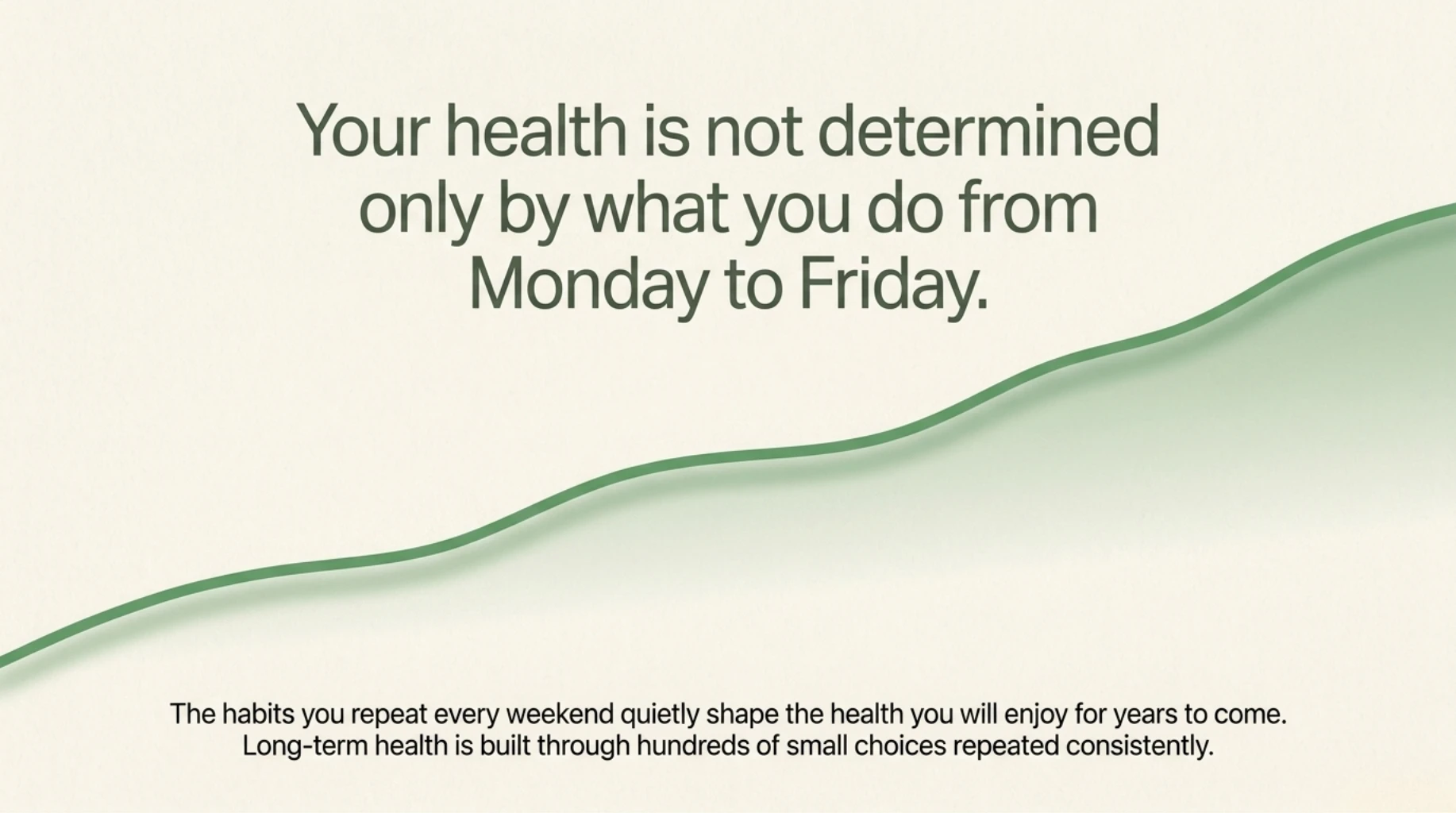
Your health is not determined only by what you do from Monday to Friday. The habits you repeat every weekend quietly shape the health you will enjoy for years to come.
If you want a personalized metabolic assessment and lifestyle strategy, you can book a consultation here:
Book an Appointment