

“Doctor, I drink water whenever I feel thirsty. Can I still be dehydrated?”
Surprisingly, the answer is yes.
Many people assume dehydration only occurs during extreme heat, heavy exercise, or severe illness. In reality, a large number of adults experience what can be described as hidden dehydration—a mild but persistent fluid deficit that develops gradually during everyday life.
Because the symptoms are subtle, hidden dehydration often goes unnoticed. Instead of causing dramatic illness, it quietly affects energy levels, concentration, physical performance, digestion, and overall well-being.

Modern lifestyles make this problem even more common. Long working hours, excessive screen time, air-conditioned environments, irregular meal patterns, caffeinated beverages, and busy schedules often reduce water intake without people realizing it.
Understanding hidden dehydration is important because maintaining proper hydration supports almost every organ system in the body, including the brain, heart, kidneys, muscles, digestive system, and metabolism.
What Is Hidden Dehydration?
Hidden dehydration refers to a mild, ongoing shortage of body water that develops slowly over time.
Unlike severe dehydration, it usually does not produce obvious warning signs such as dizziness, confusion, or collapse.
Instead, people continue with their daily routine while the body gradually adapts to functioning with less water than it needs.
Because this adaptation happens slowly, many individuals mistake the symptoms for stress, poor sleep, or simply being busy.
Why Modern Lifestyle Increases the Risk
Human physiology evolved in an environment where regular physical movement, natural food patterns, and outdoor living were common.
Modern lifestyles are very different.
Many adults spend most of the day sitting indoors in air-conditioned offices, attending meetings, travelling in vehicles, or working continuously in front of screens.
During busy workdays, drinking water often becomes an afterthought.
Some people even avoid drinking water intentionally because they do not want frequent bathroom breaks during meetings or travel.
Over weeks and months, these habits can gradually contribute to hidden dehydration.
Why Thirst Is Not Always a Reliable Indicator
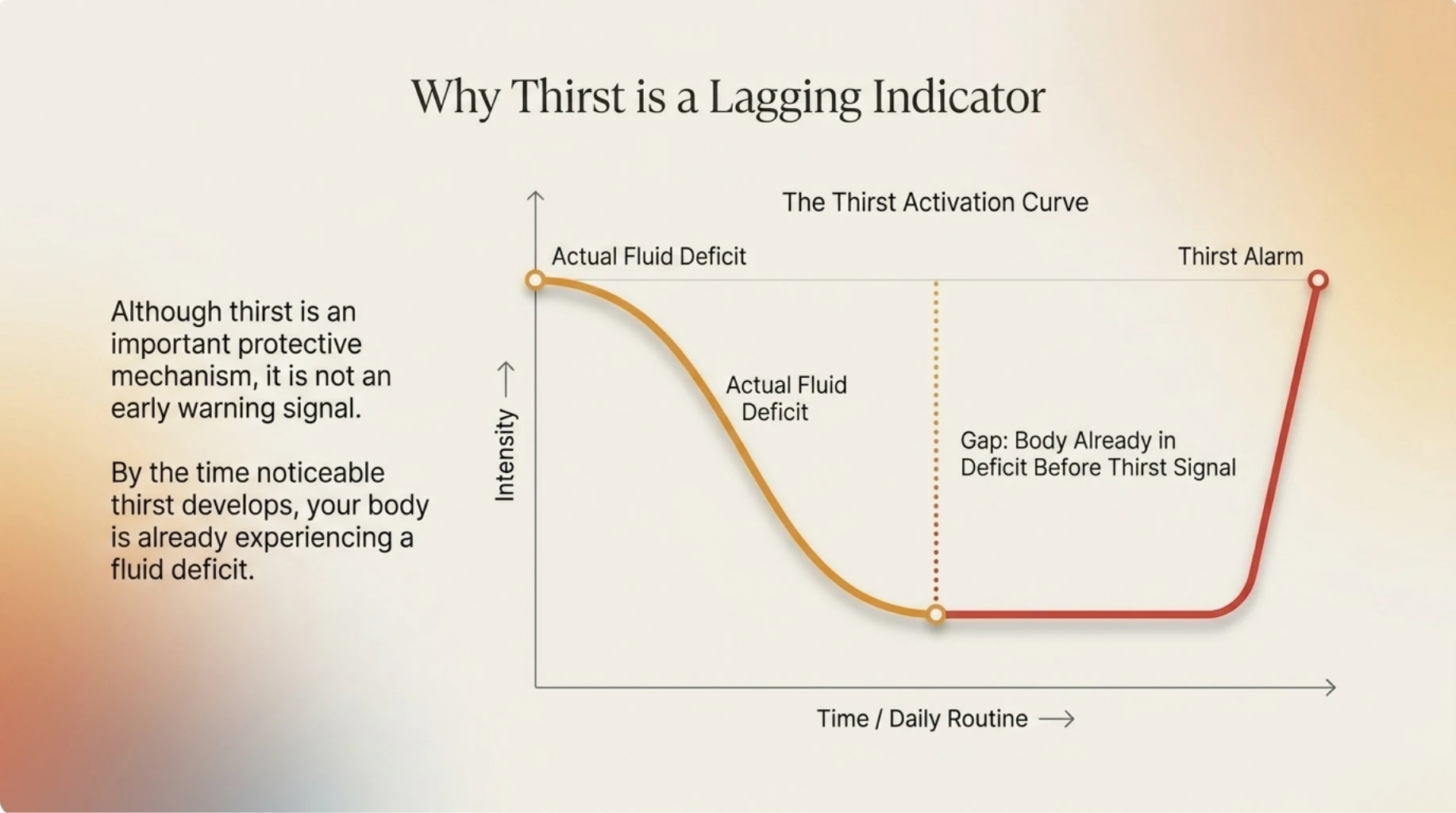
Many people believe they only need to drink water when they feel thirsty.
Although thirst is an important protective mechanism, it is not always an early warning signal.
By the time noticeable thirst develops, the body may already be experiencing a degree of fluid deficit.
This is particularly true in older adults, busy professionals, and individuals who become deeply focused on work for long periods.
Depending only on thirst may therefore result in consistently lower fluid intake than the body requires.
Early Signs That Often Go Unnoticed
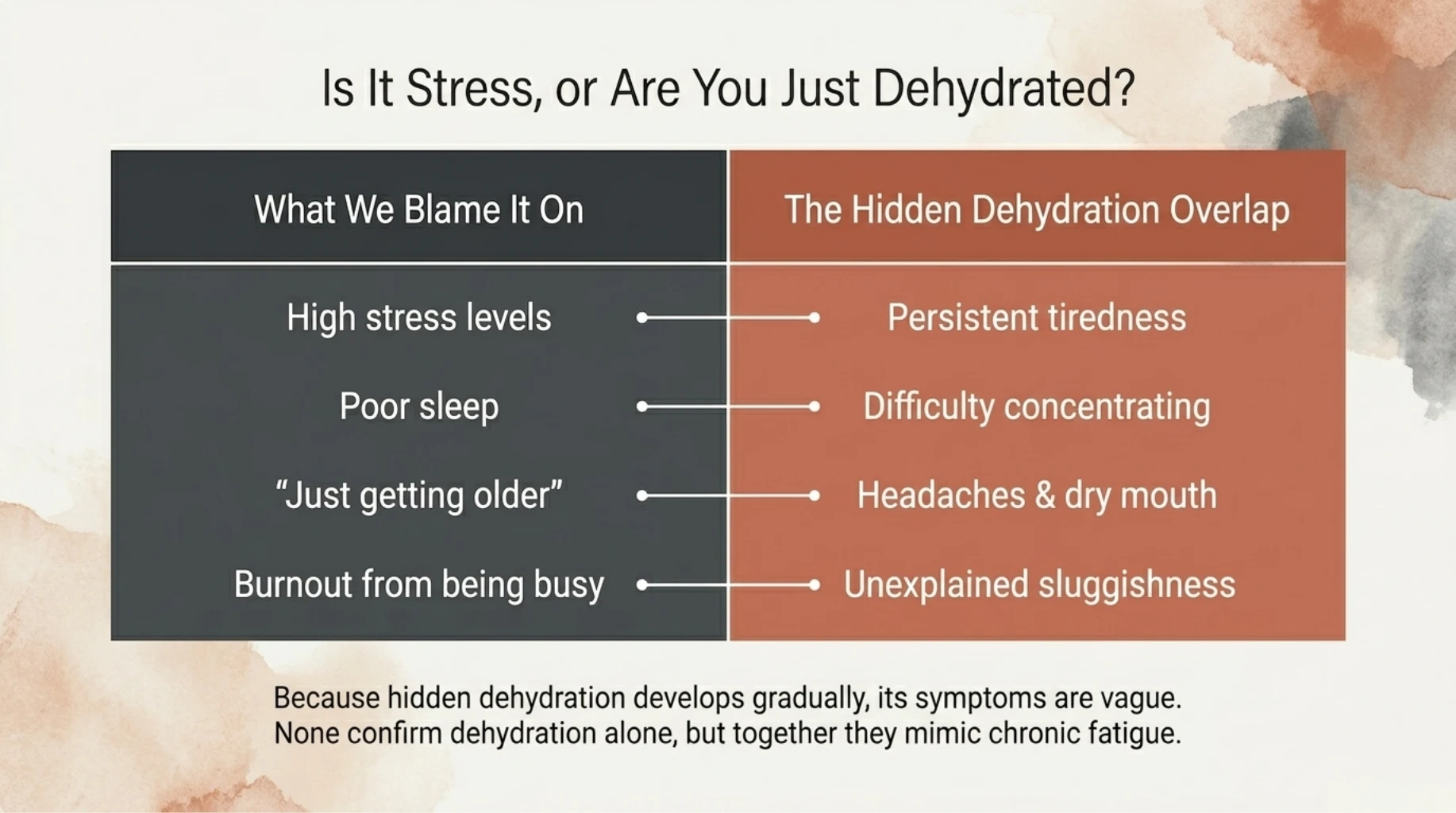
Because hidden dehydration develops gradually, its symptoms are often vague and easily ignored.
Common early signs may include: persistent tiredness, difficulty concentrating, dry mouth, headaches, constipation, reduced physical performance, darker urine, dry skin, and feeling unusually sluggish.
None of these symptoms confirm dehydration by themselves, but together they may suggest that fluid intake deserves attention.
How Dehydration Affects the Brain
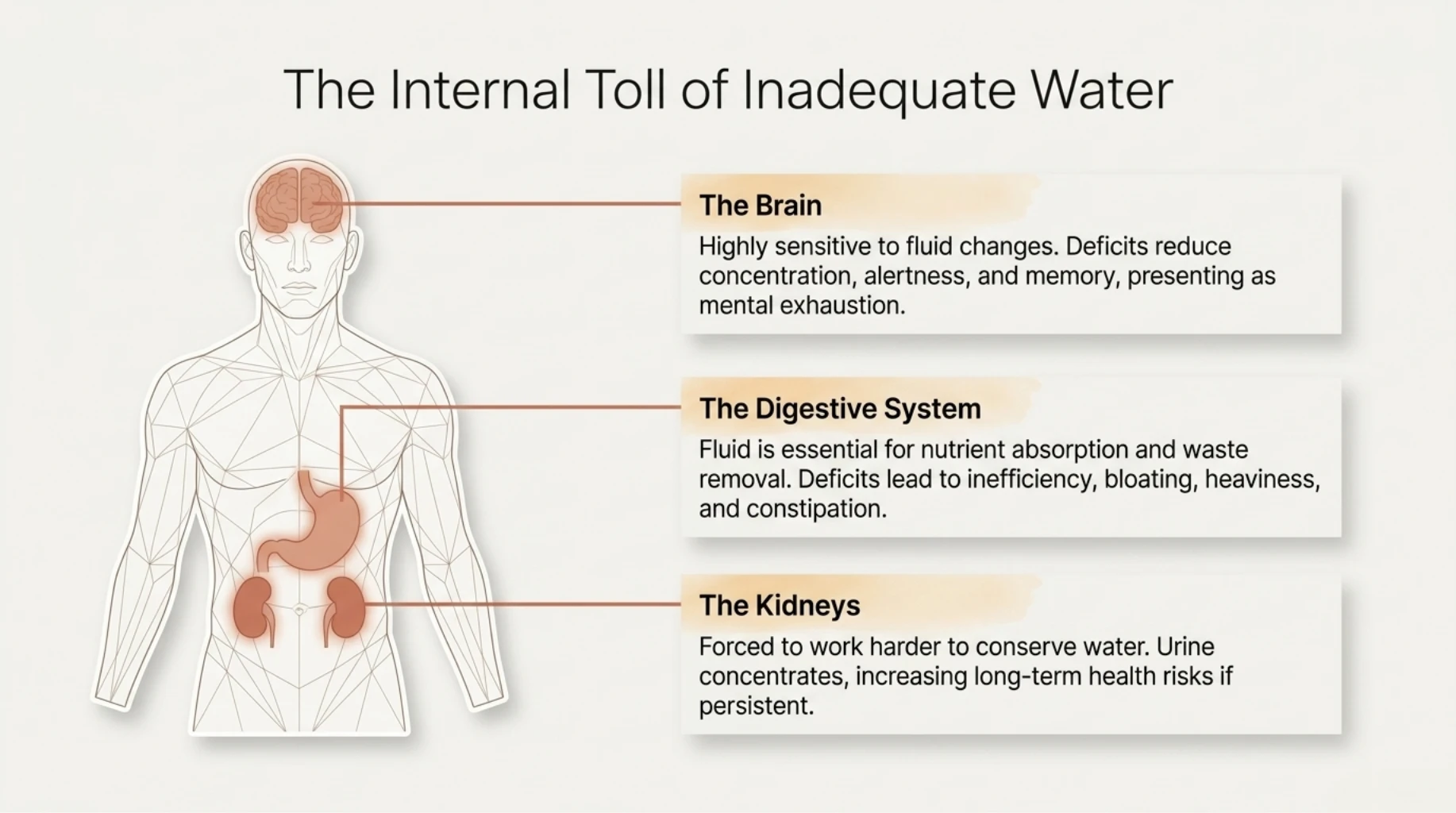
The brain is highly sensitive to changes in hydration. Even mild reductions in body water can affect concentration, alertness, memory, and mental performance.
Many individuals notice that they feel mentally exhausted during long workdays when, in reality, inadequate hydration may be contributing to reduced cognitive function.
This is one reason maintaining good hydration is important not only for physical health but also for workplace productivity.
The Effect on Digestion and Metabolism
Water plays an essential role in digestion, nutrient absorption, circulation, and waste removal.
When fluid intake remains inadequate, digestive function may become less efficient.
Some individuals experience constipation, bloating, or a feeling of heaviness that improves simply by maintaining better hydration.
Although drinking more water is not a cure for every digestive problem, adequate hydration supports normal digestive function and overall metabolic health.
Can Tea and Coffee Replace Water?
One of the most common questions patients ask is whether tea, coffee, or other beverages count toward daily fluid intake.
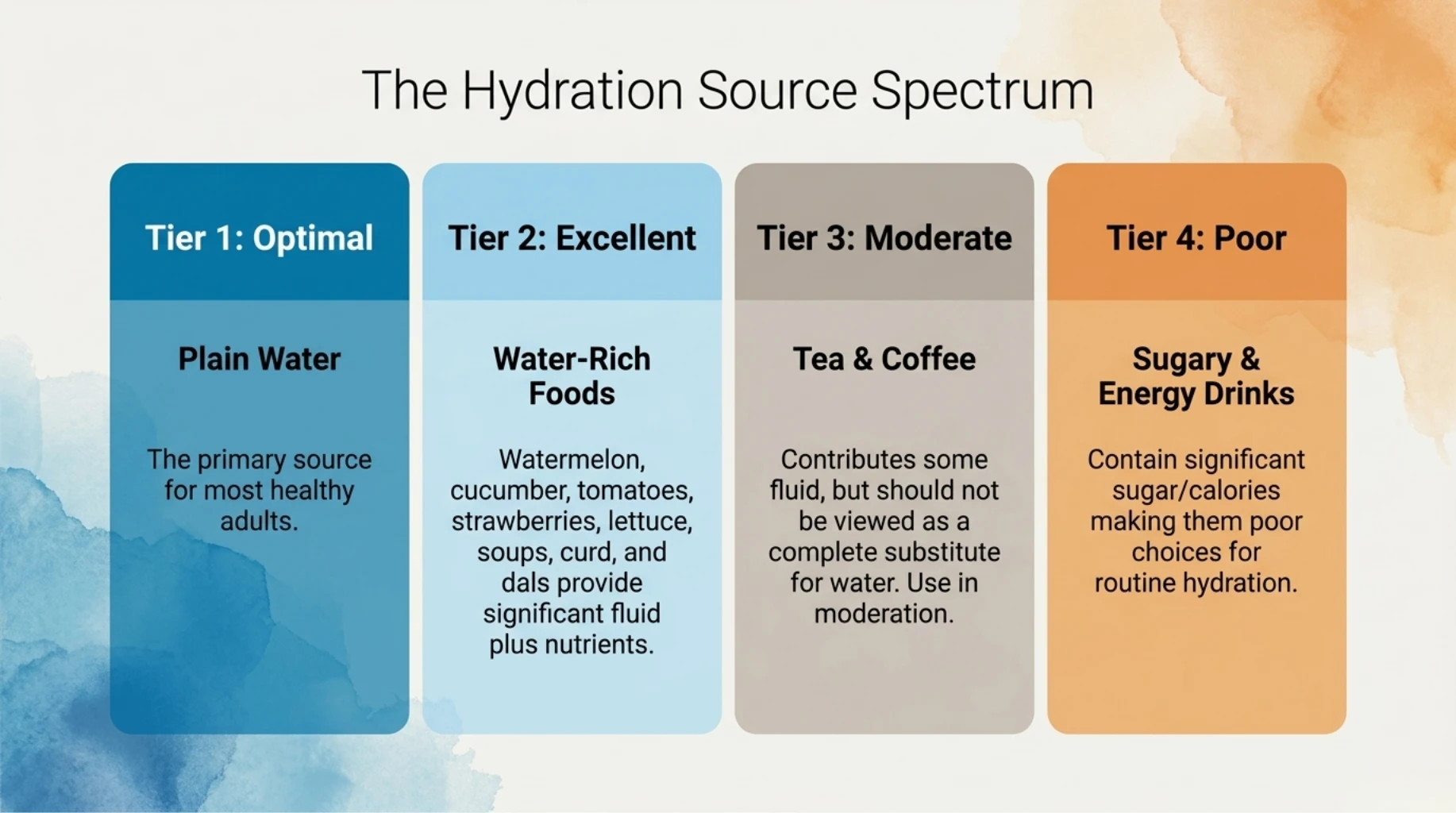
While these drinks do contribute some fluid, they should not be viewed as a complete substitute for plain water.
Many busy professionals begin their day with tea or coffee, continue drinking caffeinated beverages during office hours, and consume very little plain water throughout the day.
In addition, some specialty coffees, sugary beverages, and energy drinks contain significant amounts of sugar or calories, making them poor choices for routine hydration.
For most healthy adults, water should remain the primary source of daily hydration, while tea and coffee are best consumed in moderation.
Why Air-Conditioned Environments Increase Hidden Dehydration
Modern offices, shopping malls, homes, and vehicles are increasingly air-conditioned throughout the year.
Although air conditioning improves comfort, it also creates an environment where people may lose fluids gradually without realizing it.
Because sweating is less noticeable indoors, many individuals assume they are not losing water.
At the same time, long meetings, computer work, and continuous sitting often distract people from drinking water regularly.
This combination makes hidden dehydration particularly common among office workers.
Exercise, Sweating, and Fluid Loss
Physical activity naturally increases fluid requirements. During exercise, the body loses water through sweat as it regulates temperature.
The amount of fluid lost varies depending on weather conditions, exercise intensity, clothing, and individual physiology.
Many people complete a workout but delay rehydration because they are rushing to work or other commitments.
Repeatedly ignoring these fluid losses may contribute to persistent dehydration over time.
For individuals who perform prolonged or intense exercise, replacing both fluids and electrolytes may sometimes be necessary, depending on the duration and intensity of activity.
How Hidden Dehydration Affects Kidney Health
The kidneys depend on adequate hydration to filter waste products and maintain fluid balance.
When fluid intake remains consistently low, urine becomes more concentrated, and the kidneys have to work harder to conserve water.
Although occasional mild dehydration is usually corrected by normal drinking habits, persistent inadequate hydration may increase the risk of certain urinary problems in susceptible individuals.
Maintaining adequate water intake is therefore an important part of supporting long-term kidney health.
Does Dark Urine Always Mean Dehydration?
Urine colour provides useful clues about hydration, but it should not be interpreted in isolation.
Pale yellow urine often suggests adequate hydration, whereas darker urine may indicate that the body needs more fluids.
However, certain medications, vitamins, foods, and medical conditions can also change urine colour.
If urine remains persistently dark despite good hydration, or if it is accompanied by pain, blood, fever, or other concerning symptoms, medical evaluation is important.
Children and Older Adults Need Special Attention
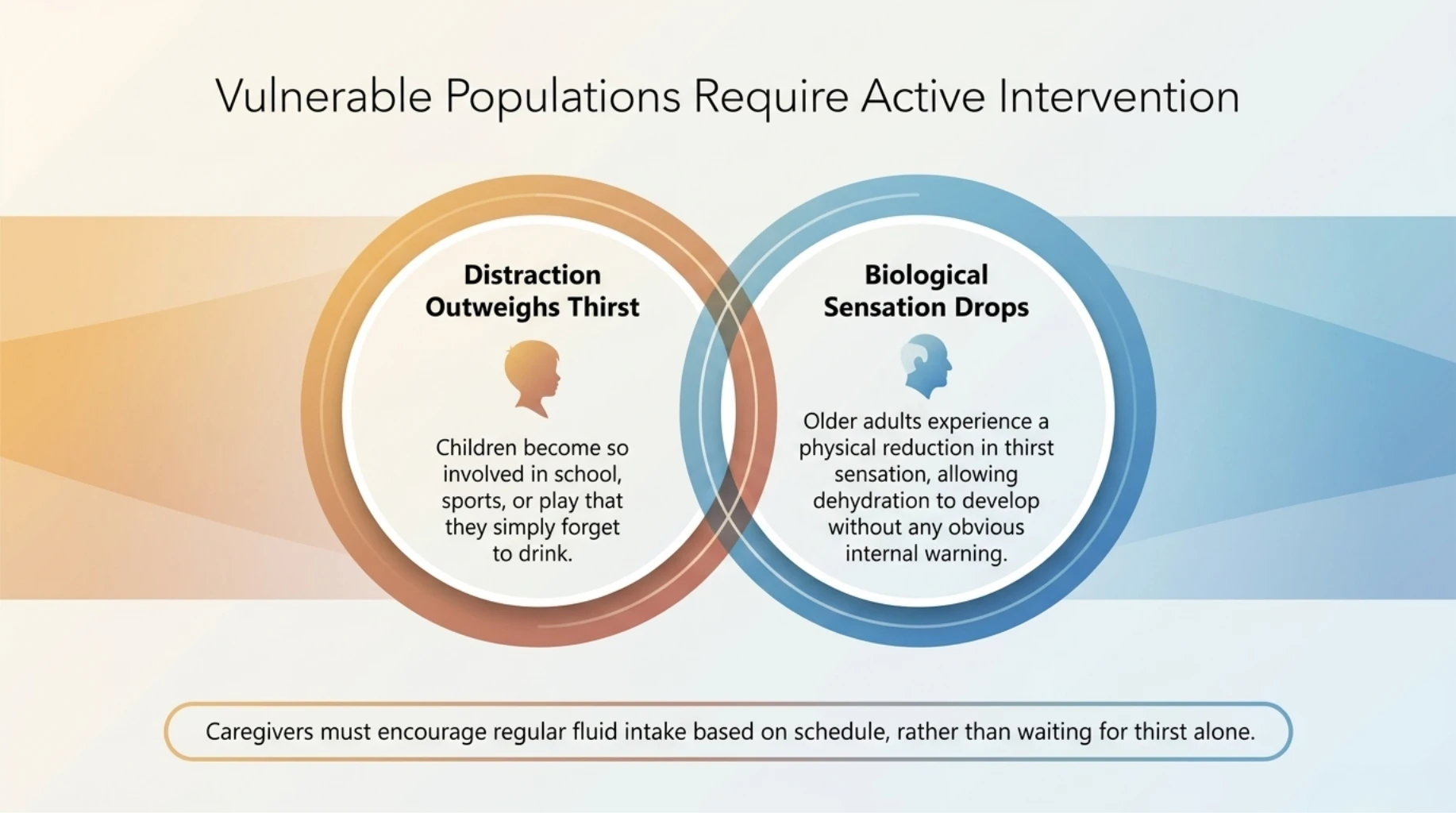
Hidden dehydration can affect people of all ages, but children and older adults deserve particular attention.
Children may become so involved in school, sports, or play that they simply forget to drink water.
Older adults, on the other hand, may experience a reduced sensation of thirst, making dehydration easier to develop without obvious warning.
Caregivers and family members should therefore encourage regular fluid intake rather than waiting for thirst alone.
The Real-Life Pattern Seen in Busy Professionals
In clinical practice, a familiar pattern is often seen.
A professional starts the day with tea or coffee, rushes through the morning, attends multiple meetings, skips regular water breaks, eats lunch quickly, and spends most of the afternoon in front of a computer.
By evening, they complain of headaches, tiredness, constipation, poor concentration, or reduced energy.
Many assume stress is the only explanation. However, after reviewing their daily routine, it becomes clear that they consumed very little plain water throughout the day.
Simple improvements in hydration often help reduce these symptoms alongside other healthy lifestyle measures.
Why Hidden Dehydration Often Goes Unrecognized
The biggest challenge with hidden dehydration is that it rarely causes dramatic symptoms.
Instead, it quietly affects day-to-day well-being.
Because fatigue, headaches, poor concentration, constipation, and dry skin are common complaints with many possible causes, dehydration is often overlooked.
This is why developing regular hydration habits is generally more effective than waiting until obvious symptoms appear.
How to Prevent Hidden Dehydration During a Busy Day
The good news is that preventing hidden dehydration usually does not require complicated strategies. Most people benefit from building simple hydration habits into their daily routine rather than trying to drink large amounts of water all at once.
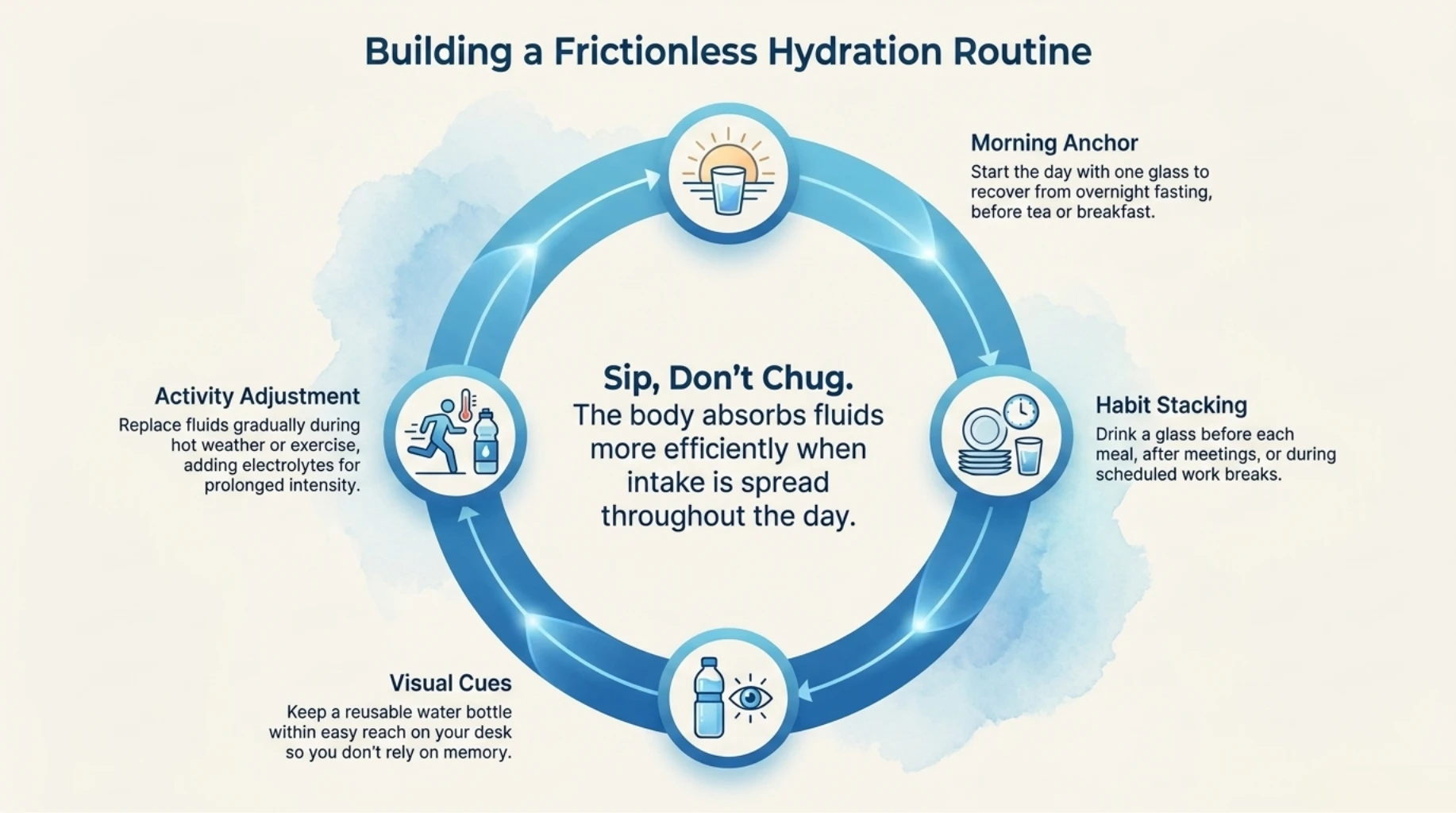
The body absorbs and utilizes fluids more efficiently when intake is spread throughout the day.
Small, regular sips during work, travel, and daily activities are often more practical than waiting until intense thirst develops.
Start Your Day with Water
After several hours of sleep, the body naturally wakes up without fluid intake for an extended period.
Beginning the morning with a glass of water is a simple habit that helps support normal hydration before tea, coffee, or breakfast.
This small routine can also encourage more consistent water intake during the rest of the day.
While there is no need to force excessive amounts of water, starting the day with adequate hydration is a sensible habit for most healthy adults.
Don’t Rely Only on Beverages
Hydration does not come only from drinking water. Many natural foods also contribute significantly to daily fluid intake.
Fresh fruits and vegetables such as watermelon, oranges, cucumber, tomatoes, muskmelon, strawberries, and lettuce contain substantial amounts of water while also providing vitamins, minerals, and fibre.
Traditional meals that include soups, curd, buttermilk, dals, and seasonal vegetables may also support hydration as part of a balanced diet.
Choosing these foods regularly can improve overall fluid intake while supporting better nutrition.
Make Hydration Part of Your Work Routine
Busy schedules often make people forget to drink water. Instead of depending on memory, it is helpful to build hydration into existing daily habits.
For example, you can drink a glass of water before each meal, after returning from a meeting, during scheduled work breaks, or after using the restroom.
Keeping a reusable water bottle within easy reach also serves as a simple visual reminder to drink regularly.
Small habits repeated consistently are usually more effective than relying on motivation alone.
Be Extra Careful During Hot Weather and Physical Activity
Fluid requirements naturally increase during hot weather, fever, outdoor work, or exercise.
Under these conditions, the body loses more water through sweating, making regular fluid replacement even more important.
Individuals who exercise for prolonged periods or perform strenuous physical work may also require electrolyte replacement in addition to water, depending on the intensity and duration of fluid loss.
The aim is to replace fluids gradually rather than waiting until significant dehydration develops.
Common Myths About Hydration
Several myths about hydration continue to circulate. One common misconception is that everyone must drink exactly the same amount of water every day.
In reality, hydration needs vary depending on age, body size, physical activity, weather conditions, health status, and diet.
Another myth is that clear urine always means perfect hydration. While urine colour can provide useful clues, hydration should be assessed alongside overall health, daily habits, and individual circumstances.
Healthy hydration is about meeting your body’s needs—not following a fixed number that applies to everyone.
When Should You Seek Medical Advice?
Mild dehydration usually improves with adequate fluid intake and correction of the underlying cause. However, persistent symptoms should not be ignored.
Medical evaluation is advisable if dehydration is associated with: persistent vomiting or diarrhoea, high fever, confusion, severe weakness, dizziness, fainting, blood in urine, significantly reduced urine output, or symptoms that do not improve despite adequate fluid intake.
Individuals with kidney disease, heart failure, liver disease, or other chronic medical conditions should also seek personalised advice because their fluid requirements may differ from those of healthy adults.
Hydration Is Part of a Healthy Lifestyle, Not a Separate Task
Many people think about hydration only during summer or after exercise. In reality, adequate hydration supports the body every day.
It works alongside healthy nutrition, regular physical activity, quality sleep, and stress management to maintain normal body function. These habits complement one another, and improving one often makes it easier to improve the others.
Putting Everything Into Perspective
Hidden dehydration rarely develops because of one missed glass of water.
It is usually the result of small daily habits—staying busy for hours without drinking, relying mainly on caffeinated beverages, working in air-conditioned environments, ignoring thirst, and postponing hydration until the end of the day.
Although each individual habit may seem insignificant, together they can gradually influence energy levels, concentration, digestion, kidney function, and overall well-being.
Fortunately, these are lifestyle factors that are relatively easy to improve with consistent attention.
Final Thought
Sometimes improving your health does not begin with a new medicine or a complicated diet. It begins with paying attention to the small daily habits, like hydration, that your body quietly depends on.
If you want a personalized metabolic assessment and lifestyle strategy, you can book a consultation here:
Book an Appointment