


General Physician vs Specialist — Why Choosing the Right Doctor Matters
You wake up with a fever, headache and body aches. Should you visit a general physician or directly consult an infectious disease specialist? Your blood sugar is elevated on a routine health checkup. Do you need an endocrinologist immediately, or can a general physician evaluate the problem first? If you experience persistent acidity or abdominal discomfort, should you book a gastroenterologist or begin with a general medical consultation?
These are common questions among patients, particularly in large cities such as Delhi, where numerous specialists and healthcare facilities are available.
Modern medicine has become increasingly specialised. Cardiologists focus on cardiovascular diseases, endocrinologists manage hormonal and metabolic disorders, gastroenterologists evaluate digestive diseases, and neurologists diagnose and treat disorders of the nervous system.
Specialisation has improved the diagnosis and treatment of complex conditions. However, it has also created confusion about where patients should begin when symptoms are new, unexplained or relatively common.
Many people assume that consulting a specialist directly will always provide better care. Others believe that a general physician is suitable only for fever, cough or minor illnesses.
Neither assumption is entirely correct.
A qualified general physician can evaluate a broad range of symptoms, identify common medical conditions, initiate appropriate treatment and recognise when specialist assessment is necessary. A specialist provides focused expertise for particular organ systems, diseases or complex clinical problems.
Both have important and complementary roles in healthcare.
The decision between a general physician vs specialist should depend on the nature of the symptoms, their severity, existing medical conditions, previous investigations and whether urgent or highly specialised treatment is required.
For many common and non-emergency health concerns, a general physician is an appropriate first point of contact. However, certain symptoms and established medical conditions require direct specialist evaluation, while potentially life-threatening symptoms require emergency care without delay.
Understanding these differences can help patients avoid unnecessary consultations, reduce fragmented care and obtain appropriate medical attention at the right time.
This article explains the roles of general physicians and specialists, the medical problems each commonly manages, situations where referral is appropriate, and how to choose the right doctor for your needs.

What Is a General Physician?
A general physician is a medical practitioner who provides broad-based medical assessment and care within their training and scope of practice.
In India, the term general physician is commonly used for doctors who evaluate common acute illnesses, chronic medical conditions and symptoms that do not initially point to one specific organ system.
However, the title itself does not establish a particular postgraduate qualification. Patients should verify the doctor’s recognised medical qualifications and registration rather than assuming that every practitioner using the title has identical training.
A general physician may evaluate fever, cough, respiratory symptoms, headache, dizziness, gastrointestinal complaints, fatigue, blood pressure abnormalities, diabetes and other common medical problems.
An important part of general medical practice is deciding which conditions can be managed safely in an outpatient setting and which require further investigations, specialist referral or emergency assessment.
The General Physician’s Role in Initial Diagnosis
Many symptoms can arise from several different medical conditions.
For example, dizziness may be related to dehydration, medication effects, blood pressure changes, vestibular disorders, anaemia or neurological conditions.
A patient may not know which specialist is appropriate because the cause has not yet been identified.
A general physician can assess the symptoms, review medical history, perform a relevant physical examination and develop a differential diagnosis.
Investigations can then be selected according to the clinical findings.
This approach may help determine whether the patient needs a cardiologist, neurologist, ENT specialist or another healthcare professional.
The General Physician’s Role in Chronic Disease Management
General physicians also participate in the ongoing care of common chronic conditions.
For example, a patient with type 2 diabetes may require glucose monitoring, cardiovascular risk assessment, kidney evaluation, medication review and lifestyle counselling.
A patient with hypertension may need confirmation of blood pressure readings, treatment adjustments and assessment of associated cardiovascular risk factors.
Depending on their qualifications and clinical experience, general physicians may coordinate these aspects of care and refer patients when specialist expertise becomes necessary.
The General Physician’s Role in Preventive Healthcare
Preventive healthcare involves identifying and reducing risks before serious complications develop.
A general physician may assess blood pressure, weight, waist circumference, glucose regulation, cholesterol-related risk, tobacco exposure, vaccination status and relevant family history.
Appropriate screening should be individualised rather than based on routinely ordering large laboratory packages.
Clinical perspective: A general physician is not simply a doctor for minor illnesses. General medical care includes initial diagnosis, management of common conditions, preventive assessment, coordination of treatment and recognition of situations requiring specialist or emergency care.
What Is a Specialist Doctor?
A specialist doctor has additional recognised training in a particular field of medicine or surgery.
Specialists develop focused expertise in diseases affecting specific organ systems, patient groups or areas of clinical practice.
Examples include cardiologists, endocrinologists, neurologists, gastroenterologists, pulmonologists, nephrologists and dermatologists.
In India, specialist qualifications and professional registration should be verified through appropriate medical regulatory sources.
Specialist training may include postgraduate and, in some fields, super-specialty education.
Why Do Patients Need Specialists?
Some conditions require investigations, procedures or treatment approaches that fall outside the usual scope of general medical practice.
For example, a patient with suspected coronary artery disease may require specialised cardiac assessment.
A person with progressive kidney dysfunction may benefit from nephrology evaluation.
Complex endocrine disorders may require detailed hormonal assessment and specialised treatment.
Specialists can provide advanced disease-specific expertise when the clinical situation warrants it.
Does Seeing a Specialist Always Mean Better Treatment?
Not necessarily.
A specialist may provide greater expertise in a particular field, but that does not mean every common symptom requires specialist assessment.
For example, an uncomplicated viral respiratory illness generally does not require direct consultation with a pulmonologist or infectious disease specialist.
Similarly, many adults with newly identified uncomplicated hypertension can initially be assessed in general medical practice.
Specialist care becomes particularly valuable when the condition is complex, severe, unusual, difficult to control or requires procedures or expertise beyond general practice.
Can a Specialist Replace a Regular General Physician?
A specialist may provide ongoing care for a particular condition, but patients with several unrelated health problems can also benefit from a physician who maintains an overview of their medical history.
For example, a cardiologist may focus on heart disease while a nephrologist addresses kidney dysfunction.
Coordinated general medical care can help integrate these recommendations, review medications and address other preventive health needs.
The best model is often collaborative rather than viewing general physicians and specialists as competing alternatives.
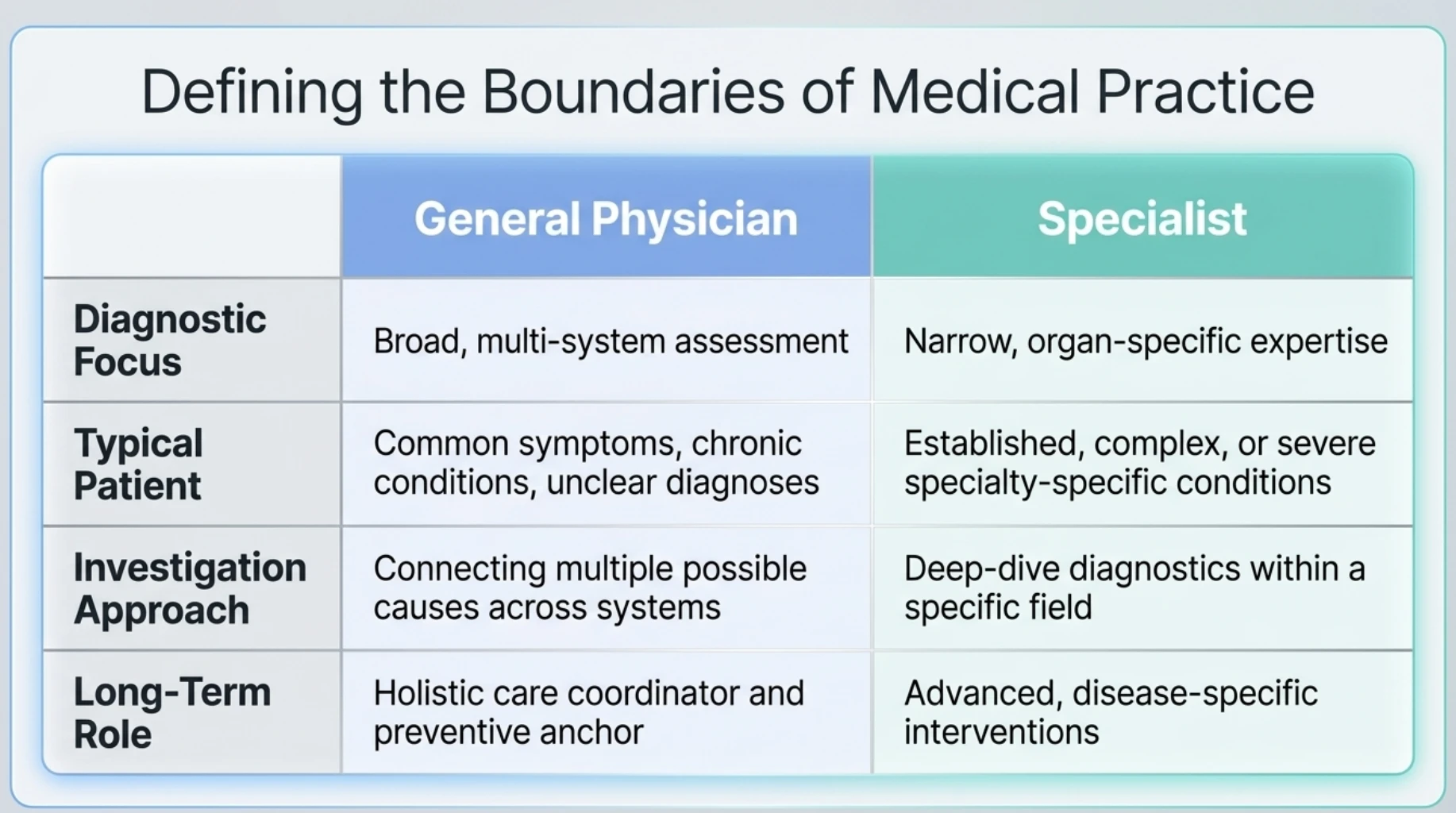
General Physician vs Specialist: Key Differences
The central difference lies in the breadth and focus of medical practice.
A general physician typically evaluates a wide range of common and initially undifferentiated medical problems. A specialist concentrates on a narrower clinical field and may provide advanced evaluation or treatment within that area.
| Feature | General Physician | Specialist Doctor |
|---|---|---|
| Primary focus | Broad medical assessment and management | Focused care within a particular specialty |
| Typical patients | People with common symptoms, chronic conditions or unclear diagnoses | People with established or suspected specialty-specific conditions |
| Medical training | Recognised medical qualification; additional training varies | Recognised postgraduate or specialty training relevant to the field |
| Diagnostic approach | Broad assessment across multiple possible causes | Focused assessment within the specialist’s field |
| Common examples | Fever, cough, hypertension, type 2 diabetes, fatigue and preventive consultations | Complex cardiac, endocrine, neurological, renal or gastrointestinal conditions |
| Long-term care | May coordinate multiple common medical conditions | May provide ongoing disease-specific care |
| Referral role | Identifies need for specialised assessment | Provides focused evaluation and may coordinate with other specialties |
| Emergency care | Recognises and directs emergencies appropriately | May provide emergency specialty care in suitable hospital settings |
These differences describe typical roles rather than strict boundaries. The services provided by an individual doctor depend on recognised qualifications, experience, facilities and scope of practice.
Why a General Physician Is Often the Right First Doctor
For many non-emergency medical problems, starting with a general physician can be clinically appropriate.
The main reason is that symptoms do not always identify the affected organ or underlying disease.
A broad initial assessment may help clarify the problem before a specialty-specific consultation is arranged.
One Symptom Can Have Several Possible Causes
Consider a patient experiencing persistent fatigue.
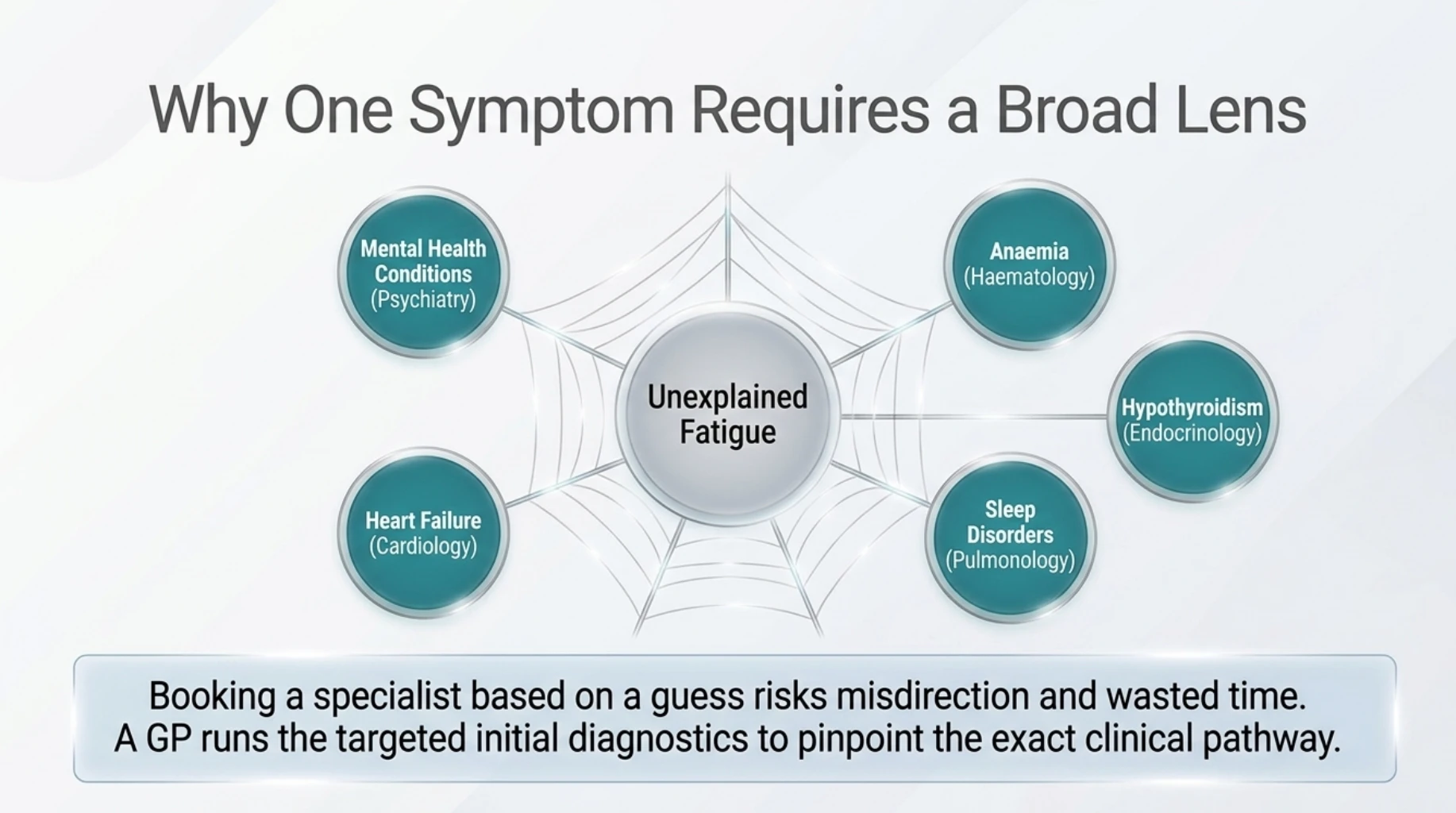
Fatigue may occur with anaemia, hypothyroidism, diabetes, sleep disorders, medication effects, mental health conditions and several other problems.
Booking an endocrinologist solely because thyroid disease is one possible cause may not be necessary before an initial assessment.
A general physician can review the symptom pattern and select investigations based on the clinical findings.
Several Health Problems May Be Connected
Obesity, hypertension, type 2 diabetes and dyslipidaemia frequently occur together.
A patient may initially seek treatment for high blood pressure but also have central obesity and previously undiagnosed glucose abnormalities.
A general medical assessment can help identify these related risks.
Where appropriate, specialist care can then be integrated into the overall treatment plan.
Not Every Symptom Requires Advanced Investigations
Many common illnesses can be diagnosed clinically or with limited investigations.
Unnecessary testing can increase costs and produce incidental findings without improving health outcomes.
A physician should recommend investigations when the results are likely to influence diagnosis or management.
Primary Care Can Support Continuity
Patients who consult the same physician over time may benefit from consistent medical records and an understanding of previous treatment responses.
This can be particularly useful for people taking several medications or managing multiple chronic conditions.
Continuity does not eliminate the need for specialist consultation. Instead, it can help coordinate care when specialists are involved.
Common Conditions Where a General Physician Can Be the First Point of Contact
The following examples illustrate situations in which an initial general medical consultation may be appropriate, provided there are no emergency warning signs.
1. Fever and Common Infections
Fever is one of the most common reasons for seeking medical care.
Possible causes include viral infections, bacterial infections and other inflammatory or medical conditions.
A general physician can assess the duration of fever, associated symptoms, exposure history, vital signs and relevant examination findings.
Depending on the presentation, investigations may be recommended for conditions such as dengue, malaria or other infections relevant to the patient’s location and circumstances.
Not every fever requires antibiotics or an extensive laboratory panel.
However, severe illness, confusion, breathing difficulty, significant dehydration or other concerning features may require urgent hospital assessment.
2. Cough, Cold and Sore Throat
Most uncomplicated upper respiratory infections can initially be evaluated in general medical practice.
The physician can assess whether the symptoms are consistent with a self-limiting illness or suggest pneumonia, asthma, another respiratory disorder or a complication.
Persistent cough, abnormal oxygen saturation, significant breathlessness or other concerning findings may justify imaging or specialist assessment.
3. High Blood Pressure
Hypertension is commonly diagnosed and managed in general medical practice.
An initial assessment should consider correct blood pressure measurement, repeated readings or out-of-office confirmation when appropriate, cardiovascular risk and relevant medical history.
Patients with resistant hypertension, suspected secondary causes, significant organ damage or complex medical conditions may need specialist evaluation.
4. Type 2 Diabetes and Prediabetes
Many adults with type 2 diabetes or prediabetes can begin assessment and management with an appropriately trained general or family physician.
Care may include glucose assessment, cardiovascular risk management, nutrition counselling, physical activity recommendations and medication when indicated.
However, suspected type 1 diabetes, severe hyperglycaemia, recurrent hypoglycaemia, complex treatment requirements or significant complications may require specialist involvement.
Diabetic ketoacidosis and hyperosmolar hyperglycaemic state are medical emergencies requiring immediate hospital care.
5. Acidity, Bloating and Common Digestive Complaints
Symptoms such as heartburn, bloating, constipation and mild abdominal discomfort are common reasons for general medical consultation.
The physician may assess dietary patterns, medication use, bowel habits and warning symptoms.
Persistent difficulty swallowing, gastrointestinal bleeding, unexplained weight loss, significant anaemia or other concerning findings may require gastroenterology assessment or urgent evaluation.
6. Headache and Dizziness
Headache and dizziness can have several possible causes, ranging from common benign conditions to serious neurological or cardiovascular disorders.
A general physician can assess symptom patterns, associated features, medication use and relevant examination findings.
A sudden severe headache, new neurological weakness, speech disturbance or altered consciousness requires emergency assessment.
7. Thyroid-Related Symptoms
Symptoms such as fatigue, constipation, weight changes and temperature intolerance may lead to consideration of thyroid dysfunction.
Initial thyroid assessment can often begin in general medical practice.
Complex thyroid disorders, difficult-to-interpret results, significant structural abnormalities or other specialised concerns may require endocrinology evaluation.
8. Obesity, Fatty Liver and Metabolic Health
Obesity and metabolic dysfunction-associated steatotic liver disease frequently coexist with insulin resistance, diabetes, dyslipidaemia and hypertension.
A general physician with appropriate experience can assess overall metabolic risk and discuss lifestyle interventions and treatment options.
Patients with suspected advanced liver fibrosis, complex obesity-related complications or specialised treatment requirements may benefit from further specialist evaluation.
General Physician or Specialist? A Practical Symptom-Based Guide
| Health Concern | Reasonable First Step | When Specialist or Emergency Care May Be Needed |
|---|---|---|
| Uncomplicated fever or cold | General physician | Severe illness, persistent unexplained fever or complications |
| Newly elevated blood pressure | General physician | Resistant hypertension, suspected secondary causes or organ damage |
| Prediabetes or uncomplicated type 2 diabetes | Appropriately trained general or family physician | Complex diabetes, significant complications or suspected type 1 diabetes |
| Persistent acidity or bloating | General physician | Alarm symptoms, persistent unexplained symptoms or suspected complex gastrointestinal disease |
| Unexplained fatigue | General physician | Specialist referral according to examination and investigation findings |
| Thyroid symptoms | General physician | Complex thyroid disease or specialised treatment needs |
| Obesity or fatty liver | General physician with relevant experience | Advanced disease, complex complications or specialised interventions |
| Sudden weakness, speech difficulty or facial drooping | Emergency department immediately | Urgent stroke evaluation |
| Severe chest pain or severe breathlessness | Emergency department immediately | Urgent evaluation for potentially life-threatening causes |
This table provides general educational guidance and cannot replace individual clinical assessment.
When Should You See a Specialist Instead of a General Physician?
Although a general physician is often an appropriate first point of contact for common medical concerns, certain conditions require specialist expertise.
The decision to consult a specialist should not depend solely on the name of the symptom. It should consider its severity, duration, associated findings, previous diagnoses and the possibility of a serious underlying condition.
For example, mild intermittent acidity may initially be assessed by a general physician. However, persistent difficulty swallowing, gastrointestinal bleeding or unexplained weight loss may require urgent investigation and specialist evaluation.
Similarly, uncomplicated hypertension can often be managed in general medical practice, whereas resistant hypertension or suspected secondary causes may require more specialised assessment.
The distinction between a general physician vs specialist is therefore not simply about which doctor is more qualified. It is about matching the patient’s clinical needs with the appropriate level of medical expertise.
When Is Direct Specialist Consultation Reasonable?
Direct specialist consultation may be appropriate when a patient already has an established diagnosis requiring specialised care, has been advised to see a particular specialist, or develops symptoms strongly suggesting a condition that needs focused evaluation.
Patients may also choose direct specialist consultation for a second opinion or because they have an existing relationship with a specialist managing their condition.
However, emergency symptoms should be evaluated through emergency medical services rather than waiting for an outpatient specialist appointment.
1. General Physician vs Cardiologist: Who Should You Consult for Heart-Related Symptoms?
Cardiovascular symptoms are among the most common reasons patients become uncertain about whether to consult a general physician or a specialist.
High blood pressure, palpitations, chest discomfort, breathlessness and abnormal cholesterol levels may raise concerns about heart disease.
However, these symptoms and risk factors do not always indicate a primary cardiac disorder.
When Can a General Physician Help?
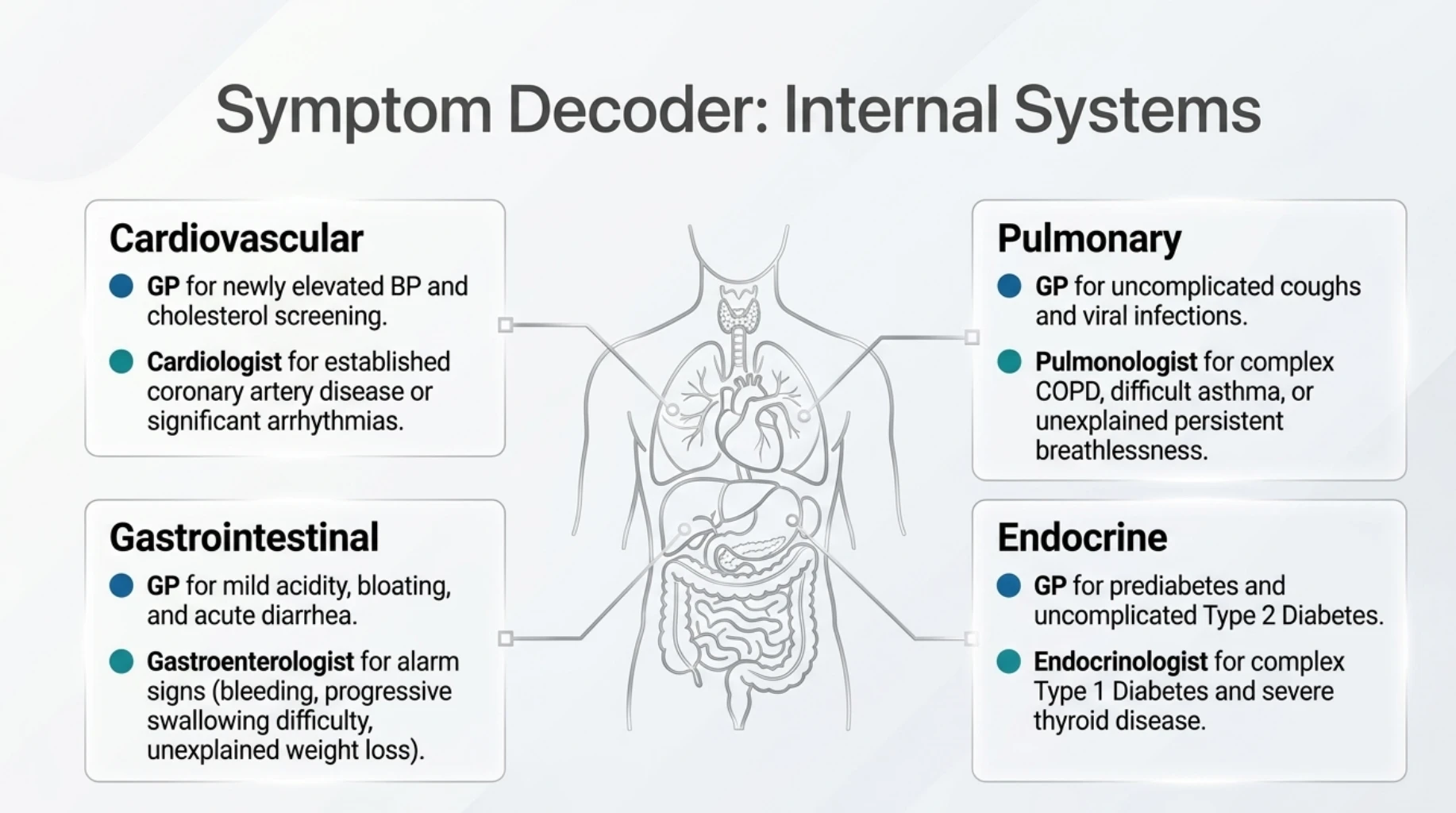
A general physician can evaluate many patients with elevated blood pressure, dyslipidaemia, cardiovascular risk factors and selected non-emergency symptoms.
The assessment may include medical history, blood pressure measurement, physical examination and appropriate investigations.
For patients with hypertension, the physician may consider home or ambulatory blood pressure monitoring when necessary to confirm the diagnosis or evaluate treatment response.
Cardiovascular prevention also involves assessing diabetes, tobacco exposure, obesity, physical activity and family history.
When Should You See a Cardiologist?
Cardiology evaluation may be appropriate for patients with established coronary artery disease, heart failure, significant arrhythmias, suspected structural heart disease or complex cardiovascular conditions.
Patients with persistent unexplained palpitations, recurrent fainting or concerning findings on examination or ECG may also require specialist assessment.
However, the urgency of referral depends on the clinical presentation.
Chest Pain: General Physician or Cardiologist?
Chest pain should never be assumed to be acidity or muscular discomfort without considering potentially serious causes.
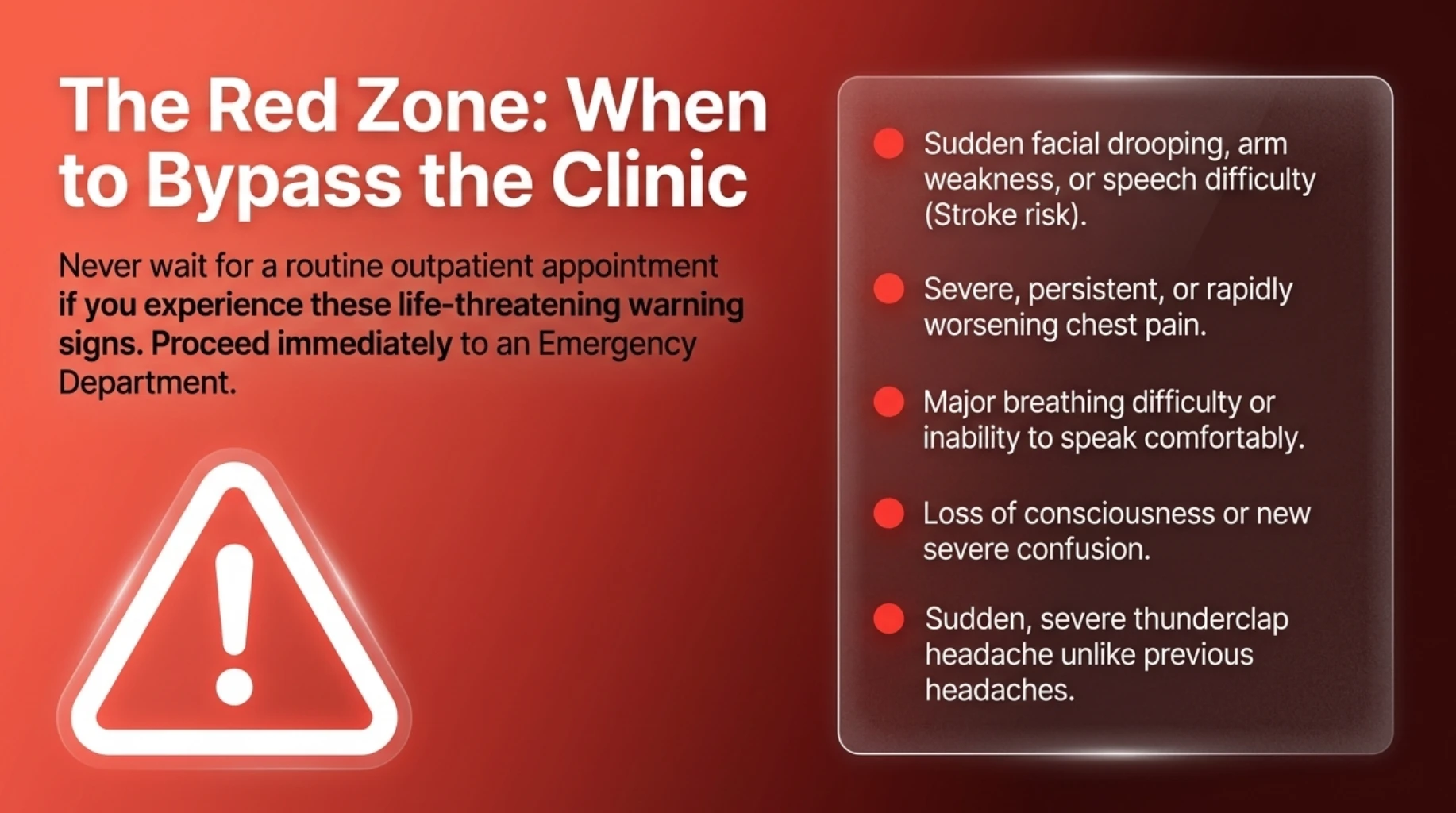
New, severe, persistent or concerning chest pain, especially when associated with sweating, breathlessness, faintness or pain radiating to the arm or jaw, requires emergency assessment.
Patients should not wait for a routine cardiology appointment when a heart attack or another serious condition is possible.
For stable, non-emergency symptoms, a clinician can determine whether cardiac testing or specialist referral is appropriate.
Does High Cholesterol Require a Cardiologist?
Not necessarily.
Many patients with dyslipidaemia can be assessed and treated in general medical practice according to cardiovascular risk and applicable clinical guidelines.
Specialist assessment may be useful in selected cases involving suspected familial hypercholesterolaemia, severe lipid abnormalities, treatment intolerance or complex cardiovascular disease.
Clinical takeaway: A general physician can manage many cardiovascular risk factors, but suspected serious cardiac disease requires appropriate specialist or emergency assessment. Severe chest pain should never wait for a routine appointment.
2. General Physician vs Endocrinologist: Who Should Manage Diabetes and Thyroid Disorders?
Endocrinologists specialise in hormonal and metabolic disorders, including complex diabetes, thyroid disease, adrenal disorders, pituitary disease and other endocrine conditions.
However, not every patient with diabetes, obesity or an abnormal thyroid test requires immediate endocrinology consultation.
Can a General Physician Manage Type 2 Diabetes?
Many adults with uncomplicated type 2 diabetes can receive appropriate care from a general or family physician with relevant training and experience.
Management may include assessment of glycaemic control, cardiovascular risk, kidney function, medication requirements, nutrition, physical activity and weight-related concerns.
Diabetes management should be individualised according to the patient’s age, associated conditions, treatment response and risk of hypoglycaemia.
When Should You See an Endocrinologist for Diabetes?
Specialist evaluation may be appropriate when diabetes is difficult to control, the diagnosis is uncertain, insulin treatment is complex or significant complications are present.
Suspected type 1 diabetes, recurrent severe hypoglycaemia and complex treatment requirements are important reasons to consider specialist involvement.
Diabetic ketoacidosis and hyperosmolar hyperglycaemic state require emergency hospital management rather than routine outpatient consultation.
What About Prediabetes?
Prediabetes can often be assessed and managed in general medical practice.
Management usually focuses on evaluating metabolic risk, improving dietary quality, increasing physical activity, addressing excess weight when relevant and monitoring glucose regulation.
Specialist referral may be considered when the diagnosis is uncertain or additional endocrine problems are suspected.
Does Every Thyroid Problem Require an Endocrinologist?
No. Many cases of straightforward primary hypothyroidism can be diagnosed and managed by appropriately trained general physicians.
However, complex thyroid dysfunction, suspected central hypothyroidism, significant thyroid nodules, complicated hyperthyroidism or other specialised concerns may require endocrinology assessment.
Thyroid disease during pregnancy may also require closer coordination with appropriate specialists.
Should Patients With Obesity Consult an Endocrinologist?
Obesity is a chronic, multifactorial condition and does not automatically indicate a hormonal disorder.
A general physician experienced in medical weight management may assess associated metabolic conditions, lifestyle factors and appropriate treatment options.
Endocrinology consultation may be useful when a secondary endocrine cause is suspected or when obesity-related treatment is particularly complex.
Patients considering prescription weight-management medicines require an individual assessment of indications, contraindications, benefits and adverse effects.
Clinical takeaway: Uncomplicated type 2 diabetes, prediabetes and selected thyroid disorders can often be managed in general medical practice. Complex endocrine conditions benefit from specialist expertise.
3. General Physician vs Gastroenterologist: Who Should You See for Digestive Problems?
Digestive symptoms are extremely common and can arise from several different conditions.
Heartburn, bloating, constipation, diarrhoea, abdominal discomfort and changes in bowel habits may be associated with dietary factors, medications, functional gastrointestinal disorders, infections or structural disease.
Not every digestive complaint requires immediate gastroenterology consultation.
When Can a General Physician Help?
A general physician can initially assess many patients with uncomplicated reflux symptoms, constipation, acute diarrhoea and nonspecific abdominal discomfort.
The assessment may include symptom duration, dietary history, medication use, bowel habits and relevant examination findings.
Management depends on the likely cause and may include appropriate medicines, hydration advice, dietary changes or selected investigations.
When Should You See a Gastroenterologist?
Gastroenterology assessment may be appropriate for persistent or recurrent symptoms that do not respond to initial treatment, suspected inflammatory bowel disease, significant gastrointestinal bleeding or conditions requiring endoscopy.
Alarm features such as progressive difficulty swallowing, unexplained weight loss, iron-deficiency anaemia or persistent vomiting require timely evaluation.
The urgency depends on symptom severity and the possibility of serious disease.
Does Persistent Acidity Always Require Endoscopy?
No. Endoscopy is not automatically necessary for every patient with heartburn or reflux symptoms.
The decision depends on age, symptom characteristics, treatment response, alarm features and other risk factors.
Unnecessary endoscopy may add cost without improving care, while delaying indicated endoscopy can also be harmful.
When Is Abdominal Pain an Emergency?
Severe or rapidly worsening abdominal pain, especially with fainting, persistent vomiting, gastrointestinal bleeding, a rigid abdomen or other concerning findings, may require emergency assessment.
Patients should not wait for a routine gastroenterology appointment when an acute abdominal emergency is possible.
4. General Physician vs Neurologist: Who Should You See for Headache, Dizziness or Numbness?
Neurologists specialise in disorders affecting the brain, spinal cord, peripheral nerves and related neurological systems.
However, headache, dizziness and tingling sensations do not always indicate a primary neurological disease.
When Can a General Physician Help?
A general physician can evaluate many patients with recurrent headaches, nonspecific dizziness and selected sensory symptoms.
The assessment may consider blood pressure, hydration, medications, sleep, glucose regulation, neurological findings and other relevant causes.
Many patients with typical migraine or tension-type headache can begin evaluation in general medical practice.
When Should You See a Neurologist?
Neurology consultation may be appropriate for suspected epilepsy, progressive neurological symptoms, unexplained neuropathy, difficult-to-control migraine or other complex neurological conditions.
Patients with persistent weakness, abnormal neurological examination findings or concerning changes in headache patterns may require further evaluation.
What Are Neurological Emergency Warning Signs?
Sudden facial drooping, weakness on one side of the body, speech difficulty, sudden visual loss or other abrupt neurological deficits may indicate stroke.
These symptoms require immediate emergency assessment, even if they improve quickly.
A sudden severe headache reaching maximum intensity rapidly, particularly when different from previous headaches, may also require emergency evaluation.
Do not wait for an outpatient neurologist appointment when a stroke or another serious neurological condition is suspected.
5. General Physician vs Pulmonologist: Who Should You See for Cough and Breathing Problems?
Pulmonologists specialise in respiratory diseases involving the lungs and airways.
Common respiratory symptoms include cough, wheezing, breathlessness, chest discomfort and reduced exercise tolerance.
However, respiratory symptoms may also arise from cardiovascular disease, anaemia, obesity, medication effects and other medical conditions.
When Can a General Physician Help?
A general physician can assess many uncomplicated respiratory infections and selected patients with asthma or other established respiratory conditions, depending on their clinical competence.
Assessment may include symptom history, respiratory examination, oxygen saturation and appropriate investigations.
When Should You See a Pulmonologist?
Specialist assessment may be appropriate for persistent unexplained cough, difficult-to-control asthma, suspected interstitial lung disease, complex COPD, recurrent respiratory problems or abnormal imaging findings.
Patients with suspected sleep-related breathing disorders may also require evaluation by an appropriately trained specialist.
Does Snoring Require a Pulmonologist?
Occasional snoring does not automatically indicate obstructive sleep apnoea.
However, loud habitual snoring accompanied by witnessed breathing pauses, excessive daytime sleepiness or relevant cardiometabolic risk factors may justify further assessment.
Obstructive sleep apnoea can be evaluated through appropriate sleep medicine pathways, which may involve pulmonologists, ENT specialists or other trained clinicians.
When Is Breathlessness an Emergency?
Severe or rapidly worsening breathlessness, particularly with chest pain, confusion, blue discolouration or inability to speak comfortably, requires emergency assessment.
6. General Physician vs Nephrologist: Who Should You See for Kidney Problems?
Nephrologists specialise in kidney diseases, including complex chronic kidney disease, glomerular disorders, electrolyte abnormalities and conditions requiring advanced renal treatment.
However, not every abnormal creatinine result requires immediate nephrology consultation.
When Can a General Physician Help?
A general physician can initially evaluate many patients with mildly abnormal kidney-related laboratory results, particularly when associated with diabetes, hypertension, dehydration or medication use.
Assessment may include reviewing previous creatinine values, estimating kidney function, checking urine albumin and evaluating relevant risk factors.
Kidney function should be interpreted according to the patient’s age, clinical circumstances and changes over time.
When Should You See a Nephrologist?
Referral may be appropriate for significantly reduced kidney function, rapid deterioration, persistent substantial albuminuria, suspected glomerular disease, difficult electrolyte abnormalities or uncertain kidney diagnoses.
The exact referral threshold depends on the patient’s overall risk and applicable kidney disease guidelines.
Does Foamy Urine Always Mean Kidney Disease?
No. Foamy urine can occur for several reasons and is not by itself diagnostic of proteinuria.
However, persistent foamy urine, particularly in someone with diabetes, hypertension or swelling, may justify urine testing and kidney assessment.
When Are Kidney Problems an Emergency?
Severe reduction in urine output, serious electrolyte disturbances, pulmonary oedema, rapidly worsening kidney function or other severe complications may require urgent hospital assessment.
7. General Physician vs Dermatologist: Who Should You See for Skin Problems?
Dermatologists specialise in diseases affecting the skin, hair and nails.
Common skin concerns include acne, eczema, fungal infections, rashes, pigmentation changes and hair loss.
When Can a General Physician Help?
A general physician may evaluate uncomplicated skin complaints and recognise when specialised dermatological assessment is necessary.
However, accurate diagnosis is important because different skin conditions can look similar while requiring different treatments.
When Should You See a Dermatologist?
Dermatology consultation may be appropriate for persistent or recurrent rashes, severe acne, unexplained hair loss, suspicious skin lesions, complex inflammatory skin disease or conditions that have not responded to initial treatment.
Why Should Steroid Combination Creams Be Used Carefully?
Inappropriate use of topical corticosteroids, particularly mixed creams containing steroids and other medicines, can worsen or mask certain skin infections.
Patients should avoid prolonged unsupervised use of such products.
When Is a Skin Problem an Emergency?
A rapidly spreading rash associated with fever, extensive blistering, mucosal involvement or signs of severe allergic reaction requires urgent medical assessment.

8. General Physician vs ENT Specialist: Who Should You See for Ear, Nose and Throat Problems?
ENT specialists, also called otorhinolaryngologists, evaluate disorders involving the ears, nose, throat and related structures.
Many uncomplicated sore throats, colds and upper respiratory infections can initially be assessed by a general physician.
However, persistent hoarseness, recurrent ear problems, significant hearing changes, chronic sinus symptoms or suspected structural conditions may require ENT assessment.
When Is Sudden Hearing Loss Urgent?
Sudden unexplained hearing loss, particularly in one ear, requires prompt medical evaluation because certain causes are time-sensitive.
Patients should not wait several weeks to see whether hearing returns spontaneously.
When Does a Sore Throat Require Emergency Care?
Difficulty breathing, inability to swallow saliva, rapidly progressive neck swelling or other signs of airway compromise require emergency assessment.
9. General Physician vs Orthopaedic Specialist: Who Should You See for Joint and Back Pain?
Back pain, knee pain, shoulder discomfort and other musculoskeletal symptoms are common reasons for medical consultation.
Many cases can initially be assessed by a general physician, particularly when symptoms are mild and there is no major injury or neurological deficit.
When Can a General Physician Help?
The physician may assess pain location, duration, associated stiffness, recent injury, functional limitations and relevant neurological findings.
Initial management may involve appropriate pain relief, activity advice and selected investigations when indicated.
When Should You See an Orthopaedic Specialist?
Orthopaedic assessment may be appropriate for suspected fractures, significant joint injuries, severe structural problems or persistent symptoms requiring specialised evaluation.
Some inflammatory joint conditions may be better evaluated by a rheumatologist rather than an orthopaedic surgeon.
When Is Back Pain an Emergency?
New urinary retention, loss of bowel or bladder control, saddle numbness or rapidly progressive leg weakness can indicate serious spinal nerve compression.
These symptoms require emergency assessment.
10. General Physician vs Rheumatologist: Who Should You See for Joint Pain and Autoimmune Disease?
Rheumatologists specialise in inflammatory and autoimmune conditions affecting joints, connective tissues and other organs.
Examples include rheumatoid arthritis, systemic lupus erythematosus and certain forms of inflammatory arthritis.
When Can a General Physician Help?
A general physician can evaluate common joint pain, review symptoms and perform an initial assessment.
However, persistent inflammatory joint symptoms may require specialist evaluation.
When Should You See a Rheumatologist?
Referral may be appropriate when there is persistent joint swelling, prolonged morning stiffness, suspected inflammatory arthritis, unexplained systemic inflammation or possible autoimmune disease.
Early specialist assessment is particularly important in suspected inflammatory arthritis because timely treatment can reduce the risk of joint damage.
General Physician vs Specialist: Which Doctor for Which Problem?
| Medical Concern | Common Initial Approach | Specialist When Indicated |
|---|---|---|
| High blood pressure | General physician | Cardiologist, nephrologist or another relevant specialist for complex cases |
| Type 2 diabetes | General physician with appropriate experience | Endocrinologist for selected complex cases |
| Thyroid dysfunction | General physician | Endocrinologist for complex conditions |
| Persistent digestive symptoms | General physician | Gastroenterologist |
| Recurrent or complex headaches | General physician | Neurologist |
| Persistent cough or difficult-to-control asthma | General physician | Pulmonologist |
| Progressive kidney dysfunction | General physician or direct referral according to severity | Nephrologist |
| Persistent skin disease | General physician or direct dermatology consultation | Dermatologist |
| Persistent ear, nose or throat symptoms | General physician or direct ENT consultation | ENT specialist |
| Suspected fracture or significant joint injury | Urgent injury assessment | Orthopaedic specialist |
| Suspected inflammatory arthritis | General physician with timely referral | Rheumatologist |
| Severe chest pain, stroke symptoms or major breathing difficulty | Emergency department immediately | Emergency and specialist teams as required |
The appropriate pathway depends on the severity and urgency of the condition. Patients do not need to wait for a general physician referral when emergency care is required.
When Is It Better to Consult a Specialist Directly?
Starting with a general physician is often reasonable, but it is not a compulsory step before every specialist consultation.
Direct specialist care may be appropriate when a patient already has a diagnosed condition requiring ongoing specialist management.
For example, a patient with established heart failure may have regular cardiology follow-up. Someone with advanced chronic kidney disease may be under nephrology care. A patient receiving treatment for inflammatory arthritis may require continued rheumatology supervision.
Similarly, a person with a suspicious skin lesion or sudden hearing loss may benefit from prompt specialty-specific evaluation.
The goal is not to create unnecessary barriers between patients and specialists.
Instead, healthcare should direct patients to the level of expertise appropriate for their condition.
Does Direct Specialist Consultation Always Save Time?
Not necessarily.
When the underlying cause of symptoms is unclear, patients may select a specialty that does not address the actual problem.
For example, fatigue may lead someone to consult an endocrinologist even though the underlying cause is anaemia or a sleep disorder.
Similarly, chest discomfort may be related to cardiac, gastrointestinal, pulmonary or musculoskeletal causes.
A broad initial assessment can help identify the most appropriate next step.
Can Specialist Visits Lead to Fragmented Care?
Patients with multiple chronic conditions may receive treatment from several specialists.
Each specialist may appropriately focus on a particular disease, but the overall medication regimen and preventive needs still require coordination.
Without adequate communication, prescriptions may overlap, investigations may be repeated and treatment recommendations may become difficult for the patient to follow.
A general or family physician can help coordinate care, particularly when the patient has several ongoing medical conditions.
Does Seeing a Specialist Mean You No Longer Need a General Physician?
No. General physicians and specialists often provide complementary care.
For example, a patient with diabetes and coronary artery disease may receive specialised cardiac care while continuing regular medical consultations for blood pressure, metabolic risk, medication review and preventive healthcare.
Likewise, a patient with chronic kidney disease may require nephrology follow-up while also receiving general medical care for unrelated illnesses and other health concerns.
The ideal arrangement depends on the patient’s needs and the healthcare services available.
Clear communication between healthcare professionals is important, particularly when treatment changes affect multiple conditions.
Why Choosing the Correct Doctor Can Reduce Unnecessary Investigations
One potential advantage of appropriate initial medical assessment is that investigations can be selected according to a reasonable clinical question.
For example, a patient with uncomplicated headache does not automatically require MRI of the brain.
A person with mildly elevated blood pressure does not necessarily need an echocardiogram or treadmill test.
Similarly, every patient with bloating does not require endoscopy or extensive food intolerance testing.
However, the absence of routine testing should not be confused with withholding necessary investigations.
Concerning symptoms, abnormal examination findings and significant risk factors may justify prompt diagnostic evaluation.
Good clinical practice involves balancing the risks of unnecessary testing against the risks of missing an important diagnosis.
General Physician vs Specialist: How to Decide Which Doctor to See First
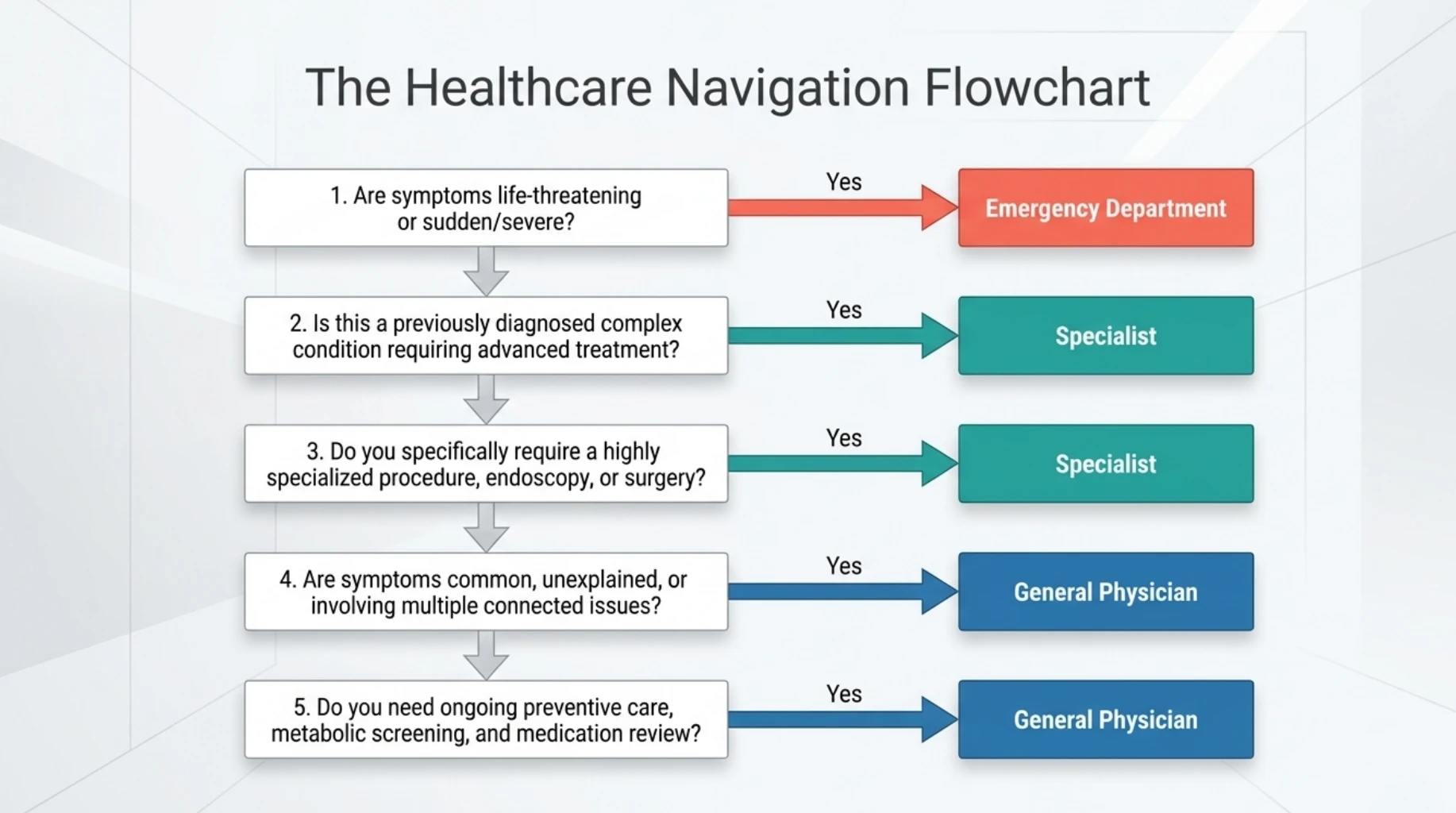
Choosing between a general physician and a specialist becomes easier when you consider three important questions: How serious are your symptoms? Do you already have an established diagnosis? Does your condition require expertise beyond general medical practice?
For many common symptoms, a general physician can provide an appropriate initial assessment. However, patients with complex or previously diagnosed conditions may benefit from direct specialist care.
The most important distinction is between routine medical problems, conditions requiring focused specialist evaluation and medical emergencies.
Step 1: Assess Whether Your Symptoms Could Be an Emergency
Before deciding which doctor to consult, consider whether the symptoms suggest a potentially life-threatening condition.
Severe chest pain, sudden neurological weakness, major breathing difficulty, loss of consciousness and uncontrolled bleeding require immediate emergency assessment.
Patients should not wait for a routine general physician or specialist appointment in these situations.
Step 2: Consider Whether the Diagnosis Is Already Known
If you have a known medical condition and are receiving ongoing specialist treatment, continuing with the relevant specialist may be appropriate.
For example, a patient with established heart failure may require regular cardiology follow-up, while someone with advanced chronic kidney disease may need continued nephrology care.
However, unrelated symptoms or general preventive concerns may still be assessed by a general physician.
Step 3: Determine Whether Your Symptoms Are Common or Unexplained
Symptoms such as fatigue, dizziness, headache, abdominal discomfort and body aches may arise from several different conditions.
When the underlying cause is unclear and there are no emergency warning signs, a broad initial assessment by a general physician may help determine the next step.
This can reduce the possibility of choosing a specialist based on an incorrect assumption about the cause.
Step 4: Consider Whether Specialist Investigations or Procedures Are Required
Some medical conditions require advanced investigations or procedures that are generally performed by specialists.
Examples include certain cardiac interventions, endoscopic procedures, complex endocrine assessments and specialised neurological investigations.
When these services are clearly indicated, specialist evaluation is appropriate.
Step 5: Consider Your Long-Term Healthcare Needs
Patients with multiple chronic conditions may benefit from a regular physician who can coordinate care, review medications and monitor overall health risks.
Specialists can then contribute focused expertise for conditions requiring additional assessment or treatment.
Practical rule: For a common, non-emergency symptom with an uncertain cause, a general physician is often a reasonable first choice. For an established complex condition or a clearly specialised problem, direct specialist care may be appropriate. For potentially life-threatening symptoms, seek emergency care immediately.
General Physician vs Family Physician vs Internal Medicine Specialist
Patients in India often encounter several overlapping medical designations, including general physician, family physician, consultant physician and internal medicine specialist.
Although these terms are sometimes used interchangeably in everyday conversation, they do not necessarily represent identical qualifications.
What Is a Family Physician?
Family medicine focuses on comprehensive, continuous and coordinated healthcare across a broad range of common medical problems.
A physician with recognised postgraduate training in family medicine may provide preventive healthcare, chronic disease management, assessment of acute illnesses and coordination with other specialists within their competence.
Family medicine particularly emphasises continuity of care and consideration of the patient’s family and social circumstances.
What Is an Internal Medicine Specialist?
An internal medicine specialist generally has recognised postgraduate training in internal or general medicine.
Internal medicine focuses on adult medical conditions, including complex and multiple diseases.
Internists may work in outpatient clinics, hospitals or specialised medical settings.
Is a General Physician Always an Internal Medicine Specialist?
No. In India, the term general physician is widely used for doctors providing general medical consultations, but it does not independently establish a postgraduate qualification in internal medicine.
Patients should verify the actual medical qualifications and registration details of the individual practitioner.
Which Doctor Is Better for Long-Term Medical Care?
There is no single answer that applies to every patient.
A qualified physician with relevant experience, sound clinical judgment, appropriate communication and accessible follow-up may provide effective long-term care.
Patients with complex conditions may also need regular specialist involvement.
| Designation | Typical Clinical Focus | Important Consideration |
|---|---|---|
| General physician | Broad assessment of common medical conditions | Verify qualifications, registration and scope of practice |
| Family physician | Comprehensive, continuous and coordinated primary care | Check any claimed recognised postgraduate family medicine qualification |
| Internal medicine specialist | Adult medical diseases, including complex conditions | Verify recognised postgraduate internal/general medicine training |
| Organ-system specialist | Focused care for particular diseases or organ systems | Confirm relevant specialist qualifications and suitability |
Does Consulting a Specialist Directly Cost More?
Consultation fees vary considerably across healthcare settings.
Specialist consultations may cost more than general medical consultations in some clinics and hospitals, but this is not a universal rule.
The total cost of healthcare also depends on investigations, procedures, medicines, follow-up visits and the complexity of the medical condition.
Choosing the least expensive consultation does not always minimise the overall cost of care.
Similarly, choosing the most expensive specialist does not guarantee a better clinical outcome.
Can Unnecessary Specialist Consultations Increase Healthcare Costs?
In some circumstances, consulting multiple specialists for symptoms that have not yet been evaluated may lead to repeated consultations or investigations.
However, direct specialist consultation can also be efficient when the diagnosis is already established or specialised assessment is clearly necessary.
The appropriate approach depends on the patient’s condition rather than an assumption that one pathway is always cheaper.
Should You Choose a Doctor Based on Consultation Fees?
Fees are an important practical consideration, but they should be assessed alongside recognised qualifications, relevant experience, accessibility and clinical suitability.
Patients should also clarify follow-up charges and whether additional investigations or procedures are likely to involve separate costs.
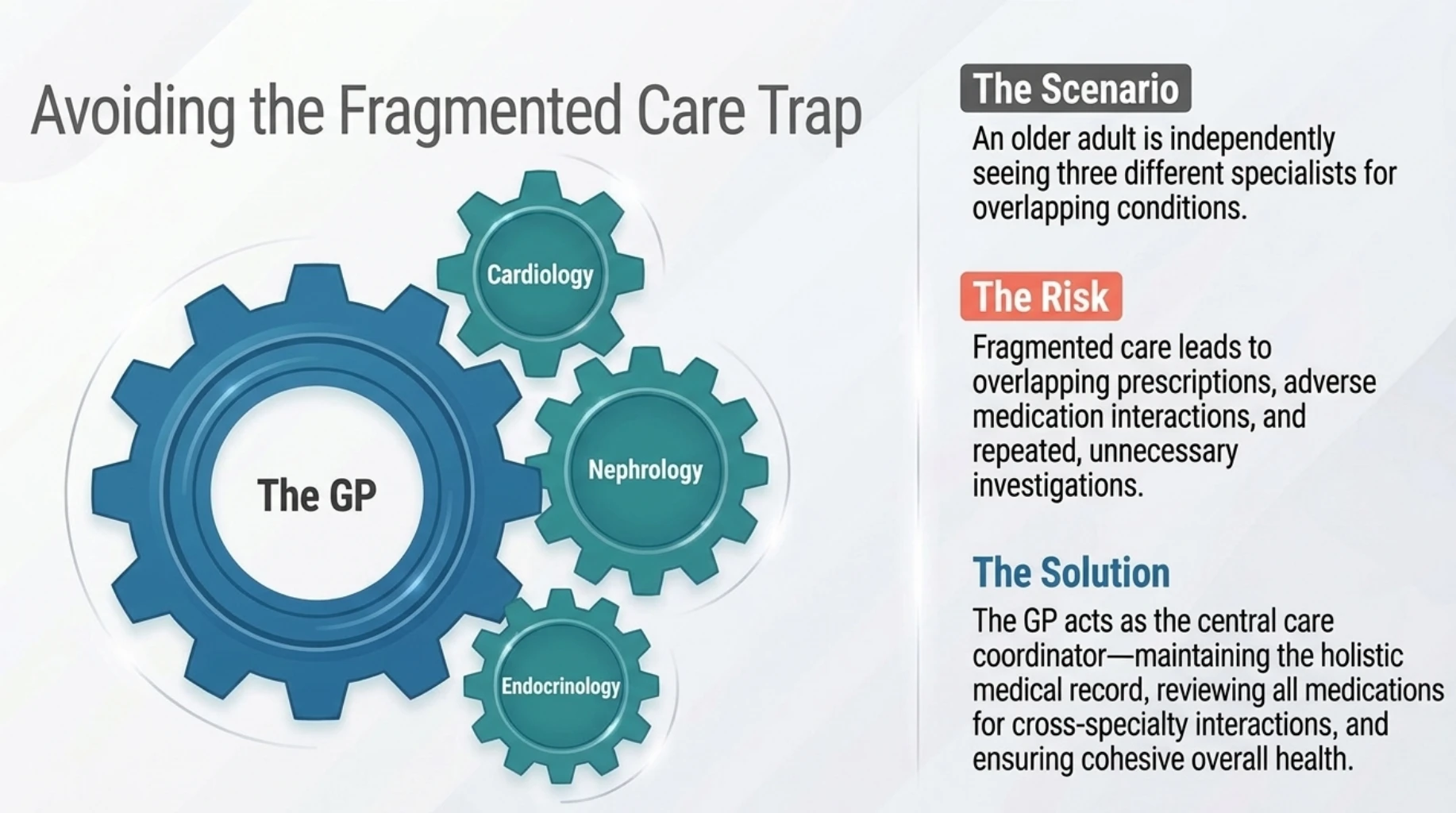
Can a General Physician Coordinate Care Between Multiple Specialists?
Yes. Coordination of medical care is an important role of general and family physicians.
Consider an older adult with type 2 diabetes, hypertension, chronic kidney disease and coronary artery disease.
The patient may receive advice from a cardiologist, nephrologist and endocrinologist.
Each specialist may appropriately focus on a particular aspect of the patient’s health.
However, medications and treatment recommendations can interact.
A general physician who has access to the patient’s complete medical history may help review prescriptions, monitor overall health and coordinate follow-up.
Why Medication Review Matters
Patients with several chronic conditions may take multiple medicines.
Some medications can affect blood pressure, kidney function, blood glucose or electrolyte balance.
Reviewing the complete medication list can help identify potential duplication, interactions and adverse effects.
Medication changes should be made by an appropriately qualified clinician after considering the patient’s overall clinical situation.
Why Sharing Medical Records Matters
Patients should retain relevant prescriptions, laboratory results, imaging reports and discharge summaries.
Sharing these records with healthcare professionals can improve continuity and reduce unnecessary repetition.
Clear communication between general physicians and specialists is especially important after hospitalisation or major changes in treatment.
General Physician vs Specialist for Preventive Healthcare
Preventive healthcare is another area where patients may be uncertain about which doctor to consult.
Should a healthy adult visit a cardiologist for heart screening? Does everyone need an endocrinologist for diabetes prevention? Is a gastroenterologist necessary for routine liver tests?
In many cases, preventive health assessment can begin in general medical practice.
Blood Pressure Screening
Blood pressure measurement is an important component of preventive healthcare.
Elevated readings should be interpreted appropriately, and out-of-office confirmation may be needed in selected patients.
Routine cardiology consultation is not necessary for every person undergoing blood pressure screening.
Diabetes Screening
Screening for type 2 diabetes should consider age, excess weight, family history, previous gestational diabetes and other relevant risk factors.
A general physician can assess whether fasting plasma glucose, HbA1c or another appropriate test is indicated.
Abnormal results should be interpreted using accepted diagnostic criteria.
Cholesterol and Cardiovascular Risk
Lipid testing can help assess cardiovascular risk in appropriate individuals.
However, treatment decisions should consider overall cardiovascular risk rather than relying on a single cholesterol value.
Not every abnormal lipid result requires cardiology consultation.
Obesity and Fatty Liver Risk
Patients with central obesity, type 2 diabetes or other metabolic risk factors may benefit from assessment for metabolic dysfunction-associated steatotic liver disease.
When fatty liver is suspected or identified, evaluation should consider the risk of advanced fibrosis rather than relying only on liver enzyme levels.
Patients at increased risk of advanced liver disease may require additional assessment or specialist referral.
Age-Appropriate Cancer Screening
Cancer screening should be based on evidence-based recommendations, individual risk and locally applicable guidance.
Routine testing with multiple tumour markers is not an appropriate substitute for recommended screening strategies.
A general physician can help discuss relevant screening options and refer patients to appropriate services.
When Should You Not Wait for Either a General Physician or a Specialist Appointment?
Some medical conditions require immediate assessment in an emergency department.
Delaying care while trying to choose between a general physician and a specialist can be dangerous when symptoms suggest a medical emergency.
| Emergency Warning Sign | Why Immediate Assessment Matters | Recommended Action |
|---|---|---|
| Severe or persistent chest pain | May indicate a heart attack or another serious condition | Seek emergency medical care immediately |
| Sudden facial drooping, arm weakness or speech difficulty | May indicate stroke | Seek emergency care immediately, even if symptoms improve |
| Severe breathing difficulty | May indicate serious respiratory or cardiovascular illness | Seek emergency assessment immediately |
| Loss of consciousness or new severe confusion | May indicate a serious neurological, metabolic or cardiovascular problem | Seek emergency care immediately |
| Uncontrolled bleeding | May lead to significant blood loss | Seek emergency care immediately |
| Severe allergic reaction with throat swelling or breathing difficulty | May indicate anaphylaxis | Seek emergency care immediately |
| Sudden severe headache unlike previous headaches | May indicate a serious intracranial condition | Seek emergency assessment immediately |
| New urinary retention with saddle numbness or progressive leg weakness | May indicate serious spinal nerve compression | Seek emergency assessment immediately |
This list is not exhaustive. Any severe, rapidly worsening or potentially life-threatening symptom warrants prompt emergency evaluation.
General Physician vs Specialist: Final Decision Checklist
The following table provides a practical summary for patients deciding where to seek care.
| Your Situation | Reasonable Choice |
|---|---|
| Common non-emergency symptoms with an uncertain cause | General physician |
| Routine management of uncomplicated hypertension or type 2 diabetes | Appropriately trained general or family physician |
| Several chronic conditions requiring coordination | General physician with specialist involvement as needed |
| Established complex disease already under specialist treatment | Continue relevant specialist follow-up |
| Symptoms strongly suggesting a condition requiring specialised assessment | Relevant specialist, with urgency determined by clinical findings |
| Need for specialised procedures or advanced disease-specific treatment | Relevant specialist |
| Uncertainty about which organ system is responsible for symptoms | General physician for initial assessment |
| Severe or potentially life-threatening symptoms | Emergency department immediately |
Frequently Asked Questions: General Physician vs Specialist
1. What Is the Main Difference Between a General Physician and a Specialist?
A general physician provides broad medical assessment and care for common or initially undifferentiated conditions. A specialist has additional recognised training in a particular medical field and provides focused expertise for conditions within that specialty.
2. Should I Visit a General Physician Before Seeing a Specialist?
For many common non-emergency symptoms, starting with a general physician is reasonable. However, direct specialist consultation may be appropriate for established complex diseases, clearly specialised problems or previously recommended follow-up.
3. Is a General Physician Less Qualified Than a Specialist?
General physicians and specialists may have different qualifications and training. The term general physician does not by itself establish a particular postgraduate qualification. The most appropriate doctor depends on the patient’s medical needs and the practitioner’s competence.
4. Can a General Physician Diagnose Serious Diseases?
A general physician may recognise signs of serious illness, initiate appropriate investigations and arrange urgent referral. Some conditions require specialist testing or hospital-based assessment to establish the diagnosis and provide treatment.
5. Can a General Physician Treat Diabetes?
Many adults with uncomplicated type 2 diabetes can be managed by appropriately trained general or family physicians. Complex diabetes, suspected type 1 diabetes or significant complications may require specialist care.
6. Should I See an Endocrinologist for Prediabetes?
Prediabetes can often be assessed and managed in general medical practice. Specialist referral may be appropriate when the diagnosis is uncertain or additional endocrine problems are suspected.
7. Can a General Physician Treat Thyroid Problems?
Many cases of straightforward primary hypothyroidism can be managed in general medical practice. Complex thyroid disorders may require endocrinology assessment.
8. Should I See a Cardiologist for High Blood Pressure?
Not every patient with hypertension needs a cardiologist. General physicians commonly manage uncomplicated hypertension. Resistant hypertension, suspected secondary causes or significant cardiovascular disease may require specialist involvement.
9. Which Doctor Should I See for Chest Pain?
New, severe, persistent or concerning chest pain requires urgent emergency assessment, particularly when associated with breathlessness, sweating or faintness. Do not wait for a routine cardiology appointment if a serious cause is possible.
10. Should I Visit a Gastroenterologist for Acidity?
Uncomplicated reflux symptoms can often be assessed by a general physician. Persistent symptoms, difficulty swallowing, gastrointestinal bleeding or other alarm features may require specialist evaluation.
11. Which Doctor Should I See for Frequent Headaches?
A general physician can initially evaluate many common headache disorders. Complex or difficult-to-control headaches may require neurology assessment. Sudden severe headache or new neurological deficits require emergency evaluation.
12. Can a General Physician Treat Fatty Liver Disease?
A general physician with appropriate experience can assess metabolic risk and manage many patients with fatty liver disease. Suspected advanced fibrosis, cirrhosis or complex liver disease may require gastroenterology or hepatology assessment.
13. Which Doctor Should I See for Weight Loss Treatment?
A general physician experienced in medical weight management may provide initial assessment and treatment within their competence. Complex cases or specialised interventions may require endocrinology, obesity medicine or other relevant specialist services.
14. Should I See a Neurologist for Dizziness?
Not necessarily. Dizziness has many possible causes, and a general physician can often provide an initial assessment. Specialist referral depends on the clinical findings. Sudden neurological symptoms require emergency evaluation.
15. Does Every Kidney Problem Require a Nephrologist?
No. Mild kidney-related abnormalities can often be assessed initially in general medical practice. Progressive dysfunction, significant albuminuria, suspected glomerular disease or complex electrolyte problems may require nephrology care.
16. Can I Visit a Specialist Without a Referral in India?
Patients can often book private specialist consultations directly in India, although referral requirements may vary by hospital, healthcare scheme or insurance arrangement. Clinical urgency and suitability should guide the decision.
17. Is a Specialist Consultation Always More Expensive?
Not always. Consultation charges vary across doctors and healthcare settings. Total costs also depend on investigations, procedures, medicines and follow-up requirements.
18. Can I Continue With My General Physician After Seeing a Specialist?
Yes. General physicians and specialists often provide complementary care. A general physician may help coordinate treatment, review medications and manage other common medical concerns.
19. Which Doctor Should I See First for Multiple Health Problems?
A general or family physician may be a useful starting point for patients with several chronic conditions, particularly when coordination is needed. Specialist involvement should be arranged according to the complexity and severity of each problem.
20. How Do I Choose Between a General Physician and a Specialist in Dwarka?
Consider the nature and urgency of your symptoms, whether you already have a diagnosis and whether specialised expertise is necessary. For many common non-emergency medical concerns, a qualified general physician can provide an appropriate initial assessment and arrange referral when indicated.
Medical Guidelines and Authoritative References
The following resources provide background on primary healthcare, professional qualifications, specialist referral, chronic disease management and patient safety.
- National Medical Commission, India — Medical education, recognised qualifications and professional registration.
- World Health Organization — Primary Health Care — Comprehensive, accessible and coordinated healthcare.
- World Health Organization — Patient Safety — Principles of safe healthcare delivery.
- National Institute for Health and Care Excellence (NICE) — Evidence-based clinical guidance and referral recommendations.
- Kidney Disease: Improving Global Outcomes (KDIGO) — Kidney disease assessment, management and referral guidance.
- Diabetes Care — Peer-reviewed diabetes research and standards of care publications.
- World Organization of Family Doctors (WONCA) — Family medicine and primary healthcare resources.
- Ministry of Health and Family Welfare, Government of India — National healthcare policies and programmes.
Clinical decisions should follow current applicable guidance and be individualised according to the patient’s condition. International recommendations may require adaptation to Indian healthcare settings.
General Physician Consultation in Dwarka, New Delhi
If you are looking for a general physician in Dwarka for common medical symptoms, chronic disease management or preventive health assessment, an appropriate initial consultation can help determine the next steps in your care.
Dr. Pankaj Kumar is a General & Lifestyle Physician practising in Dwarka, New Delhi.
His clinical interests include general medical consultations, type 2 diabetes, hypertension, obesity, dyslipidaemia, fatty liver disease and lifestyle-related metabolic disorders.
Depending on the patient’s clinical needs, consultation may involve medical history, symptom assessment, review of previous reports, medication evaluation, lifestyle guidance and recommendations for further investigations or specialist referral.
Clinic and Appointment Details
Doctor: Dr. Pankaj Kumar
Designation: General & Lifestyle Physician
Location: Doctors Lane, Sector 6, Dwarka, New Delhi
Landmark: In front of Dhanwantari Labs
Consultation: In-person and online appointments
Book an Appointment
Book via WhatsApp
Patients with potentially life-threatening symptoms should seek immediate medical attention at the nearest appropriate emergency facility rather than waiting for a routine consultation.
About the Author
Dr. Pankaj Kumar
MBBS, DNB (Family Medicine)
General & Lifestyle Physician
Founder, Diet Plus Minus
Dwarka, New Delhi
Dr. Pankaj Kumar provides general medical consultations with a particular interest in diabetes, obesity, hypertension, fatty liver disease and lifestyle-related metabolic disorders. His clinical approach emphasises appropriate medical assessment, evidence-informed treatment, preventive healthcare and continuity of care.
Medical Disclaimer: This article is intended for general health education and does not replace an individual medical consultation. The choice between a general physician and a specialist depends on symptoms, disease severity, existing medical conditions and clinical findings. Seek immediate emergency care for severe or potentially life-threatening symptoms.
If you want a personalized metabolic assessment and lifestyle strategy, you can book a consultation here:
Book an Appointment