
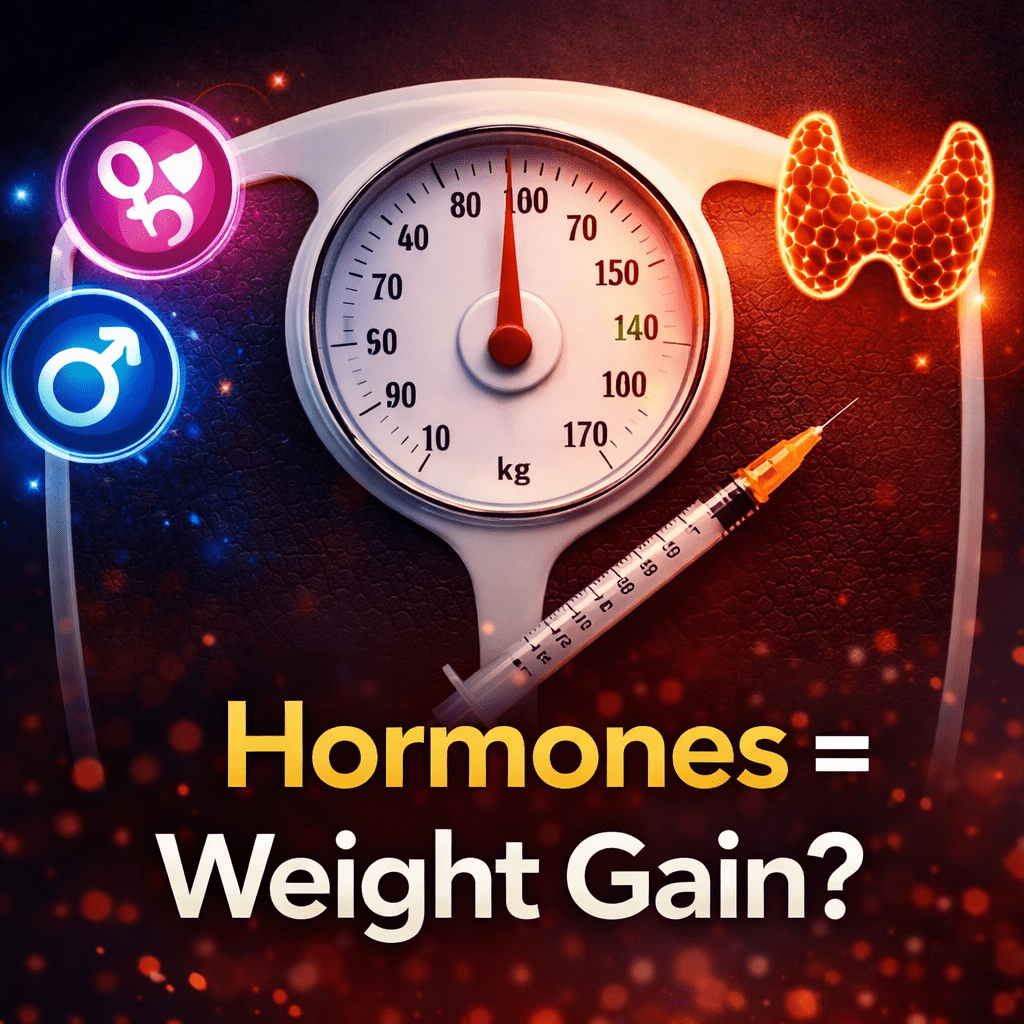
How Hormones and Weight Gain Are Connected
Understanding the link between hormones and weight gain is important if you are struggling with unexplained weight changes. Many people assume that weight gain is only related to diet and exercise, but hormones play a major role in how your body stores and uses energy.
Hormones act as messengers in your body. They regulate metabolism, appetite, fat storage, and energy usage. When these hormones are balanced, your body maintains a stable weight. But when there is even a slight imbalance, weight changes can occur.
This is why some people gain weight despite eating normally, while others struggle to lose weight even with effort.
If you are exploring lifestyle-related weight issues, you can also read more on: weight management section.
Key Hormones That Affect Body Weight
To understand the connection between hormones and weight gain, it is important to know which hormones play the biggest role. Weight regulation is not controlled by a single hormone, but by a network of hormones working together.
1. Insulin: The Fat Storage Hormone
Insulin helps your body use glucose for energy. However, when insulin levels remain high for long periods, the body starts storing more fat.
This is commonly seen in insulin resistance, where the body does not respond properly to insulin. As a result, more insulin is produced, leading to increased fat storage, especially around the abdomen.
A clinical study shows that insulin resistance is strongly linked with weight gain and metabolic disorders.
2. Thyroid Hormones: The Metabolism Regulators
Thyroid hormones control how fast your body uses energy. When thyroid function slows down, metabolism decreases, making it easier to gain weight and harder to lose it.
Even mild thyroid imbalance can affect energy levels, leading to reduced activity and gradual weight gain.
3. Cortisol: The Stress Hormone
Cortisol is released during stress. While it is useful in short-term situations, chronic stress leads to consistently high cortisol levels.
High cortisol levels promote fat storage, particularly in the abdominal region, and increase cravings for high-calorie foods.
Research indicates that chronic stress and elevated cortisol levels contribute to increased body weight and metabolic imbalance.
4. Leptin and Ghrelin: Appetite Control Hormones
Leptin signals fullness, while ghrelin signals hunger. When these hormones are imbalanced, appetite control becomes difficult.
Poor sleep, stress, and unhealthy eating patterns can disrupt these hormones, leading to overeating.
5. Sex Hormones (Estrogen and Testosterone)
Hormones like estrogen and testosterone also influence body fat distribution and metabolism. Changes in these hormones, especially in conditions like PCOS or menopause, can lead to weight gain.
A study highlights that hormonal imbalances in conditions like PCOS are closely associated with increased body weight and metabolic issues.
Why Weight Gain Happens Even With a Normal Diet
Many people feel frustrated because they experience hormones and weight gain despite maintaining a reasonable diet. This happens because hormones influence how your body processes food, not just how much you eat.
For example:
- High insulin levels promote fat storage even with moderate calorie intake
- Low thyroid activity reduces calorie burning
- High cortisol increases cravings and fat accumulation
This means that calorie intake alone does not determine weight. Hormonal environment plays a critical role.
Common Real-Life Patterns Seen in People
In real life, the impact of hormones and weight gain is seen in several patterns.
- Weight gain mainly around the abdomen
- Difficulty losing weight despite dieting
- Frequent cravings, especially for sugar
- Fatigue and low energy levels
- Weight gain during stress or poor sleep periods
These patterns often indicate underlying hormonal imbalance rather than just lifestyle issues.
| Hormone | Effect on Body | Weight Impact |
|---|---|---|
| Insulin | Increases fat storage | Abdominal weight gain |
| Thyroid | Controls metabolism | Slow metabolism leads to weight gain |
| Cortisol | Stress response | Fat accumulation and cravings |
Another study emphasizes that hormonal imbalance can significantly alter energy balance and fat distribution in the body. This is why addressing hormones is essential for long-term weight management.
What You Should Do If Hormones Are Affecting Your Weight
If you now understand the connection between hormones and weight gain, the next step is taking the right action. The goal is not just dieting harder, but improving how your body responds to food, stress, and lifestyle.
A practical approach works better than extreme diets or short-term plans.
- Focus on balanced meals: Include protein, fiber, and healthy fats in every meal
- Avoid long gaps between meals: This helps maintain stable insulin levels
- Improve sleep quality: Poor sleep disrupts hunger and stress hormones
- Manage stress actively: Simple techniques like walking or breathing exercises can help
- Stay physically active: Combine strength training with regular movement
- Limit processed foods: These can worsen hormonal imbalance
- Monitor your health: Regular check-ups can detect early issues
If you need structured guidance, you can also consult here: Consultation Link.
Warning Signs That Should Not Be Ignored
While hormones and weight gain often develop gradually, certain signs indicate that you should take action early.
- Rapid or unexplained weight gain
- Persistent fatigue or low energy
- Difficulty losing weight despite effort
- Irregular menstrual cycles (in women)
- Increased abdominal fat
According to the World Health Organization, obesity and overweight are major risk factors for several chronic diseases, making early management important (WHO fact sheet).
Key Takeaway
The connection between hormones and weight gain explains why weight changes are not always about diet alone. Hormones control how your body stores and uses energy. When they are imbalanced, even small lifestyle changes can lead to noticeable weight gain. Addressing sleep, stress, and daily habits is essential for long-term results.
References
- Insulin resistance and weight gain study
- Stress hormones and weight gain
- PCOS and metabolic impact
- Hormonal imbalance and obesity
- WHO obesity fact sheet
Take the Next Step
This information is for educational purposes only and should not replace professional medical advice. Always consult a qualified doctor for personalized care.