
Why High Blood Pressure Has No Symptoms in Early Stages
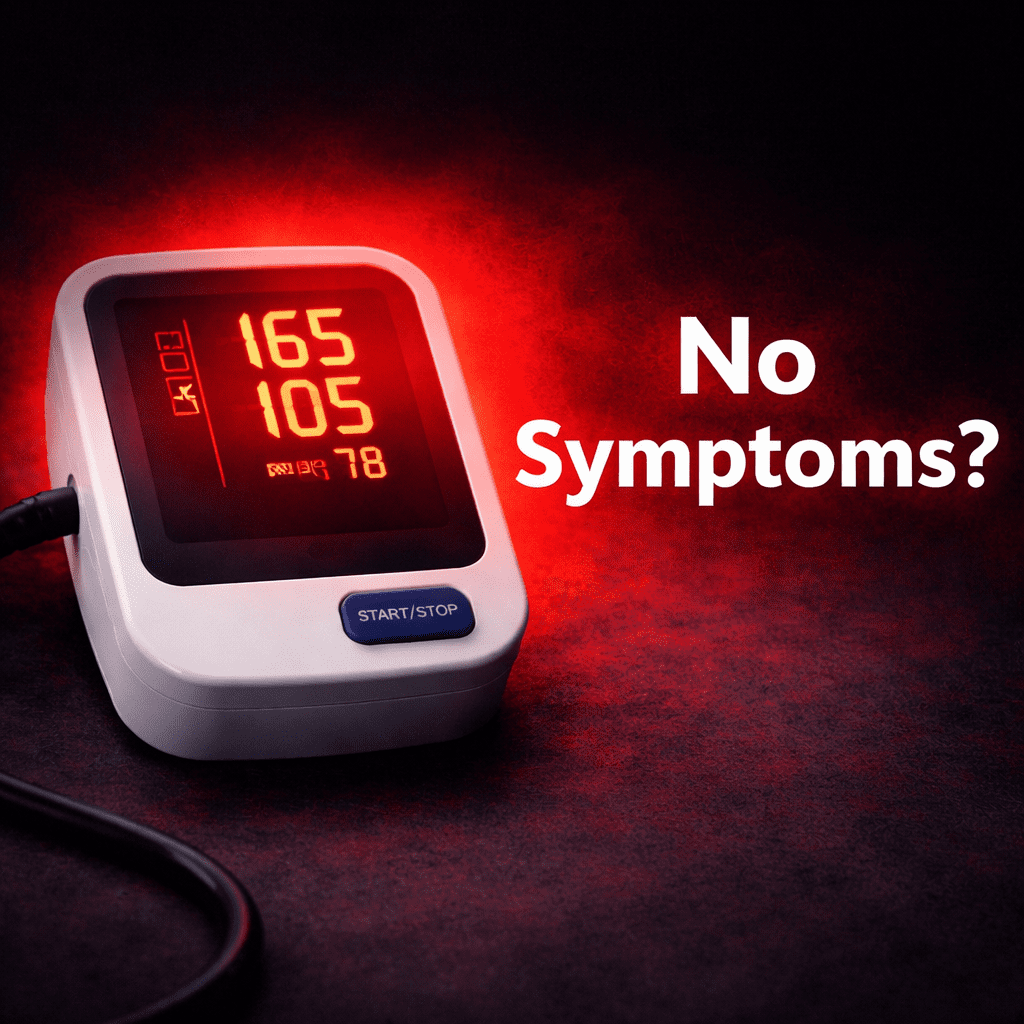
One of the most dangerous aspects of hypertension is that high blood pressure no symptoms is very common. Many people assume that if something is wrong, the body will signal it clearly. However, blood pressure behaves differently.
In most cases, BP rises gradually over time. The body adapts to this slow increase, which prevents noticeable symptoms from appearing. As a result, you may continue your daily routine without any discomfort, even when your readings are significantly elevated.
This is why hypertension is often called a silent disease. It does not produce early warning signs like pain or discomfort. In fact, many individuals discover it accidentally during routine health check-ups.
What Happens Inside the Body Without Any Symptoms
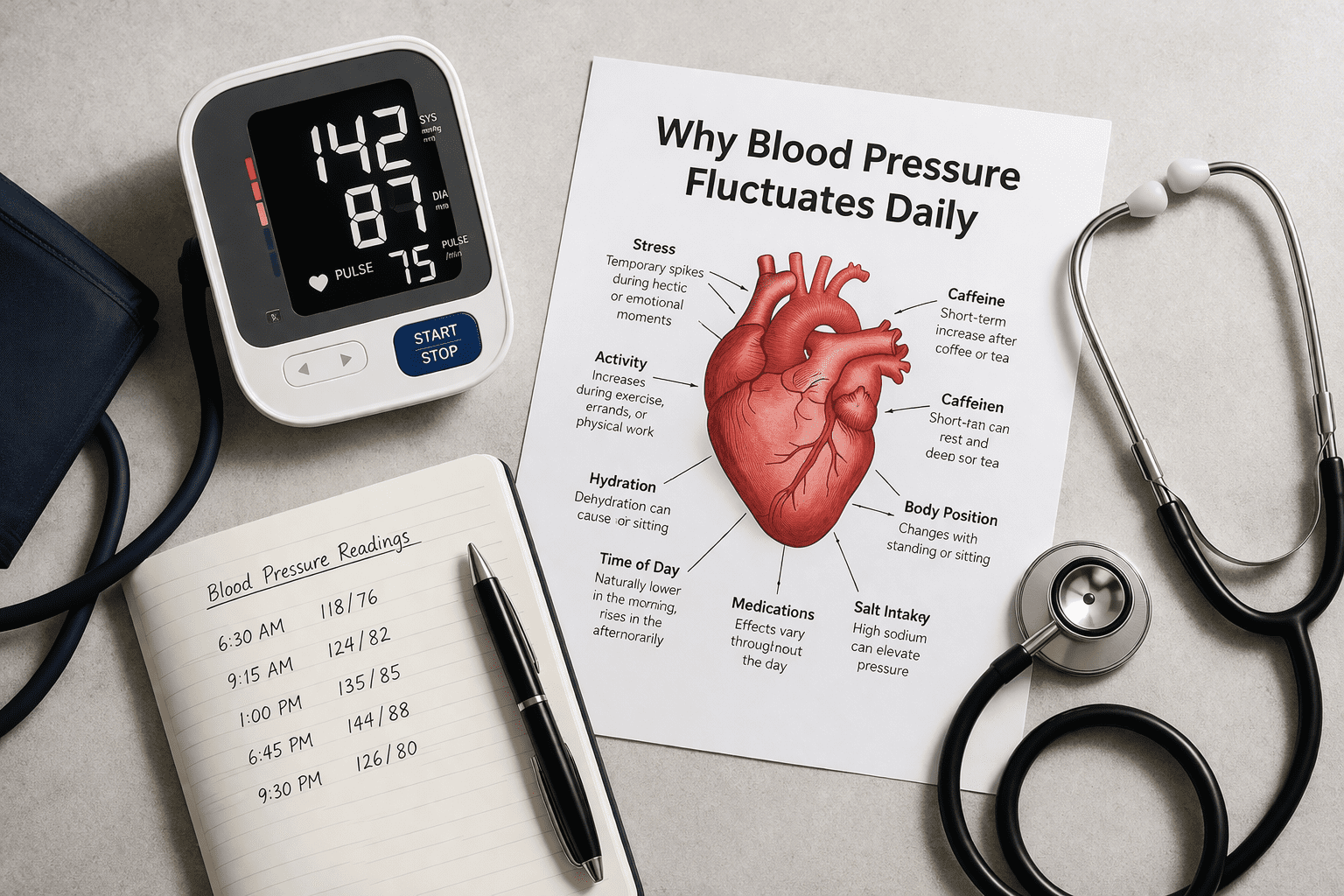
When we say high blood pressure no symptoms, it does not mean nothing is happening inside the body. In fact, several important changes are taking place silently.
Blood pressure represents the force of blood against artery walls. When this force remains high over time, it gradually damages the inner lining of blood vessels. This damage does not cause pain, so you remain unaware.
At the same time:
- Arteries start becoming stiff and less elastic
- The heart has to work harder to pump blood
- Kidneys begin to experience reduced filtration efficiency
- Blood supply to the brain may become less stable
These changes are slow and progressive, which is why symptoms do not appear early. A clinical review confirms that organ damage in hypertension begins long before symptoms develop.
Why the Body Does Not Give Warning Signs
There are a few important reasons why high blood pressure no symptoms remains unnoticed for years.
1. Gradual Adaptation
The body adapts to slow changes. Since BP increases gradually, your nervous system does not treat it as an emergency.
2. No Pain Receptors in Blood Vessels
Unlike muscles or skin, blood vessels do not have pain receptors that can signal damage directly.
3. Compensation by Organs
The heart, kidneys, and blood vessels compensate for increased pressure for a long time before failing.
4. Lack of Immediate Functional Loss
In early stages, daily activities are not affected. You can work, exercise, and perform routine tasks normally.
Because of these reasons, people often ignore screening and delay diagnosis.
Hidden Damage That May Already Be Happening
Even when there are no symptoms, high blood pressure no symptoms can still cause significant internal damage.
- Heart enlargement (left ventricular hypertrophy)
- Early kidney damage
- Small vessel damage in the brain
- Increased risk of atherosclerosis
Over time, this silent damage can lead to major complications like heart attack, stroke, or kidney failure.
A long-term study shows that untreated hypertension significantly increases cardiovascular risk even in asymptomatic individuals.
Real-Life Situations Where BP Remains Silent
In real life, many people come with patterns like:
- Feeling completely normal but BP found high during routine check-up
- No symptoms despite readings above 140/90 mmHg
- Occasional headaches ignored as stress
- Borderline sugar and cholesterol along with BP changes
These patterns are very common, especially in people with sedentary lifestyle, stress, and poor diet habits.
| Stage | What Happens Inside | What You Feel |
|---|---|---|
| Early Stage | Mild vessel stress | No symptoms |
| Intermediate | Organ adaptation | Minimal or no symptoms |
| Advanced | Organ damage begins | Symptoms may start appearing |
Another review highlights that early detection and lifestyle correction can significantly reduce long-term complications.
When Symptoms Finally Appear
Although high blood pressure no symptoms is common in early stages, symptoms may eventually appear when the condition becomes more severe or complications develop.
At this stage, the body is no longer able to compensate effectively, and warning signs may start becoming noticeable.
- Persistent headaches
- Dizziness or lightheadedness
- Shortness of breath
- Chest discomfort
- Blurred vision
- Fatigue
However, it is important to understand that by the time these symptoms appear, significant internal damage may already have occurred.
The World Health Organization emphasizes that hypertension is a major risk factor for heart disease and stroke, often going undetected until complications arise (WHO report).
What You Should Do Now
If you want to protect your long-term health, do not wait for symptoms. Managing high blood pressure no symptoms requires a proactive approach.
- Check BP regularly: At least once every few months, or more frequently if at risk
- Maintain a healthy weight: Especially reduce abdominal fat
- Limit salt intake: Aim for less than 5 grams per day
- Stay physically active: Combine walking with strength training
- Improve sleep quality: Aim for 7 to 8 hours daily
- Manage stress effectively: Use relaxation and breathing techniques
- Avoid smoking and excess alcohol
If you are unsure where to begin, you can explore more about preventive health and metabolic awareness on https://getindiafit.in/how-to-check-blood-pressure-at-home_2/.
For a structured and personalized approach, you can also consider a consultation here:
Consultation Link.
Key Takeaway
High blood pressure no symptoms is dangerous because it allows damage to progress silently over years. Feeling normal does not mean your body is safe. Regular screening and early lifestyle correction are essential to prevent serious complications.
References
- Early organ damage in hypertension
- Importance of early intervention
- Hypertension management outcomes
- Long-term cardiovascular risk
- WHO hypertension fact sheet
Take the Next Step
This information is for educational purposes only and should not replace professional medical advice. Always consult a qualified doctor for personalized care.