
Why Fatty Liver Is Increasing in Non-Drinkers
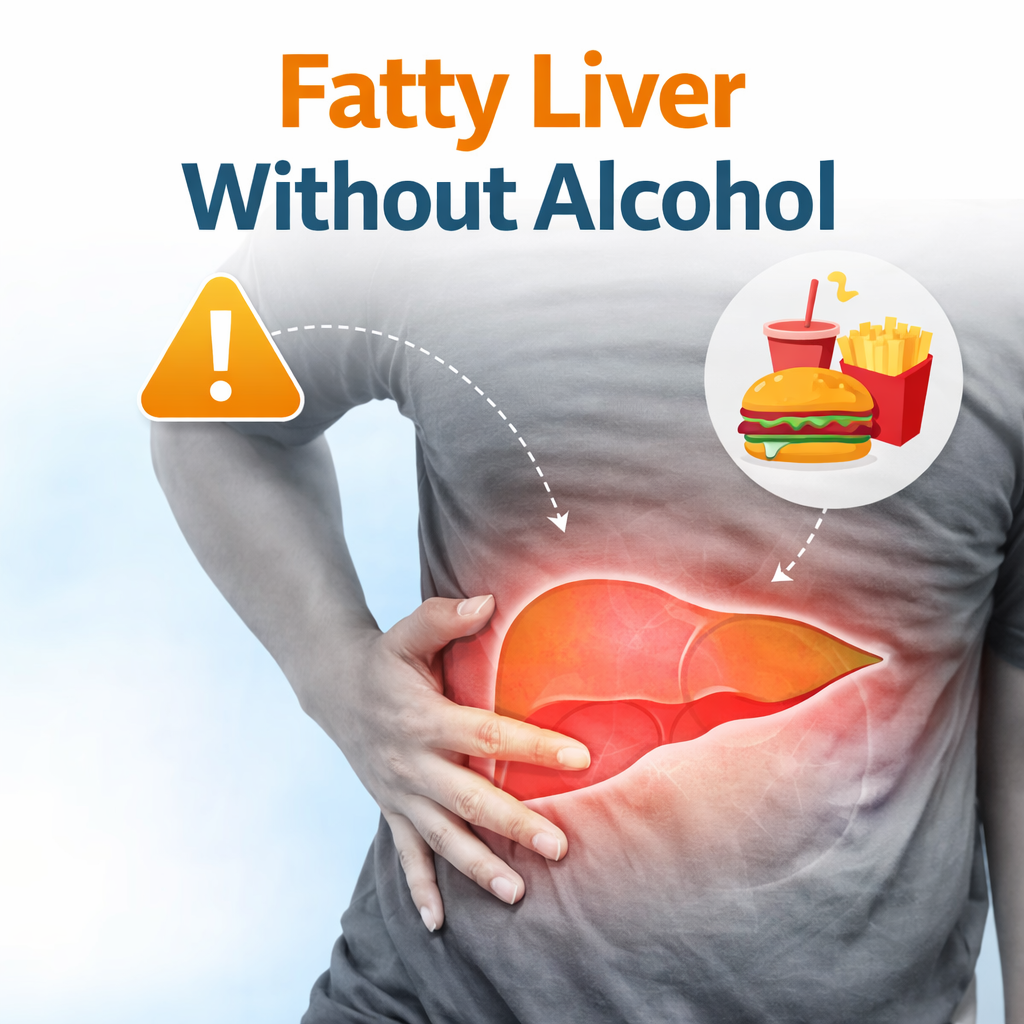
Until a few decades ago, fatty liver was usually associated with heavy alcohol consumption. Today, however, doctors are increasingly diagnosing fatty liver without alcohol in people who rarely or never drink.
This condition is medically known as non-alcoholic fatty liver disease (NAFLD). It occurs when excess fat accumulates in liver cells in people who consume little or no alcohol.
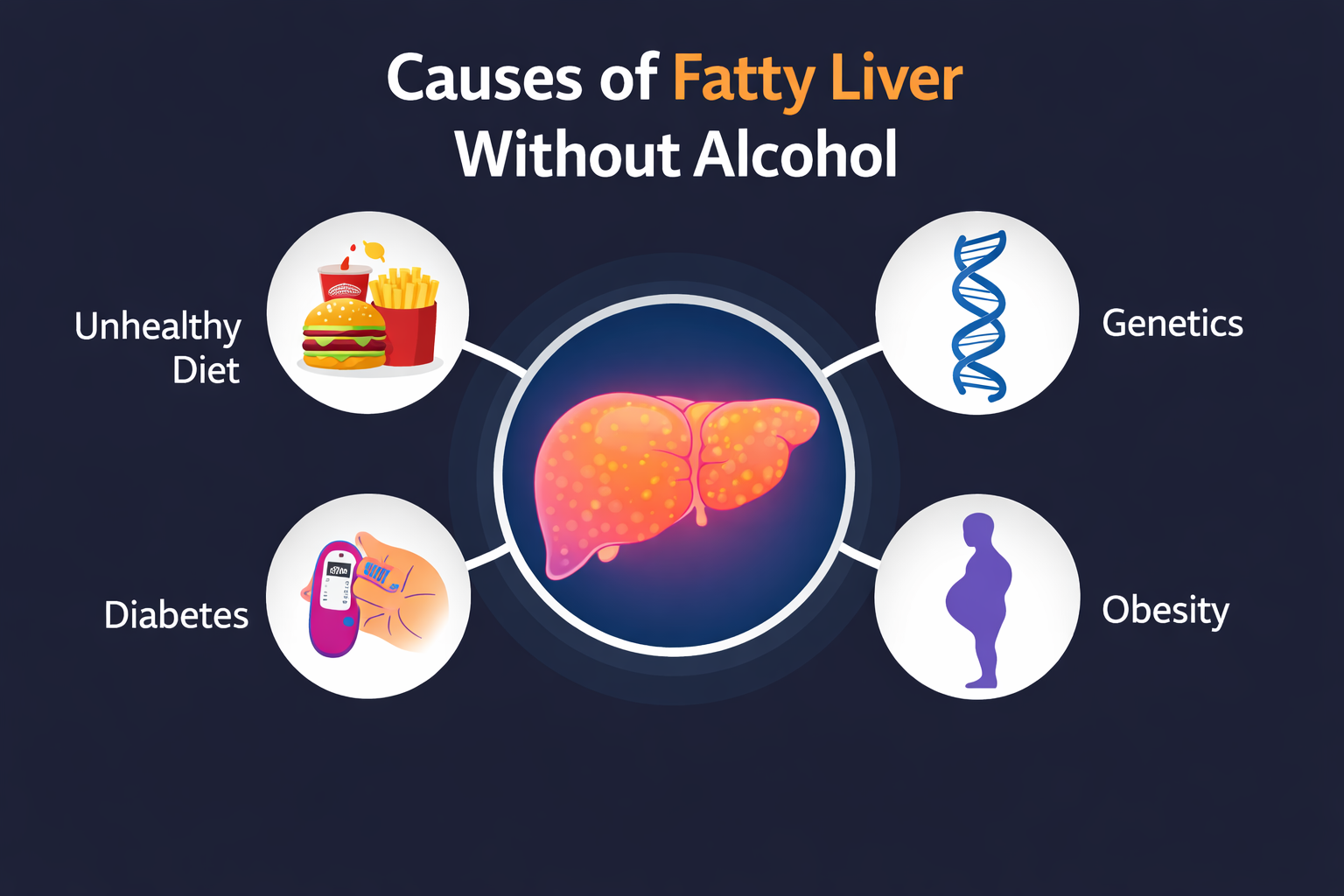
The rise of fatty liver without alcohol is closely linked with modern lifestyle patterns including sedentary behavior, high-calorie diets, refined carbohydrates, and increasing rates of obesity and metabolic disorders.
Studies estimate that nearly 25–30% of adults worldwide may now have NAFLD, making it one of the most common liver conditions globally.
Understanding why fatty liver without alcohol is increasing can help people prevent long-term complications such as diabetes, cirrhosis, and cardiovascular disease.
What Is Fatty Liver Disease?
Fatty liver disease develops when excess fat accumulates in liver cells. Normally the liver contains small amounts of fat, but when fat exceeds about 5% of liver weight, it is considered fatty liver.
In people with fatty liver without alcohol, the condition is often related to metabolic factors rather than alcohol toxicity.
Doctors generally classify NAFLD into two stages:
- Simple fatty liver (steatosis) – fat accumulation without major inflammation
- Non-alcoholic steatohepatitis (NASH) – fat accumulation with liver inflammation and damage
If not addressed early, NASH may progress to liver fibrosis or cirrhosis.
Research shows that metabolic abnormalities such as insulin resistance are central to the development of NAFLD.
1. Insulin Resistance
One of the most important causes of fatty liver without alcohol is insulin resistance.
Insulin resistance occurs when body cells do not respond effectively to insulin. As a result, the pancreas produces higher amounts of insulin to maintain normal blood glucose levels.
Elevated insulin promotes fat production within the liver and reduces the breakdown of stored fat.
This leads to progressive fat accumulation inside liver cells.
Insulin resistance is commonly seen in people with:
- prediabetes
- type 2 diabetes
- obesity
- metabolic syndrome
Because of this metabolic connection, fatty liver is now considered part of the broader metabolic disease spectrum.
2. Excess Refined Carbohydrates
Another major contributor to fatty liver without alcohol is a diet high in refined carbohydrates.
Foods such as white bread, sweets, sugary beverages, and processed snacks cause rapid increases in blood sugar levels.
The body responds by releasing insulin to control the glucose spike. Repeated spikes in insulin encourage fat production in the liver through a process called de novo lipogenesis.
Studies have shown that high intake of refined carbohydrates and fructose is strongly associated with fatty liver development.
3. Abdominal Obesity
Another important reason why fatty liver without alcohol is increasing is the rise of abdominal obesity.
Fat stored around the abdomen is metabolically active and releases inflammatory chemicals and fatty acids into the bloodstream. These fatty acids are transported directly to the liver through the portal circulation.
When excess fat continuously reaches the liver, it promotes fat accumulation inside liver cells.
This explains why people with increasing waist circumference often develop fatty liver without alcohol even when their overall body weight does not appear extremely high.
Abdominal obesity is also closely associated with insulin resistance, which further worsens fat accumulation in the liver.
Studies have shown that waist circumference is one of the strongest predictors of non-alcoholic fatty liver disease.
4. Sedentary Lifestyle
Modern lifestyles involve prolonged sitting, minimal physical activity, and increased screen time. These habits significantly affect metabolic health.
When the body remains inactive for long periods, calorie expenditure drops and fat metabolism slows down. Over time, excess energy is stored as fat, including fat inside the liver.
Physical inactivity also worsens insulin resistance, which further contributes to fatty liver without alcohol.
Research published in Hepatology indicates that sedentary behavior independently increases the risk of fatty liver disease even after adjusting for body weight.
Increasing daily movement through walking, exercise, and reducing sitting time can significantly improve liver fat levels.
5. Metabolic Syndrome
Metabolic syndrome is a cluster of metabolic abnormalities that significantly increase the risk of cardiovascular disease and diabetes.
The syndrome includes:
- abdominal obesity
- high blood pressure
- high triglycerides
- low HDL cholesterol
- insulin resistance
People with metabolic syndrome have a much higher risk of developing fatty liver without alcohol.
The liver plays a central role in metabolism. When metabolic regulation becomes abnormal, fat begins to accumulate in the liver.
According to recent research, NAFLD is now considered the liver manifestation of metabolic syndrome.
6. Poor Sleep and Chronic Stress
Sleep deprivation and chronic stress also contribute to metabolic disorders that lead to fatty liver.
Poor sleep alters hormonal balance and increases appetite-regulating hormones such as ghrelin while reducing leptin.
Stress increases cortisol levels, which promotes fat accumulation and insulin resistance.
These metabolic disturbances can increase the risk of fatty liver without alcohol even in individuals who do not consume alcohol.
Multiple studies have shown that short sleep duration is associated with higher prevalence of NAFLD.
7. Genetic Susceptibility
Some individuals may develop fatty liver without alcohol due to genetic predisposition.
Certain gene variants influence how the body stores fat and processes lipids. These genetic differences can increase the risk of liver fat accumulation even in people who are not obese.
For example, variants in the PNPLA3 gene have been strongly linked to increased susceptibility to fatty liver disease.
However, genetics alone rarely explains the entire problem. Lifestyle factors such as diet, physical activity, and metabolic health still play a major role.
Common Risk Factors for Fatty Liver Without Alcohol
| Risk Factor | How It Contributes | Typical Signs |
|---|---|---|
| Insulin resistance | promotes fat production in liver | prediabetes, high fasting glucose |
| Abdominal obesity | fat released to liver through portal circulation | increasing waist circumference |
| Sedentary lifestyle | reduced fat metabolism | low daily physical activity |
| Refined carbohydrates | excess sugar converted to liver fat | frequent sugary foods |
| Metabolic syndrome | multiple metabolic abnormalities | high triglycerides, high BP |
How to Prevent Fatty Liver Without Alcohol
The encouraging news is that fatty liver without alcohol is often reversible in its early stages. Because the condition is closely linked to metabolic health, lifestyle changes can significantly reduce liver fat.
Doctors usually recommend a combination of dietary improvement, regular physical activity, and metabolic monitoring.
1. Maintain a healthy body weight
Weight reduction is one of the most effective ways to reduce liver fat. Even a modest weight loss of 5–10% of body weight has been shown to significantly improve fatty liver.
Weight reduction improves insulin sensitivity and reduces fat accumulation in the liver.
2. Reduce refined carbohydrates and sugars
Limiting foods that cause rapid spikes in blood glucose can help reduce fat formation inside the liver.
Examples include:
- sugary beverages
- desserts and sweets
- refined flour products
- packaged snacks
Replacing these foods with whole grains, vegetables, and balanced meals helps stabilize metabolism.
3. Increase physical activity
Regular exercise improves fat metabolism and reduces liver fat accumulation.
Both aerobic exercise and resistance training are beneficial. Walking, cycling, swimming, and strength training are all effective strategies.
Research shows that regular physical activity can significantly improve liver enzyme levels and reduce fat accumulation in people with NAFLD.
4. Improve sleep quality
Adequate sleep supports metabolic regulation and hormone balance.
Adults should aim for 7–8 hours of consistent sleep each night to reduce metabolic disturbances that contribute to fatty liver without alcohol.
5. Monitor metabolic health
Regular health checkups help detect metabolic conditions that increase the risk of fatty liver.
Important parameters include:
- blood glucose levels
- lipid profile
- liver function tests
- waist circumference
Early detection allows lifestyle interventions before liver damage progresses.
When Should You See a Doctor?
Many people with fatty liver without alcohol do not experience obvious symptoms in the early stages. The condition is often detected during routine blood tests or ultrasound examinations.
Medical evaluation becomes important if fatty liver is associated with:
- persistent fatigue
- elevated liver enzymes
- unexplained abdominal discomfort
- rapid weight gain
- diabetes or prediabetes
Early diagnosis allows doctors to identify risk factors and prevent disease progression.
Key Takeaway
Fatty liver without alcohol is becoming increasingly common due to modern lifestyle patterns including sedentary behavior, refined carbohydrate intake, metabolic syndrome, and insulin resistance.
Although alcohol is not involved, the condition can still lead to serious liver disease if ignored. Early lifestyle changes such as improving diet, increasing physical activity, and managing metabolic health can significantly reduce the risk.
References
- Global prevalence of non-alcoholic fatty liver disease
- Metabolic mechanisms of NAFLD
- Fructose intake and fatty liver disease
- Sedentary lifestyle and fatty liver risk
- Sleep duration and NAFLD risk
Disclaimer: This article is for educational purposes only and should not replace professional medical advice.